Ohio Gardeners Are Using This Trick To Keep Groundhogs Out Of Vegetable Beds
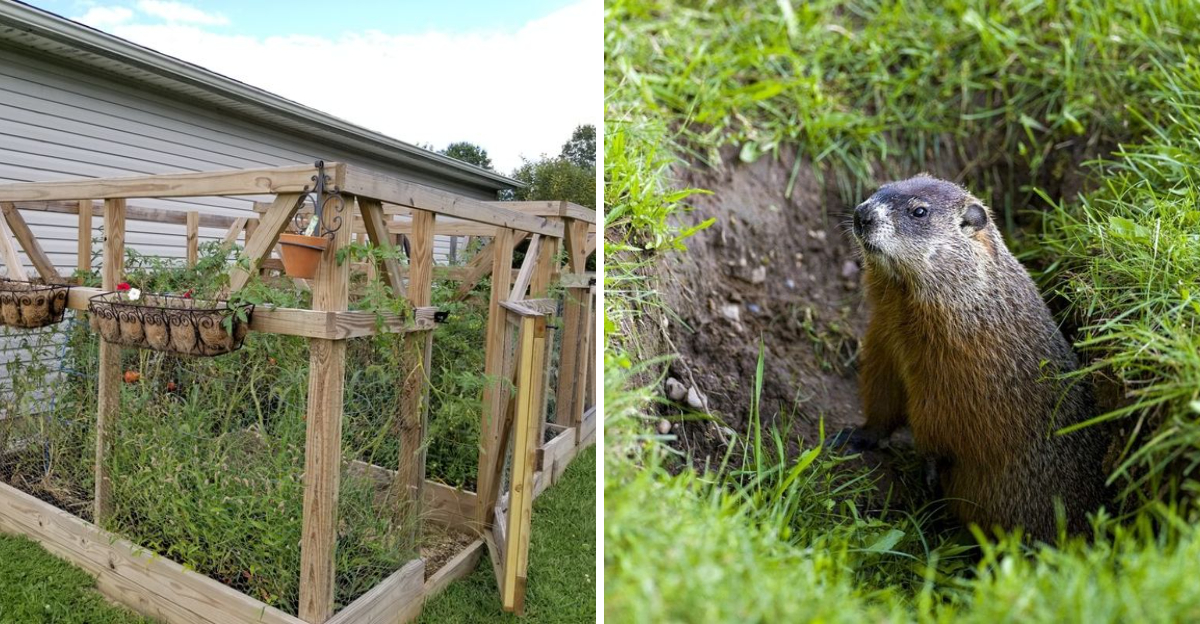
You plant, you water, you wait… and then one morning, it’s gone. Sound familiar?
In parts of Ohio, groundhogs treat vegetable beds like an open buffet, and they show up right when everything looks its best. It feels personal.
Like they waited for the perfect moment. So what’s the move when fencing fails and sprays fall flat?
Gardeners across the state have started leaning on one surprisingly simple trick that flips the script. No constant chasing, no complicated setup, no daily battle.
Just a smarter way to make your garden far less inviting. Think of it as changing the rules of the game instead of playing harder.
Because once groundhogs lose interest, they move on fast. And that’s the real goal, right?
The twist is in how this method works with their instincts, not against them. And it might be easier than you expect.
1. Buried Wire Fencing Stops Groundhogs From Digging Under Beds
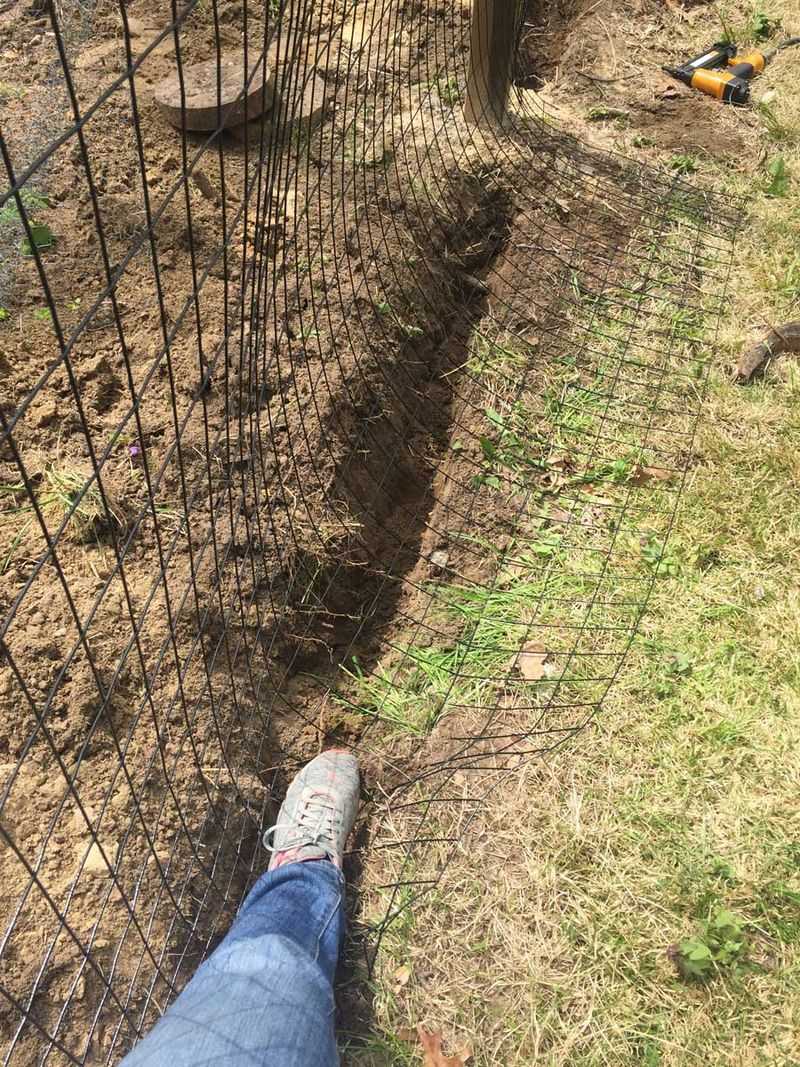
Most gardeners put up a fence and assume the job is done. The problem is that groundhogs rarely go over a barrier when they can simply go under it.
These animals are natural burrowers, and digging down beneath a fence is one of their first instincts when they encounter an obstacle near a food source.
According to guidance from Ohio State University Extension, burying the bottom of your fence about 10 to 12 inches underground is one of the most important steps you can take.
That depth is enough to interrupt a groundhog’s natural digging path and discourage them from pushing further.
A fence that only sits on top of the soil gives them almost no resistance at all.
The installation process takes a bit of extra effort, but it is straightforward. You dig a narrow trench around the perimeter of your garden bed, set the fencing into the trench, and then backfill the soil.
Compact the soil firmly so there are no loose spots where a groundhog could easily push through.
Above-ground fencing on its own simply does not hold up against a determined groundhog. Combining surface height with underground depth creates a full barrier that addresses how these animals actually behave.
Gardeners who skip the buried section often find themselves dealing with the same problem week after week, no matter how tall or sturdy their fence appears from the outside.
2. L-Shaped Fence Base Blocks Tunneling At The Source
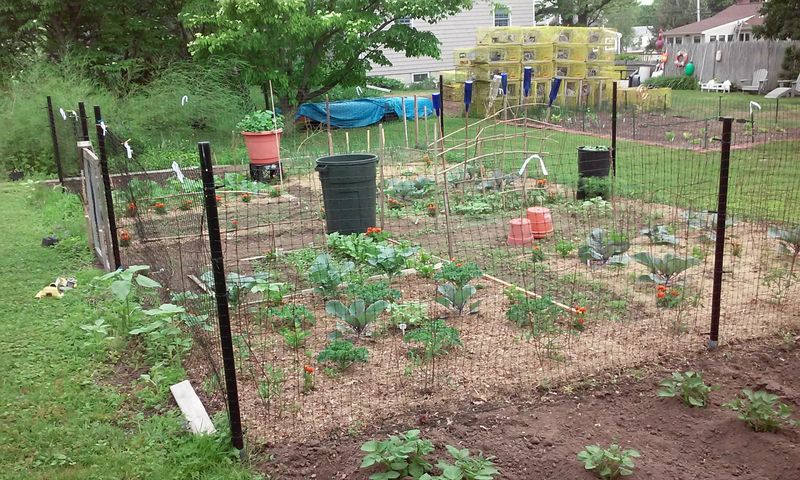
Groundhogs are persistent diggers, but they tend to follow predictable patterns. When they reach an obstacle, they start digging straight down right at the base of the fence.
That is their instinct, and it is exactly what the L-shaped fence design is built to interrupt.
Rather than letting the fence drop straight down into the soil, you bend the bottom portion outward at a 90-degree angle before burial. The horizontal section typically extends about 12 inches away from the fence line, pointing away from the garden.
When a groundhog starts digging at the base and hits that flat horizontal section of wire underground, it cannot figure out how to get past it and usually gives up.
Your Ohio Garden Changes Every Week. Your Plan Should Too.
Gardening in Ohio changes quickly throughout the season. Every Friday you’ll receive a simple weekly plan showing exactly what to plant, prune, fertilize, harvest, and protect so you never miss the right timing.
This design is widely recommended by extension horticulturalists because it works with the animal’s behavior rather than just trying to outlast it.
A groundhog that hits a hard barrier right where it expects open soil will typically move on rather than keep digging in circles.
Setting this up requires bending your wire mesh before installation, which is easier with hardware cloth than with more rigid materials. Use gloves during this process since cut wire edges can be sharp.
Once the L-shaped base is buried and covered, it is completely hidden from view and requires almost no maintenance. It quietly does its job season after season without you having to think about it again.
3. Outward-Angled Tops Prevent Groundhogs From Climbing Over
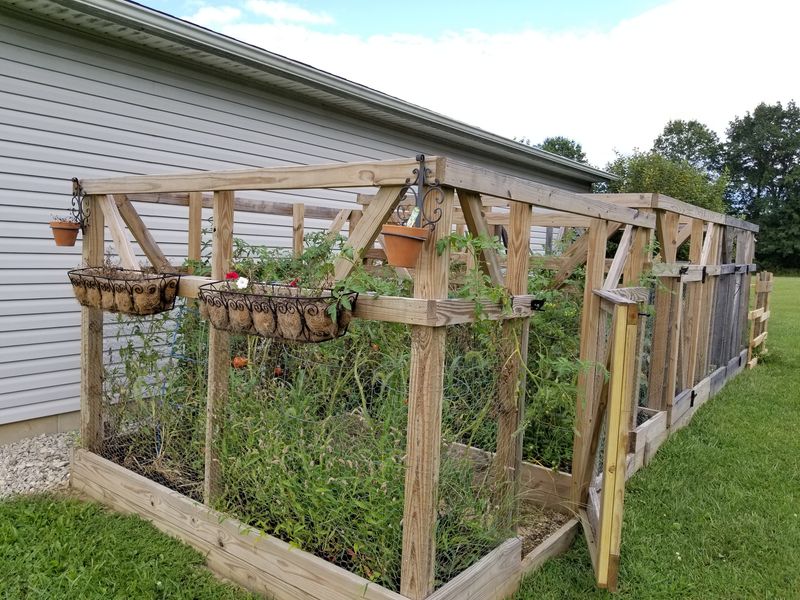
A lot of people are surprised to learn that groundhogs can climb. They look slow and round, but they are actually capable of scaling a standard fence when they are motivated enough.
If your vegetable garden smells like fresh lettuce or ripe tomatoes, a groundhog will make the effort.
Angling the top 12 inches of your fence outward at roughly 45 degrees creates an overhang that throws off their climbing angle. When a groundhog reaches the top and finds that the fence tilts away from the garden, it loses its grip and balance.
Most will slide back down and walk away without trying again.
The Farmer’s Almanac and several university extension resources suggest leaving the top portion of the fence unattached to posts so it stays floppy. A floppy top is even harder for a groundhog to navigate because it shifts under their weight.
That instability is enough to deter most animals from pushing through.
Adding this angled top takes only a few extra minutes during installation. You simply avoid stapling or securing the uppermost section to your fence posts, letting it lean outward naturally.
Combined with the underground burial and L-shaped base, this detail completes a three-part system that covers every direction a groundhog might try.
Addressing both digging and climbing at the same time is what makes this approach so much more effective than a basic upright fence.
4. Hardware Cloth Holds Up Better Than Standard Garden Wire
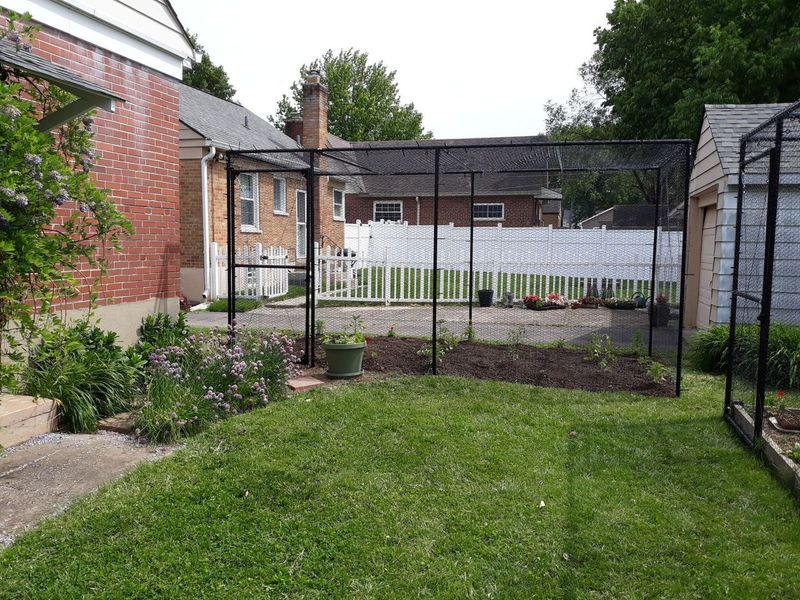
Not all wire fencing is created equal, and choosing the wrong material can mean replacing your barrier every season. Chicken wire is popular because it is cheap and widely available, but it has real weaknesses when it comes to groundhogs.
The openings are large enough for young groundhogs to squeeze through, and the thin gauge wire bends and rusts faster than you might expect.
Hardware cloth is a much better choice. It is made from a thicker gauge wire woven into a tight grid pattern, usually with half-inch or quarter-inch openings.
Those small gaps are too narrow for even a young groundhog to fit through, and the heavier wire resists bending and stretching over time. It holds its shape after burial, which matters because loose or collapsed fencing underground does not block anything.
Galvanized hardware cloth also handles Ohio’s wet spring soil much better than standard garden wire. It resists rust and corrosion, so you are not pulling out crumbled fencing after two or three seasons.
The upfront cost is higher, but the material lasts far longer and performs consistently year after year.
When shopping, look for hardware cloth labeled as 19-gauge or heavier. Lighter gauges bend too easily under pressure.
You can find it at most hardware and farm supply stores across Ohio. Cutting it to length requires wire cutters rather than scissors, but the extra durability is absolutely worth the small added effort during installation.
5. Fence Depth Matters More Than Height For Groundhog Control
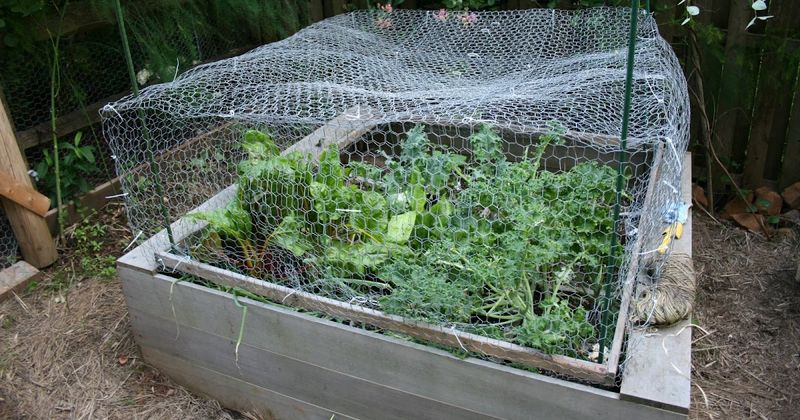
When most people think about keeping animals out of a garden, they think taller fence. With deer, that logic makes sense.
With groundhogs, it misses the point almost entirely. These animals are low to the ground, heavyset, and not natural jumpers.
Their main strategy is always to go under, not over.
Extension specialists consistently point out that a fence buried 10 to 12 inches deep with an L-shaped base will outperform a four-foot upright fence that has no underground component at all.
The height above ground still matters, roughly two to three feet is typically enough, but the depth is what actually stops a groundhog from getting into your beds.
Thinking about this practically makes the installation easier to plan. You do not need to build a towering fence that blocks your view of the garden or makes it hard to reach in for harvesting.
A modest height combined with solid underground depth gives you a low-profile, functional barrier that does not take over the look of your yard.
Gardeners who have dealt with repeated groundhog problems often report that switching their focus from height to depth was the change that finally worked. Adding six more inches above ground rarely makes a difference.
Adding six more inches below ground almost always does. Keeping that priority straight from the beginning saves you from wasted materials and the frustration of a fence that looks solid but keeps getting defeated from below.
6. Closing Gaps Early Keeps Curious Groundhogs From Testing Weak Spots
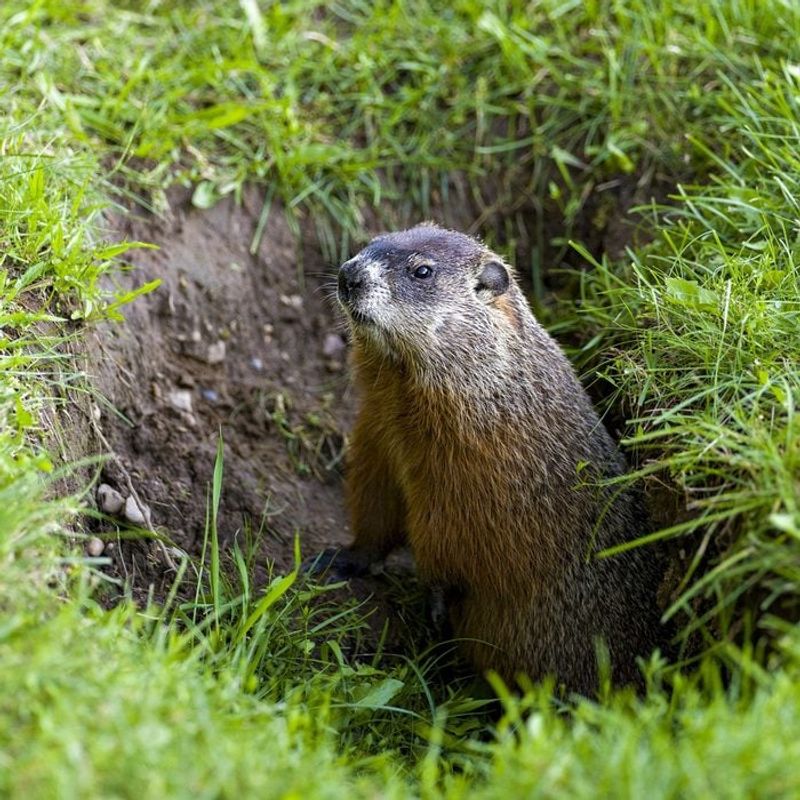
Groundhogs are curious and patient. Before they commit to digging, they often walk the perimeter of a fence looking for the easiest way in.
A gap as small as three or four inches at a corner or near a gate is all the invitation they need to start pushing and testing.
Corners are the most common weak spot in a garden fence. When two sections of wire meet at an angle, it is easy to leave a small triangle of open space that gets overlooked during installation.
Gates present a similar challenge because the hinged side and latch side both need to close flush against the fence frame with no gaps at the bottom or sides.
Checking these areas before your plants are in the ground is far easier than fixing them after a groundhog has already found the opening.
Walk the full perimeter of your fence and look at every point where two sections meet, where the fence meets a post, and where the bottom of the fence touches the soil.
Use heavy-gauge wire staples or J-clips to fasten any loose sections tightly.
Pay special attention after the first heavy rain of the season. Soil settles and shifts, and a fence bottom that was snug in dry conditions sometimes lifts slightly after the ground softens.
A quick visual check each spring, before groundhogs become active in late February or March, can catch these small issues before they become a real problem for your vegetable beds.
7. Clearing Nearby Cover Makes Vegetable Beds Less Appealing

Groundhogs are cautious animals. They rarely spend time in open spaces where they feel exposed, and they prefer to stay close to cover when moving around.
Brush piles, tall grass, wood stacks, and dense weedy patches near your garden give them exactly the kind of shelter they look for before settling into an area.
Removing that cover does not eliminate groundhogs from your property, but it does make the area around your vegetable beds feel less safe to them.
When a groundhog has to cross a wide open lawn to reach your garden, it is much more hesitant than when it can move from a brushy patch directly to your raised beds without ever leaving cover.
Start by mowing grass short within about 15 to 20 feet of your garden perimeter. Move any wood or brush piles away from the garden area and store them closer to the edge of your property if possible.
Pull weeds regularly so dense patches do not build up along the fence line, which is a common spot for groundhogs to settle in and start exploring.
This strategy works well alongside physical fencing rather than as a replacement for it. Habitat reduction lowers the chances that groundhogs will move in and start testing your barriers in the first place.
Combining a tidy yard with a properly installed fence creates an environment that simply does not reward groundhog activity, which is the most sustainable long-term approach for Ohio vegetable gardeners.
8. Simple Barriers Work Best When Installed Before Damage Starts
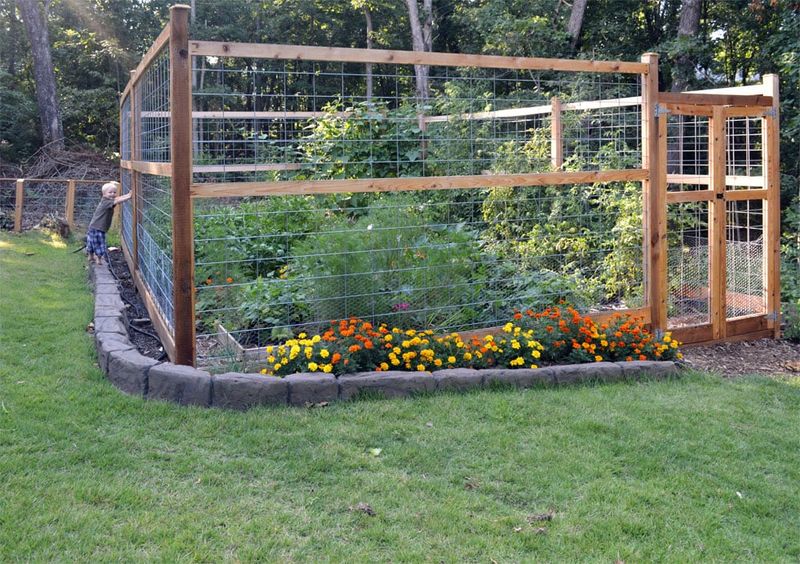
There is a window every spring when installing a groundhog barrier is easy, effective, and stress-free. That window is before the groundhogs in your area have identified your garden as a food source.
Once they have found it and started visiting regularly, you are playing catch-up instead of staying ahead.
Groundhogs in Ohio typically come out of hibernation in late February or early March. By the time most gardeners are putting seeds in the ground in April and May, groundhogs are already active, hungry, and scouting for reliable food.
If your fence is not already in place, you are essentially racing against an animal that already has a head start.
Installing your fencing in late winter or very early spring, even before you plant anything, means the barrier is already established when groundhogs start their seasonal rounds.
They encounter the fence before they have any reason to be persistent about getting through it, which makes deterrence much easier.
Reacting after a groundhog has already dug a burrow near your garden is significantly harder. Established animals are more motivated and more familiar with your yard’s layout.
Prevention does not require more work than a reactive fix, it just requires doing the same work earlier in the season.
A few hours spent setting up a proper fence in March can protect an entire growing season from start to finish, saving you far more time and effort than you would spend recovering from repeated groundhog visits.