Why Some Florida Houseplants Can Grow Better Or Faster In Winter
Florida winters may be mild, but they bring a surprising twist for many houseplant lovers.
As the summer heat loosens its grip, some plants catch a second wind and push out fresh growth as if the cool season were their cue.
The gentler sunlight, steadier indoor temperatures, and lighter humidity create a sweet spot that helps certain houseplants stretch their leaves with new energy.
Instead of battling scorching rays or sweltering air, these plants settle into a slower, calmer rhythm that suits them just fine.
Homeowners often notice new shoots popping up when they least expect it, as if the plants have decided winter is their moment to shine.
While outdoor gardens take a rest, indoor greenery steps into the spotlight, adding life to rooms just when the days grow shortest.
This winter boost turns ordinary houseplants into quiet showstoppers, proving that growth can thrive even during Florida’s coolest months.
1. Milder Temperatures Support Steady Growth
Florida winters bring temperatures that hover between 60 and 75 degrees Fahrenheit, which happens to be the sweet spot for many tropical houseplants.
Summer heat in Florida can soar into the 90s, stressing plants and slowing their metabolism.
When temperatures drop to more moderate levels, plants can focus their energy on producing new leaves and roots rather than just surviving.
Think of it like running a marathon in comfortable weather versus blazing heat.
Your body performs better when it’s not overheating, and plants work the same way.
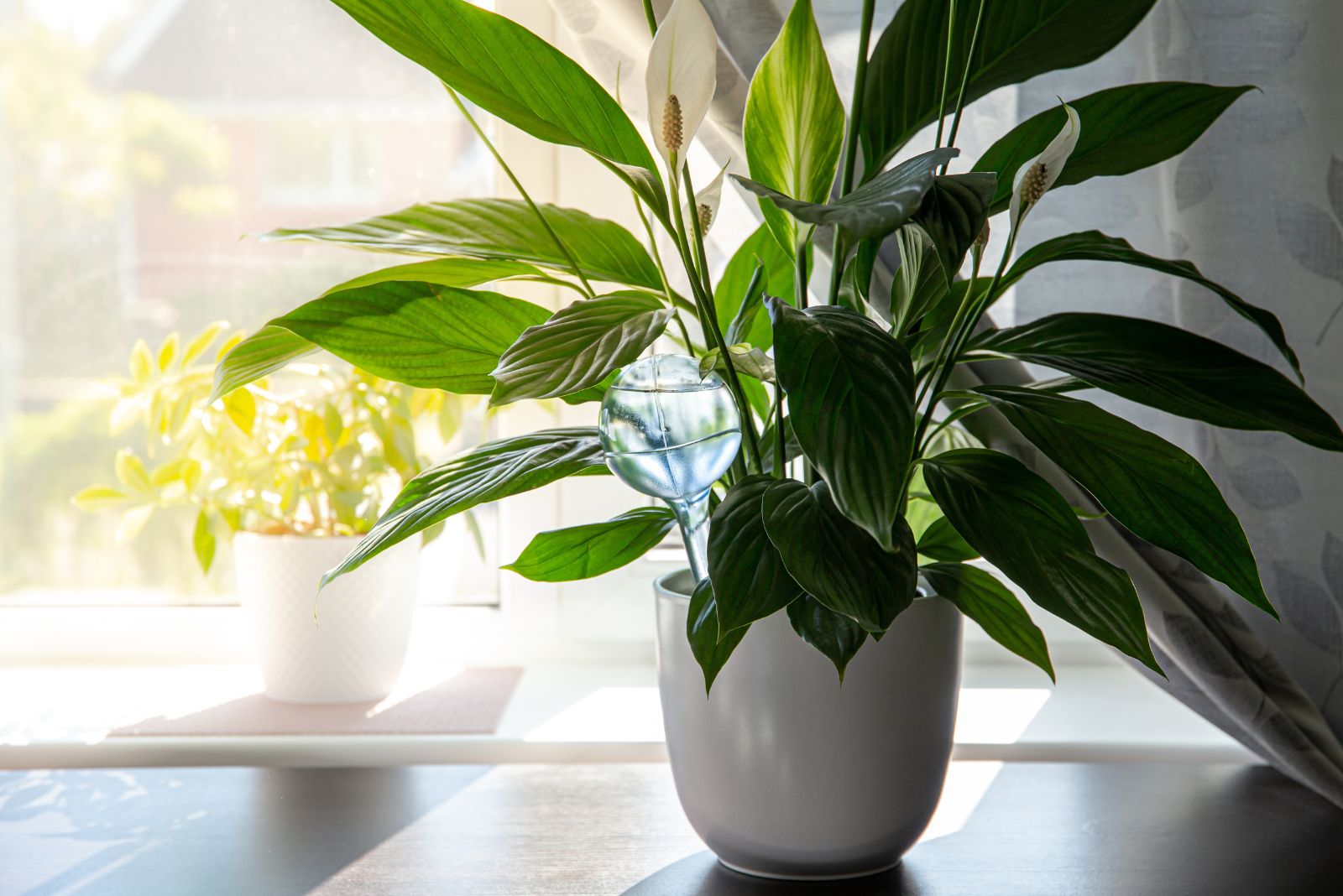
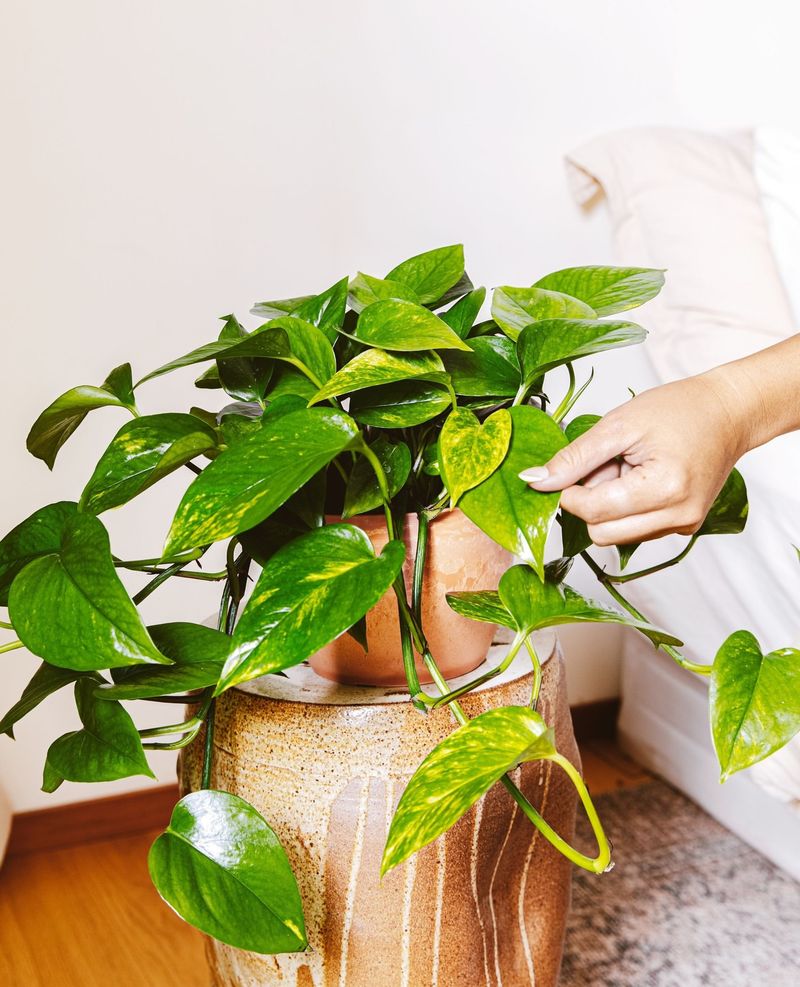
Pothos, philodendrons, and peace lilies especially love these mild winter conditions.
Indoor temperatures also become more stable during winter months.
Air conditioning units don’t cycle on and off as frequently, which means fewer temperature swings throughout the day.
This consistency helps plants maintain steady photosynthesis and respiration rates.
Another bonus is that soil moisture stays more balanced.
Without the intense evaporation caused by summer heat, the soil doesn’t dry out as quickly.
Roots can absorb water and nutrients at a healthier pace, supporting robust growth.
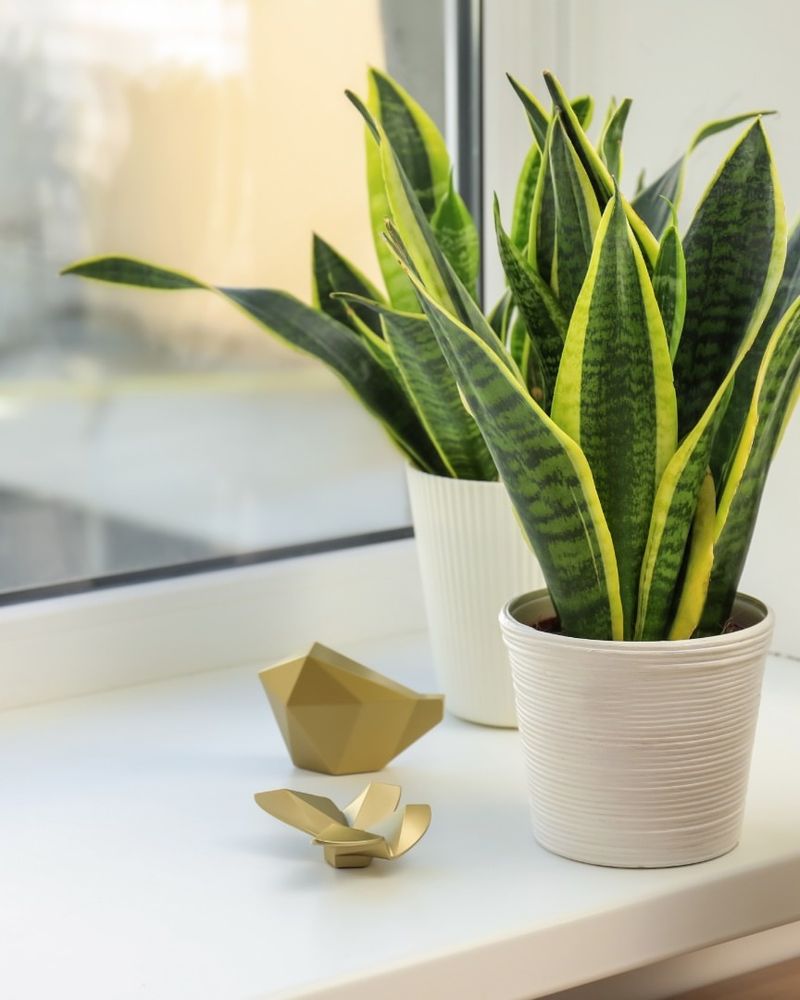
Many Florida gardeners notice their snake plants, ZZ plants, and rubber trees pushing out fresh growth during December and January.
This isn’t a coincidence, it’s nature responding to ideal growing conditions.
By keeping your indoor environment between 65 and 72 degrees, you create a perfect climate for winter houseplant success.
2. Brighter, Softer Winter Sunlight
Sunlight changes dramatically between seasons, and winter offers a gentler quality of light that many houseplants adore.
During summer, the sun sits high in the sky, blasting intense rays that can scorch delicate leaves even through windows.
Winter sun takes a lower path across the sky, creating softer, more diffused light that penetrates deeper into your home.
This shift means plants positioned near south-facing or west-facing windows receive more usable light without the risk of sunburn.
Leaves that would normally curl or develop brown spots in July stay vibrant and green in January.
Ferns, calatheas, and prayer plants particularly benefit from this softer illumination.
Lower sun angles also mean light reaches areas of your home that stay shaded during summer.
Plants sitting further from windows can suddenly access the light they need for photosynthesis.
This expanded growing zone gives you more flexibility in plant placement throughout your living space.
The quality of light matters just as much as quantity.
Winter sunlight in Florida contains a balanced spectrum that supports chlorophyll production without causing heat stress.
Plants can photosynthesize efficiently, converting light into energy for growth rather than using that energy to cope with excessive heat.
Even shade-loving plants like Chinese evergreens and dracaenas show improved growth during winter months.
The combination of adequate light and comfortable temperatures creates ideal conditions.
You might find yourself moving plants closer to windows during winter to take full advantage of this natural boost.
3. Lower Risk Of Fungal Problems
Humidity drops during Florida winters, and while that might seem problematic, it actually reduces common fungal issues that plague houseplants during summer.
High humidity combined with warm temperatures creates a breeding ground for mold, mildew, and fungal infections.
Winter’s drier air helps prevent these problems, allowing plants to grow without constant threats to their health.
Fungal spores struggle to germinate when humidity levels drop below 60 percent.
Most Florida homes naturally maintain humidity between 40 and 55 percent during winter months.
This range is still comfortable for tropical houseplants but inhospitable for problematic fungi.
Soil also dries out more evenly during winter, preventing the waterlogged conditions that encourage root rot.
When roots stay healthier, the entire plant can devote energy to growth rather than fighting off infections.
Spider plants, Boston ferns, and African violets show particularly strong growth when fungal pressure decreases.
Leaf spots, powdery mildew, and stem rot become much less common during cooler months.
You’ll spend less time treating sick plants and more time enjoying their beauty.
This reduction in disease pressure means plants can maintain more foliage and produce new growth consistently.
Proper air circulation becomes easier to achieve in winter as well.
Opening windows for fresh air doesn’t bring in oppressive heat or excessive moisture.
Good airflow further reduces fungal risks while providing plants with the carbon dioxide they need for photosynthesis.
The overall result is healthier, more vigorous growth throughout the winter season.
4. More Consistent Indoor Conditions

Stability matters tremendously when it comes to plant health, and Florida winters provide remarkably consistent indoor environments.
Air conditioning systems run less frequently, which means fewer dramatic temperature and humidity fluctuations throughout the day.
Plants respond to this stability by establishing steady growth patterns rather than constantly adjusting to changing conditions.
Summer months bring cycles of intense cooling followed by periods when AC units shut off and rooms heat up quickly.
These swings stress plants, forcing them to close and open their stomata repeatedly.
Winter eliminates much of this cycling, allowing plants to maintain optimal metabolic function.
Heating systems in Florida homes rarely run as aggressively as in northern climates.
Most Florida homeowners use minimal heat, and when they do, it’s typically just to take the chill off rather than creating desert-like dryness.
This gentle approach keeps humidity from plummeting and prevents the crispy leaf edges common in heavily heated homes.
Consistent conditions also make watering schedules more predictable.
When environmental factors remain stable, soil dries at a steady rate.
You can develop reliable routines, reducing the risk of overwatering or underwatering your plants.
Monstera deliciosa, fiddle leaf figs, and bird of paradise plants particularly appreciate this winter consistency.
They can establish strong root systems and produce impressive new leaves when conditions remain favorable.
By maintaining stable temperatures and avoiding sudden environmental changes, you help your houseplants reach their full growth potential during Florida’s pleasant winter months.
5. Reduced Pest Pressure
Cooler temperatures naturally suppress many common houseplant pests, giving your green companions a much-needed break from constant attacks.
Spider mites, aphids, and fungus gnats reproduce rapidly in warm conditions but slow down significantly when temperatures drop.
This reduction in pest activity allows plants to focus energy on growth rather than defending themselves or recovering from damage.
Spider mites are particularly sensitive to temperature changes.
These tiny pests thrive in hot, dry conditions but become sluggish and less reproductive when it cools down.
Plants that suffered from webbing and stippled leaves in summer often bounce back beautifully during winter months.
Fungus gnats, those annoying little flies that hover around soil, also decrease dramatically in winter.
Their larvae develop in moist soil, but cooler temperatures slow their life cycle.
With soil drying more slowly and evenly, you’re less likely to create the consistently wet conditions these pests need to thrive.
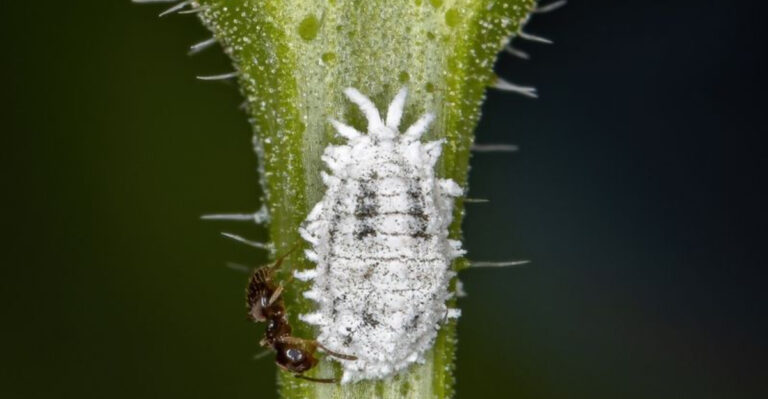
Scale insects and mealybugs also become less active during cooler months.
While they don’t disappear completely, their reproduction slows, making infestations easier to manage.
Regular inspection still matters, but you’ll likely find fewer problems than during summer’s peak pest season.
This natural pest reduction means plants can maintain more healthy foliage.
Leaves that would normally show damage from feeding insects stay intact and productive.
Orchids, succulents, and herbs especially benefit from this pest-free period, often producing impressive growth spurts.
Taking advantage of winter’s natural pest control helps set your plants up for year-round success.
6. Less Light Obstruction Inside Homes
Winter brings changes to how we use our living spaces, and these changes often improve light availability for houseplants.
Heavy curtains that block harsh summer sun get pulled back or replaced with lighter window treatments.
Outdoor vegetation loses some density, allowing more natural light to reach windows from outside.
Many Florida homeowners keep blinds and curtains closed during summer to reduce cooling costs and prevent furniture fading.
Winter’s milder temperatures mean windows can stay uncovered longer throughout the day.
This simple shift dramatically increases the light reaching your indoor plants.
Deciduous trees in Florida landscapes may lose leaves or thin out during winter months.
Even though Florida stays relatively green year-round, some trees do shed foliage or become less dense.
This reduction in outdoor canopy cover means more sunlight filters through to interior spaces.
Shorter days might seem like a disadvantage, but the quality and accessibility of light often compensates.
Plants positioned near windows receive direct exposure for longer periods without the need for protective shading.
This unobstructed access helps maximize photosynthesis during the available daylight hours.
Rooms that feel dim and cave-like during summer suddenly brighten up in winter.
You might discover new spots perfect for light-loving plants like crotons, succulents, or citrus trees.
The increased light penetration throughout your home creates more opportunities for strategic plant placement.
Taking advantage of this seasonal shift means rearranging plants to capture optimal light.
What worked in July might not be best in January, and adjusting placement helps your plants flourish during these favorable winter conditions.
7. Recovery From Summer Stress

Summer in Florida puts tremendous stress on houseplants, and winter provides a crucial recovery period for them to regain strength.
Intense heat, high humidity, and aggressive air conditioning create challenging conditions that leave plants weakened by autumn.
Cooler winter months offer a chance for plants to rebuild their energy reserves and produce healthy new growth.
Plants that struggled through summer often show signs of exhaustion, yellowing leaves, stunted growth, or general decline.
Winter’s favorable conditions allow them to reverse this damage.
Roots grow stronger, stems thicken, and leaves regain their vibrant color as stress levels decrease.
Photosynthesis becomes more efficient when plants aren’t fighting heat stress.
Energy that went toward survival during summer can now be redirected toward growth and development.
You’ll notice plants producing more leaves, developing fuller shapes, and generally looking more vigorous.
Water and nutrient uptake also improve during winter recovery periods.
Without the constant challenge of excessive transpiration, roots can absorb what they need at a healthy pace.
This improved nutrient access supports the production of chlorophyll and other essential compounds.
Many Florida plant enthusiasts consider winter the best time for propagation and repotting.
Plants recover more quickly from these disruptions when they’re not already stressed by heat.
Fresh soil, larger containers, or new cuttings all establish better during these comfortable months.
By understanding winter as a recovery and growth season rather than a dormant period, you can adjust your care routine accordingly.
Providing appropriate fertilizer, consistent watering, and optimal light helps your plants make the most of this natural rejuvenation time.