Why Some Georgia Gardeners Stopped Buying Cypress Mulch For Their Beds
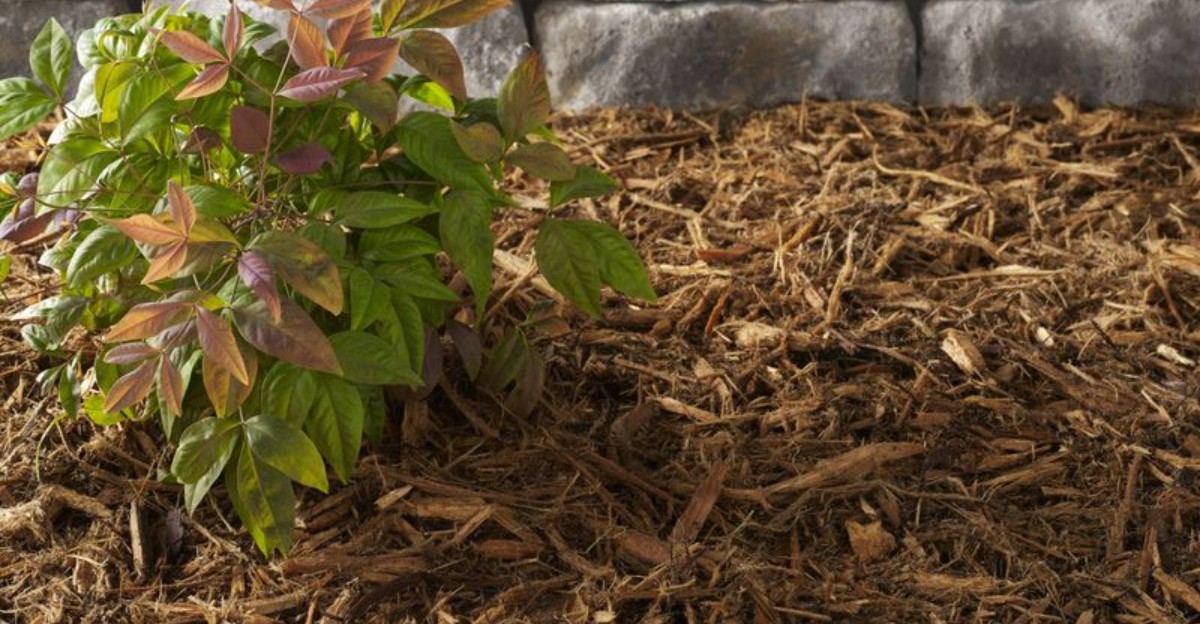
Cypress mulch has been a go-to for a long time, mostly because it looks clean and holds its color well. Many homeowners buy the same bags every spring without giving it a second thought.
Lately, though, more gardeners are asking where that mulch actually comes from.
The answer has made some of them rethink the purchase, especially once they learn how the wood is harvested.
Others made the switch for practical reasons they noticed in their own beds. After a hard rain in Georgia, a thick layer can behave differently than you might expect.
None of this means your current beds are ruined, but it is worth knowing what you are spreading.
Check the label on your next bag, since those few lines say more than the brand name does.
1. Cypress Had A Reputation Few Mulches Could Match
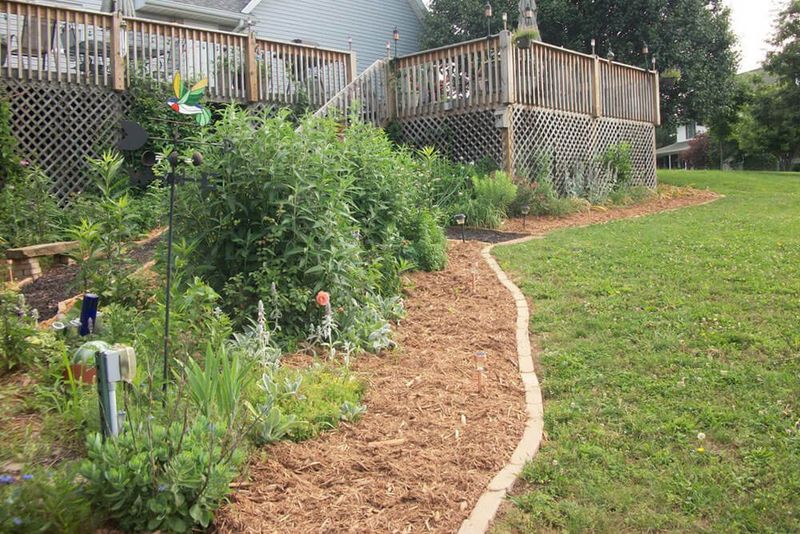
Ask an older Southern gardener about cypress, and you might hear it described almost like a miracle product. Its golden color, pleasant smell, and fibrous texture made beds look neat and finished.
Much of that respect traces back to old-growth cypress lumber, which builders prized for resisting rot and insects.
People naturally assumed the mulch would share those same qualities. Shredded cypress also tends to mat together, so it holds its place on gentle slopes better than some loose bark nuggets.
Homeowners in Georgia liked that it did not float away as easily during a heavy summer thunderstorm.
Garden centers stocked it heavily, and landscapers used it on commercial jobs because clients recognized the name. Over time, cypress became the default choice rather than a deliberate one.
That kind of reputation is hard to question when a product looks good in the bag and on the ground.
Still, a strong reputation built decades ago may not fully describe what is sold on store shelves today. Mulch quality can vary from brand to brand and even from bag to bag.
If you use cypress now, look closely at the texture and color before you buy.
Bags with lots of fine dust or pale, uniform chips may break down differently than coarser shredded material. Checking a few bags side by side takes only a minute and can save you from disappointment later.
2. Much Of It Comes From Southern Wetland Forests
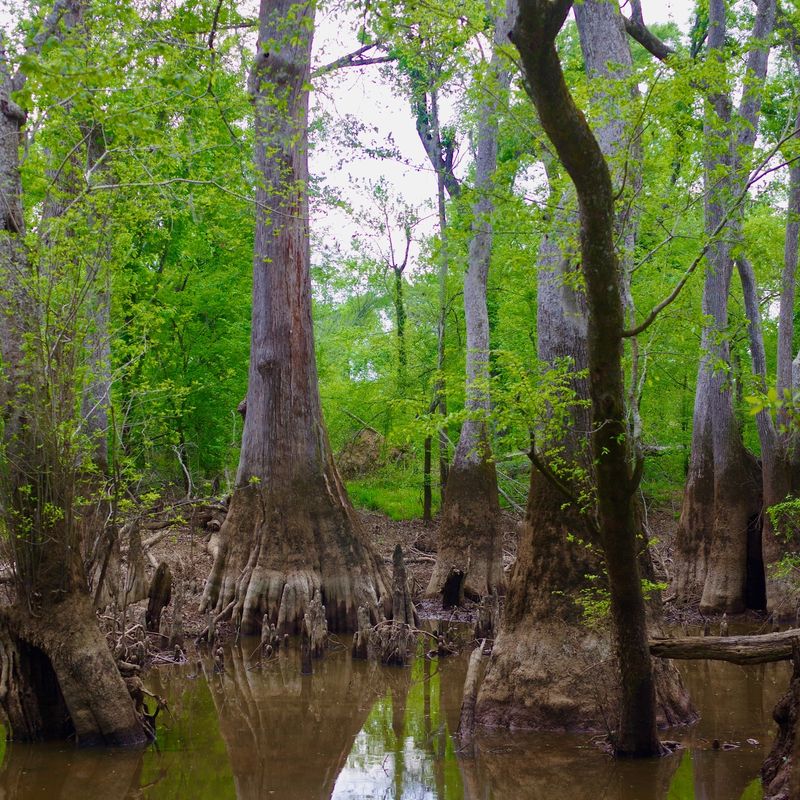
Picture a bag of mulch, and a swamp is probably not the first thing that comes to mind. Yet cypress trees grow mainly in wet bottomlands, river swamps, and floodplains across the Southeast.
Bald cypress and pond cypress are native to places like Louisiana, Florida, and parts of the Carolinas.
Some cypress also grows in south Georgia, including areas around the Okefenokee Swamp and along coastal rivers. These trees thrive where water stands for long stretches of the year.
Harvesting in those soggy conditions can be more difficult than cutting pines on dry upland ground.
Many gardeners had no idea about this link until they started reading about where their mulch originates. Once they learned it, some felt uneasy spreading wetland trees around their mailbox.
Your Georgia Garden Changes Every Week. Your Plan Should Too.
Gardening in Georgia changes quickly throughout the season. Every Friday you’ll receive a simple weekly plan showing exactly what to plant, prune, fertilize, harvest, and protect so you never miss the right timing.
That reaction is personal, and not every gardener shares it.
Knowing the source can still help you make a choice that fits your values. Some bags list the region or company where the wood came from, while others offer very little detail.
If the label is vague, you can ask the store manager or contact the brand directly.
Some suppliers say they use byproducts from lumber milling, while others harvest trees for mulch production itself. Neither claim is easy for shoppers to verify, so a bit of healthy curiosity goes a long way.
3. Cypress Harvesting Has Raised Concerns About Wetland Forests
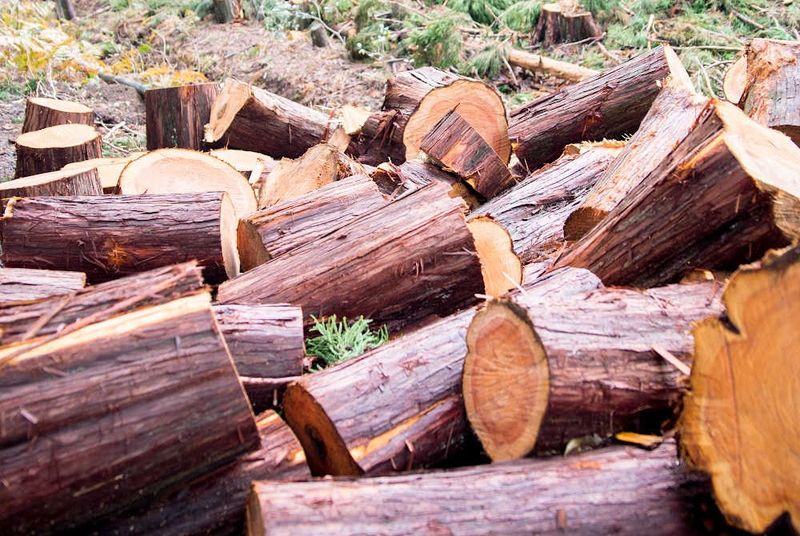
Swamps do far more work than most people realize. Cypress wetlands help filter water, soak up floodwater, and give shelter to birds, fish, frogs, and other wildlife.
Environmental groups have raised alarms over the years about cypress being cut to supply the mulch market.
Their main worry is regrowth. Cypress can resprout or reseed after cutting, but results depend on water levels, seed sources, and whether young trees survive browsing and flooding.
In some logged areas, regrowth has been slower or patchier than hoped, which concerns people who care about these forests.
Wetland advocates in Georgia and nearby states have pushed shoppers to consider alternatives. Some retailers responded by changing how they source cypress or by adding other mulch choices.
Details differ between companies, so a general rule is hard to apply to every bag.
You do not need to become an expert in forestry to make a thoughtful choice. Looking for mulch labeled as made from sustainably managed sources is one reasonable step.
Another option is simply buying less cypress and mixing in other materials over time.
Small decisions at the checkout line may feel minor, but demand is what drives supply. When enough gardeners shift toward other products, stores often adjust what they carry the following season.
4. Today’s Bagged Cypress May Not Match Old Heartwood For Durability
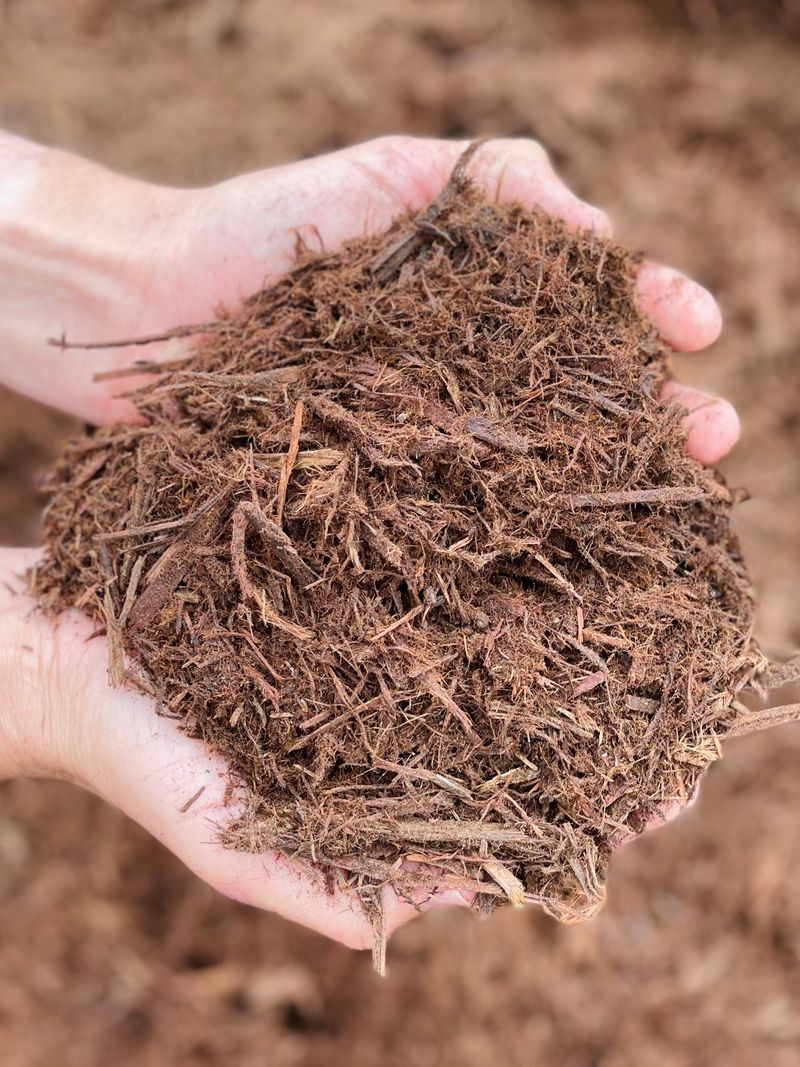
Old cypress and young cypress are not the same wood. Much of the rot resistance people praised came from heartwood, the dense inner core of large, mature trees.
Heartwood contains natural compounds that help it hold up against decay and some insects.
Those old-growth giants took centuries to reach that size, and most were logged long ago. Younger trees contain much more sapwood, which usually lacks the same staying power.
A lot of modern cypress mulch likely comes from smaller trees, branches, or mixed material.
So the durability that made antique cypress boards famous may not carry over to what you pour from a bag. Some gardeners feel this explains why their mulch seemed to fade faster than expected.
A few brands also blend cypress with other woods while still putting the cypress name front and center.
Reading the fine print can reveal words like blend or mix. Those products are not bad, but they may perform differently than pure shredded cypress.
Georgia shoppers who want the most for their money can compare labels, prices, and texture across several brands before choosing.
Keep your expectations realistic either way. Even good mulch is meant to break down over time, and that slow breakdown is part of how it feeds your soil.
5. Cypress Is Not Always The Long Lasting Mulch Gardeners Expect
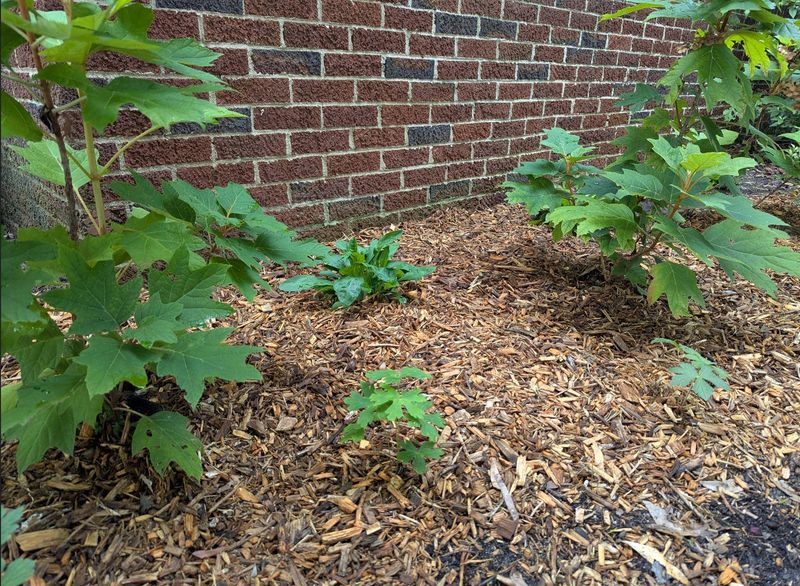
Here is a surprise for plenty of homeowners: that fresh golden layer can look gray and thin by late summer. Sun, rain, and foot traffic all take a toll on mulch color and depth.
Heat and humidity speed up how fast organic mulch breaks down.
Georgia summers bring both in large amounts, along with frequent afternoon storms. Under those conditions, many gardeners find they need to top off beds every year, whether they use cypress or something else.
Cypress does tend to mat, which can be a mixed blessing.
A matted layer may shed water instead of letting it soak through to plant roots during light rains. Fluffing it with a rake once or twice a season can help water move down more easily.
Fading is mostly a cosmetic issue, though it bothers people who want a crisp look.
Some gardeners pay extra for cypress because they expect to skip a year of mulching. When that does not happen, the higher price stops feeling worth it.
Aim for a layer about two to three inches deep, and keep it pulled a few inches back from stems and trunks. Checking depth in spring and again in early fall gives you a clear sense of how quickly your mulch actually wears down.
6. Pine Straw And Pine Bark Are Sourced Much Closer To Home
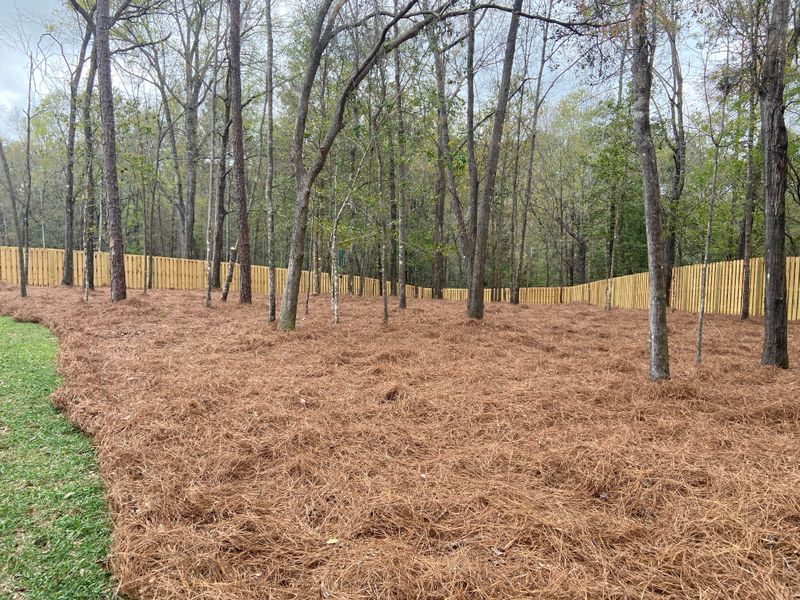
Drive through rural south Georgia, and you may see workers raking pine needles into neat bales beneath tall pines. Pine straw is a real local industry, and the state is among the leading producers in the country.
Collecting needles usually leaves the trees standing, since the needles fall naturally every year.
Pine bark mulch comes largely as a byproduct of the timber and paper industries. Bark gets stripped at mills, then processed into nuggets or shredded mulch instead of going to waste.
Shorter shipping distances can mean fresher product and sometimes lower prices at local stores.
Prices do shift with season, demand, and bale size, so shopping around still pays off. Buying in bulk from a local supplier often costs less than grabbing individual bags.
Supporting nearby landowners and mills appeals to plenty of gardeners who like keeping their money in the region.
Pine straw also stays light and airy, which lets rain soak through easily. Its needles interlock, helping it stay in place on slopes and around shrubs.
Bark nuggets break down slowly and give beds a rich, dark look.
One caution with pine straw involves fire risk near homes, since dry needles can catch sparks. Keeping a gap between the straw and your house siding is a smart habit.
7. Local Mulch Options Can Work Just As Well In Garden Beds
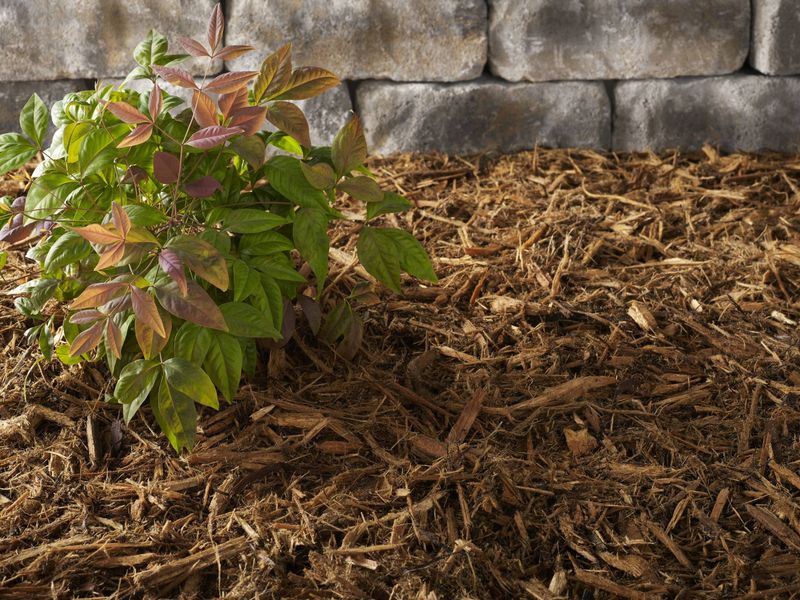
Your plants do not read labels. What they need from mulch is basic: steady soil moisture, cooler roots in summer, and fewer weeds competing for space.
Pine straw, pine bark, and even shredded leaves can handle those jobs nicely in most home beds.
Fallen oak and maple leaves are free, and many yards produce piles every autumn. Running them over with a mower shreds them into a fine mulch that settles quickly.
Wood chips from local tree crews are another option worth exploring.
Some arborists will drop off a load for little or no cost, since it saves them disposal fees. The chips look rough at first but mellow into a natural layer within a few months.
Results can vary with soil type, sun exposure, and how much rain your area gets in a given year.
Clay soils common across the Georgia Piedmont often benefit from organic mulch that slowly breaks down and adds material to the surface. Sandy coastal soils dry fast, so a thicker layer may help hold moisture longer.
Try testing a new mulch in one bed before switching your whole yard.
Watch how it handles a full season of heat, storms, and weeds. After that trial, you will know whether it earns a permanent spot in your garden routine.