Why Some Houseplants Dry Out Faster In California Homes In Spring
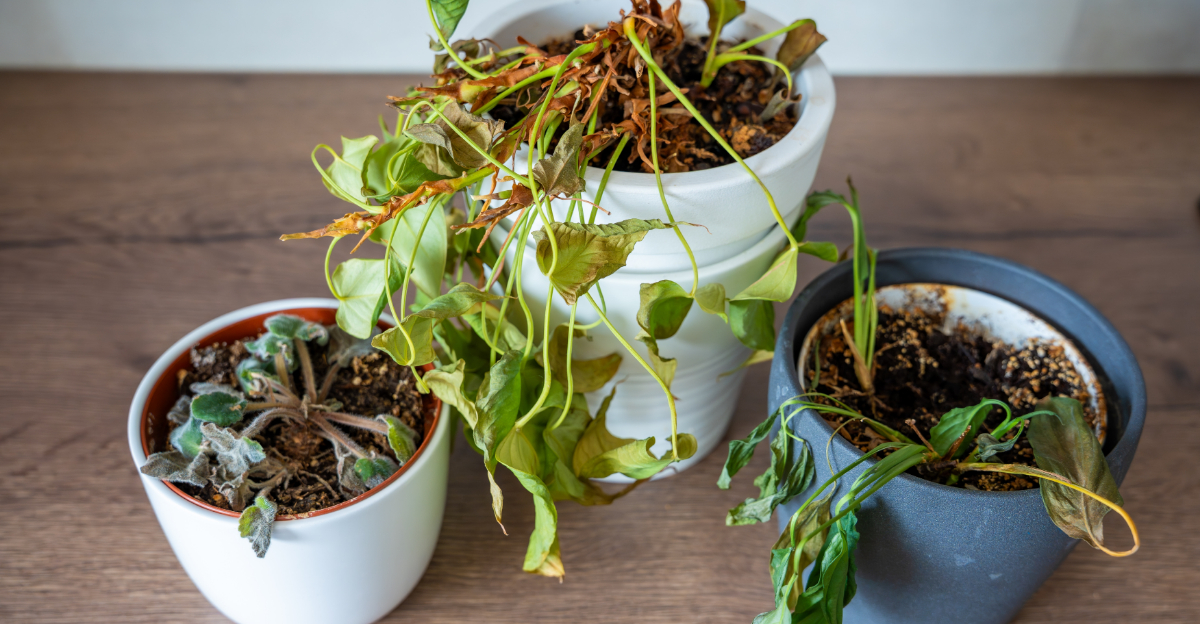
Spring in California has a way of changing things indoors without much warning. The light shifts, days stretch longer, and suddenly your houseplants don’t behave the way they did a few weeks ago.
Even rooms that felt consistent during winter can shift quickly with changing daylight.
You water like usual, but the soil dries out faster. Leaves start to lose that fresh look, even though nothing in your routine seems different.
It can feel confusing, especially when everything looked stable through winter. Small changes can seem bigger when they show up all at once.
The answer often comes down to small environmental changes happening all at once. Brighter light, warmer air, and subtle airflow shifts can all pull moisture from soil more quickly.
Noticing these changes early helps you stay ahead before plants begin showing stress. Adjustments now can keep everything on track.
1. Brighter Spring Light Speeds Up Water Use
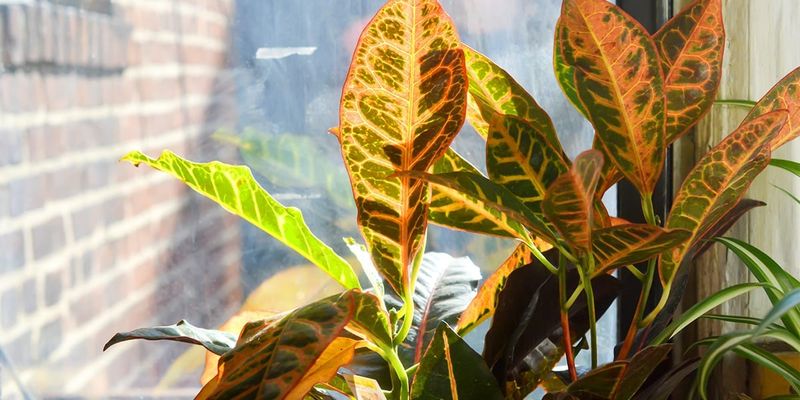
Longer days and stronger sunshine are two of the most exciting things about spring in California, but your houseplants feel that change in a big way. As sunlight becomes more direct and lasts for more hours each day, plants absorb more energy and ramp up their activity.
One of the biggest ways they respond is through transpiration, which is basically the plant version of sweating. Water moves up through the roots, travels through the stems, and exits through tiny pores on the leaves called stomata.
When light intensity increases, those stomata open wider and stay open longer, which means water escapes from the plant much faster than it did during the darker winter months. The soil also warms up near sunny windows, causing moisture to evaporate more quickly from the surface.
Many California homes have south- or west-facing windows that catch a lot of afternoon sun, making this effect even stronger.
A smart move is to check your plants every couple of days rather than watering on a fixed weekly schedule. Stick your finger about an inch into the soil to feel if it is still moist.
Moving plants slightly away from the brightest windows can also slow down water loss without sacrificing the light your plants need to grow well this spring.
2. Warmer Indoor Temperatures Increase Drying
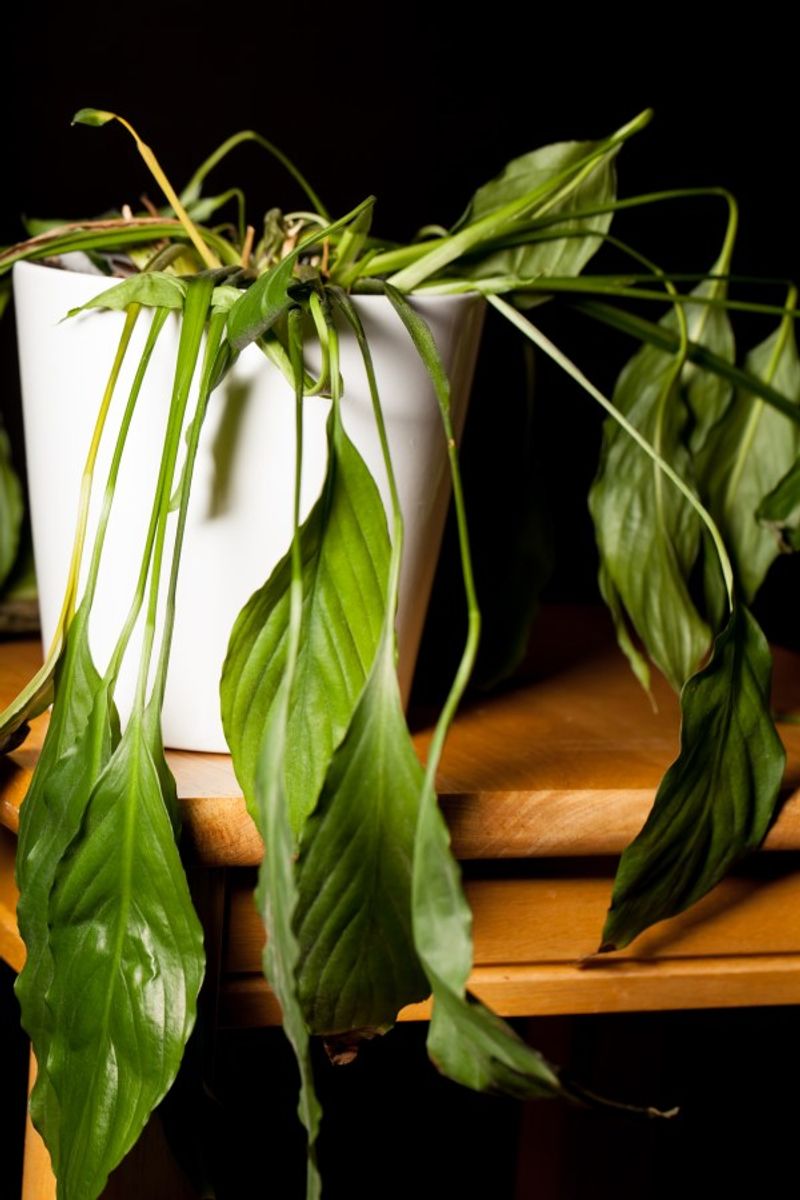
Spring temperatures in California can climb surprisingly fast, and that warmth does not just stay outside. Indoor temperatures inside California homes rise right along with the outdoor weather, and that shift has a direct effect on how quickly your houseplant soil dries out.
Warm air can hold more water vapor, which increases evaporation and allows it to pull moisture from surfaces like plant soil more quickly.
Think of it like leaving a wet sponge on a warm countertop versus a cool one. The warm countertop dries the sponge out much faster, and the same principle applies to your potted plants.
When indoor temperatures push past 70 or 75 degrees Fahrenheit, which happens often in California during spring afternoons, the rate of soil evaporation increases noticeably. Plants also increase their metabolic activity in warmer conditions, which means they are pulling water up through their roots at a faster pace to support new growth.
Keeping your home a little cooler during the warmest part of the day by closing blinds or shades can slow this process down. Grouping plants together also helps because they create a small pocket of slightly more humid air around each other.
Adjusting your watering routine to account for these warmer temperatures will keep your plants comfortable and hydrated throughout the California spring season.
3. Dry Indoor Air Pulls Moisture From Leaves And Soil
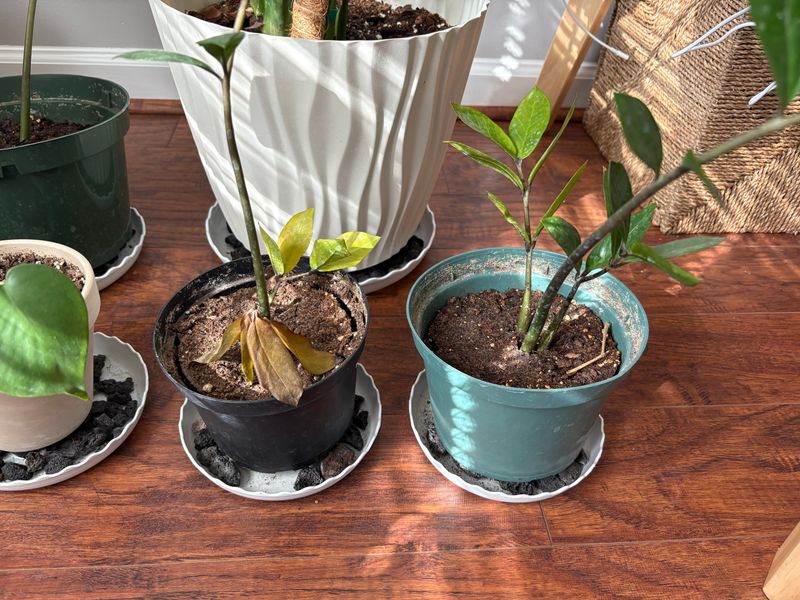
One of the sneakiest reasons houseplants in California dry out so fast in spring is low indoor humidity. California is known for its naturally dry climate, and that dryness makes its way right into your home.
When the air inside is very dry, it acts like a sponge, constantly pulling moisture from whatever is nearby, including the leaves of your plants and the soil in their pots.
Even if a heating system is running less often as spring warms up, indoor humidity levels in California homes often stay quite low. Some parts of the state, especially inland areas and the Central Valley, regularly see indoor humidity levels drop below 30 percent, which is considered quite dry for most houseplants.
Many popular houseplants, like ferns, calatheas, and peace lilies, actually prefer humidity levels closer to 50 to 60 percent.
There are several practical ways to boost moisture in the air around your plants. A small humidifier placed near your plant collection can make a noticeable difference.
Misting the leaves with water a few times a week is another easy option. Placing a shallow tray filled with pebbles and water underneath your pots also helps, because as the water evaporates, it creates a slightly more humid zone right around your plants.
These small adjustments can seriously slow down how fast your houseplants dry out each spring.
4. Drafts And Forced Air Dry Plants Out Faster
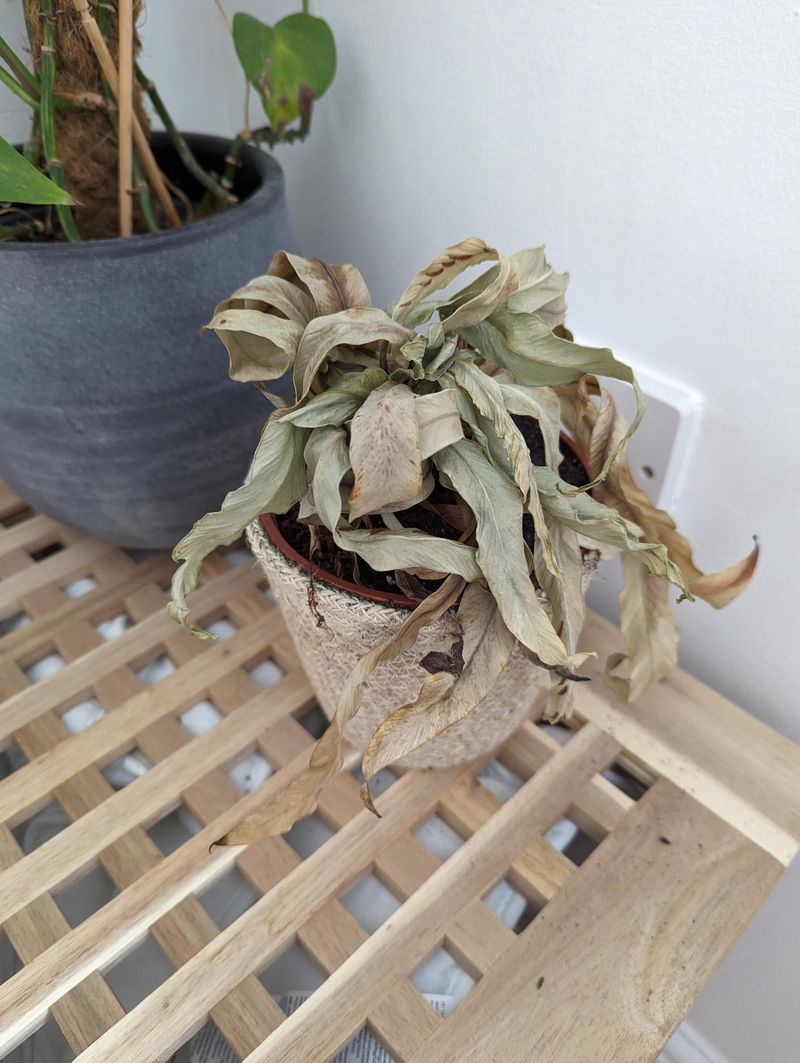
You might not think of air movement as something that affects how fast your plants dry out, but it is actually a major factor in California homes during spring. When air conditioning kicks on or windows are left open to catch the warm spring breeze, moving air sweeps across your plants and carries moisture away from both the leaves and the soil at a much faster rate than still air would.
Forced air from HVAC vents is especially harsh because it is often very dry and blows continuously throughout the day. Plants sitting near vents can dry out almost twice as fast as those in calmer spots around the room.
Even a gentle but steady draft from an open window can cause noticeable moisture loss over just a few days, particularly for plants with larger or thinner leaves that have more surface area exposed to the moving air.
A quick fix is to simply rearrange your plants so they are not directly in the path of air vents or drafty windows. If rearranging is not possible, consider using a small barrier like a piece of furniture or a decorative screen to redirect the airflow.
Checking soil moisture more often when drafts are present will also help you catch dryness before it becomes a serious problem for your California houseplants this spring.
5. Small Pots Dry Out Faster Than Large Ones
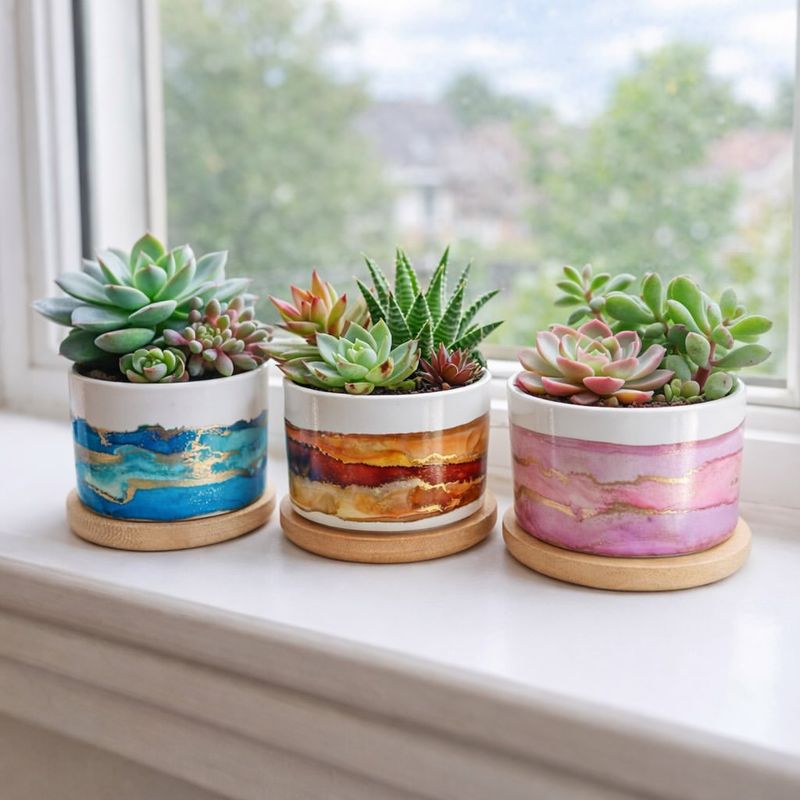
Pot size matters more than most people realize when it comes to how fast your houseplants dry out. A small pot holds only a limited amount of soil, and less soil means less water can be stored at any given time.
In the warm, dry conditions of a California spring, that small reserve of moisture disappears quickly, sometimes within just a day or two of watering.
Larger pots hold significantly more soil volume, which acts like a reservoir that releases water slowly to the plant roots over a longer period. This is why you will often notice that plants in big containers stay moist much longer than those crammed into tiny pots.
If you have been watering a small pot every other day and still finding dry soil, the size of the container could be the main reason why.
Upgrading to a pot that is one or two sizes larger can make a real difference in how often you need to water. When repotting, choose a container with good drainage holes so excess water can escape and roots do not sit in soggy soil.
Adding a layer of mulch or small stones on top of the soil surface can also help slow down evaporation from the top of the pot, giving your California houseplants a better chance of staying hydrated throughout the spring season.
6. Clay And Fabric Pots Lose Moisture More Quickly
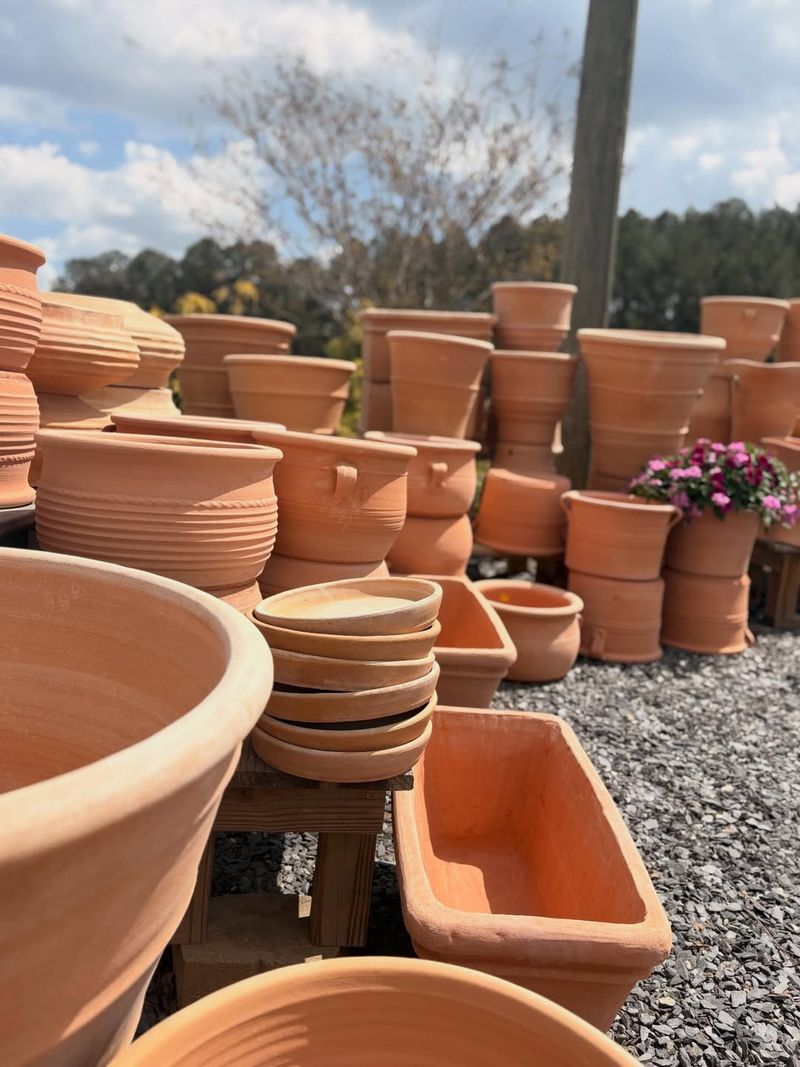
Not all pots are created equal when it comes to holding onto water. Clay pots, also called terracotta pots, are made from a porous material that actually allows air and moisture to pass right through the walls of the container.
That breathability is great for root health, but it also means water is escaping through the sides of the pot as well as from the surface of the soil.
Fabric pots work in a similar way. They are popular with gardeners because they allow excellent airflow to the roots, but that same openness means moisture evaporates from every surface of the pot, not just the top.
In the dry, warm conditions of a California spring, this can cause soil to dry out surprisingly fast, sometimes within 24 hours of watering for smaller clay or fabric containers.
If you love the look of terracotta but want to slow down moisture loss, try placing a plastic nursery pot inside the clay pot as a liner. This creates a barrier that reduces evaporation through the sides while still giving you the classic look you enjoy.
Glazed ceramic pots are another great option because the glaze seals the surface and prevents moisture from escaping through the walls. Switching pot materials is one of the easiest ways to reduce how often you need to water your California houseplants during spring.
7. Rootbound Plants Use Up Water Faster
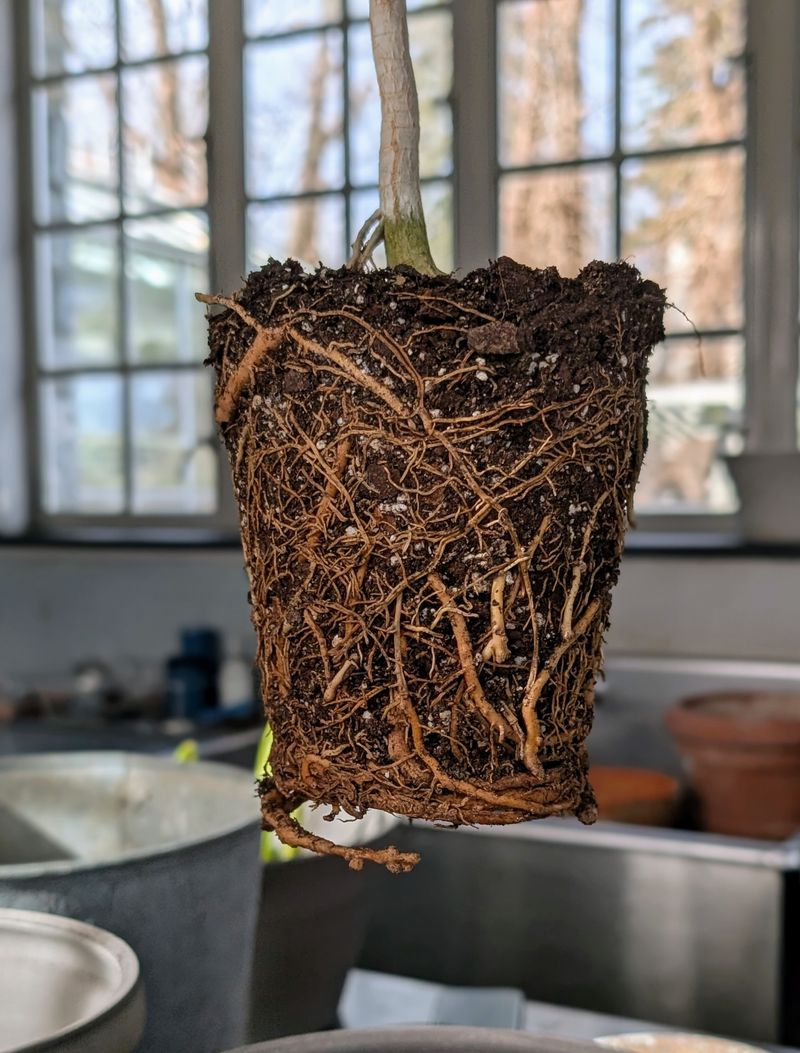
Roots that have outgrown their container are one of the most overlooked reasons houseplants seem to be constantly thirsty. When a plant becomes rootbound, the roots have filled every bit of space inside the pot, leaving almost no room for soil.
Less soil means less water storage capacity, and more roots means more demand for water all at once.
Spring is actually when rootbound plants really start to show their thirst, because this is the season when plants wake up from their winter slowdown and begin actively growing again. All those packed-in roots are working hard, pulling water up and using it for new leaf and stem growth.
A rootbound plant in a California home during spring can go from freshly watered to bone dry in what feels like no time at all.
Checking whether your plant is rootbound is easy. Gently slide the plant out of its pot and look at the root ball.
If roots are tightly circling the bottom or poking out of the drainage holes, it is time for a bigger home. Choose a new pot that is about two inches wider in diameter than the current one.
Fresh potting mix added around the roots will give the plant new soil to hold onto water and support the burst of spring growth ahead. This simple step can dramatically reduce how often you need to water your California houseplants.
8. Dried Potting Mix Can Turn Hydrophobic And Shed Water
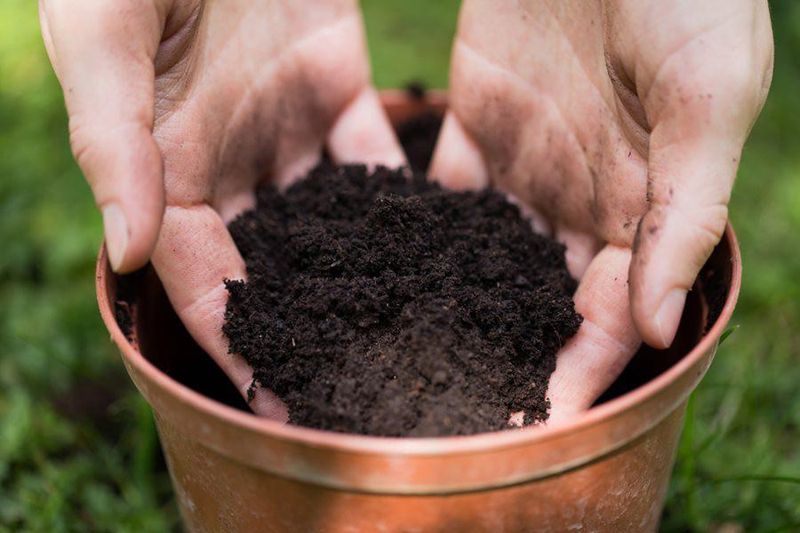
Here is something that surprises a lot of plant owners: potting mix that has gotten too dry can actually start to repel water instead of absorbing it. This condition is called hydrophobia, and it happens when the organic materials in the soil dry out so completely that they form a waxy coating that water cannot easily penetrate.
When you water a hydrophobic pot, the water runs down the sides of the soil and straight out the drainage hole without ever soaking into the root zone.
This is especially common in California homes during spring, when the combination of warm temperatures, low humidity, and strong light can dry out potting soil faster than usual. Peat-based mixes are particularly prone to this problem.
You might think you have watered your plant well, but the roots are still sitting in dry soil because the water never made it past the surface.
A simple fix is the bottom-watering method. Place your pot in a tray or basin filled with water and let it soak for 20 to 30 minutes.
The soil will slowly draw water up from the bottom, rehydrating evenly all the way through. Another trick is to gently poke several small holes in the soil with a chopstick or pencil before watering to help water penetrate more easily.
Refreshing your potting mix every spring with a new bag of quality soil can also prevent this issue from returning in your California home.