Why Some New Jersey Wetlands Are Turning A Deep Red Right Now
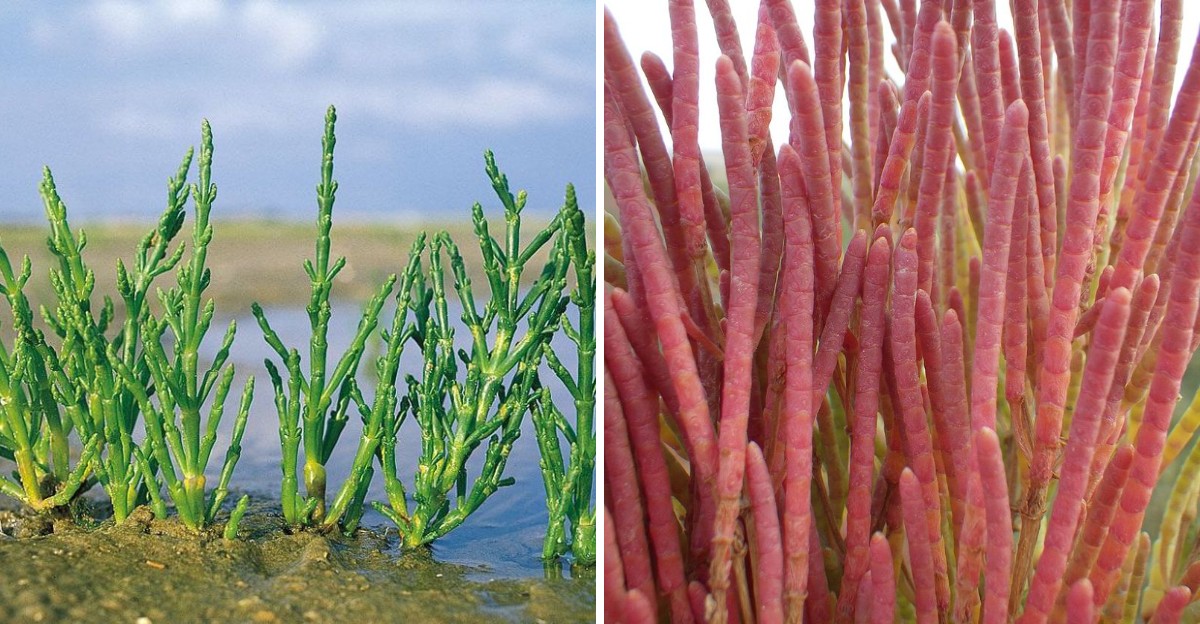
You spot a strange color shift along the marsh this week. Salt flats across New Jersey are blazing a deep, dark crimson.
Cooler nights trigger a subtle shift locals notice each fall. A stubborn little survivor holds the real secret behind it.
Scientists already have a name for it, though the story runs far deeper. Bright sun and salty soil push something ancient into overdrive. Hidden color finally takes control once the surface fades.
Photographers race against the clock because this window barely lasts long. Cape May ignites early, while the Meadowlands catches the color later. New Jersey rarely gets credit for scenery this dramatic and strange.
Drivers slow down, boaters pause, and phones snap the scene fast. Nobody expects a quiet salt marsh to resemble open fire.
Yet here you stand, watching an ordinary landscape turn astonishing. Once you learn what fuels this fiery blaze, you cannot look away.
1. Glasswort Paints The Mudflats Crimson
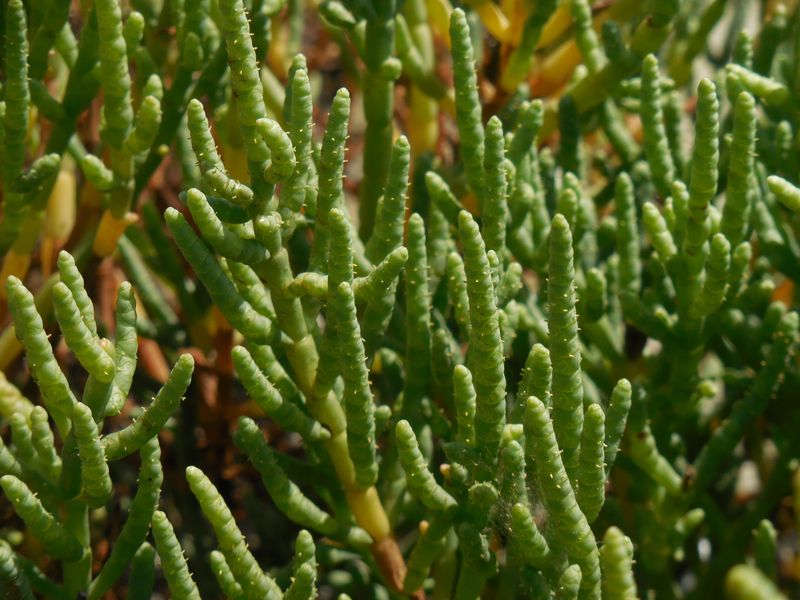
Picture a mudflat that looks like someone tipped a bucket of cranberry sauce across it. That fiery carpet almost surely comes from glasswort, a squat little succulent that settles where few other plants can tolerate the conditions.
Also called pickleweed or Salicornia, it has jointed stems that look like tiny green pickles stacked end to end. Through June and July the plant stays a quiet olive shade. By early September those joints blush pink, then scarlet, then a deep wine color.
Height matters here, because glasswort often stays low, generally under a foot. A whole colony reads like spilled paint on the ground instead of a hedge, which is why the color looks so startling from a boardwalk.
Coastal cooks have nibbled the crunchy stems for centuries, and they taste like a cucumber dipped in seawater. Early settlers also burned the plant for ash used in glassmaking, which is exactly how it earned that odd name.
Water storage explains the plump feel of each stem, similar to a cactus pad. That built-in reservoir lets glasswort handle soil so salty a backyard tomato would struggle after one afternoon.
Southern New Jersey bays tend to show the boldest tones during the first three weeks of September. Bring polarized sunglasses, since glare off wet mud can wash the red right out of your view.
Patches often form rings or ribbons around shallow depressions, tracing where tides linger longest. Follow those shapes and you basically get a free map of how salt water moves across the marsh.
2. The Pigment Doing All The Work
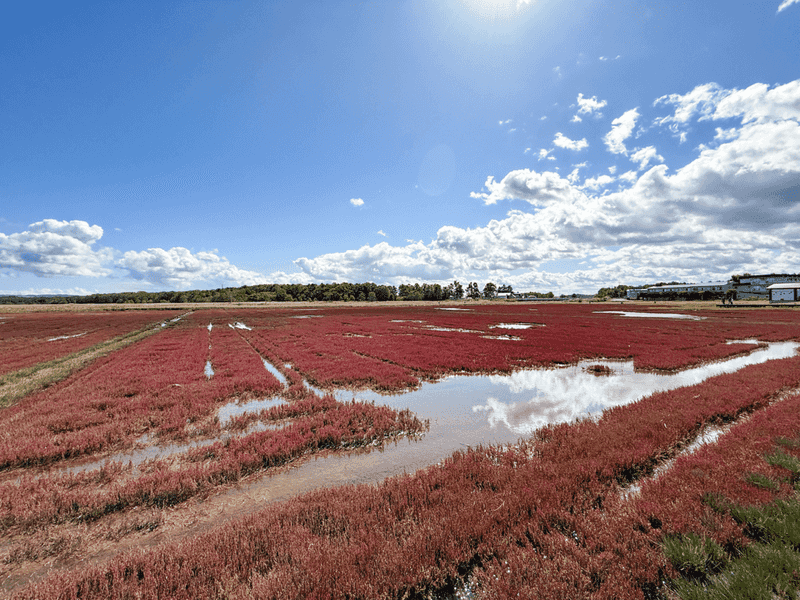
Here is the chemistry behind the show, minus the textbook headache. Red and purple pigments called anthocyanins build up inside the plant tissue and mask the green chlorophyll underneath.
Anthocyanins belong to the same pigment family that tints blueberries, red cabbage, and autumn maple leaves. Plants build them from sugars, so a stem loaded with stored sugar can turn an especially rich shade.
Think of the pigment as a natural sunscreen. Bright September sun bouncing off open water and pale mud hits marsh plants hard, and the red layer softens that light before it reaches sensitive tissue inside.
Your New Jersey Garden Changes Every Week. Your Plan Should Too.
Gardening in New Jersey changes quickly throughout the season. Every Friday you’ll receive a simple weekly plan showing exactly what to plant, prune, fertilize, harvest, and protect so you never miss the right timing.
Anthocyanins also mop up unstable molecules that pile up when a plant feels stressed by salt, heat, or drying wind. Handling that stress lets the stems keep working a few extra weeks.
Sugar concentration matters, too. When nights cool and the plant slows its growth, sugars linger in the stems rather than moving out, and more sugar tends to mean more pigment.
You can watch the process up close without harming anything. Look at a single glasswort stem and you will often notice green at the base, pink in the middle, and crimson at the tip, like a color gradient painted by the tide.
That gradient shifts week by week, so a photo taken today will not match one from mid-October.
Gardeners see the same trick at home in coleus, purple basil, and stressed lettuce. Salt marshes just run the experiment across thousands of acres at once, which makes the effect impossible to miss.
3. Salty Pannes Push Plants Into Their Red Zone
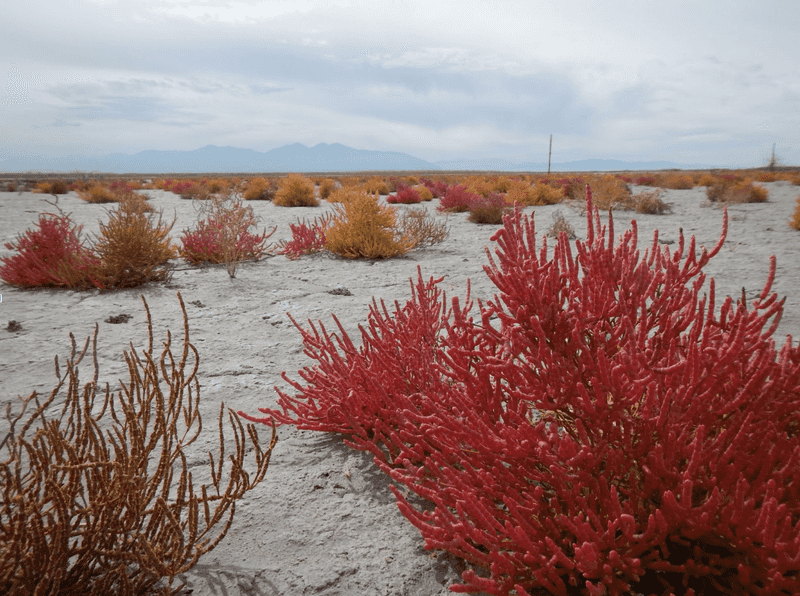
Salt is a dominant force shaping the marsh. Where tide water pools in shallow dips and then evaporates under a hot sun, the leftover salt can climb far above ocean strength.
Those shallow dips have a name: salt pannes. Grasses like smooth cordgrass tend to back away from the saltiest centers, leaving bare mud open for tougher tenants.
Glasswort moves right in, since it can store salt inside its own stems and dilute it with stored water. The payment for that trick is stress, and stress is exactly what switches on the red pigments.
Summer along the shore brought stretches of hot, dry weather, which concentrates panne salt even further. Drier spells often mean brighter marsh color a few weeks later.
Rain can soften the effect for a while. A soaking storm rinses some salt away, and the reds may look duller until the next run of sunny days rebuilds the crust.
Notice how the color often forms neat rings? The saltiest spot sits in the middle, so the reddest plants circle the rim where conditions land in the sweet spot.
If you paddle a kayak at low tide, look for white salt crust glittering beside those crimson patches. Seeing both together explains the whole story in one glance.
Gardeners along the bay can borrow the lesson. Plants that shrug off salty air, like bayberry and beach plum, hold up far better than fussy ornamentals near a windy dock. Choosing them saves money and weekend labor.
4. Shorter Days And Chilly Nights Flip The Switch
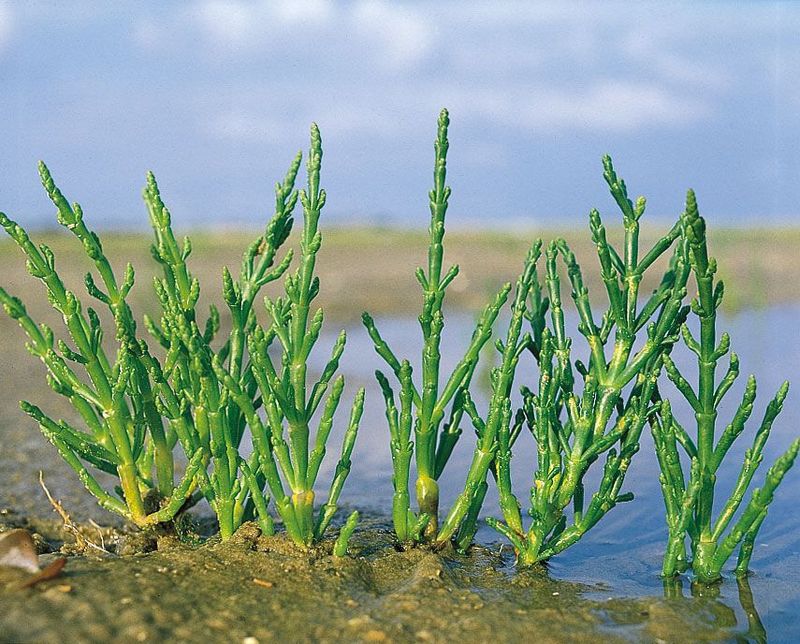
September triggers a shift that plants notice long before people do. Daylight in New Jersey has noticeably shortened since the June peak, and nights now turn cool along the bays.
Cooler nights slow the movement of sugars out of leaves and stems. Sugar that stays put gives the plant raw material for red pigment, which is why color often jumps after the first crisp week.
Chlorophyll production also eases off as light fades. Green retreats first, and the reds and purples that were hiding underneath finally get their turn on stage. The switch feels sudden, though it has been building since August.
Marsh color and forest color run on similar rules, just on different calendars. Salt marshes usually blush weeks before oaks and maples inland start showing off.
Watch the marsh at low sun angles for the strongest effect. An hour after sunrise or before sunset, light skims across the flats and makes the crimson glow almost neon.
Fog adds another layer. On damp September mornings, red patches float above the mist like brushstrokes, which is why photographers set alarms for those chilly starts.
Weather swings can shift timing by a week or two in either direction. A warm stretch delays the show, while an early cool snap pulls it forward.
Keep a simple phone note of what you see each weekend from Labor Day through mid-October. After two seasons you will have your own local color calendar, and you will beat the crowds to the best views.
5. A One-Year Plant Wrapping Up Its Season
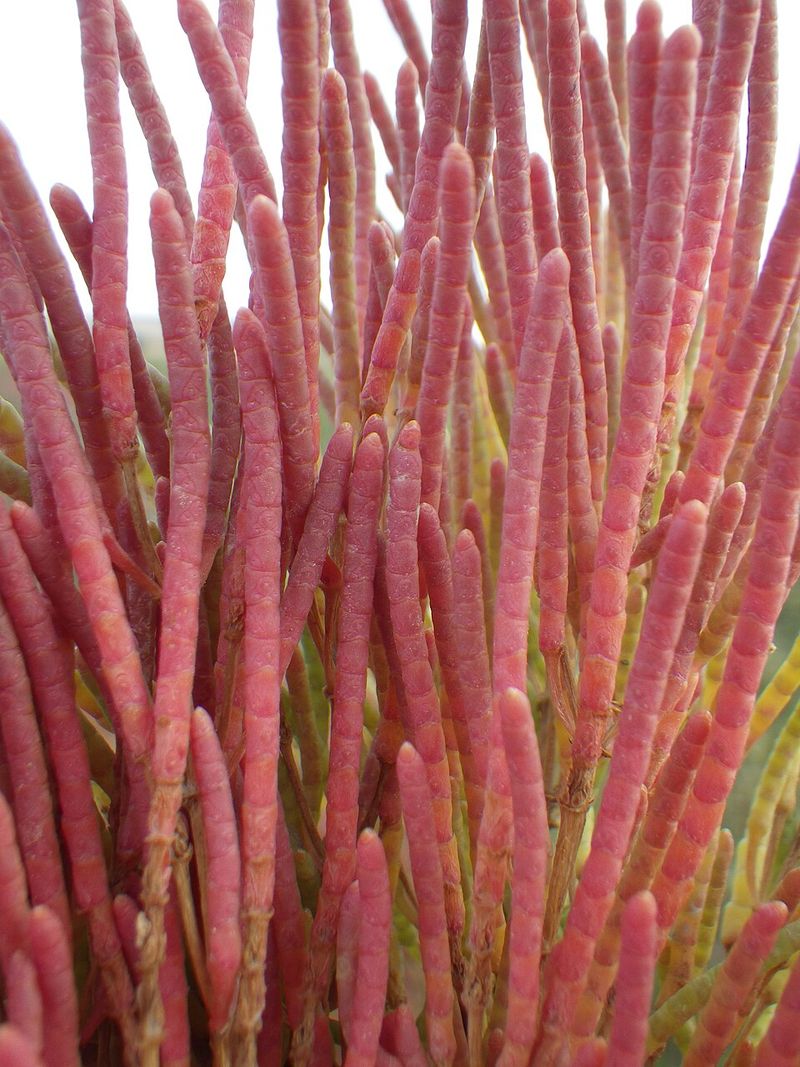
Glasswort completes its cycle quickly: sprout in spring, grow all summer, set seed in fall, then hand the marsh over to next year’s crop. Annual plants pour resources into seeds at the finish line. The color change is part of that final push.
Once seeds ripen, the stems no longer need to run at full green power. Pigments shift, and the plant takes on that deep burgundy tone as it wraps up the season.
Tiny flowers hide in the joints of the stems, so small you need to crouch to spot them. Wind and water carry the pollen, since showy petals would be wasted effort out on open mud.
Seeds weigh less than a grain of sand and float on the tide. High water in October scatters them across the flats, planting next summer’s carpet without any help from us.
Fun bit of trivia: some Salicornia seeds may need a cold winter spell before they sprout. Marsh seeds seem to keep their own alarm clock.
Because the plant restarts from seed each year, patch shapes shift between seasons. A blazing red band this September may sit twenty feet over next fall.
Resist the urge to pull up stems for a bouquet. Leaving them in place keeps the seed supply strong and holds the mud together through winter storms.
Foragers who harvest glasswort in spring take only tips from big patches and leave roots alone. That habit keeps the color show coming back, and it keeps shorebirds fed too.
6. Sea Blite And Other Red-Toned Neighbors
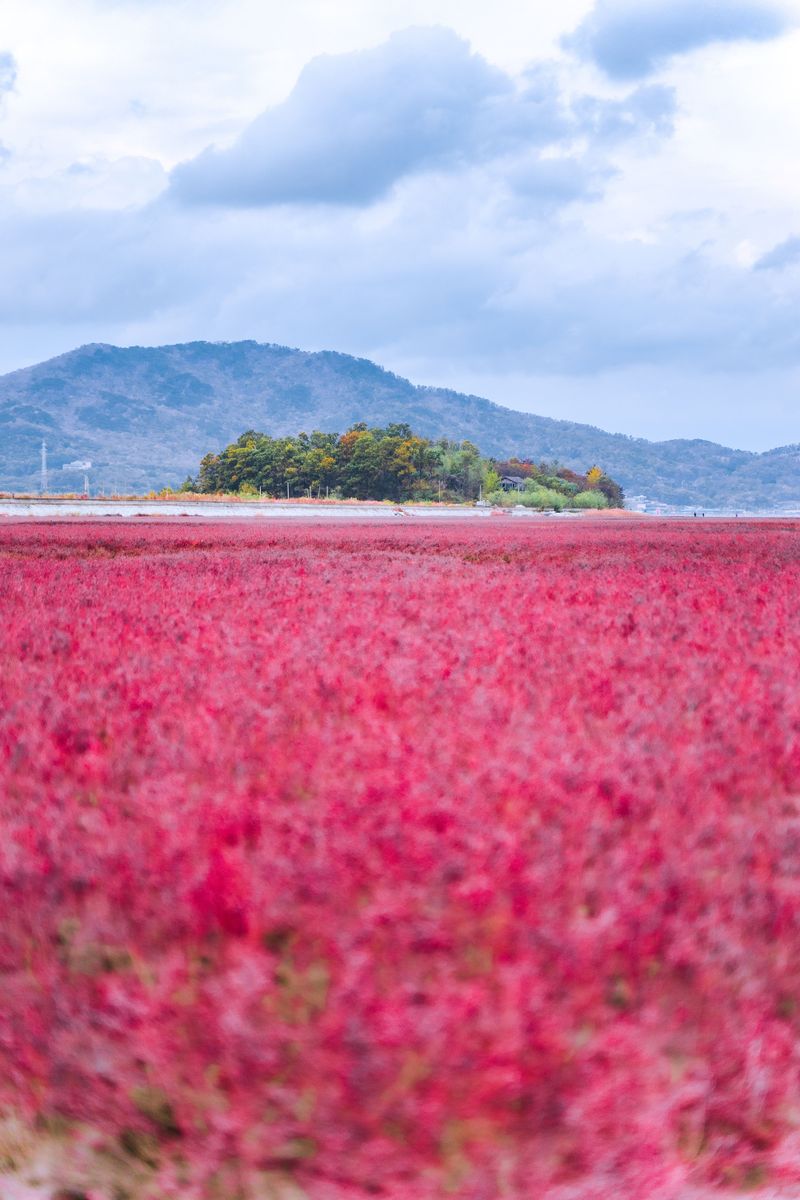
Glasswort gets the headlines, though it shares the stage with a few other color-changers. Annual sea blite, Suaeda linearis, turns a moody maroon that reads almost purple in flat light.
Sea blite stands taller, often a foot or more, with narrow fleshy leaves shaped like tiny green sausages. Where it mixes with glasswort, the marsh picks up two shades of red at different heights.
Saltwort adds pinkish, prickly stems along sandy edges near dunes and wrack lines. Its color runs softer, more watermelon than wine.
Marsh orach and a few saltmarsh asters chip in with bronze and rusty tones. Add the tan of spent cordgrass and you get a palette closer to a Persian rug than a lawn.
Sea lavender fades from purple haze in August to gray by late September, so an early trip catches both purple and red at once. Timing your visit around Labor Day often gives the widest mix.
Learning two or three of these species turns a drive over a bay bridge into a guessing game. Height and leaf shape usually settle the answer faster than color alone.
Field guides for coastal plants are handy, though a phone plant-ID app works fine for the common ones. Snap the stem joint, not the whole horizon, for the best match.
One caution: several look-alikes grow in soft mud that swallows sneakers. Stick to boardwalks, dikes, and trails, and let binoculars do the walking. Wet feet ruin a good afternoon faster than rain.
7. Prime Spots To Catch The Crimson Show
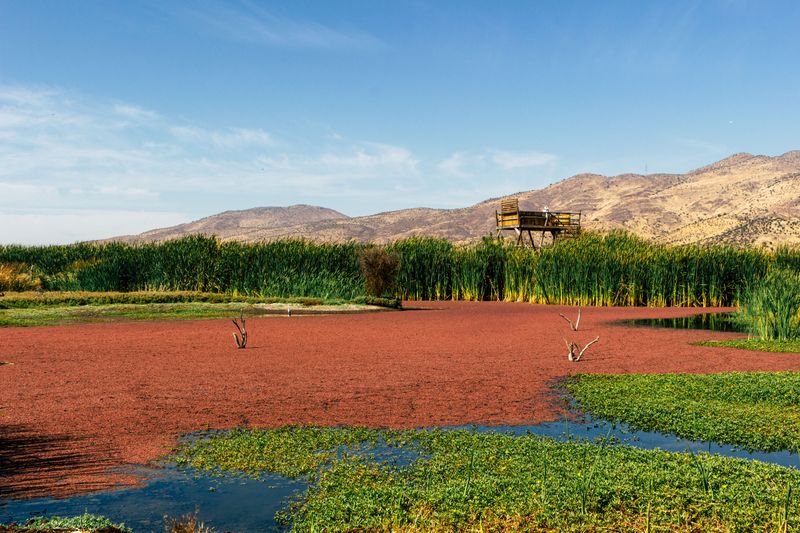
Edwin B. Forsythe National Wildlife Refuge in Galloway offers the easiest look. The eight-mile Wildlife Drive loops through pannes and impoundments, and you can view the red flats straight from a car window.
Cape May County draws crowds for migrating hawks, and the marshes behind Nummy Island and Stone Harbor glow at the same time. Pull-offs along Ocean Drive give safe places to stop.
Barnegat Bay marshes near Island Beach State Park show red patches along the bayside trails. Sedge Island views reward anyone willing to paddle a short distance.
North Jersey does not miss out. The Meadowlands around DeKorte Park in Lyndhurst hold their own colorful patches, with paved paths and a skyline backdrop that surprises first-time visitors.
Farther south, Heislerville Wildlife Management Area and the Maurice River flats on Delaware Bay offer wide open sightlines. Bring bug spray, since salt marsh mosquitoes still work the evening shift in September.
Great Bay Boulevard in Little Egg Harbor, nicknamed Seven Bridges Road, runs straight through the marsh. Drive slowly, park only in pull-offs, and keep the narrow bridges clear.
Low tide reveals more panne color than high tide, so check a tide chart before you go. Two hours either side of low water usually works well.
Weekday mornings mean fewer people and softer light. Refuge entry fees are modest, and many sites are free. Pack water, a hat, and binoculars, and you can cover three or four spots in one day.
8. What The Red Tells Us About Marsh Health
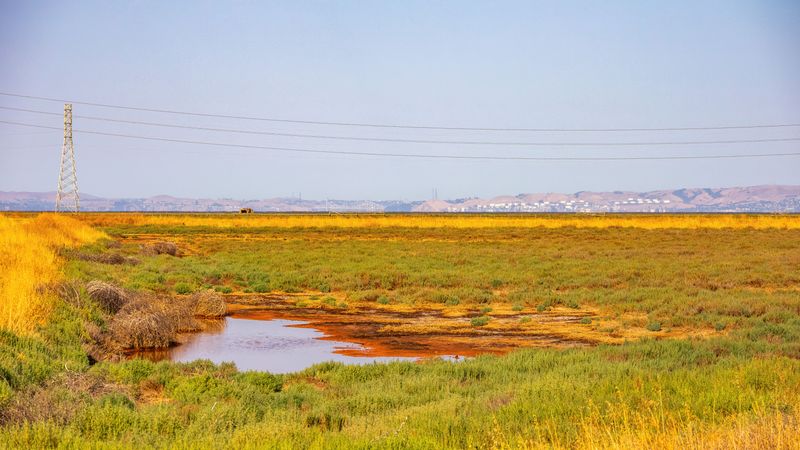
Red does not automatically mean trouble, and that surprises a lot of people. Seasonal color from glasswort and sea blite is a normal September routine along the Atlantic coast. Think of it as the shore’s quiet version of leaf season.
Scientists still pay attention when bare, reddish patches spread wider year after year, since expanding pannes can suggest tides are sitting higher and lingering longer than before.
Atlantic City’s tide gauge serves as New Jersey’s benchmark site for tracking coastal change. It has recorded about a foot and a half of sea-level rise since 1912, roughly three times the global average over that same span.
That figure comes from a 2025 report by the Rutgers-based New Jersey Climate Change Resource Center. Marsh plants respond by shifting inland where they have room.
Where roads, bulkheads, and lawns block that retreat, the marsh gets squeezed. The New Jersey Department of Environmental Protection and Rutgers researchers jointly track the state’s changing coastline.
They publish regular science updates on sea-level rise and marsh vulnerability that feed directly into coastal planning.
Volunteers help, too. Photo posts at several refuges let visitors snap the same view each month, building a free record of change that researchers actually use. Check refuge websites for station locations.
Simple habits protect what you came to see. Stay on trails, keep dogs leashed, skip the drone near nesting areas, and leave the plants rooted where they sit.
Supporting local marsh restoration, whether by donating time or joining a cleanup, does more than a perfect photo ever could. Fall cleanup events run through October across the shore counties.
Share what you notice with friends who think marshes are just mosquito factories. One September drive past a crimson flat tends to change minds, and informed neighbors are better positioned to help protect the coast.