This Native Georgia Shrub Produces Fall Fruit Migrating Birds Depend On
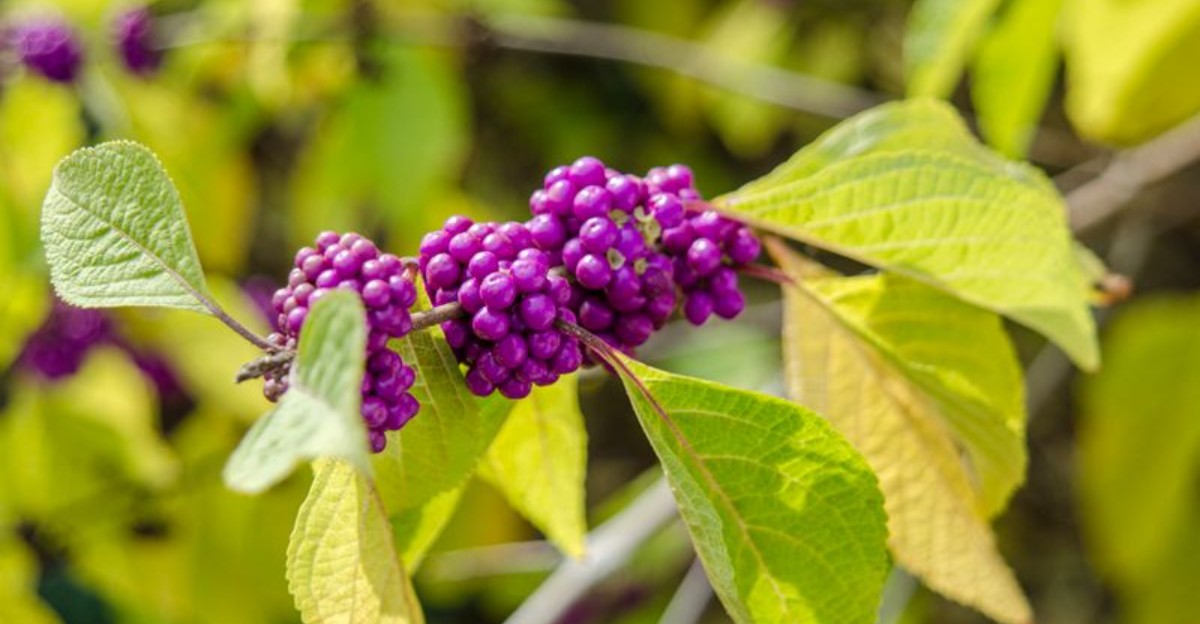
Fall can turn a shrub into one of the busiest places in your yard when migrating birds discover its fruit. That seasonal activity is exactly what makes this native plant special.
While many garden favorites are winding down, American beautyberry begins showing off clusters of purple fruit.
Those berries are more than decoration during a season when birds are searching for dependable food. In Georgia, the shrub can support several species moving through or preparing for cooler months.
Its value also comes with a landscape bonus you can enjoy from nearby.
Beautyberry brings bold color without needing flashy flowers to command attention in fall. Give it suitable growing conditions, and the shrub can become both beautiful and useful.
Plant one thoughtfully, and autumn may bring more feathered visitors within view.
1. Fall Turns This Quiet Shrub Into A Backyard Standout
Nobody notices beautyberry in June. It sits at the back of the yard looking like a plain green mound, easy to mistake for a weed.
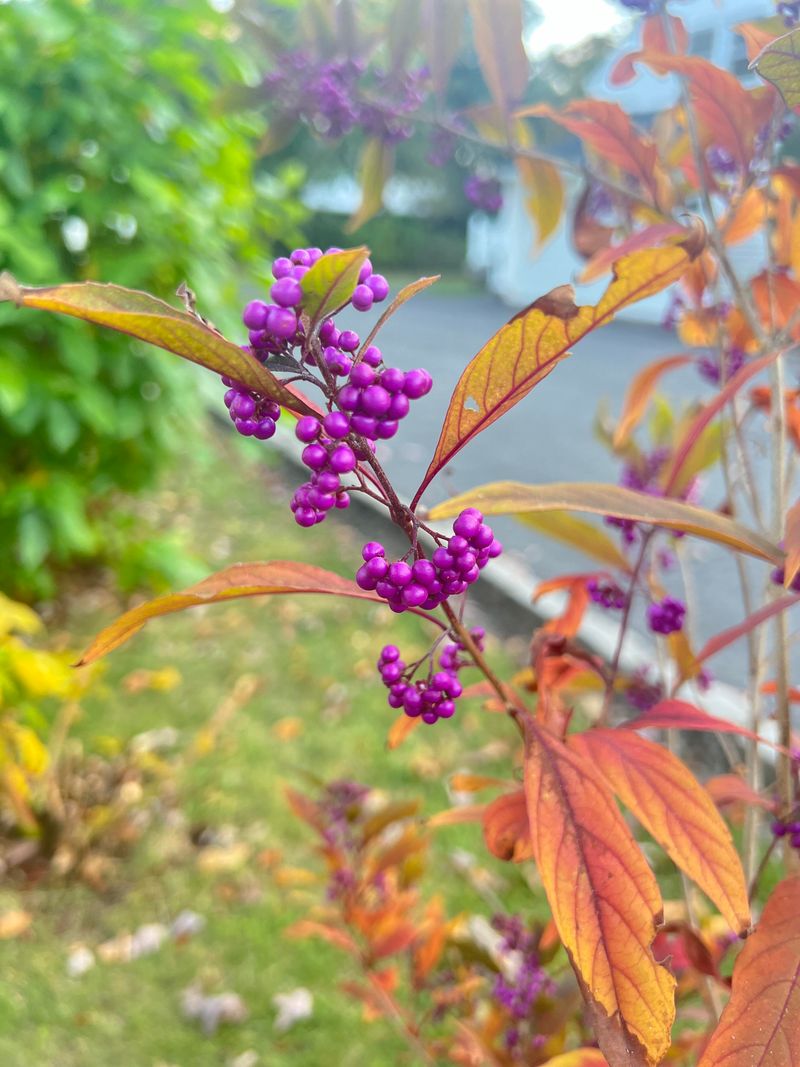
Then October rolls in and the whole plant changes character. Tight rings of magenta fruit wrap around every stem, spaced evenly like someone placed them there on purpose.
The color is unusual enough that first-time visitors often ask what it is.
Leaves start yellowing and dropping around the same time, which only makes the berries stand out more. Once the branches go bare, those purple clusters hang there with nothing competing for attention.
Across Georgia, this shift usually happens between late September and early November, though weather shifts the timing year to year.
What surprises people most is how little effort went into the display. Beautyberry does not need feeding, pruning, or special soil to fruit well.
A shrub growing on its own at a wood line often looks just as good as a planted one.
Sunlight does play a role in fruit density. Plants in part sun tend to carry heavier clusters than those buried in deep shade.
If your shrub looks sparse, light is usually the first thing worth checking before anything else. Moving it is an option, but young plants transplant far more easily than established ones.
2. American Beautyberry Is The Native Plant Behind The Display
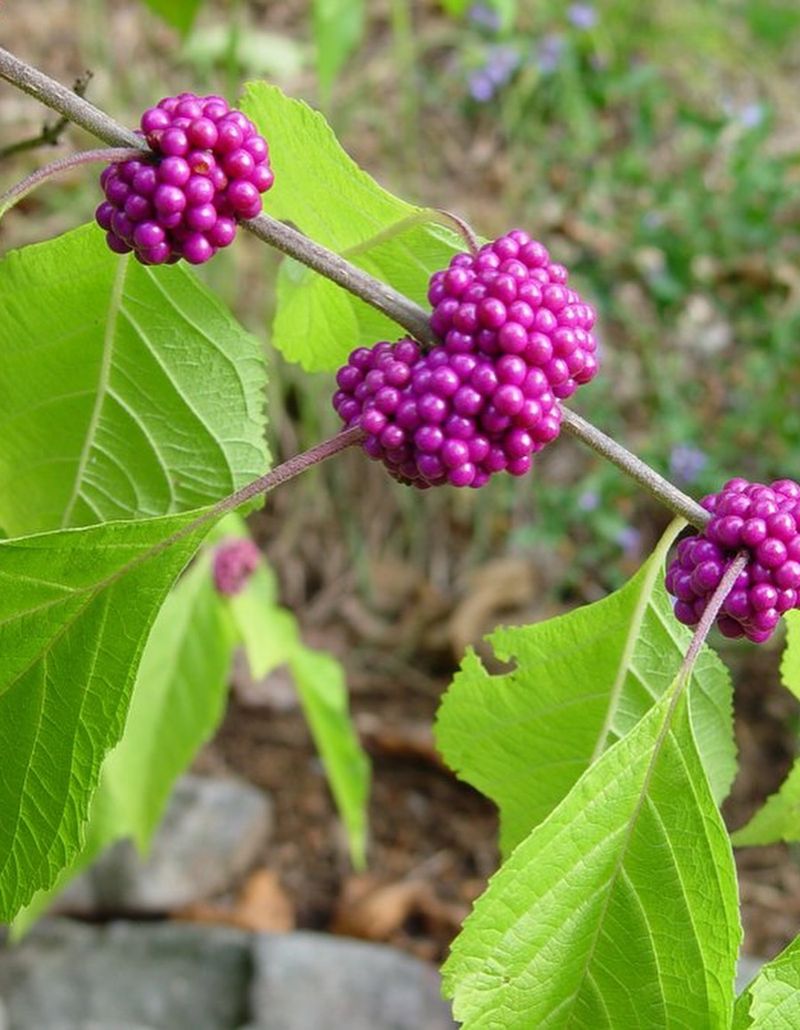
Callicarpa americana is the name on the tag, but almost everyone just says beautyberry. It belongs here, growing wild from Virginia down through Texas long before anyone sold it in pots.
Being native matters more than it sounds. Local birds and insects already recognize it, so the plant fits into food chains that took a long time to form.
Ornamental imports rarely offer the same connection.
Growth habit is loose and arching, usually reaching four to six feet tall and about as wide. Some plants stretch taller in richer soil with steady moisture.
Leaves are large, slightly fuzzy, and give off a faint scent when crushed.
Small pink flowers appear in early summer along the stems, easy to overlook. Bees work them steadily, and those visits are what set the berries you see months later.
Your Georgia Garden Changes Every Week. Your Plan Should Too.
Gardening in Georgia changes quickly throughout the season. Every Friday you’ll receive a simple weekly plan showing exactly what to plant, prune, fertilize, harvest, and protect so you never miss the right timing.
Gardeners across Georgia often find volunteer seedlings popping up nearby, spread by birds that ate the fruit elsewhere.
A white-fruited form exists too, sold as a variety with pale berries. Birds still eat it, though the purple type is far more common in wild settings.
Confusing it with Japanese beautyberry is easy at a glance. The imported species has smaller, glossier berries clustered away from the stem rather than hugging it.
3. Its Purple Clusters Reach Their Peak During Migration Season
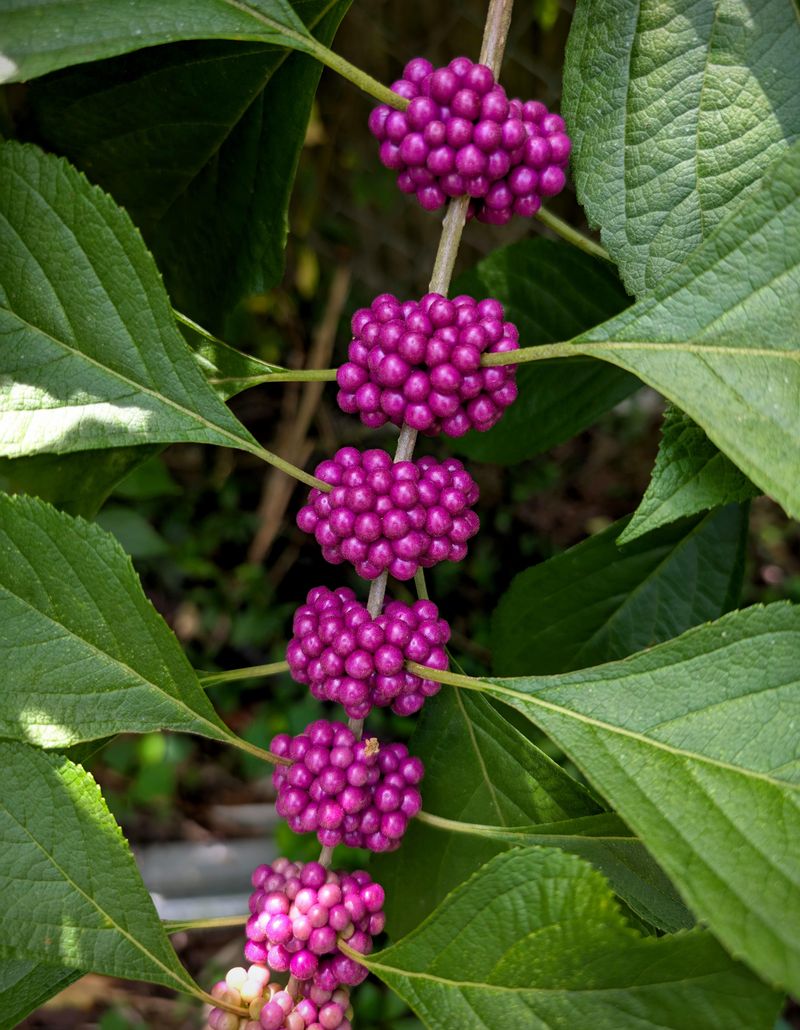
Timing is the part that really matters here. Berries color up just as fall migration hits full speed through the Southeast.
Green fruit sits on the stems through August, hard and unappealing. Ripening usually starts in September and finishes over several weeks.
Birds tend to ignore the clusters until that color deepens.
Overlap with migration is not something anyone planned, but it lines up well. Songbirds moving through the Piedmont and coastal plain need calories, and ripe fruit is easier to find than insects once nights turn cool.
Weather shifts the schedule a little each season. A dry summer can shrink berry size, while steady rain often produces heavier clusters.
Late frosts in spring sometimes reduce flowering, which shows up as thinner fruit months later.
Fruit does not all vanish at once. Some clusters hang on into December, especially on plants tucked into sheltered spots.
Georgia yards with several beautyberry shrubs tend to hold fruit longer simply because birds spread their feeding around.
Watching the color change is a decent way to track the season. Pale green turns lavender, then that deep magenta that signals the fruit is ready.
Once berries soften and darken further, feeding activity usually picks up noticeably.
4. Hungry Travelers Stop To Take Advantage Of The Fruit
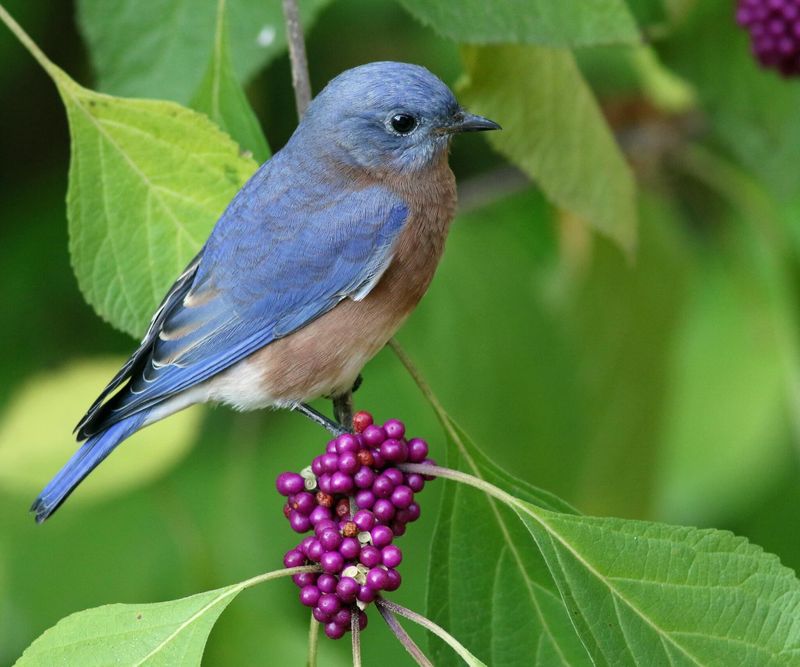
Watch a beautyberry for twenty minutes in late October and you will likely see traffic. Mockingbirds show up first, then catbirds, thrashers, and sometimes a cardinal or two.
Fruit like this works well for birds on the move. Sugars digest quickly and help fuel long flights south.
Insects get scarce as temperatures drop, so berries fill a real gap.
Brown thrashers are frequent visitors and tend to feed low, close to cover. Robins arrive in loose flocks and can strip several stems in a single afternoon.
Bluebirds take beautyberry too, though they usually mix it with other fruit.
Not every bird treats it the same way. Some pick a few berries and move on, while others return repeatedly over days.
Feeding patterns vary by neighborhood, weather, and what else is fruiting nearby.
Georgia birders often notice heavier activity after a cold front pushes through, when migrants drop in to rest and refuel.
Seeds pass through birds and get scattered, which is how new plants keep appearing along fence lines and ditches.
Deer browse the leaves as well, though they usually leave the fruit alone. If you want the berries to last, planting where deer pressure is lower helps.
5. Dense Branches Give Visiting Birds More Than A Meal
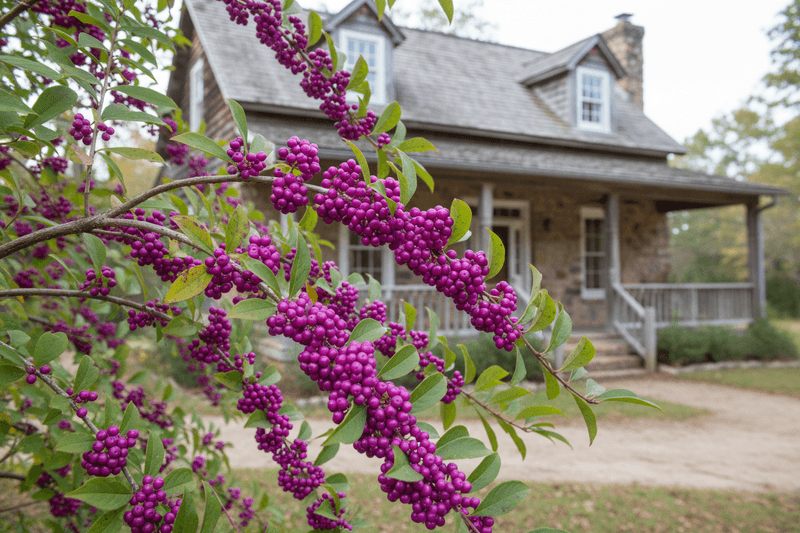
Food is only half the reason birds use this shrub. Those arching stems create tangled cover that smaller species clearly appreciate.
Hawks patrol open yards, and a thick beautyberry offers somewhere to duck. Sparrows and wrens dart in and out constantly during colder months.
Cats prowling the neighborhood make that shelter even more valuable.
Branch structure is loose but layered, with plenty of interior perches at different heights. Birds can sit inside the plant while staying mostly hidden from above.
Leaf litter underneath collects insects and spiders, which thrashers and towhees scratch through regularly.
Nesting is less common in beautyberry than in denser evergreens, though catbirds and cardinals sometimes use it. Placement near other shrubs improves the odds considerably.
Grouping three or more plants together creates a much better shelter zone than a single specimen. Yards across Georgia that mix beautyberry with wax myrtle or holly tend to hold more bird activity year-round.
Winter changes the picture since leaves drop and cover thins out. Pairing it with an evergreen nearby keeps protection available through the cold stretch.
Spacing matters when planting. Give each shrub four to five feet so branches can spread without crowding.
6. This Shrub Fits Naturally Along Woodland Edges
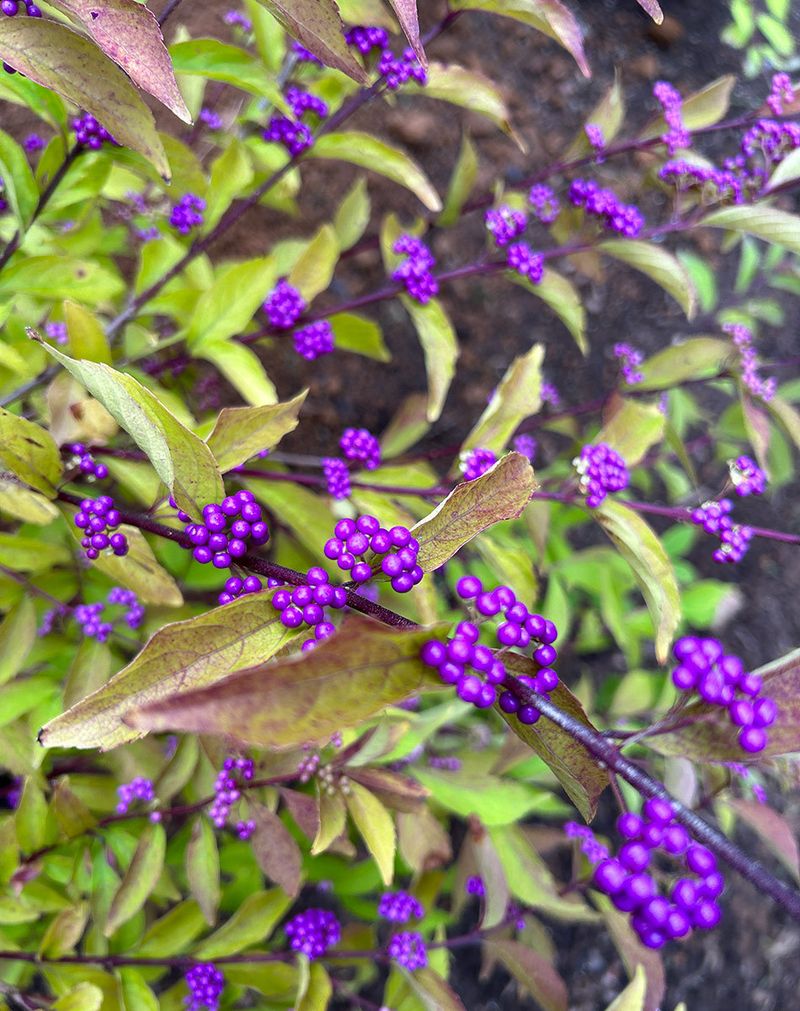
Edges are where beautyberry does its best work. Not deep woods, not open lawn, but that transition strip where filtered light reaches the ground.
Pine shade suits it especially well. Roots handle competition better than many ornamentals, so planting under mature trees usually works.
Morning sun with afternoon shade tends to produce the fullest fruit.
Soil requirements are relaxed. Sandy, clay-heavy, or rocky ground all support it as long as water drains reasonably.
Constant soggy spots are the main thing to avoid.
Fall and early spring are good planting windows in Georgia, giving roots time before summer heat arrives. Water new plants weekly through the first season, then back off gradually.
Established shrubs handle dry spells fine, though extended drought can shrink fruit production.
Mulch helps more than fertilizer here. A few inches of pine straw keeps moisture steady and cuts down on weeding.
Rich feeding tends to push leafy growth at the expense of berries, so skip the heavy amendments.
Screening a fence line or softening a driveway edge are practical uses. Plants can also fill awkward shady strips where turf refuses to grow.
Deer will browse young plants, so temporary protection during the first year is worth considering in rural areas.
7. Leaving The Fall Display Untouched Helps Extend Its Wildlife Value
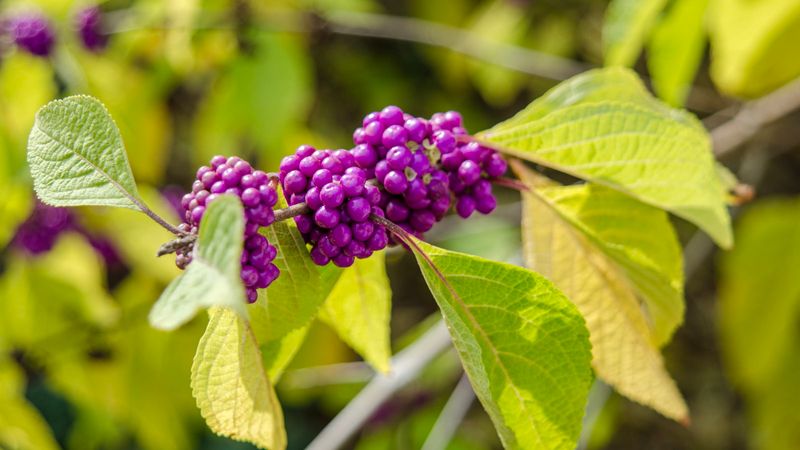
Resist the urge to tidy. Cutting stems back in October removes exactly what birds came for.
Berries that hang into late fall and early winter feed birds during the leanest stretch. Even shriveled fruit gets eaten when other options run out.
A neat yard in November often means an empty one.
Pruning is best saved for late winter, roughly February in Georgia, before new growth starts. Beautyberry flowers on current-season wood, so cutting then does not cost you fruit.
Some gardeners trim hard, down to a foot or so, to keep plants compact and dense.
Skipping pruning entirely is fine too. Plants get leggier over time but still fruit well.
Leaf litter underneath is worth leaving in place through winter. Insects overwinter there, and ground-feeding birds work through it constantly.
Raking it clean removes a food layer that costs nothing to keep.
Volunteer seedlings will show up, and pulling the extras is simple while they are small. Transplanting them to another corner works better than tossing them out.
Anyone hoping to see more migrants should think in terms of layers rather than single plants. Beautyberry paired with native viburnum, holly, or dogwood spreads fruit availability across a longer window.