Why Some Pennsylvania Yards Have Ten Times More Squash Bugs Than The Yard Next Door
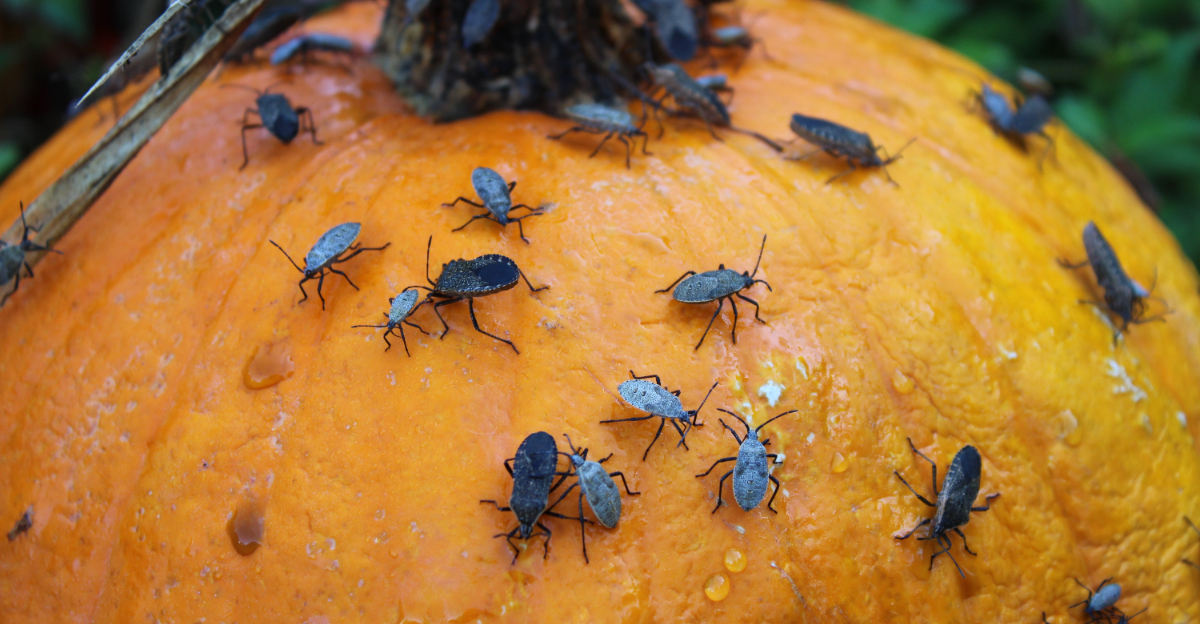
Squash bugs don’t spread evenly across every garden. Some yards near you stay nearly untouched while others collapse within weeks.
Pennsylvania gardeners notice this split every single season. Weather alone can’t explain what you see next door. Something quieter tips the balance more than most people expect.
Certain habits near you make all the difference here. Bugs favor specific conditions most people overlook. Beneath every leaf, a pattern quietly takes shape.
Neighbors just a few feet away can face totally different outcomes. The same Pennsylvania block can host wildly different results. You control far more of this than you realize.
Small choices compound faster than most gardeners expect. Nothing about this outcome comes down to chance. Once you see what’s driving the difference, ignoring it stops being an option.
A Hidden Difference That Explains The Uneven Infestation
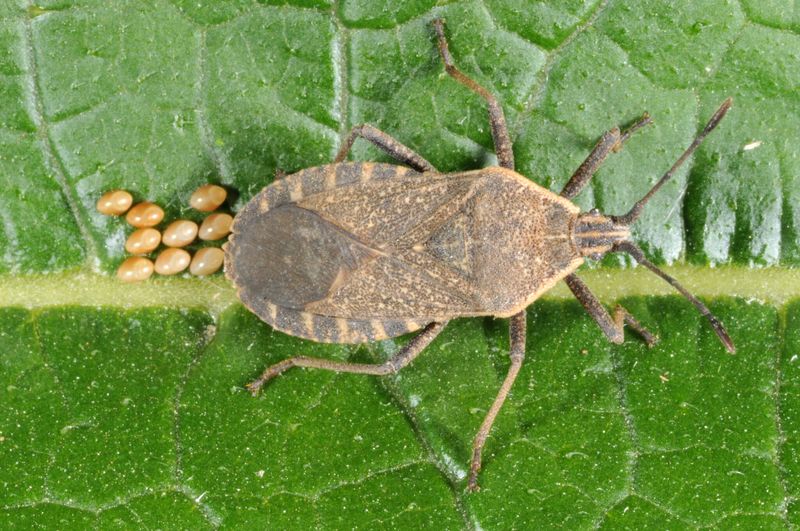
Not every yard is the same, even on the same street. Squash bug populations can vary wildly between neighboring properties, and the reasons are hiding in plain sight.
One major factor is garden history. Yards that grew squash, pumpkins, or cucumbers last season often carry leftover eggs and overwintering adults in the soil and debris nearby.
Those survivors emerge in spring ready to feed and reproduce immediately. A yard with no prior squash history starts the season with far fewer pests already on-site.
Microclimate plays a sneaky role too. A yard with dense shade, heavy mulch, or poor airflow stays cooler and more moist. Squash bugs love those sheltered spots for resting and hiding during hot afternoons.
Meanwhile, a sunnier, more open yard nearby naturally discourages large congregations. The bugs simply find fewer comfortable hiding places there.
Soil temperature matters more than most gardeners realize. Warmer soil speeds up egg hatching, so a south-facing garden bed with dark soil can produce nymphs days ahead of a shadier neighbor.
That head start lets one yard’s population grow fast while the other stays manageable. Squash bugs in Pennsylvania yards follow patterns that are predictable once you know what to look for.
Spotting those patterns early is the first step toward breaking the cycle. Your neighbor’s clean garden is not just luck, it is a result of conditions working against the bugs, not for them.
Yard Conditions That Attract Far More Of These Pests
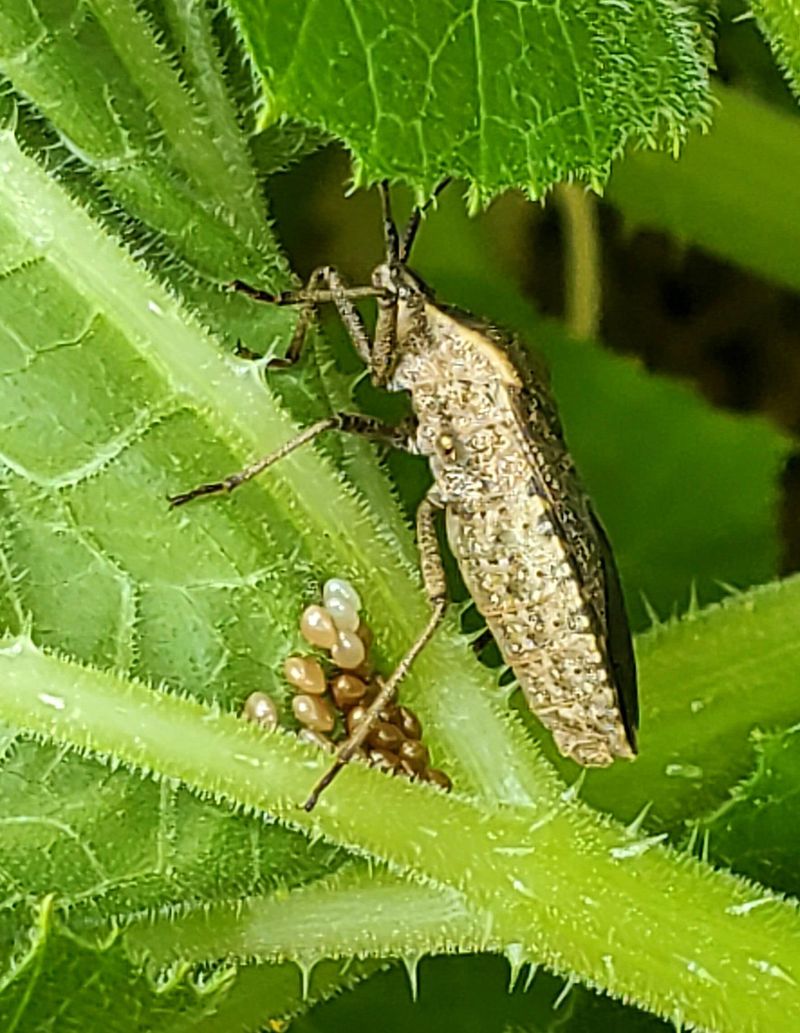
Messy yards are basically squash bug resorts. Leaf piles, old boards, and thick ground cover give these insects exactly the shelter they need to survive and multiply fast.
Weedy garden edges are a major attractant. Tall weeds near squash beds create cool, shaded corridors where bugs travel and rest without being exposed to heat or predators.
A tidy yard with clean borders gives bugs nowhere comfortable to gather between feeding sessions. That simple difference alone can cut pest numbers noticeably.
Overwatering garden beds creates another inviting condition. Wet soil and soggy mulch stay cooler and softer, which squash bugs strongly prefer for resting close to their food source.
A neighbor who waters less frequently and lets the soil surface dry between sessions makes the environment less hospitable. Small watering habits create surprisingly large pest population differences.
Your Pennsylvania Garden Changes Every Week. Your Plan Should Too.
Gardening in Pennsylvania changes quickly throughout the season. Every Friday you’ll receive a simple weekly plan showing exactly what to plant, prune, fertilize, harvest, and protect so you never miss the right timing.
Dense planting also traps humidity around plant stems. When squash leaves overlap heavily and air cannot move through, the understory becomes a humid, shaded zone that bugs exploit all day long.
Spacing plants properly improves airflow and reduces those cozy pockets. Even a few extra inches between plants can shift the microclimate enough to matter.
Thick organic mulch right against plant stems is another common mistake. Pulling mulch a few inches away from stems removes a favorite daytime hiding spot for adult squash bugs in Pennsylvania yards.
Small yard changes add up to big pest reductions over a single growing season.
The Role Egg-Laying Sites Play In Population Spikes
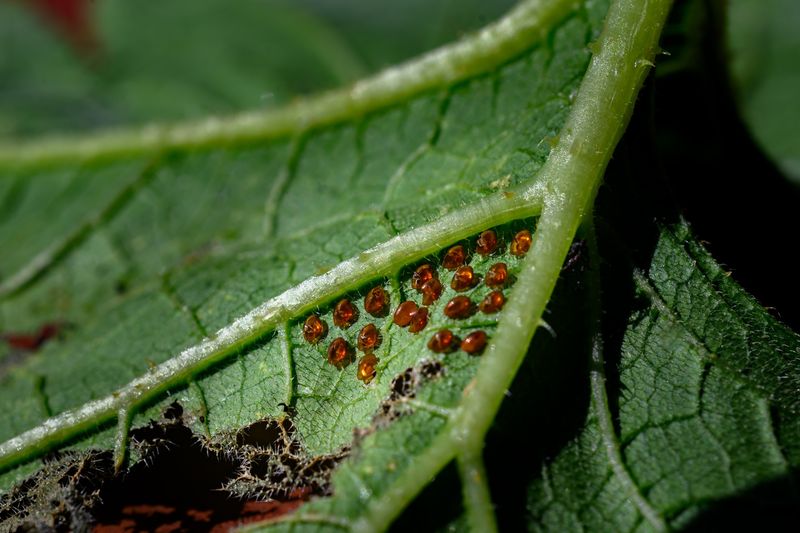
Squash bug eggs are tiny bronze dots arranged in neat little clusters. Most gardeners walk right past them without a second glance, and that oversight is costly.
Females lay eggs specifically on the undersides of leaves, close to the main stem. Those spots stay shaded, humid, and protected from rain and direct sun all day.
A yard with large, mature squash leaves offers plenty of ideal egg-laying spots per plant. More surface area means more eggs, and more eggs means faster growth within weeks.
Yards with younger or smaller plants offer fewer prime sites. That structural difference alone can separate a light infestation from a severe one by midsummer.
Egg clusters also appear on garden debris left on the soil. Old plant stems, dry leaves, and even the undersides of boards or bricks near garden beds become alternative nurseries.
A yard with cleared debris removes most of those backup sites. The bugs must work harder to find safe places, and some eggs get exposed to heat or predators before they hatch.
Timing matters enormously here. Squash bugs in Pennsylvania begin laying eggs when temperatures consistently stay above 70 degrees Fahrenheit. Planting squash later in the season can help gardeners dodge the first big egg-laying wave.
Checking leaf undersides twice a week and crushing any egg clusters found stops a generation before it starts. That one habit can noticeably shrink the next month’s population.
Habits That Accidentally Invite Bigger Infestations
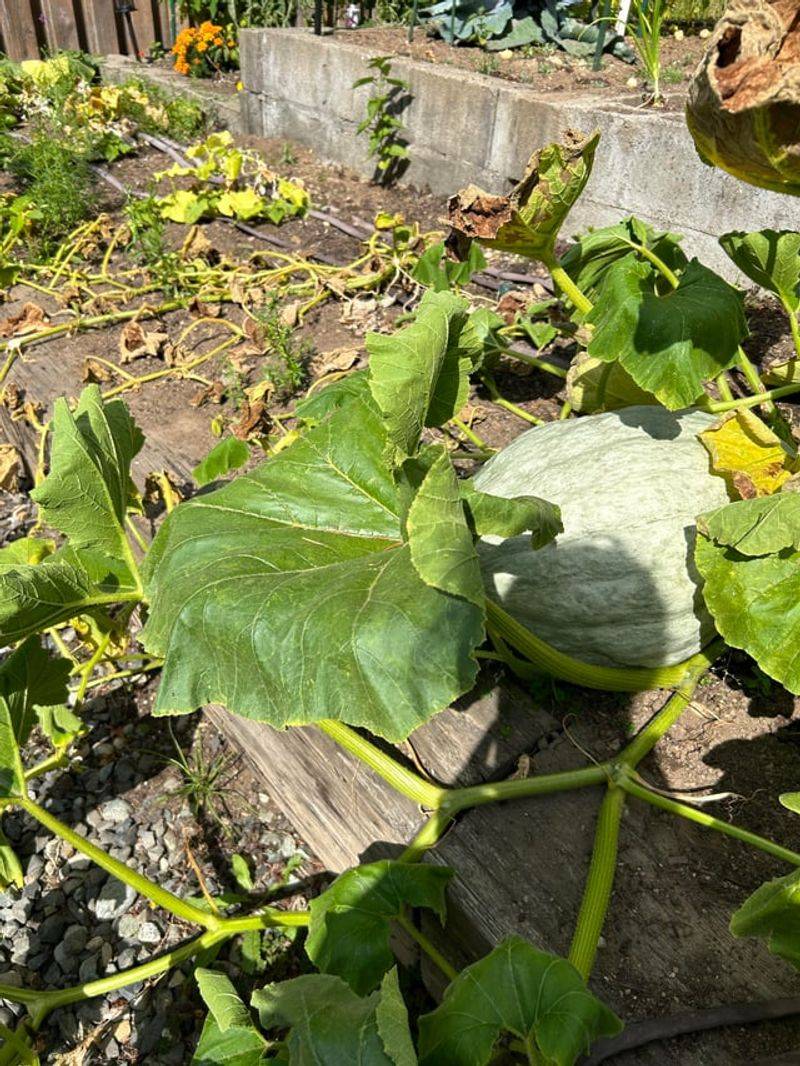
Some of the most common gardening habits accidentally roll out a welcome mat for squash bugs. Good intentions sometimes create the exact conditions these pests need to thrive.
Leaving old plant material in the garden after harvest is one of the biggest mistakes. Decayed vines and stems become overwintering hotels for adult bugs looking to survive until next spring.
A neighbor who pulls and bags spent plants right after harvest removes most of that shelter. Their yard enters winter with far fewer bugs already bedded down and waiting.
Planting squash in the same spot every year compounds the problem fast. Bugs that overwintered nearby emerge right next to a fresh food source without traveling far at all.
Rotating crops to a different garden section each season disrupts that pattern. The bugs emerge from last year’s location and find nothing edible close by, which reduces their survival rate.
Using row covers is a habit that separates low-infestation yards from high ones. Lightweight fabric covers placed over young plants block adult bugs from reaching leaves during the critical early weeks.
Most gardeners skip this step because it feels like extra work. But consistent cover use tends to result in smaller pest loads by the time plants start flowering.
Skipping a thorough fall cleanup and ignoring crop rotation creates a compounding effect. Each bad habit stacks onto the next, and by midsummer the yard with squash bugs in Pennsylvania is dealing with a serious infestation.
Signs Your Yard Is Becoming A Prime Target
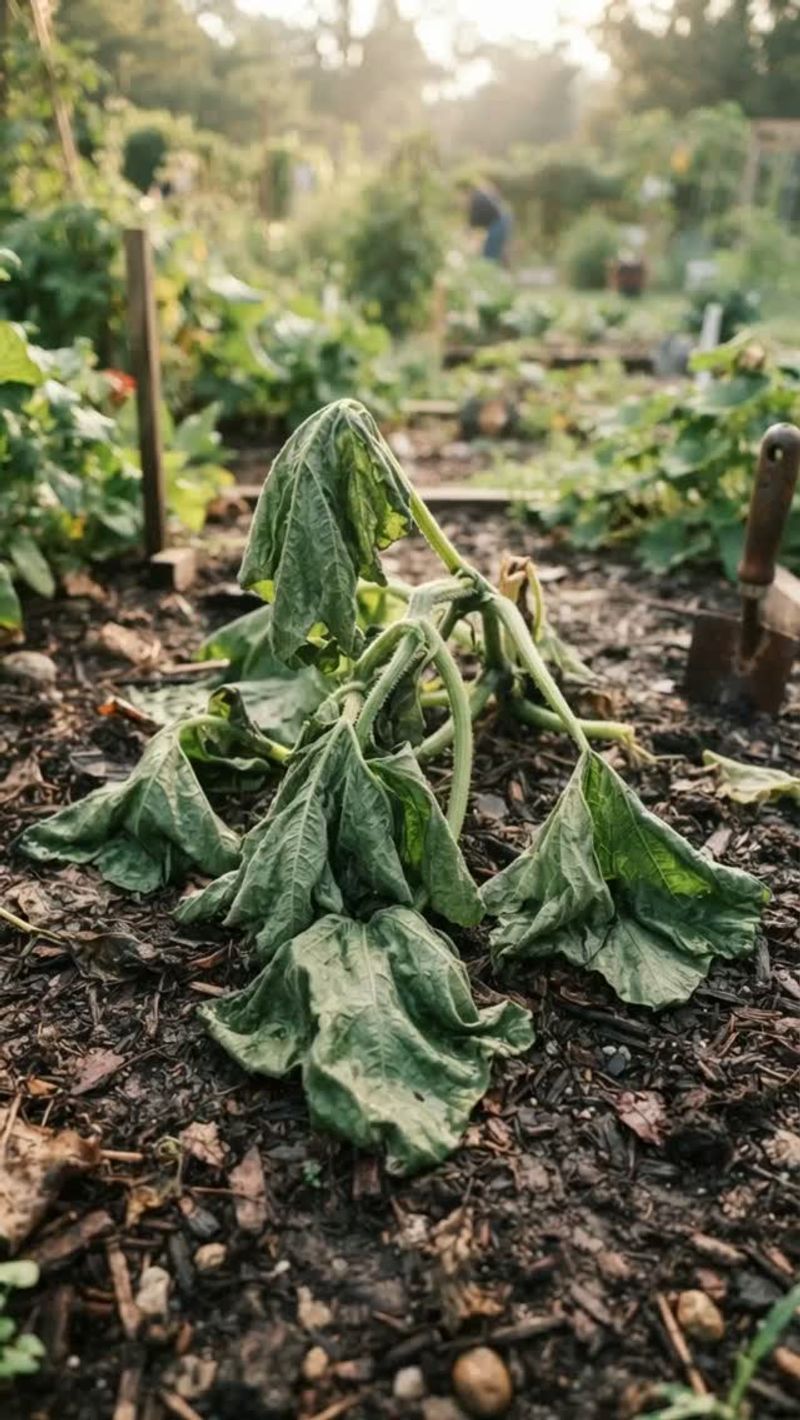
Your plants will tell you when trouble is building, if you know what signals to watch for. Catching early signs saves you weeks of frustration and plant loss.
Wilting leaves are often the first clue. Squash bugs inject a toxic substance while feeding, and even a small group of nymphs can cause a healthy leaf to droop by midday.
If leaves perk back up overnight but wilt again by noon, feeding insects are likely the cause. Heat stress alone does not follow that specific daily pattern the same way.
Yellow or brown patches on leaves that are not near the soil surface are another red flag. Those discolored spots mark where bugs have been feeding steadily for several days.
Check the stem base carefully when you see those patches. Adult squash bugs often cluster tightly around the main stem where it meets the soil, especially in early morning hours.
Finding shed skins near the base of plants confirms nymphs are actively growing nearby. Each shed skin represents a bug that has already molted and grown larger since hatching.
A strong, unpleasant odor when you disturb the plant is another warning sign. Squash bugs release a distinctive smell when threatened, and a large group produces enough scent to notice clearly.
Once you spot multiple signs together, the population is already well established. Acting within the first week of noticing any single sign gives you the best chance of keeping squash bugs in Pennsylvania yards from taking full control.
Simple Changes That Even Out The Odds Next Season
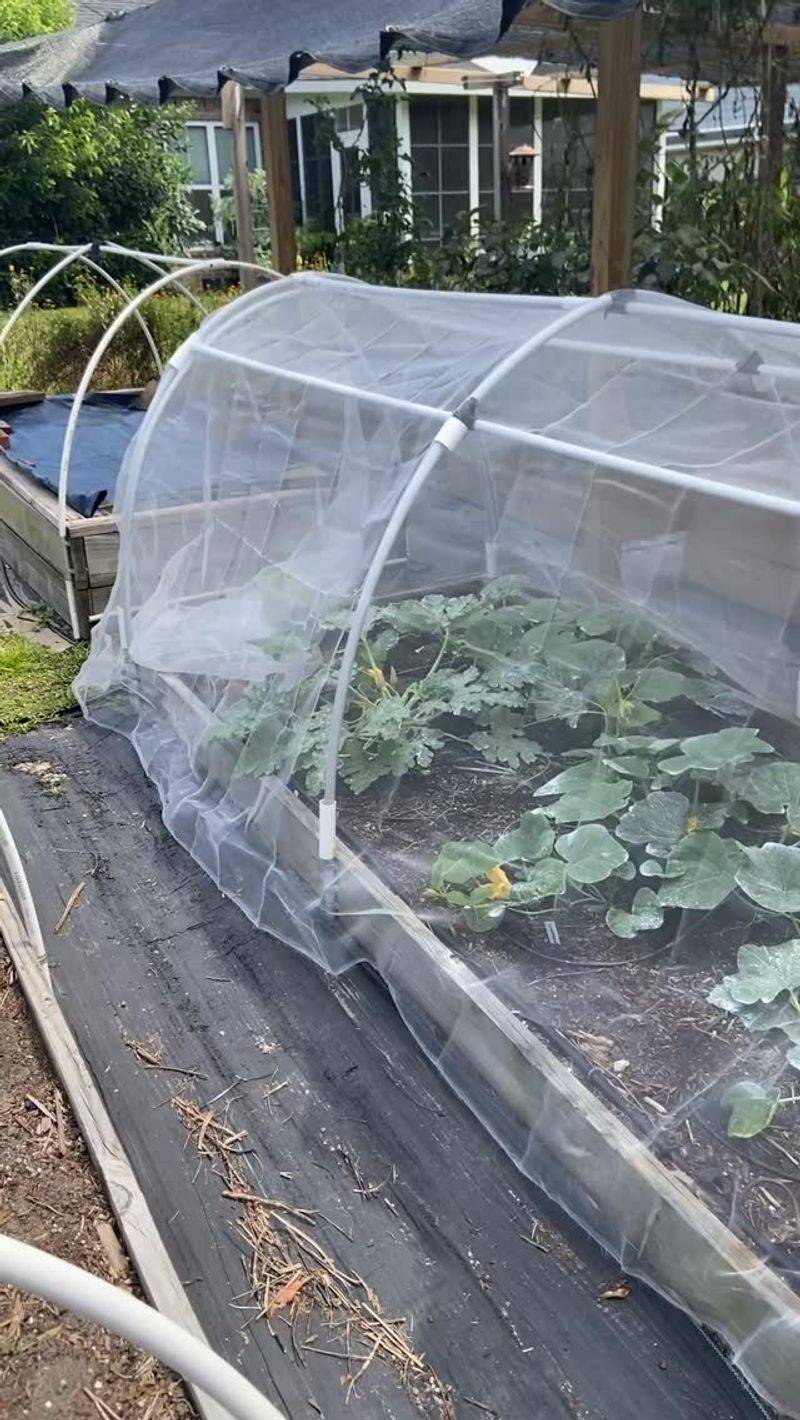
Most of the factors that create high squash bug populations are within your control. Small, consistent actions make a measurable difference season after season.
Start with a thorough fall cleanup every single year. Pull spent vines, bag them, and remove any boards, bricks, or debris stored near garden beds where bugs might overwinter.
That one step alone can reduce the number of adults that survive to spring. Fewer overwintering bugs means fewer eggs laid and a slower buildup through the summer months.
Rotate your squash planting location by at least ten feet each season. Moving the food source forces emerging bugs to travel farther, and many will not survive that journey without feeding.
Add a lightweight row cover over seedlings for the first four to six weeks. Remove it once flowers appear so pollinators can access the blooms, but use that window to give plants a strong, protected start.
Check leaf undersides every few days starting in late June. Crush any bronze egg clusters you find between your fingers or drop them into soapy water to stop them before they hatch.
Improve airflow by spacing plants farther apart and pulling mulch away from stems. A drier, breezier garden bed is simply less comfortable for squash bugs to hang around in all day.
None of these steps require expensive products or special equipment. Controlling squash bugs in Pennsylvania yards is mostly about timing, observation, and a few smart habits repeated consistently each growing season.