Why South Facing Walls Save Plants In Florida And What To Grow There
One side of your home can make the difference between plant survival and plant loss in Florida. While cold snaps and winter winds catch gardens off guard, south facing walls quietly create a pocket of protection.
Sunlight lingers longer, warmth builds during the day, and nearby plants benefit from that stored heat long after sunset. It feels like a small detail, yet this simple orientation can change how a garden performs through winter and early spring.
Smart gardeners pay close attention to these microclimates, especially when choosing where to place tender or slow growing plants. The right wall can turn a risky planting spot into a thriving one.
Once you understand why this warm zone works so well, you can start choosing plants that take full advantage of it and grow stronger all season long.
1. South Facing Walls Create Warm Protective Microclimates
Sunlight strikes south facing walls at the most direct angle throughout the day, especially during winter months when the sun tracks lower across the southern sky. This consistent solar exposure transforms ordinary wall surfaces into passive heat collectors that warm the surrounding air and soil.
The wall absorbs radiant energy and creates a noticeably warmer zone extending several feet outward from the foundation.
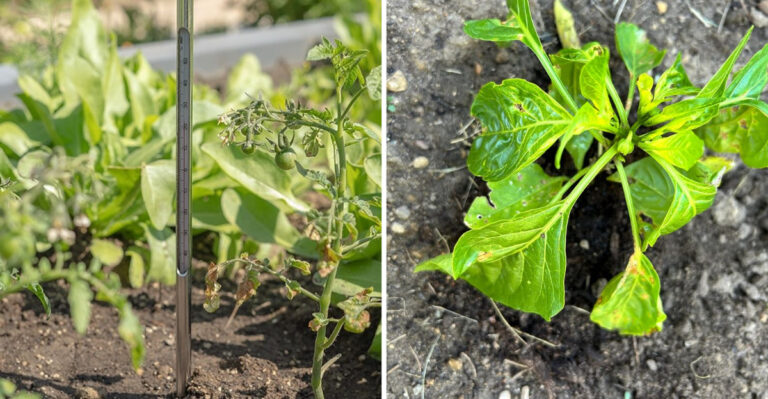
Temperature differences between open garden areas and south wall zones can reach eight to twelve degrees during cold nights in Florida. This temperature buffer often means the difference between frost damage and healthy survival for borderline hardy plants.
The microclimate effect becomes strongest during late afternoon and evening hours when stored heat radiates back toward plants.
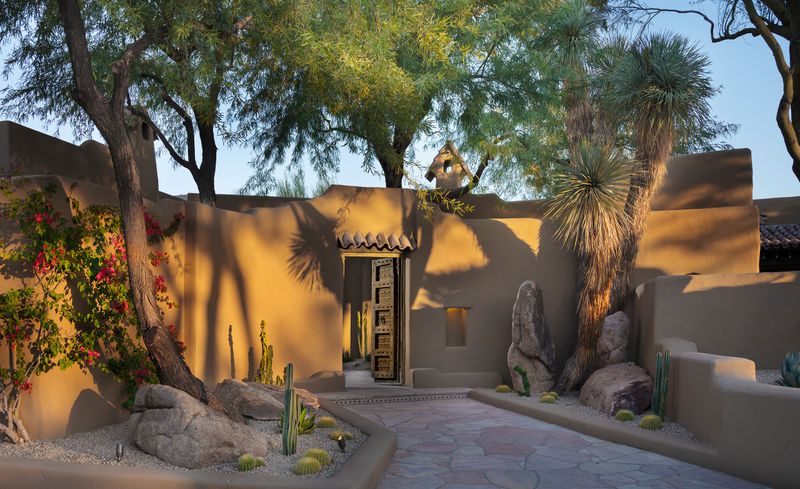
Masonry walls, stucco surfaces, and concrete foundations work best because dense materials hold heat longer than wood siding or metal panels. Light colored walls reflect additional sunlight onto nearby foliage, intensifying the warming effect.
Darker surfaces absorb more heat but may create excessive temperatures during summer months.
Strategic placement of temperature sensitive plants within this microclimate zone provides natural protection without additional structures or covers. The consistent warmth also promotes earlier spring growth and extends active growing periods into cooler fall weather across central and north Florida regions.
2. Stored Heat Shields Plants From Cold Nights
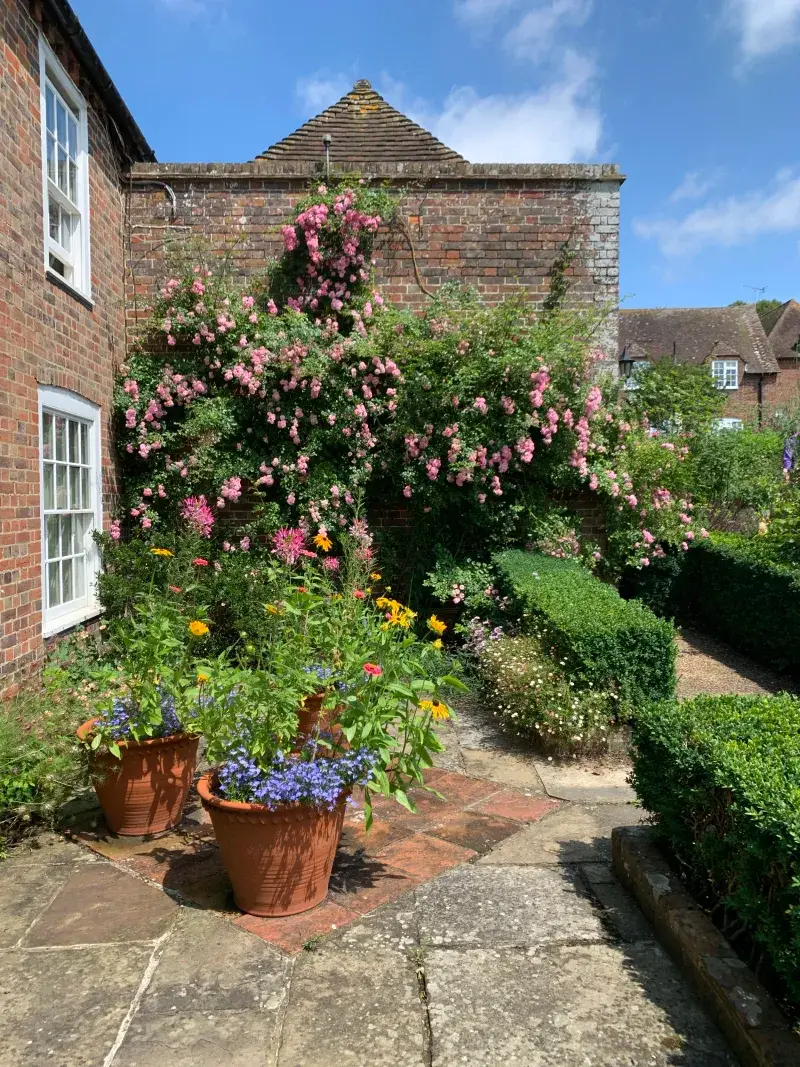
Wall materials absorb tremendous amounts of solar energy during daylight hours, transforming into thermal batteries that discharge warmth slowly after sunset. Masonry and concrete surfaces can store heat for six to eight hours, releasing it gradually through the coldest predawn period when frost risk peaks.
This passive heating system operates automatically without electricity or fuel costs.
Radiant heat from walls creates an invisible protective bubble around nearby plants during critical overnight hours. Leaf surfaces stay slightly warmer, reducing frost crystal formation that damages tender growth.
Root zones also benefit from residual warmth radiating downward through soil near foundations.
The thermal mass effect works best on clear, calm nights when temperature drops would normally be most severe. Cloudy conditions reduce daytime heat absorption but also limit nighttime radiative cooling, creating a different type of temperature moderation.
South walls in Florida provide the most reliable cold protection during typical winter cold front passages.
Plants positioned within eighteen to thirty inches of warm wall surfaces receive maximum benefit from stored heat radiation. Taller shrubs and vining plants create additional insulation layers that trap warm air against the wall, enhancing the protective effect for everything growing in that zone throughout winter months.
3. Walls Block Wind And Reduce Plant Stress
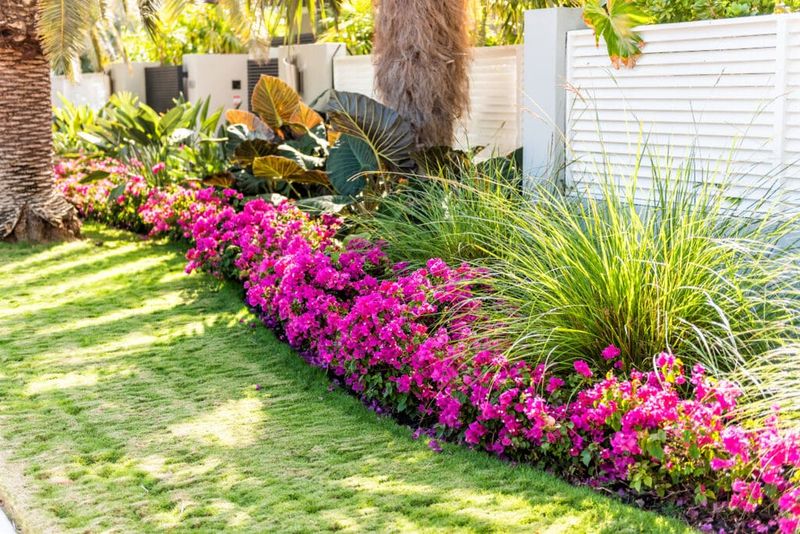
Wind protection ranks among the most undervalued benefits of south facing wall plantings in Florida landscapes. Strong breezes strip moisture from leaf surfaces faster than roots can replace it, creating water stress even when soil remains moist.
Walls create calm pockets where air movement slows dramatically, allowing plants to conserve precious moisture and maintain healthy growth rates.
Winter cold fronts typically arrive from the northwest, making south facing walls particularly effective windbreaks during the most challenging weather events. Protected plants avoid the windburn and desiccation damage that often affects exposed specimens during cold, dry air masses.
Reduced wind exposure also prevents physical damage to tender stems and foliage.
The sheltered zone extends outward from the wall roughly one to three times the wall height, depending on wind speed and direction. Plants within this protected area show consistently better growth, fuller branching, and healthier appearance compared to identical specimens in open, exposed locations.
Flowering plants maintain blooms longer when sheltered from buffeting winds.
Evergreen shrubs and dense foliage near walls create additional windbreak layers that expand the protected zone. This layered planting approach builds a graduated shelter that benefits everything from ground covers to small trees positioned in the microclimate area throughout the year.
4. Tender Plants Survive Better Against South Facing Walls
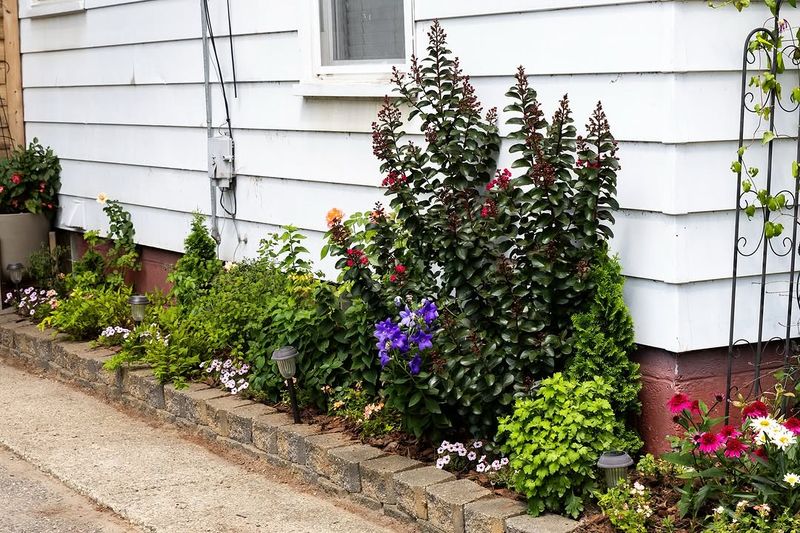
Gardeners across Florida push hardiness boundaries by growing tropical and subtropical plants rated for warmer zones than their actual location. South facing walls make this ambitious planting possible by creating localized warm zones that effectively shift the microclimate one full hardiness zone warmer.
Plants rated for zone 10 often survive in zone 9 wall locations.
Favorites like crotons, ti plants, and gingers that normally struggle through central Florida winters perform reliably when positioned against warm south walls. The combination of reflected heat, stored thermal mass, and wind protection creates conditions similar to areas one hundred miles farther south.
This expanded plant palette adds exciting tropical character to landscapes.
Cold damage typically occurs when temperatures drop below critical thresholds for extended periods. Wall microclimates shorten the duration of damaging cold exposure and reduce the severity of temperature drops.
Even when foliage shows some cold stress, protected root systems usually survive to regenerate growth once warm weather returns.
Experimenting with borderline hardy species becomes less risky when using south wall protection. Start with smaller, less expensive plants to test performance before investing in larger specimens.
Many gardeners successfully grow plants considered impossible for their zone by maximizing these protective microclimates throughout their landscapes.
5. Soil Stays Warmer And Roots Stay Active Longer
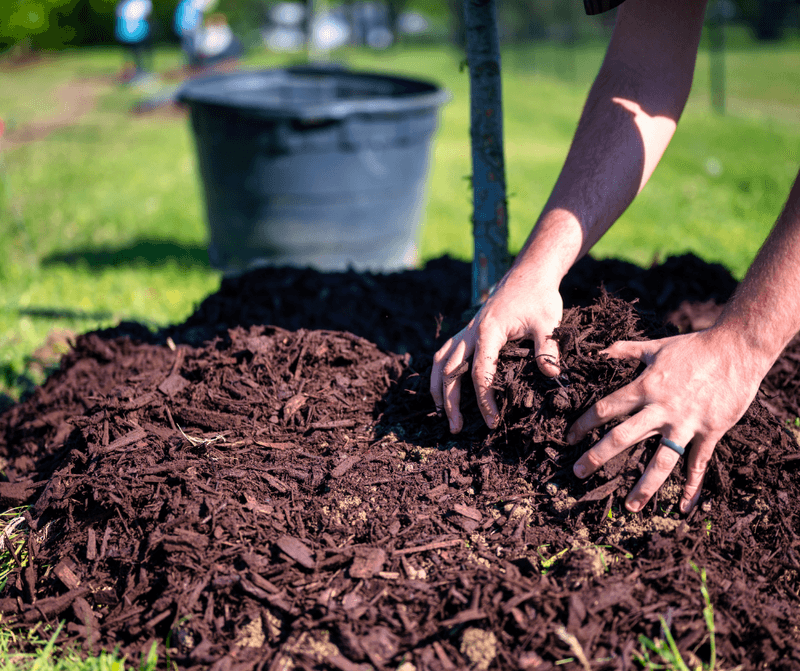
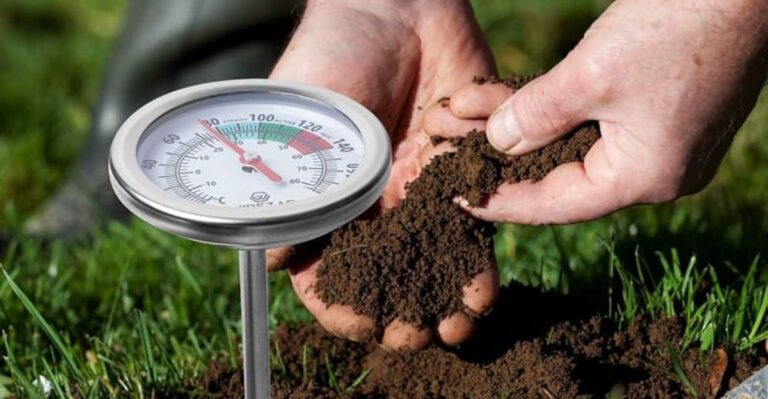
Root zone temperature directly influences nutrient uptake, water absorption, and overall plant metabolism throughout the year. Soil near south facing walls in Florida maintains temperatures five to ten degrees warmer than open garden areas during winter months.
This warmth keeps root systems actively growing and functioning when roots elsewhere enter dormancy or slow dramatically.
Warmer soil temperatures trigger earlier spring growth, giving wall side plants a head start of two to four weeks compared to specimens in cooler locations. Active roots begin absorbing nutrients and moisture sooner, supporting faster top growth and earlier flowering.
Extended fall growth also occurs as soil stays warm later into autumn.
Foundation areas naturally benefit from heat leaking through walls from conditioned interior spaces, adding another warming factor to the microclimate effect. Raised soil temperatures near buildings can persist throughout mild Florida winters, allowing tropical and subtropical root systems to remain active rather than entering cold weather dormancy.
Improved root function translates to healthier, more vigorous plants with better stress tolerance and disease resistance. Well established root systems developed in warm soil conditions also support plants better during summer heat and drought periods.
The cumulative benefit of sustained root activity creates noticeably superior plant performance in these favored locations year after year.
6. Sun Loving Plants Thrive In These Warm Zones
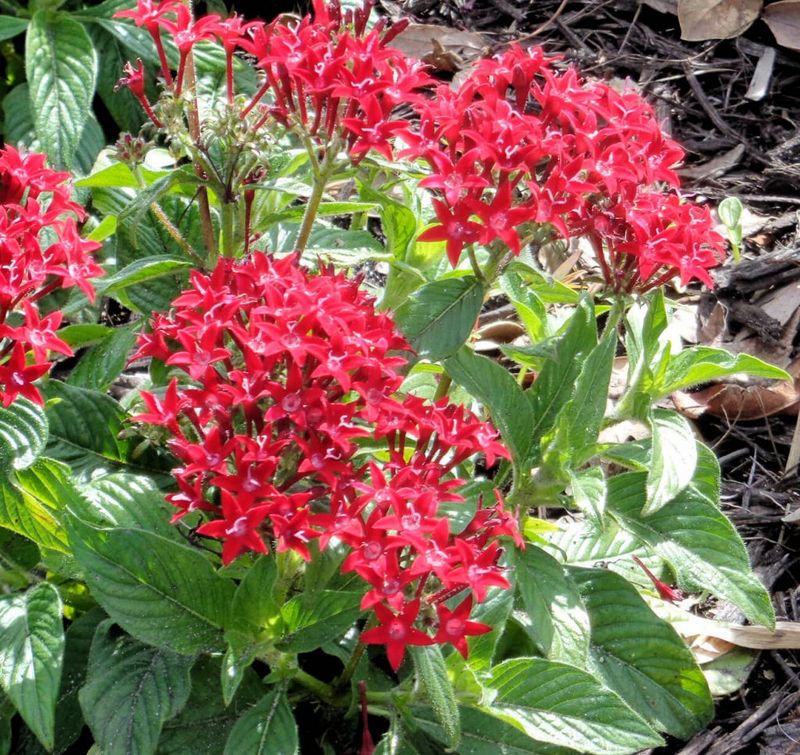
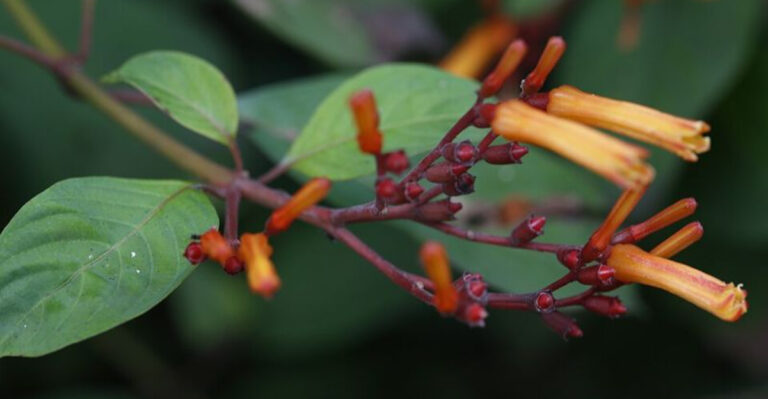
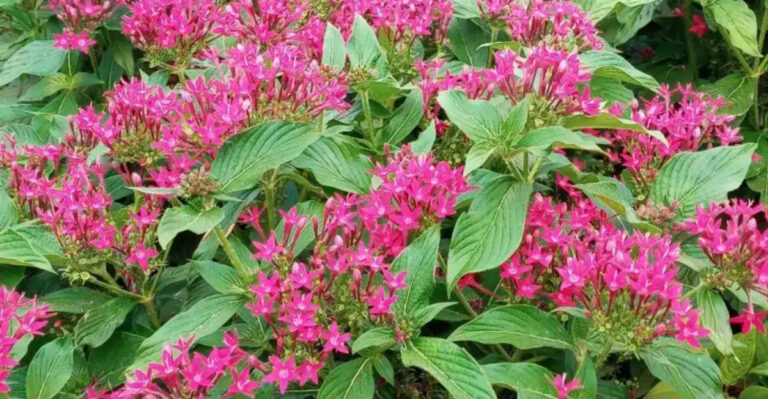
Full sun exposure combined with reflected heat from light colored walls creates intense growing conditions perfect for plants that crave maximum warmth and brightness. Flowering perennials like pentas, lantana, and firecracker plant produce prolific blooms when positioned in these hot spots.
The extra warmth and light intensity trigger heavy flowering that continues throughout the growing season.
Many sun loving species actually perform better with the added heat reflection and protection that south walls provide. Plants native to desert or tropical regions find these conditions similar to their natural habitats.
Bougainvillea, desert rose, and various succulents display their best color and growth when planted in these warm, bright locations.
Heat loving ornamental grasses like purple fountain grass and muhly grass develop fuller, more dramatic forms when grown against south facing walls. The combination of warmth, wind protection, and consistent sun exposure allows these plants to reach their full landscape potential.
Foliage colors intensify and flower plumes develop more abundantly in these favored positions.
Summer heat near walls can become extreme, so proper plant selection matters tremendously. Choose species proven to tolerate high temperatures and intense sun exposure common across Florida.
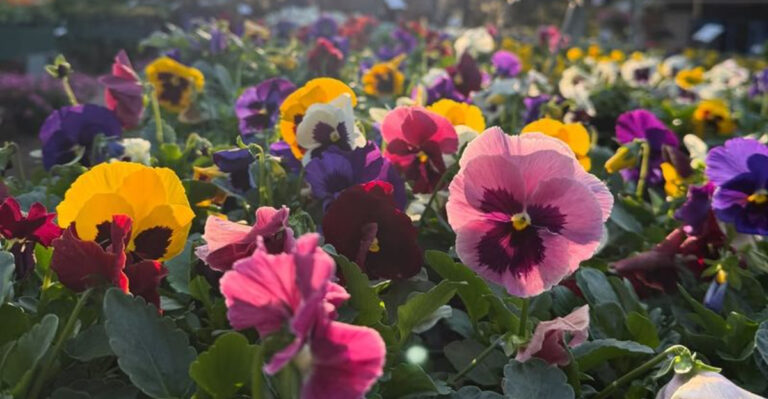
Avoid planting cool season flowers or shade preferring species in these locations where they will struggle and perform poorly despite otherwise good care.
7. Drought Tolerant Plants Perform Well Near Heat Reflecting Walls
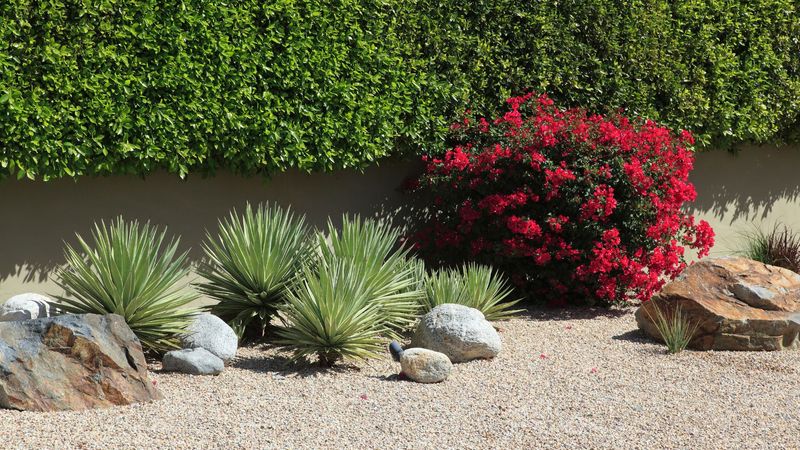
Areas near building foundations and walls typically receive less rainfall than open garden spaces because roof overhangs block precipitation and walls create rain shadows. These naturally drier conditions favor drought adapted plants that thrive with minimal supplemental irrigation.
Combining dry site conditions with heat reflection creates ideal environments for water wise landscaping.
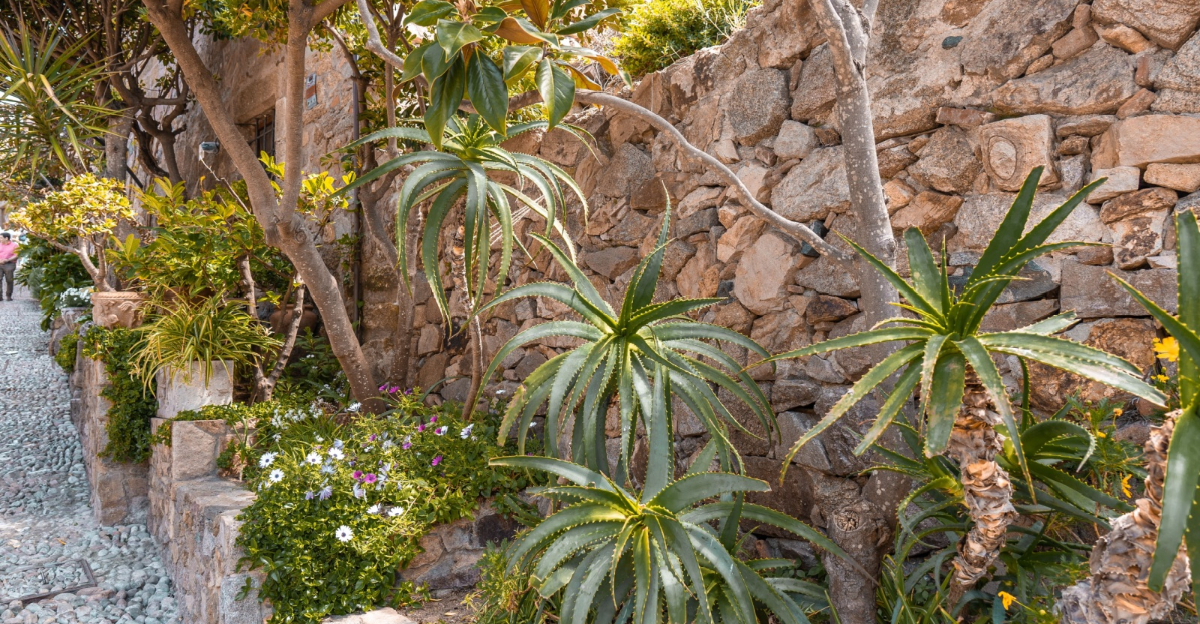
Succulent plants like agave, aloe, and various sedums excel in hot, dry wall side locations throughout Florida. Their water storing tissues and waxy leaf coatings help them withstand both heat stress and limited moisture availability.
These low maintenance plants require minimal care once established while providing striking architectural interest against wall backgrounds.
Native Florida plants adapted to sandy, well drained soils perform exceptionally well near walls. Coontie, beach sunflower, and blanket flower tolerate the combination of heat, reflected light, and periodic dryness without showing stress.
These tough plants maintain good appearance through summer heat and winter dry spells with little intervention.
Proper soil preparation remains important even for drought tolerant species. Amend compacted foundation soils with organic matter to improve drainage and root penetration.
Once established, these plants actually prefer drier conditions and may develop root problems if overwatered. Allow soil to dry between waterings and reduce irrigation frequency as plants mature in these naturally dry, warm locations.
8. Compact Shrubs Make Ideal Wall Side Plantings
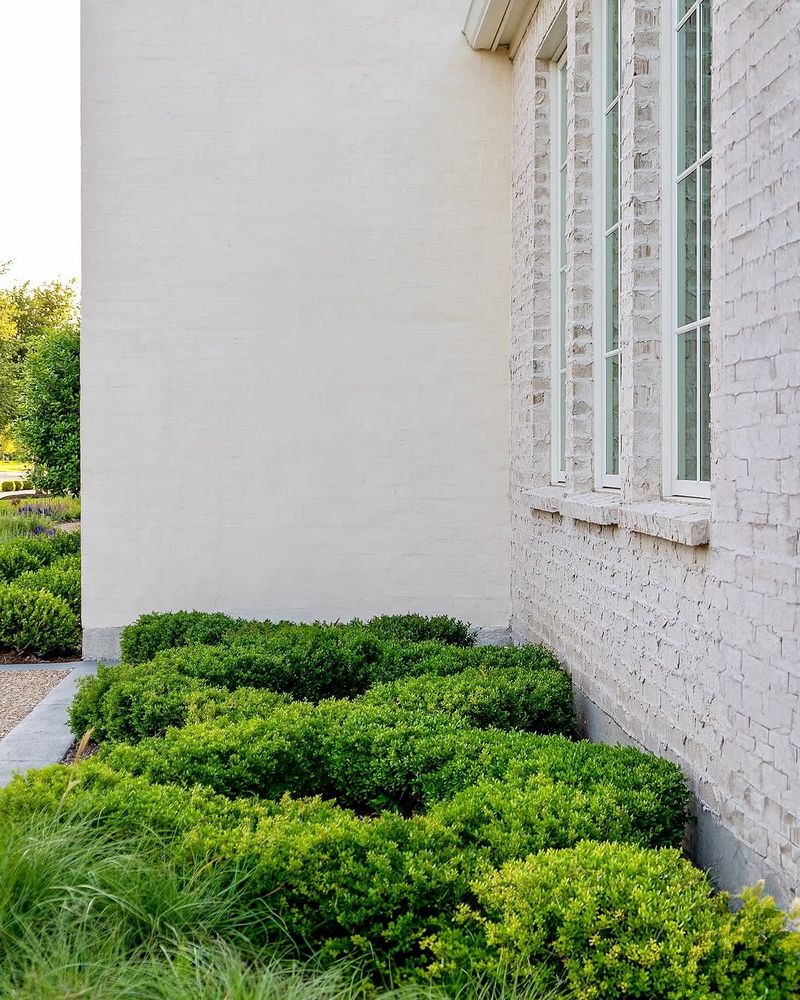
Shrub selection for wall side planting requires careful attention to mature size, growth rate, and maintenance needs. Compact varieties that naturally stay small prevent overcrowding and eliminate constant pruning to keep plants away from walls and windows.
Dwarf cultivars of popular shrubs offer the same attractive features as full size versions while fitting properly in limited foundation spaces.
Proper spacing allows air circulation between plants and walls, reducing humidity buildup that encourages fungal diseases and pest problems. Leave at least twelve to eighteen inches between shrubs and wall surfaces at planting time, accounting for mature spread.
This spacing also provides access for building maintenance and prevents root systems from damaging foundations.
Evergreen shrubs like dwarf yaupon holly, compact Walter’s viburnum, and small leaf confederate jasmine maintain year round interest while benefiting from wall protection. These reliable performers tolerate the warm, dry conditions near south walls while requiring minimal care.
Their dense foliage also helps trap additional heat against walls, enhancing the microclimate effect.
Foundation plantings should complement building architecture rather than overwhelm it. Choose shrubs with appropriate scale and form for the space available.
Mix different textures, foliage colors, and seasonal interest to create attractive compositions that frame entrances and soften building lines without creating maintenance headaches or blocking windows as plants mature over time.
9. Climbing Plants Turn Walls Into Living Heat Traps
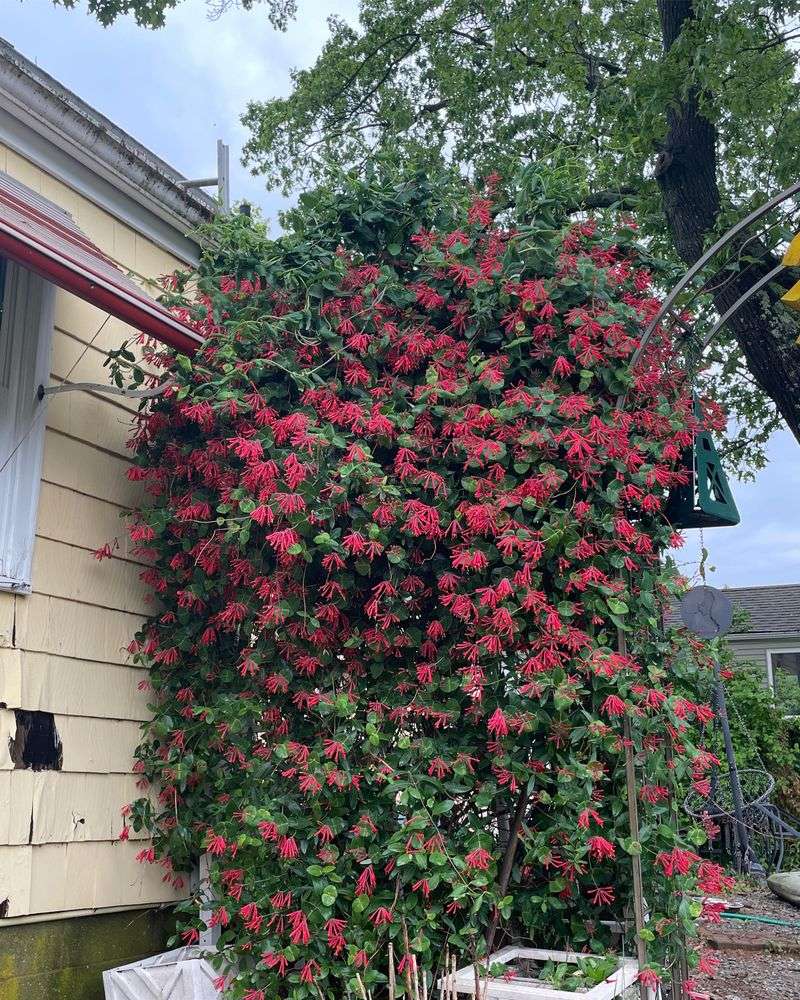
Vining plants trained against south facing walls create living insulation layers that trap warm air and provide additional cold protection for everything growing below. The vertical foliage mass absorbs sunlight and blocks wind while creating pockets of still, warm air between the vine layer and wall surface.
This enhanced microclimate benefits both the vine and surrounding plants.
Popular Florida vines like confederate jasmine, coral honeysuckle, and passion vine thrive on warm south walls where they receive full sun and heat reflection. These vigorous growers quickly cover trellises or wire supports to create lush green screens.
Flowering vines add seasonal color and fragrance while attracting pollinators to the garden.
Proper support structures prevent vine damage to wall surfaces and building materials. Install sturdy trellises or cable systems that hold vines several inches away from walls, allowing air circulation and preventing moisture problems.
Avoid letting vines attach directly to painted surfaces or wood siding where tendrils and aerial roots can cause damage.
Evergreen vines provide year round protection and visual interest while deciduous types allow more winter sun to reach walls for maximum heat absorption during cold months. Consider this seasonal difference when selecting vines for specific locations.
Prune vines annually to control growth, maintain healthy structure, and prevent them from reaching roof lines or blocking gutters and vents.
10. How To Use South Facing Walls For Maximum Plant Protection
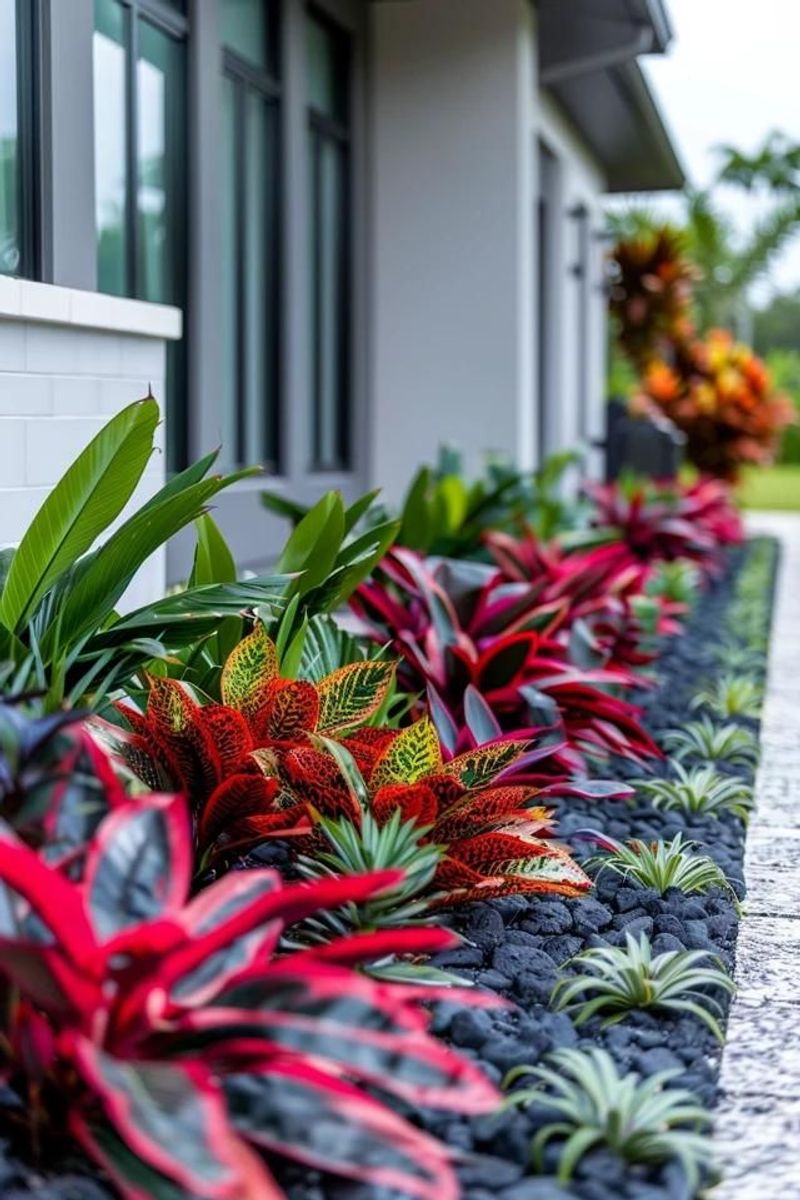
Successful wall side gardening starts with understanding the microclimate gradient that exists around buildings. The warmest, most protected zone extends twelve to thirty six inches from the wall surface.
Position the most cold sensitive and heat loving plants within this prime area. Place progressively hardier species farther out as conditions moderate away from the wall.
Soil preparation makes tremendous difference in plant performance near foundations. Remove construction debris, break up compacted soil, and incorporate several inches of compost or aged manure to improve drainage and fertility.
Foundation soils often contain concrete residue that raises pH, so test and amend as needed for acid loving plants.
Irrigation requires careful balance in wall side locations. Roof overhangs block rainfall, creating dry conditions, but overwatering causes problems in areas with limited air circulation.
Install drip irrigation or soaker hoses to deliver water directly to root zones efficiently. Monitor soil moisture regularly and adjust watering based on plant needs and seasonal conditions.
Layer plants by height and function to maximize microclimate benefits. Place low ground covers closest to walls, then compact shrubs, and finally small trees or large shrubs farther out.
This graduated arrangement creates shelter layers while maintaining proper scale. Mulch planting beds to conserve moisture, moderate soil temperature, and create finished appearance throughout the landscape.