Why South Florida Homeowners Keep Rosemary Near The Front Door
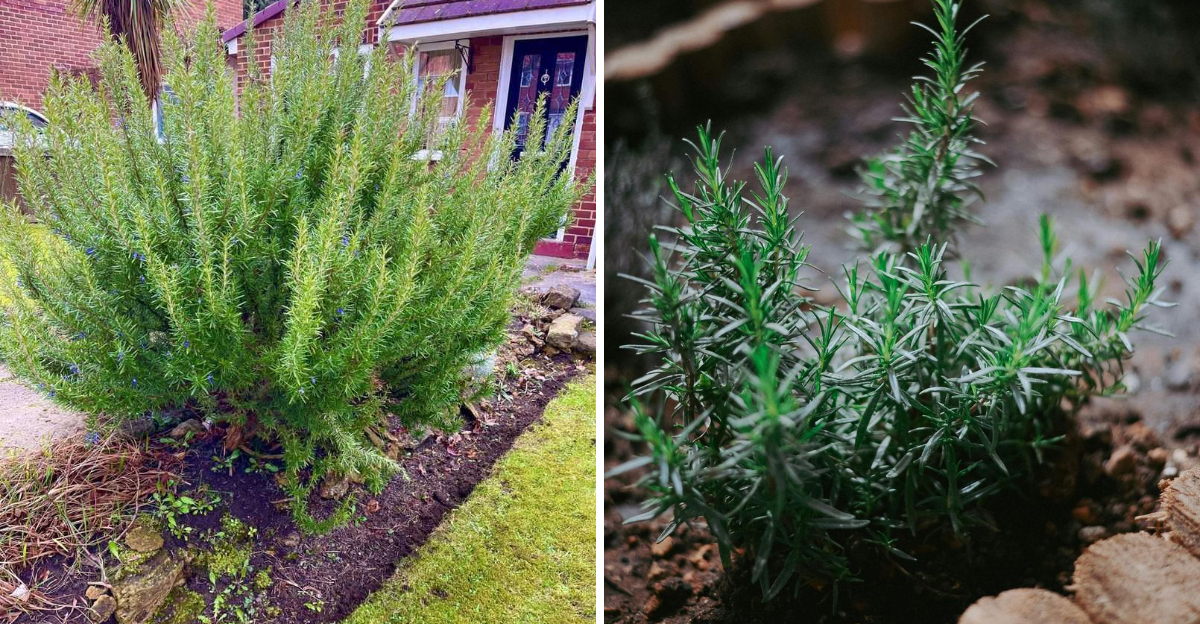
Walk through a South Florida neighborhood on a hot afternoon and one detail keeps showing up in unexpected places. Small green rosemary plants sitting beside front doors, tucked near porch steps, or lining entryways that bake in the sun.
It looks deliberate, almost coordinated, yet most homeowners never talk about it. This herb is not there for decoration alone.
It survives heat that destroys flowering plants, keeps its color when others fade, and releases a clean pine-like scent that makes entrances feel fresher without effort.
In a region where landscaping often turns into a constant battle against humidity, salt air, and scorching concrete, rosemary quietly wins.
Homeowners from Miami to West Palm Beach have discovered that the front door creates the exact conditions this Mediterranean plant prefers.
What started as a practical planting choice has turned into a subtle South Florida trend that blends beauty, function, and low maintenance in one surprisingly simple pot.
1. The Surprising Reason Rosemary Is Popular Near Florida Entryways
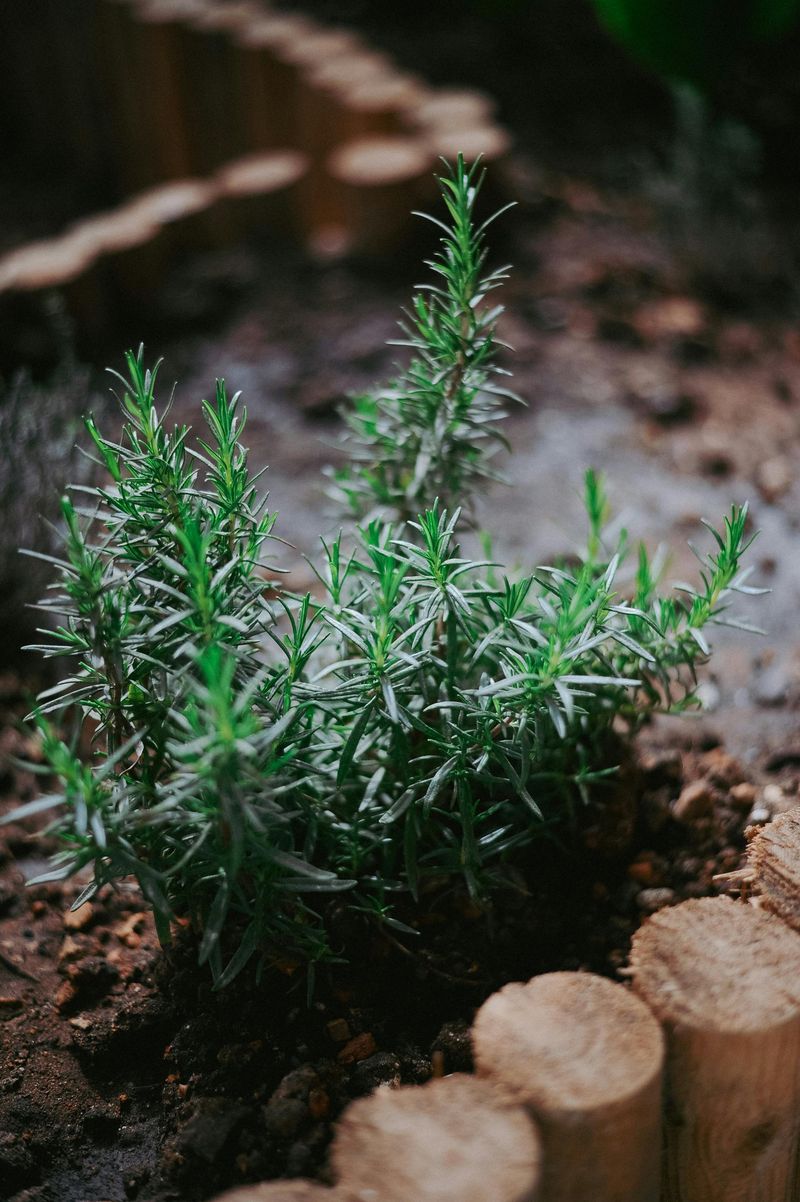
You step out of your front door on a humid July morning, and instead of the usual stale heat, you catch a faint piney scent drifting from a small potted herb by the steps.
That’s rosemary doing what it does best in South Florida: thriving with minimal maintenance while making your entrance smell better than expected.
Homeowners across Miami, Fort Lauderdale, and West Palm Beach have quietly adopted this Mediterranean herb because it handles our brutal sun, salty coastal air, and forgotten watering schedules without complaint.
Front doors create microclimates that most plants hate. Concrete reflects heat, covered porches trap humidity, and foot traffic means constant disturbance.
Rosemary doesn’t mind any of it. According to the University of Florida IFAS Extension, rosemary tolerates heat, drought, and poor soil better than most ornamental plants marketed for Florida landscapes.
What homeowners notice first is how little effort rosemary demands compared to the finicky tropicals that wilt by noon. You don’t need to remember daily watering or constantly replace storm-damaged plants.
The plant just sits there, getting bushier and more fragrant as months pass.
This reliability explains why rosemary has become a quiet tradition near South Florida front doors. It’s not about following a gardening trend.
It’s about finding something that actually works in the toughest spot on your property while adding a touch of green that smells like you planned it all along.
2. Rosemary May Help Discourage Some Insects
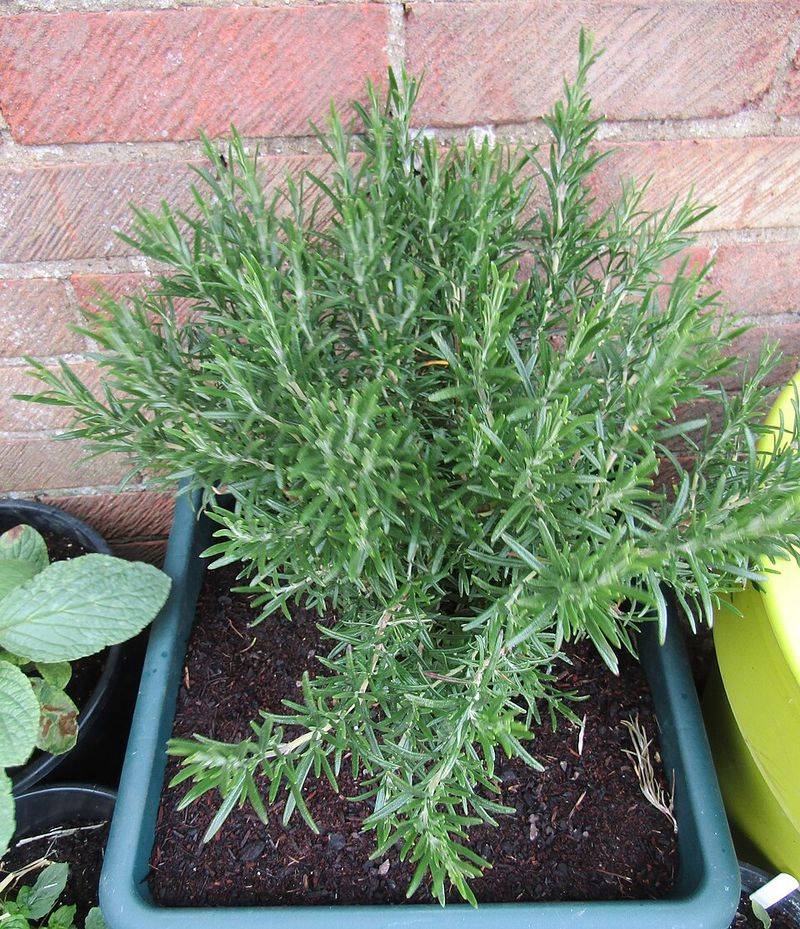
Mosquitoes hover near your front door like tiny security guards you never hired. You wave them away as you fumble for keys, swatting at love bugs stuck to your shirt.
Then you visit a neighbor’s house and notice something different: fewer bugs buzzing around their entrance, and a healthy rosemary plant sitting right where the pests usually gather.
Rosemary contains aromatic compounds like camphor, cineole, and pinene that many insects find unpleasant. Research shows rosemary essential oil can repel insects in laboratory settings when concentrated and applied directly.
However, a live plant outdoors does not release enough oil to reliably prevent mosquitoes or flies on its own. The plant won’t eliminate bugs, but it may make the immediate area slightly less attractive to some insects.
South Florida’s humid climate amplifies rosemary’s scent, especially during afternoon heat when oils evaporate faster. Some homeowners report fewer insects near rosemary plants, but results vary and rosemary should be viewed as a minor deterrent at best, not a primary mosquito control method.
Brushing the plant releases more fragrance, which may momentarily mask human scent, but it does not provide dependable insect protection.
What you won’t get is total pest elimination. Rosemary is a deterrent, not a pesticide.
But when combined with other Florida-Friendly practices like removing standing water and using screened entryways, a well-placed rosemary plant reduces the number of pests that greet you every time you come home, making your front door experience noticeably more pleasant.
3. The Front Door Gets The Perfect Sun For Rosemary Growth
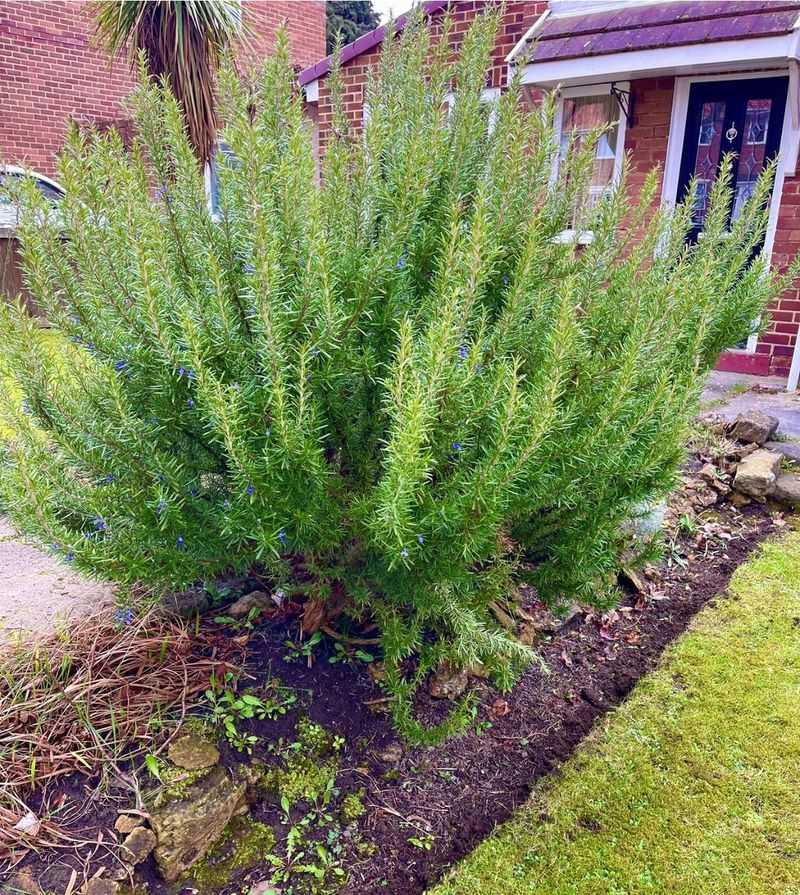
Your front door probably faces east or south, catching morning sun that heats up the concrete walkway before you finish your first coffee. Most plants would scorch under that intensity, but rosemary actually prefers it.
This Mediterranean native evolved in sunny, rocky hillsides where shade was rare and heat was constant, making South Florida entryways feel like home.
According to UF IFAS Extension guidelines, rosemary needs at least six hours of direct sunlight daily to maintain dense foliage and strong growth. Many front door locations provide six or more hours of sun during peak growing months, which keeps the plant compact and aromatic.
Insufficient sun causes rosemary to stretch and lose its bushy shape, reducing both its visual appeal and scent production.
Covered porches create a different challenge. Homeowners often place rosemary under roof overhangs thinking it needs protection from Florida’s intense sun.
The result is a leggy, pale plant that barely smells like rosemary anymore. The best spot is just beyond the covered area where the plant gets full morning sun and some afternoon shade from the house itself.
Urban entryways with light-colored stucco or concrete reflect additional heat, which most herbs can’t tolerate. Rosemary thrives in these conditions as long as drainage is good.
The reflected heat actually boosts oil production, making your doorway plant more fragrant than rosemary tucked into a shaded garden bed across the yard.
4. Rosemary Adds Natural Fragrance To Entry Areas
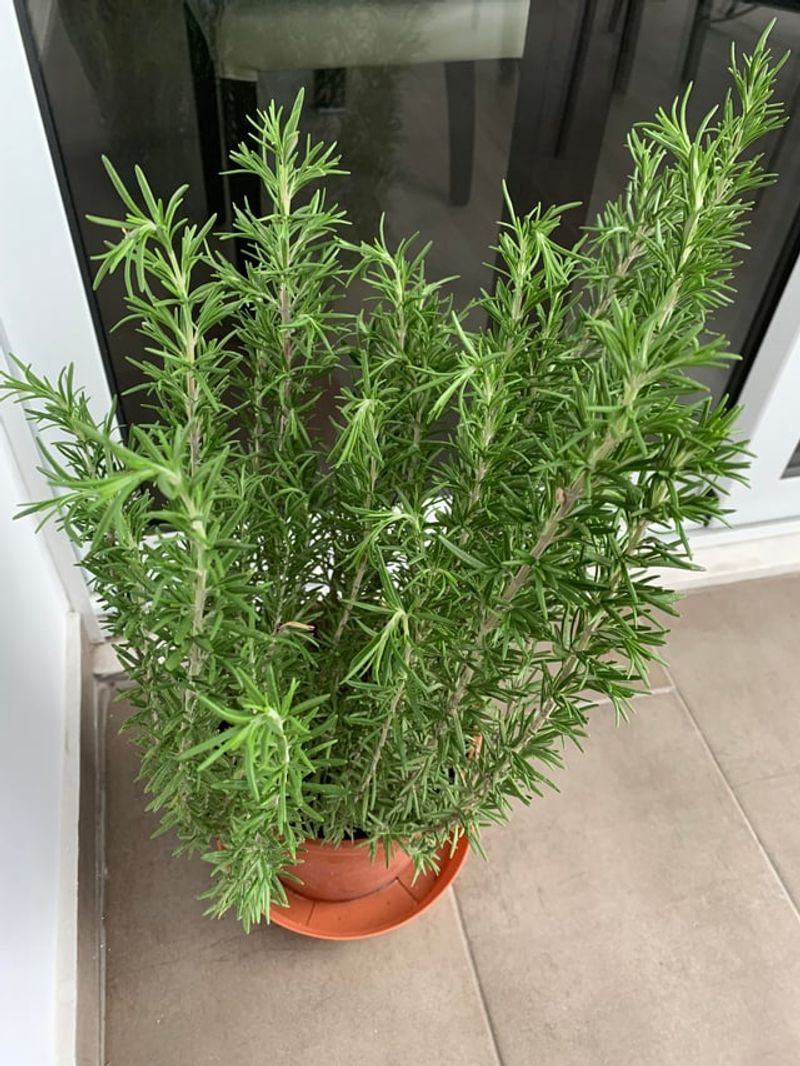
Garbage bins sit a few feet from your front door because the HOA won’t let you move them. By Thursday afternoon, the smell drifts across the entryway every time the breeze shifts.
You’ve tried scented candles and air fresheners, but nothing sticks in the outdoor heat. Then you notice a neighbor’s rosemary plant near their bins, and their entrance smells surprisingly clean.
Rosemary’s natural fragrance can make entryways smell fresher, though it does not chemically neutralize odors.
The plant releases scent continuously in warm weather, and the concentration increases when temperatures climb above 85 degrees, which is common in South Florida from late spring through early fall.
Its scent provides a pleasant natural alternative to artificial outdoor fragrances.
Coastal humidity can trap musty smells near doorways, especially in shaded entryways with poor airflow. Rosemary’s clean, piney scent cuts through that staleness without overwhelming your senses.
Homeowners with pets notice the biggest difference, as rosemary’s scent can help mask outdoor pet odors near entryways.
What makes rosemary especially useful is its longevity. Cut herbs and essential oil diffusers lose potency within hours in Florida heat.
A living rosemary plant keeps working month after month, requiring no refills or replacements. Every time you brush past it or the wind picks up, you get a fresh burst of scent that makes your entrance feel intentionally curated instead of accidentally smelly.
5. It Adds Year-Round Greenery With Almost No Maintenance
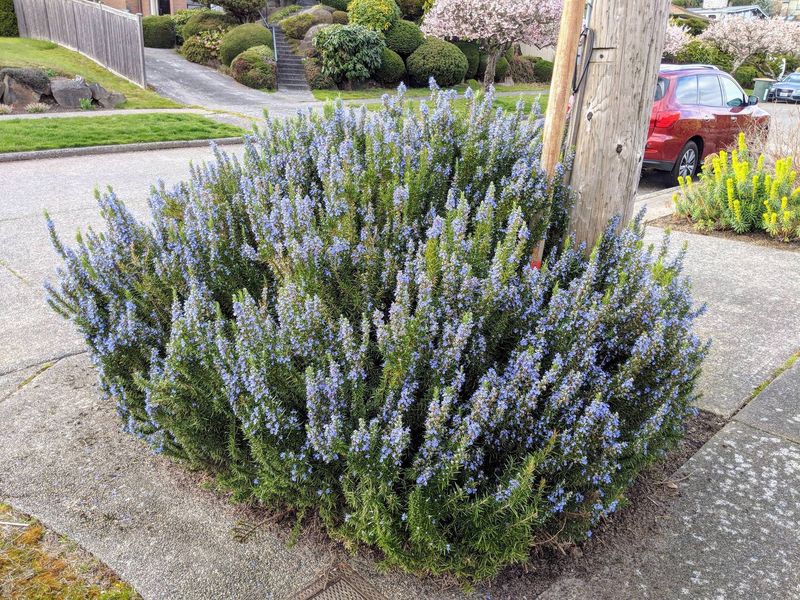
You planted impatiens by your front door last spring because the garden center promised easy color. By June, they were crispy brown sticks.
You tried begonias next, which lasted until the first cold snap in January turned them to mush. Meanwhile, your neighbor’s rosemary has looked exactly the same for three years straight, green and bushy through every season without any visible effort.
Rosemary is evergreen in South Florida’s USDA zones 9b through 11, meaning it never drops leaves or goes dormant. According to Florida-Friendly Landscaping principles, this makes it ideal for entryways where year-round visual interest matters more than seasonal blooms.
The plant maintains its shape and color through summer heat, fall humidity, winter dry spells, and spring rain with minimal pruning, fertilizing, or pest treatments.
Most flowering plants demand weekly attention to stay presentable near your front door. Rosemary needs watering only when the top two inches of soil feel dry, which in South Florida’s rainy season might mean not watering for weeks.
During winter dry months, a deep soak every ten days keeps the plant healthy. No deadheading, no staking, no worrying about fungal diseases that plague tropical ornamentals.
What homeowners appreciate most is the consistency. Your front door always looks intentional and cared for, even when you’ve been too busy to think about landscaping.
Rosemary doesn’t punish neglect the way other plants do, and it rewards minimal effort with reliable greenery that makes your entrance feel finished.
6. Rosemary Has Cultural And Symbolic Meaning For Home Protection
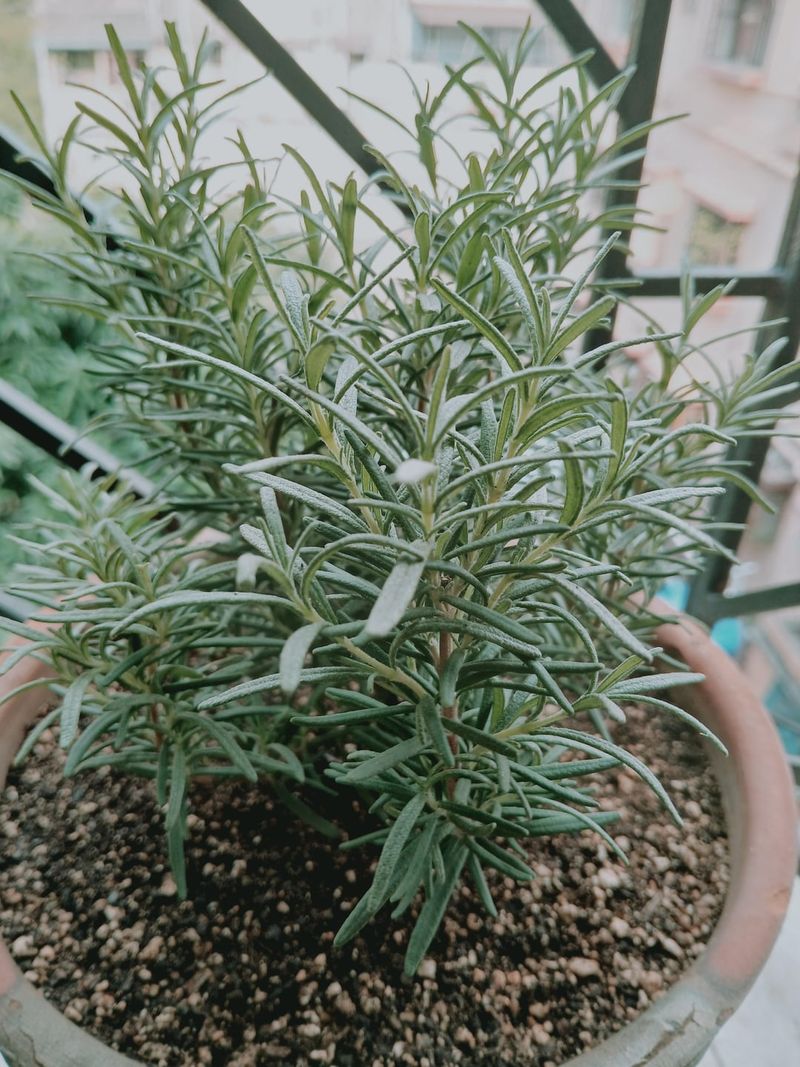
Your grandmother kept a rosemary plant by her front door and never explained why. She just said it was good luck and left it at that.
Decades later, you’re doing the same thing without quite knowing the reason, but the tradition feels right.
Rosemary has been associated with protection, remembrance, and purification across Mediterranean and European cultures for centuries, and those beliefs traveled to South Florida with immigrant families who made the region home.
Rosemary has long been associated symbolically with protection and remembrance in folklore traditions. While modern homeowners might not believe in supernatural protection, the symbolic meaning adds a layer of intention to an otherwise practical planting choice.
It transforms a simple herb into a quiet statement about caring for your home and the people who enter it.
South Florida’s cultural diversity means rosemary traditions blend with other practices. Caribbean families might pair rosemary with other protective herbs, while Mediterranean households recognize it as a link to ancestral gardening customs.
The plant becomes a conversation starter, a way to share stories about where your family came from and what you carry forward.
What matters most is the sense of continuity. Rosemary near your front door connects you to generations of homeowners who valued the same plant for similar reasons.
It’s not about superstition. It’s about creating a welcoming entrance that feels rooted in something larger than a single season’s garden trend, giving your doorway a story that grows along with the plant.
7. Best Rosemary Varieties For South Florida Doorway Planting
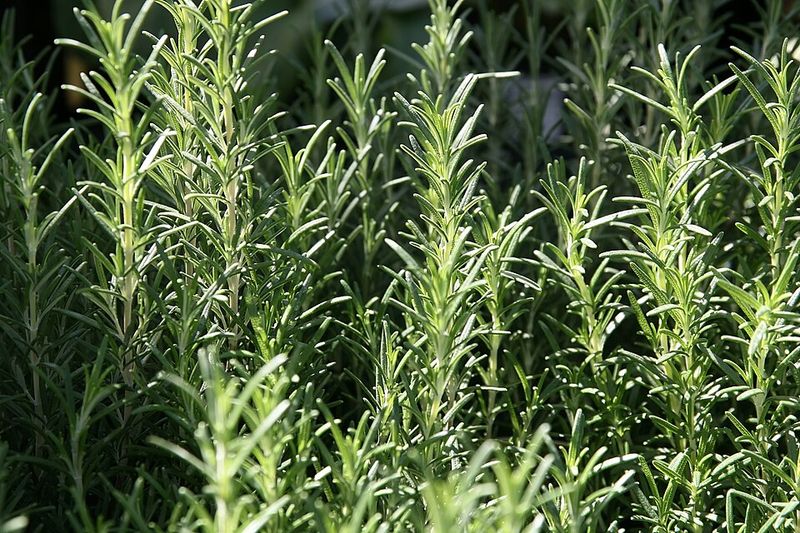
You bought a rosemary plant labeled simply as rosemary, planted it by your front door, and watched it struggle through the first summer. The leaves turned brown at the tips, growth stalled, and the plant never filled out the way you expected.
Not all rosemary varieties handle South Florida’s humidity and heat equally well, and choosing the wrong type means fighting an uphill battle from day one.
Arp rosemary is one of the most heat-tolerant varieties available, developed specifically for hot climates. It handles South Florida’s summer humidity better than common rosemary and maintains dense foliage even during the hottest months.
Tuscan Blue is another excellent choice for doorway planting, growing upright to four feet tall without sprawling into walkways. Its vertical habit makes it ideal for narrow entryway spaces where width matters more than height.
Avoid prostrate or trailing rosemary varieties near front doors. These low-growing types spread horizontally and quickly obstruct walkways, creating a tripping hazard and forcing constant pruning.
They also trap moisture against concrete surfaces, which increases fungal problems during Florida’s rainy season. Upright varieties like Spice Islands or Miss Jessup’s Upright stay contained and maintain better airflow around their stems.
When shopping at South Florida garden centers, look for plants labeled as heat-tolerant or grown locally. Rosemary shipped from cooler climates often struggles to adapt to our conditions.
Local growers select varieties that have already proven themselves in coastal heat, giving you a much better chance of success right from planting day.
8. How To Place Rosemary Near Your Door Without Destroying It

You set a potted rosemary directly on the concrete beside your front door, proud of the instant curb appeal. Three weeks later, the plant looks wilted, leaves browning from the bottom up, and you’re wondering what went wrong.
The problem wasn’t the plant or your care routine. It was the placement itself, which created conditions even tough-as-nails rosemary couldn’t survive.
Concrete can significantly raise container temperatures during peak summer heat. UF IFAS research shows root temperatures above 100°F can stress Mediterranean herbs and slow growth.
Elevating your pot on plant feet or a small stand allows air circulation underneath, helping reduce root heat buildup.
Doorway placement also affects watering needs. Covered porches block rain, meaning your rosemary never gets natural irrigation even during Florida’s wettest months.
Homeowners assume the plant is getting enough water because it’s raining, but the roof overhang keeps the soil bone dry. Check soil moisture weekly by sticking your finger two inches deep.
If it feels dry, water thoroughly until it drains from the bottom of the pot.
Container size matters more than most people realize. Small decorative pots look charming but dry out within hours in South Florida heat, stressing the plant and causing leaf drop.
Use containers at least 12 inches in diameter with multiple drainage holes. Terra cotta breathes better than plastic, but it also dries faster, so choose based on how often you’re willing to water during dry spells.
9. Rosemary Handles Heat And Seasonal Weather Better Than Many Ornamentals
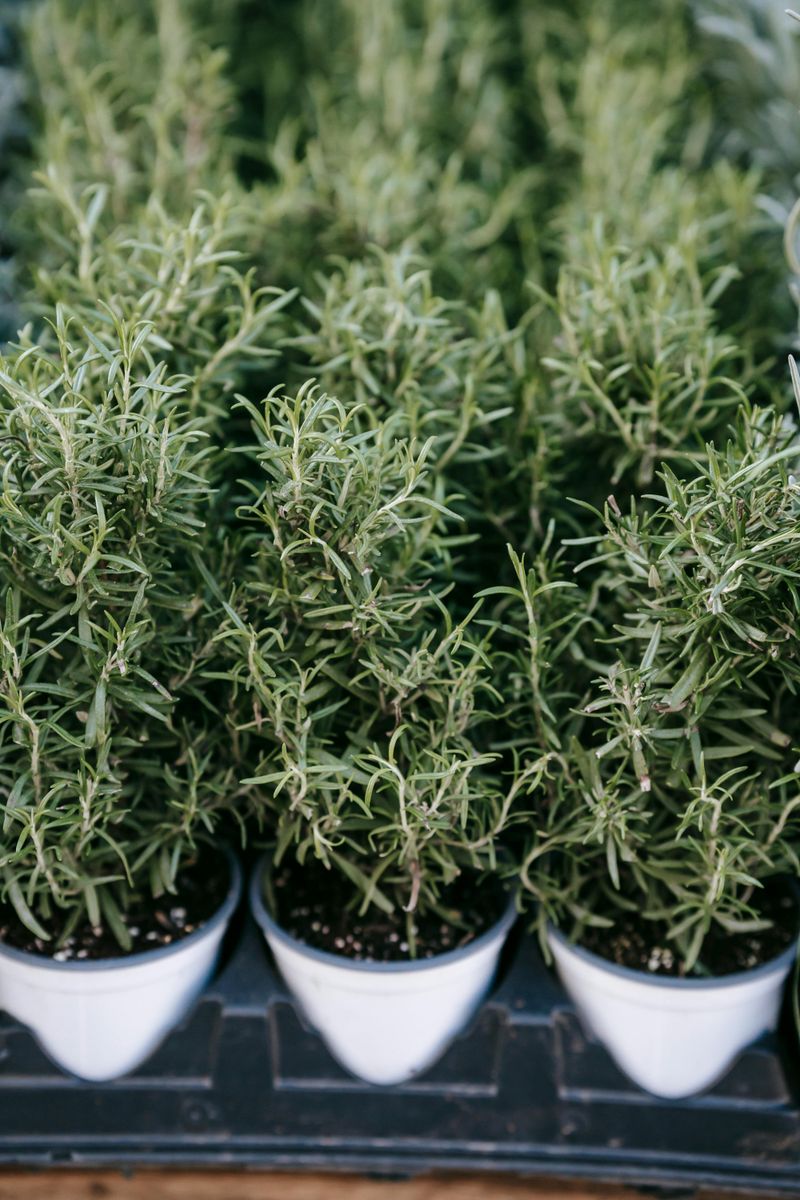
Hurricane season hits and you’re taping windows, moving patio furniture, and completely forgetting about the plants by your front door. After the storm passes, your expensive tropicals are shredded and your flowering annuals are gone entirely.
Rosemary often performs better than soft-stemmed ornamentals after storms, though severe winds or flooding can still cause damage.
Rosemary’s woody stems and firm growth habit make it more wind-tolerant than many soft-stem ornamentals. The plant bends in high winds rather than snapping, and its narrow leaves don’t catch wind like broad-leafed tropicals.
According to Florida-Friendly Landscaping principles, selecting wind-tolerant plants for exposed areas like entryways reduces post-storm cleanup and replacement costs.
South Florida’s summer thunderstorms dump inches of rain in minutes, flooding doorway planters and drowning less adaptable plants. Rosemary tolerates brief waterlogging as long as drainage is adequate and the soil doesn’t stay saturated for days.
Using a well-draining potting mix with added perlite or coarse sand prevents root rot during the rainy season while still holding enough moisture to get through dry winter months.
Cold snaps rarely threaten rosemary in South Florida, but temperatures occasionally dip into the high 30s in January. Rosemary handles brief cold exposure without damage, unlike basil and other tender herbs that blacken overnight.
Homeowners north of Lake Okeechobee might see some leaf tip browning after hard freezes, but the plant bounces back quickly once temperatures rise, requiring no special protection or covering.
10. You Can Harvest Fresh Rosemary Every Time You Walk Inside
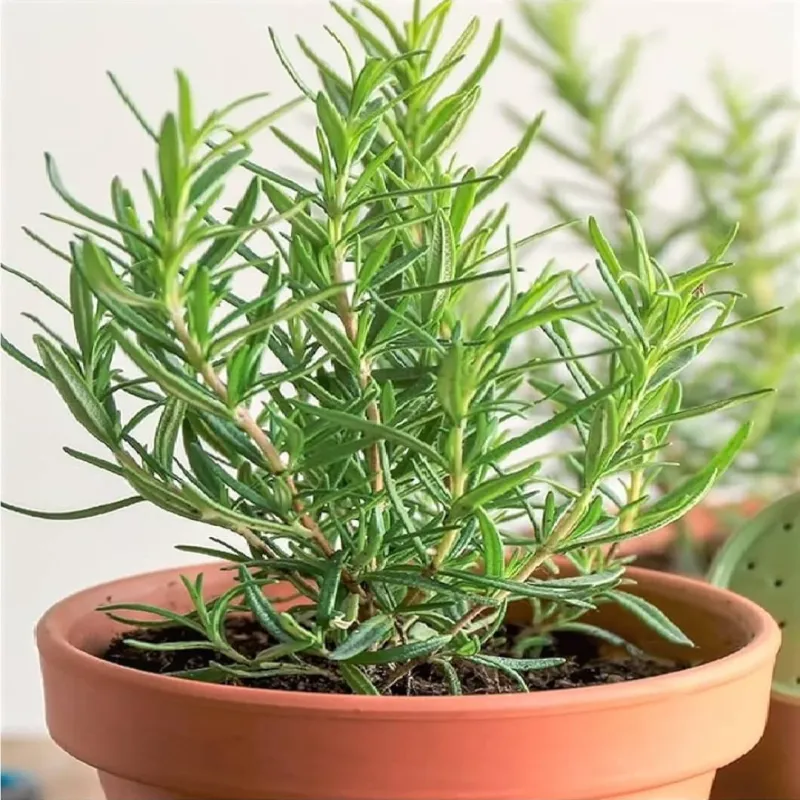
You’re heading inside to start dinner and realize you forgot to buy rosemary at the grocery store. Then you remember the plant by your front door.
You snip a few sprigs on your way in, rinse them quickly, and toss them into olive oil for roasted vegetables. Five minutes from plant to plate, and the herb tastes better than anything you’d find in a plastic clamshell at the store.
Having rosemary at your entrance transforms it from ornamental landscaping into functional kitchen gardening.
Snipping stems for cooking prevents the plant from getting leggy and overgrown, so you’re maintaining your landscaping while stocking your spice cabinet.
South Florida’s year-round growing season means you can harvest rosemary every month without worrying about winter dormancy. The plant never stops producing new growth, so there’s always fresh foliage available when you need it.
Harvest from different areas of the plant rather than repeatedly cutting the same spot, which helps maintain an even shape and prevents bare patches from developing.
Fresh rosemary tastes noticeably different from dried store-bought versions. The oils are more concentrated, the flavor is brighter, and the aroma is stronger.
Homeowners who start cooking with their doorway rosemary often wonder why they ever bothered with dried herbs.
The convenience of stepping outside and grabbing exactly what you need, exactly when you need it, turns a simple landscape plant into one of the most useful additions to your home’s entrance.
Always avoid harvesting from plants treated with pesticides or grown near high-traffic roads where contamination may occur.