Why Spider Mites Are Showing Up On More Michigan Houseplants This Time Of Year
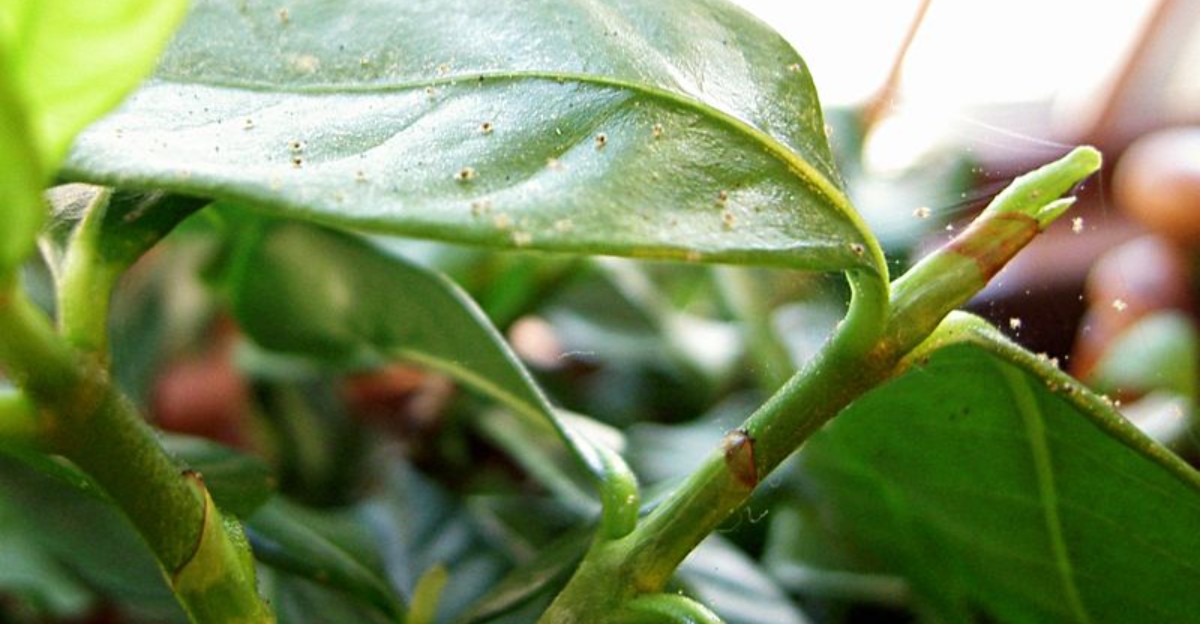
Your houseplants looked fine all summer. Then, almost overnight, the leaves turn dull and speckled. Fine webbing appears between the stems.
Spider mites have arrived. They are so small that most people never see them. Fall is when they thrive in Michigan homes.
Furnaces start running, the air dries out, and plants that spent summer outdoors come inside. Mites love dry, warm air and can hitch a ride on a plant moved in from the patio. Because they multiply quickly, a small problem can spread across a whole shelf.
Spotting the early signs matters more than any treatment. A quick check of the undersides of leaves tells you what you need to know. Catch them early, and your plants recover fast.
1. Outdoor Plants Bring Them Inside
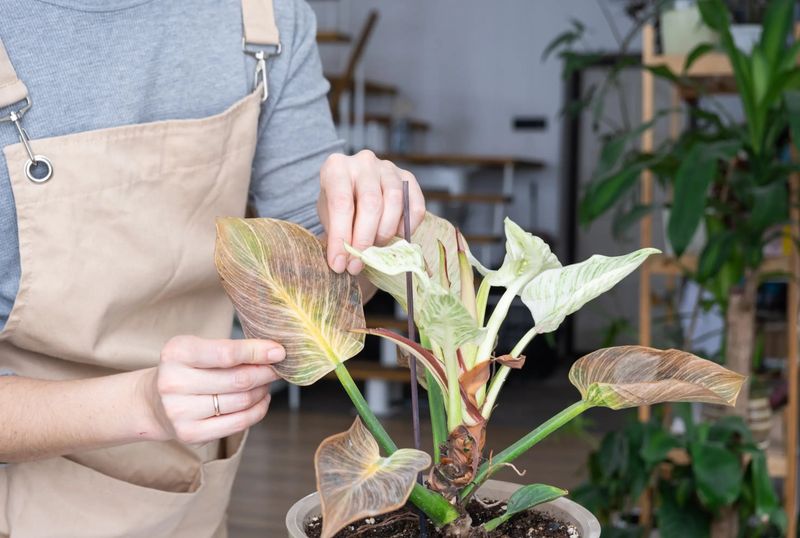
Many spider mite problems begin with a simple act of kindness. You bring your summer porch plants inside to protect them from the first frost, and a few tiny guests come along for the ride.
Outdoors, spider mites love warm, dry weather. During July and August, their numbers can quietly build on hibiscus, mandevilla, citrus, and other potted favorites.
Because each mite is about the size of a period at the end of a sentence, a small group can hide on leaves and stems without anyone noticing.
Once those plants settle into your living room, the mites keep right on eating and laying eggs. Soon they may wander over to the pothos or the peace lily sitting nearby. A problem that started on one patio pot can turn into a whole-house headache.
The good news is that a little prep work goes a long way. Before moving any plant indoors, flip over several leaves and look closely at the undersides.
A magnifying glass helps a lot, and so does holding a white sheet of paper under a branch while you tap it. Tiny moving specks are a clear warning sign.
Next, give each plant a good shower outside with the garden hose. Spray the tops and bottoms of the leaves, plus the stems, to knock off mites and their eggs. Let the plant drip dry before carrying it in.
Finally, keep newly moved plants in a separate room for about three or four weeks. That short waiting period lets hidden problems show up before they reach your other plants.
In Michigan, where most outdoor plants head inside in September and October, these simple habits can save your entire collection from a long winter of trouble.
2. Heated Indoor Air Is Dry
Click. The furnace kicks on for the first time in fall, and your home instantly feels cozy. Spider mites feel cozy too, but for a very different reason.
These pests thrive in warm, dry air. When the furnace runs, indoor humidity often drops quickly, sometimes to levels drier than many deserts.
That dry air helps mites reproduce faster, while many tropical houseplants struggle with crispy edges and droopy leaves. It is a winning combo for the pests and a losing one for your plants.
Your Michigan Garden Changes Every Week. Your Plan Should Too.
Gardening in Michigan changes quickly throughout the season. Every Friday you’ll receive a simple weekly plan showing exactly what to plant, prune, fertilize, harvest, and protect so you never miss the right timing.
Michigan makes this problem even bigger. Cold winter air holds very little moisture, so when it gets pulled inside and heated, it becomes even drier. Add a heating season that can stretch from October to April, and your plants face months of thirsty air.
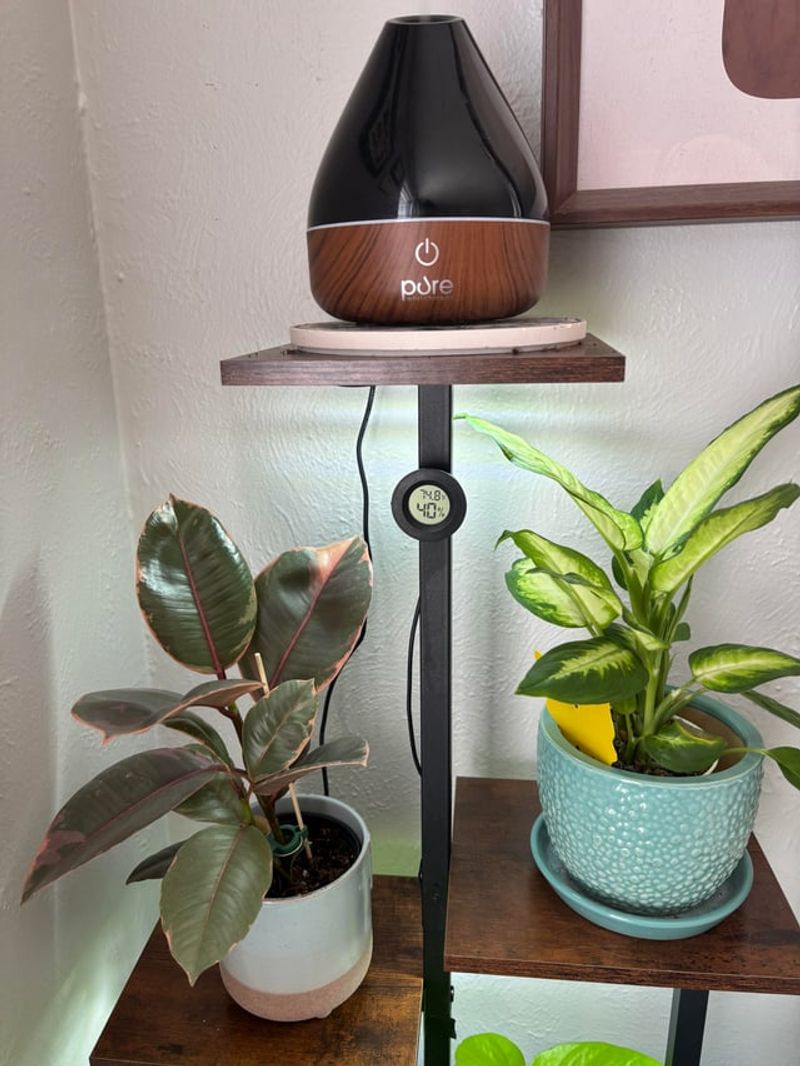
Raising the humidity around your plants is one of the smartest moves you can make. Try grouping plants together, since they release moisture through their leaves and help each other out. Pebble trays work nicely too.
Fill a shallow tray with pebbles and water, then set pots on top so they sit above the waterline, not in it. Soggy roots bring a whole new set of problems.
A small humidifier near your plant corner can make an even bigger difference. Many plant lovers aim for humidity around 40 to 60 percent, and a cheap digital meter can help you track it.
Placement matters as well. Keep plants away from heat vents, radiators, and space heaters, which blast hot, dry air right onto the leaves. Moving a pot just a few feet can turn a mite magnet into a much happier, healthier plant.
3. Warm Rooms Speed Up Their Life Cycle
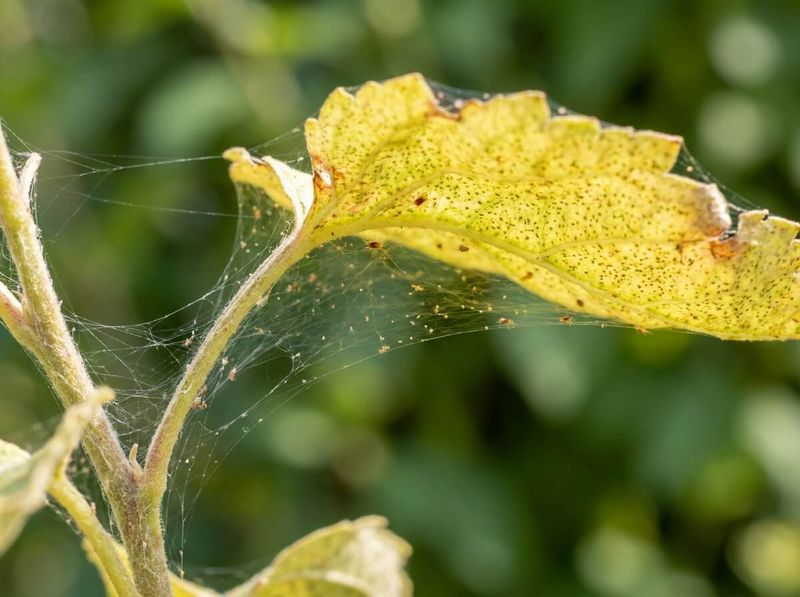
Three mites on Monday can become an army by the end of the month. That might sound like an exaggeration, but warm homes really do put spider mites on fast forward.
Temperature controls how quickly these pests grow up. In cool weather, their life cycle slows down. In a toasty house kept around 70 to 80 degrees, a spider mite can go from egg to adult in about a week or two.
Each female can lay dozens of eggs, and those babies soon start laying eggs of their own.
Do the math, and things get scary fast. A handful of mites can turn into thousands within just a few weeks. By the time you notice pale leaves or webbing, the population may already be huge.
Michigan homes stay warm for much of the year, even when it is freezing outside. That steady indoor heat gives mites a perfect place to keep breeding nonstop, with no cold snap to slow them down.
Your best defense is a regular checkup routine. Look over your plants every week or two, especially during the first few months of the heating season. Turn over leaves, peek at the joints where leaves meet stems, and watch for tiny dots or fine speckles.
Making it a habit helps. Some people check plants every time they water, which keeps the job quick and easy.
If you spot mites, act right away. Rinse the plant, wipe the leaves, and start treatment before the next generation hatches. Catching a small problem early takes minutes, while fixing a full outbreak can take weeks of hard work.
4. There Are No Natural Predators Indoors
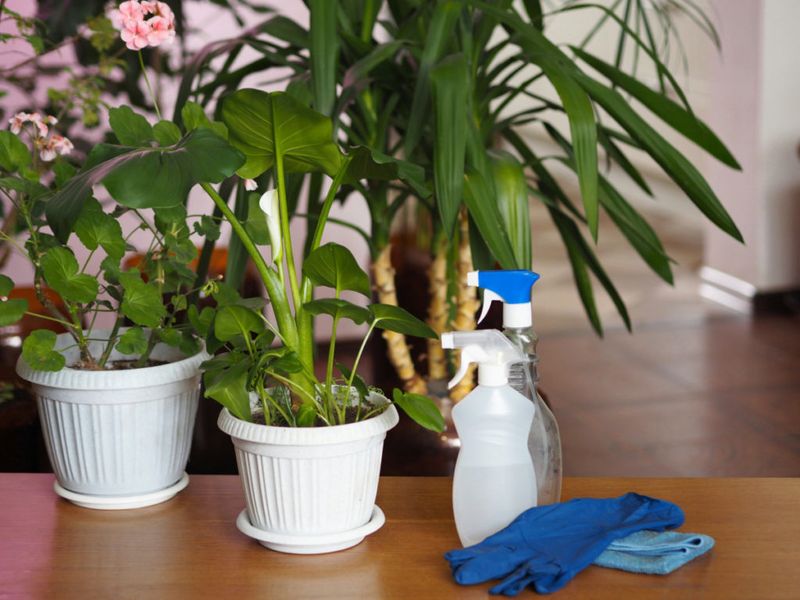
Out in the garden, spider mites live in a dangerous neighborhood. Lady beetles, predatory mites, lacewing larvae, and other helpful bugs hunt them down and eat them every day.
Nature keeps things balanced that way. When mite numbers rise outdoors, their predators often show up for the feast and bring the population back down. It is like having a free pest control crew working around the clock.
Inside your house, that crew is missing. No lady beetles patrol your fiddle leaf fig, and no predatory mites roam the windowsill. With nothing hunting them, spider mites can multiply freely, eating and breeding without any check on their numbers.
That means you have to step into the role of the predator. Start with the simplest tools. Rinse infested plants in the sink or shower, aiming the spray at leaf undersides.
Wiping leaves with a soft, damp cloth also removes many mites and eggs. For bigger problems, insecticidal soap and horticultural oil both work well indoors.
They need to touch the mites to work, so coat the undersides of the leaves carefully. Always follow the label, and test a small area first since some plants are sensitive.
Repeat treatments every 5 to 7 days, as the label directs. One spray rarely solves the problem, because eggs can hatch after you treat. Several rounds in a row break the life cycle.
Michigan gardeners often keep large houseplant collections going through the long winter. Without outdoor help from beneficial bugs, a steady treatment plan becomes the key to keeping your green friends healthy until spring returns.
5. Stressed Plants Are Easier Targets
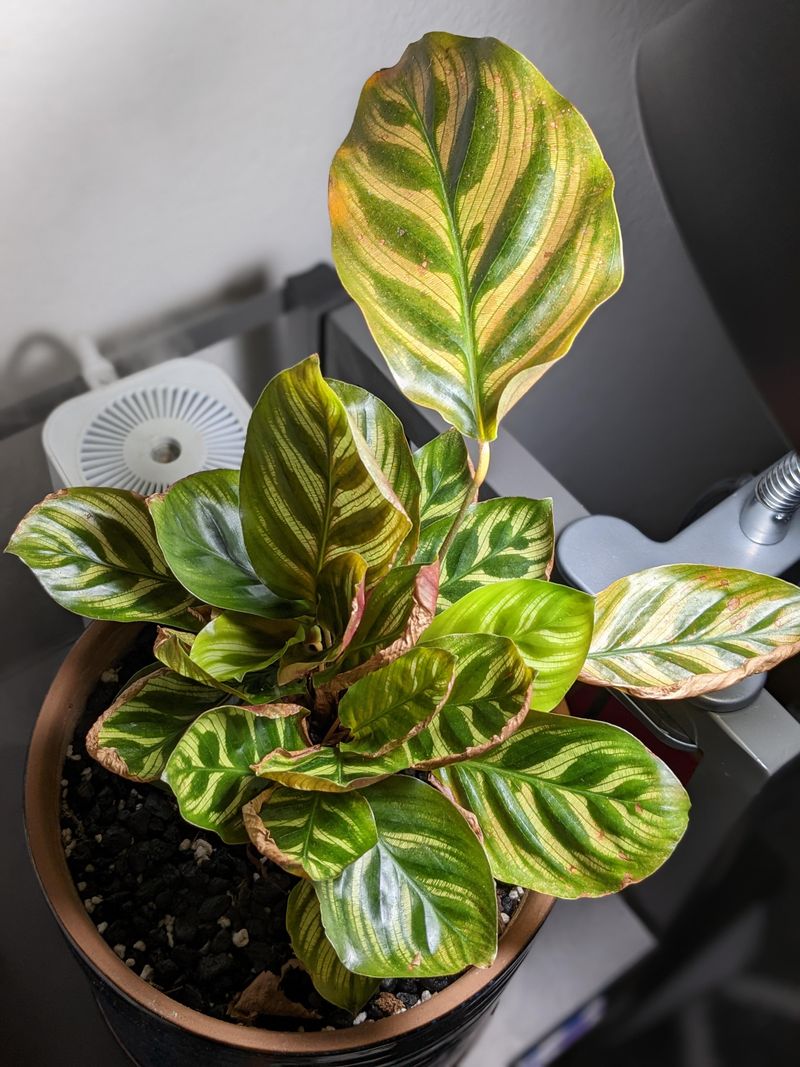
Think about how you feel after moving to a new house. Everything is different, you are tired, and you might catch a cold more easily. Houseplants go through something similar every fall.
Plants coming in from outside face a major shock. Indoor light is much weaker than summer sunshine, the air is drier, and watering often gets uneven during the busy season.
All of that change wears plants down, and a weakened plant has a harder time handling mite feeding.
Michigan fall days also grow short and gray quickly. Less sunlight means plants make less energy, so they bounce back from damage more slowly.
Helping your plants feel at home is a great way to protect them. Start by placing each one in the brightest spot that suits it. South and west windows usually offer the most winter light, and a grow light can fill in on gloomy days.
Watering takes a bit of attention too. Instead of following a strict calendar, poke your finger into the soil and water when it feels dry to the right depth for that plant.
Ferns, calatheas, and other moisture lovers should never dry out completely, while succulents prefer a full dry spell.
Hold off on fertilizer for now. Most plants slow their growth in fall and winter, so extra food can do more harm than good. Wait until you see fresh new leaves in late winter or spring.
A calm, comfortable plant is much tougher than a stressed one. Small changes in light and water can make your plants far less appealing to hungry mites all season long.
6. Dusty Leaves Give Mites An Advantage
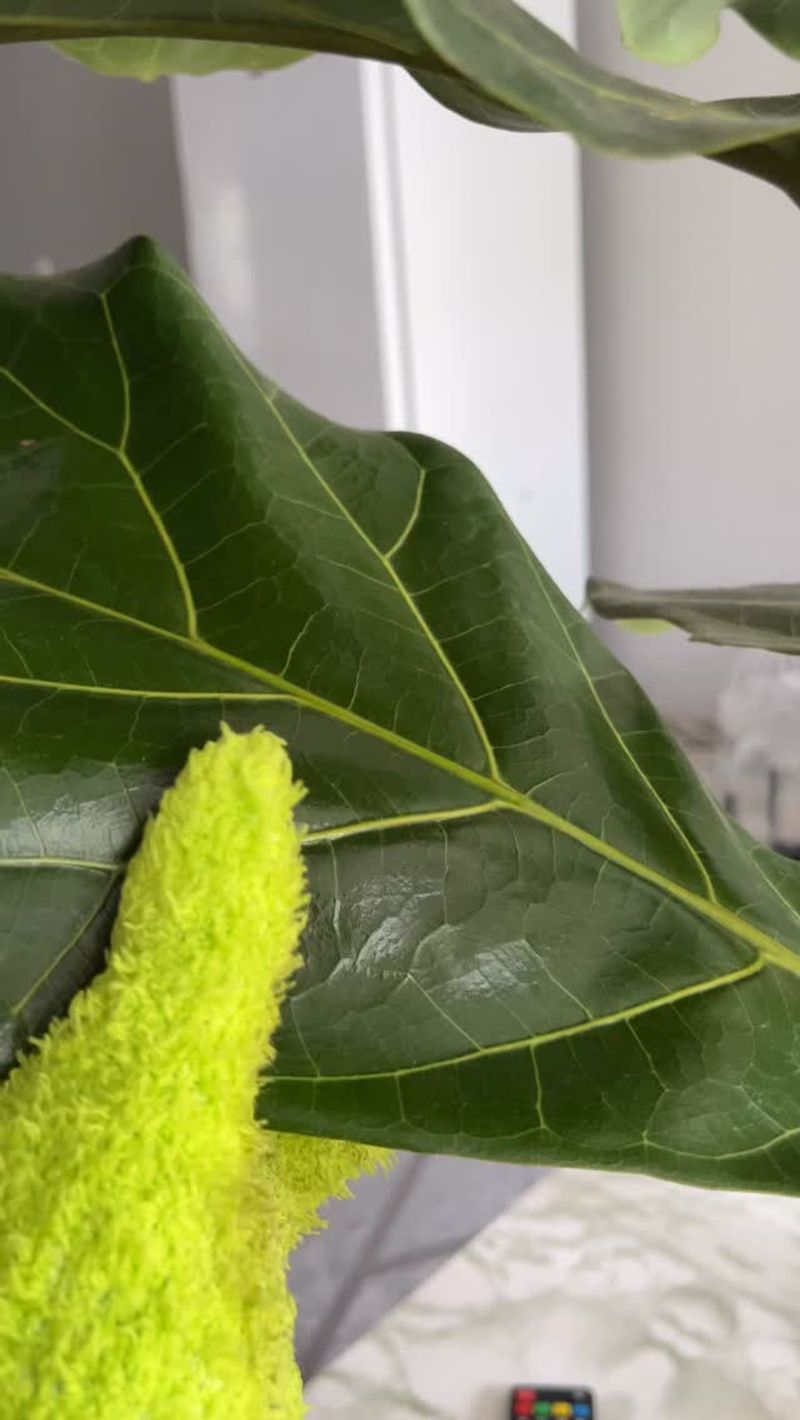
Run a finger across a rubber plant leaf in January, and you might be surprised by the gray streak left behind. Dust builds up faster than most people realize, and spider mites are big fans of it.
A dusty leaf is a sign of dry, still conditions, the exact kind mites enjoy. Dust can also block some of the light leaves need to make food, which leaves your plant a little weaker.
On top of that, a fuzzy layer of dust hides the tiny speckles and fine webbing that usually warn you about mites early.
Michigan homes tend to stay shut tight through the cold months. Windows stay closed, the furnace stirs things up, and dust settles on every surface, including your plants.
Cleaning leaves is easy and actually kind of relaxing. For plants with big, broad leaves like monsteras, snake plants, and rubber plants, wipe each leaf with a soft, damp cloth every few weeks. Support the leaf with one hand so it does not tear.
Smaller or bushy plants are easier to clean with water. Set them in the shower or sink and give them a gentle, lukewarm rinse. Cover the soil with your hand or a plastic bag if you want to keep it from washing out.
Remember the undersides of the leaves. That shady spot is where spider mites like to live and lay their eggs, so a quick wipe there removes pests along with dust.
As a bonus, clean leaves look shiny and fresh. You get healthier plants and a brighter room at the same time.
7. They Spread Easily From Plant To Plant
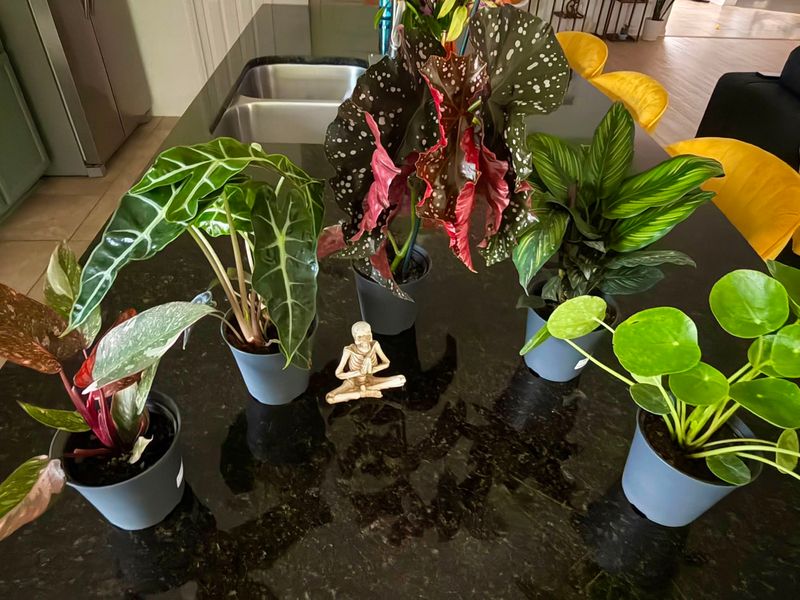
One infested plant rarely stays alone for long. Spider mites are sneaky travelers, and a crowded windowsill gives them an easy path to new homes.
When leaves of different plants touch, mites simply crawl across like they are walking over a bridge. Some even spin silk and drift on gentle air currents from fans or heat vents.
They also hitch rides on hands, sleeves, watering cans, and pruning shears, so moving from one plant to another during care can spread them without you knowing.
Learning the warning signs helps you catch trouble fast. Look for fine yellow or pale speckling on leaves, almost like tiny pinpricks. Leaves may turn dull, faded, or bronze. In heavier cases, you might see thin webbing under leaves and between stems.
Once you spot those clues, move the plant to its own space right away. A spare room, bathroom, or separate table works fine while you treat it. Wash your hands after touching it, and clean any tools before using them on other plants.
Spacing makes a big difference too. Give your plants enough room so their leaves do not touch, which takes away the easiest travel route.
Michigan plant lovers often pack their pots into the sunniest windows during winter to soak up every bit of light.
That cozy setup looks lovely, but it also creates a mite highway. A little extra breathing room, plus quick action at the first sign of speckles, keeps one small problem from turning into a houseful of unhappy plants.