Tiny Hitchhikers Are Peaking Again In New Jersey Yards, And Your Leaf Pile Can Be Their Hideout
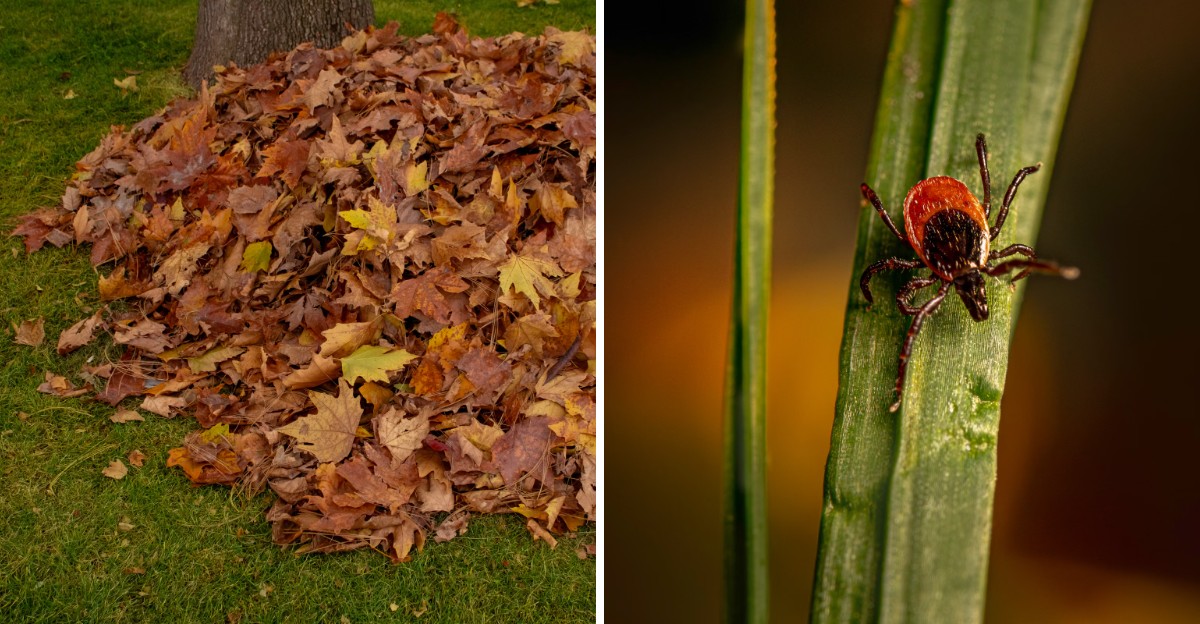
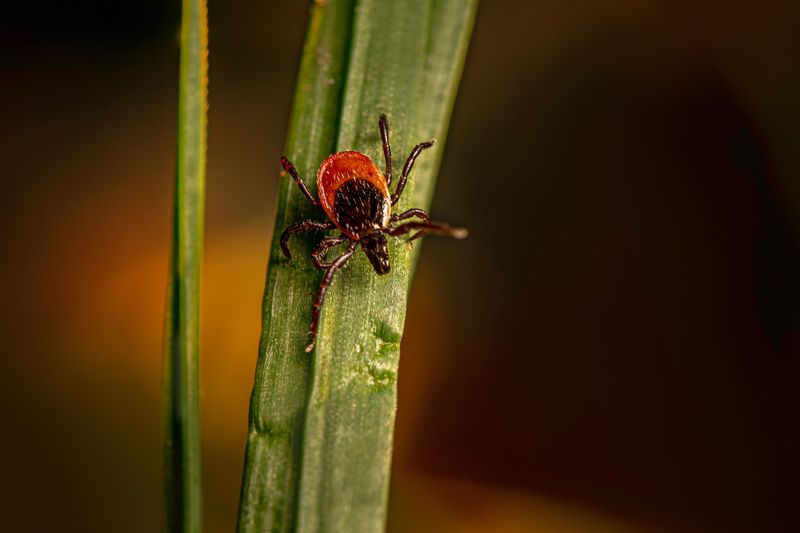
Frost arrives, and the blacklegged tick waiting near you becomes more active. Adult females climb grass blades in October, stretch their front legs, and sense you coming.
Warmth, carbon dioxide, and your footsteps tell them when to grab your pant leg. Across New Jersey, you meet them on afternoons that climb above freezing.
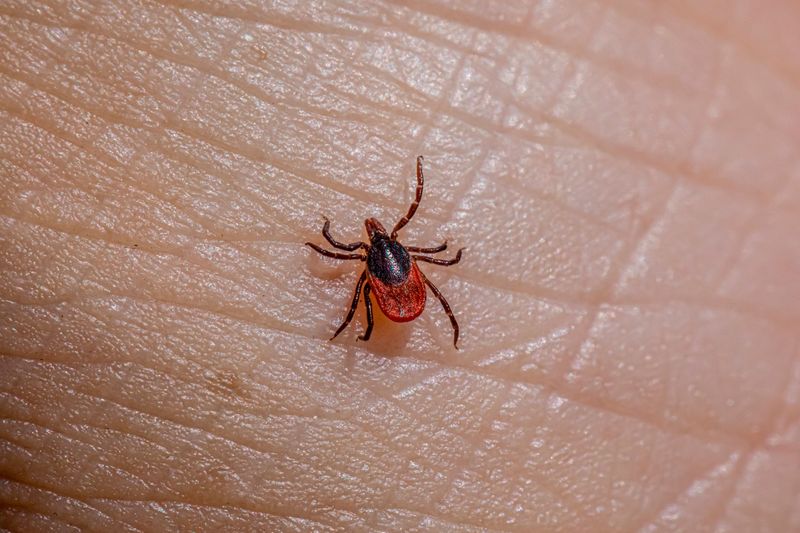
Sesame seed size lets them slip past your eyes on dark socks. Pets carry them indoors too, riding fur straight to your couch.
Their bite can pass Lyme bacteria to you, and New Jersey is among the states with higher Lyme disease rates. Tuck your pant legs into your socks, and wear light colors so crawlers stand out.
Permethrin on your boots and cuffs helps stop ticks before they reach your skin. Examine your scalp, behind your knees, and under your arms soon after coming indoors. Remove attached ticks with fine tweezers, pulling steadily upward.
Adult Deer Ticks Are Most Active In Autumn
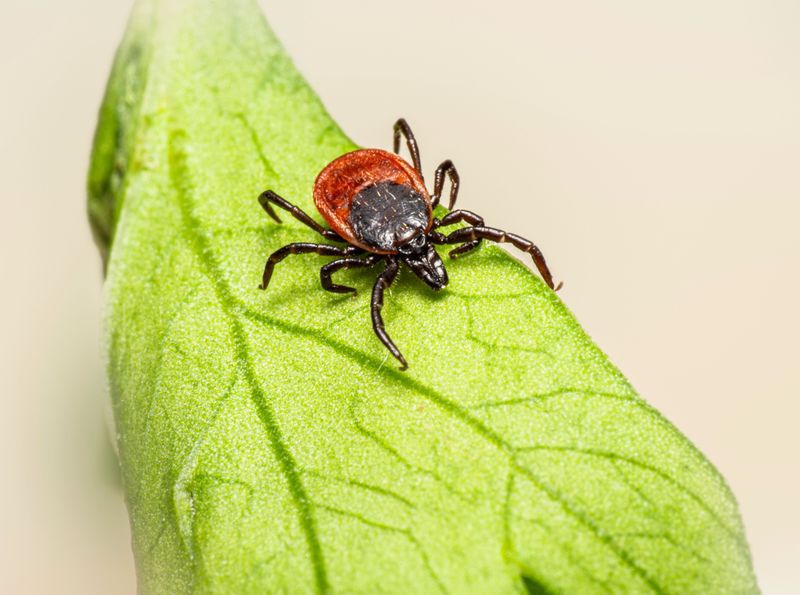
Picture a sesame seed with legs, and you have an adult deer tick. Females show a reddish-orange body with a dark shield near the head.
Males look smaller and mostly dark brown or black. Both are bigger than the tiny nymphs that cause trouble in summer.
In New Jersey, these adults become active from October into early winter, and they return on mild days in early spring. They wake up hungry after spending the summer molting from nymphs.
Their main goal is finding a large host for one final blood meal. White-tailed deer are favorite targets, but people and pets work just fine.
Adult females need that meal to lay eggs, sometimes over a thousand at once. That makes fall feeding a big deal for next year’s tick crowd.
Their bodies swell and turn slate gray after feeding, which makes a fed tick easier to notice on skin.
Ticks often attach on a dog’s ears, head, neck, and feet, where thin skin and warmth invite a quick meal.
New Jersey is among the states with higher Lyme disease rates. Adult deer ticks can carry the bacteria that causes it, along with other germs.
Spotting adults is easier than spotting nymphs, thanks to their larger size. Still, they are small enough to hide in hair, fur, or clothing folds.
Knowing what they look like gives you a real advantage outdoors. A quick glance at a dark speck could save you weeks of feeling sick.
Cool Weather Brings The Peak Season
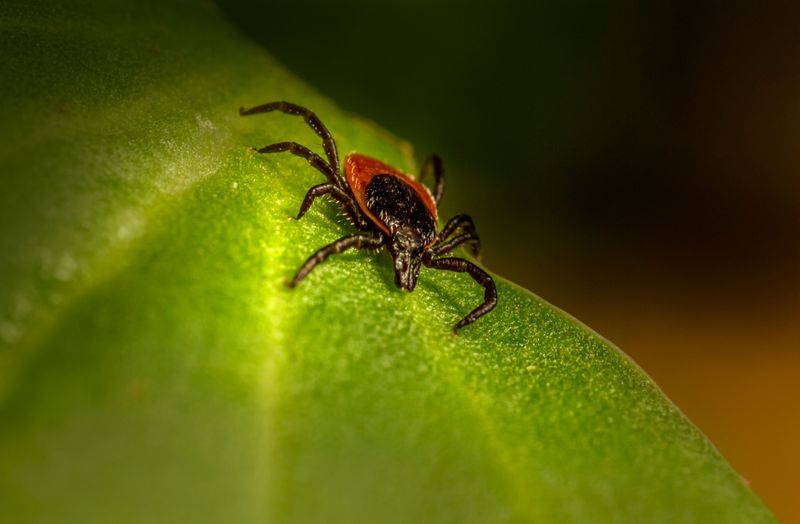
Sweater weather feels cozy to us, and adult ticks agree with that mood. They can stay active when temperatures climb above freezing.
A sunny 45-degree afternoon in late October can bring them out. Even mild days in December or January may wake them up again.
Families often ease up on precautions once summer ends and the pool closes. That timing works out nicely for ticks looking for an easy meal.
Fall chores also put people right where ticks wait. Raking, hiking, hunting, and apple picking all bring skin and clothing close to their hangouts.
Your New Jersey Garden Changes Every Week. Your Plan Should Too.
Gardening in New Jersey changes quickly throughout the season. Every Friday you’ll receive a simple weekly plan showing exactly what to plant, prune, fertilize, harvest, and protect so you never miss the right timing.
Mild stretches in November can feel like a bonus for outdoor plans, and ticks take advantage of that opening too.
Fallen acorns can attract mice and chipmunks, and those small visitors may carry young ticks.
Deer move around more during autumn, especially during their mating season. They spread adult ticks into yards, parks, and wooded edges near homes.
Hunters in New Jersey face higher exposure for this reason. Handling deer or sitting in brushy areas can bring several ticks home at once.
A good habit is checking the weather before planning outdoor time. If the thermometer reads above 35 or 40 degrees, assume ticks may be active.
That small mental note helps you dress smart and stay alert. Cold mornings can fool you, since afternoons often warm up enough for tick action.
The Leaf Pile Hideout Problem
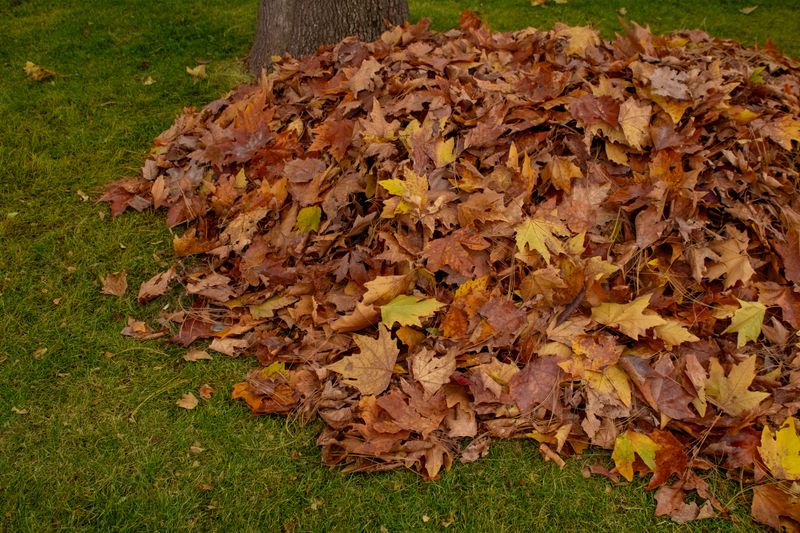
Leaf piles look like playground cushions, but ticks find a comfortable shelter. Damp, shady leaves keep them from drying out between meals.
Ticks lose moisture fast in dry air and sunlight. A thick layer of leaves holds humidity, shelter, and warmth all in one spot. Raked piles can sit for days or weeks. Each day gives ticks more time to settle in and wait.
Kids jumping into those piles get full-body contact with the leaf litter. Dogs rolling around can also collect ticks deep in their fur.
Rake leaves onto a tarp and move them to a sunny, open spot, where sunlight dries the layers and makes them less inviting.
Let kids jump into a small pile on an open lawn, then brush off clothes and check hair afterward.
Ticks climb to the top of leaves or grass blades and stretch their front legs. Scientists call that pose questing, and it looks like an outstretched reach.
When a leg, paw, or pant cuff brushes by, they grab on. From there, they crawl upward looking for a warm, hidden spot.
Piles placed along fence lines, woodpiles, or wooded edges carry higher risk. Those areas already attract mice, deer, and other tick hosts.
Bagging or composting leaves quickly cuts down on their hideout time. Moving piles away from play areas also keeps little explorers safer during autumn.
Smart Tick Checks After Yard Work
Ten minutes in front of a mirror can lower your risk this season. A careful tick check after outdoor time is one of the best habits around.
Ticks love warm, hidden places on the body. Check behind ears, along the hairline, under arms, behind knees, and around the waistband.
Kids need help looking in spots they cannot see well. A parent can scan the scalp with fingers and a good light.
Pets deserve the same attention before coming inside. Run your hands through their fur, focusing on ears, neck, paws, and under the collar.
Use a handheld mirror or your phone camera to inspect hard-to-see areas like the back of your neck and thighs.
Pat down your socks and shoelaces before stepping inside, since ticks often cling to fabric near the ground.
Toss outdoor clothes into the dryer on high heat for about ten minutes. Heat dries out ticks that may be clinging to fabric.
A shower within two hours of coming indoors also helps. Water can wash away crawling ticks before they attach.
If you find an attached tick, use fine-tipped tweezers close to the skin. Pull straight up with steady pressure, without twisting or squeezing.
Clean the bite area with soap or rubbing alcohol afterward. Saving the tick in a sealed bag lets you identify it later if needed.
Warning Signs After A Bite
Many bites cause no illness. Others leave clues that deserve a call to the doctor.
Lyme disease symptoms often show up between three and thirty days after a bite. The most famous sign is a red, expanding rash.
Doctors call it erythema migrans, and it sometimes looks like a bullseye. Many rashes appear as a plain red patch instead, so stay watchful.
Flu-like feelings in fall can be easy to brush off. Fever, chills, tiredness, headaches, and achy joints may point to a tick-borne illness.
Keep a clear photo of any rash, taking one each day, so your doctor can follow how it changes.
Contact your doctor promptly, because early guidance helps you choose the right next step.
Adult deer ticks in New Jersey can also carry other germs. Anaplasmosis and babesiosis cause fevers and fatigue that may feel like the flu.
The good part is that early treatment works well for many cases. Antibiotics prescribed quickly usually help people recover without lasting problems.
Write down the date of any tick bite on a calendar or phone. That simple note helps your doctor connect symptoms to the right cause.
Lyme bacteria usually need about 36 hours of attachment to pass on, though some viruses can pass faster. Quick removal matters, so daily checks help lower your risk.
A Tick-Smart Yard For Next Fall

A tidy yard helps lower tick numbers. Small changes in landscaping make your property less welcoming.
Keep grass mowed short through autumn. Ticks struggle to quest from low grass compared to tall weeds and brush.
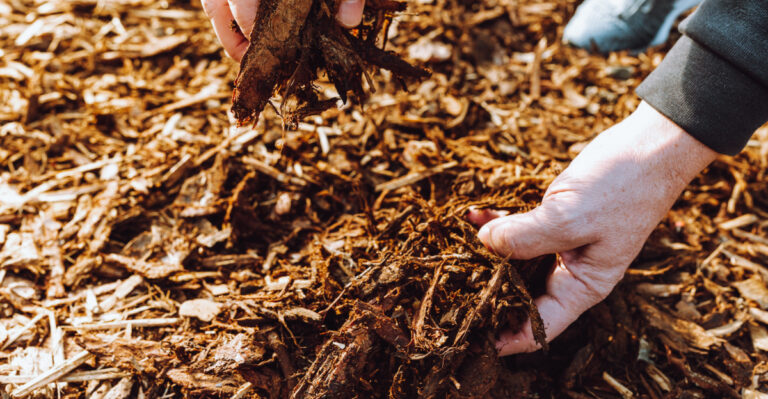
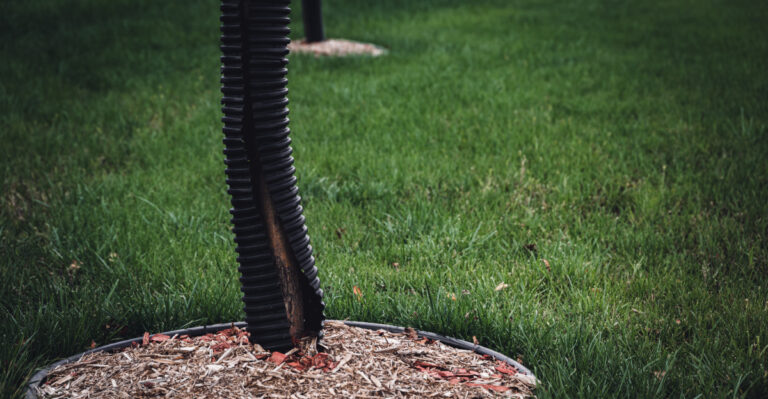
A three-foot strip of wood chips or gravel between lawn and woods works like a dry buffer zone. Ticks cross that dry, open barrier less often.
Stack firewood neatly in a sunny, dry spot away from the house. Woodpiles attract mice, and mice often carry young ticks.
Trim low branches and clear tall brush near the property line, so sunlight reaches the ground and dries the soil.
Choose plants that deer tend to skip, such as lavender, daffodils, and boxwood, to help guide deer away from your patio, though plants alone will not lower tick numbers.
Place swing sets, sandboxes, and patios away from wooded edges. Sunny, open spaces stay drier and less friendly to tick hangouts.
Fencing can help keep deer from wandering through your yard. Fewer deer may mean fewer adult ticks dropping off near your home.
For outdoor gear, permethrin-treated clothing offers strong protection. Apply it to clothing rather than skin, and let treated items dry fully before cats come near them, since permethrin is toxic to cats.
Repellents with DEET or picaridin work well on exposed skin. Talk with your vet about tick prevention for dogs and cats. Year-round protection makes sense in New Jersey, where adult ticks stay active into winter.
Think of these steps as a long-term plan. Each season, your yard becomes a less appealing spot for these tiny travelers.