Why Texans Love Planting This Colorful Plant On Their Patio
Texas heat has a way of pushing plants to their limits. Long days of intense sun and triple digit temperatures can leave many patios looking tired by mid summer.
That is exactly why lantana has become such a favorite across Texas.
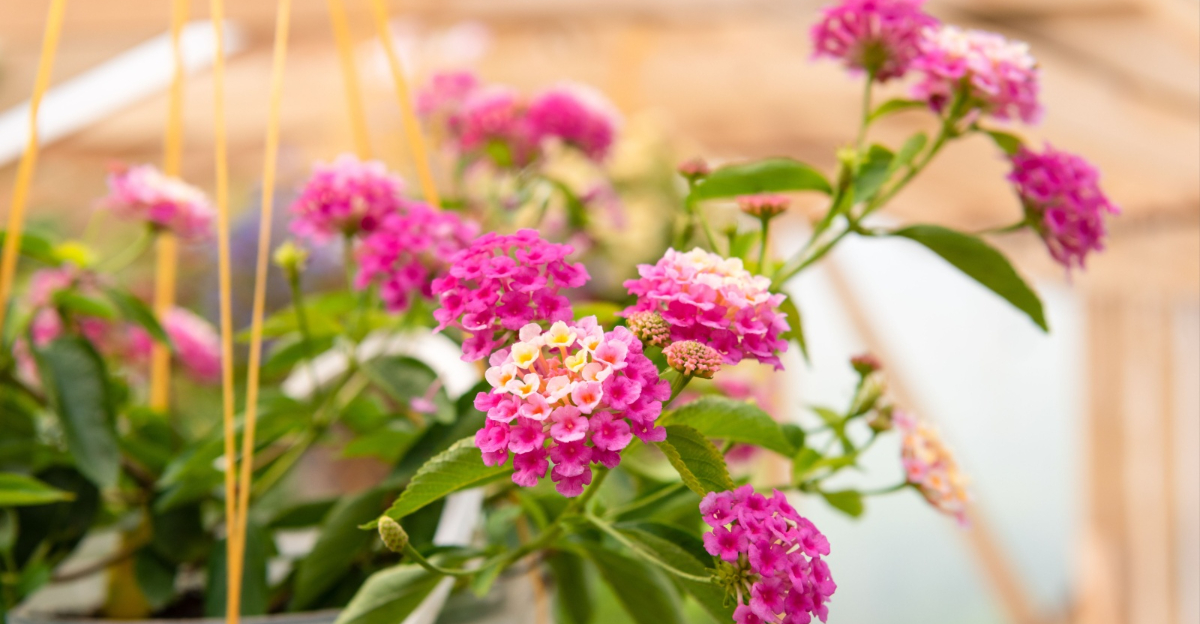
This tough, colorful bloomer keeps going when other plants start to fade, filling patios with bright clusters of red, orange, yellow, and pink from spring into fall.
Since patios are a big part of everyday outdoor living in Texas, gardeners tend to lean toward plants that bring lasting color without constant care.
Lantana fits that role beautifully, making outdoor spaces feel lively, relaxed, and full of energy.
1. Lantana Is Built For Texas Heat And Long Sunny Days
Few plants are as well-matched to Texas conditions as lantana. While other flowering plants wilt and struggle the moment July temperatures climb past 95 degrees, lantana keeps right on blooming without skipping a beat.
It was practically made for the kind of relentless, unforgiving heat that Texas summers are famous for.
Lantana is a tropical and subtropical plant by nature, meaning it evolved in conditions that closely mirror what Texas gardeners deal with every single season. Full sun is not a problem for this plant – it is a requirement.
Lantana actually performs better when it receives at least six to eight hours of direct sunlight each day, which is easy to come by across most of Texas.
Homeowners in cities like San Antonio, Dallas, and Houston often struggle to find plants that look great in mid-summer when the heat is at its worst. Lantana steps up during those tough months while other plants retreat.
Its waxy leaves help reduce water loss, and its deep root system allows it to stay strong even when temperatures stay high for weeks at a time.
For Texas gardeners who want reliable color all summer long, lantana is one of the most dependable choices available.
2. Delivers Nonstop Color Through The Hottest Months
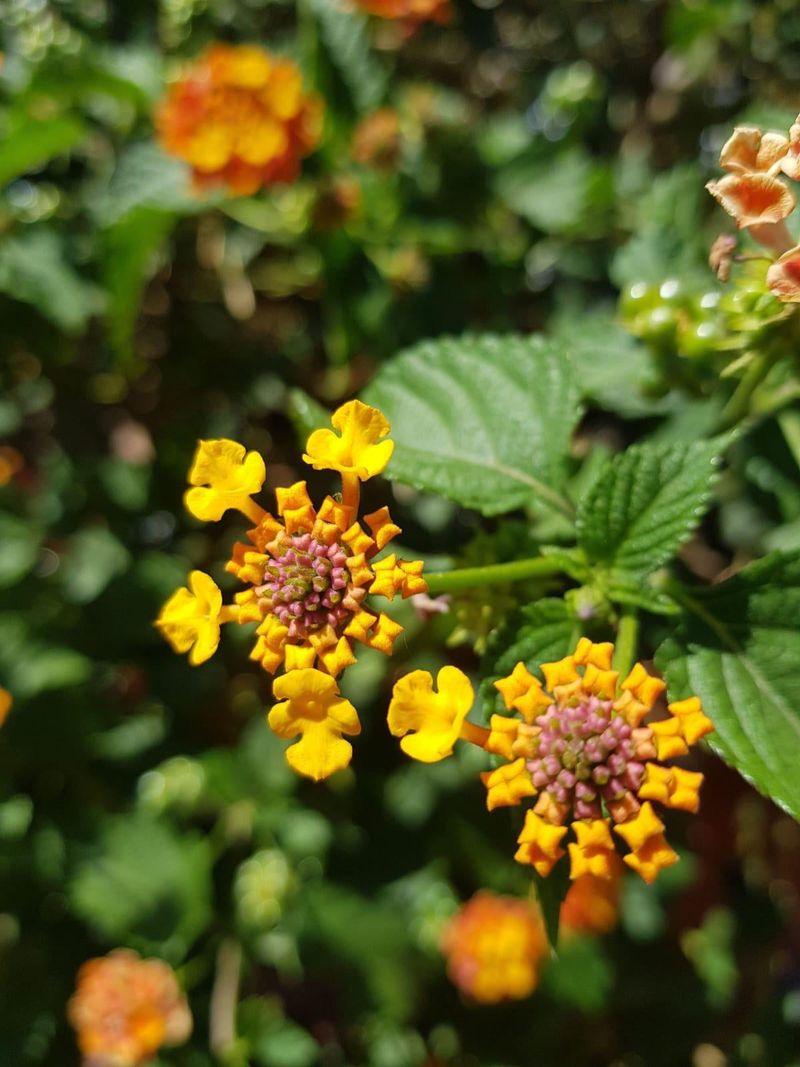
Walk past any well-tended Texas patio in the middle of August and you might spot a burst of color that seems almost too cheerful for such brutal heat. That splash of red, orange, yellow, and pink almost certainly belongs to lantana.
While most flowering plants slow down or stop blooming when the mercury climbs, lantana seems to shift into a higher gear.
The blooming cycle of lantana is one of its most impressive qualities. Rather than producing one big flush of flowers and then fading, lantana blooms continuously from late spring all the way through the first cool nights of fall.
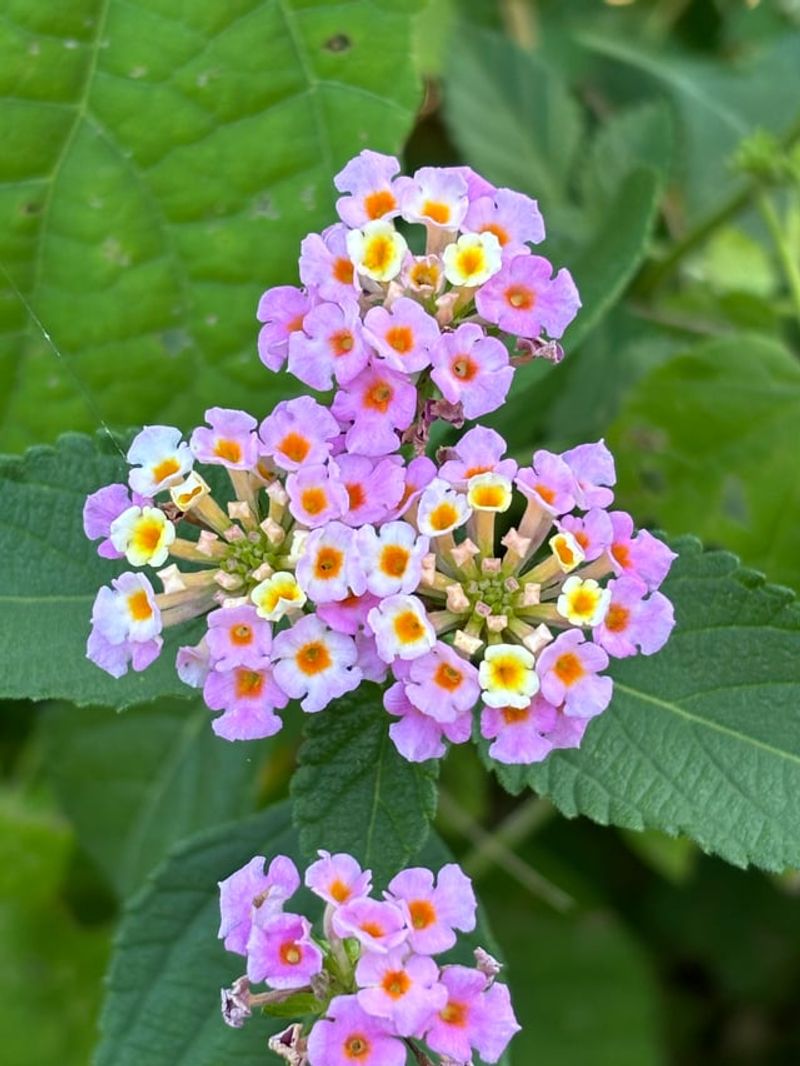
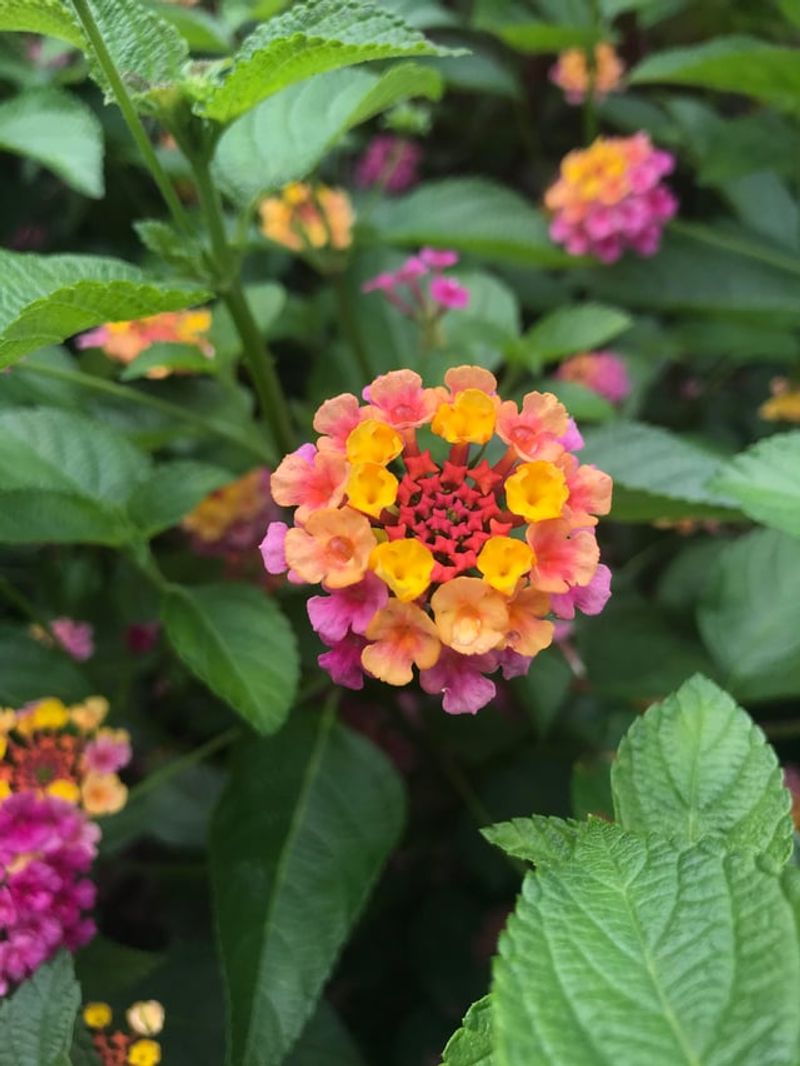
Each flower cluster, called an umbel, contains dozens of tiny individual blooms that open in waves, keeping the plant looking full and colorful for months on end.
Texas gardeners appreciate this kind of staying power because it means less replanting and fewer gaps in the garden.
You do not have to swap out spent annuals every few weeks or worry about bare patches on the patio.
Lantana holds its own from the time you plant it in spring until the season winds down in October or November.
That kind of long-lasting performance is hard to beat when you want your outdoor space to look its best all summer.
3. Handles Dry Spells Without Fuss In Texas Gardens
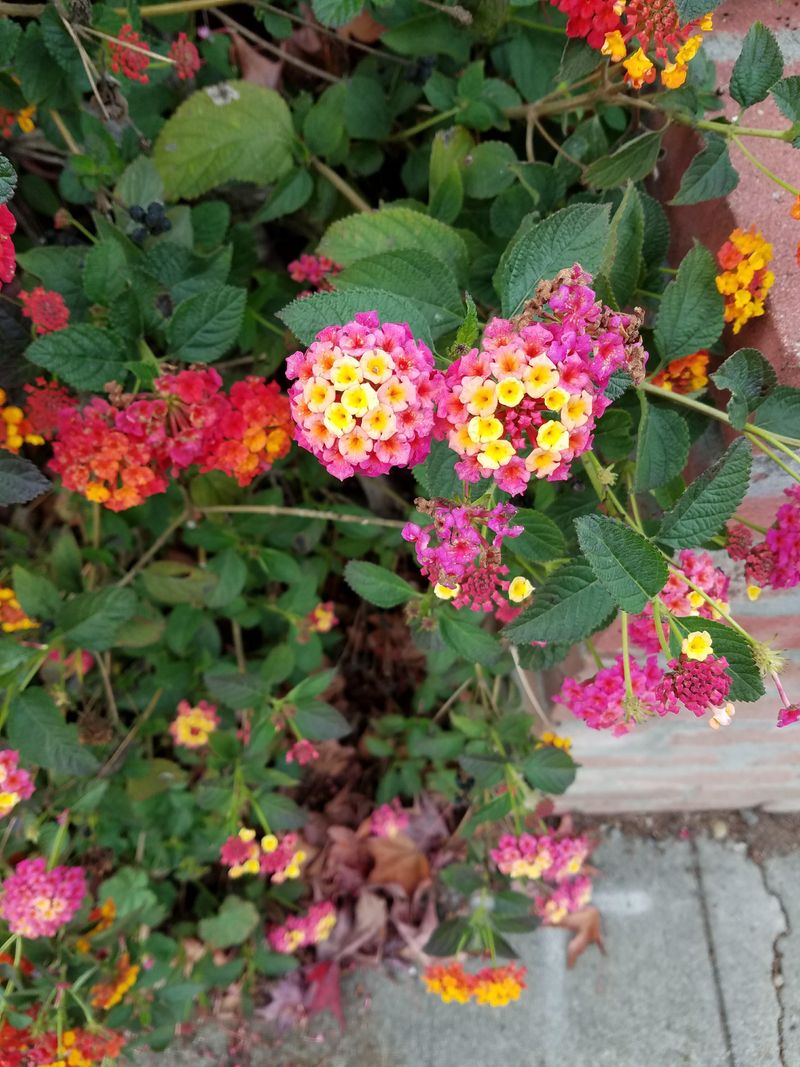
Texas gardeners know the frustration of watching a newly planted flower bed wilt and struggle during a dry stretch in July.
Water restrictions, high evaporation rates, and stretches of rainless weeks are all part of gardening life in this state.
Lantana handles those dry spells with a calm resilience that most plants simply cannot match.
Once lantana is established in the ground or in a container, its water needs drop significantly. It can go several days without irrigation during warm months and still look healthy and full of blooms.
This drought tolerance comes from the plant’s natural adaptation to hot, dry climates, where water is not always reliable.
Its root system reaches deeper into the soil over time, pulling moisture from levels that shallower-rooted plants cannot reach.
That said, lantana does appreciate a good drink of water during the hottest and driest stretches of summer. Watering deeply once or twice a week during extreme heat helps it stay at its most vibrant.
New transplants need more frequent watering during the first few weeks while roots settle in.
But once established, lantana becomes one of the most water-efficient flowering plants you can grow in a Texas garden, making it a smart choice for anyone trying to conserve water without sacrificing color.
4. Turns Any Patio Into A Bright Focal Point
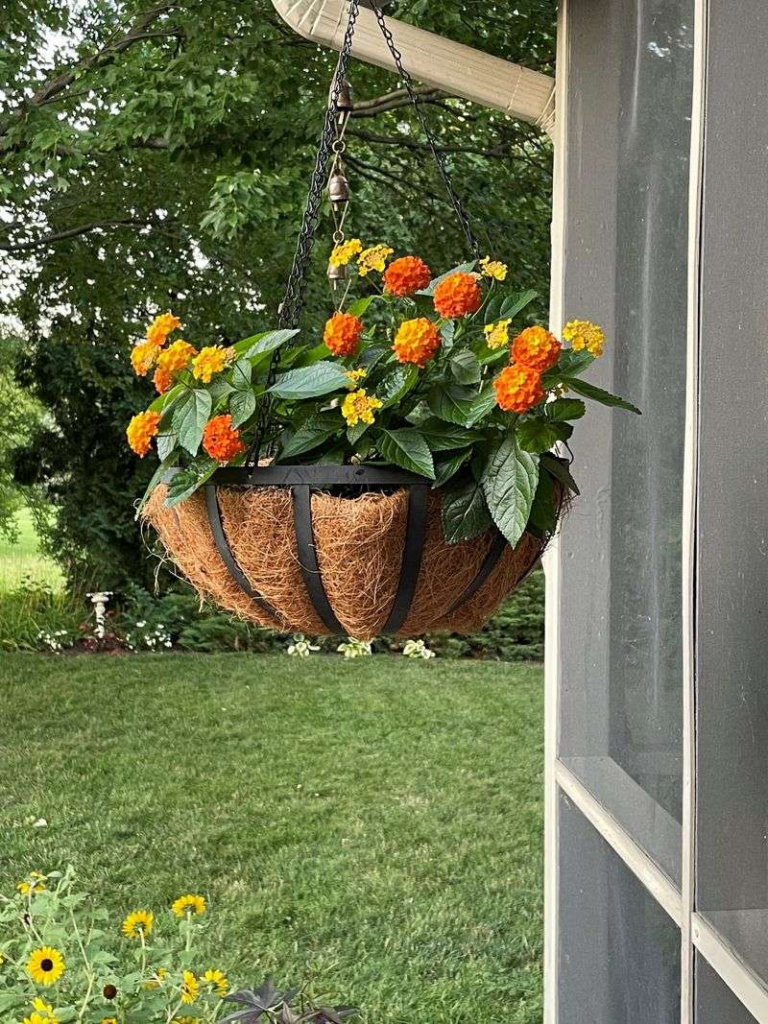
Some plants blend into the background, and others stop you in your tracks. Lantana belongs firmly in the second category.
Planted near an entryway, tucked into a corner of the patio, or placed in a large decorative pot by the back door, lantana commands attention in the best possible way.
Its clusters of multicolored blooms create a layered, almost kaleidoscopic effect that draws the eye immediately.
Texas homeowners put a lot of effort into their outdoor spaces. Patios often serve as second living rooms, complete with seating areas, string lights, and outdoor kitchens.
A plant that can anchor that space visually and hold its color through the hottest part of the year is genuinely valuable. Lantana fills that role beautifully, offering bold color without the fussiness of more delicate flowering plants.
The variety of color combinations available in lantana makes it easy to match any patio style.
You can find varieties in bold tropical mixes of orange and red, softer blends of pink and yellow, or even near-white cultivars for a cleaner, more modern look.
Mixing two or three varieties in a large planter creates a layered, lush display that looks professionally designed.
For Texas homeowners who want their patio to feel like a showpiece, lantana provides an easy and rewarding way to get there.
5. Lantana Draws Butterflies And Pollinators All Season
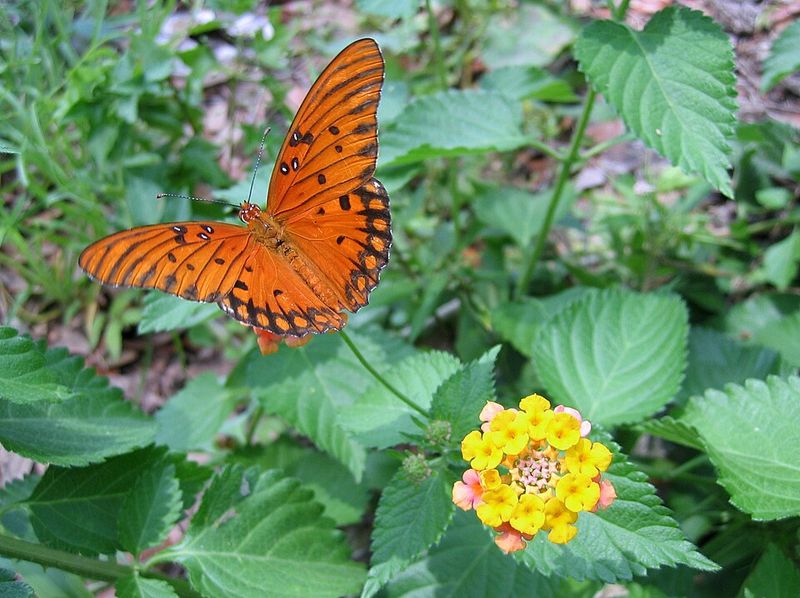
Sit near a blooming lantana on a warm Texas afternoon and chances are you will not be alone for long. Butterflies, bees, and hummingbirds are drawn to lantana like it is the most popular spot in the neighborhood.
The nectar-rich flowers are a reliable food source for pollinators from spring through fall, making lantana one of the most wildlife-friendly choices for any Texas patio.
Texas sits along major butterfly migration routes, and the state is home to an impressive variety of native and migratory butterfly species. Monarchs, swallowtails, skippers, and sulfurs all visit lantana regularly.
Watching these insects flutter from bloom to bloom adds a lively, dynamic quality to the patio that no decorative object can replicate.
It turns a simple garden corner into something that feels genuinely alive.
Bees also benefit from lantana, and since many native bee populations face habitat pressure, planting pollinator-friendly species in home gardens makes a real difference.
Hummingbirds are occasional visitors as well, drawn by the bright colors and the easy access to nectar.
For Texas families who want to teach kids about nature, lantana creates a built-in outdoor classroom right on the patio. Few plants offer that kind of bonus on top of looking great all season long.
6. Thrives In Pots And Hanging Baskets With Ease
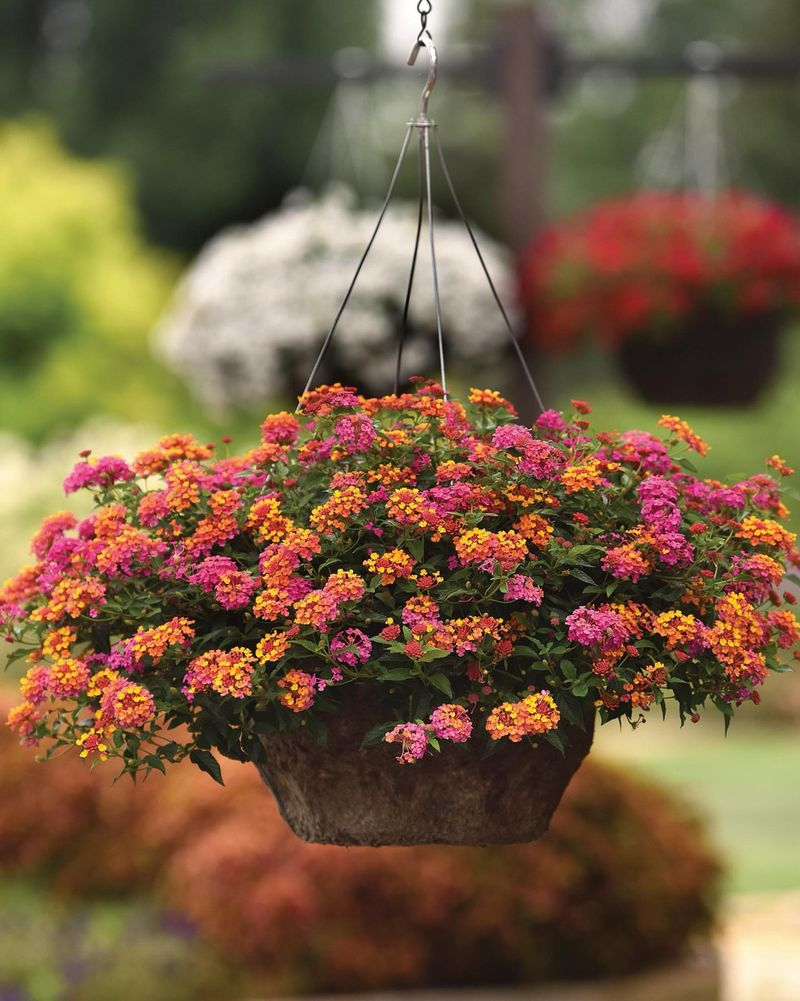
Not every Texas homeowner has a yard full of garden beds to work with. Many people are gardening on apartment balconies, small covered patios, or concrete slabs where there is no soil at all.
That is where lantana really shines as a container plant. It adapts remarkably well to life in pots, hanging baskets, and window boxes, producing the same generous blooms it would in the ground.
Trailing lantana varieties are especially popular in hanging baskets because their stems spill over the edges and cascade downward in a curtain of color. Upright varieties work well in large pots or decorative containers placed at patio corners or along steps.
Either way, the key to success in containers is choosing a pot with good drainage holes and using a quality potting mix that does not hold too much moisture.
Container-grown lantana in Texas benefits from slightly more frequent watering than in-ground plants, since pots dry out faster in the heat.
Fertilizing lightly every few weeks during the growing season helps keep container plants blooming at their best.
Moving pots to a slightly shadier spot during the most extreme afternoon heat of late July and August can also help.
With just a little extra attention, potted lantana delivers the same bold, cheerful display that makes it such a beloved fixture on Texas patios.
7. Brings Low Effort And High Impact To Small Spaces
Gardening does not have to be complicated to be rewarding.
For Texas homeowners who want a beautiful patio without spending every weekend pulling weeds or fussing with fertilizer schedules, lantana offers a refreshingly simple solution.
Once it is settled and growing, this plant largely takes care of itself through the long Texas summer.
Small patios and compact outdoor spaces benefit especially from plants that deliver a lot of visual impact without taking up much room.
A single large pot of lantana placed near a seating area can transform the whole feel of a small balcony or side porch.
The plant grows full and lush, filling its space with color and texture that makes even a modest outdoor area feel vibrant and well-designed.
Maintenance is minimal compared to many other flowering plants. Removing spent blooms is not strictly necessary since lantana drops old flowers on its own and continues blooming without intervention.
A light trim every few weeks encourages fresh new growth and keeps the plant looking tidy. Watering a few times a week during peak summer heat is usually enough to keep it happy.
For busy Texas homeowners who want beauty without a heavy time commitment, lantana fits naturally into a low-maintenance outdoor lifestyle that still looks impressive to guests and neighbors.
8. Grows Well Even In Tough Texas Soils
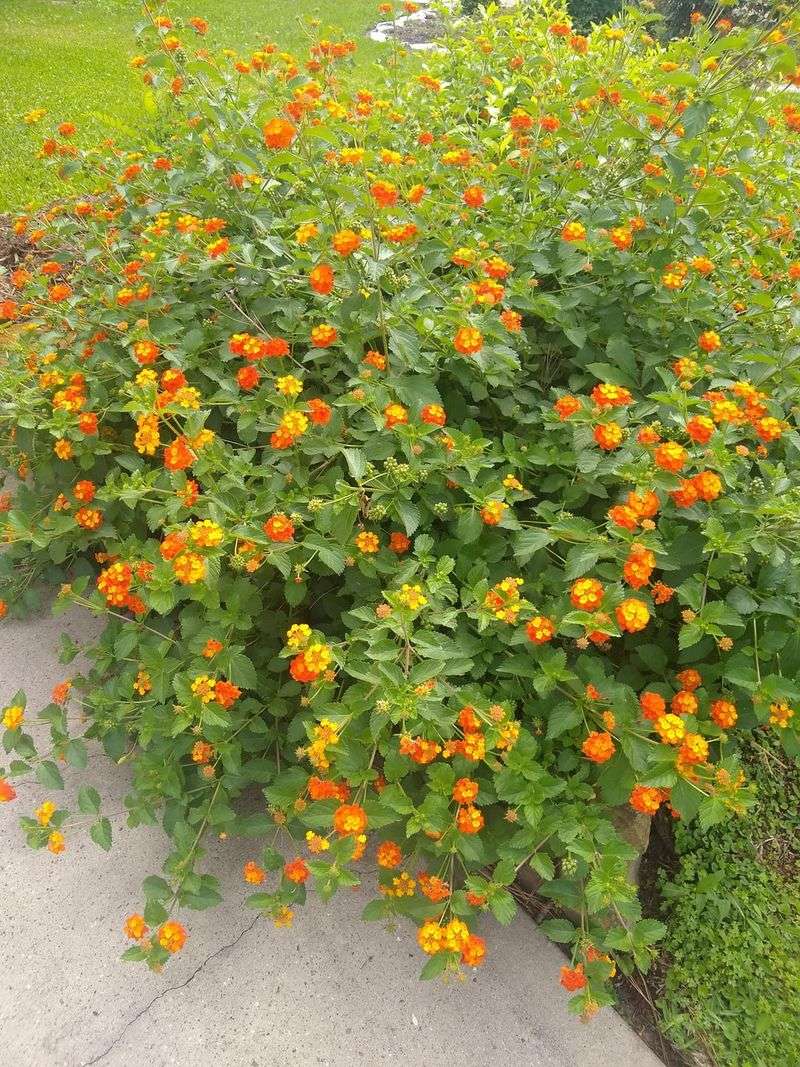
Texas soil is famously challenging. Depending on where you live in the state, you might be dealing with heavy clay that holds too much water, rocky caliche that barely holds any, or sandy soil that drains so fast plants can barely keep up.
Most ornamental plants struggle in at least one of these conditions, but lantana manages to grow in all of them with minimal complaint.
Its adaptability to poor soils is one of the reasons lantana has become such a reliable staple in Texas gardens. It does not require rich, amended soil to perform well.
In fact, overly fertile soil can actually push lantana toward producing more leaves than flowers. A leaner soil environment tends to encourage heavier blooming, which is exactly what most patio gardeners are after.
In areas with clay soil, it helps to plant lantana in a raised bed or large container where drainage can be controlled more easily.
Adding a layer of mulch around the base of in-ground plants helps moderate soil temperature and retain a bit of moisture during dry stretches.
Sandy soils in coastal Texas regions work well for lantana since the plant naturally prefers good drainage.
Across the diverse landscapes of Texas, from the Hill Country to the Gulf Coast, lantana finds a way to settle in and thrive with very little soil preparation needed.
9. Bounces Back Quickly After A Trim
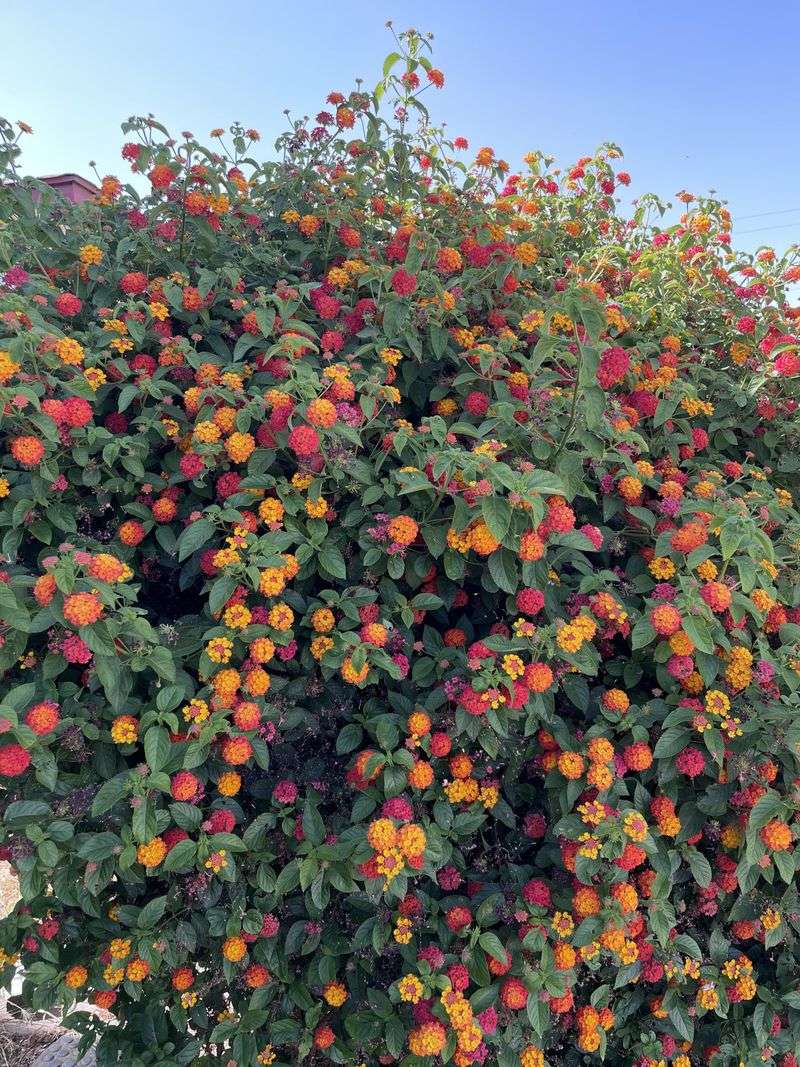
By midsummer, even the most enthusiastic lantana can start to look a little leggy or overgrown. Stems stretch out, older growth gets woody, and the plant may slow its blooming for a brief stretch.
A quick trim is all it takes to get things going again, and lantana responds to pruning with impressive speed.
Cutting the plant back by about one-third encourages a flush of new growth that typically brings a fresh wave of blooms within two to three weeks.
Texas gardeners often do this once in early summer and again in late August to keep the plant looking its best right through fall.
The process is simple enough that even beginner gardeners can handle it with basic pruning shears and a few minutes of time.
What makes lantana especially satisfying to prune is how quickly it rebounds. Unlike some plants that sulk for weeks after being cut back, lantana seems almost eager to regrow.
New stems push out from the trimmed ends, leaves fill in, and flower clusters appear before you know it. This resilience is part of what makes lantana such a trustworthy plant for Texas patios.
You can shape it, cut it back when needed, and trust that it will come back stronger, keeping your outdoor space looking fresh and colorful all the way into autumn.