Why Texans Should Grow Climbing Roses Along Their Fence
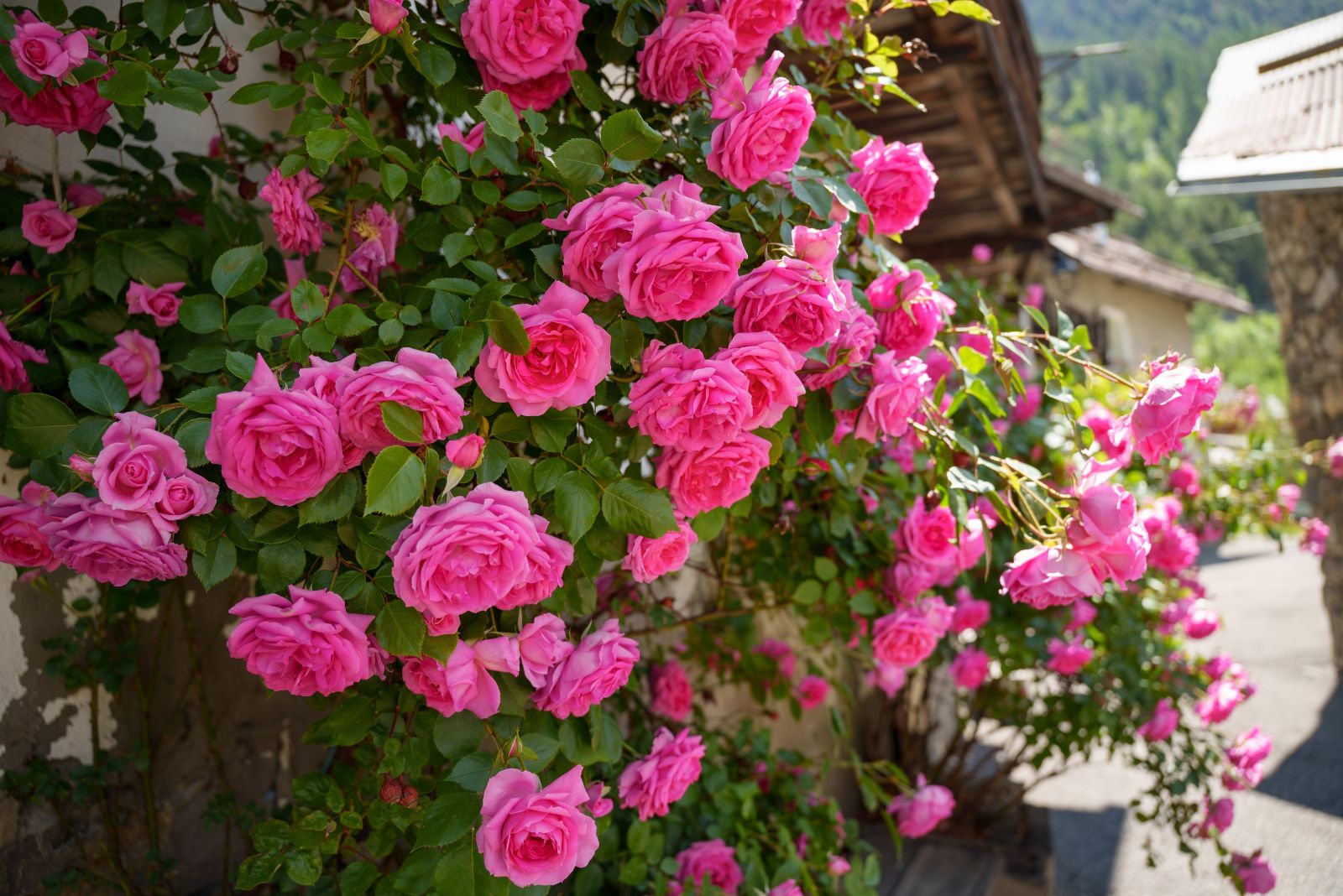
A plain fence can do its job just fine, but that does not mean it has to stay boring. In Texas, where outdoor spaces get plenty of attention for most of the year, a fence can become a lot more than a boundary line with the right plant growing along it.
That is where climbing roses come in. They add color, shape, and a softer look that can make a backyard feel more welcoming almost instantly.
Even a simple wooden fence can start to look like something out of a much more polished garden once those blooms start showing up.
What makes climbing roses especially appealing for Texans is that they bring both beauty and purpose. They can help cover up a plain view, fill empty vertical space, and turn a hot, sunny edge of the yard into a standout feature.
When they are happy, they put on a show that is hard to ignore. If you want a fence that does more than sit there, climbing roses are one of the easiest ways to give it personality and charm.
1. Climbing Roses Thrive In Texas Sun And Heat
Most plants struggle when a Texas summer hits full force. The sun blazes, the temperature climbs, and many flowers simply give up.
Climbing roses, though, are built differently. They actually love the long, hot days that Texas delivers from late spring straight through early fall.
Texas gets around 220 to 300 sunny days per year in many regions, and climbing roses soak up every single one.
Full sun, which means at least six hours of direct sunlight daily, is exactly what these plants need to produce their best growth and most abundant blooms. The more sun they get, the more flowers you enjoy.
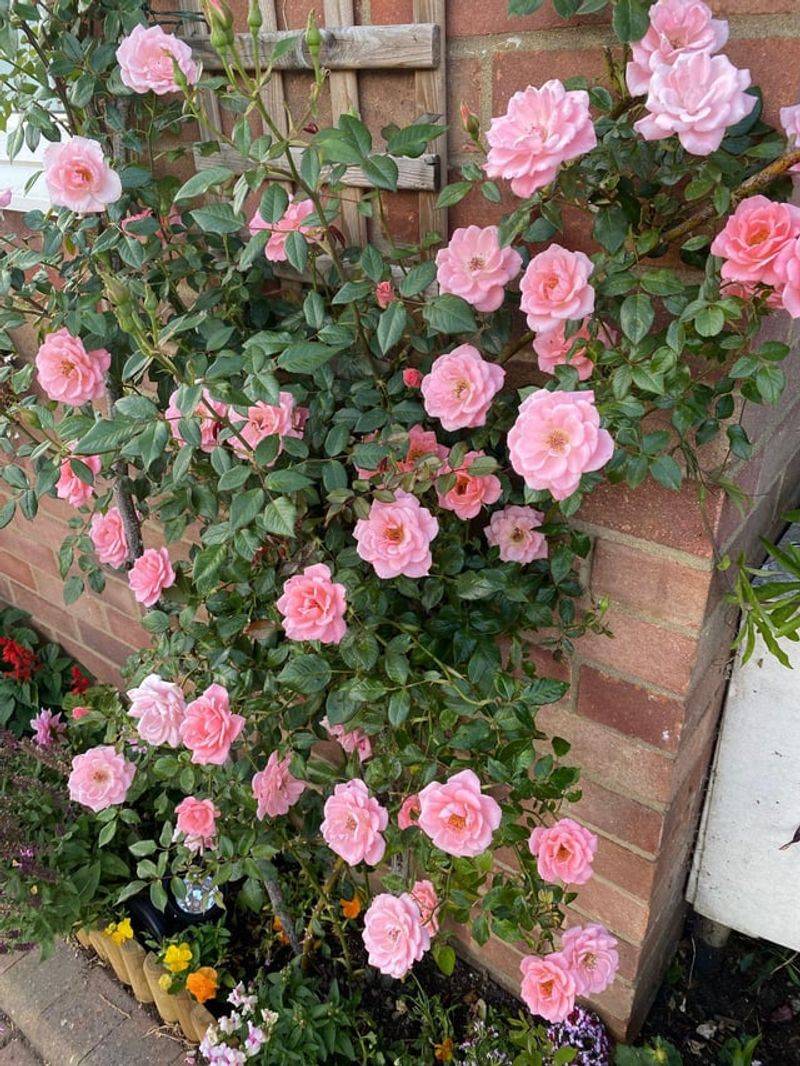
Varieties like the New Dawn, Don Juan, and the beloved Climbing Pinkie are especially well-suited to hot southern climates.
These roses push out strong canes, develop deep root systems, and keep blooming even when temperatures soar past 90 degrees. They are tough, reliable, and genuinely made for places like Texas.
One helpful tip is to water your climbing roses deeply but less frequently. Deep watering encourages roots to grow further down into the soil, which helps the plant stay strong during dry spells.
Adding a layer of mulch around the base also keeps moisture in and protects roots from the intense Texas ground heat.
Gardeners in cities like Austin, San Antonio, and Houston have found that climbing roses planted along south or west-facing fences perform especially well.
The reflected heat from fences actually encourages faster growth. Texas may be tough on many plants, but for climbing roses, it feels just like home.
2. Instant Privacy And Natural Screening
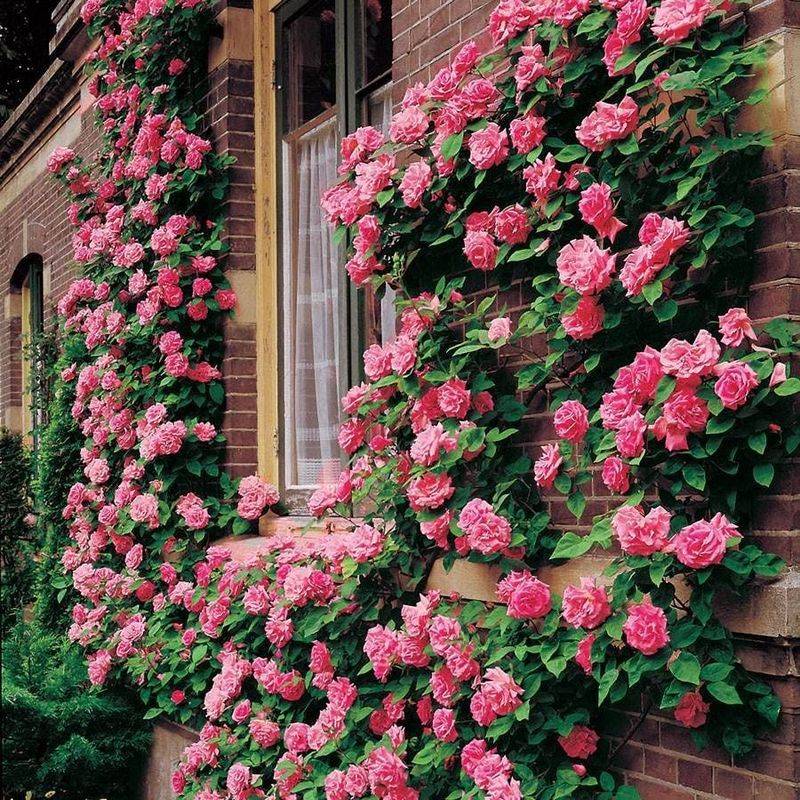
Nobody wants to feel like they are living in a fishbowl. Whether your neighbor’s yard is a little too close for comfort or you just want a quiet, private outdoor space, a fence alone does not always do the job.
That is where climbing roses come in and completely change the game.
When trained along a fence, climbing roses grow thick, leafy canes that weave together over time. Within a couple of seasons, you end up with a living wall that is far more attractive than any wood panel or vinyl privacy fence.
The dense foliage blocks sightlines naturally, giving your yard a cozy, enclosed feel without looking harsh or industrial.
In Texas, where many neighborhoods are built close together, this kind of natural screening is genuinely valuable.
You can sit on your patio, enjoy your morning coffee, and feel like you are tucked away in your own private garden. The roses do not just block the view, they replace it with something beautiful.
For the best coverage, choose a vigorous climbing variety and space your plants about six to eight feet apart along the fence. Use garden ties or wire to train the canes horizontally along the fence as they grow.
Horizontal training encourages more lateral growth, which means faster, fuller coverage across the entire fence line.
Varieties like the Climbing Iceberg or the Fourth of July rose are known for their dense, bushy growth habits.
Texas gardeners who have used these along their fences often say it is the best landscaping decision they ever made. Beauty and privacy, all in one stunning plant.
3. A Stunning Vertical Display Of Blooms
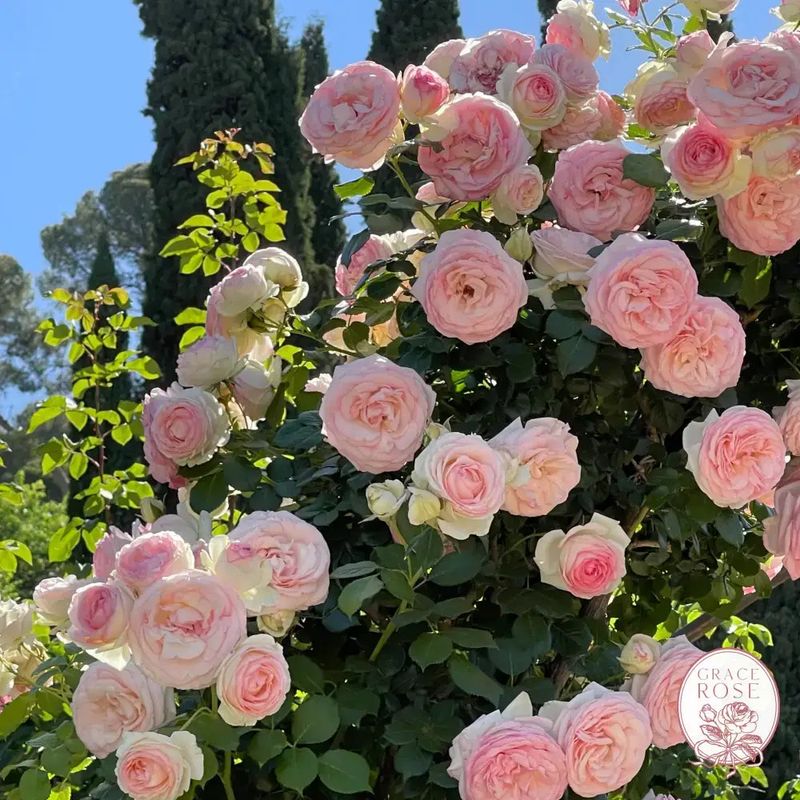
Plain wooden fences can make a yard feel a little dull. They serve a purpose, but they rarely add any real visual excitement.
Climbing roses fix that problem in the most dramatic and colorful way possible, turning a flat, forgettable structure into a jaw-dropping floral display.
Texas yards can get a lot of attention from the street, and a fence covered in blooming roses creates a bold first impression. The vertical element adds height and dimension to your landscape, which most flat Texas yards naturally lack.
Suddenly, your garden has layers, texture, and a sense of lush abundance that is hard to achieve with ground-level plants alone.
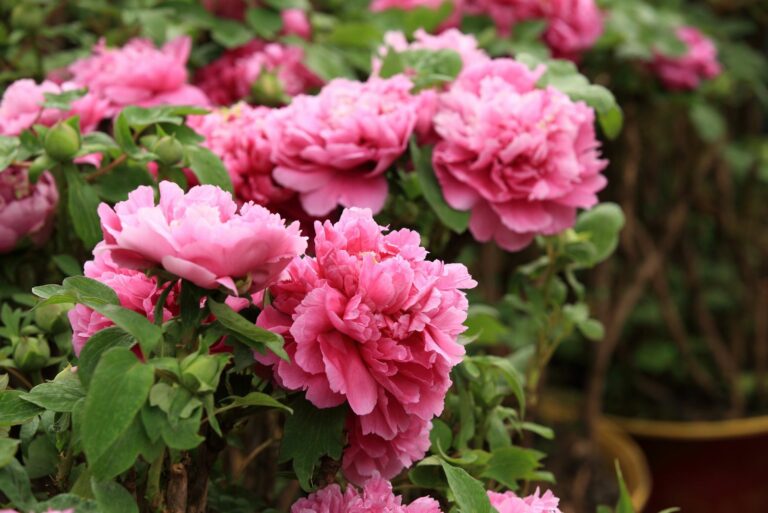
The color options are almost endless. You can choose deep reds, soft pinks, creamy whites, bright oranges, or even lavender-toned varieties.
Mixing colors along a long fence creates a stunning gradient effect that looks professionally designed. Single-color choices create a clean, elegant look that never goes out of style.
Beyond color, climbing roses also add interesting structure. The arching canes, layered leaves, and clusters of blooms create a living sculpture that changes with the seasons.
In spring, you get the first big flush of flowers. Through summer and fall in Texas, repeat-blooming varieties keep pushing out fresh buds.
Gardeners in Dallas, Fort Worth, and surrounding areas have used climbing roses to transform chain-link fences, wooden privacy fences, and even old stone walls.
The roses soften hard surfaces and bring warmth to spaces that would otherwise feel stark and uninviting.
A vertical rose display is truly one of the most rewarding things you can grow in a Texas garden.
4. Long Blooming Season In Warm Climates
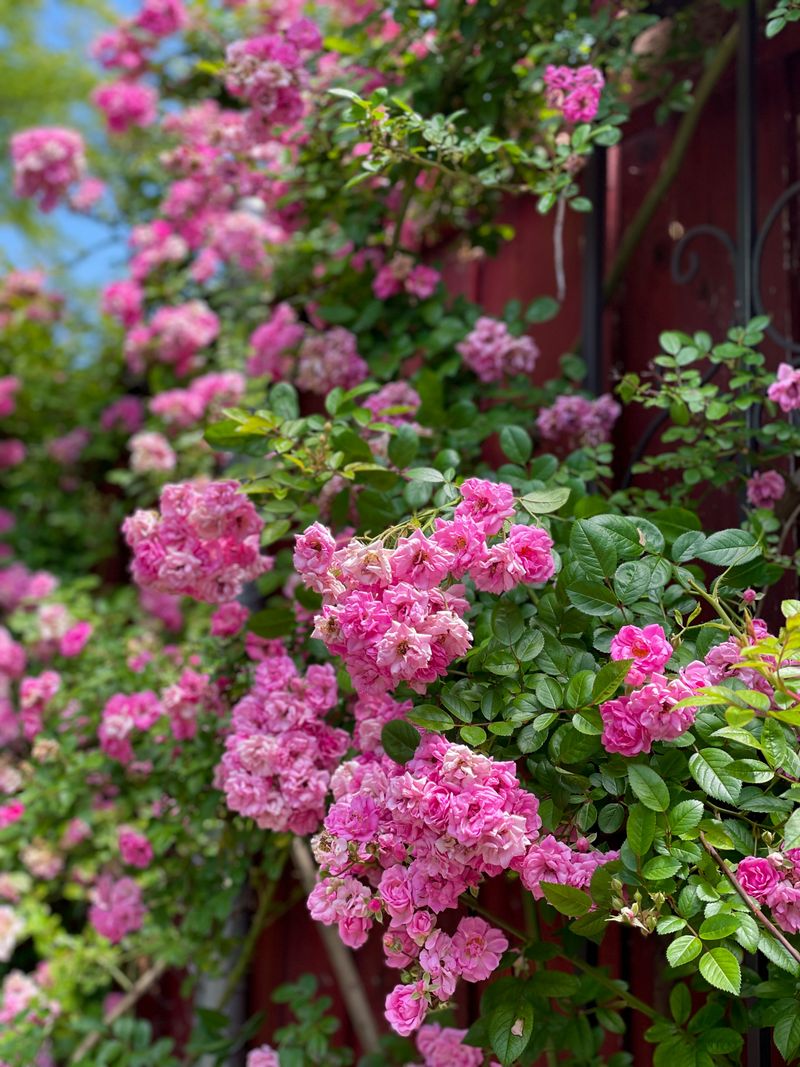
One of the biggest frustrations with flowering plants is when they bloom for just a few weeks and then disappear for the rest of the year.
Climbing roses are a welcome exception to that rule, especially in a warm climate like Texas where the growing season stretches on and on.
Many modern climbing rose varieties are repeat bloomers, which means they do not just flower once in spring and call it a day. Instead, they push out fresh waves of blooms every four to six weeks throughout the growing season.
In Texas, that season can run from March all the way through November, giving you nearly nine months of color along your fence.
The mild Texas winters in the southern and coastal parts of the state mean that some climbing roses barely slow down at all.
Varieties like the Knockout Climbing Rose and the Cecile Brunner are especially well-known for their long-lasting bloom cycles in warm climates. They are reliable, consistent, and genuinely generous with their flowers.
To keep your roses blooming as long as possible, deadheading spent flowers is key. When you remove old blooms before they form seed hips, the plant redirects its energy into producing new flowers.
Regular feeding with a balanced rose fertilizer every four to six weeks during the growing season also helps maintain that steady flush of color.
Texas gardeners love that climbing roses give them something beautiful to look at for most of the year.
While gardeners in colder states are waiting for their first spring bloom, Texans are already enjoying a fence full of color. That extended blooming season alone makes climbing roses worth every bit of effort.
5. Boosts Curb Appeal And Property Value
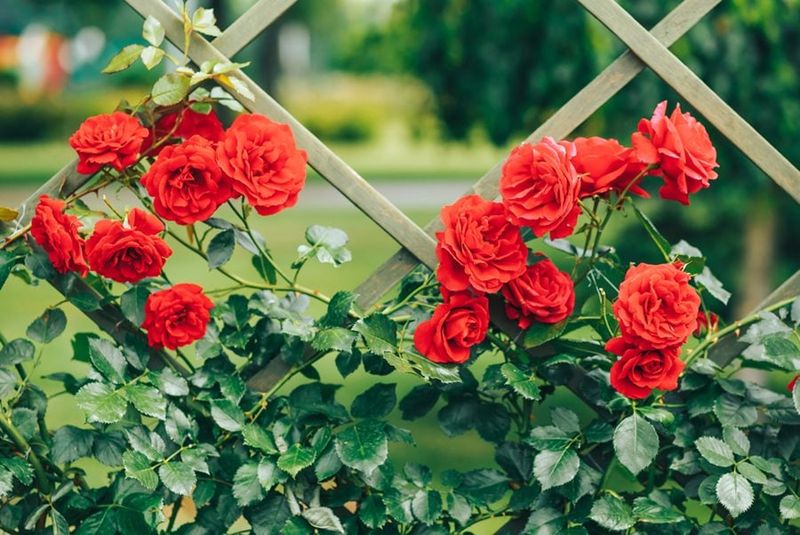
First impressions matter a lot, especially when it comes to your home. The outside of your house is the first thing anyone sees, and a yard that looks well-loved and beautifully maintained sends a powerful message.
Climbing roses along your fence might just be the most cost-effective upgrade you can make to your home’s exterior.
Real estate professionals often point to landscaping as one of the top factors that influence a buyer’s first impression. A fence draped in blooming roses creates that classic, high-end look that makes a home feel warm, established, and cared for.
It adds a romantic, timeless quality that photos capture beautifully, which matters more than ever in today’s real estate market.
In Texas, where outdoor living is a huge part of daily life, a beautiful yard genuinely adds to a home’s appeal and perceived value. Studies have shown that good landscaping can increase property value by anywhere from five to fifteen percent.
Climbing roses are an affordable way to contribute to that number while enjoying the beauty yourself for years before you ever think about selling.
Beyond resale value, there is real personal joy in pulling into your own driveway and seeing a fence covered in flowers. Neighbors notice, guests comment, and the whole street feels a little more welcoming.
In communities across Texas, from suburban Houston neighborhoods to quiet streets in Lubbock, a rose-covered fence stands out as a sign of a gardener who truly loves their space.
Planting climbing roses is an investment that pays back in beauty every single day. The initial cost of a few rose plants is small compared to the lasting impact they have on how your home looks and feels from the street.
6. Attracts Pollinators To Your Garden
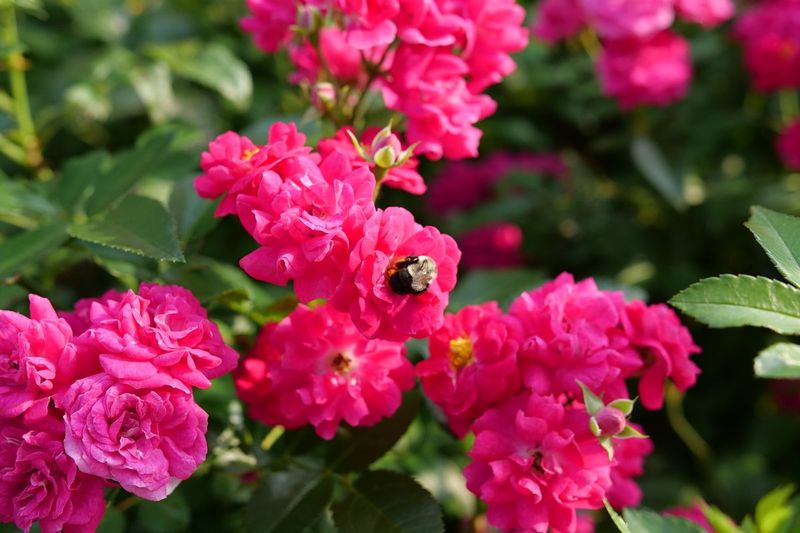
A garden without pollinators is like a kitchen without a chef. Things just do not come together the way they should.
Bees, butterflies, and other beneficial insects are essential to a healthy, productive garden, and climbing roses are one of the best plants you can grow to bring them in.
The open blooms of climbing roses are especially attractive to bees because they provide easy access to nectar and pollen.
Single and semi-double flower varieties, like the Climbing Iceberg or the American Pillar, are particularly pollinator-friendly because their centers are fully exposed. Bees can spot these blooms from a distance and will visit repeatedly throughout the day.
In Texas, supporting local pollinator populations is more important than many gardeners realize. Native bees, honeybees, and monarch butterflies all benefit from gardens that include flowering plants with long blooming seasons.
When you grow climbing roses along your fence, you are essentially creating a pollinator highway right through your backyard.
Beyond bees and butterflies, climbing roses also attract hummingbirds in certain parts of Texas. These tiny, fast-moving birds are drawn to bright red and pink blooms, and a fence full of roses can become a regular stop on their daily feeding route.
Watching hummingbirds visit your roses is one of those simple, magical moments that makes Texas gardening so rewarding.
A more active pollinator population in your garden also benefits any vegetables, herbs, or fruit trees you might be growing nearby. More pollinators mean better fruit set, bigger harvests, and a garden that feels genuinely alive and buzzing with energy.
Growing climbing roses is a small act that creates a big, positive ripple effect throughout your entire Texas garden ecosystem.