Why Texans Should Plant Goldenrod Along Their Fence This March?
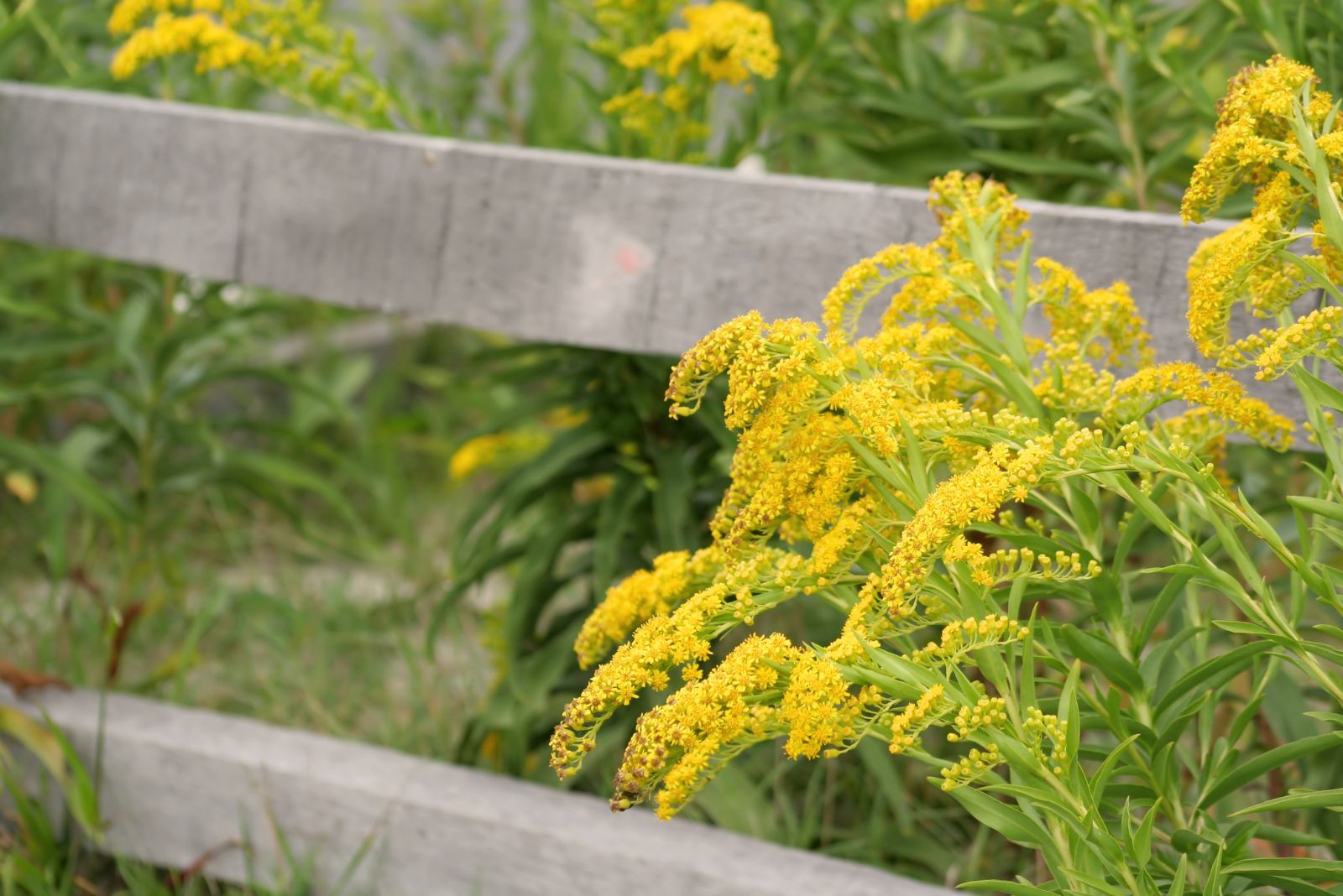
Looking for a simple way to bring more life and movement to your Texas garden this March? One hardy native plant offers bright color, strong growth, and an incredible ability to attract bees right when they need reliable food sources.
Goldenrod produces tall sprays of golden blooms that turn an ordinary fence line into a lively, buzzing strip of activity.
It thrives in Texas heat, handles dry periods once established, and grows upright without crowding nearby plants, making it perfect for borders and fence edges.
As bees visit its nectar rich flowers, they help support pollination while adding energy and motion to your outdoor space. Beyond its beauty, this tough plant requires little maintenance and adapts well to local conditions.
Planting goldenrod along your fence this March can create a vibrant, pollinator friendly feature that keeps your garden colorful, active, and full of natural life throughout the growing season.
1. A Simple Fence Plant That Can Help Save Bees
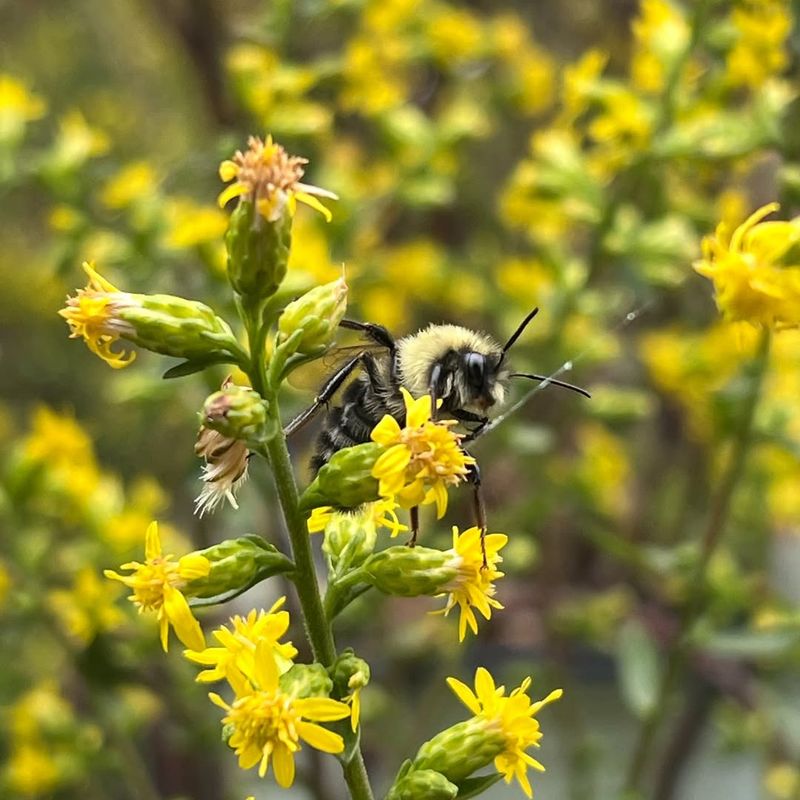
Bees face mounting challenges across Texas and throughout North America. These essential insects pollinate roughly one-third of the food crops we eat every day, from almonds and apples to squash and strawberries.
Without healthy bee populations, our food system would collapse. Farmers depend on bees to pollinate their fields, and home gardeners rely on them to produce vegetables and fruits.
Unfortunately, bee numbers have dropped dramatically over recent decades. Habitat loss, pesticide exposure, diseases, and lack of diverse food sources all contribute to declining pollinator health.
Many native bee species that once thrived in Texas now struggle to find adequate nutrition and nesting sites. Urban development has replaced wildflower meadows with lawns and pavement, leaving bees with fewer places to forage.
Goldenrod offers a straightforward solution that any Texas homeowner can implement. This tough native plant produces masses of bright yellow flowers that bees absolutely love.
Unlike exotic ornamentals that look pretty but offer little nectar, goldenrod delivers real nutritional value when pollinators need it most. Planting it along your fence creates an instant bee buffet that requires almost no maintenance once established.
Texas gardeners who add goldenrod to their landscapes join a growing movement of pollinator advocates. Each fence line planted with these golden blooms becomes part of a larger network of bee-friendly corridors.
Your property can serve as a vital refueling station for tired pollinators traveling through your neighborhood.
By choosing goldenrod this March, you make a tangible difference in supporting Texas bee populations while enjoying beautiful blooms from late summer through fall.
2. Goldenrod Is One Of The Best Nectar Sources For Bees
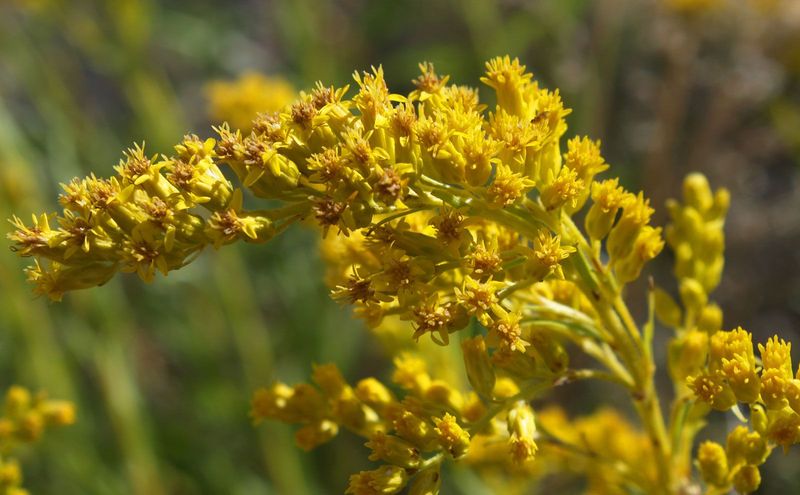
Walk past a blooming goldenrod plant in September and you will immediately understand why bees love it so much. The flower clusters practically vibrate with insect activity as dozens of bees work the blooms simultaneously.
Each plant produces hundreds of tiny individual flowers packed tightly into branching clusters, creating an efficient feeding station where bees can gather nectar quickly without wasting precious energy flying between scattered blooms.
Goldenrod nectar contains high sugar concentrations that give bees the energy they need for flight and colony activities. The flower structure makes feeding easy because bees can walk across the flat-topped clusters and access multiple flowers without repositioning.
This efficiency matters enormously to bees, which must visit thousands of flowers daily to collect enough food for their colonies or their own survival.
Texas supports over 800 native bee species, and goldenrod welcomes nearly all of them. Large fuzzy bumblebees work the flowers alongside smaller sweat bees and mining bees.
Honeybee colonies send out foragers in impressive numbers when goldenrod blooms nearby. Even tiny specialist bees that normally focus on specific plant families will visit goldenrod when available.
This universal appeal makes goldenrod an exceptional choice for supporting bee diversity in Texas gardens.
The timing of goldenrod blooms fills a critical gap in the Texas nectar calendar. Spring wildflowers fade by early summer, and many garden plants stop flowering during the intense August heat.
Goldenrod begins blooming in late summer and continues producing fresh flowers well into fall, sometimes lasting until the first freeze arrives.
This extended bloom period provides consistent food when bees need it most, helping colonies build strength before winter or supporting native bees preparing for dormancy.
3. Provides Critical Late-Season Food For Bee Survival
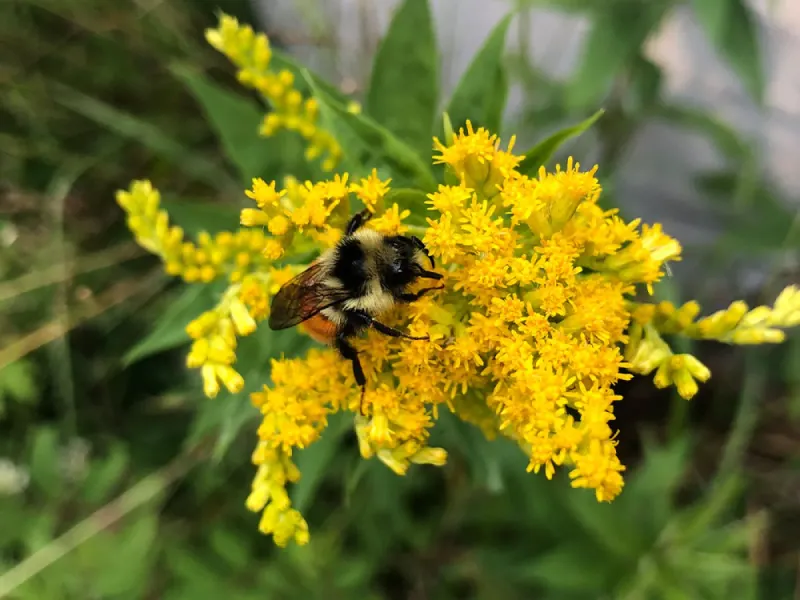
Imagine running a marathon and finding all the water stations closed during the final miles. That scenario describes what many Texas bees face each fall when flower availability drops sharply.
Most spring and summer bloomers finish flowering by August, leaving pollinators scrambling to find adequate nutrition during a critical preparation period.
Honeybee colonies must stockpile enough honey to survive winter months when foraging becomes impossible.
Native bee species need to build fat reserves before entering hibernation or laying eggs for the next generation.
Goldenrod blooms arrive precisely when this late-season food shortage becomes most severe. Starting in August or September depending on your Texas location, goldenrod plants burst into flower just as other nectar sources disappear.
These golden blooms continue producing fresh nectar through October and sometimes into November, giving bees an extended feeding opportunity during a traditionally lean period.
Research shows that colonies with access to abundant fall forage enter winter significantly stronger than those facing food scarcity.
Honeybees store goldenrod nectar as honey, creating emergency reserves that sustain the hive through cold snaps and rainy periods when foraging stops.
Worker bees born in fall live longer than summer generations, and adequate nutrition during their development improves their longevity and effectiveness. Strong fall nutrition directly translates to better colony survival rates and faster spring buildup.
Native Texas bees benefit equally from late-season goldenrod nectar. Female native bees preparing nest cells for their offspring need high-quality pollen and nectar to provision each egg.
Males seeking mates require energy for patrol flights and territorial defense. Both sexes must build body fat to survive dormancy periods.
Goldenrod provides all these nutritional needs in one convenient package, making it an irreplaceable resource for Texas native bee populations.
4. Goldenrod Produces Pollen Essential For Bee Health
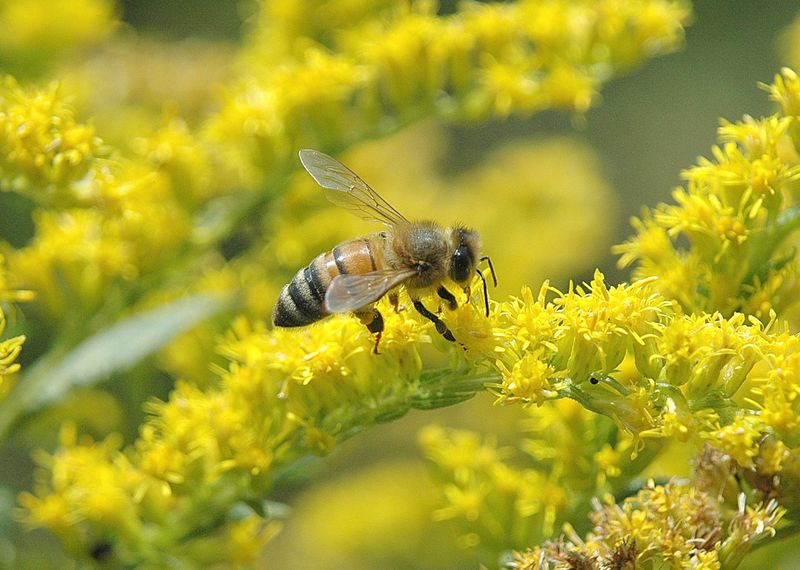
Nectar provides energy, but pollen delivers the protein, fats, vitamins, and minerals that bees need for growth and reproduction. Baby bees develop on a diet of pollen mixed with nectar, and colonies cannot raise healthy young without adequate pollen supplies.
Worker bees consume pollen to produce royal jelly for feeding larvae and to develop their own bodies fully. Pollen quality directly impacts bee immune function, longevity, and reproductive success.
Goldenrod produces prodigious amounts of bright yellow pollen that bees eagerly collect and pack into specialized baskets on their hind legs. Watch a bee working goldenrod flowers and you will see her legs become loaded with golden pollen balls as she moves from bloom to bloom.
This pollen contains a balanced nutritional profile that supports bee development and health. Studies indicate that diverse pollen diets improve bee immune responses and help colonies resist diseases and parasites.
Honeybee colonies store pollen in cells near the brood nest, creating a pantry of protein that sustains the hive through periods when fresh pollen becomes unavailable.
Fall pollen collection proves especially important because it provides nutrition for the long-lived winter bees that must survive until spring flowers return.
Colonies entering winter with adequate stored pollen show much better survival rates than those facing protein shortages.
Native Texas bees also depend heavily on goldenrod pollen for reproduction. Female native bees collect pollen to create food provisions for their offspring, mixing it with nectar to form a nutritious ball on which they lay a single egg.
The developing larva consumes this pollen provision as it grows, so pollen quality directly determines offspring survival and vigor.
Goldenrod blooming along Texas fence lines ensures native bees can find the high-quality pollen they need to successfully raise the next generation.
5. Why Planting Goldenrod Along Your Fence Helps Bees More?
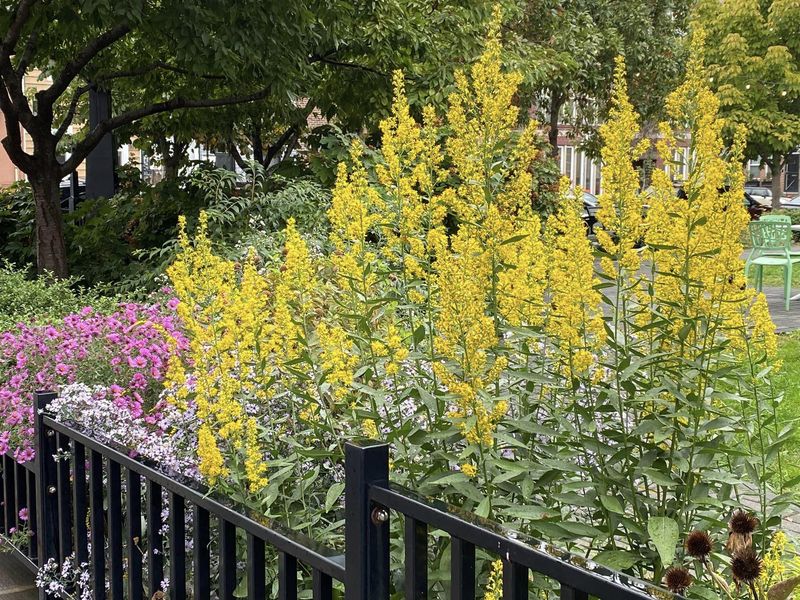
Bees navigate landscapes by following visual landmarks and remembering productive foraging locations.
A single goldenrod plant tucked into a mixed border provides some benefit, but a long fence line planted entirely with goldenrod creates a highly visible nectar highway that bees can easily locate and remember.
The linear arrangement acts like a billboard advertising food availability, drawing pollinators from considerable distances. Once bees discover your goldenrod fence, they will return repeatedly and recruit nestmates to join them.
Mass plantings deliver exponentially more value than scattered individuals. A hundred goldenrod plants growing together along your fence produce a concentrated nectar and pollen resource that can support numerous bee colonies simultaneously.
This abundance allows bees to forage efficiently without competition stress. Multiple bee species can feed side-by-side without conflict because the sheer volume of available flowers eliminates resource scarcity.
Your fence becomes a communal dining hall where all pollinators find welcome. Fence lines also provide structural benefits that improve bee foraging success. The fence itself blocks wind, creating a calmer microclimate where bees can work flowers more easily.
Many native bees nest in the ground near fence lines, appreciating the undisturbed soil and protective barrier the fence provides.
Having abundant food directly adjacent to nesting sites reduces the energy bees must expend commuting between home and foraging areas, improving their overall efficiency and survival.
Strategic fence line plantings create pollinator corridors that connect fragmented habitats across Texas neighborhoods.
When multiple properties plant goldenrod along shared fence lines, they establish continuous pathways that allow bees to move safely through developed areas.
These corridors become vital lifelines in suburban and urban environments where natural habitat has largely disappeared. Your fence planting contributes to a larger landscape-scale conservation effort that benefits entire pollinator communities.
6. Goldenrod Is Easy To Grow In Texas Conditions
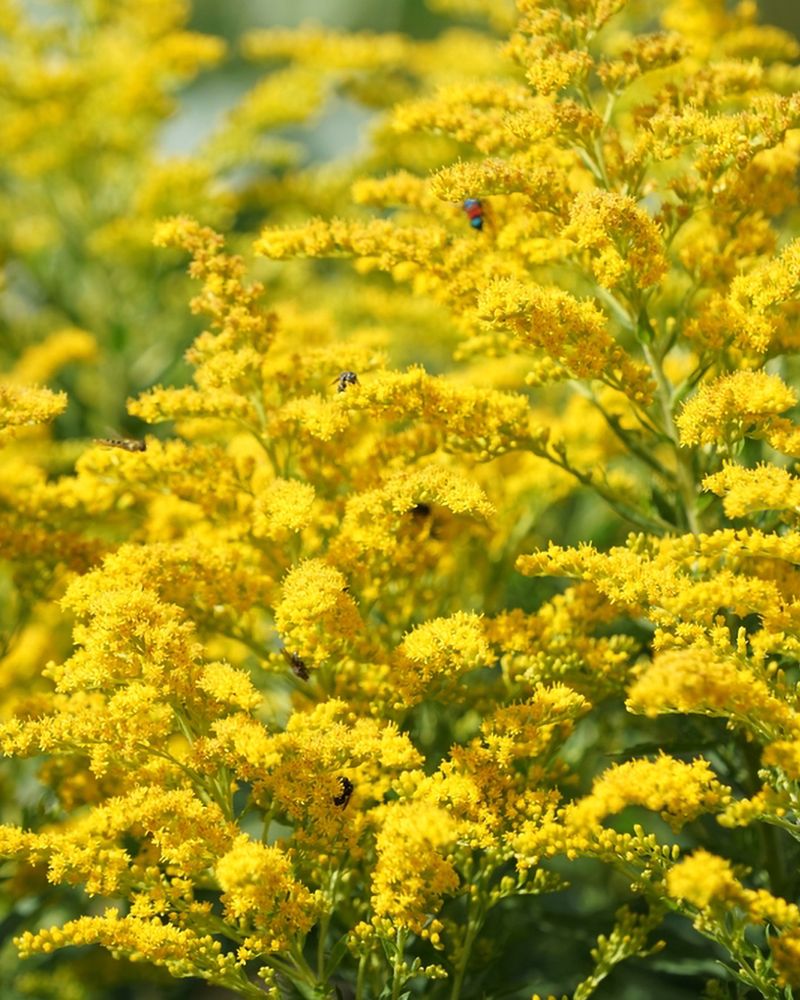
Texas gardeners know that successful landscaping means choosing plants that can handle intense heat, occasional drought, and variable soil quality. Goldenrod checks every box on this tough-plant checklist.
Native Texas goldenrod species evolved here over thousands of years, developing deep root systems and physiological adaptations that allow them to thrive in conditions that would stress or eliminate less adapted plants.
Once established, goldenrod soldiers through summer heat waves, sporadic rainfall, and temperature swings without complaint.
Planting goldenrod requires minimal effort and expense. Young plants establish quickly when planted in March, taking advantage of spring moisture to develop strong root systems before summer arrives.
Goldenrod tolerates a wide range of soil types from heavy clay to sandy loam, though it performs best with decent drainage. No soil amendments or fertilizers are necessary.
Simply dig a hole, plant at the same depth the plant grew in its container, water thoroughly, and let nature take over.
Maintenance demands remain remarkably light after establishment. Water new plantings regularly for the first month, then gradually reduce frequency as roots extend deeper into the soil.
By the second season, most goldenrod varieties survive entirely on rainfall except during extreme drought. No pruning or deadheading is required.
Goldenrod naturally grows into attractive clumps that fill space along your fence without becoming invasive or unruly. Pests and diseases rarely affect goldenrod, eliminating the need for chemical interventions.
Reliable blooming makes goldenrod especially valuable for Texas gardens. Some ornamental plants bloom sporadically or skip flowering during stress years, but goldenrod consistently produces its golden display every fall regardless of weather conditions.
This dependability ensures your fence line will provide bee habitat year after year without replanting or special care.
The low-maintenance nature of goldenrod makes it perfect for busy homeowners who want to support pollinators without adding complicated garden chores to their schedules.
7. How To Create A Bee-Friendly Fence Garden With Goldenrod
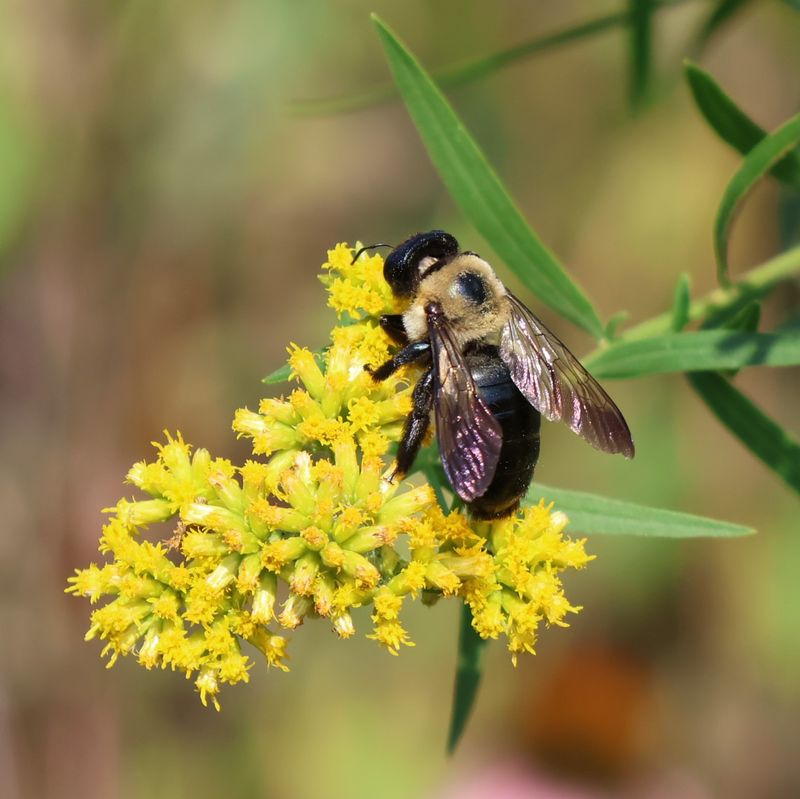
Starting your bee-friendly fence garden begins with selecting the right goldenrod variety for your Texas location. Solidago canadensis (Canada goldenrod) and Solidago rigida (stiff goldenrod) both perform excellently throughout most of Texas.
Purchase plants from native plant nurseries when possible, as these sources typically offer regionally appropriate genetics. Plan to space plants 18 to 24 inches apart along your fence line, allowing them room to mature into full clumps without crowding.
Group plantings create stronger visual impact and better bee attraction than single scattered plants. Consider planting goldenrod in drifts of at least five to seven plants per section, repeating these groupings along your entire fence length.
This massed approach generates the concentrated nectar resources that make your garden a reliable destination for foraging bees. The repetition also creates an attractive rhythmic design that looks intentional rather than random.
Avoiding pesticides and herbicides is absolutely critical for creating genuinely bee-safe habitat. Even products labeled as bee-safe can harm pollinators when applied to blooming plants or when residues persist in pollen and nectar.
Embrace a few chewed leaves or occasional aphids as signs of a healthy ecosystem rather than problems requiring chemical solutions.
Beneficial insects will naturally control most pest populations if given time to establish. Your fence garden should be a refuge where bees encounter zero toxins.
Companion planting amplifies the benefits of your goldenrod fence line. Combine goldenrod with other Texas native bee plants that bloom at different times, extending the seasonal food availability.
Purple salvia blooms from spring through fall, providing consistent nectar alongside your goldenrod. Black-eyed Susans flower during summer, bridging the gap before goldenrod starts.
Annual sunflowers add height and drama while feeding bees and seed-eating birds. This diverse planting supports more bee species and creates visual interest throughout the growing season.
Leave goldenrod stems standing through winter rather than cutting everything down in fall. Native bees including mason bees and leafcutter bees nest inside hollow plant stems, using them as protective chambers where they spend winter as pupae.
Cutting stems in fall destroys these nests and eliminates next year’s bee population. Wait until late March or early April to cut back old growth, giving overwintering bees time to emerge as adults.
This simple practice dramatically increases the native bee populations your garden supports.