Why Texas Families Use Rosemary Plants As Christmas Trees

In many Texas homes, traditional pine trees are giving way to something a little more practical.
Rosemary plants shaped like Christmas trees are becoming a popular choice, especially in kitchens and small spaces.
They smell great, look festive, and pull double duty long after the holidays end.
For Texas families, this trend makes sense. Rosemary handles indoor conditions well and thrives outdoors once spring arrives.
Instead of tossing out a dried tree, homeowners can plant rosemary in the yard or keep it growing in a pot.
The plant becomes part of everyday cooking, making it both decorative and useful.
This shift reflects a growing interest in simpler, more sustainable holiday traditions.
A rosemary Christmas tree is proof that celebrating does not have to mean waste.
Sometimes the best traditions are the ones that keep on giving long after the decorations come down.
They Thrive Indoors In Texas Homes
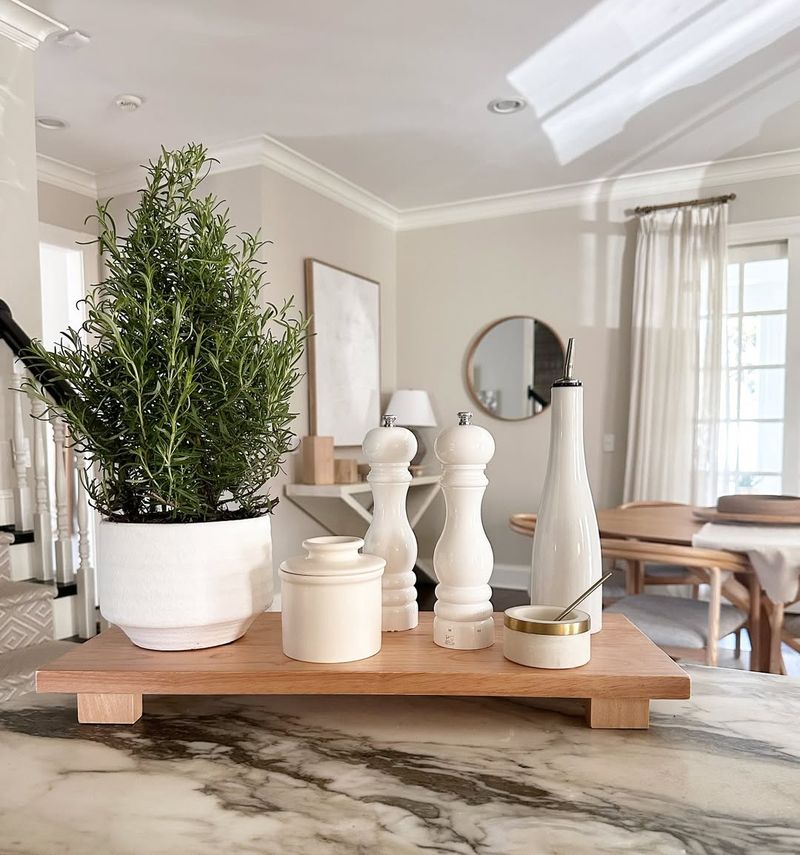
Rosemary plants adapt beautifully to indoor environments, making them ideal for Texas households during the holiday season.
Unlike traditional pine trees that struggle with heated indoor air and begin dropping needles within days, rosemary actually enjoys the bright light streaming through Texas windows.
Place your rosemary tree near a south-facing window, and it will reward you with robust growth and vibrant green foliage throughout December.
Texas homes typically maintain temperatures between 68 and 72 degrees during winter, which suits rosemary perfectly.
This Mediterranean herb evolved in climates similar to Texas, so it handles indoor conditions without the stress that causes pine trees to deteriorate rapidly.
You will notice your rosemary staying perky and fresh-looking while neighbors struggle with browning evergreens.
Watering requirements are straightforward and forgiving.
Rosemary prefers soil that dries slightly between waterings, so you will not deal with the constant moisture monitoring that cut trees demand.
Simply check the soil every few days, water when the top inch feels dry, and your living Christmas tree will flourish indoors.
The plant’s woody stems and dense foliage maintain their structure beautifully, giving you a picture-perfect holiday centerpiece that actually improves with proper care rather than declining day by day.
They Are Fully Edible After The Holidays
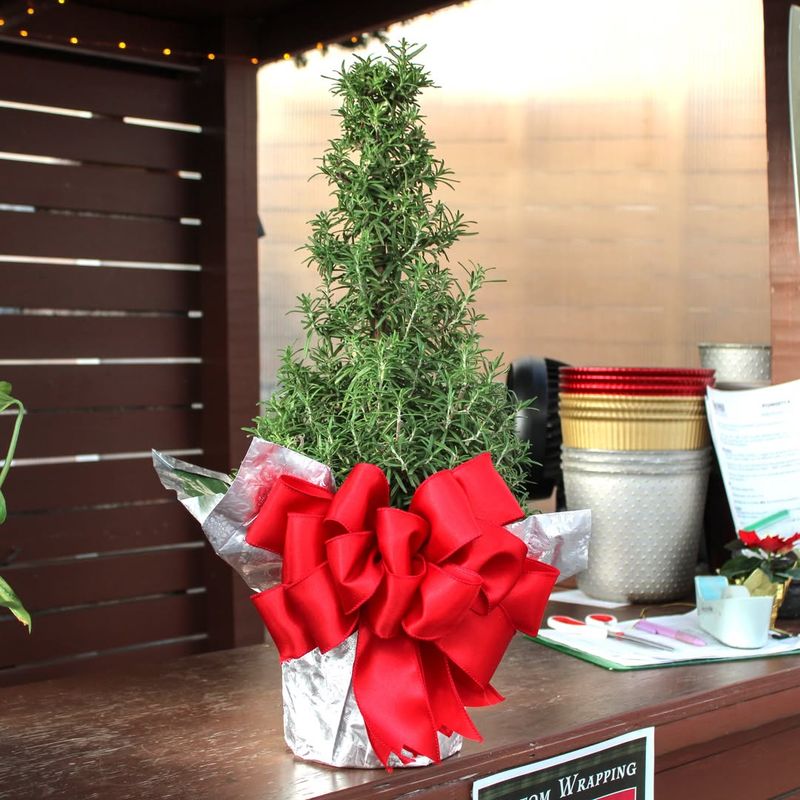
Once the ornaments come down and January arrives, your rosemary Christmas tree transforms into a year-round culinary resource.
Every sprig you clip for roasted chicken, grilled vegetables, or homemade bread comes from the same plant that brought holiday joy to your home.
This dual purpose makes rosemary trees incredibly practical for families who appreciate fresh herbs in their cooking.
Fresh rosemary elevates countless dishes with its pine-like fragrance and bold flavor.
Texas families use it for seasoning barbecue, flavoring olive oil, and adding aromatic depth to soups and stews.
Having a living herb plant in your kitchen means you can snip exactly what you need without buying expensive packaged herbs that often go to waste.
The plant keeps producing new growth, so regular harvesting actually encourages bushier, healthier development.
Kids especially enjoy watching their former Christmas tree become part of family meals.
It teaches valuable lessons about sustainability and resourcefulness while making cooking more interactive and fun.
You might find yourself using rosemary more frequently simply because it sits conveniently on your counter, inspiring culinary creativity.
From holiday centerpiece to kitchen staple, this transition showcases the remarkable versatility of rosemary plants and explains why Texas families have embraced them so enthusiastically as edible Christmas decorations.
They Can Be Planted Outside In Spring

When warm weather returns to Texas, your rosemary Christmas tree finds a permanent home in your landscape.
This evergreen herb thrives in Texas gardens, tolerating heat, drought, and alkaline soils that challenge many other plants.
Transplanting your holiday rosemary outdoors extends its life indefinitely while beautifying your yard with fragrant, year-round greenery.
Rosemary grows exceptionally well across most Texas regions, from Houston’s humidity to Austin’s rocky terrain.
It prefers well-draining soil and full sun, conditions readily available in Texas backyards.
Once established, rosemary requires minimal watering and virtually no maintenance, making it perfect for busy families or those new to gardening.
The plant can grow into a substantial shrub reaching three to four feet tall, providing both ornamental beauty and culinary harvests for years.
Planting your Christmas tree outdoors creates a living memory that grows alongside your family.
Each time you harvest rosemary for cooking or catch its fragrance on a summer breeze, you will remember the holiday season when it first entered your home.
Many Texas families make this spring planting a tradition, adding a new rosemary plant to their landscape each year.
Over time, these plantings create fragrant hedges or garden borders that serve practical and sentimental purposes while thriving in Texas conditions.
They Smell Better Than Artificial Trees

Walking into a home with a rosemary Christmas tree greets you with genuine botanical fragrance rather than plastic or chemical scents.
The natural aroma fills rooms with hints of pine, mint, and lemon, creating an authentic holiday atmosphere that artificial trees simply cannot replicate.
This aromatic quality ranks among the top reasons Texas families choose rosemary over synthetic alternatives.
Brushing against the plant releases bursts of essential oils that refresh your entire living space.
Unlike artificial trees that might emit off-gassing odors from manufacturing processes, rosemary provides clean, natural fragrance that many people find calming and uplifting.
The scent subtly permeates your home without overwhelming it, creating a welcoming environment for family gatherings and holiday celebrations.
Guests consistently comment on how pleasant and fresh homes smell when rosemary serves as the Christmas tree.
Rosemary’s fragrance also offers practical benefits beyond pleasant ambiance.
The plant’s aromatic compounds have been associated with improved focus and reduced stress, making your holiday space feel more peaceful.
Some families gently shake their rosemary tree each morning to release fresh waves of scent throughout their home.
Compared to artificial trees that provide only visual decoration, rosemary engages multiple senses while contributing to a healthier indoor environment through its natural air-freshening properties and living presence.
They Are Low Maintenance Compared To Cut Trees
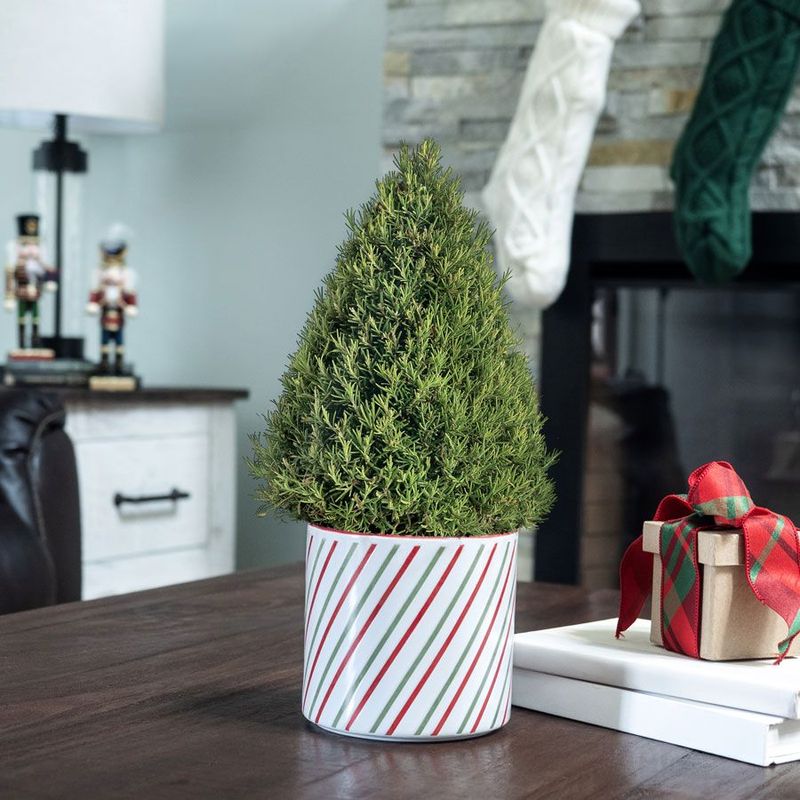
Traditional cut Christmas trees create daily cleanup tasks that rosemary plants eliminate entirely.
Pine needles scatter across floors, carpets, and furniture, requiring constant vacuuming and sweeping throughout the holiday season.
Rosemary keeps its leaves firmly attached to woody stems, maintaining a tidy appearance without the mess that frustrates so many families each December.
Watering a rosemary plant takes seconds compared to the effort required for cut trees.
You simply water the potted plant every few days, letting excess drain into a saucer, rather than crawling under branches to fill a tree stand reservoir.
There is no sticky sap to clean from hands or floors, no water spills to mop up, and no concerns about pets or children accessing stagnant water that can harbor bacteria.
The entire care routine becomes simpler and more pleasant.
Disposal represents another significant advantage.
When the holidays end, you do not wrestle a dried, brittle tree through doorways, leaving a trail of needles in your wake.
Your rosemary simply stays in place, transitions to kitchen use, or moves outdoors when weather permits.
Busy Texas families especially appreciate this convenience, as it saves time and energy during an already hectic season while providing a cleaner, more organized home environment throughout the holidays.
They Fit Small Homes And Apartments

Space constraints make traditional Christmas trees impractical for many Texas households, but rosemary offers a perfect solution.
These compact plants typically stand between 12 and 24 inches tall, fitting comfortably on tables, countertops, or shelves without dominating entire rooms.
Apartment dwellers and those living in smaller homes can enjoy authentic holiday greenery without sacrificing precious square footage.
Rosemary trees bring festive spirit to spaces where full-sized evergreens would feel overwhelming or impossible.
College students in dorm rooms, young professionals in studio apartments, and families in cozy townhomes all benefit from this scaled-down approach to holiday decorating.
The plant adds visual interest and seasonal cheer without blocking walkways, crowding furniture, or making rooms feel cramped.
You can even place multiple small rosemary trees throughout your home, creating holiday touches in several areas rather than concentrating everything in one location.
Decorating rosemary trees becomes a creative challenge that yields charming results.
Miniature ornaments, tiny string lights, and small ribbon bows transform these plants into adorable focal points that spark conversation and delight visitors.
Their modest size makes them manageable for children to help decorate, turning tree-trimming into a hands-on family activity that even the youngest members can enjoy safely and successfully.
They Support Sustainable Living

Environmental consciousness drives many Texas families toward rosemary Christmas trees as part of broader sustainability efforts.
These living plants eliminate the waste associated with cut trees that serve only a few weeks before heading to landfills or recycling centers.
Choosing rosemary aligns holiday traditions with values of resource conservation and environmental responsibility that many households prioritize year-round.
Rosemary plants continue contributing to your household long after the holiday season concludes.
They produce oxygen, provide culinary herbs, and eventually enhance outdoor landscapes when transplanted in spring.
This extended usefulness contrasts sharply with single-use decorations that create waste without offering ongoing benefits.
Families teaching children about sustainability find rosemary trees provide concrete examples of how thoughtful choices reduce environmental impact while maintaining cherished traditions.
The reusable nature of rosemary Christmas trees saves money over time while reducing consumption.
Rather than purchasing a new cut tree annually, families invest once in a living plant that provides multiple years of value through kitchen use and landscape beauty.
Even the pot and soil can be reused for other plants, creating a closed-loop system that minimizes waste.
Texas families appreciate this practical approach to holiday celebrating that honors both tradition and environmental stewardship without requiring sacrifice or compromise.
They Hold Their Shape Naturally
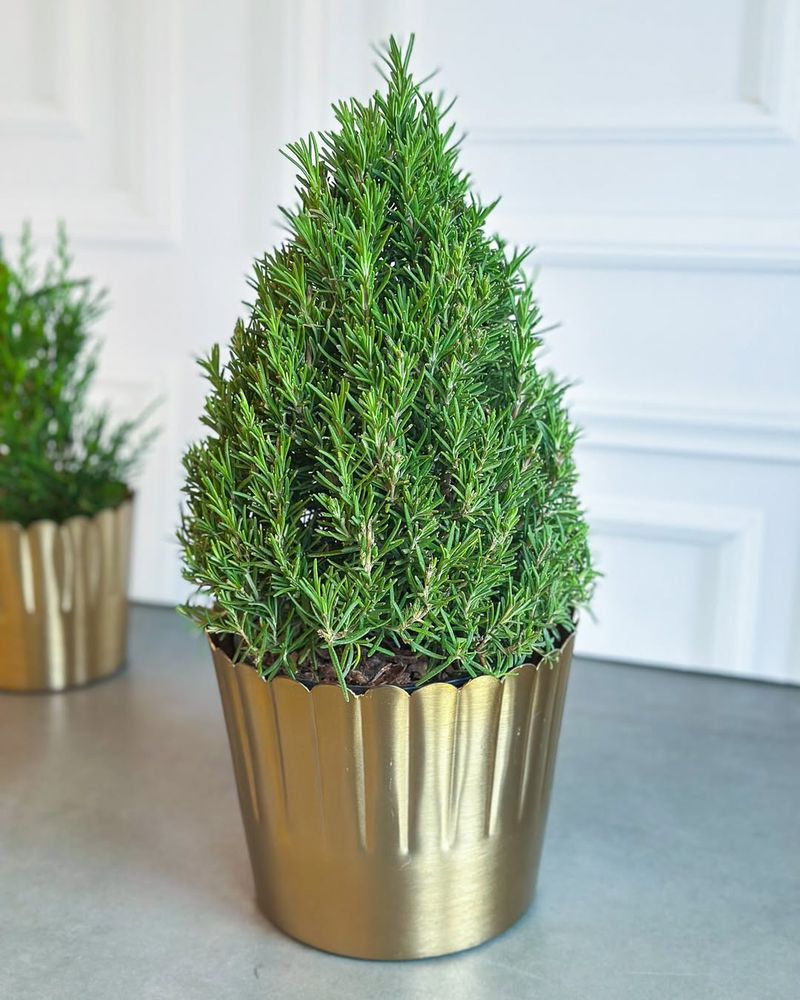
Rosemary plants develop naturally conical growth patterns that mimic traditional Christmas tree silhouettes without requiring elaborate shaping or manipulation.
Nurseries cultivate rosemary specifically for holiday use, training young plants into pyramidal forms that look festive and intentional.
This woody herb maintains its structure beautifully throughout the season, requiring no fluffing, adjusting, or branch arrangement like artificial trees demand.
The plant’s upright growth habit and dense branching create a miniature tree form that holds ornaments surprisingly well despite its small size.
Sturdy woody stems support lightweight decorations without drooping or bending, and the compact foliage provides numerous attachment points for tiny ornaments and garlands.
Unlike floppy houseplants that require staking or support, rosemary stands proudly on its own, presenting a tidy, tree-like appearance that needs minimal intervention to look its best.
As rosemary continues growing after the holidays, regular trimming for cooking maintains its attractive shape naturally.
Clipping sprigs for recipes acts as pruning that encourages bushier growth and prevents the plant from becoming leggy or unbalanced.
This happy coincidence means your culinary harvesting doubles as plant maintenance, keeping your rosemary looking great without requiring specialized gardening knowledge or extra effort beyond normal kitchen use throughout the year.
They Blend Holiday Decor With Everyday Life

Rosemary Christmas trees erase the boundary between seasonal decoration and functional household items, creating a seamless integration that appeals to practical-minded Texas families.
Rather than storing decorations for 11 months or discarding them after brief use, your rosemary plant transitions effortlessly from holiday centerpiece to everyday kitchen herb.
This versatility reflects modern lifestyles that value multipurpose items and efficient use of space.
The plant looks equally at home dressed in ornaments or sitting unadorned beside your stove.
When January arrives, simply remove the decorations and relocate the rosemary to your kitchen counter or windowsill.
No storage bins, no attic trips, no guilt about waste or clutter.
The same plant that brought holiday joy continues contributing to daily life through cooking, making it feel less like a decoration and more like a valued household member with multiple roles.
This practical approach resonates with families seeking meaning and purpose in their possessions.
Every item earns its place through usefulness rather than sitting idle most of the year.
Rosemary Christmas trees embody this philosophy perfectly, serving festive, culinary, and ornamental purposes throughout their lifecycle.
Texas families appreciate this no-nonsense attitude toward holiday celebrating that honors tradition while embracing contemporary values of sustainability, practicality, and intentional living that make sense for busy modern households.