Why Texas Gardens Are Better With At Least 5 Milkweed Plants
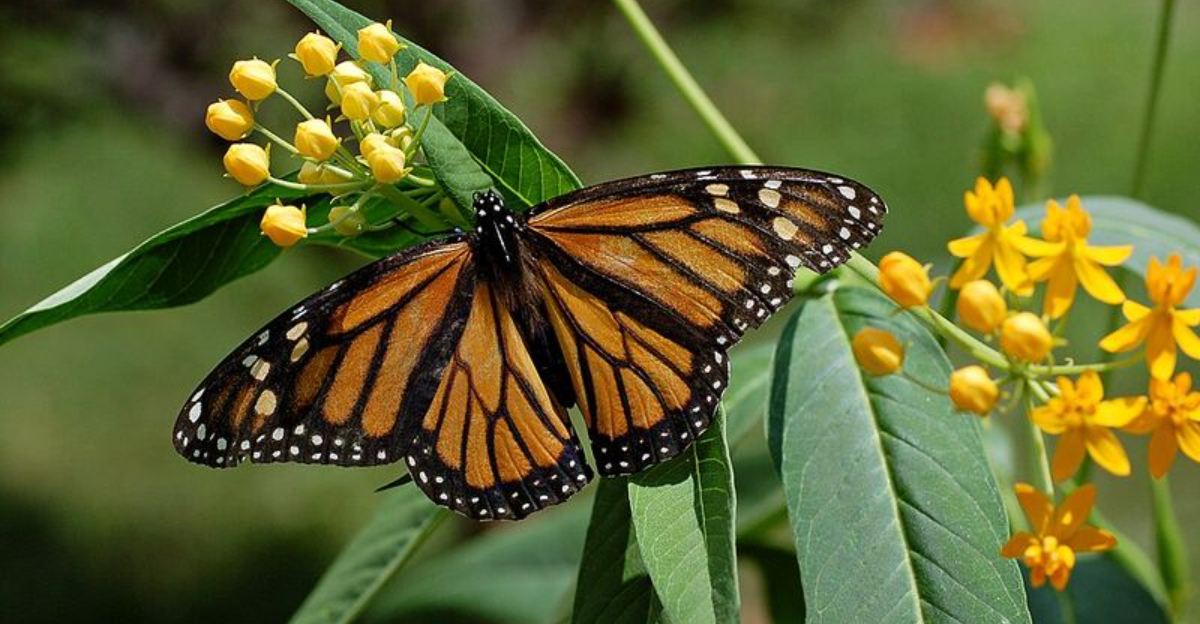
Texas gardeners have discovered a simple secret that transforms ordinary yards into vibrant ecosystems full of life, color, and purpose every single season.
Milkweed plants offer far more than pretty blooms because they support butterflies, improve soil health, and require minimal water in our hot climate.
Planting at least five milkweed varieties creates a stronger habitat network that helps pollinators thrive while reducing your overall garden maintenance time significantly.
Your garden becomes a sanctuary where nature works with you instead of against you when milkweed takes root in your landscape design.
1. Monarch Butterflies Find A Safe Haven
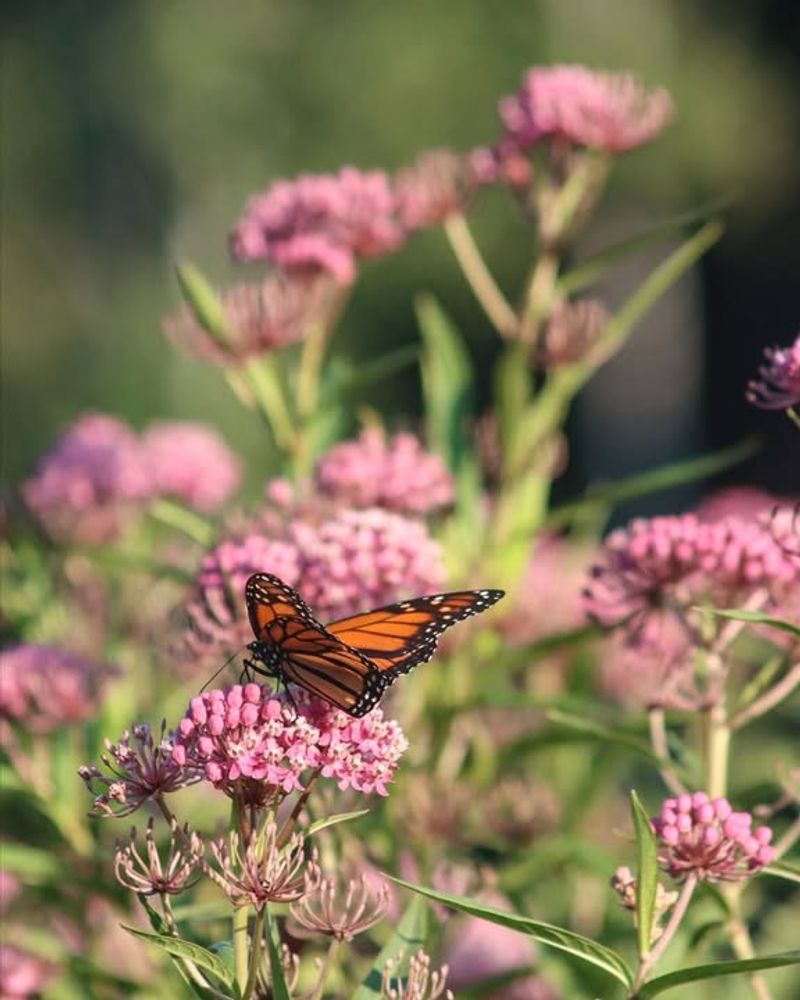
Monarchs depend entirely on milkweed because their caterpillars cannot survive by eating any other plant species found across Texas or elsewhere in nature.
Female monarchs search for milkweed leaves to lay eggs, and once hatched, tiny caterpillars munch exclusively on these nutritious leaves for growth.
Without enough milkweed in your garden, monarchs will simply pass by your property and search for better locations to raise their young families.
Having five or more plants ensures that even if one gets completely eaten, others remain available for the next generation of butterflies.
Texas sits directly along the central flyway migration route, making your garden a critical rest stop for thousands of monarchs traveling each spring.
Each plant you add increases the chances that exhausted butterflies will pause, refuel, and successfully complete their incredible journey northward through our state.
Watching caterpillars transform into chrysalises and then emerge as stunning butterflies creates unforgettable moments that children and adults treasure for years afterward.
2. Native Texas Varieties Thrive In Heat
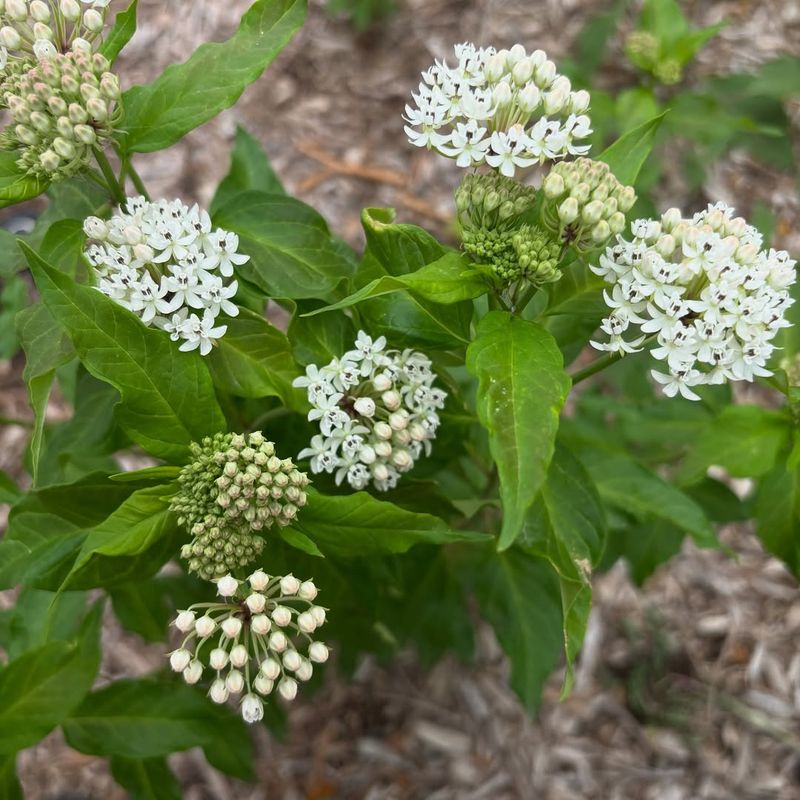
Texas summers challenge even the toughest garden plants, but native milkweed species have adapted perfectly to scorching temperatures and intense sunlight exposure daily.
Antelope horn milkweed and green milkweed are two local champions that flourish when temperatures soar above one hundred degrees without wilting or struggling.
These native varieties developed deep root systems over thousands of years, allowing them to access moisture far below the surface during droughts.
Gardeners who choose native milkweed save money on water bills because these plants require far less irrigation than non-native ornamental species typically do.
Once established after the first season, native milkweed becomes incredibly self-sufficient and returns year after year without needing replanting or special winter protection.
Their tough leaves resist common pests better than imported varieties, meaning you spend less time spraying chemicals or worrying about infestations ruining your plants.
Planting five native milkweeds creates a resilient foundation that handles Texas weather extremes while supporting local wildlife populations that evolved alongside these remarkable plants.
3. Pollinators Get A Year-Round Buffet

Beyond monarchs, dozens of other pollinator species visit milkweed flowers daily, including bumblebees, honeybees, wasps, beetles, and even ruby-throated hummingbirds seeking nectar.
Different milkweed species bloom at staggered times throughout spring, summer, and fall, providing continuous food sources when other garden flowers have finished blooming.
This extended blooming period means pollinators can rely on your garden for sustenance during early spring when few other plants offer pollen or nectar.
Having five plants increases the likelihood that at least one variety will be flowering at any given time during the growing season.
Pollinators remember reliable food sources and return repeatedly, bringing friends and establishing your garden as a recognized feeding station within the local ecosystem.
More pollinators visiting your property means better fruit set on vegetable plants, improved seed production in flowers, and healthier overall garden productivity without extra effort.
Creating this pollinator paradise requires minimal work once milkweed establishes itself, yet the benefits multiply exponentially as insect populations grow stronger and more diverse.
4. Soil Quality Improves Naturally
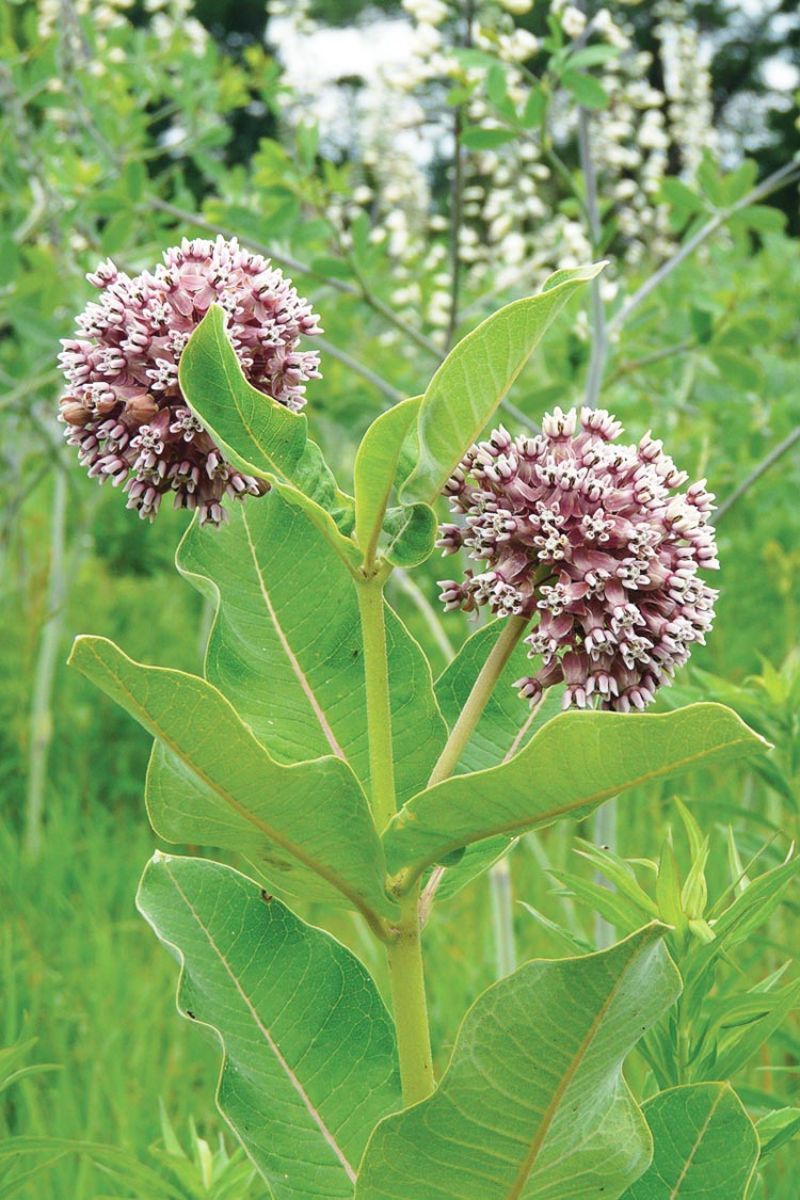
Milkweed roots penetrate deep into Texas clay and sandy soils, breaking up compacted layers that prevent water infiltration and limit oxygen availability for organisms.
As roots grow and eventually decompose, they create channels that earthworms and beneficial microbes use to move freely through previously hard, impenetrable ground.
These underground pathways improve drainage during heavy rains while simultaneously helping soil retain moisture during dry spells by increasing organic matter content over time.
Milkweed leaves that fall naturally each autumn decompose quickly, adding valuable nitrogen and other nutrients back into the soil without requiring commercial fertilizers.
Planting five milkweeds in different garden areas spreads this soil improvement across your entire yard rather than concentrating benefits in just one spot.
Healthier soil supports not only milkweed but also surrounding plants, creating a ripple effect that strengthens your entire landscape without chemical interventions or expensive amendments.
Over several seasons, gardeners notice easier digging, better water absorption, and more vigorous plant growth in areas where milkweed has been growing consistently.
5. Water Conservation Becomes Effortless

Established milkweed plants survive Texas droughts with minimal supplemental watering because their extensive root systems tap into deep moisture reserves unavailable to shallow-rooted plants.
Gardeners can confidently reduce irrigation frequency once milkweed matures, cutting water usage by significant amounts compared to maintaining lawns or thirsty ornamental flower beds.
During water restrictions common in many Texas cities during summer, milkweed continues thriving while other plants wilt and struggle without constant human intervention.
Having five plants means you maintain garden beauty and function even when rainfall disappears for weeks, avoiding the brown, lifeless look of neglected landscapes.
Milkweed leaves have waxy coatings that reduce moisture loss through evaporation, an adaptation that helps them conserve every precious drop absorbed from the soil.
This natural efficiency makes milkweed ideal for xeriscaping projects where beauty and ecological function must coexist with responsible water management practices in arid climates.
Your water bill decreases noticeably when milkweed replaces water-hungry plants, freeing up resources for other household needs while maintaining an attractive, wildlife-friendly outdoor space.
6. Garden Maintenance Time Drops Dramatically
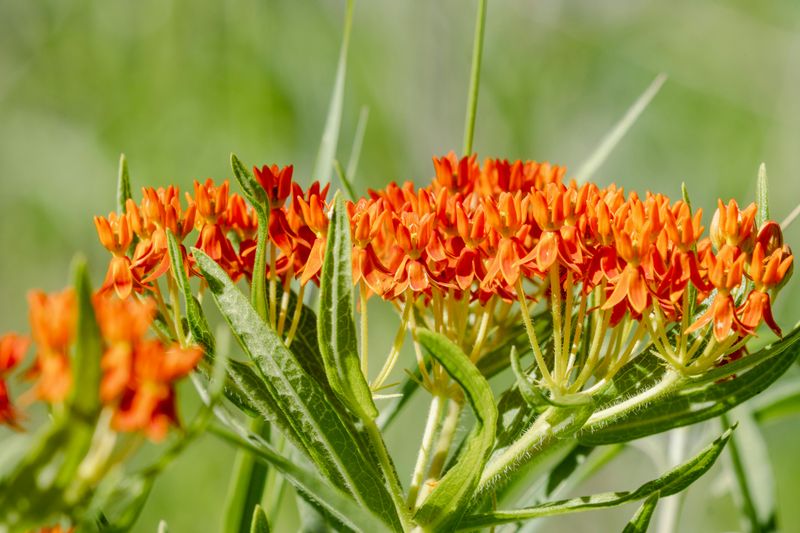
Milkweed requires almost no pruning, deadheading, staking, or fussing once established, freeing gardeners from endless weekend chores that consume time and energy unnecessarily.
Unlike roses or annual flowers that demand constant attention, milkweed grows independently, resists most diseases, and rebounds quickly from occasional pest damage without intervention.
Weeds struggle to compete with milkweed because its dense root systems and leaf canopy shade out unwanted plants, reducing the need for tedious hand-weeding.
Planting five milkweeds creates a natural ground cover effect that suppresses weed growth across larger areas, multiplying your time savings exponentially throughout the season.
Fertilizing becomes unnecessary because milkweed thrives in average Texas soils without nitrogen supplements, phosphorus boosters, or expensive soil amendments that other plants require.
You avoid the cycle of buying, applying, and reapplying products that promise better blooms but ultimately create dependency and increase costs over time.
More time relaxing in your garden and less time working in it becomes reality when milkweed forms the foundation of your landscape design.
7. Unique Textures Add Visual Interest
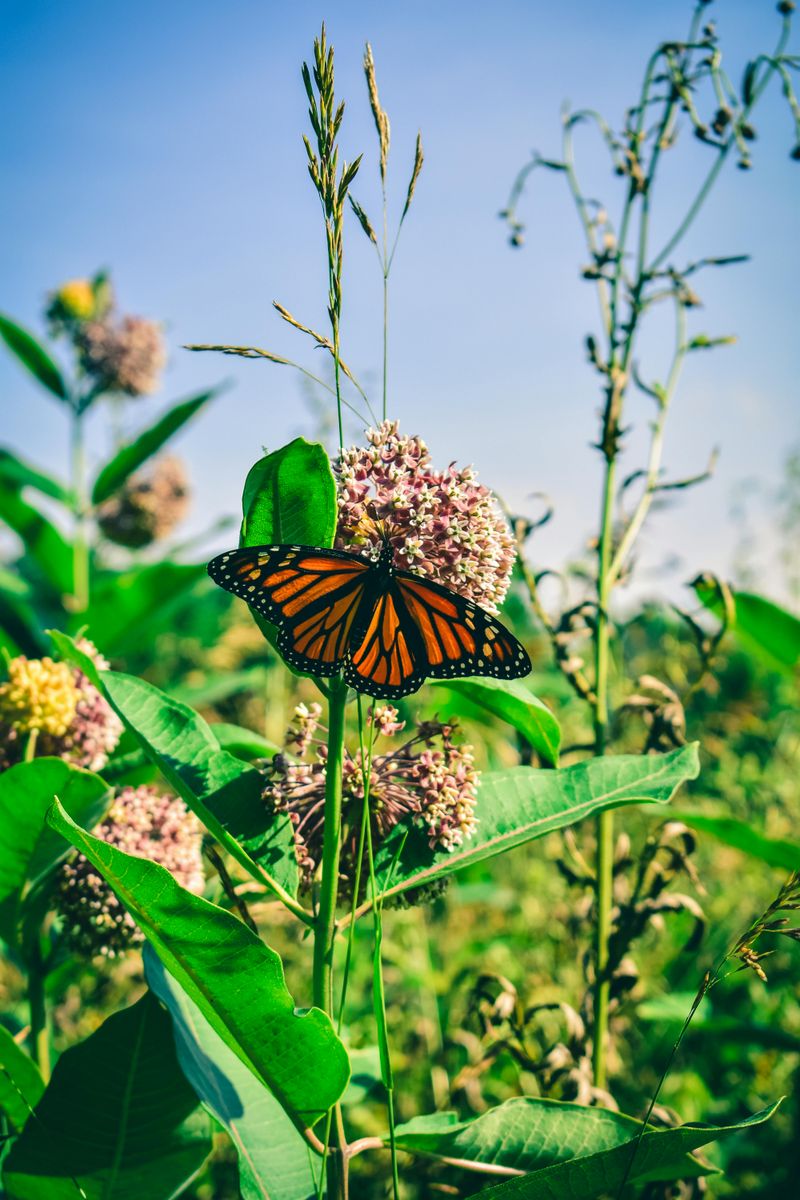
Milkweed species offer surprising diversity in appearance, from the broad, tropical-looking leaves of butterfly weed to the narrow, grass-like foliage of antelope horn.
Flower colors range from vibrant orange and yellow to soft pink, deep purple, and creamy white, providing options that complement any existing garden palette.
The unique seed pods that form after flowering add sculptural elements that remain attractive even after flowers fade, extending visual interest into late autumn.
Planting five different milkweed varieties creates layers of texture, height, and color that make your garden look professionally designed without hiring expensive landscape architects.
Contrasting leaf shapes placed near each other create dynamic compositions that catch the eye and prevent the monotonous appearance common in single-species plantings.
Milkweed works beautifully in cottage gardens, modern landscapes, wildflower meadows, and formal borders, adapting its appearance to match your personal aesthetic preferences effortlessly.
Neighbors often ask about the interesting plants in your garden, sparking conversations about native species and inspiring others to create their own pollinator-friendly landscapes.
8. Educational Opportunities Bloom At Home

Children become captivated when they discover monarch eggs smaller than pinheads attached to milkweed leaves, sparking curiosity about insect life cycles and metamorphosis.
Watching caterpillars grow from tiny hatchlings to plump, striped crawlers provides daily lessons in biology that no textbook or video can replicate authentically.
Families gather around milkweed plants to witness chrysalises forming, then wait eagerly for adult butterflies to emerge and take their first flight together.
Having five plants ensures that these magical moments happen repeatedly throughout the season rather than occurring once and then ending before everyone gets a chance.
Teachers appreciate when students share observations from home gardens, bringing real-world science connections into classroom discussions about ecosystems, conservation, and environmental responsibility.
Milkweed gardens become outdoor classrooms where children learn patience, observation skills, and respect for nature through direct, hands-on experiences that shape lifelong attitudes.
Adults rediscover wonder alongside children, remembering that learning never stops and that nature constantly offers new surprises when we pay attention to details.
9. Wildlife Corridors Connect Neighborhoods
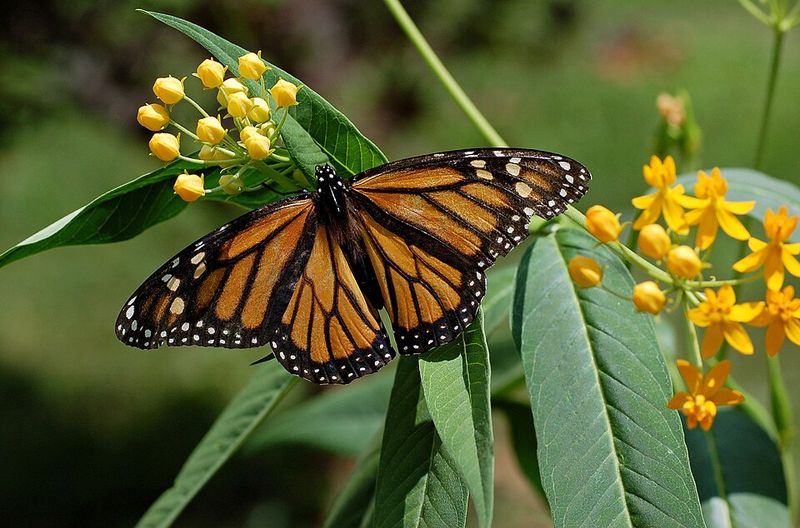
When multiple neighbors plant milkweed, individual gardens link together to form wildlife corridors that allow butterflies and other pollinators to move safely through urban areas.
These connected habitats function like highways for insects, providing continuous resources that isolated patches cannot offer, significantly improving survival rates for migrating populations.
Your five milkweed plants might connect with a neighbor’s plantings two houses down, creating a chain reaction that strengthens the entire community’s ecological health.
Wildlife corridors combat habitat fragmentation caused by development, offering hope for species struggling to find suitable living spaces in increasingly urbanized Texas landscapes.
Butterflies flying from your garden to the next spread pollen, distribute seeds, and maintain genetic diversity within local populations that might otherwise become isolated.
Community pride grows when neighbors work together toward shared conservation goals, fostering friendships and cooperation that extend beyond gardening into other neighborhood improvement projects.
Your individual effort multiplies exponentially when others join in, proving that small actions taken collectively create meaningful environmental change at local and regional scales.
10. Climate Resilience Strengthens Ecosystems
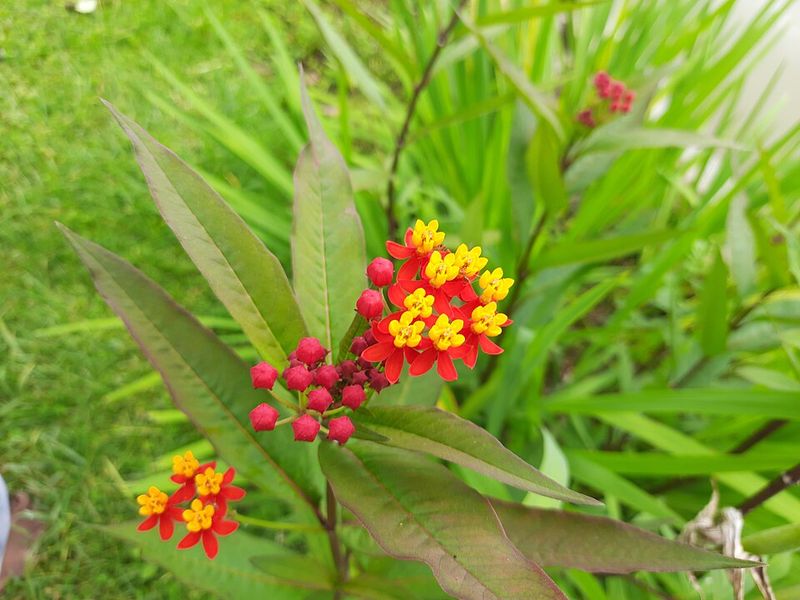
Climate change brings unpredictable weather patterns to Texas, but diverse plantings including milkweed create resilient ecosystems better able to withstand temperature fluctuations and precipitation extremes.
Milkweed supports not just monarchs but entire food webs, as caterpillars become food for birds, and flowers nourish countless insect species that other animals depend upon.
Biodiversity increases dramatically when milkweed establishes itself, creating stability that helps ecosystems recover quickly from storms, droughts, freezes, and other environmental stresses beyond control.
Five plants provide redundancy so that if one struggles during an unusually harsh season, others survive and maintain habitat continuity for dependent species.
Gardens with high plant diversity, including milkweed, demonstrate greater resistance to invasive species, diseases, and pest outbreaks that devastate monoculture landscapes regularly.
Supporting pollinators through milkweed planting contributes directly to food security because these insects pollinate crops that humans depend on for fruits, vegetables, and nuts.
Your garden becomes part of the solution to global environmental challenges, demonstrating that individual actions matter and that hope exists when people choose to work with nature.