Why Texas Homeowners Are Growing Lavender Near Their Front Doors
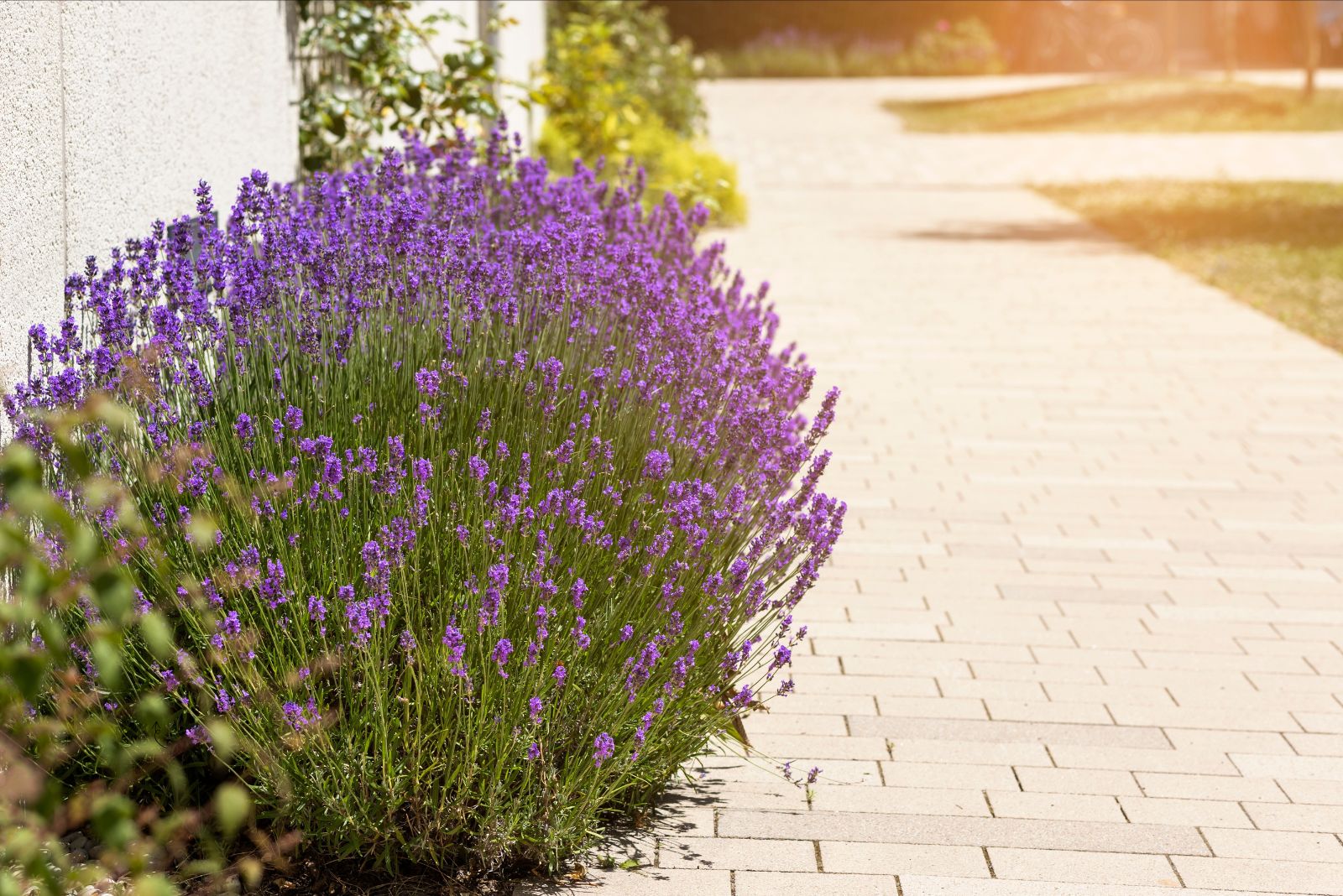
Walk through a Texas neighborhood and you might notice a soft, calming scent greeting you before you even reach the door.
More and more homeowners are planting lavender right by their entryways, and it is not just for looks. This hardy, sun loving plant thrives in Texas conditions and brings a mix of beauty, fragrance, and practical benefits to the front of the home.
Its silvery green foliage and purple blooms add instant curb appeal, while the soothing aroma creates a warm, welcoming vibe for guests and family alike.
Many Texans also love that lavender is low maintenance once established and can even help keep certain pests away.
Curious why this charming plant is becoming a front door favorite? Let’s explore the real reasons Texas homeowners are embracing lavender and why it might be the perfect addition to your own entryway too.
1. Lavender Keeps Mosquitoes And Other Pests Away Naturally
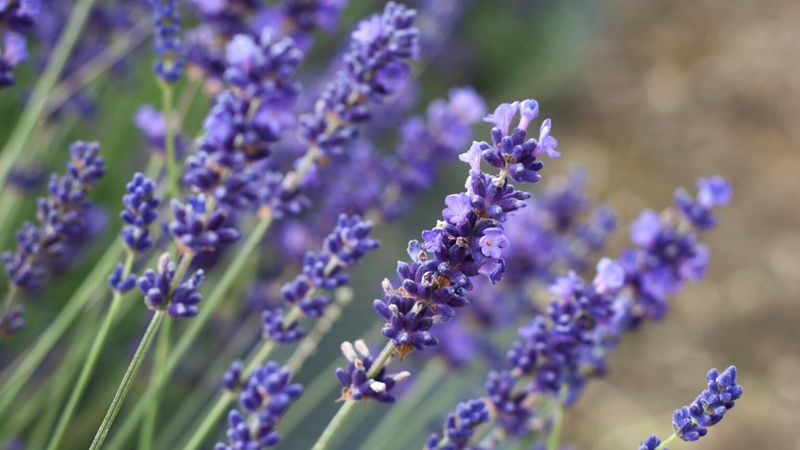
Mosquitoes can make spending time outside your Texas home pretty miserable during warm months. Lavender produces a strong scent that these biting insects absolutely hate.
The natural oils in lavender flowers and leaves work like a barrier that keeps mosquitoes from wanting to come near your front door.
Texas homeowners have found that planting lavender near entryways creates a protective zone. When people brush against the plants while walking by, the oils release even more strongly.
This natural defense means fewer bug bites when you are getting your mail or greeting guests at the door.
Beyond mosquitoes, lavender also helps keep away flies, moths, and even some spiders. Many families in Texas prefer this natural approach instead of spraying chemicals around their homes. The plants keep working day and night without any extra effort from you.
The pest-fighting power of lavender comes from compounds like linalool and camphor. These natural chemicals smell wonderful to humans but are really unpleasant to insects. Planting several lavender bushes creates an even stronger effect than just one plant.
During summer evenings when bugs are most active, lavender continues doing its job. Texas gardeners often combine lavender with other pest-fighting plants for even better results.
The best part is that this solution looks beautiful while protecting your family. Setting up this natural pest control takes minimal work.
Once established, lavender plants in Texas need very little care while providing constant protection. Your front entrance becomes a more comfortable space for everyone who visits.
2. This Hardy Plant Thrives In Hot Texas Weather
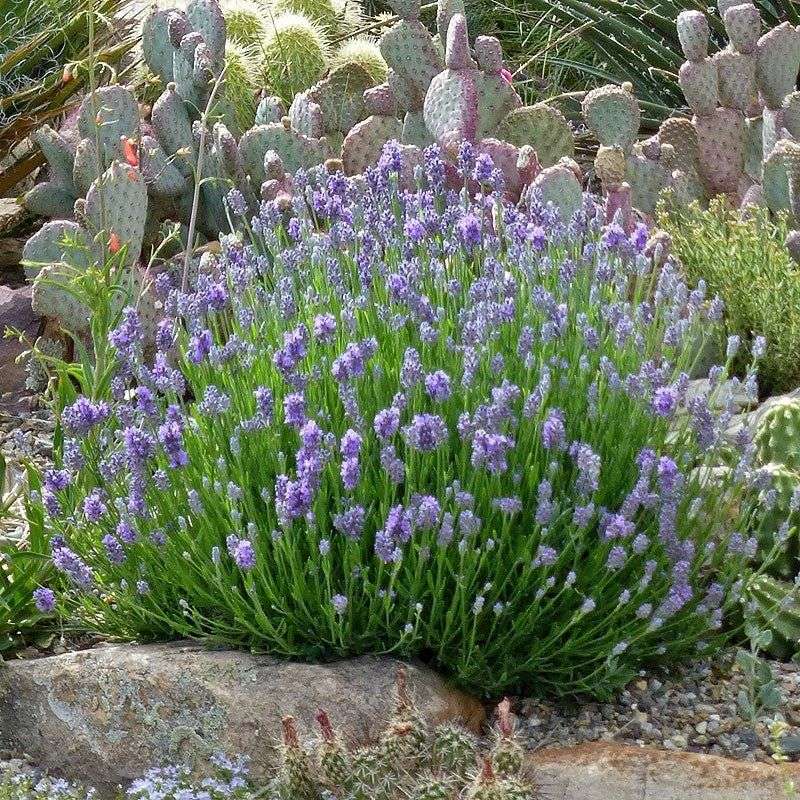
Texas summers bring intense heat that destroys many garden plants. Lavender actually loves these hot conditions and grows stronger when temperatures climb.
Originally from Mediterranean regions, this plant evolved to handle blazing sun and dry spells without any problems.
Most lavender varieties need full sunlight for at least six hours daily. Texas provides plenty of that throughout the year.
The plant’s gray-green leaves have a special coating that reflects sunlight and reduces water loss. This natural design makes lavender perfect for the Texas climate.
During those scorching July and August days, lavender keeps its color and shape. Other flowers might wilt or turn brown, but lavender stays vibrant.
Homeowners across Texas appreciate having a reliable plant that looks good even during heat waves.
Lavender also handles drought conditions really well. Its deep root system searches for water underground, so you do not need to water it constantly.
This saves time and money on water bills. Many Texas cities have watering restrictions during dry periods, making drought-tolerant plants extra valuable.
The plant grows quickly in Texas soil when given proper drainage. Sandy or rocky soil that challenges other plants works perfectly for lavender.
From El Paso to Galveston, different Texas regions all provide suitable growing conditions for various lavender types.
Winter cold snaps rarely bother established lavender plants in most Texas areas. They can handle brief freezes and bounce back quickly when warm weather returns.
This toughness means your investment in lavender plants pays off year after year without needing replacement.
3. The Beautiful Purple Flowers Boost Your Home’s Curb Appeal
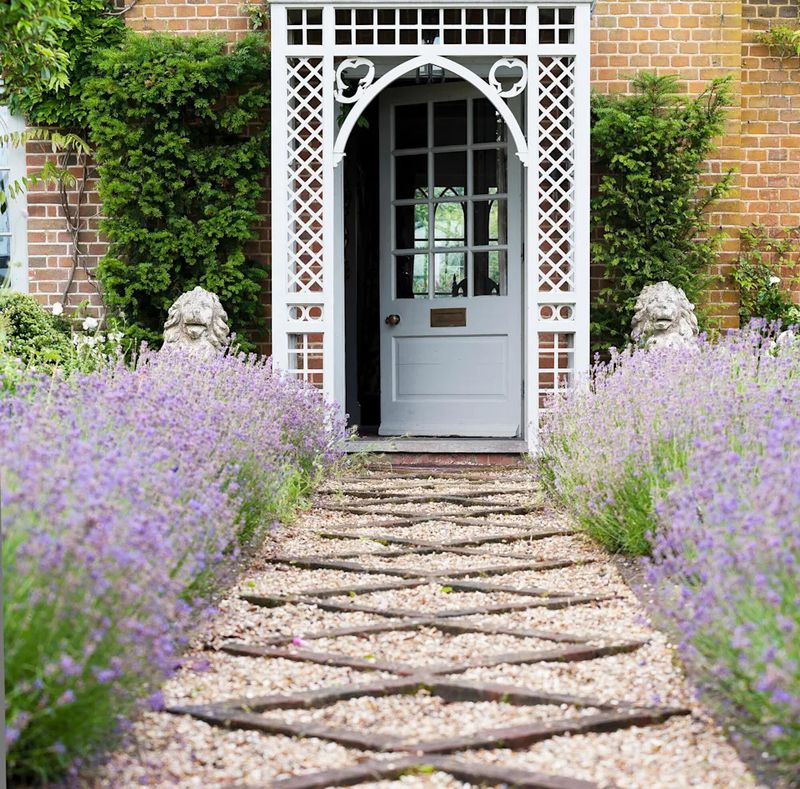
First impressions matter when people approach your home. Lavender creates an instantly appealing look with its gorgeous purple blooms and neat growing habit.
The silvery-green foliage provides year-round color even when flowers are not blooming. This combination makes your Texas home stand out in the neighborhood.
Real estate agents often mention that good landscaping increases property values. Lavender offers an affordable way to achieve that polished, well-maintained appearance.
The plants grow in tidy mounds that look intentional and cared for rather than wild or messy.
When lavender blooms in late spring and early summer, the purple flower spikes create stunning visual impact. Visitors notice the beautiful display before they even reach your door. Many Texas homeowners plant lavender in rows or groups to maximize this effect.
The purple color works well with almost any house exterior. Whether your Texas home has brick, stone, or siding, lavender complements the look.
The plants also pair nicely with other common landscaping choices like roses, ornamental grasses, or succulents.
Photography enthusiasts love using lavender as a backdrop for pictures. Your home’s entrance becomes Instagram-worthy when framed by these attractive plants.
This modern appeal matters to many homeowners who take pride in their property’s appearance.
Lavender maintains its shape naturally without much pruning. Unlike some shrubs that need constant trimming to look good, lavender stays compact and attractive with minimal effort.
This means your curb appeal stays strong without spending every weekend on yard work. Seasonal changes bring different beauty to lavender plantings.
Fresh green growth in spring, purple blooms in summer, and dried flower heads in fall all offer visual interest throughout the year in Texas.
4. Lavender Provides A Calming Scent That Welcomes Guests
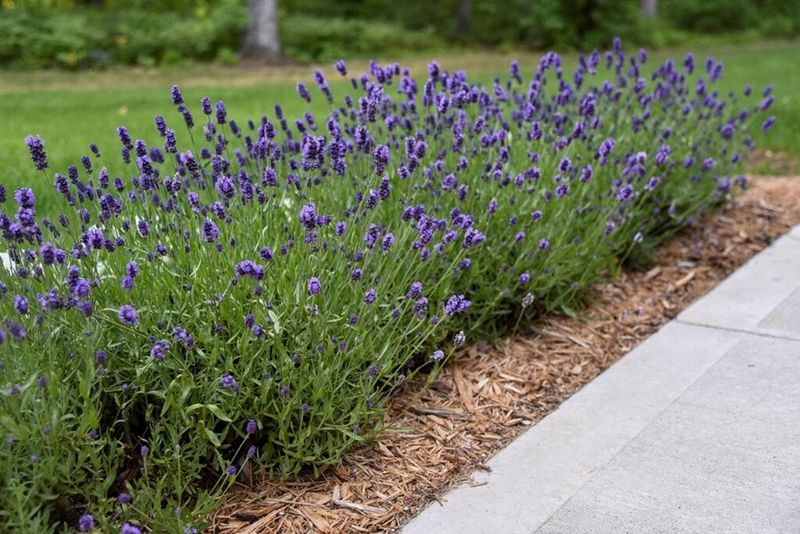
Walking up to a front door surrounded by lavender creates a sensory experience that puts people in a better mood.
The sweet, herbaceous fragrance greets visitors before they even ring the doorbell. This natural aromatherapy effect makes your Texas home feel more welcoming and special.
Scientists have studied how lavender scent affects the brain. Research shows it can reduce stress and promote relaxation.
When guests arrive at your home after a long day, that calming aroma helps them transition into a more peaceful state of mind.
The strength of lavender fragrance increases on warm Texas days. Sunshine and heat cause the plant oils to release more actively.
This means your entryway smells especially wonderful during afternoon and evening hours when people typically visit.
Many homeowners in Texas mention that the lavender scent reminds them of spa visits or vacation destinations. Creating that luxury feeling right at your own front door adds value to daily life. You get to enjoy the pleasant aroma every time you come home.
Unlike artificial air fresheners that can seem fake or overwhelming, lavender offers a subtle natural scent.
The fragrance does not give people headaches or trigger allergies the way some synthetic products do. This makes it a considerate choice when you have visitors with sensitivities.
The scent also has practical benefits beyond just smelling nice. That same aroma that relaxes humans also confuses and repels many insects. You get both aesthetic and functional advantages from the same feature.
Dried lavender keeps its fragrance for months after cutting. Some Texas homeowners harvest stems to bring that welcoming scent indoors. Fresh or dried, lavender creates a signature smell that people associate with your home.
5. These Plants Require Very Little Maintenance Once Established
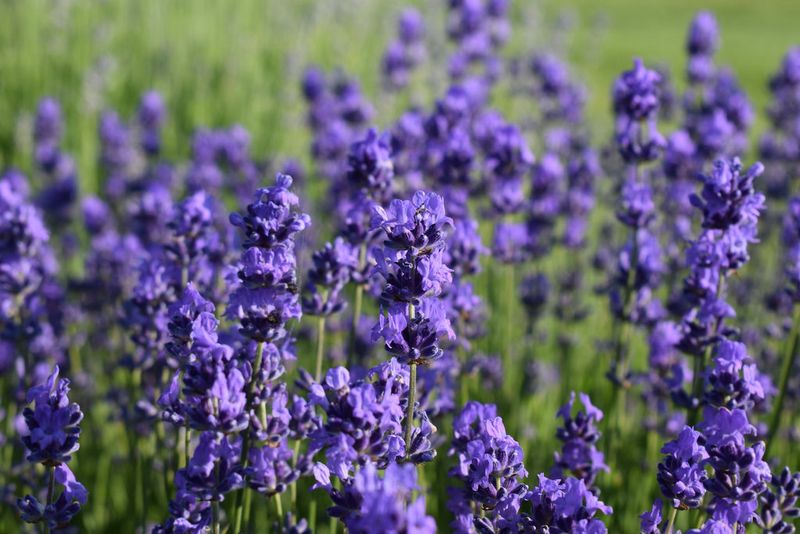
Busy Texas families need landscaping that does not demand constant attention. Lavender fits perfectly into that category once the plants get established in your soil. After the first growing season, these tough plants mostly take care of themselves.
Watering needs drop significantly after lavender develops its root system. You might only need to water during extreme drought conditions.
This low-water requirement saves time and keeps your utility bills lower. Many Texas homeowners water their lavender just once or twice monthly during summer.
Fertilizing lavender is actually not recommended in most cases. These plants prefer lean soil and can suffer from too many nutrients.
This means one less chore on your gardening to-do list. Your lavender will thrive without the fertilizer schedule that other plants demand.
Pruning lavender takes just a few minutes per plant once or twice yearly. A quick trim after blooming keeps the plants compact and encourages new growth.
You do not need special skills or expensive tools. Simple garden shears work perfectly fine for this easy task.
Lavender resists most diseases and pest problems that plague other garden plants. You probably will not need to spray pesticides or fungicides.
This hands-off approach appeals to Texas homeowners who want beautiful landscaping without constant intervention.
The plants spread slowly and stay where you put them. Unlike some aggressive ground covers or invasive species, lavender respects its boundaries.
You will not spend weekends pulling out unwanted shoots or controlling spread into other garden areas.
Replacing plants rarely becomes necessary since lavender lives for many years. Some Texas lavender plants continue producing beautiful blooms for a decade or longer. This longevity means your initial planting effort pays dividends for years to come.
6. You Can Harvest Lavender For Cooking And Crafts
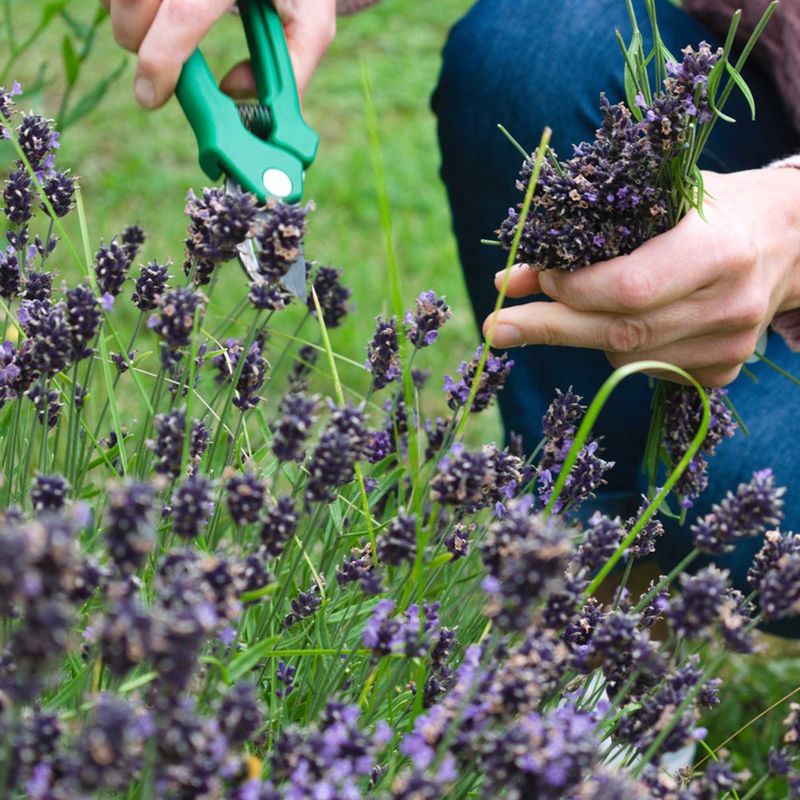
Growing lavender near your Texas front door gives you access to a versatile harvest. The flowers and leaves offer culinary and craft possibilities that store-bought lavender cannot match.
Having fresh lavender just steps from your kitchen makes trying new recipes much easier. Culinary lavender adds a unique floral note to baked goods, beverages, and savory dishes. Texas cooks use it in everything from shortbread cookies to grilled chicken marinades.
The flavor works especially well in summer recipes when the plants are blooming most actively.
Crafters value lavender for sachets, wreaths, and dried arrangements. Harvesting stems from your own front door plants costs nothing and provides a fun creative outlet.
Many Texas residents make lavender sachets as gifts for friends and family.
The essential oils in homegrown lavender are often stronger than commercial dried varieties. This means you get better results whether cooking or crafting. Freshness makes a real difference in the final product quality.
Timing your harvest correctly maximizes the useful oils in the flowers. Cut stems in the morning after dew dries but before the hot Texas sun peaks. This simple timing trick captures lavender at its most fragrant and flavorful.
Drying lavender is incredibly simple. Hang bundles upside down in a dark, dry space for a couple weeks.
Texas homes often have perfect spots like garages or spare rooms. Once dried, the lavender stores for months in sealed containers.
Having a renewable supply right outside your door encourages experimentation. You might discover new favorite recipes or craft projects.
The abundance from just a few plants means you can try ideas without worrying about wasting expensive purchased lavender.