Why Texas Homeowners Are Growing Salvia Near Their Front Doors
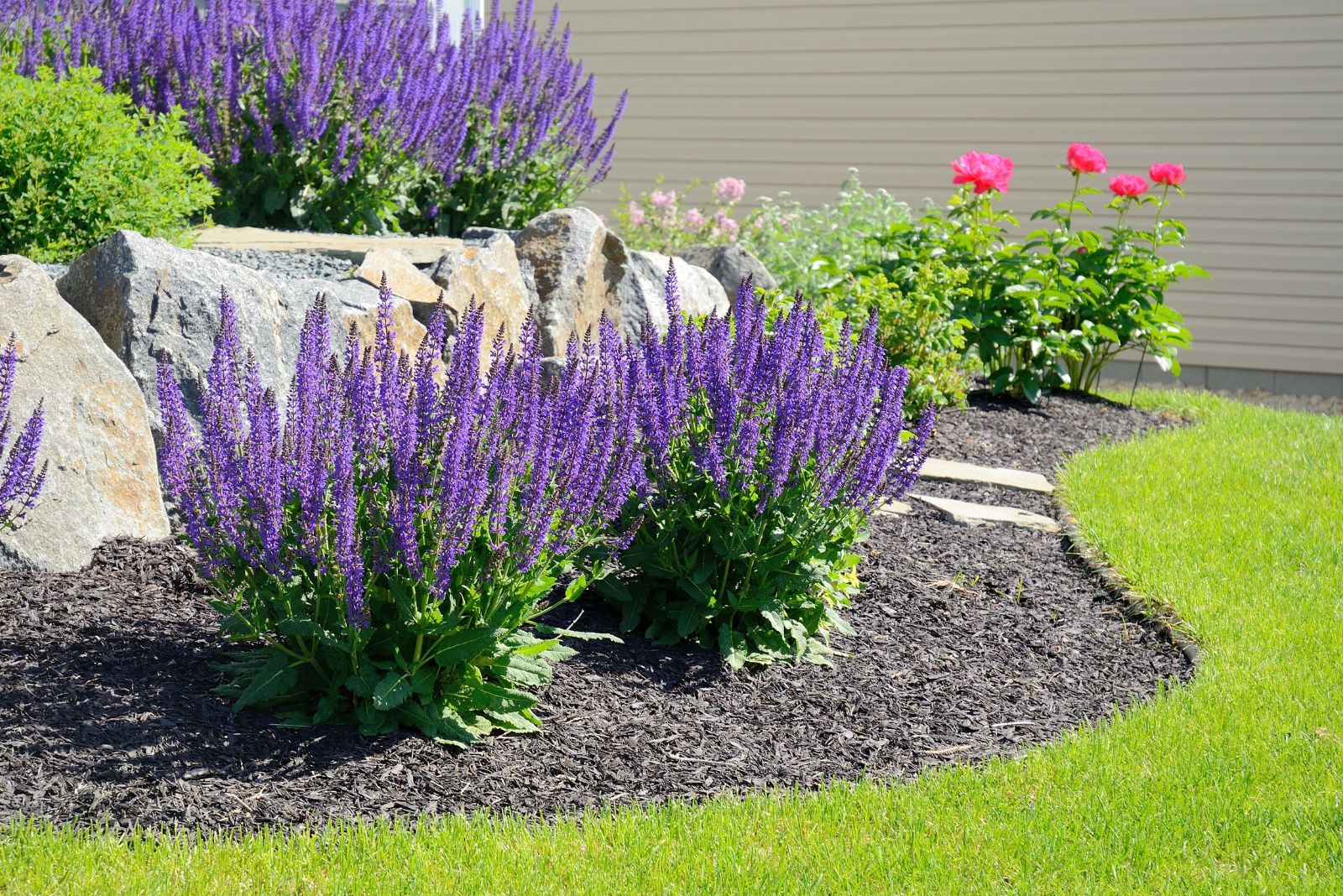
Bright spikes of color are appearing by front doors across Texas neighborhoods more than ever. Many homeowners are choosing salvia for its bold blooms, easy care, and ability to handle the Texas climate.
This sun loving plant thrives in heat, tolerates dry spells, and keeps flowering through long, hot months. Its vibrant colors instantly lift curb appeal and create a warm, welcoming entrance.
Hummingbirds, bees, and butterflies are drawn to salvia, adding movement and life right outside your door. Another reason people love it is the low maintenance nature.
Once established, it needs little water and minimal attention to stay healthy and full of color. Whether planted in garden beds or decorative pots, salvia brings lasting beauty with very little effort.
It is tough, colorful, and perfectly suited for Texas weather, which explains why more homeowners are planting it near their front doors every year.
1. Salvia Thrives In Brutal Texas Heat Without Constant Watering
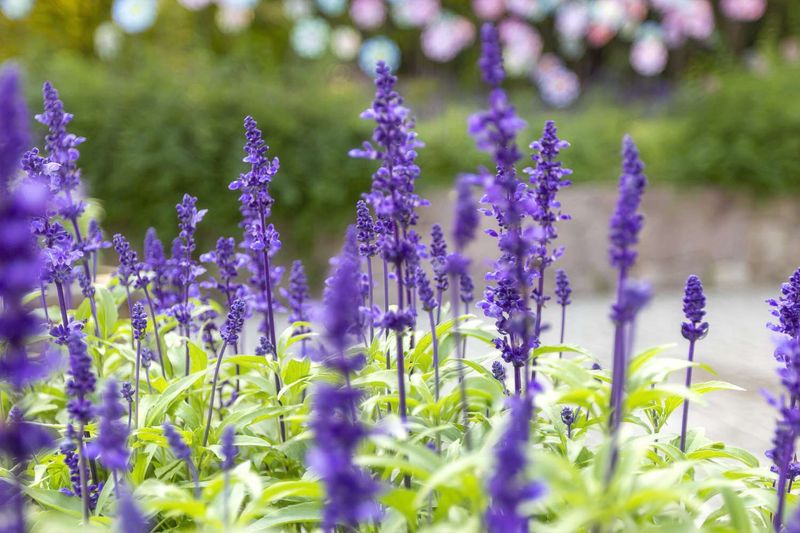
Texas summers can reach over 100 degrees for weeks at a time. Most plants wilt and struggle when temperatures climb that high, but salvia actually loves the heat. These plants evolved in hot, dry climates, so they handle Texas weather like champions.
Homeowners across Houston and Dallas have noticed their salvia keeps blooming even during drought conditions.
The plants have deep root systems that search for moisture below the surface. This means you don’t need to water them every single day like other flowers.
Salvia leaves have a waxy coating that helps them hold onto water. This special feature lets them survive when other plants would dry out completely.
Many Texas gardeners water their salvia just once or twice a week during summer, saving time and money on water bills.
The plants bounce back quickly even after extremely hot days. While petunias and impatiens might look sad and droopy by afternoon, salvia stands tall and keeps its color.
This toughness makes it perfect for busy families who don’t have hours to spend watering plants.
San Antonio residents particularly appreciate how salvia handles reflected heat from sidewalks and driveways.
The area near your front door often gets extra hot because concrete and brick absorb heat. Salvia doesn’t mind this challenging spot at all.
Choosing plants that match your climate just makes sense. When you pick salvia for your Texas home, you’re working with nature instead of fighting against it.
Your front entrance stays colorful without requiring constant attention or worry during those long, scorching summer months.
2. Hummingbirds Visit Daily When You Plant Salvia
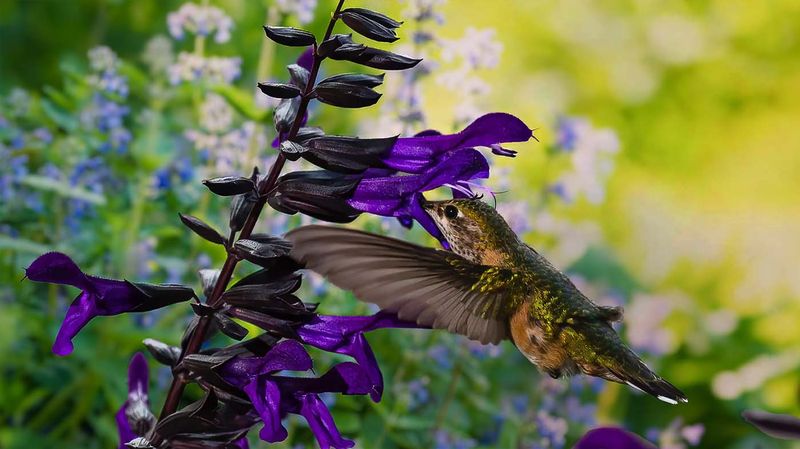
Watching hummingbirds zip around your front porch brings joy to any morning. Salvia flowers produce nectar that hummingbirds absolutely love.
The tubular shape of salvia blooms fits perfectly with hummingbird beaks, making feeding easy for these tiny birds.
Homeowners in Austin report seeing multiple hummingbirds throughout the day once their salvia starts blooming. The birds remember where good food sources are located and return regularly.
Your front door becomes a natural bird-watching spot without any special equipment needed.
Red salvia varieties attract the most hummingbirds because these birds see red colors extremely well. However, purple and blue salvia also bring visitors.
The constant blooming cycle means hummingbirds have reasons to stop by from spring through fall.
Kids especially love watching hummingbirds hover and dart around. These magical moments happen right at your entrance when salvia grows there.
Teachers in Texas often mention how students get excited sharing stories about hummingbirds visiting their homes.
Unlike bird feeders that need cleaning and refilling with sugar water, salvia takes care of itself. The plants produce fresh nectar naturally every day.
You get all the benefits of attracting hummingbirds without the maintenance work that feeders require.
Hummingbirds also help your other garden plants by spreading pollen as they move around. Creating a welcoming habitat for these beautiful creatures supports the local ecosystem.
Your simple choice to plant salvia near your front door contributes to keeping hummingbird populations healthy across Texas neighborhoods while giving your family endless entertainment.
3. Mosquitoes And Other Pests Stay Away From Salvia
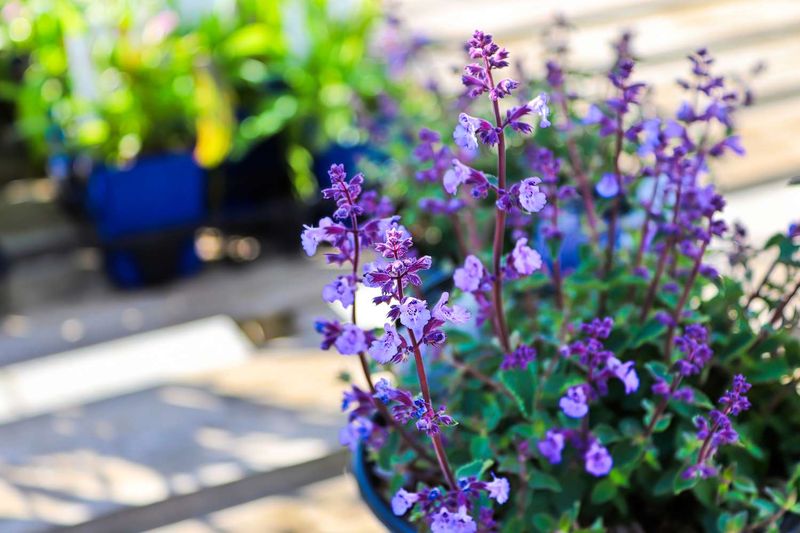
Nobody enjoys swatting mosquitoes while trying to enter their own home. Salvia leaves contain natural oils that mosquitoes find unpleasant.
When you brush past salvia plants, these oils release into the air and create an invisible barrier that bugs avoid.
Many Texas homeowners have noticed fewer mosquitoes buzzing around their front doors after planting salvia. The scent doesn’t bother people at all, but insects sense it strongly.
This natural pest control works without any sprays or chemicals near where your family walks every day.
Deer and rabbits also tend to skip over salvia when looking for plants to munch on. The fuzzy texture and strong scent make salvia unappealing to these animals. If you live near wooded areas in Texas Hill Country, this protection matters a lot.
Other common garden pests like aphids and whiteflies rarely bother salvia either. The plant’s natural defenses keep it healthy without needing pesticide treatments.
This means less work for you and safer conditions for children and pets playing near your entrance.
Some varieties of salvia smell slightly minty or herbal when their leaves get touched. This pleasant aroma for humans acts as a natural repellent for unwanted insects.
Your front porch area becomes more comfortable for sitting outside during evening hours.
Fort Worth residents dealing with summer mosquito problems have found salvia particularly helpful. Combining beautiful flowers with practical pest control makes salvia a smart choice.
You can enjoy your outdoor space more when annoying bugs decide to stay away from your welcoming front entrance.
4. Salvia Blooms Keep Coming Back Without Replanting
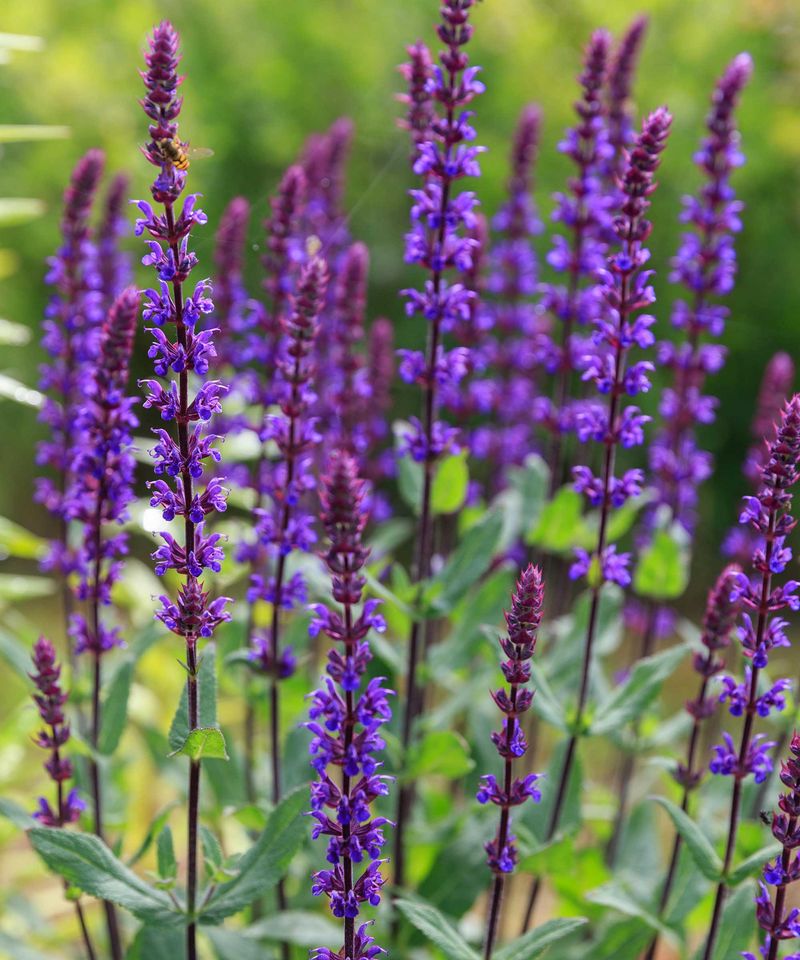
Annual flowers need replanting every single year, which costs money and takes effort. Salvia grows as a perennial in most Texas regions, meaning the same plants return season after season. You plant them once and enjoy years of colorful blooms without starting over.
The plants go dormant during winter months but their roots stay alive underground. When spring warmth arrives, new growth emerges from those established roots.
This cycle continues year after year, making salvia an excellent investment for your landscaping budget.
Established salvia plants actually grow bigger and produce more flowers each year. A small plant you put in this spring might double in size by next summer.
Within a few years, you’ll have impressive clusters of blooms that make your entrance look professionally landscaped.
Texas gardeners appreciate not having to shop for new flowers every spring. Once your salvia gets established, it basically takes care of itself. The money you save on replacement plants adds up quickly over time.
Some salvia varieties spread slowly to fill in empty spaces naturally. This means fewer weeds growing near your front door because the salvia crowds them out. Your entrance stays neat with less work required from you.
Corpus Christi homeowners with sandy soil find salvia particularly reliable as a perennial. The plants adapt well to different soil types across Texas.
Whether you have clay, sand, or rocky soil, salvia roots dig in and establish themselves permanently, giving you dependable color year after year without the hassle of replanting.
5. Low Maintenance Requirements Fit Busy Texas Lifestyles
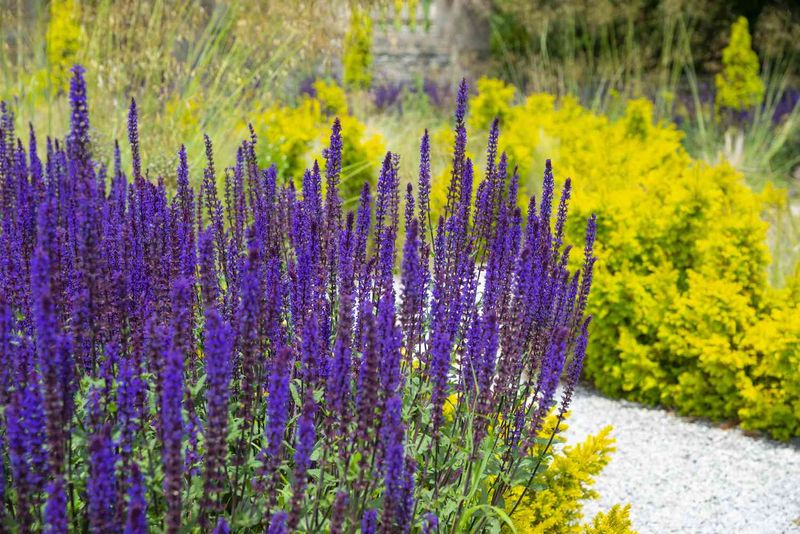
Modern families juggle work, school activities, and countless responsibilities. Finding time for complicated garden maintenance often feels impossible.
Salvia fits perfectly into busy schedules because these plants need very little attention once established.
You don’t need to fertilize salvia constantly like some other flowering plants. A light feeding once in spring and maybe once in summer keeps them happy.
Many Texas homeowners skip fertilizer completely and their salvia still blooms beautifully, thriving on natural nutrients in the soil.
Pruning requirements are minimal and flexible. You can trim back spent flower stalks when you notice them, or wait and do it all at once.
Either way works fine. Salvia forgives irregular maintenance schedules, unlike fussy plants that demand precise timing.
The plants rarely get diseases that require treatment. Their natural resistance means you won’t spend weekends diagnosing problems or buying special products. This reliability matters when you have limited time for yard work.
Plano residents with demanding careers mention how salvia stays attractive even when they travel for work. Coming home to a welcoming entrance with blooming flowers feels great, especially when you didn’t have to arrange for plant care while away.
Salvia doesn’t drop messy leaves or create constant cleanup work near your front door. The plants stay relatively tidy throughout their growing season. This means less sweeping and tidying around your entrance area.
Choosing low-maintenance plants shows smart planning. Your home looks cared for and inviting without consuming all your free time.
Salvia delivers beauty and color while respecting your busy lifestyle, making it a practical choice for Texas homeowners who want great results without endless effort.
6. Vibrant Colors Create Instant Curb Appeal
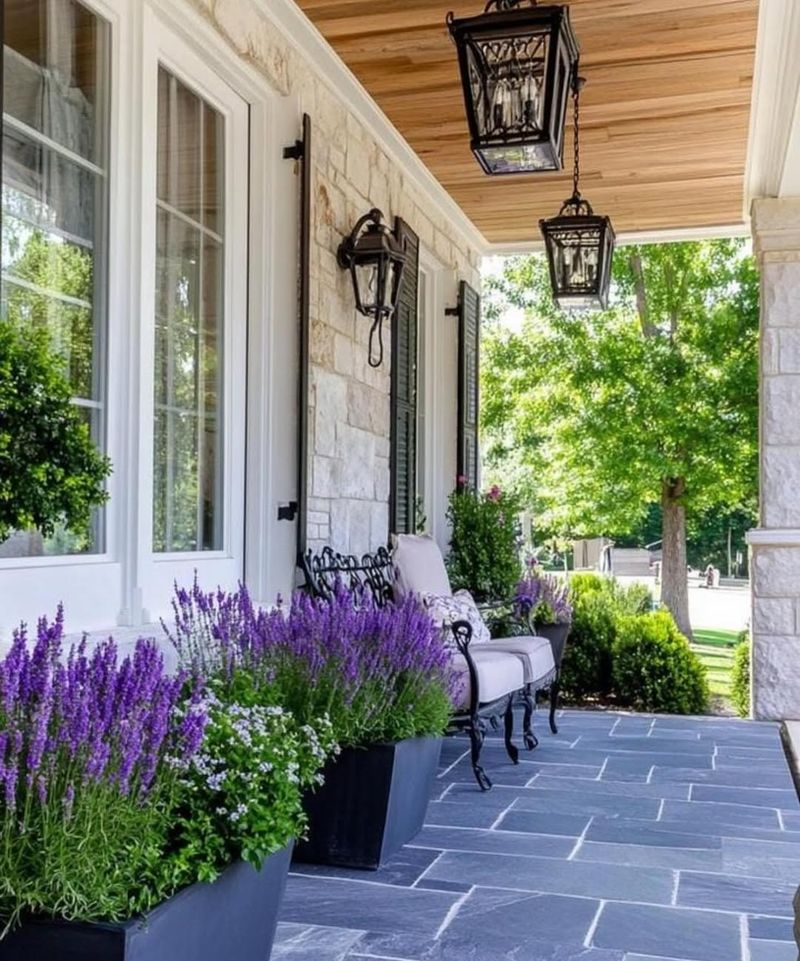
First impressions matter when guests arrive or potential buyers view your home. Bright salvia flowers immediately catch attention and make your entrance feel welcoming.
The bold reds, deep purples, and vivid blues stand out beautifully against Texas limestone, brick, or siding.
Real estate agents across Texas mention how simple landscaping improvements boost home values.
Colorful flowers near the front door rank among the easiest upgrades with the biggest visual impact. Salvia provides that pop of color for months at a time.
Different salvia varieties bloom at slightly different times throughout the season. By planting a few types together, you can have continuous color from late spring through fall. This extended blooming period means your entrance looks great for most of the year.
The vertical flower spikes of salvia add height and dimension to your entrance area. Rather than flat, boring landscaping, you get interesting layers and textures. This professional look happens naturally as the plants grow.
Evening light makes salvia colors glow beautifully. When you arrive home after work, those vibrant blooms provide a cheerful welcome. Neighbors walking past often compliment homes with attractive salvia displays.
Arlington homeowners preparing to sell their properties often add salvia for quick curb appeal. The plants establish quickly and start blooming within weeks of planting. You don’t need to wait years for your landscaping to look mature and established.
Coordinating salvia colors with your home’s exterior creates a polished appearance. Red salvia pops against white or gray homes, while purple varieties complement brick beautifully.
These simple color choices make your entire property look more put-together and increase its visual appeal throughout Texas neighborhoods.