Why Texas Homeowners Are Using Living Garland On Fences This Christmas
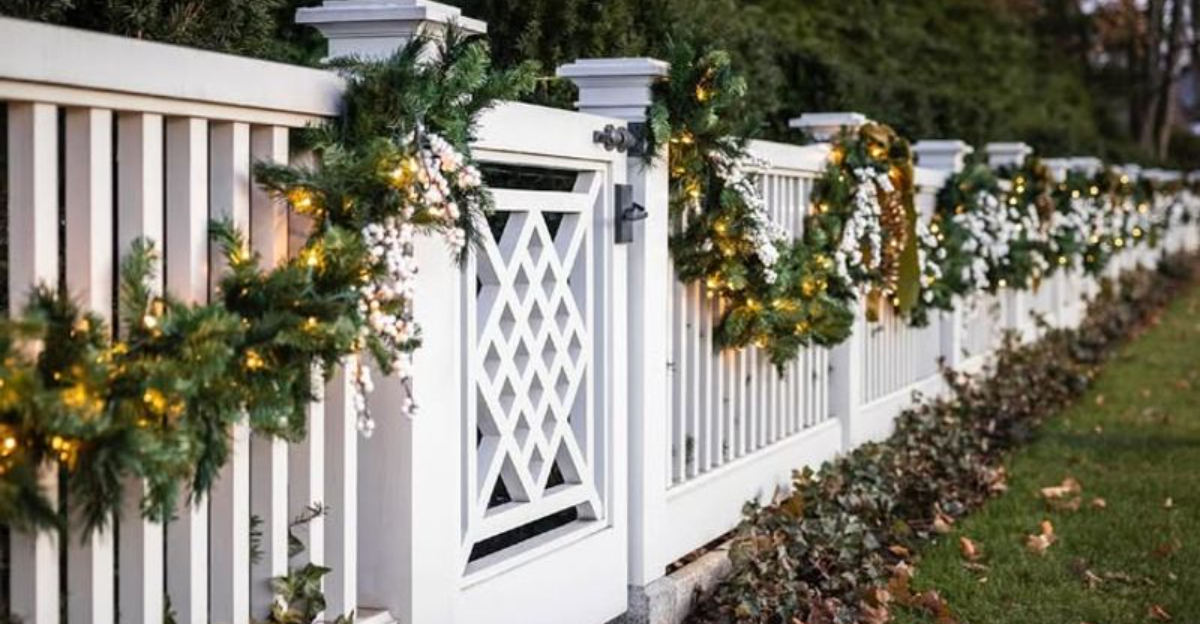
Living garland is catching on across Texas, especially for homeowners looking to decorate outdoors in a natural way.
Instead of plastic or disposable decorations, many are turning to fresh greenery that can handle the state’s mild winter temperatures.
Draped over fences, gates, and railings, living garland brings texture and color without feeling overdone.
The trend speaks to a broader shift toward decorations that feel warm and practical.
In many cases, the greenery can be reused, composted, or replanted once the season passes.
Texas homeowners also appreciate that living garland blends well with landscapes rather than overpowering them.
It adds charm without extra clutter.
Sometimes holiday decorating works best when it feels simple and rooted in nature.
Living garland strikes that balance perfectly.
Texas Winters Are Mild Enough For Fresh Greenery
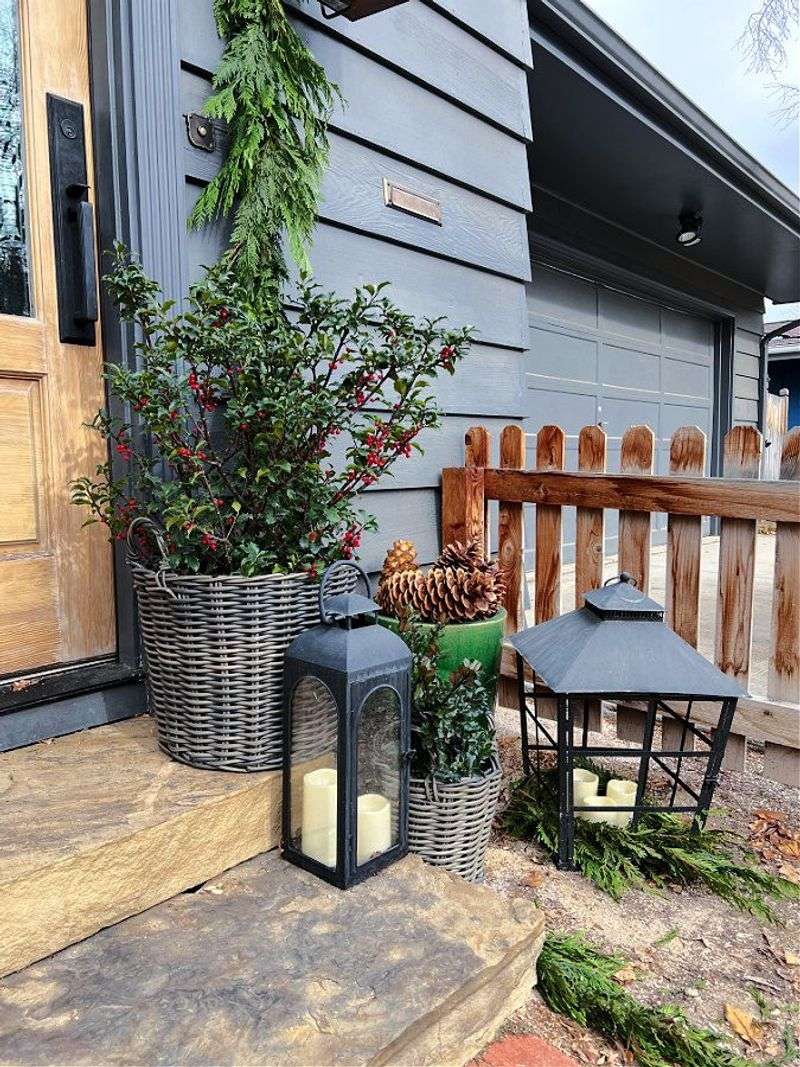
The climate across most of Texas creates perfect conditions for keeping fresh evergreen garland looking vibrant throughout the holiday season.
Unlike northern states where freezing temperatures can damage delicate foliage, Texas winters offer just enough chill to keep greenery fresh without harsh freezes.
Most evergreen varieties thrive in these moderate conditions, maintaining their color and fragrance for weeks.
Homeowners in cities like Houston, Austin, and San Antonio enjoy daytime temperatures that rarely drop below freezing during December.
This means your living garland stays lush and aromatic without the stress of extreme cold.
The mild weather also makes installation and maintenance much easier since you can work outside comfortably.
Cedar, pine, and cypress varieties commonly used in garland naturally tolerate the temperature fluctuations Texas experiences.
Morning frost might dust the needles with sparkle, but afternoon sunshine warms them right back up.
This cycle actually helps preserve the greenery’s moisture and essential oils.
Choosing living garland takes advantage of what makes Texas special during winter months.
Your fence decorations work with nature rather than against it.
The result is a display that looks fresh and feels authentically connected to your local environment.
It Blends Naturally With Texas Landscaping
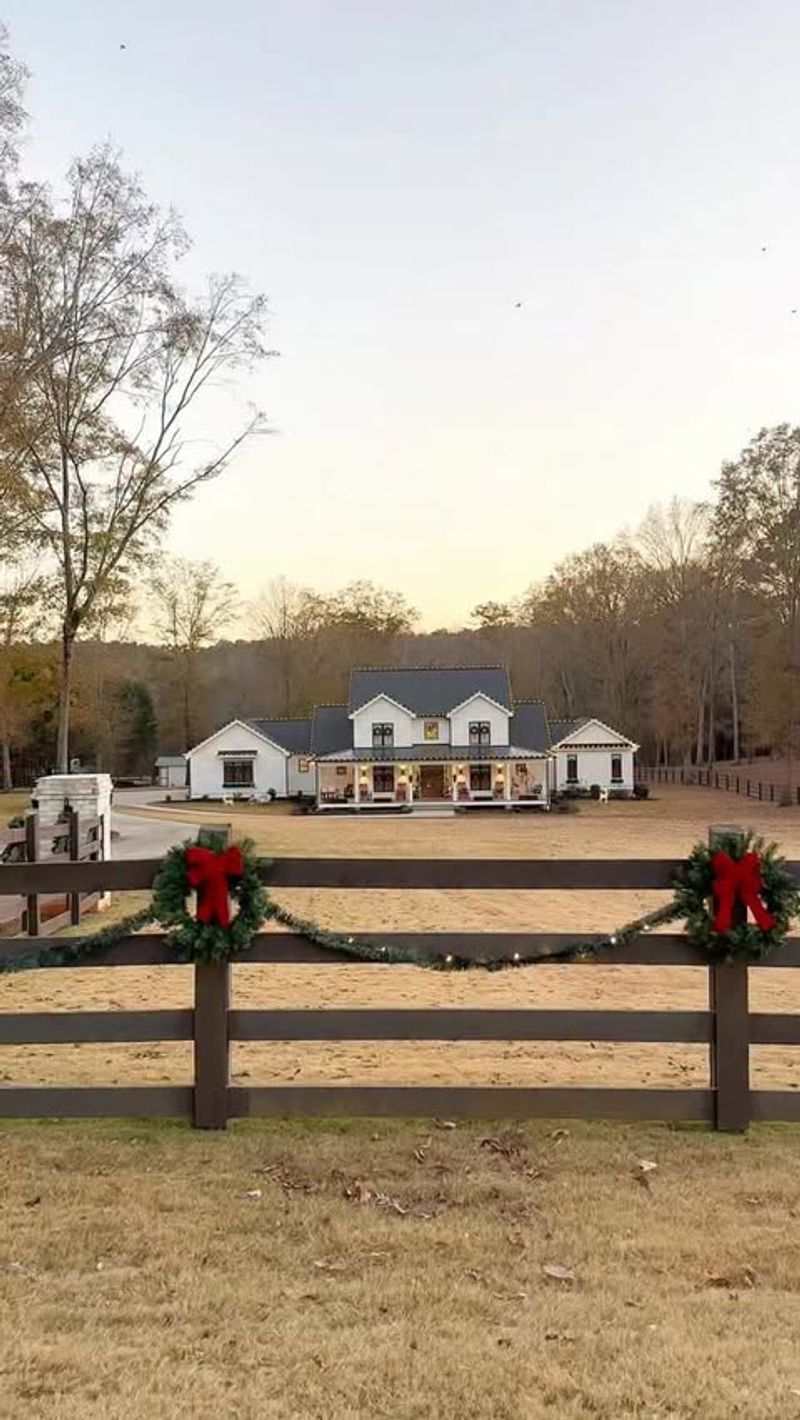
Living garland creates seamless connections between your holiday decorations and the native plants already thriving in your yard.
Texas landscapes often feature drought-tolerant shrubs, ornamental grasses, and limestone or river rock accents that pair beautifully with natural greenery.
This harmony makes your entire property feel cohesive rather than cluttered with mismatched decorations.
Cedar and juniper varieties used in garland echo the native evergreens found throughout Hill Country and East Texas regions.
When woven through fence pickets beside existing rosemary bushes or Texas sage, the garland looks like an intentional extension of your landscaping.
The textures and colors complement each other rather than competing for attention.
Stone features common in Texas yards provide stunning backdrops for living garland.
The contrast between rough limestone and soft evergreen needles creates visual interest that photographs beautifully.
Even modern xeriscaping designs benefit from the organic touch that fresh garland provides during the holidays.
Your outdoor space maintains its distinctive Texas character while embracing seasonal celebration.
Visitors appreciate how the decorations enhance rather than overwhelm your existing landscape design.
After the holidays, removing the garland leaves your yard looking exactly as it did before, with no permanent alterations needed.
It Is More Sustainable Than Disposable Decorations
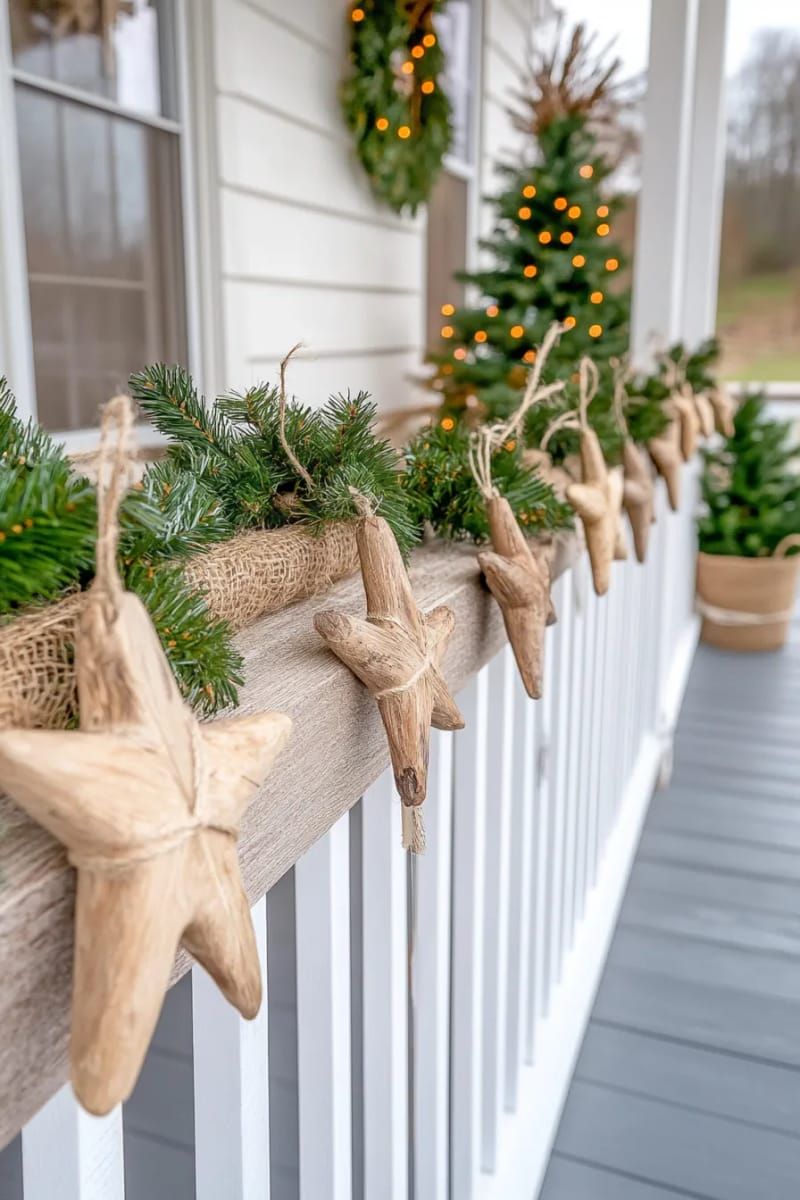
Environmental consciousness drives many Texas homeowners toward decorating choices that minimize waste and support local ecosystems.
Living garland offers multiple end-of-season options that keep materials out of landfills.
You can compost the greenery, use it as mulch, or even propagate cuttings from certain varieties.
Unlike plastic decorations that eventually crack and fade before heading to the trash, natural garland returns nutrients to your soil.
Many Texans spread used garland around the base of trees and shrubs as protective winter mulch.
The decomposing needles gradually release organic matter that improves soil structure and moisture retention.
Some varieties of living garland arrive with root balls that allow replanting after the holidays.
Boxwood, rosemary, and certain cypress types can transition from fence decoration to permanent landscape additions.
This approach transforms temporary decor into long-term garden investments.
Purchasing locally sourced garland from Texas growers reduces transportation emissions and supports regional agriculture.
Many Christmas tree farms and nurseries offer garland made from trimmings that would otherwise go unused.
Your decorating choice creates positive ripple effects throughout your community while aligning with values of stewardship and resourcefulness that many Texans hold dear.
Living Garland Stays Green Longer Than Cut Decor
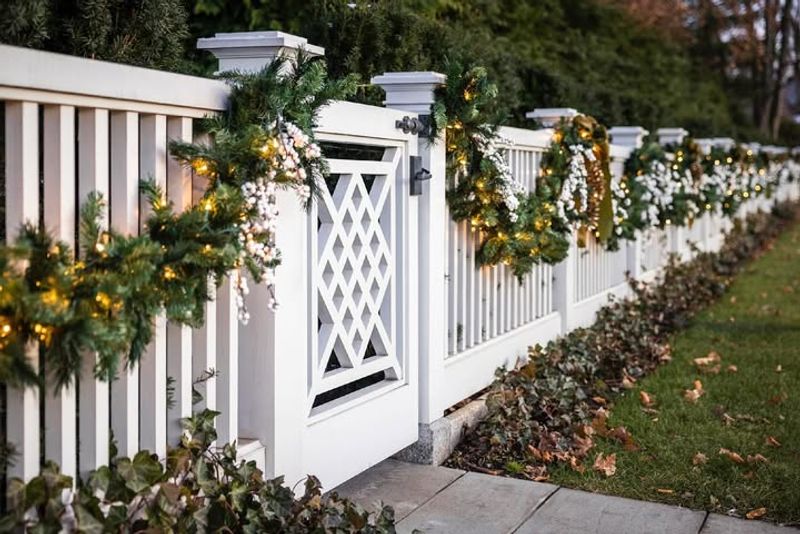
Fresh garland that remains rooted or properly hydrated resists the browning and drying that plagues cut decorations.
When greenery maintains access to moisture, it keeps its needles flexible and its color vibrant throughout December and beyond.
This extended lifespan means your investment in holiday decor stretches further.
Traditional cut garland begins losing moisture the moment it’s harvested, leading to brittle needles that drop and fade.
Living alternatives either arrive in containers with root systems intact or come freshly cut with stems designed for water absorption.
Some homeowners even attach small water reservoirs along their fence lines to keep garland hydrated.
The difference becomes obvious after just one week of display.
Cut garland may start showing brown patches while living garland maintains that just-picked appearance.
This longevity is especially valuable for Texans who decorate early in the season and want their displays lasting through New Year’s.
Properly maintained living garland can stay attractive for six to eight weeks in Texas conditions.
Regular misting and occasional watering keep the foliage supple and fragrant.
Your neighbors will wonder how your fence decorations still look magazine-worthy when theirs have started fading.
It Handles Outdoor Sun Better Than Plastic Decor
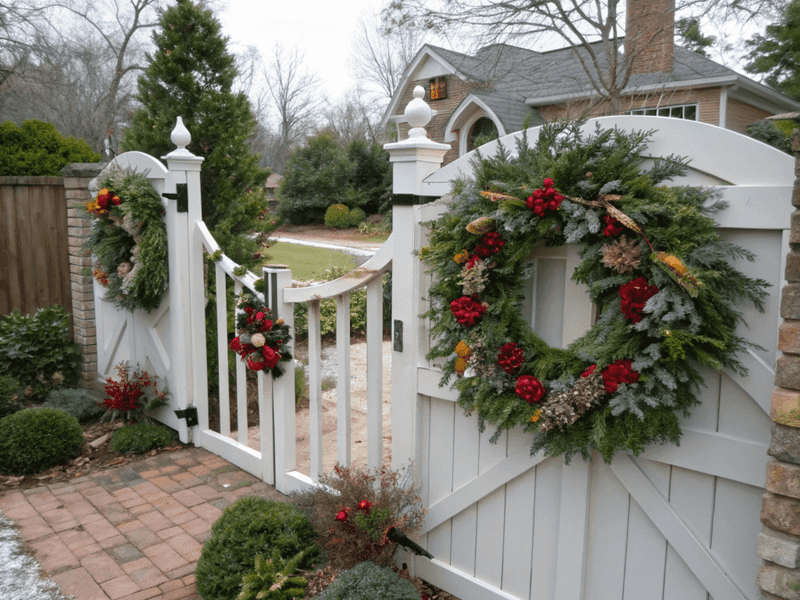
Texas sunshine remains strong even during winter months, creating challenges for artificial decorations that weren’t designed for intense UV exposure.
Plastic garland fades from vibrant green to sickly yellow-green after just one season of Texas sun.
The material becomes brittle and cracks, creating an unsightly mess that undermines your decorating efforts.
Fresh evergreen foliage actually benefits from moderate sunlight exposure.
The natural oils in pine, cedar, and cypress needles protect against UV damage while the sun’s warmth helps release their pleasant fragrance.
Your fence line smells like a forest rather than a factory.
Bright winter days in places like West Texas and the Panhandle can be particularly harsh on synthetic materials.
Living garland maintains its authentic appearance regardless of how many sunny afternoons it endures.
The needles might dry slightly on their surface, but a quick misting restores their luster.
Homeowners appreciate not having to replace faded decorations year after year.
While plastic garland represents a recurring expense as it degrades, fresh options cost roughly the same annually but always look pristine.
The superior appearance of natural materials under Texas sunlight makes the choice obvious for those who value curb appeal and quality.
It Adds Curb Appeal Without Electrical Wiring

Many Texas homeowners want their fences decorated but face challenges running electricity to distant corners of their property.
Living garland creates impressive visual impact without requiring a single extension cord or outdoor outlet.
This simplicity reduces both installation time and ongoing electrical costs.
Fence lines often sit far from house walls where outlets are typically located.
Stringing lights means dealing with extension cords that create tripping hazards and look messy during daylight hours.
Fresh garland delivers elegance through texture, color, and form rather than relying on illumination.
The natural beauty of evergreen branches catches the eye whether viewed in morning sunshine or evening moonlight.
Adding simple ribbon bows or natural pinecones enhances the display without complicating the installation.
Your decoration remains weather-resistant since there are no electrical components to protect from rain.
This approach proves especially valuable for acreage properties where fence lines stretch hundreds of feet from the main house.
Decorating becomes manageable rather than overwhelming when you eliminate the electrical component.
Neighbors and passersby still enjoy your festive display, and you avoid the frustration of troubleshooting outdoor lighting connections or replacing bulbs in hard-to-reach locations along your fence.
It Softens Hard Fence Lines
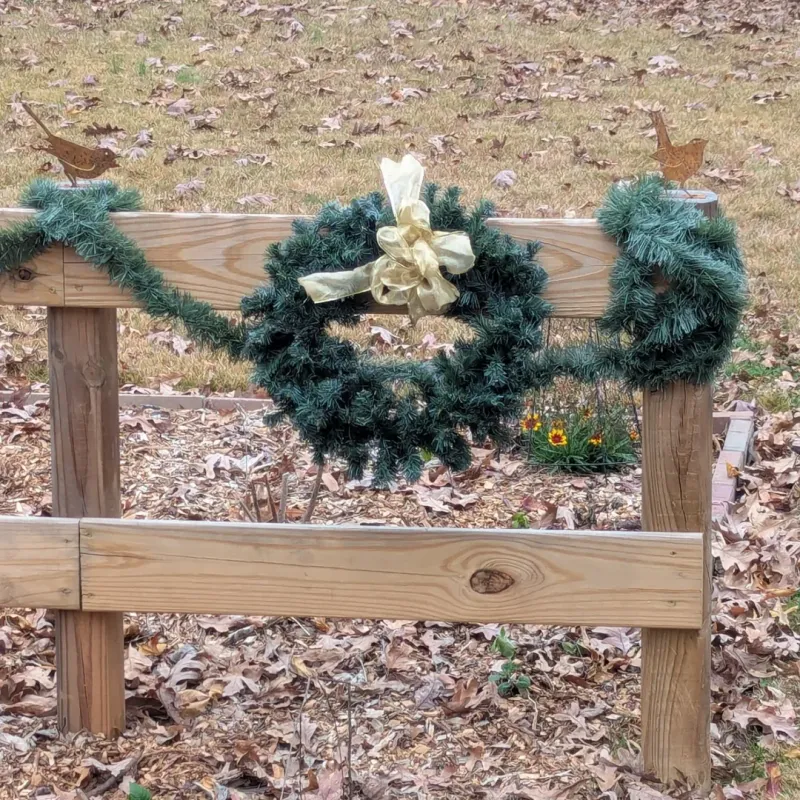
Fences serve practical purposes but often create harsh visual boundaries that make yards feel boxed in or unwelcoming.
Living garland introduces organic curves and soft textures that transform rigid structures into warm, inviting borders.
This softening effect makes outdoor spaces feel more comfortable and naturally flowing.
Metal fencing, particularly popular in Texas for its durability and security, can look industrial and cold.
Weaving fresh evergreen branches through the bars adds dimension and warmth without compromising the fence’s function.
The contrast between manufactured metal and living plants creates unexpected beauty.
Wooden privacy fences benefit equally from garland treatment.
Long stretches of identical boards become more interesting when punctuated with varying shades of green and different needle textures.
The garland breaks up monotony while maintaining the clean lines that make modern landscaping appealing.
Even chain-link fencing, often considered purely utilitarian, gains character when dressed with living greenery.
The transformation surprises visitors who didn’t realize such practical barriers could look festive and attractive.
Property lines that once felt like hard divisions become softer transitions between spaces, making your entire yard feel more cohesive and thoughtfully designed throughout the holiday season.
It Works In Both Modern And Rustic Homes
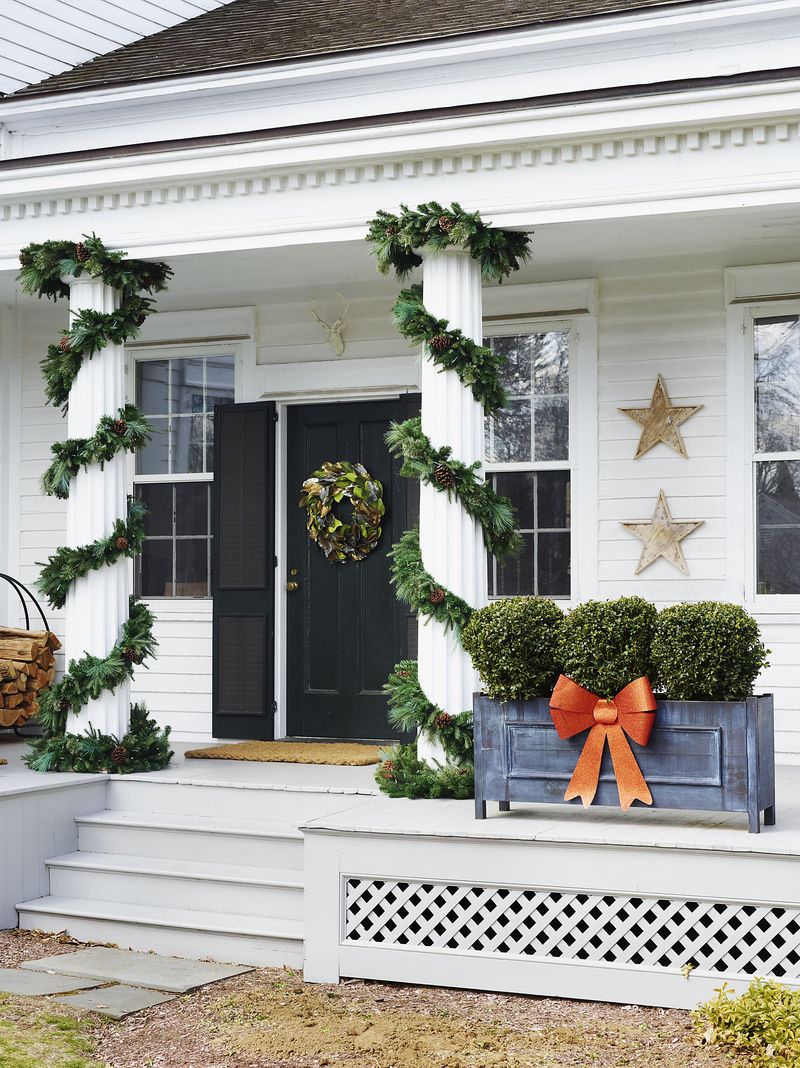
Texas architecture ranges from historic ranch houses to sleek contemporary designs, and living garland complements this entire spectrum.
The natural material adapts to different aesthetic preferences through how it’s styled and what accompanies it.
This versatility makes it a smart choice regardless of your home’s architectural period or design philosophy.
Farmhouse and ranch-style properties pair living garland with burlap ribbons, galvanized metal accents, and wooden signs for authentic country charm.
The greenery enhances the rustic character these homes already possess.
It feels historically appropriate, like something homesteaders might have used generations ago.
Contemporary Texas homes with clean lines and minimalist landscapes use the same garland in entirely different ways.
Simple draping without additional embellishments creates elegant restraint that respects modern design principles.
The organic texture provides just enough visual interest without cluttering the sophisticated aesthetic.
Suburban traditional homes fall beautifully between these extremes, allowing homeowners to customize their garland styling to personal taste.
Adding red velvet bows creates classic holiday charm, while keeping decorations monochromatic maintains current design trends.
The living garland itself remains constant while the styling adapts, proving that natural materials offer more flexibility than themed artificial alternatives ever could across Texas’s diverse residential landscape.
It Transitions Easily Into Winter Landscaping
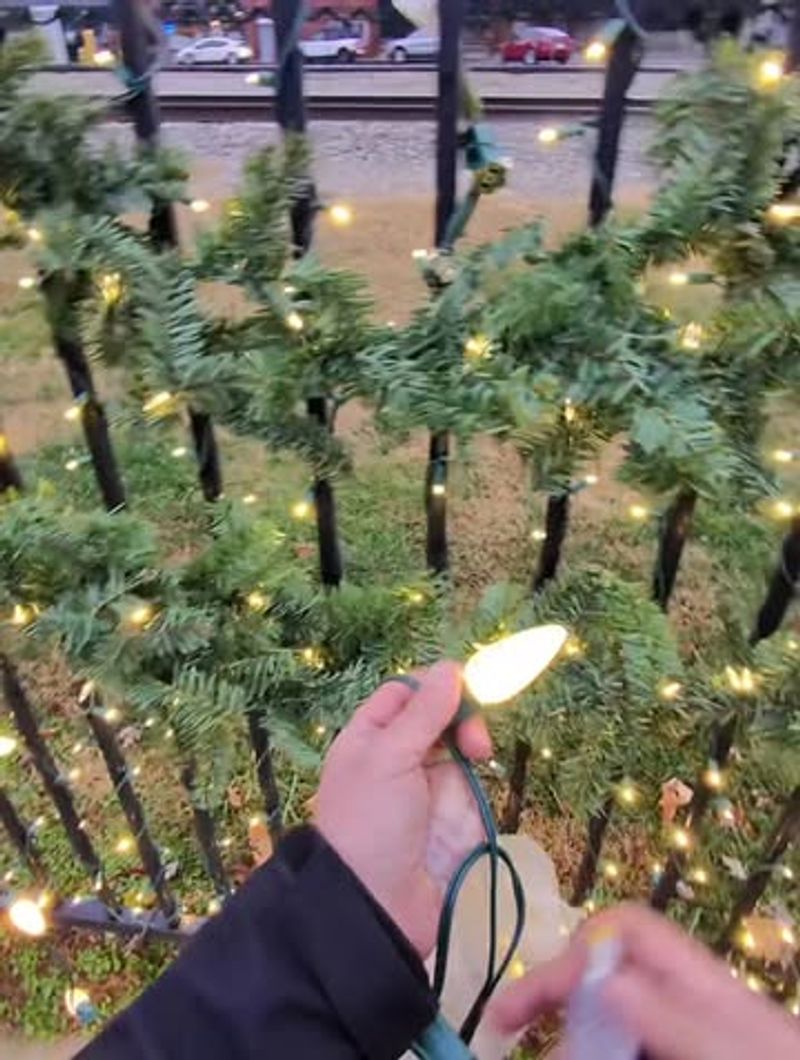
Christmas decorations often create an awkward moment when the holidays end but winter weather continues.
Living garland solves this problem by serving dual purposes throughout the season.
What begins as festive decor seamlessly becomes practical winter landscaping that looks intentional rather than forgotten.
After removing ribbons and ornaments, the plain evergreen garland still provides visual interest during January and February.
Many Texas winters lack the colorful blooms of other seasons, making any greenery especially valuable.
Your fence continues looking cared-for even after holiday decorations come down elsewhere.
Some homeowners deliberately choose garland varieties that work as winter mulch or can be transplanted.
Rosemary garland, for example, transitions from decoration to herb garden addition.
Certain cypress and cedar types root easily when placed in soil, creating new landscape plants from what was temporary decor.
This extended usefulness changes how you think about holiday decorating expenses.
Rather than purchasing items used for three weeks then stored for eleven months, you invest in materials that serve your property longer.
The garland earns its cost multiple times over, and your yard maintains attractive structure during months when Texas landscapes can otherwise look sparse and waiting for spring’s return.