Why The Chicago Botanic Garden Is A Must-See Winter Stop For Visitors To Illinois
Winter in Chicago often conjures images of icy winds and gray skies, but hidden within this cold season is a magical escape that surprises even the most seasoned travelers.
The Chicago Botanic Garden transforms into a wonderland during the colder months, offering a peaceful retreat from the bustling city life.
Visitors who venture to this 385-acre living museum discover that winter brings its own special charm, from frosted landscapes to cozy indoor conservatories bursting with tropical life.
Located just north of the city in Glencoe, this garden serves as proof that nature never truly sleeps, even when temperatures drop.
The contrast between snowy outdoor paths and warm greenhouse environments creates an experience unlike any other season.
Families, couples, and solo adventurers all find something to appreciate during winter visits.
Whether you seek photography opportunities, educational programs, or simply a moment of tranquility away from holiday chaos, this destination delivers.
The garden’s winter offerings showcase why it remains one of Illinois’ most treasured attractions throughout the entire year, not just during spring and summer blooms.
1. Stunning Snow-Covered Landscapes Create Picture-Perfect Moments
Snow transforms the Chicago Botanic Garden located at the 1000 Lake Cook Rd, Glencoe, into a photographer’s paradise where every turn reveals another breathtaking scene.
Blankets of white powder drape over carefully designed garden beds, creating dramatic contrasts against evergreen plants and architectural features.
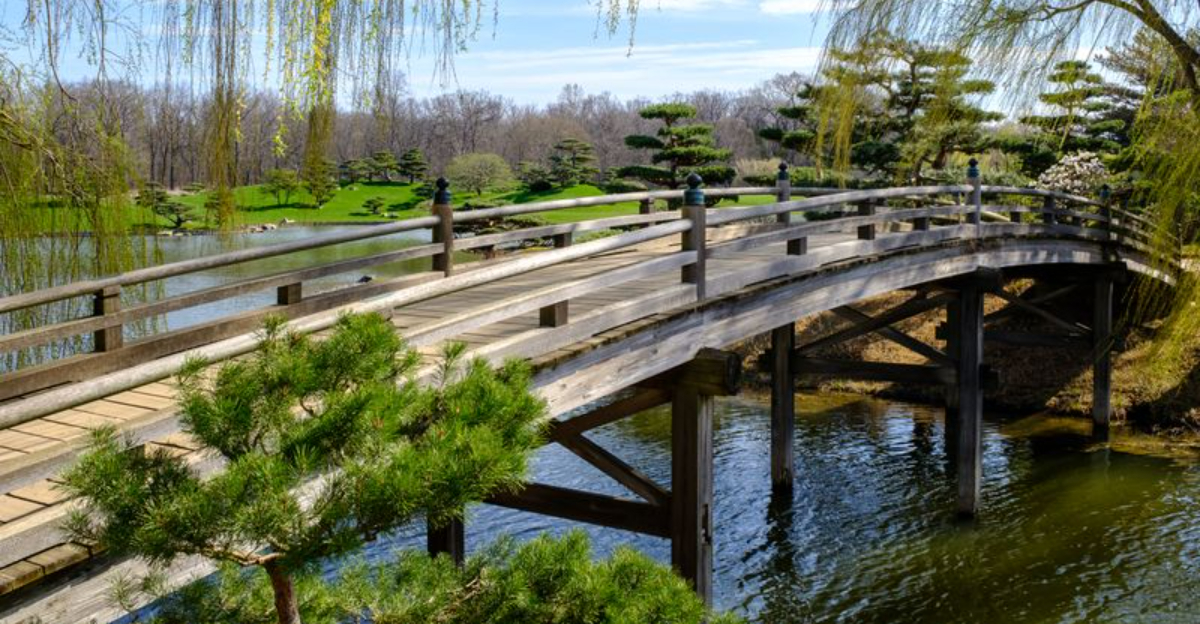
The Japanese Garden becomes especially enchanting when snow outlines the bridges, stone lanterns, and carefully pruned trees.
Visitors often spend hours wandering the trails, cameras in hand, capturing the serene beauty that winter provides.
The garden’s varied terrain means you’ll encounter frozen ponds, snow-laden branches, and peaceful meadows all within one visit.
Early morning visits reward you with pristine, untouched snow before footprints mark the paths.
The soft winter light creates long shadows and gentle hues that make photographs look almost painterly.
Even if photography isn’t your primary interest, the visual spectacle alone makes the trip worthwhile.
The garden maintains many paths throughout winter, so you can safely explore without worrying about difficult terrain.
This natural beauty costs nothing extra beyond standard admission, making it an affordable winter activity for families and individuals alike.
2. Warm Greenhouses Offer Tropical Escapes From Cold Weather
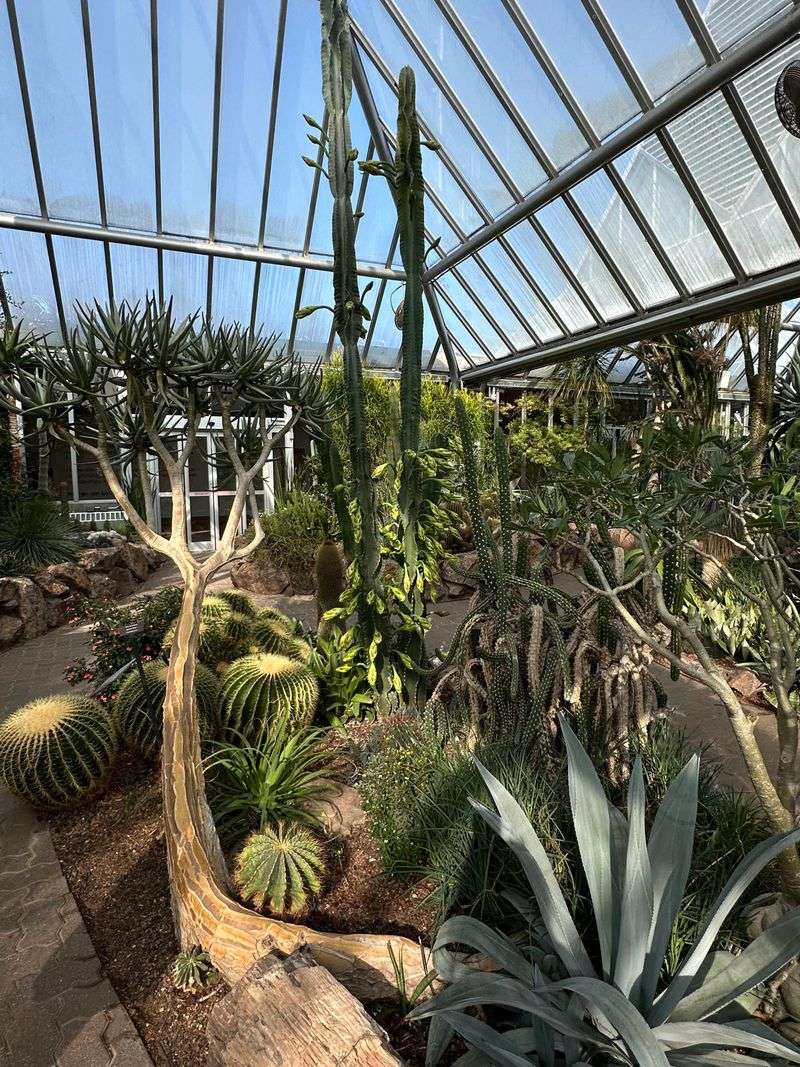
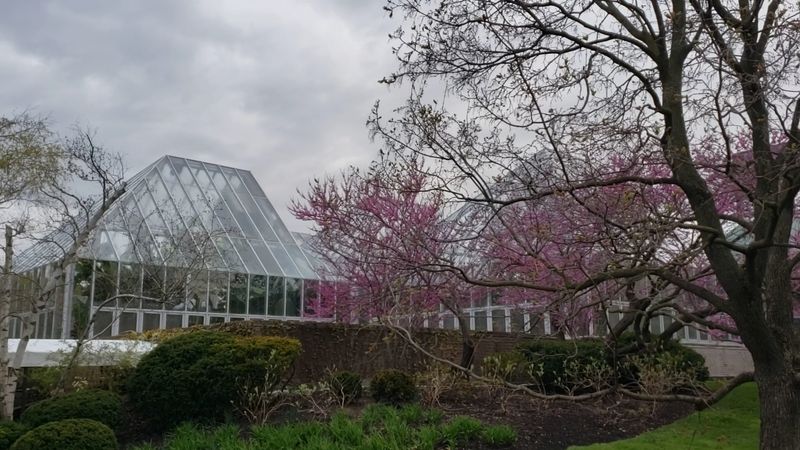
Stepping into the Regenstein Center greenhouses feels like teleporting to a tropical island, complete with humid air and vibrant blooms.
The temperature difference between outside and inside can reach 60 degrees or more, making it a welcome respite during particularly frigid Chicago days.
Three distinct climate zones showcase plants from deserts, tropics, and semi-arid regions around the world.
Orchids bloom in stunning arrays of colors, while towering palms stretch toward the glass ceiling above.
The desert house features cacti and succulents that thrive in dry heat, offering educational glimpses into how plants adapt to harsh environments.
Families with young children especially appreciate these indoor spaces where little ones can run around without winter coats.
The sensory experience includes not just visual beauty but also the earthy scents of soil and flowers.
Benches throughout the greenhouses invite visitors to sit and soak in the warmth while reading or simply relaxing.
You can easily spend an hour or more exploring these climate-controlled environments.
The contrast makes winter visits uniquely special compared to summer trips when outdoor gardens compete for attention.
3. Fewer Crowds Mean More Peaceful Garden Experiences
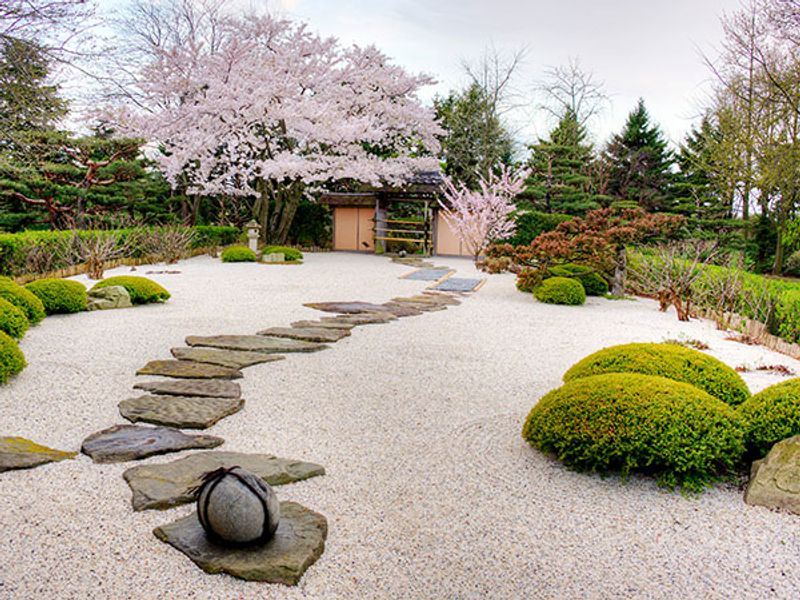
Summer weekends at the Chicago Botanic Garden can draw thousands of visitors, but winter transforms the experience into something intimate and personal.
You’ll often find entire sections of the garden with only a handful of other guests, allowing for contemplation and connection with nature.
The reduced crowds mean you can take your time at each viewing point without feeling rushed or crowded.
Photographers appreciate having clear shots without strangers accidentally walking into frames.
Couples seeking romantic winter walks find the solitude perfect for quiet conversations and hand-holding along frosted paths.
The parking situation also improves dramatically during winter months, with spaces readily available near the entrance.
Inside the greenhouses, you can examine plants up close without navigating around tour groups or school field trips.
This peaceful atmosphere allows for meditation, sketching, or simply sitting on benches to observe birds and wildlife.
The garden’s natural sounds become more noticeable when fewer people create background noise.
For visitors who find crowded attractions stressful or overwhelming, winter provides the ideal visiting window.
The experience feels more like a private garden than a public attraction.
4. Winter Bird Watching Reveals Species You Won’t See Other Seasons
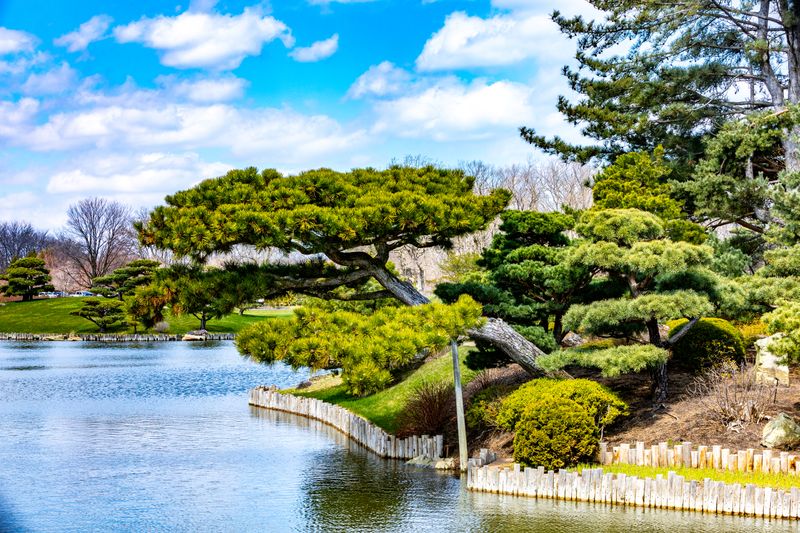
Bird enthusiasts know that winter brings migratory species to the Chicago area that disappear once warmer weather arrives.
The Chicago Botanic Garden’s diverse habitats attract owls, woodpeckers, and various waterfowl throughout the cold months.
The frozen lakes and ponds create perfect resting spots for ducks and geese making their way south or settling in for winter.
Evergreen trees provide shelter for smaller songbirds that become easier to spot once deciduous trees lose their leaves.
The garden maintains bird feeders in strategic locations, drawing chickadees, cardinals, and nuthatches close enough for excellent viewing.
Bringing binoculars enhances the experience, though many birds come close enough to observe with the naked eye.
The relatively quiet winter environment means bird calls echo more clearly, helping you locate species by sound.
Educational signage throughout the garden helps identify common winter birds and explains their behaviors.
Early morning visits typically offer the best bird activity as they forage for food after cold nights.
Photography opportunities abound when colorful cardinals contrast against white snow or when owls perch in bare branches.
5. Educational Programs Teach Winter Ecology and Nature Science

The Chicago Botanic Garden doesn’t hibernate during winter—instead, it offers specialized educational programs that explore cold-weather ecology.
Classes and workshops teach visitors how plants survive freezing temperatures and what strategies different species employ.
Children’s programs include hands-on activities like examining tree bark, identifying animal tracks in snow, and learning about winter-active wildlife.
Adult learners can attend lectures on topics ranging from winter pruning techniques to climate change impacts on seasonal patterns.
The expert horticulturists on staff share decades of knowledge in accessible, engaging presentations.
Many programs take place in comfortable indoor classrooms with large windows overlooking the winter landscape.
Some adventurous courses combine indoor learning with outdoor exploration, properly bundled against the cold.
Registration information and schedules are available on the garden’s website, with many programs requiring advance sign-up.
These educational opportunities add depth to a simple garden visit, transforming it into a learning experience.
Teachers often bring school groups for field trips that align with science curriculum standards.
The combination of beautiful surroundings and quality instruction makes complex ecological concepts easier to understand and remember for students of all ages.
6. Architectural Beauty Stands Out Against Winter’s Blank Canvas
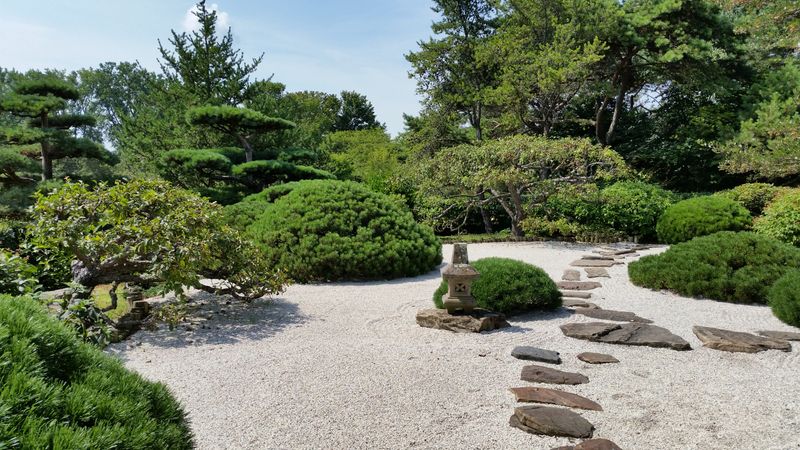
The garden’s carefully designed structures become focal points when summer’s lush foliage no longer competes for attention.
Bridges, gazebos, and pavilions reveal their elegant lines and thoughtful construction against simplified winter backgrounds.
The Japanese Garden’s traditional architecture looks especially striking when dusted with snow, resembling scenes from classic Asian landscape paintings.
Stone pathways and walls create geometric patterns that stand out beautifully against white snow and gray skies.
The modernist Regenstein Center building demonstrates how contemporary architecture can harmonize with natural settings.
Visitors interested in landscape design and architecture appreciate seeing the garden’s bones without the distraction of peak bloom.
The placement of benches, the curves of paths, and the strategic positioning of viewing platforms all become more apparent.
Sculpture installations throughout the grounds take on new character when surrounded by winter’s stark beauty.
The interplay between human-made structures and natural elements teaches valuable lessons about thoughtful design.
Photography enthusiasts find that architectural elements provide strong composition anchors in winter shots.
The garden demonstrates that good design shines through regardless of season, offering year-round visual interest beyond just plant collections.
7. Affordable Admission Makes It Budget-Friendly Winter Entertainment
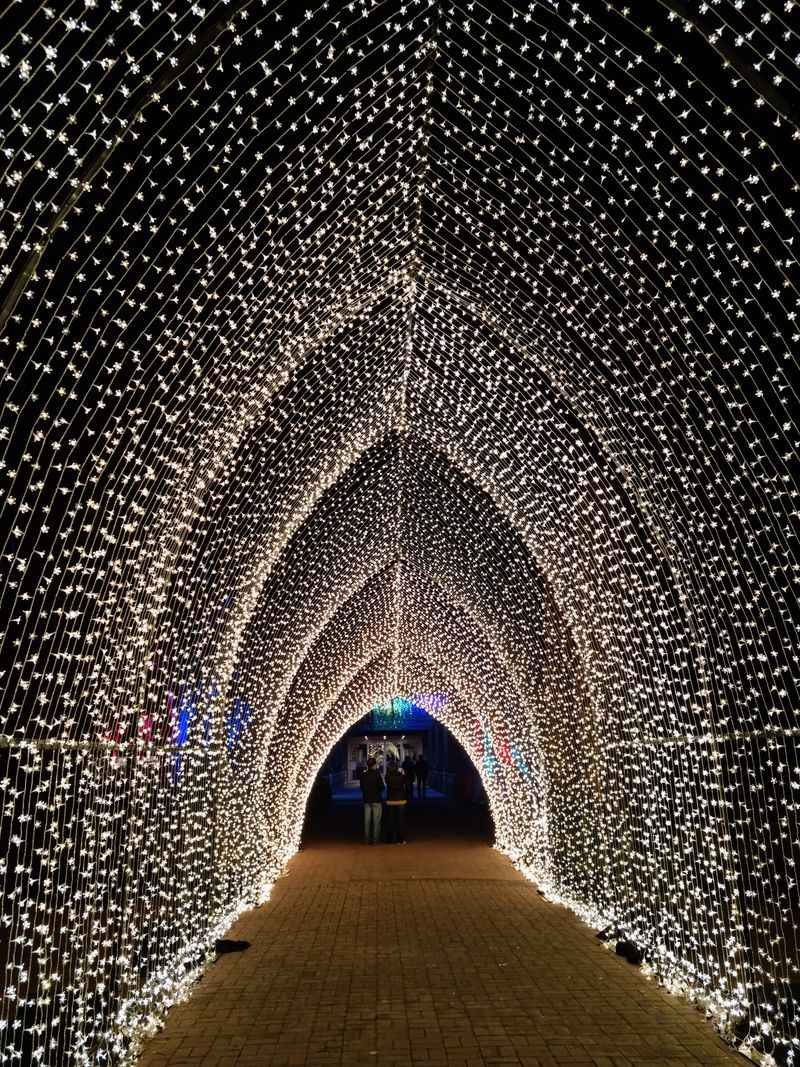
While many winter attractions in Chicago carry hefty price tags, the Botanic Garden remains surprisingly affordable for families and individuals.
The garden charges no admission fee, though parking costs $30 per car on most days.
For visitors using public transportation or bicycles, access becomes completely free, making it one of the best value experiences in the region.
Members receive free parking along with other benefits, and membership costs less than many families spend on a single museum visit.
Senior citizens and military personnel often qualify for parking discounts, further reducing costs.
Once inside, all outdoor gardens and most indoor spaces remain accessible without additional charges.
Special exhibitions occasionally require separate tickets, but the core experience costs nothing beyond parking.
Families can pack lunches to enjoy in designated eating areas, avoiding expensive restaurant meals.
The gift shop and café offer optional purchases but aren’t necessary for a fulfilling visit.
Compared to indoor entertainment options like movie theaters or trampoline parks, the garden provides hours of engagement at a fraction of the cost.
The educational value and physical activity add benefits that purely commercial entertainment can’t match.
8. Model Railroad Garden Enchants Visitors With Miniature Landscapes
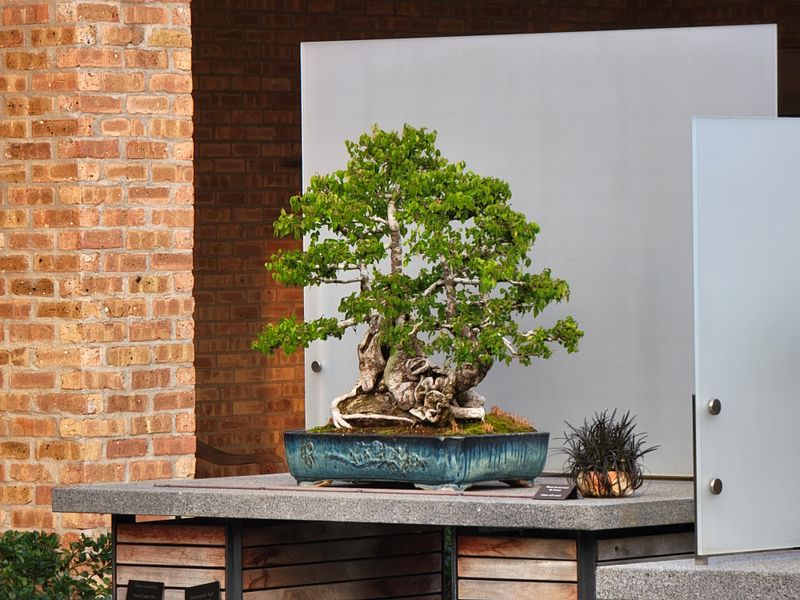
The Model Railroad Garden operates year-round indoors, making it a perfect winter attraction that delights both children and adults.
Tiny trains wind through meticulously crafted miniature versions of American landmarks, all constructed from natural materials like bark, leaves, and twigs.
The level of detail astounds visitors, with miniature people, vehicles, and buildings creating complete tiny worlds.
During winter months, the display often features seasonal decorations that mirror the holidays and winter themes.
Children press their faces against the glass barriers, following trains as they disappear into tunnels and emerge on distant hillsides.
The craftsmanship represents thousands of hours of work by skilled artisans who understand both horticulture and model building.
Adults appreciate the artistic vision while kids simply enjoy the magic of seeing familiar structures recreated in miniature.
The warm indoor setting makes it comfortable to spend extended time examining every detail of the expansive display.
Benches allow tired visitors to sit while still enjoying views of the trains in motion.
This attraction alone justifies a winter visit, especially for families with young children who might tire of walking outdoor paths in cold weather.
9. Convenient Location Makes Day Trips Easy From Chicago
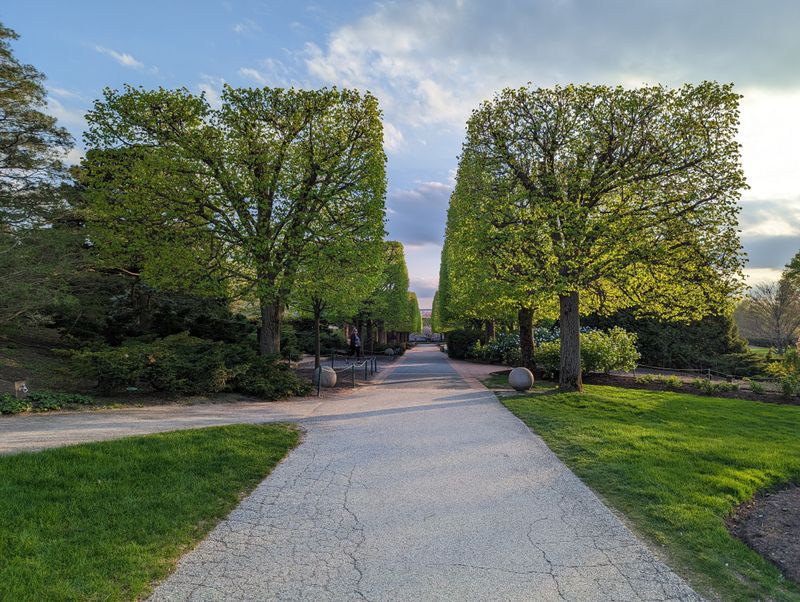
Situated at 1000 Lake Cook Road in Glencoe, Illinois, the garden sits just 25 miles north of downtown Chicago, making it accessible for day trips.
The drive typically takes 30 to 45 minutes depending on traffic, with straightforward highway access via Interstate 94.
Public transportation options include Metra trains to the Braeside station, followed by a short walk or connecting bus.
The location between Chicago and Milwaukee means visitors to either city can easily include the garden in their itineraries.
Ample parking accommodates hundreds of vehicles, though winter rarely sees lots fill to capacity.
The suburban setting provides a genuine escape from urban density without requiring hours of travel time.
Families can visit for a few hours and still return to Chicago for evening activities or dinner.
The proximity to Lake Michigan influences the local microclimate, sometimes creating interesting weather patterns and lake-effect snow.
Clear signage from major roads makes navigation simple even for first-time visitors.
The garden’s location also places it near other North Shore attractions, allowing visitors to combine multiple destinations in one outing.
Hotels in the area offer package deals that include garden admission for multi-day visitors exploring the region.
10. Photography Workshops Help Capture Winter’s Unique Beauty
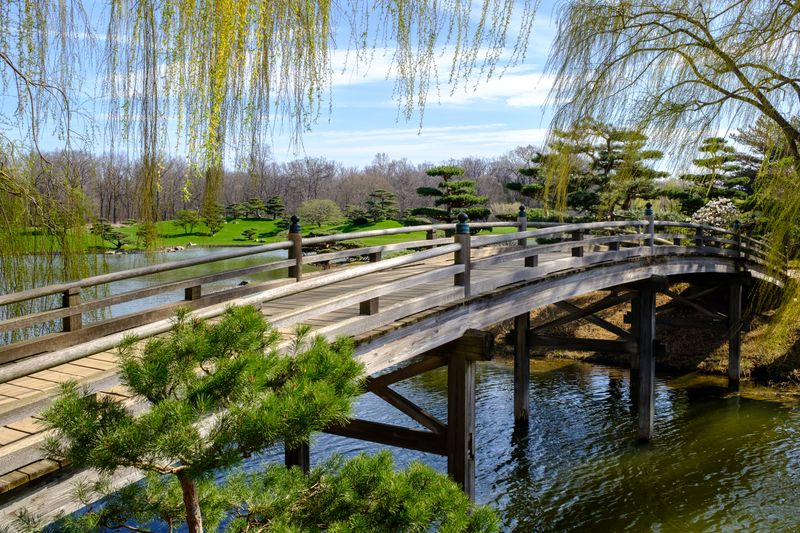
The garden regularly hosts photography workshops specifically designed to teach winter landscape and nature photography techniques.
Instructors guide participants through composition strategies that work best in low-contrast winter light and monochromatic scenes.
Students learn how to properly expose for snow without losing detail in highlights or shadows.
The varied terrain and subjects within the garden provide endless opportunities to practice different photographic approaches.
Macro photography enthusiasts discover intricate ice crystal formations and frost patterns on plants and structures.
Workshops accommodate various skill levels, from beginners learning basic camera functions to advanced photographers refining their artistic vision.
The combination of instruction and immediate practice in a beautiful setting accelerates learning.
Participants leave with portfolio-worthy images and new skills they can apply to future photography adventures.
The garden’s social media channels often feature outstanding visitor photographs, creating community and inspiration.
Even without formal workshops, photographers find the winter garden endlessly rewarding for independent practice.
The changing light throughout the day creates different moods and opportunities, encouraging multiple visits to capture various conditions and perspectives.