Why These Popular Plants Fail Near Florida Beaches And What To Plant Instead
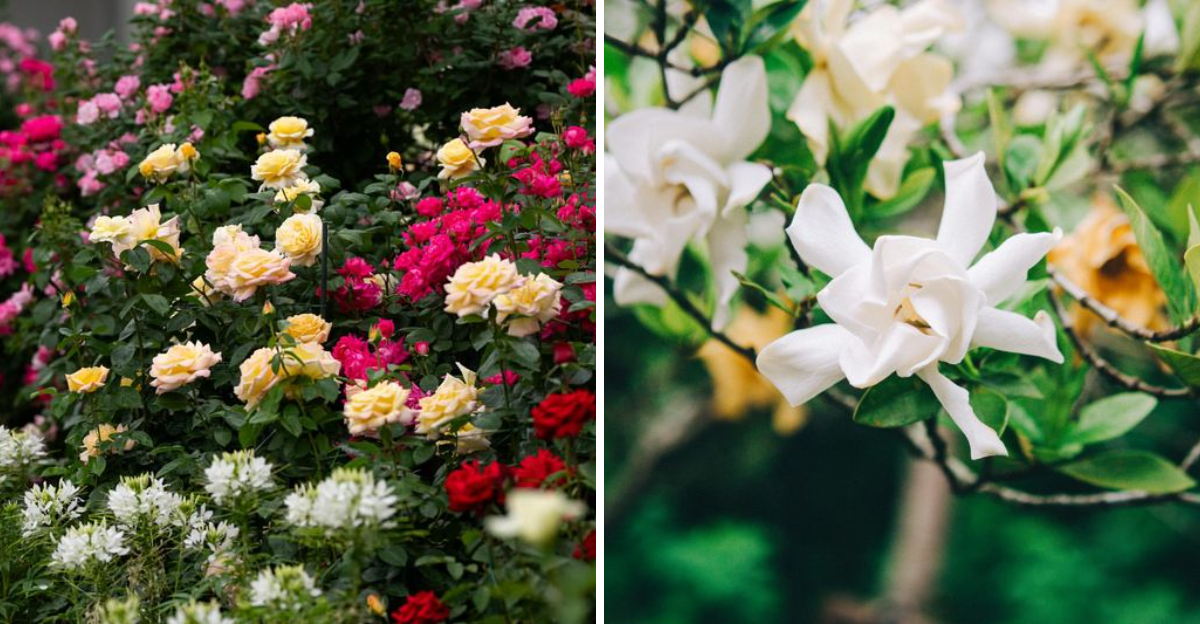
Living near Florida’s beaches looks like a dream until your plants start turning yellow, dropping leaves, and refusing to bloom. Many homeowners pour money into beautiful shrubs and trees only to watch them struggle year after year without realizing the real problem is not their care routine.
Salt spray from the ocean, sandy soil that drains too fast, and constant coastal wind quietly damage popular landscape plants that thrive just a few miles inland. You may have already noticed once-healthy yards along the coast slowly thinning out or losing color.
The good news is that a failing beachside landscape is not inevitable. With the right plant choices, coastal yards can stay lush, colorful, and low maintenance all year long.
Some plants are built for beachfront conditions and actually perform better where others fail. Knowing the difference can completely transform your outdoor space.
1. Gardenia
Walking along coastal neighborhoods, you often see shrubs with yellowing leaves and brown-edged foliage that never quite bloom the way they should.
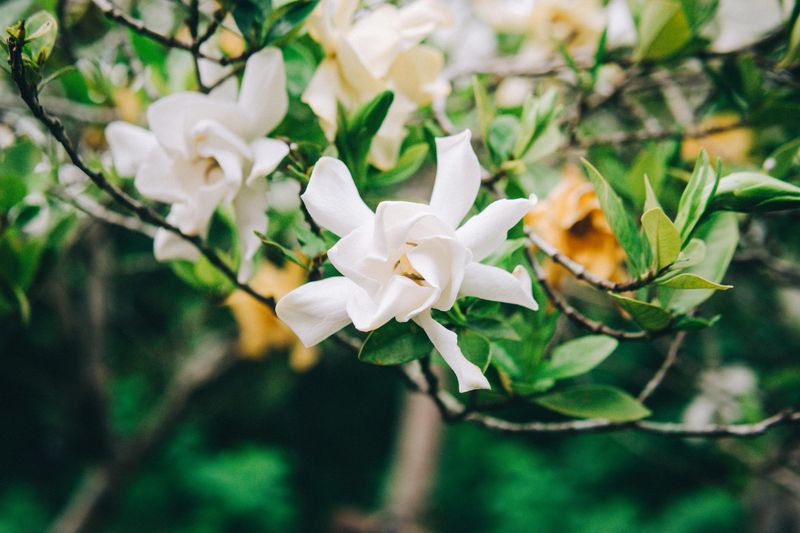
Homeowners plant gardenias hoping for those famous creamy white flowers and intoxicating fragrance that make these shrubs so beloved across the South.
The reality near beaches tells a different story as salt spray and alkaline sandy soils create conditions gardenias struggle to tolerate in exposed coastal locations.
Salt carried on ocean breezes settles on gardenia leaves and causes burn damage that appears as brown margins and yellowing between leaf veins. These acid-loving plants also struggle in Florida’s naturally alkaline coastal sand, which prevents them from absorbing iron and other nutrients they desperately need.
Wind whipping off the water compounds the stress by drying out leaves faster than roots can replace moisture.
Your coastal yard performs much better with tough native alternatives like Simpson’s stopper or white geiger tree in beachfront and barrier island areas.
Simpson’s stopper produces small fragrant white flowers and handles salt spray beautifully while developing deep roots that anchor sandy soil.
White geiger tree offers showy white blooms and thrives in South Florida’s barrier island conditions where gardenias often decline quickly. Both choices give you fragrant flowers without the constant disappointment of watching stressed plants decline.
2. Azalea
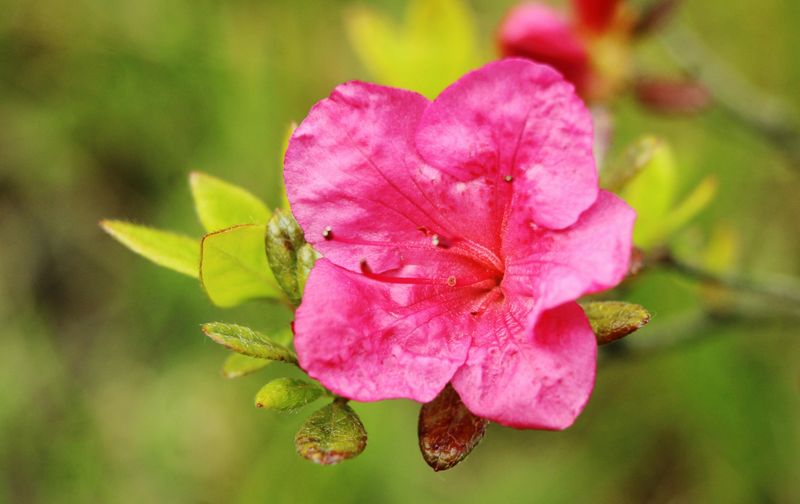
Brilliant spring color draws many homeowners to azaleas, those spectacular flowering shrubs that light up neighborhoods across the Southeast with pink, red, and purple blooms. Coastal gardeners plant them expecting the same show, only to watch leaves turn yellow and flowers appear sparse or not at all.
The problem starts with Florida’s beach environment creating many of the conditions azaleas perform poorly in.
These shallow-rooted shrubs evolved in acidic woodland soils with consistent moisture and protection from harsh elements. Your beachside property delivers alkaline sand that shifts with wind, salt spray that burns tender leaves, and intense sun reflecting off water and white sand.
Azaleas develop chlorosis quickly in alkaline conditions as iron becomes unavailable, creating that telltale yellow foliage with green veins. Salt accumulation on leaves causes brown tips and margins that worsen after every coastal storm.
Walter’s viburnum makes a spectacular replacement that actually loves your coastal conditions. This Florida native produces clusters of white flowers in spring, develops glossy green foliage that resists salt damage, and tolerates both sun and sandy soil beautifully.
For barrier islands along the Gulf Coast and South and Central Atlantic Coast, firebush offers nearly year-round tubular red-orange flowers that attract hummingbirds while handling salt spray and drought with remarkable resilience.
3. Roses
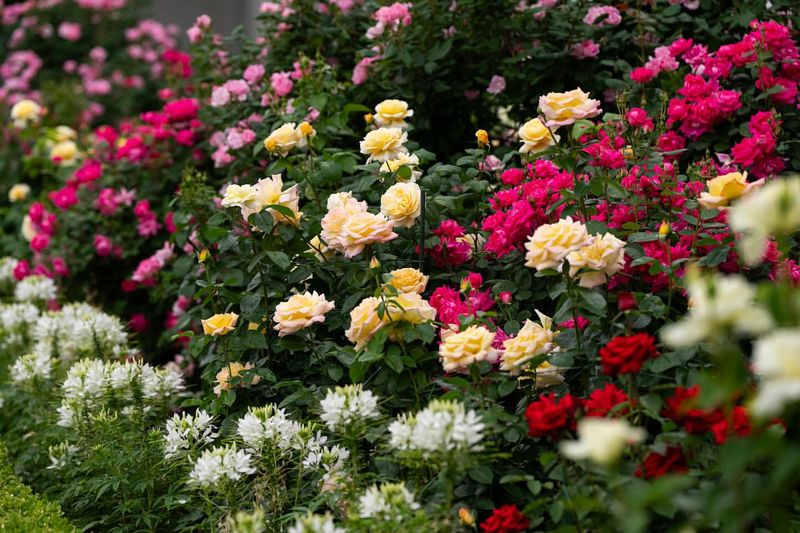
Few sights disappoint quite like rose bushes that produce stunted blooms and blackened leaves instead of the gorgeous flowers you imagined cutting for your kitchen table.
Homeowners love roses for their classic beauty and romantic appeal, planting hybrid teas and floribundas that thrive inland but struggle miserably near saltwater.
The coastal environment creates multiple stress factors for roses at the same time.
Salt spray landing on rose foliage causes leaf burn that starts as brown spots and spreads until entire leaves drop prematurely.
Strong coastal winds batter rose canes and strip away blooms before they fully open, while sandy soil drains so quickly that shallow rose roots cannot maintain the consistent moisture these plants require.
Fungal diseases like black spot explode in Florida’s humid coastal climate, especially when salt stress weakens plant defenses and makes leaves more vulnerable to infection.
Beach sunflower gives you cheerful yellow blooms and thrives in the harshest beachfront conditions where most rose varieties struggle to survive long term. This low-growing Florida native spreads to create golden carpets of flowers while developing deep roots that stabilize dunes and prevent erosion.
Blanket flower offers another excellent choice with daisy-like blooms in red, yellow, and orange combinations that flower nearly year-round in South Florida’s coastal zones and handle both salt and drought beautifully.
4. Hydrangea
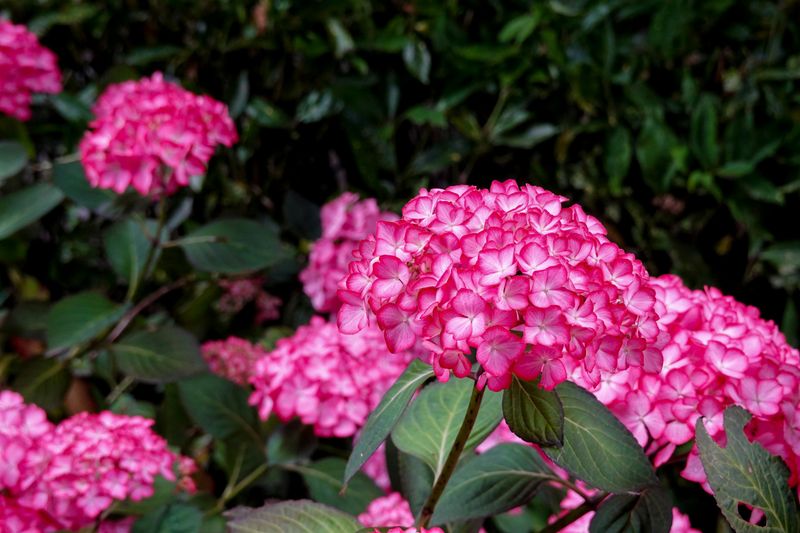
Those big, showy flower clusters in blue, pink, and white make hydrangeas irresistible to gardeners who dream of cottage-style landscapes.
Coastal homeowners plant them hoping to recreate the lush displays they see in magazines and inland gardens, but beachside conditions quickly reveal why these shrubs belong far from saltwater.
Hydrangeas need conditions that coastal properties often struggle to provide.
Salt spray burns hydrangea leaves and causes the large blooms to brown and shrivel before reaching their full potential. These moisture-loving plants require consistently damp soil and wilt dramatically when sandy coastal earth drains too quickly.
Wind coming off the water tears at the large, soft leaves and breaks brittle stems, leaving plants looking stressed and damaged. Reflected heat from sand and water compounds the stress, causing hydrangeas to drop leaves and go dormant during Florida’s long, hot summers.
Coontie offers a completely different look but thrives in your challenging conditions with zero complaints. This Florida native cycad develops attractive feathery fronds, handles full sun to deep shade, and tolerates salt spray and drought once established.
For flowering interest along the Atlantic Coast and barrier islands, dwarf yaupon holly produces masses of tiny white flowers followed by bright red berries while resisting salt, wind, and sandy soils that would stress hydrangeas within weeks of planting.
5. Boxwood
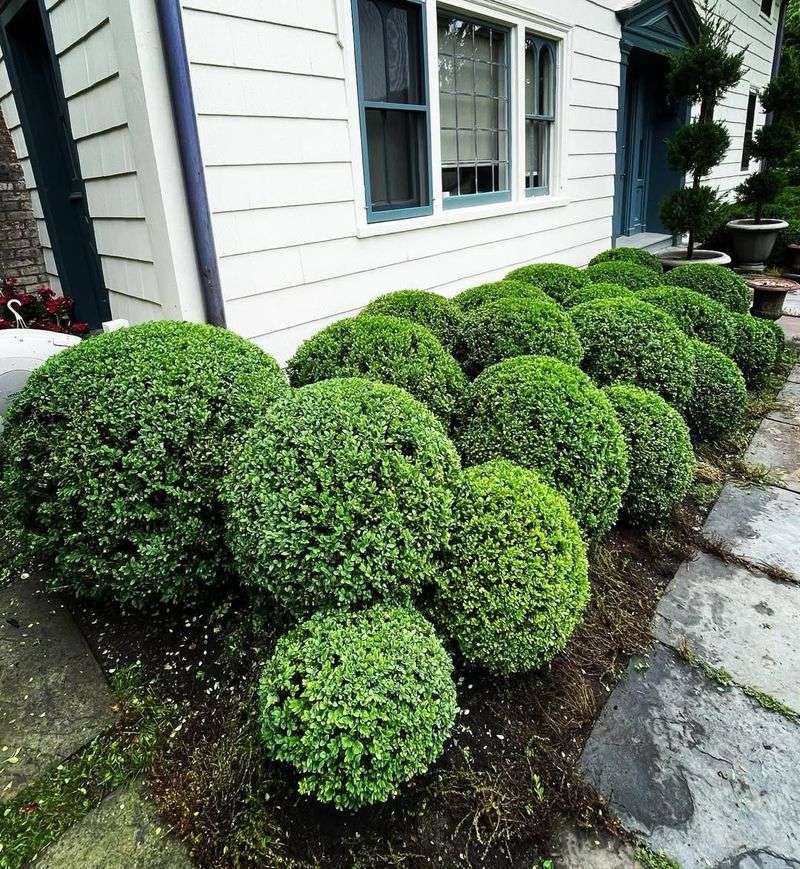
Formal hedges and neatly trimmed shapes draw homeowners to boxwoods, those classic foundation plants that create structured landscapes across much of America.
Your coastal property seems perfect for these tidy evergreen shrubs until you notice leaves turning bronze, branches thinning out, and plants slowly declining despite regular watering and fertilizing.
Boxwoods face multiple problems near Florida beaches that make it difficult to maintain their dense, healthy appearance.
Salt spray accumulates on boxwood foliage and causes leaf burn that starts as bronzing and progresses to brown patches that never recover. These shallow-rooted plants struggle in sandy coastal soil that drains too fast and lacks the organic matter boxwoods prefer.
High pH levels in beach sand prevent boxwoods from absorbing nutrients properly, leading to pale, unhealthy growth. Coastal winds dry out the fine-textured foliage faster than roots can replace moisture, causing tip dieback and sparse branching that ruins the formal look homeowners want.
Saw palmetto creates beautiful texture and handles your toughest coastal conditions while developing deep roots that protect against erosion. This Florida native grows slowly into attractive clumps with fan-shaped fronds that resist salt, wind, and drought.
For a more traditional hedge appearance in Central Florida coastal zones, wax myrtle offers dense evergreen foliage, fragrant leaves, and remarkable tolerance for salt spray and sandy soil that would place constant stress on boxwoods.
6. Japanese Maple
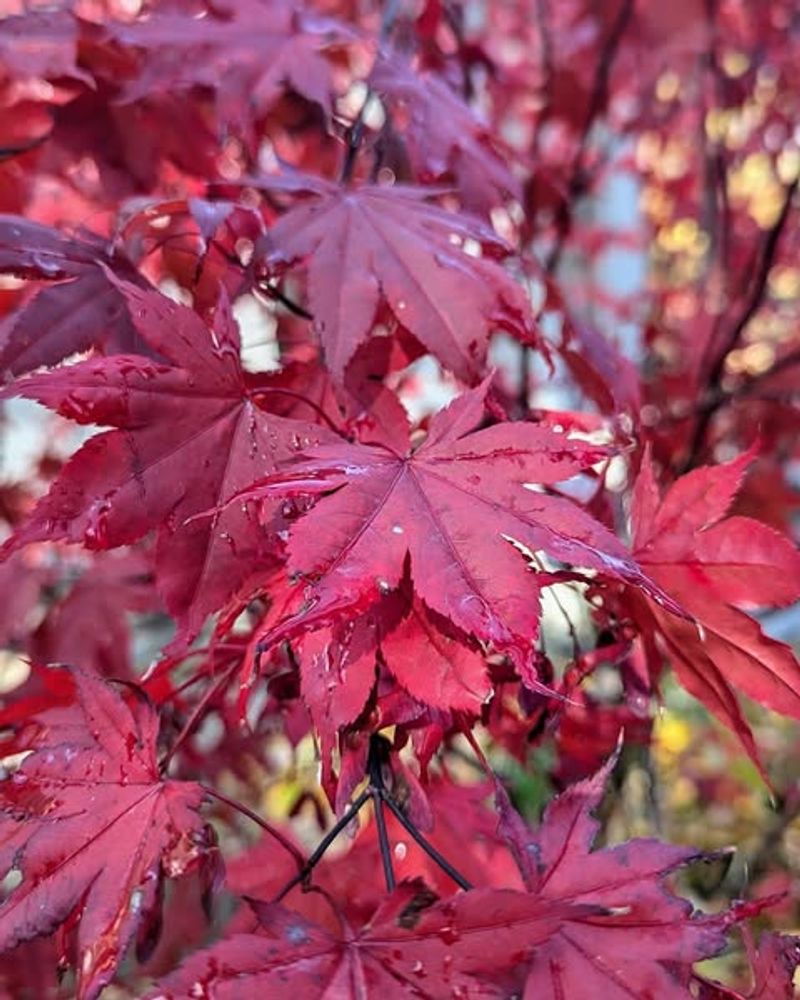
Delicate foliage in burgundy, red, and variegated patterns makes Japanese maples favorites for adding color and elegance to landscapes.
Coastal homeowners plant these beautiful trees hoping for the same stunning displays they admire in botanical gardens and inland neighborhoods, but beach environments are poorly suited to what Japanese maples need to thrive.
The mismatch becomes obvious within the first growing season.
Salt spray burns the thin, delicate leaves of Japanese maples and causes browning that starts at leaf margins and spreads inward until foliage drops prematurely. Strong coastal winds shred the tender leaves and break the brittle branches that give these trees their graceful structure.
Sandy alkaline soil prevents Japanese maples from accessing nutrients while draining too quickly for their shallow root systems. Intense Florida sun reflecting off sand and water scorches leaves that evolved for dappled woodland shade, creating unsightly brown patches that ruin the tree’s appearance.
Live oak offers year-round beauty and thrives in the harshest beachfront locations where Japanese maples rarely establish successfully.
This iconic Florida native develops a majestic spreading canopy, resists salt spray and strong winds, and anchors sandy soil with deep, extensive roots that prevent erosion.
For smaller spaces in North Florida coastal areas, yaupon holly provides attractive evergreen foliage, red berries, and excellent salt tolerance while creating the structure and visual interest you want without constant disappointment.
7. Ficus Benjamina
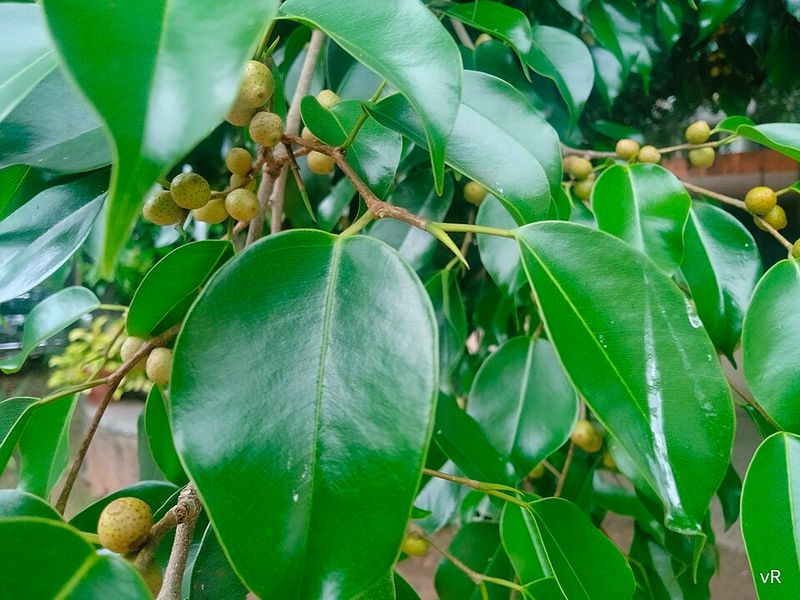
Glossy green leaves and graceful weeping branches make ficus benjamina a popular choice for creating privacy screens and shade in Florida landscapes. Homeowners near beaches plant these fast-growing trees expecting lush greenery, but coastal conditions trigger problems that range from annoying to completely unmanageable.
The combination of environmental stress and aggressive growth habits creates headaches that often worsen over time.
Salt spray often causes ficus leaves to yellow and drop in large quantities, leaving branches bare and destroying the privacy screen effect homeowners want.
These trees develop aggressive surface roots that buckle sidewalks, crack foundations, and invade septic systems, creating expensive damage that becomes worse in loose sandy soil.
Coastal winds cause constant leaf drop that litters yards and clogs gutters year-round. Ficus also suffers from whitefly infestations that explode in Florida’s warm climate and coat everything beneath trees with sticky honeydew that attracts sooty mold.
Sea grape provides excellent screening and thrives in beachfront conditions that regularly stress ficus. This Florida native develops large, round leaves that resist salt spray beautifully while producing edible fruit and creating natural windbreaks that protect other plants and help prevent dune erosion.
For faster-growing privacy along the Gulf Coast, marlberry offers dense evergreen foliage, white flowers, and purple berries while handling salt, wind, and sandy soil with the kind of resilience your coastal landscape truly needs.
8. Citrus Trees
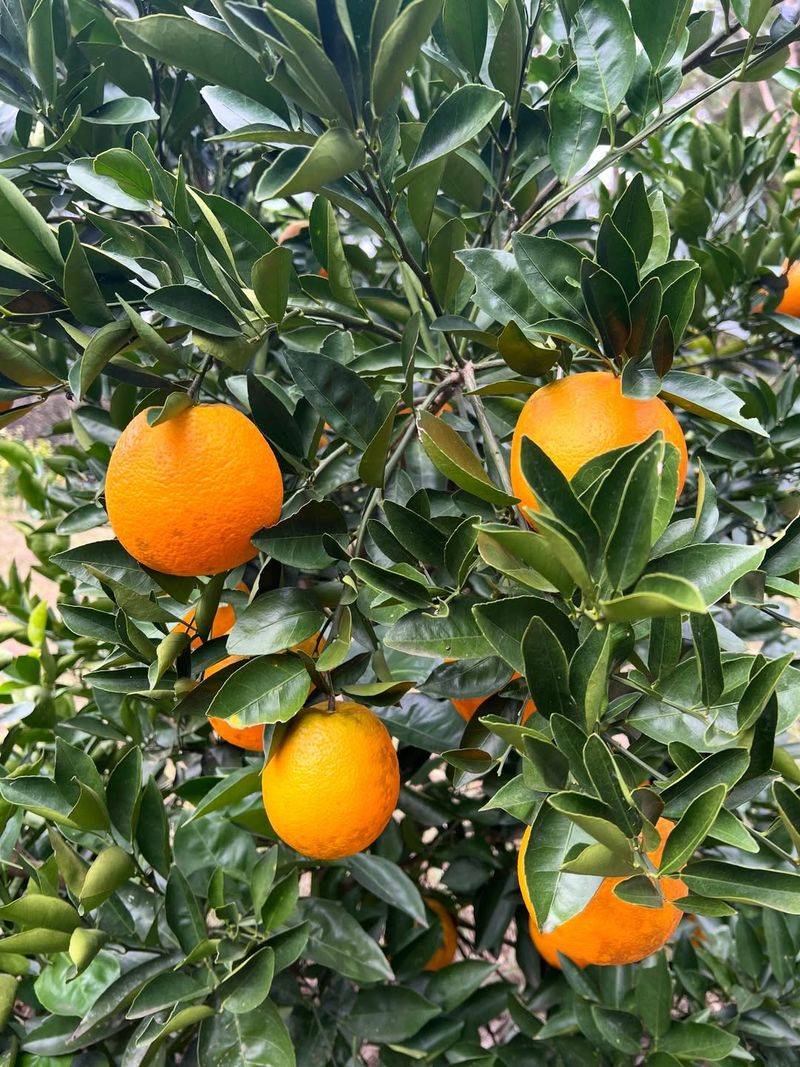
Fresh oranges, lemons, and limes growing in your own backyard sound wonderful, and many coastal homeowners plant citrus trees dreaming of homegrown fruit. The reality near saltwater proves disappointing as citrus struggles with environmental conditions that prevent healthy growth and productive fruiting.
Beaches create several conditions citrus trees struggle to tolerate.
Salt spray damages citrus foliage and causes leaf drop that weakens trees and reduces fruit production dramatically. Coastal winds batter citrus branches and knock off developing fruit before it ripens, leaving you with minimal harvest despite the tree’s efforts.
Sandy alkaline soil creates nutrient deficiencies that show up as yellowing leaves and stunted growth, while salt in the soil damages roots and prevents proper water uptake.
Citrus greening disease spreads more readily in stressed coastal trees that lack the vigor to resist infection, and hurricane-force winds that hit barrier islands regularly topple shallow-rooted citrus trees.
Seagrape and pigeon plum both produce edible fruit while thriving in beachfront conditions where citrus often struggles long term. Seagrape develops clusters of grape-like purple fruit perfect for jellies, while pigeon plum offers small plum-like fruits that attract wildlife.
Both trees develop deep roots that stabilize coastal soils and prevent erosion, handle salt spray without complaint, and create the productive, beautiful landscape you want without the constant struggle of trying to grow citrus in environments where it becomes far more challenging.
Florida Extension experts emphasize that success near the coast depends on how close you live to the ocean, how much salt spray reaches your yard, and how protected your landscape is from wind, with beachfront and barrier island properties facing the harshest growing conditions.