Why Too Much Sun Can Harm Texas Gardens
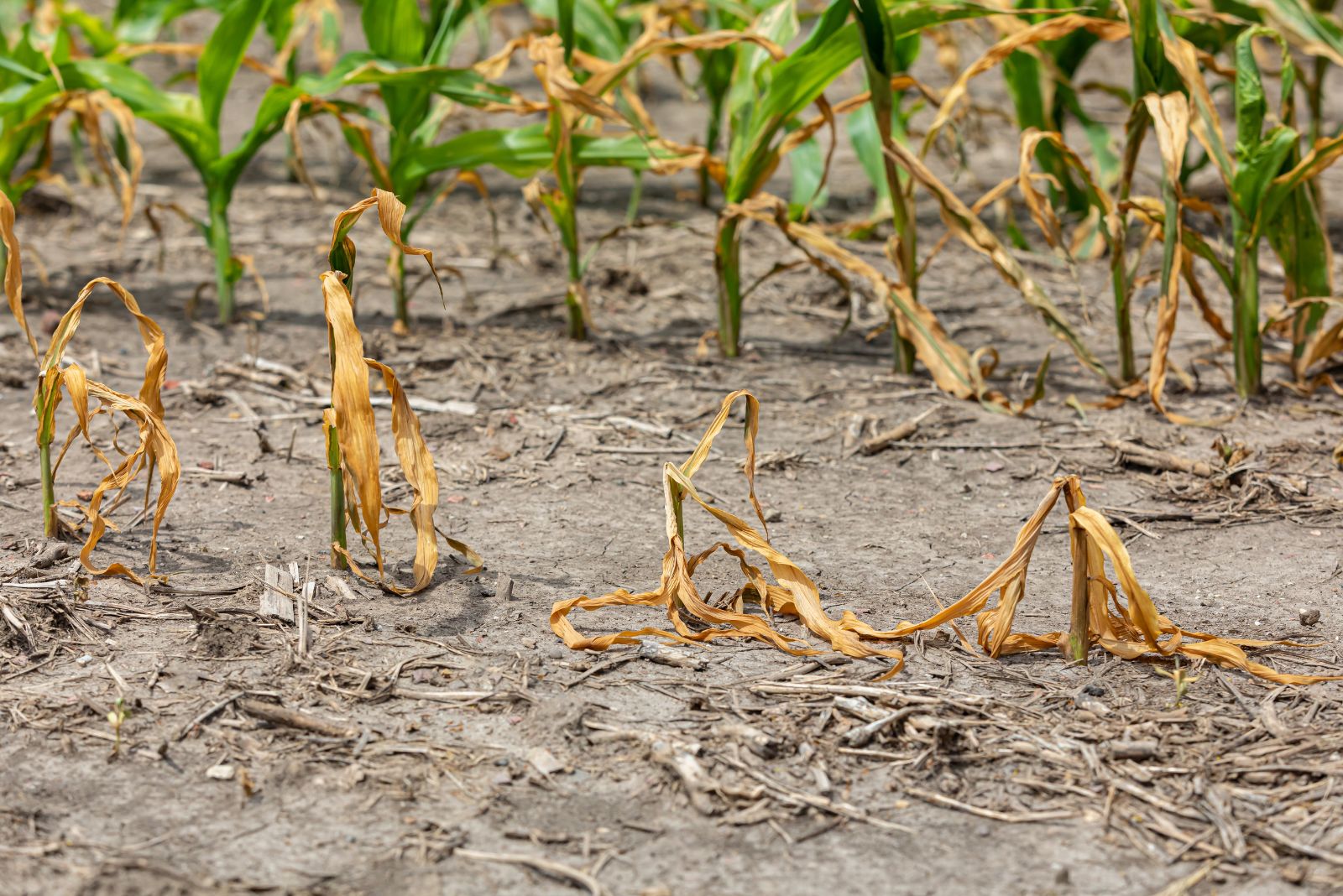
Texas sunshine is great for plants, but too much of it can quietly damage your garden. While sun helps flowers grow and vegetables produce, extreme heat and strong rays can stress plants fast.
More sun does not always mean better growth. Sometimes, it does the opposite.
Imagine watching leaves turn yellow, soil dry out, and blooms fade sooner than expected. What if the biggest problem in your garden isn’t pests or water, but sunlight itself?
Your plants might be asking for shade. Small changes can protect your garden and bring better results.
Texas gardens face long summers, intense heat, and nonstop sun exposure. Without the right balance, plants can struggle to survive, let alone thrive.
Learning how sunlight affects your garden helps you grow stronger plants, save water, and avoid common mistakes. Once you understand the signs, you’ll garden smarter and see healthier growth all season long.
1. Leaf Scorch And Sunburn Damage
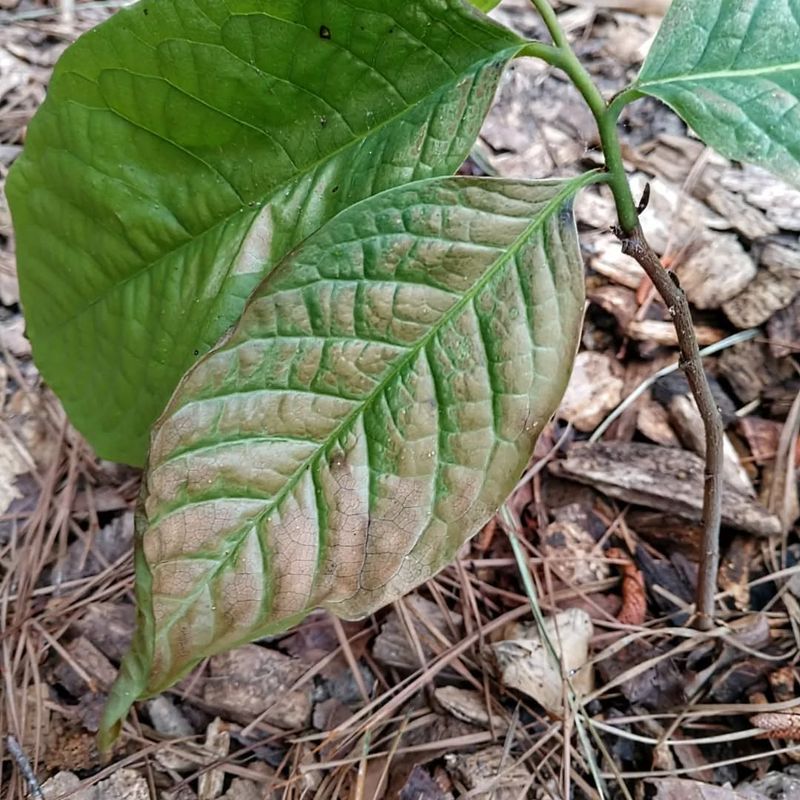
Plants can get sunburned just like people do, and when they spend too many hours under the blazing Texas sun, their leaves start to show serious signs of stress.
Leaf scorch happens when the edges and tips of leaves turn brown, crispy, and dry because the plant cannot keep up with water loss.
The intense heat causes moisture to evaporate faster than the roots can replace it, leaving the leaves damaged and unable to perform photosynthesis properly.
This problem is especially common during the hottest months in Texas, from June through August, when afternoon temperatures regularly climb past 95 degrees. Even plants that love sunlight can suffer when the rays are too strong for too long.
Tomatoes, peppers, squash, and delicate flowers like petunias are particularly vulnerable to this type of damage.
Once a leaf is scorched, it will not recover, and the plant has to work harder to grow new, healthy foliage. This slows down overall growth and can reduce the number of flowers or vegetables your garden produces.
In severe cases, sunburn can weaken the entire plant, making it more susceptible to pests and diseases.
To prevent leaf scorch, consider using shade cloth during the hottest part of the day, especially between noon and 4 p.m. Mulching around your plants also helps keep the soil cooler and retains moisture.
Watering in the early morning gives plants the hydration they need to handle the intense afternoon heat without as much stress.
2. Rapid Soil Moisture Loss
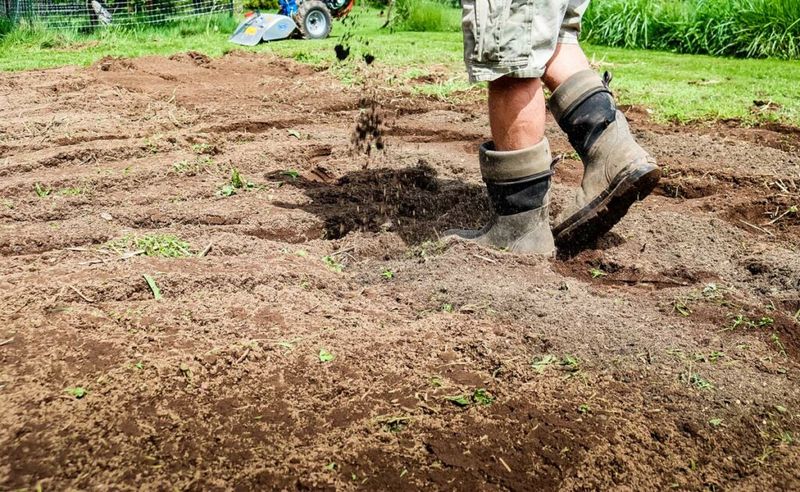
When the sun beats down on your garden for hours each day, the soil dries out incredibly fast, which creates a challenging environment for plant roots.
Moisture evaporates quickly from the surface, and if you do not water deeply and regularly, your plants will struggle to get the hydration they need.
Dry soil becomes hard and compacted, making it even more difficult for roots to spread and absorb nutrients.
In Texas, where summer droughts are common and rainfall can be unpredictable, this issue becomes even more serious. Sandy soils, which are found in many parts of the state, drain water especially fast and cannot hold onto moisture for very long.
Clay soils, on the other hand, can crack and pull away from plant roots when they dry out completely.
Plants that do not receive consistent water will wilt, stop growing, and may even drop their leaves or flowers as a survival response.
Vegetables like lettuce, cucumbers, and beans are particularly sensitive to dry conditions and need steady moisture to produce a good harvest.
Flowers such as impatiens and begonias also suffer quickly when the soil becomes too dry.
To combat rapid moisture loss, apply a thick layer of mulch around your plants to shade the soil and slow down evaporation. Drip irrigation systems or soaker hoses are excellent tools for delivering water directly to the roots without wasting it.
Watering deeply but less frequently encourages roots to grow deeper, which helps plants become more drought-resistant over time.
3. Reduced Flowering And Fruiting
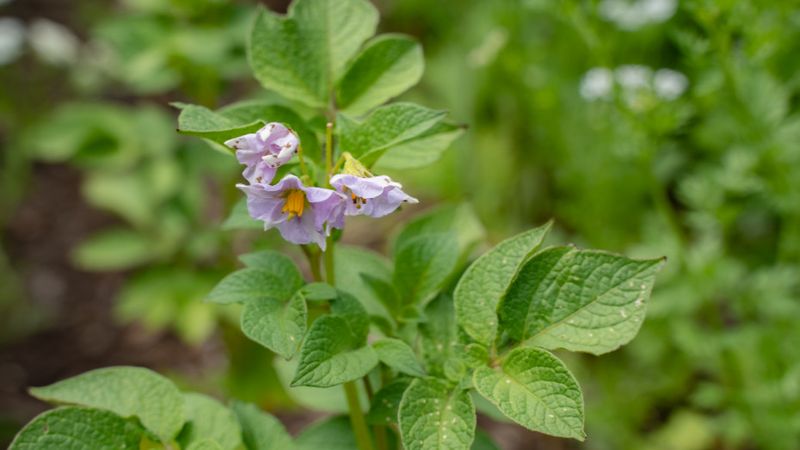
Excessive sunlight and heat can actually cause many plants to slow down or stop producing flowers and fruit altogether, which is frustrating for any gardener hoping for a bountiful harvest.
When temperatures climb too high, especially in Texas during midsummer, plants enter a kind of survival mode where they focus on staying alive rather than reproducing. This means fewer blooms, smaller vegetables, and less fruit overall.
Tomatoes are a perfect example of this problem. When daytime temperatures exceed 90 degrees and nighttime temperatures stay above 70 degrees, tomato plants often stop setting fruit because the pollen becomes too sticky to transfer properly.
The flowers may still appear, but they drop off without forming tomatoes. Peppers, beans, and squash can experience similar issues when the heat becomes too intense.
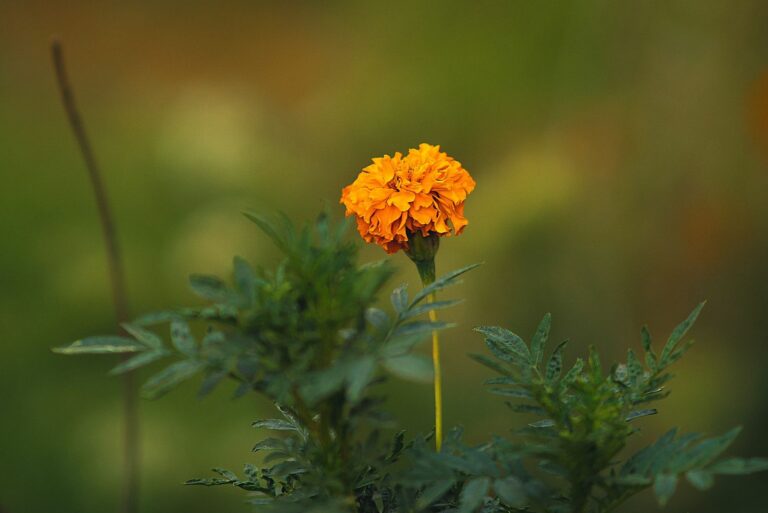
Flowering plants like roses, zinnias, and marigolds may also produce fewer blooms or stop flowering entirely during the hottest weeks of summer.
This is because the plant redirects its energy toward cooling itself and maintaining its leaves instead of creating new flowers. In some cases, the flowers that do appear may be smaller, paler, or shorter-lived than usual.
To encourage better flowering and fruiting in Texas gardens, try planting heat-tolerant varieties that are bred to handle high temperatures. Providing afternoon shade with a shade cloth or planting taller crops to create natural shade can also help.
Consistent watering and feeding with a balanced fertilizer will give your plants the energy they need to keep producing even when the sun is relentless.
4. Increased Pest And Disease Pressure
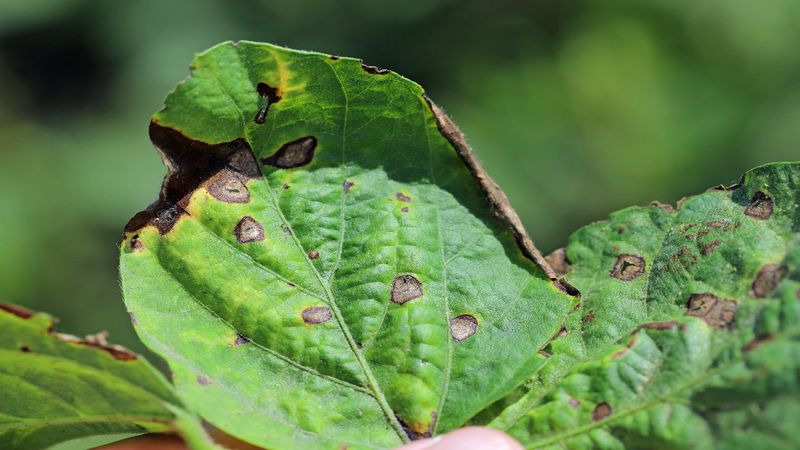
Plants that are stressed by too much sun become weaker and more vulnerable to attacks from insects and diseases, creating a cycle of problems that can be hard to break.
When a plant is struggling to survive in extreme heat and bright light, its natural defenses weaken, making it an easy target for pests like aphids, spider mites, whiteflies, and caterpillars.
These insects thrive in hot, dry conditions and can quickly infest a garden that is already under stress.
Spider mites, in particular, love the hot, dry weather that is so common in Texas during summer. They feed on plant sap, leaving behind tiny yellow spots and fine webbing on leaves.
A severe infestation can cause leaves to turn yellow, curl up, and eventually drop off. Aphids also multiply rapidly in warm weather and can spread diseases from plant to plant as they feed.
Fungal diseases like powdery mildew and leaf spot can also become more common when plants are stressed by excessive sun and heat. Although these diseases often thrive in humid conditions, the stress caused by sun damage makes plants less able to fight off infections.
Weakened plants are also more likely to develop root rot if they are overwatered in an attempt to compensate for the heat.
To reduce pest and disease pressure in your Texas garden, keep your plants as healthy as possible by providing adequate water, shade, and nutrients.
Inspect your plants regularly for early signs of pests or disease, and take action quickly to prevent problems from spreading.
Using organic pest control methods like neem oil or insecticidal soap can help keep insect populations under control without harming beneficial insects.
5. Stunted Root Development
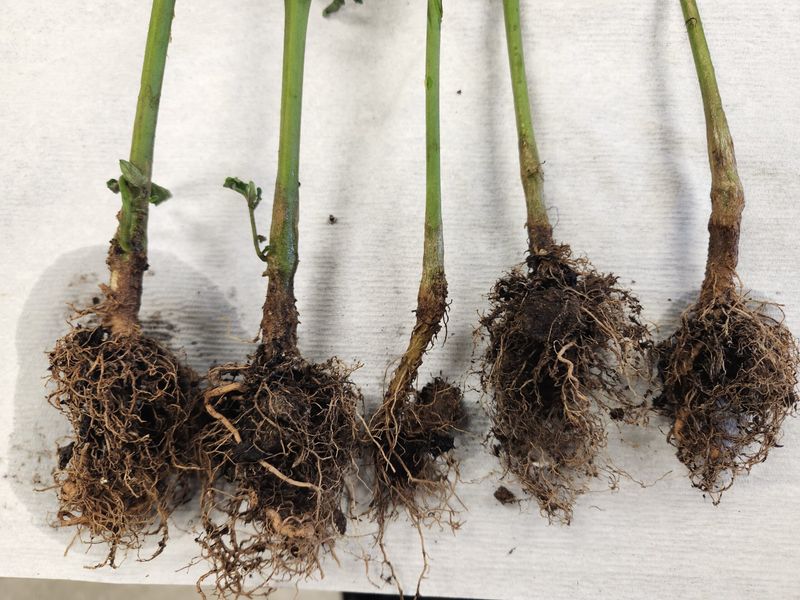
Roots are the foundation of every healthy plant, but when the soil gets too hot from constant sun exposure, root growth can slow down or even stop completely.
High soil temperatures, which are common in Texas gardens during summer, can damage delicate root hairs and prevent roots from absorbing water and nutrients efficiently.
This creates a weakened plant that struggles to grow, no matter how much you water or fertilize it.
Soil temperatures above 85 degrees can be harmful to many common garden plants, including lettuce, spinach, carrots, and most cool-season vegetables.
Even warm-season crops like peppers and tomatoes can experience reduced root growth when soil temperatures exceed 95 degrees.
Hot soil also speeds up the breakdown of organic matter, which means the soil loses nutrients faster and becomes less fertile over time.
When roots cannot grow properly, the entire plant suffers. Stunted roots mean the plant cannot anchor itself firmly in the ground, making it more likely to topple over in strong winds or heavy rain.
It also means the plant cannot reach deeper water sources during dry spells, leaving it more dependent on frequent watering from you.
To protect your roots from excessive heat in Texas, apply a thick layer of organic mulch like wood chips, straw, or shredded leaves around your plants. Mulch acts as insulation, keeping the soil cooler and more stable.
Planting in raised beds or containers can also help, as these allow for better drainage and more control over soil temperature. Avoid working the soil during the hottest part of the day, and consider planting in areas that receive some afternoon shade.
6. Wilting And Dehydration Stress
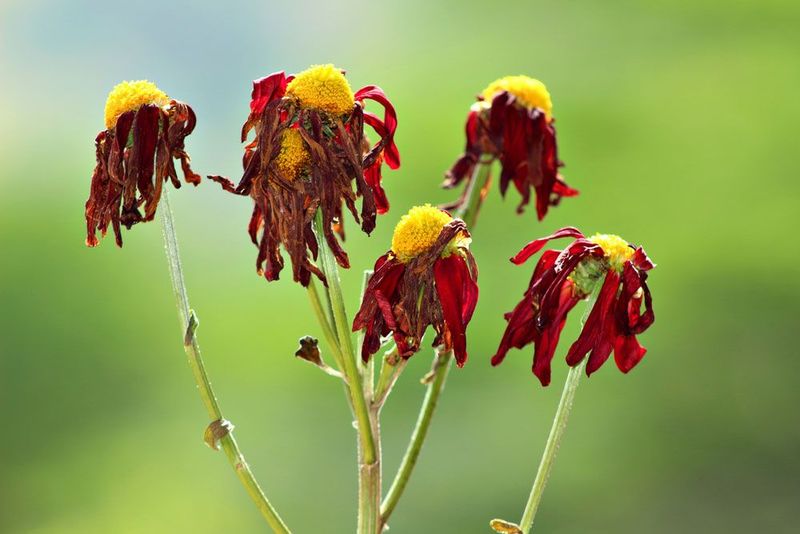
Wilting is one of the most obvious signs that your plants are suffering from too much sun and not enough water, and it can happen surprisingly fast on a hot Texas afternoon.
When plants lose water through their leaves faster than their roots can replace it, the cells lose pressure and the plant droops.
While some wilting is temporary and plants recover overnight, repeated stress from dehydration can cause permanent damage and weaken the plant over time.
In Texas, where summer temperatures often stay above 100 degrees for days or even weeks at a time, dehydration stress is a constant threat.
Plants that are not adapted to extreme heat, such as hostas, ferns, and hydrangeas, will wilt quickly and may not recover without immediate intervention.
Even heat-loving plants like succulents and cacti can suffer if they are exposed to too much direct sunlight without adequate water.
Chronic dehydration stress causes plants to shed leaves, stop growing, and become more susceptible to pests and diseases.
Vegetables and fruits that are developing during a period of water stress may become misshapen, bitter, or fail to ripen properly. Flowers may fade quickly or drop off before they fully open.
To prevent wilting and dehydration in your garden, water deeply and consistently, especially during the hottest months. Early morning watering is best because it gives plants time to absorb moisture before the heat of the day.
Installing a drip irrigation system or using soaker hoses can help ensure your plants get steady hydration without wasting water. Grouping plants with similar water needs together also makes it easier to manage watering efficiently.
7. Color Fading And Bleaching
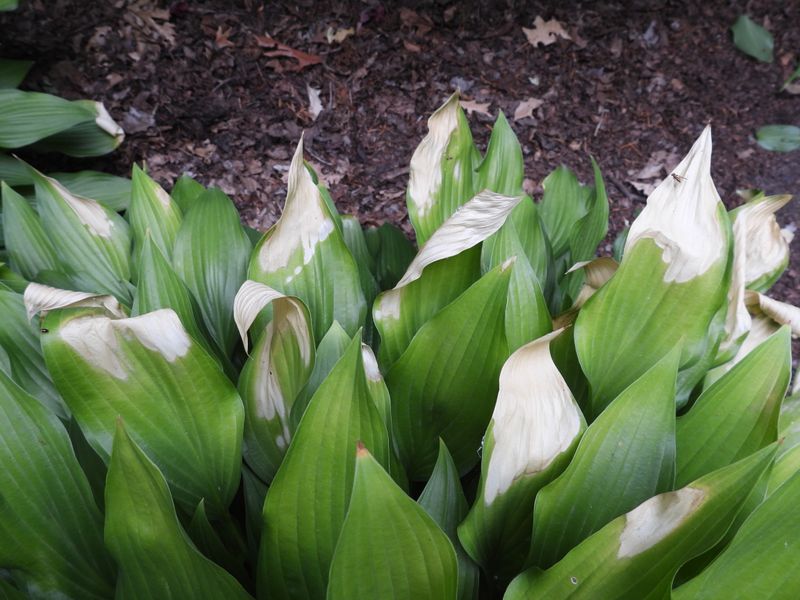
Bright, vibrant flowers and lush green foliage can quickly lose their color when exposed to too much intense sunlight, leaving your garden looking washed out and dull.
This happens because the pigments in plant cells, like chlorophyll and anthocyanins, break down under constant exposure to strong ultraviolet rays.
In Texas, where the sun shines intensely for most of the year, color fading and bleaching are common problems that can affect the overall beauty of your garden.
Flowers like petunias, impatiens, and pansies are especially prone to fading when planted in full sun during the hottest months. Their bright reds, purples, and pinks can turn pale or even white after just a few weeks of harsh sunlight.
Foliage plants like coleus, which are prized for their colorful leaves, can also lose their vivid patterns and become mostly green when exposed to too much light.
Even vegetables can suffer from color bleaching. Lettuce and spinach may develop pale, yellowish leaves instead of the deep green color that indicates healthy growth.
This not only affects the appearance of your garden but can also signal that the plant is stressed and not producing nutrients as efficiently as it should.
To keep your garden looking vibrant and colorful in Texas, choose plant varieties that are bred to tolerate full sun and intense heat. Planting in areas that receive morning sun but afternoon shade can help protect delicate colors from fading.
Using shade cloth during the hottest part of the day is another effective strategy. Regularly deadheading spent flowers and trimming back faded foliage encourages new, colorful growth and keeps your garden looking fresh all season long.