Why Tossing Diseased Pear Leaves Into Your Michigan Compost Pile Is A Mistake
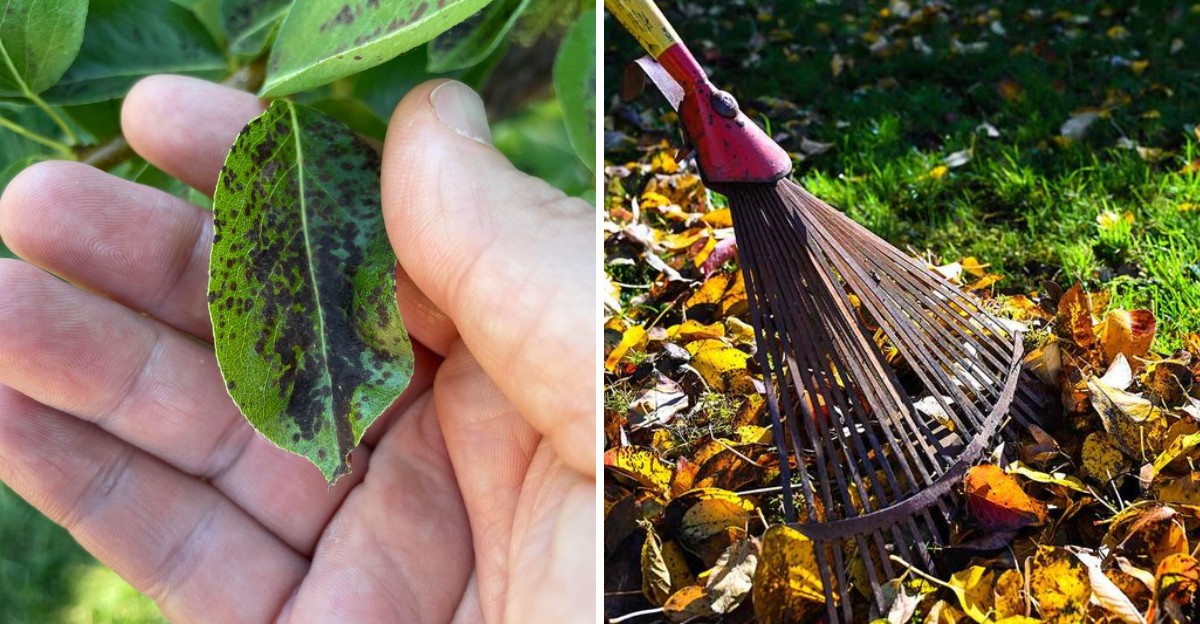
Diseased pear leaves might seem harmless once they fall to the ground, but tossing them into a compost pile can cause real problems the following year.
Many fungal diseases that affect pear trees survive winter by overwintering directly in fallen leaves, especially if those leaves don’t fully break down in a home compost setup.
A standard compost pile often doesn’t reach temperatures high enough to destroy these spores, meaning the finished compost can actually spread the disease right back into the garden.
Bagging and disposing of diseased leaves separately, rather than composting them, helps break this cycle before it has a chance to repeat.
This small change in cleanup habits can make a noticeable difference in how healthy pear trees look the following growing season.
1. Pear Scab Survives The Winter In Fallen Leaves
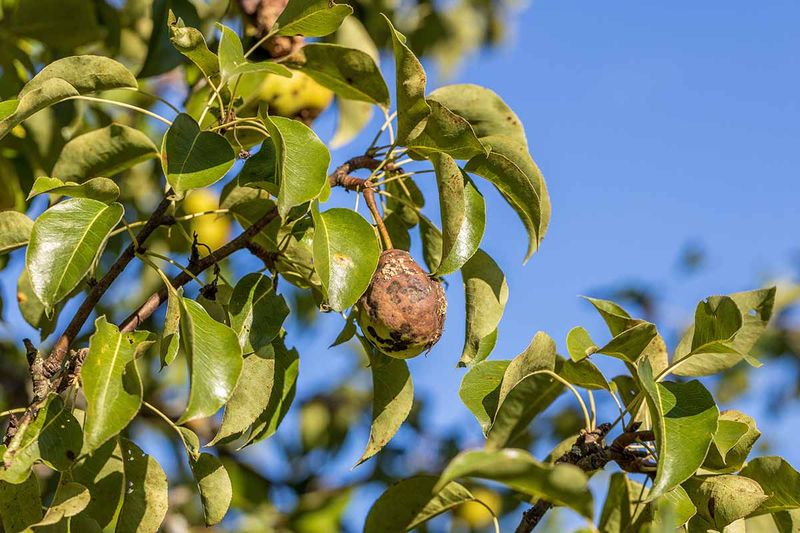
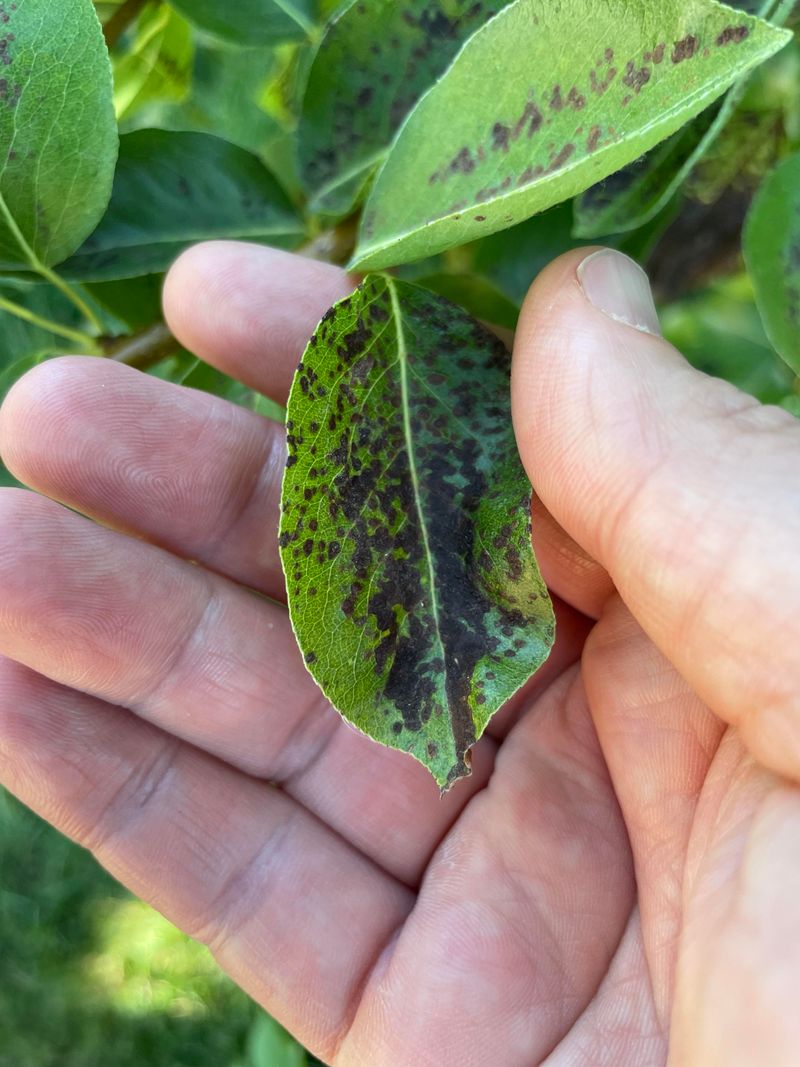
Those fuzzy, dark spots on your pear leaves are more than a cosmetic flaw. Pear scab is a fungal disease that leaves olive to black, velvety blotches on foliage. On the fruit, it shows up as rough, scabby patches that sometimes crack open.
Here is the sneaky part. When infected leaves fall in autumn, the fungus moves right in and settles down for the winter. It quietly builds tiny spore sacs inside the leaf tissue while snow covers the ground.
Spring is when the trouble starts again. Rain soaks the old leaves, and the fungus shoots spores into the air. Wind and splashing water carry them up to fresh leaves and opening blossoms, and the whole cycle begins once more.
Breaking that cycle is easier than you might think. Rake up scab-covered leaves in fall and remove them from your yard. Keep them far away from your home compost pile, where the fungus can sit safely through the cold months.
Keeping the ground under your tree tidy through the dormant season also helps a lot. A clean patch of grass or mulch gives the fungus fewer places to hide. Even a quick rake after the last leaves drop makes a real difference.
Michigan weather makes all of this extra important. Our springs are often cool, damp, and rainy for weeks at a time.
Those are perfect conditions for scab, which is why it shows up so often on pear and apple trees across the state. A little cleanup now can mean cleaner fruit later.
2. Fabraea Leaf Spot Also Overwinters In Leaves
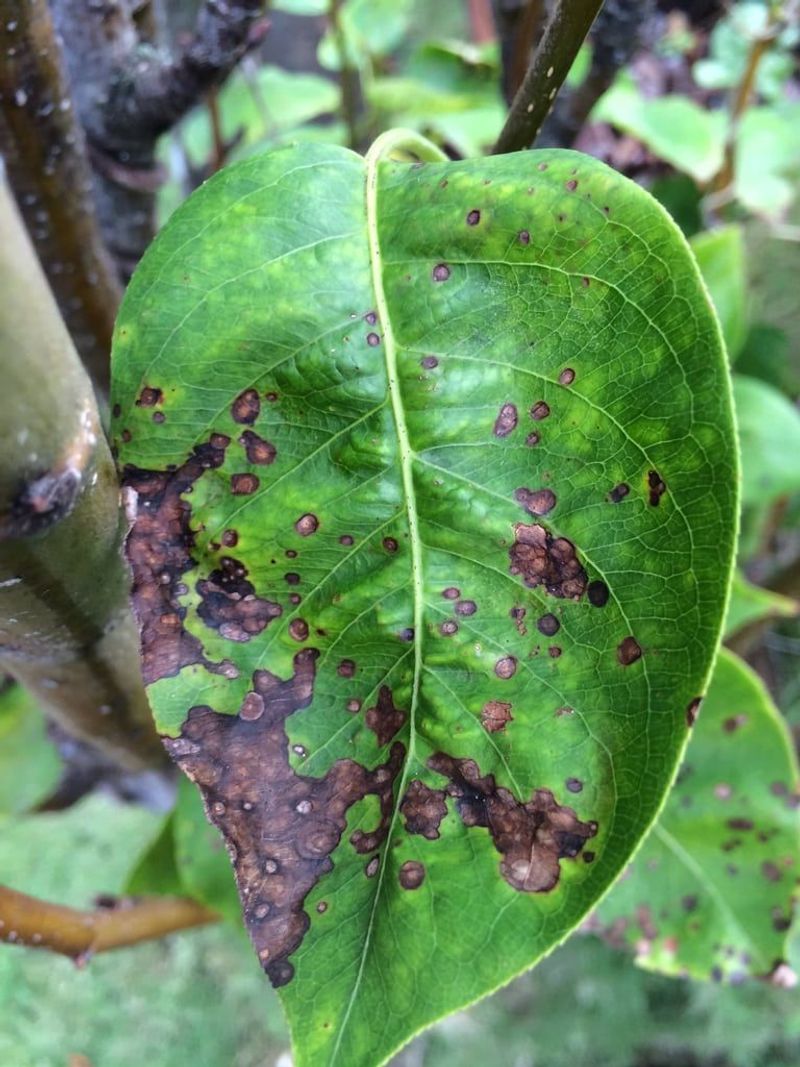
Ever notice tiny purple dots spreading across your pear leaves in summer? You might be looking at Fabraea leaf spot. This fungal disease starts as small, dark purple to black spots that can multiply quickly.
As the spots grow in number, leaves often turn yellow and drop early. Your tree may look half bare by late summer, long before fall should arrive. Fruit can also pick up dark spots, which makes pears less appealing to eat or share.
Like pear scab, this fungus loves a cozy pile of fallen leaves. It spends the winter tucked inside infected foliage on the ground. When spring rains return, it spreads back up to the tree and starts a fresh round of infections.
Your Michigan Garden Changes Every Week. Your Plan Should Too.
Gardening in Michigan changes quickly throughout the season. Every Friday you’ll receive a simple weekly plan showing exactly what to plant, prune, fertilize, harvest, and protect so you never miss the right timing.
One bad year might not seem like a big deal. Over time, though, heavy infections weaken a tree because it keeps losing leaves it needs to make food. A stressed tree grows slower and produces fewer pears.
Fighting back takes a few simple habits. First, gather fallen infected leaves and remove them from the yard. Next, prune your tree so air can move freely through the branches, since leaves that dry quickly after rain are much harder for fungus to attack.
Finally, keep every spotted leaf out of your compost. Michigan summers can feel sticky and humid, and our springs bring plenty of rain.
Those wet conditions help leaf spot diseases spread fast on pear trees, so good cleanup gives your tree a fighting chance.
3. Most Backyard Piles Don’t Get Hot Enough
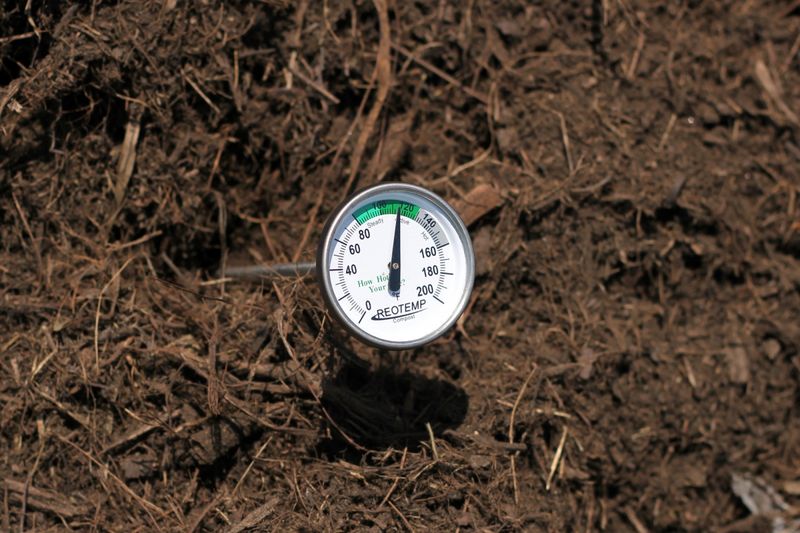
Think of a compost pile like an oven. If the temperature never climbs high enough, the food never really cooks. Disease organisms on infected leaves work the same way.
To reduce fungus and other troublemakers, a pile needs to get very hot and stay hot for days. Commercial composters aim for roughly 131 to 160 degrees Fahrenheit.
They also turn the pile again and again so every bit of material spends time in the steamy center.
Most backyard piles simply can’t keep up. They tend to heat unevenly, with a warm middle and cool edges. Some never warm up much at all, especially if they are small, dry, or rarely turned.
That means spotted leaves near the outside of your bin might come through the process just fine. The fungus on them stays alive and ready to cause trouble. You end up with compost that looks great but still carries hidden problems.
The simple fix is to be picky about what goes in. Compost healthy leaves, grass clippings, and kitchen scraps at home. Send diseased leaves and fruit somewhere else, and never count on your backyard bin to clean them up.
Michigan fall weather adds another challenge. Once October brings chilly nights, microbes in the pile slow way down. By November, many home piles barely heat up at all, which makes reaching high temperatures even harder.
A compost thermometer can show you just how cool your pile really runs, and the results often surprise people.
4. Compost Piles Near Trees Can Spread Spores
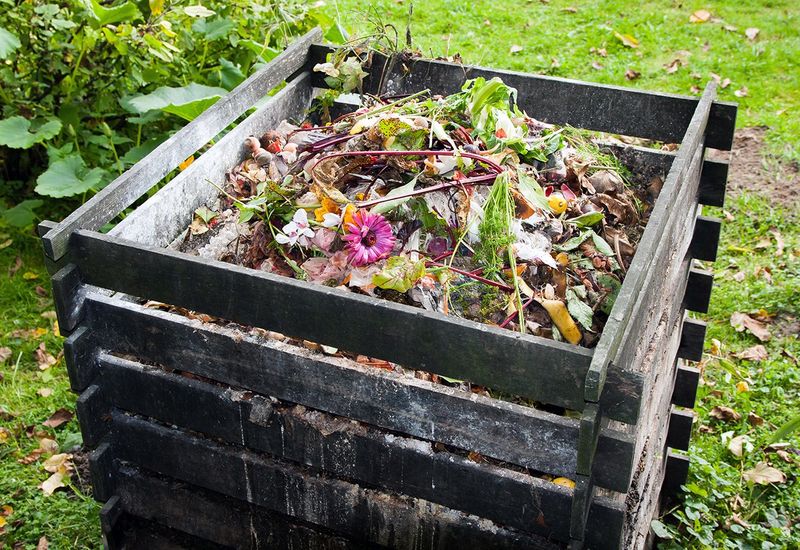
Your compost bin might be the closest neighbor your pear tree has. In many yards, the two sit just a few steps apart. That cozy setup can turn into a problem when diseased leaves end up in the pile.
Leaves in a compost pile don’t stop being infected just because they are buried. Through winter, the fungus keeps going, especially in the cooler outer layers where heat never reaches. When spring arrives, those leaves can still release spores.
From there, nature does the rest. A breezy April afternoon can lift spores into the air. Raindrops splashing on the pile can toss them even farther, right onto fresh leaves and blossoms on nearby trees.
In other words, your compost bin could act like a launch pad for new infections. You might rake carefully under the tree, only to have spores drift back from a pile across the yard. It is a frustrating way to undo all that hard work.
Luckily, a few changes solve the problem. Place compost piles well away from fruit trees whenever you can. Never add scabby or spotted pear leaves to the pile, no matter how small the spots look.
Best of all, remove diseased material from your property completely. Michigan gardeners often keep their bins close to the garden for convenience, and fruit trees tend to share that same space.
Moving the bin or cleaning up its contents gives your pear tree breathing room when blossoms open.
5. Finished Compost Can Carry Problems Back
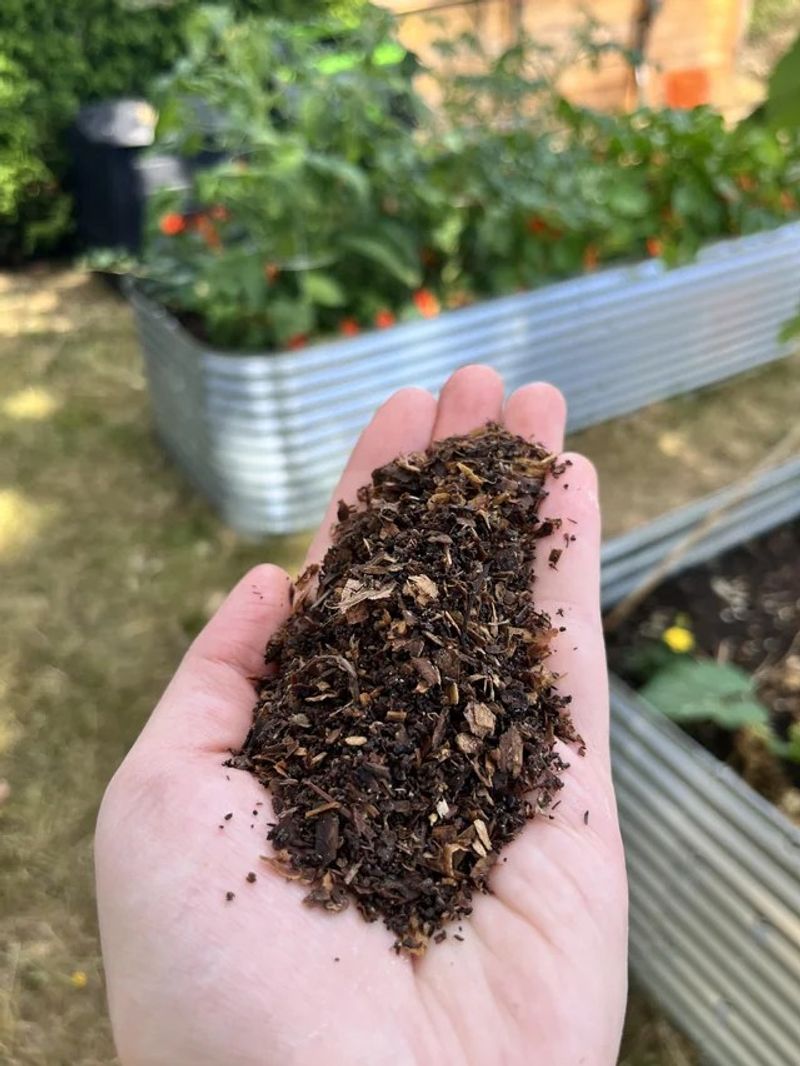
Spreading fresh compost around your trees in spring feels wonderful. The dark, crumbly soil smells earthy and promises a great growing season. But what if that compost came from a batch with diseased leaves?
If fungus or other organisms survived the composting process, they are still in there. When you spread that compost around a pear tree or across a garden bed, you deliver them right back home.
It is a bit like returning a lost package to the exact address that didn’t want it. Those organisms can then splash onto new leaves or fruit during spring rains.
Instead of feeding your soil and protecting your plants, the compost helps restart the disease cycle. All your raking and hauling ends up working against you.
A few smart choices keep that from happening. Use compost made only from healthy material around fruit trees and vegetables. Those plants are the ones most likely to suffer if something nasty hitches a ride.
Not sure whether your pile ever got hot enough? Play it safe and use that compost in spots away from sensitive plants. Flower borders far from fruit trees, new lawn patches, or areas around sturdy shrubs work well.
Many Michigan gardeners love using homemade compost as mulch under fruit trees each spring. It holds moisture, feeds the soil, and looks tidy.
Keeping diseased leaves out of the pile from the start means you can spread that mulch with confidence and enjoy healthier trees all season.
6. Not Every Pear Problem Spreads Through Leaves
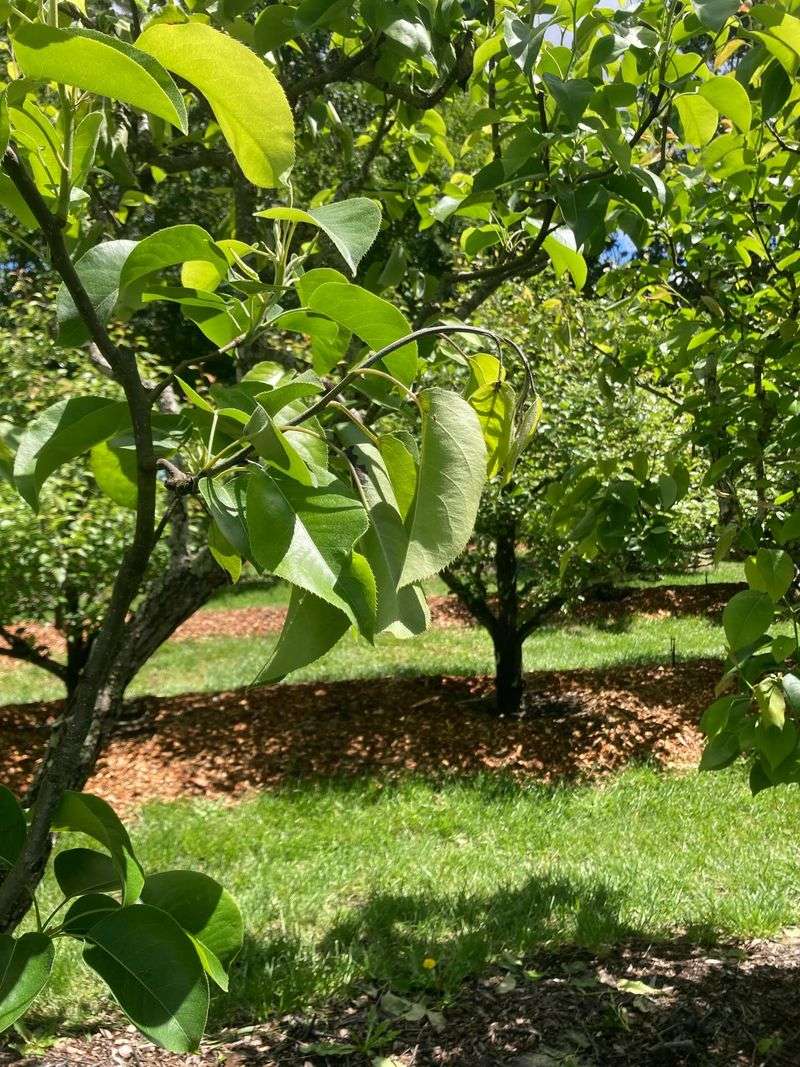
Knowledge saves a lot of wasted effort. Some pear diseases don’t depend on fallen leaves at all. Understanding the difference helps you aim your cleanup where it counts most.
Take pear rust, for example. This disease leaves bright orange spots on leaves, yet it can’t finish its life cycle on pears alone. It needs juniper plants as a second host, bouncing back and forth between the two.
If rust shows up on your tree, look around for nearby junipers. They might be in your own yard or just over the fence. Removing badly infected junipers or choosing other shrubs can cut down on rust over time.
Fire blight is a whole different story. Caused by bacteria rather than fungus, it makes shoots turn black and curl like a shepherd’s crook. The bacteria mainly survive winter in cankers on branches, not in fallen leaves.
That means raking alone won’t stop fire blight. During the dormant season, prune out infected branches and cut well below the visible damage, about 8 to 12 inches into healthy wood.
Wipe your pruners with rubbing alcohol or a disinfectant between cuts so you don’t spread bacteria from branch to branch. Here in Michigan, fire blight is one of the most serious threats pear trees face.
Warm, wet weather during bloom can trigger fast outbreaks. Because it needs pruning instead of leaf cleanup, knowing which disease you have helps you pick the right tools for the job.
7. Better Ways To Dispose Of Diseased Leaves
So where should those spotted leaves go instead? The good news is that you have several easy options. Each one helps break the disease cycle by moving infected material away from your trees.
Bagging is the simplest choice. Rake diseased leaves into sturdy bags and set them out for trash pickup. Once they leave your yard, their spores can’t drift back to your pear tree next spring.
Community yard waste programs offer another path. Many large municipal composting sites run hot, well-managed piles that reach temperatures a backyard bin rarely hits.
Just check first, because some programs ask residents to keep diseased plant material out of yard waste bags.
What about healthy leaves, or the last few stragglers that slip through your rake? A lawn mower can help. Running over leaves a couple of times chops them into small pieces that break down much faster before spring arrives.
Shredded leaves also make a fantastic addition to your compost pile if they come from healthy trees. They add carbon, help balance kitchen scraps, and turn into rich, crumbly material. Mixing a few habits together gives you a clean yard and great compost.
Michigan towns make this pretty convenient. Many cities offer seasonal yard waste collection in fall, often running from spring through late November or early December.
Check your local public works website for dates and rules, and plan your leaf cleanup around pickup days so bags don’t sit around too long.
8. Fall Cleanup Reduces Next Year’s Disease
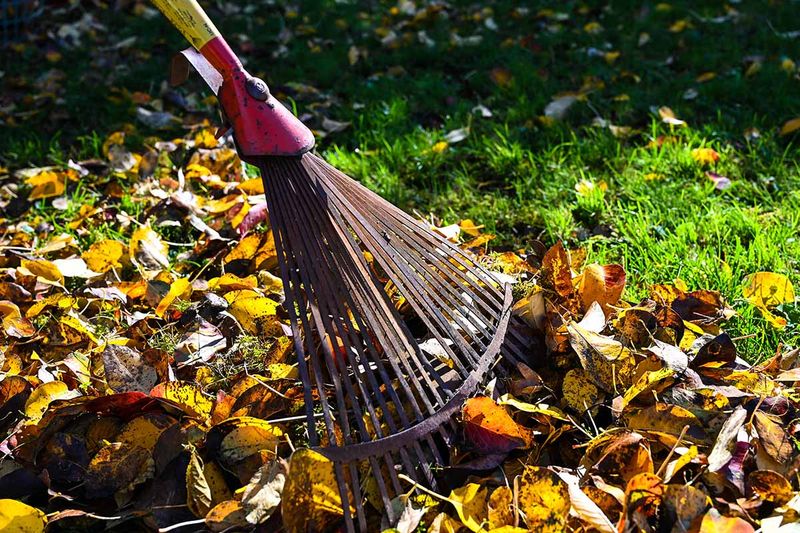
Every leaf you rake this fall is a small gift to next year’s harvest. Fewer infected leaves on the ground means fewer spores floating around in spring. Fewer spores mean fewer spots on new leaves and fruit.
It really is that straightforward. Fungal diseases like scab and leaf spot rely on leftover debris to restart each season. Take away their winter shelter, and you shrink the problem before it even begins.
Start by raking up fallen leaves soon after your tree drops them. Don’t forget the dropped fruit, since rotting pears can also harbor disease. A tidy space under the canopy makes a big difference.
Next, plan some pruning during the dormant season, usually late winter in Michigan. Thinning crowded branches lets sunlight and air move through the tree. Leaves that dry quickly after rain give fungus much less chance to take hold.
Thinking about adding more pear trees someday? Look for disease-resistant varieties. Pears such as Moonglow, Magness, and Harrow Delight are known for better resistance to fire blight, and choosing tough varieties saves you work for years.
Michigan gardeners have a real advantage here. Combining fall cleanup with smart pruning is one of the simplest ways to manage pear diseases without heavy spraying.
It costs almost nothing, gets you outside on beautiful autumn days, and sets your tree up for a strong, healthy start. Grab a rake, enjoy the crisp air, and look forward to sweeter pears next season.