Why Leaf Lettuce Is Worth Seeding In July For A Fresh Michigan Fall Harvest
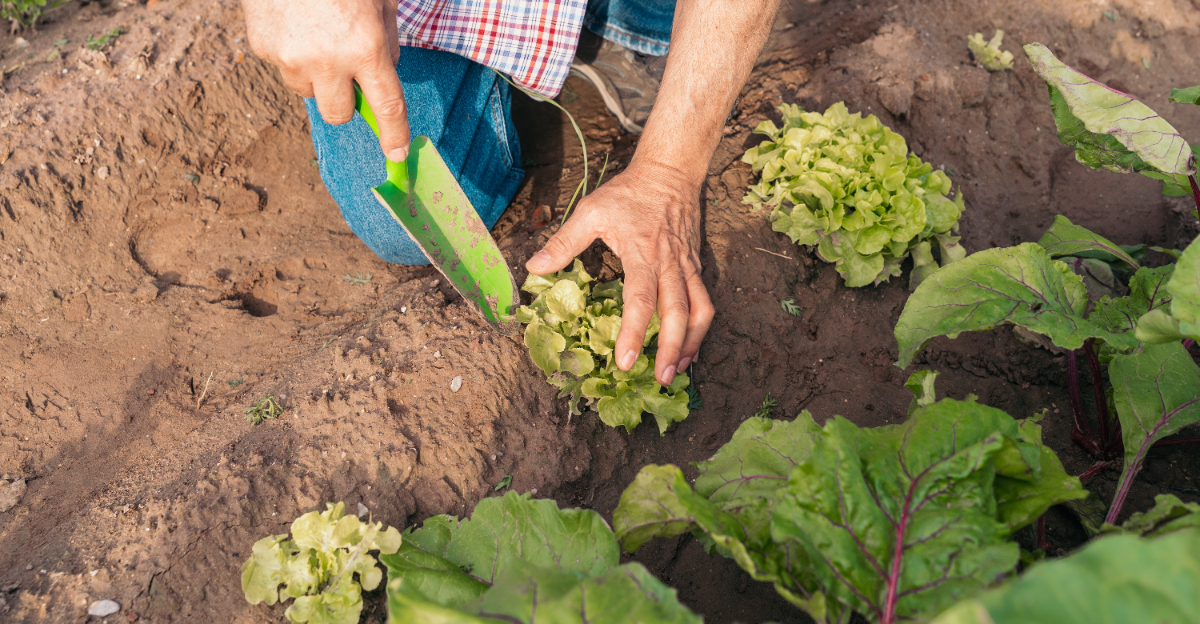
Leaf lettuce is one of the easiest crops to fit into a Michigan fall garden, especially when seeded in July for a steady harvest ahead. This quick growing green thrives in cooler temperatures, making late summer planting ideal as the heat begins to ease.
Seeds started in July have enough time to establish before shorter days slow overall growth. Leaf lettuce also tolerates light frost well, often producing tender leaves right up until the first hard freeze.
Succession planting every couple of weeks ensures a continuous supply through the fall months. Consistent watering during germination helps seeds sprout evenly in warm summer soil.
Providing light shade during the hottest July days can prevent seedlings from bolting too early. Timing this planting right rewards Michigan gardeners with fresh, crisp greens well into autumn.
1. July Provides Enough Time For A Mature Fall Harvest
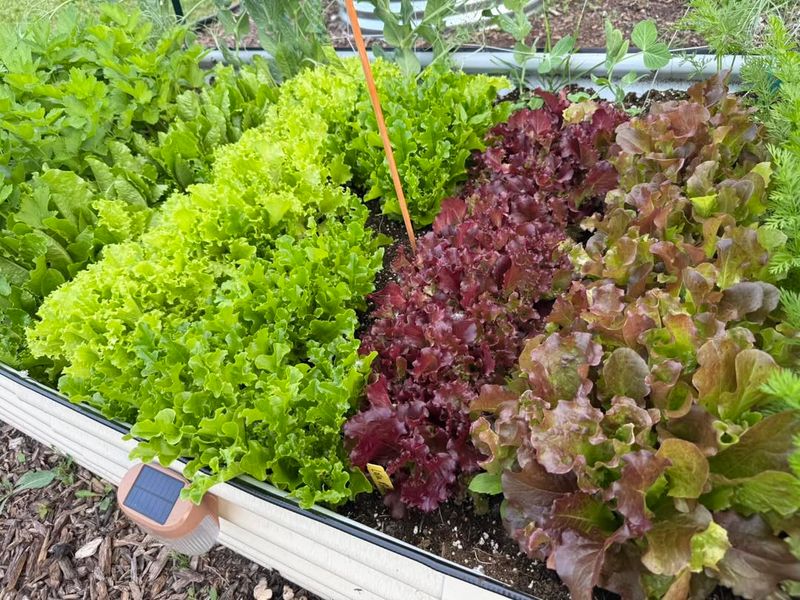
Counting backward from your first frost date is one of the smartest moves any Michigan gardener can make. According to MSU Extension, leaf lettuce typically needs around 50 days from germination to reach a mature, harvestable size during the fall season.
That window matters more than most people realize, especially when cooler temperatures and shorter days are already working to slow things down.
Fall conditions are not as forgiving as spring. Cooler soil, reduced sunlight, and dropping nighttime temperatures all combine to stretch out the time a plant needs to fully develop.
Waiting until September to seed means your lettuce may never reach its full potential before the season closes in.
Seeding in July gives your plants a genuine head start. Most of the heavy growing happens while summer warmth is still available, which means the plants are strong and leafy by the time fall arrives.
That is exactly the kind of momentum that leads to a satisfying harvest.
Before you sow a single seed, check the maturity period listed on your seed packet. Different varieties may range from 45 to 60 days, so that number matters when calculating your ideal sow date.
Count backward from your expected first frost, add a few extra days as a buffer, and you have your target planting window. Michigan gardeners in most regions will find that mid to late July lines up perfectly with that math.
2. Leaf Lettuce Produces Usable Greens Quickly
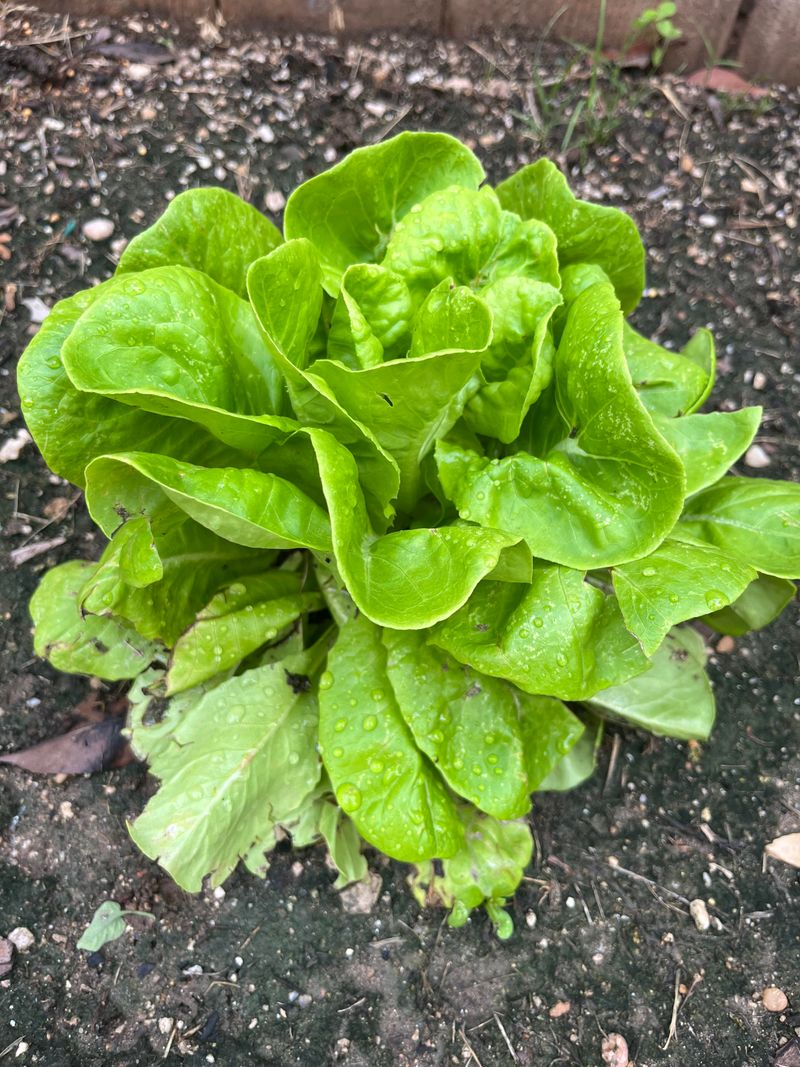
Not many vegetables reward impatient gardeners the way leaf lettuce does.
Unlike head lettuce varieties that require weeks of development before a single leaf can be gathered, leaf lettuce lets you start picking baby greens well before the plant reaches full size.
Those small, tender leaves are flavorful, nutritious, and ready sooner than most people expect.
Once leaves reach a size that feels useful to you, usually a few inches tall, you can begin gathering the outermost ones. The rest of the plant keeps right on growing.
That flexibility means your July planting can start contributing to your kitchen earlier than almost any other fall vegetable you might choose to grow.
Speed of growth does vary, and it helps to understand what drives it. Variety selection plays a big role, as some types are naturally faster than others.
Your Michigan Garden Changes Every Week. Your Plan Should Too.
Gardening in Michigan changes quickly throughout the season. Every Friday you’ll receive a simple weekly plan showing exactly what to plant, prune, fertilize, harvest, and protect so you never miss the right timing.
Temperature, consistent moisture, adequate sunlight, and proper spacing all work together to influence how quickly your plants develop. Crowded plants compete for resources, which slows everyone down, so thinning early makes a real difference.
Choosing a fast-maturing leaf lettuce variety for your July planting gives you even more flexibility.
Some types are ready for baby leaf harvest in as few as 28 to 30 days, which means you could be gathering fresh greens from a July sowing before August even ends.
For Michigan gardeners who love fresh salads, that kind of quick turnaround makes July seeding genuinely exciting and very worth the effort.
3. Cooler Fall Weather Supports Tender Leaves
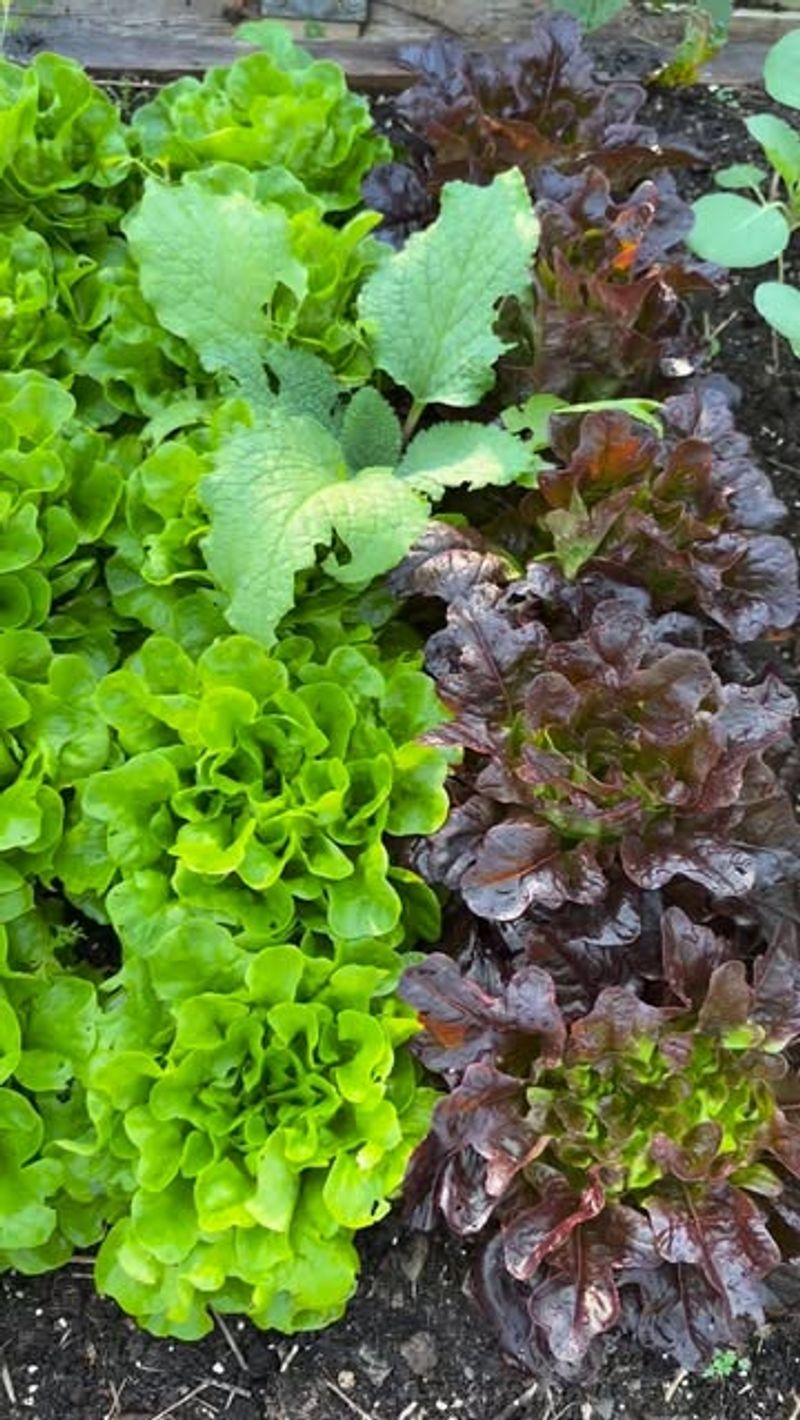
Lettuce has a well-earned reputation as a cool-season crop, and fall in Michigan delivers exactly the kind of conditions it loves.
When temperatures ease off from summer highs and settle into that mild, comfortable range, lettuce responds by producing leaves that are tender, flavorful, and noticeably less bitter than those grown during intense heat.
Summer heat does lettuce no favors. High temperatures push the plant toward bolting, which is the process of sending up a flower stalk, and that shift changes the flavor of the leaves significantly.
Leaves from a bolting plant tend to taste sharp and unpleasant, which is disappointing after weeks of careful growing. Seeding in July positions your crop to mature right as those intense summer temperatures begin fading away.
Michigan falls are generally mild enough to support excellent lettuce quality through much of September and October, depending on your location. That window aligns beautifully with a July sowing date.
Plants that spend their early weeks growing in summer warmth and then mature during cooler fall conditions often produce some of the best-tasting leaves of the entire gardening year.
Keep in mind that flavor is influenced by more than just temperature. Variety choice, consistent watering, and overall plant health all play a role in what ends up on your plate.
Some varieties are naturally sweeter or more tender than others regardless of the season. Choosing a variety known for mild flavor and trying to match it with fall conditions gives you the best possible combination for a satisfying harvest.
4. Early Planting Builds Strong Plants Before Shorter Days
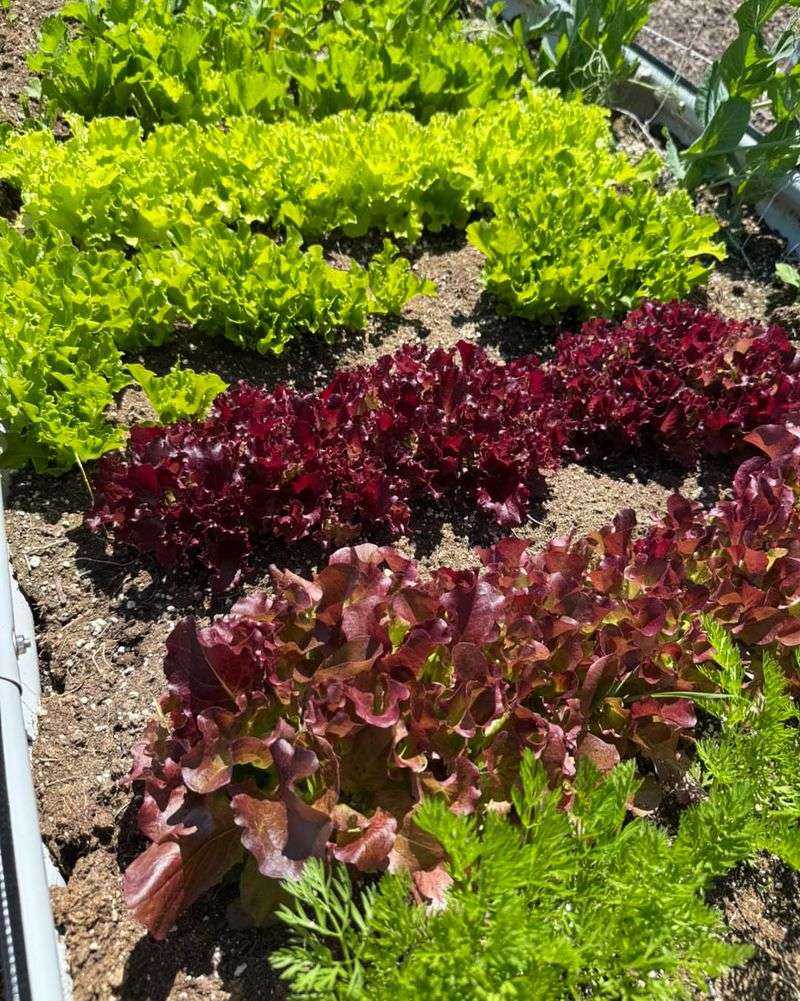
Daylight is one of the most underrated resources in the garden. Plants use it to fuel photosynthesis, which drives growth, leaf production, and overall plant vigor.
When days are long, plants have more energy available to establish roots, develop structure, and fill out into productive, leafy rosettes.
July in Michigan still offers generous daylight hours, and leaf lettuce planted during this time takes full advantage of that abundance.
Starting too late changes everything. A plant seeded in September may survive cool temperatures just fine, but with daylight shrinking rapidly, growth slows to a crawl.
The plant simply does not have enough light energy to develop at the pace needed for a meaningful harvest before the season closes. July seeding sidesteps that problem entirely by giving plants time to build real momentum while conditions are still in their favor.
Establishment is about more than just light, though. Proper thinning ensures each plant has enough space to spread without competing for water and nutrients.
Consistent moisture keeps young roots actively growing rather than stressing. Weed control matters too, since weeds steal resources and can shade young lettuce seedlings that need every bit of light available.
A small amount of balanced fertilizer at planting time supports steady, healthy development.
By the time September arrives and days noticeably shorten, a July-seeded plant already has a well-developed root system and a full rosette of leaves.
Growth slows but does not stop, and the plant coasts toward harvest on the strength it built during those longer summer days. That early investment pays off in a big way when fall comes.
5. Outer Leaf Harvesting Can Extend Production
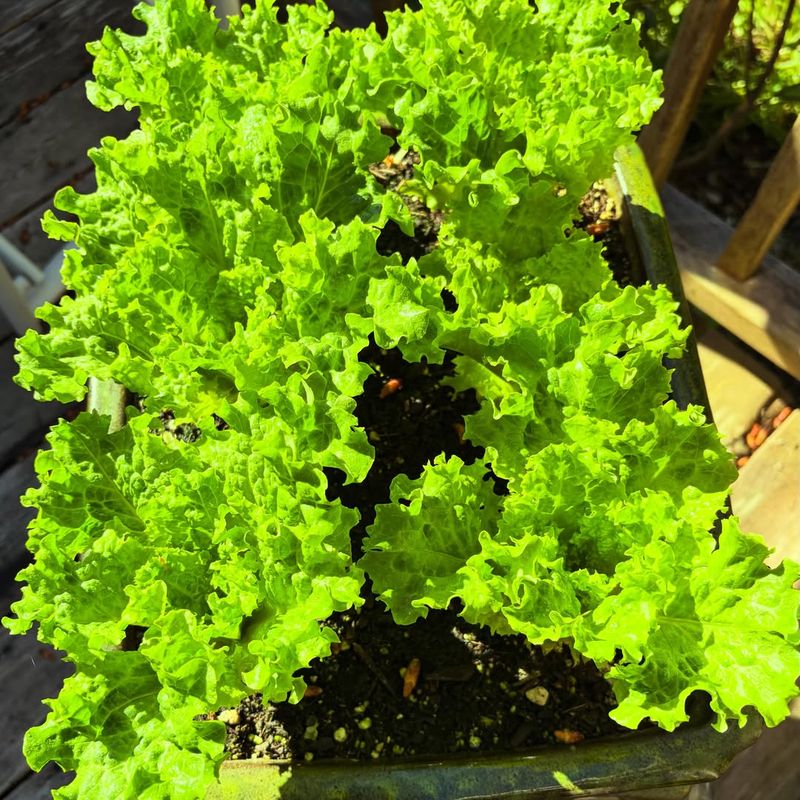
One of the most satisfying things about growing leaf lettuce is the way it keeps on giving. Unlike vegetables that require you to pull the entire plant to get anything useful, leaf lettuce allows a gentler, more rewarding approach.
Gathering the oldest outer leaves while leaving the center of the plant untouched gives you fresh greens today and sets you up for more tomorrow.
The center of a healthy lettuce plant, sometimes called the growing point or crown, continuously pushes out new leaves as long as the plant stays healthy and conditions remain suitable.
When you remove only the outer leaves, that central activity keeps going without interruption.
Over time, those new inner leaves mature, move outward, and become ready for another round of gathering. The cycle can repeat several times across a single growing season.
Getting the most from this method requires a little attention to plant health. Watering consistently is probably the most important factor, since lettuce roots are shallow and dry soil causes stress quickly.
Stressed plants slow down leaf production and may shift toward bolting rather than continuing to produce tender new growth. Keeping the soil evenly moist between harvests makes a noticeable difference in how productive each plant stays.
Harvesting frequently also helps. Leaving older outer leaves on the plant for too long allows them to become tough and less pleasant to eat.
Gathering them while they are still tender encourages the plant to keep producing and keeps your harvest quality high.
Clean cuts or gentle snapping at the base of each leaf stem reduces the chance of damage to the surrounding tissue and keeps the plant growing strong.
6. Successive Sowings Prevent One Large Harvest
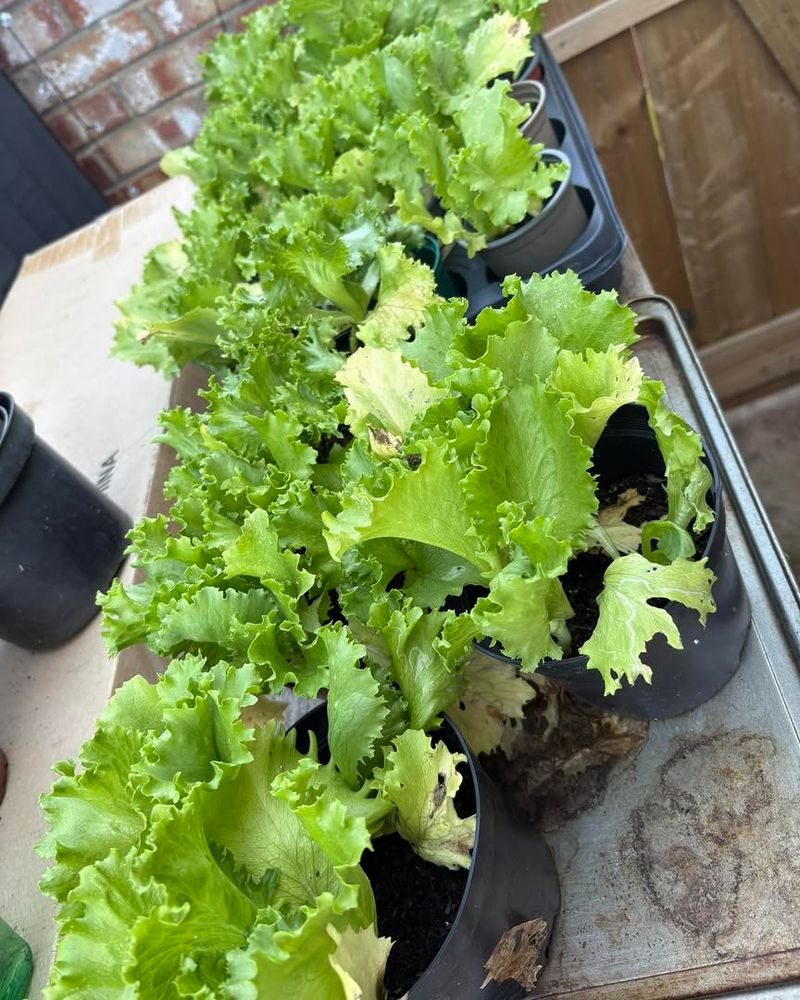
Imagine walking out to your garden and finding every single row of lettuce ready at exactly the same moment. That kind of abundance sounds exciting at first, but it quickly becomes overwhelming.
More lettuce than you can possibly use in a short window often leads to waste, and that is a frustrating outcome after weeks of careful growing. Successive sowing is the simple fix that keeps your harvest manageable and steady.
The idea is straightforward. Instead of seeding all your lettuce on one day, sow a small amount every two to three weeks throughout the suitable planting period.
Each batch germinates and grows on its own schedule, which means plants reach harvest readiness at different times. Your kitchen gets a steady supply of fresh greens rather than one overwhelming glut.
For Michigan gardeners working with a July sowing window, this approach works especially well. An early July sowing, a mid-July sowing, and a late July sowing each produce plants at different stages of development as fall arrives.
You harvest the earliest batch first, then move to the next, and so on. The garden stays productive longer, and nothing goes to waste.
Planning your final sowing carefully is the most important part of this strategy. Later sowings must still have enough time to develop before cold temperatures shut down growth for the season.
Check the maturity period for your chosen variety, count backward from your expected first frost, and make sure your last sowing date falls within that window.
Your regional planting calendar from MSU Extension is a reliable reference for figuring out exactly when to stop sowing.
7. July Seedbeds Can Be Protected From Summer Heat
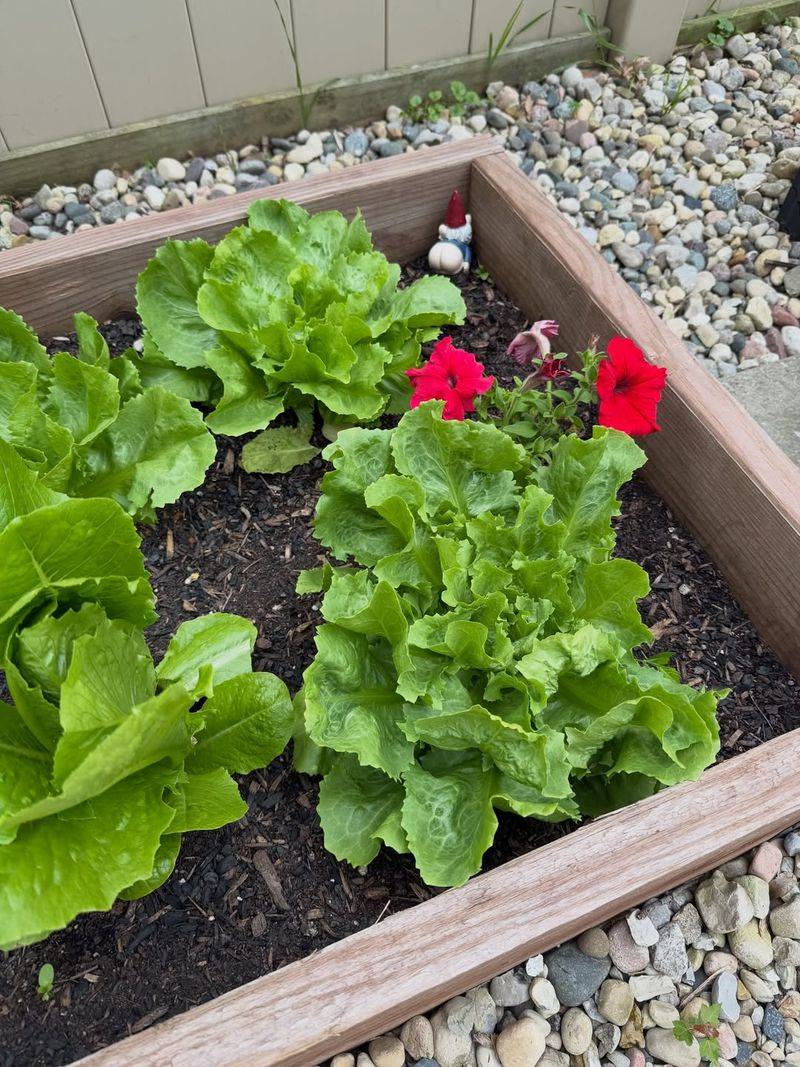
Seeding a cool-season crop during one of the warmest months of the year might sound contradictory, but Michigan gardeners do it successfully every season with the right approach.
The key is managing the seedbed environment carefully during those first critical days when seeds are germinating and young roots have not yet reached deeper, more stable soil moisture.
Timing your sowing around a milder weather period is a smart first move. Watch the forecast and aim for a stretch of days when afternoon temperatures are slightly lower than peak summer highs.
Even a few degrees of difference can make germination more reliable. If a mild spell is not immediately available, the other protective steps become even more important to keep conditions manageable for young seedlings.
Lettuce seed is planted shallowly, usually no deeper than a quarter inch, which means the tiny seeds and young roots sit very close to the soil surface. That surface dries out fast in July sun.
Checking soil moisture frequently and watering gently to keep the seedbed consistently moist is not optional during this stage.
Allowing the top inch of soil to dry out can stop germination entirely or stress seedlings severely before they ever get established.
Temporary shade is another practical tool worth using. A lightweight shade cloth or even a piece of floating row cover draped loosely over the seedbed reduces direct afternoon sun and helps hold moisture longer between waterings.
Airflow should remain good under whatever material you choose. Once seedlings are a couple of inches tall and clearly established, reduce or remove the shade so plants can access full light and continue growing at a healthy pace.