Why White Spots Appear On Cucumber Leaves During Certain Growing Conditions
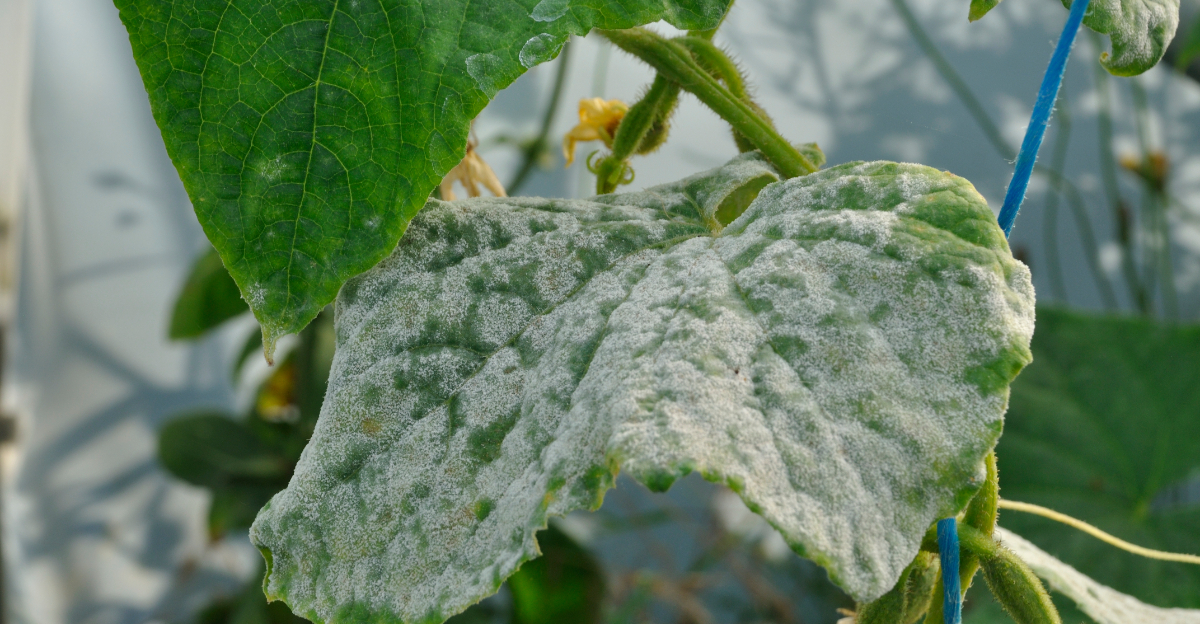
You freeze the moment those pale blotches start spreading across your leaves. Cucumber foliage rarely stays quiet about trouble brewing beneath it.
Gardeners everywhere face this exact mystery every single summer. Fungal spores thrive in damp corners you never notice.
Tiny pests work quietly, draining color until leaves turn ghostly. Sunlight sometimes stresses tender leaves faster than expected.
Certain coatings spread through spores carried on unsuspecting air currents. Soil imbalances quietly starve plants of nutrients they crave.
Overwatering weakens roots while leaves reveal the damage. Shifting weather patterns make diagnosis tricky for even careful growers.
Nutrient gaps mimic disease, confusing seasoned gardeners constantly. Hidden infections wait inside leaves for perfect conditions.
Temperature swings stress plants until natural defenses weaken. Each white spot carries its own quiet warning.
Ignoring these signs risks losing your entire harvest fast. You deserve answers before your cucumbers pay the price.
1. Powdery Mildew Spreads Across Leaves
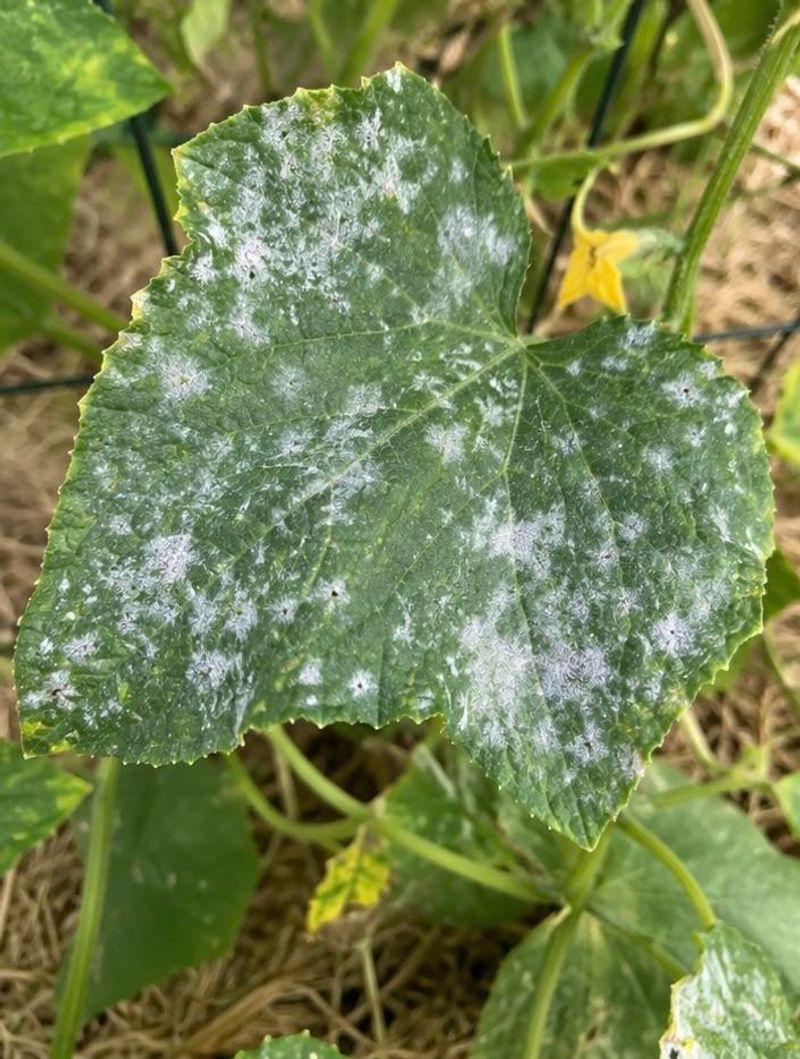
Walk up to a cucumber plant with white spots and touch the leaf. If the coating rubs off like baby powder, you are almost certainly dealing with powdery mildew.
This fungal disease is one of the most common reasons white spots appear on cucumber leaves.
Powdery mildew starts as small, circular white patches on the upper surface of the leaf. Over time, those patches spread and merge until the entire leaf looks dusted with flour. The fungus feeds on the plant tissue beneath that coating.
Unlike many fungi, powdery mildew does not need wet leaves to spread. It actually thrives in dry, warm conditions with low humidity at the leaf surface. That surprises most gardeners who assume fungal problems only happen in soggy soil.
The spores travel through the air and land on new leaves constantly. Once they find a warm, still environment, they germinate quickly and begin colonizing the surface. A single infected plant can spread spores across an entire garden bed within days.
Catching it early makes a real difference. Some gardeners spray affected leaves with a solution of one tablespoon baking soda mixed into one quart of water, though results can vary and research on its effectiveness is limited.
Adding a few drops of dish soap helps the mixture stick to the leaf surface. This is a home remedy some gardeners use as a mild preventive measure, not a guaranteed cure.
Neem oil is another option that can help disrupt the fungal life cycle without harsh chemicals, though results vary depending on application frequency and severity of infection.
Keeping your plants healthy and well-spaced is your best long-term defense against this persistent problem.
2. Poor Airflow Encourages Fungal Growth
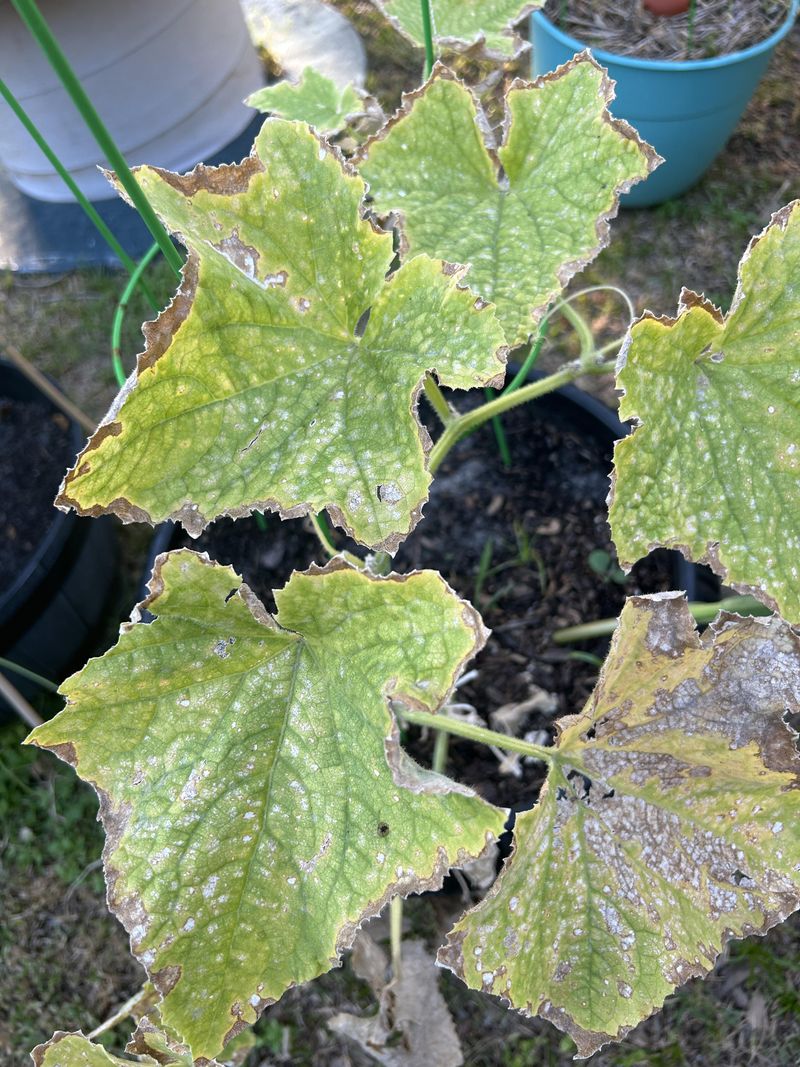
Stagnant air allows fungal spores to settle more easily. When cucumber plants grow close together with thick canopies, air stops moving through the foliage. That stillness creates a microclimate where spores settle and germinate quickly.
Good airflow is one of the most underrated tools in a gardener’s toolkit. Moving air dries leaf surfaces quickly after rain or morning dew.
Without that drying action, moisture lingers and gives fungal spores the window they need to take hold.
White spots appear on cucumber leaves partly because many gardeners skip proper spacing. Seed packets often recommend eighteen to twenty-four inches between plants for a reason. Crowding them closer might seem like a space-saving idea, but it costs you later.
Trellising your cucumbers vertically opens up the canopy dramatically. When vines grow upward instead of sprawling on the ground, air flows freely between stems and leaves. That simple change can reduce fungal pressure by a surprising amount.
Pruning also plays a big role in airflow management. Removing lower leaves and lateral shoots that crowd the base lets breezes pass through the plant from bottom to top.
This opens up the plant much like opening a window in a stuffy room. Timing your watering matters too. Water in the morning so leaves have the entire day to dry out.
Evening watering leaves moisture sitting on foliage overnight, which is exactly the scenario fungal pathogens love most. Airflow is a prevention strategy, not an afterthought.
3. Humidity Creates Ideal Mildew Conditions
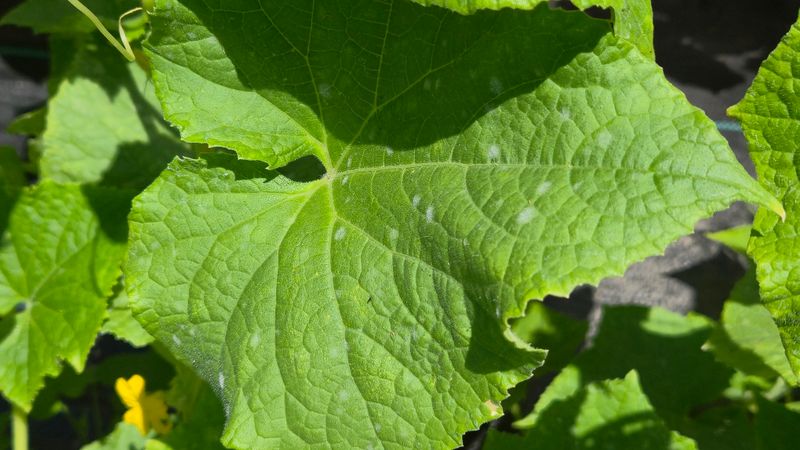
Humidity can be difficult to detect. You cannot always see it, but your cucumber plants feel every bit of it.
When relative humidity stays consistently high, fungal pathogen activity tends to increase. White spots appear on cucumber leaves much faster under these sticky, warm conditions.
Greenhouses and enclosed garden spaces are especially vulnerable to humidity spikes. Without proper ventilation, moisture from the soil and plant transpiration builds up quickly.
That trapped air becomes a breeding ground for mildew spores looking for a soft leaf to colonize. Outdoor gardens are not immune either.
In the United States, humid summer regions such as the Southeast often experience regular mildew outbreaks on cucumbers.
The combination of warm nights and high daytime humidity creates near-perfect conditions for fungal spread across entire garden beds.
Monitoring humidity with a simple hygrometer is an affordable way to get real data, though prices vary by retailer. Place one near your plants and check it in the morning and evening. If readings stay consistently high, you know it is time to act.
Increasing ventilation in enclosed spaces helps lower ambient moisture levels significantly. Adding a small fan to a greenhouse or cold frame keeps air moving and disrupts the stagnant conditions mildew prefers.
Even cracking a vent can make a measurable difference. Choosing mildew-resistant cucumber varieties is a smart move if you live in a humid climate. Seed catalogs often label these clearly.
Pairing resistant genetics with good airflow practices gives your plants a strong fighting chance all season long.
4. Overcrowding Traps Moisture Between Leaves
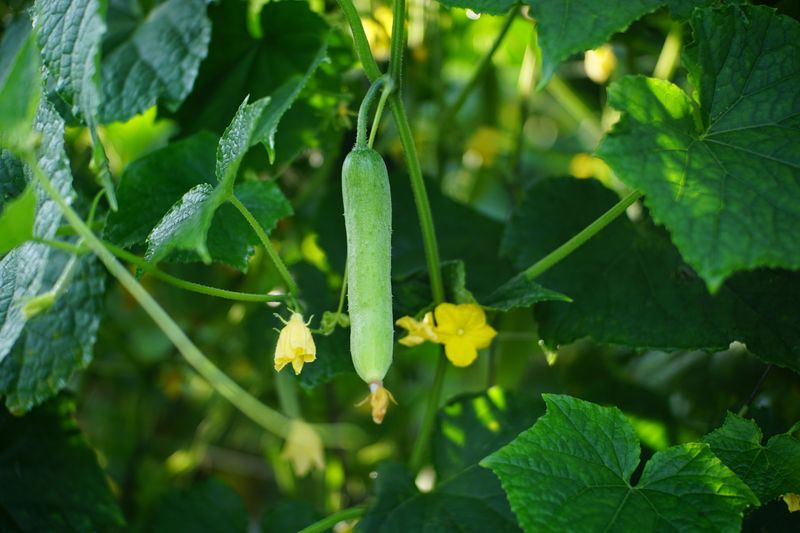
Crowded plants struggle the same way people do in a small, closed room. Nobody thrives in that kind of tight, still air.
Cucumber plants experience something similar when planted too close together. Overcrowding traps moisture between leaves, and that trapped moisture becomes a problem fast.
When leaves overlap and touch each other, they create shaded pockets where water cannot evaporate. Morning dew and irrigation water sit in those pockets for hours. Fungi and other pathogens find those damp, dark spots irresistible.
White spots appear on cucumber leaves in overcrowded beds more frequently than in well-spaced ones. The connection is direct and consistent.
Gardeners who thin their plants often report far fewer fungal issues throughout the growing season.
Thinning seedlings early is the easiest fix. Once plants reach six inches tall, remove the weakest ones to maintain proper spacing.
It feels wasteful in the moment, but the remaining plants grow stronger and healthier as a result.
Raised beds can make overcrowding tempting because every inch of soil feels precious. Resist the urge to squeeze in extra plants.
One healthy cucumber plant producing well beats three struggling plants producing little and infecting each other constantly.
Companion planting with low-growing herbs like basil around cucumber borders can help without adding canopy competition. Basil stays short and does not block airflow between taller cucumber vines.
Strategic spacing and thoughtful plant neighbors work together to keep your garden thriving all summer.
5. Nutrient Deficiencies Weaken Leaf Resistance
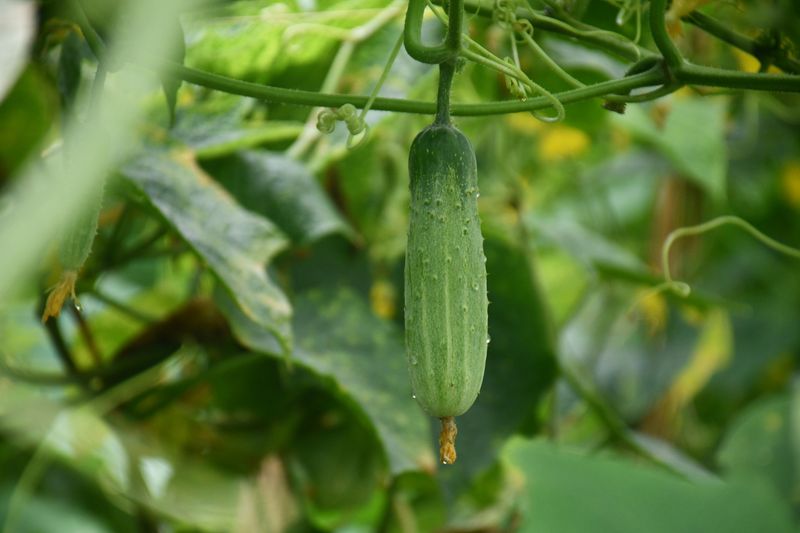
Healthy plants fight back. When cucumber leaves get the right balance of nutrients, they build stronger cell walls and produce natural compounds that resist fungal invasion. But when key nutrients run short, that defense system starts to crack.
Magnesium deficiency is one of the most common culprits behind pale, whitish patches on cucumber leaves. Magnesium plays a central role in chlorophyll production.
Without enough of it, leaves lose their green color in patches, starting between the leaf veins.
Potassium deficiency causes its own kind of leaf discoloration. Affected leaves often show pale or whitish edges that eventually turn brown.
Plants lacking potassium also struggle to regulate water, which makes them more vulnerable to both drought stress and fungal infection.
Testing your soil before the growing season is a genuinely smart investment. A basic soil test from your local extension office is typically affordable, and it tells you what your garden actually needs, though prices vary by region.
Guessing at fertilizer rates wastes money and can make imbalances worse. Foliar feeding with a diluted balanced fertilizer can give plants a quick nutrient boost when you spot deficiency symptoms. Spray it directly on the leaves for faster absorption.
This is a temporary fix while you address the root cause in the soil. Compost is the long-game solution for nutrient deficiencies.
Adding two to three inches of quality compost to your beds each season builds organic matter and feeds the soil ecosystem.
Strong soil grows strong plants, and strong plants are far less likely to show those troubling white spots on cucumber leaves.
6. Inconsistent Watering Stresses Immunity
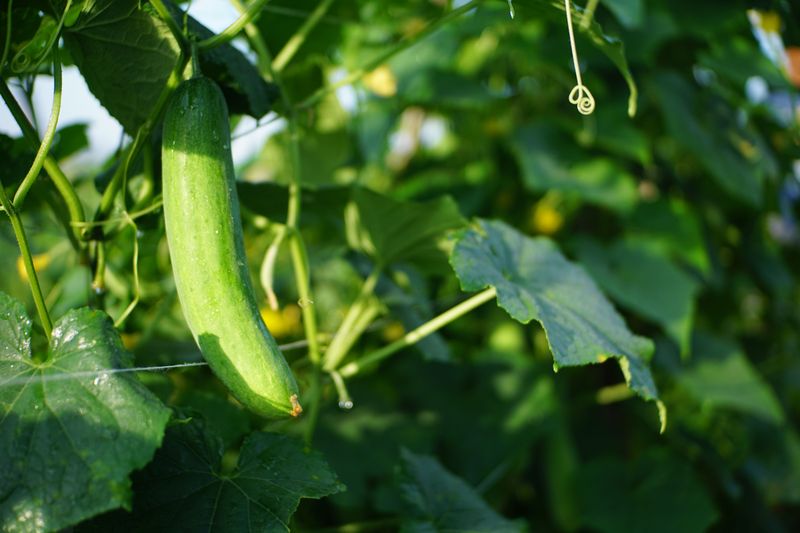
Inconsistent watering creates stress for cucumber plants. Cucumber plants need consistent moisture to thrive, and when watering swings between too much and too little, the stress shows up on the leaves fast.
Erratic watering is a hidden trigger for white spots on cucumber leaves that many gardeners overlook.
When plants experience drought stress, their cells weaken and their immune response slows down. Fungal spores that healthy plants might resist can suddenly gain a foothold on stressed tissue.
The white patches that follow are a direct result of lowered plant defenses. Overwatering creates a different kind of stress.
Soggy roots cannot absorb oxygen properly, which limits nutrient uptake throughout the plant.
Leaves on waterlogged plants often develop pale, washed-out patches that look similar to mildew but stem from root dysfunction instead.
Drip irrigation is one of the best tools for maintaining consistent soil moisture. It delivers water directly to the root zone slowly and steadily. Leaves stay dry, roots stay evenly moist, and the plant never swings between extremes.
Mulching around the base of cucumber plants also helps enormously. A two-inch layer of straw or wood chips slows evaporation and buffers the soil against rapid moisture changes. The root zone stays more stable even during hot, dry stretches.
Checking soil moisture before every watering session takes thirty seconds. Push a finger two inches into the soil near the plant base.
If it feels dry at that depth, water thoroughly. If it still feels moist, wait another day before adding more.
7. Downy Mildew Causes Pale Patches
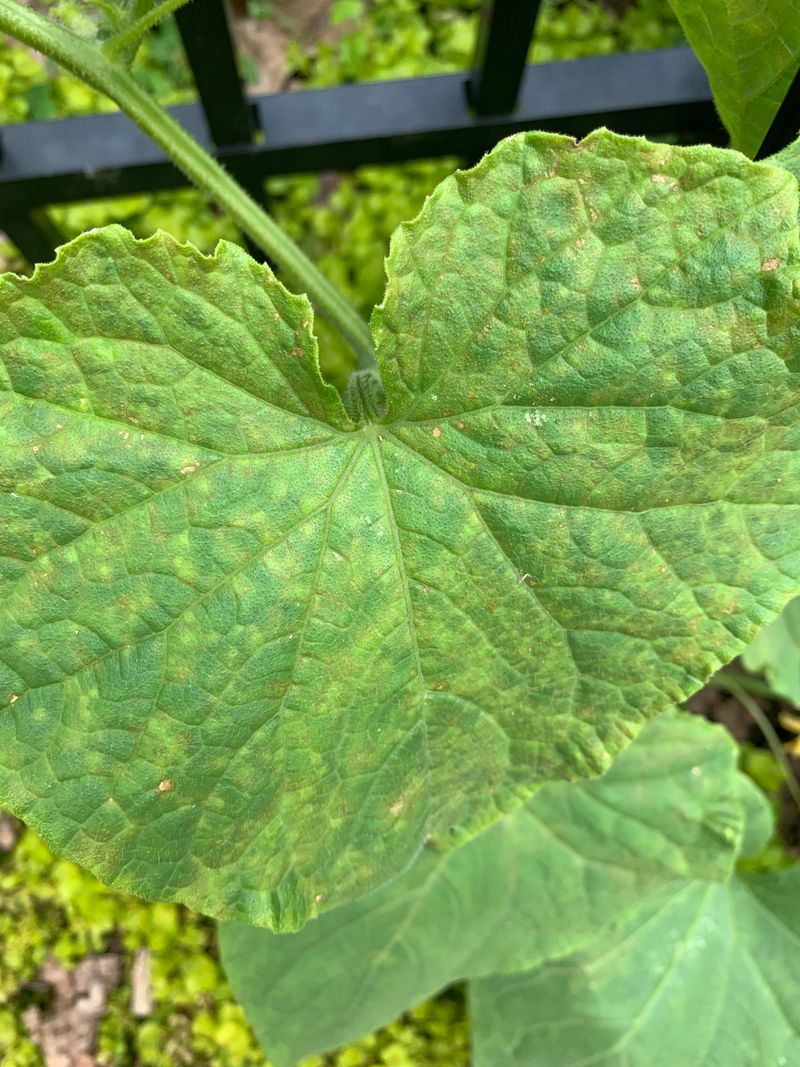
Not every white patch on a cucumber leaf is powdery mildew. Downy mildew is a completely different pathogen, and mixing them up leads to the wrong treatment. Knowing the difference saves time, money, and your harvest.
Downy mildew creates angular, pale yellow or whitish patches on the upper side of leaves. The patches follow the leaf veins, giving them that distinctive blocky shape.
Flip the leaf over and you often see a grayish-purple fuzzy growth underneath. This pathogen belongs to the water mold family rather than true fungi.
It spreads through water droplets and thrives in cool, wet conditions. That is the opposite of powdery mildew, which prefers warm and dry air.
White spots appear on cucumber leaves from downy mildew most often during cool mornings with heavy dew or after periods of rain. Coastal gardens and northern regions tend to see it more frequently than hot, dry inland areas.
Knowing your local climate helps you anticipate which problem is more likely. Copper-based fungicides are effective against downy mildew and are approved for organic gardening.
Apply them as a preventive spray before infection takes hold during high-risk weather windows.
Once infection is established, control becomes much harder. Crop rotation is a key prevention strategy for this pathogen. Avoid planting cucumbers or other cucurbits in the same bed two seasons in a row.
Moving your cucumber patch each year breaks the disease cycle and gives your soil a fresh start for the next growing season.
8. Spider Mites Leave Whitish Stippling
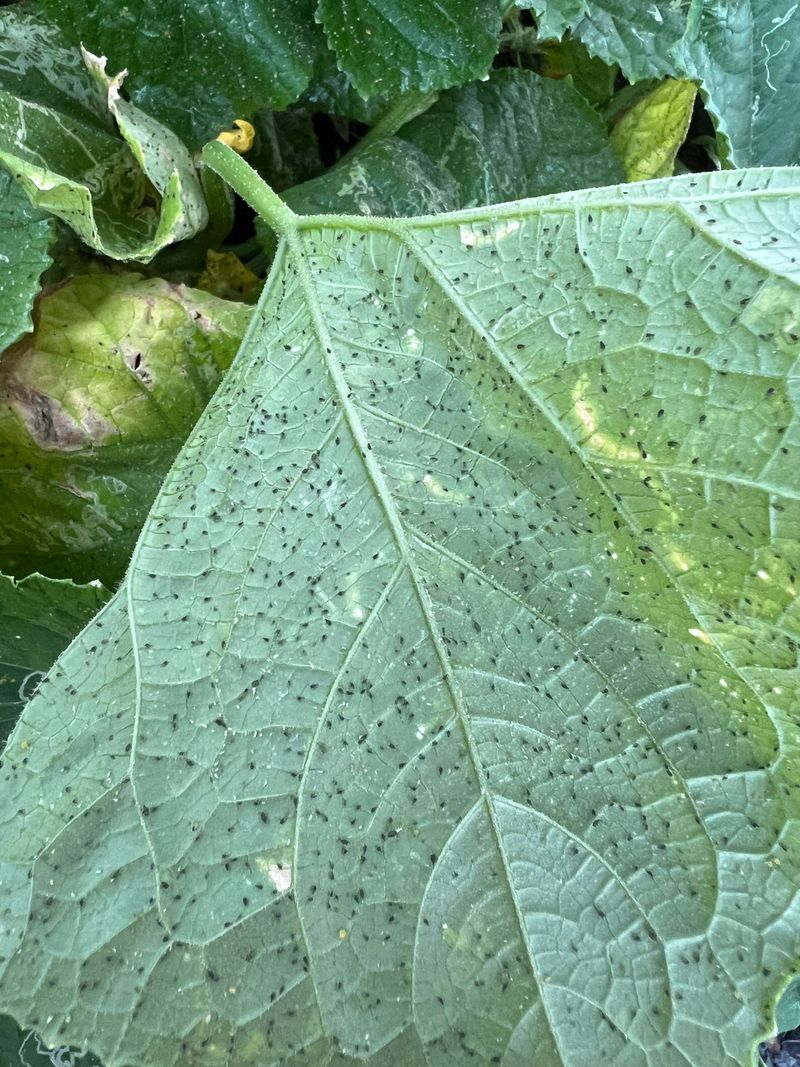
Tiny, nearly invisible, and persistent, spider mites are one of the sneakiest causes of white spots on cucumber leaves.
These minuscule pests pierce individual leaf cells and suck out the contents, leaving behind a trail of pale, whitish dots called stippling.
A single mite is almost impossible to see with the naked eye. But the damage they leave behind is unmistakable up close.
Hold a leaf up to bright sunlight and you will see hundreds of tiny puncture marks scattered across the surface like pinpricks.
Spider mites thrive in hot, dry conditions, which is when many cucumber plants are already under heat stress. This combination increases stress on the plant significantly.
Weakened plants cannot produce the natural compounds that normally deter feeding insects and mites. Look for fine webbing on the underside of leaves as a key identification clue. Powdery mildew and downy mildew do not produce webbing.
If you see it, mites are almost certainly the cause of those white speckles spreading across your foliage. A strong blast of water from a garden hose knocks mites off leaves effectively. Do this in the morning so leaves dry before evening.
Repeat every two to three days to break the mite breeding cycle before populations grow out of control. Insecticidal soap and neem oil both work well against active mite infestations on cucumber plants.
Spray thoroughly on the undersides of leaves where mites cluster and feed. Consistent treatment combined with healthy watering habits keeps white spots on cucumber leaves from spreading further across your garden.