Why You Should Clear Dry Leaves Before Fall Fire Season Peaks In Virginia
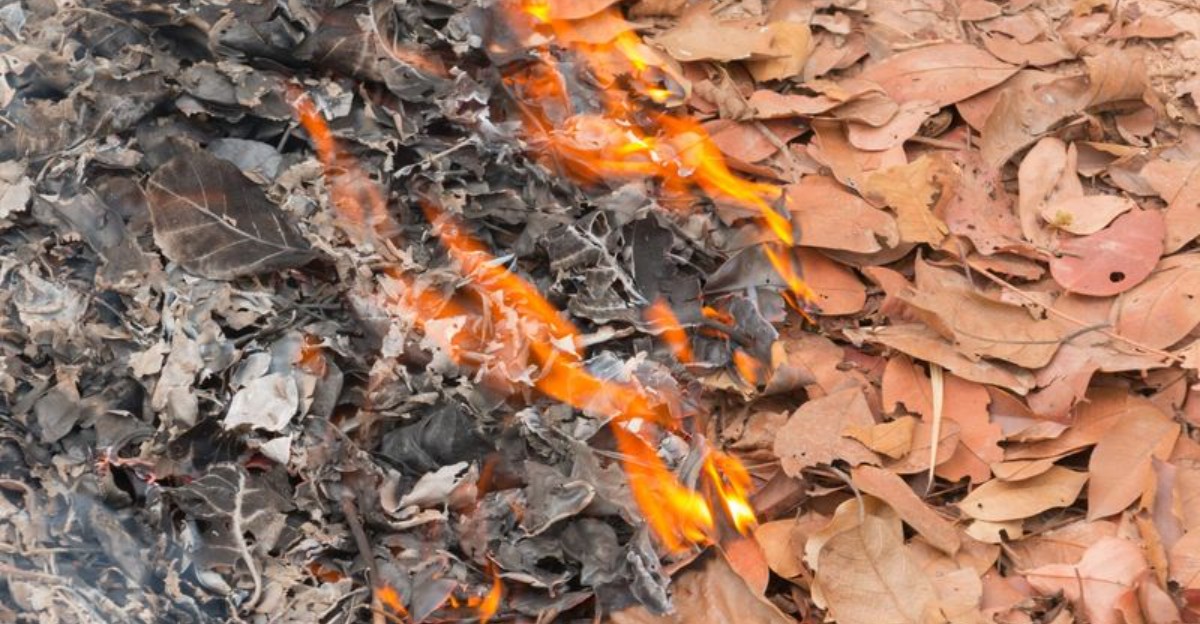
One spark in the wrong leaf pile can turn a quiet fall afternoon into an emergency. That crunchy carpet across your yard is beautiful, but it’s also fuel.
Every October, Virginia yards fill with crispy oak, maple, and poplar leaves. A dry pile can catch fire faster than a marshmallow on a campfire stick.
Fall fire season brings dry air, gusty winds, and plenty of yard waste burning. Leaves against siding, under decks, or in gutters give sparks a path to your house.
A few hours with a rake or blower can protect your home, your neighbors, and nearby woods. The risk only climbs as the season goes on.
Fall Fire Season Runs Into Late November
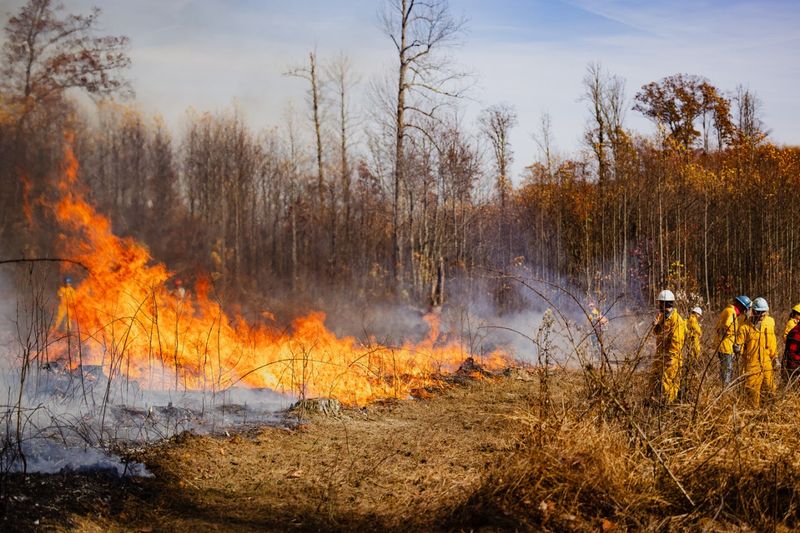
Mark your calendar for October 15. Virginia’s fall fire season officially starts then and runs through November 30.
Most people think of wildfires as a summer problem out West. Here at home, though, autumn brings its own wave of trouble.
The Virginia Department of Forestry reports about 200 wildfires each fall. Together, they burn somewhere between 1,500 and 2,500 acres every year.
Why so many fires in such a short window? Dry weather, low humidity, and mountains of fallen leaves create the perfect recipe.
Leaves drop fast in late October and early November. Once they dry out, they become thin, crispy fuel scattered across lawns and forests.
Human activity adds the spark. Many homeowners burn yard waste during these weeks, and some of those fires slip out of control.
Unlike spring, fall usually has no statewide burn ban. Officials still urge everyone to take extra care with any outdoor flame.
Here’s a smart plan for your yard. Try to clear the biggest leaf piles by early November, before the driest stretch arrives.
Check the weather forecast before big yard projects too. Breezy, sunny days with low humidity are the riskiest days for fires.
Keep a simple routine going until December. Rake or blow leaves every week or two instead of waiting for one huge cleanup.
Small, steady efforts beat a giant weekend chore. Your back will thank you, and your home will stay safer all season long.
Think of late November as the finish line. Once the leaves stop falling, the danger starts fading, but only if you stayed ahead of it.
Dry Leaves Ignite From A Single Spark
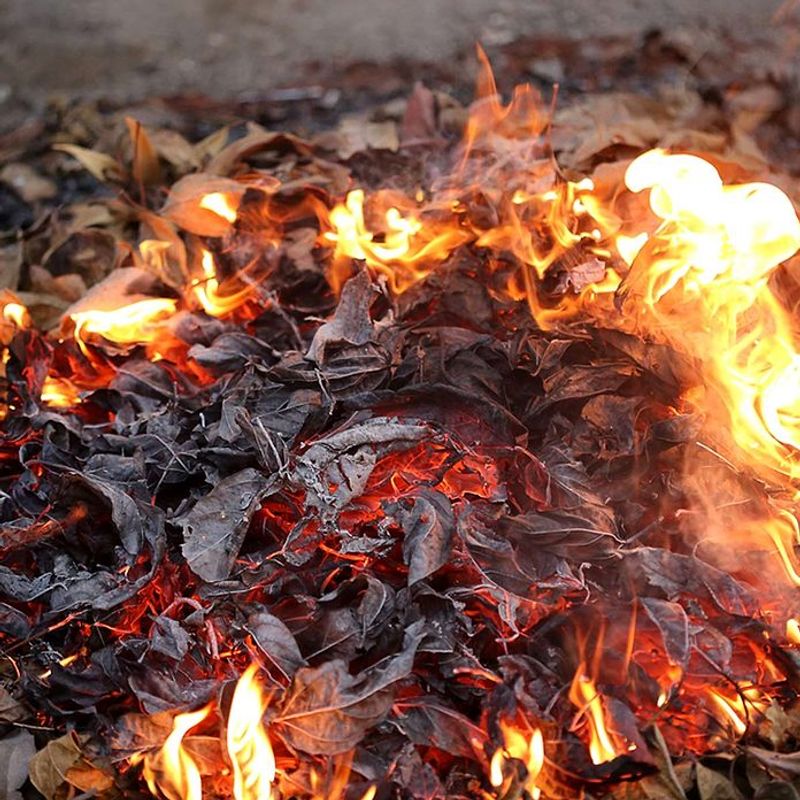
Picture a green leaf and a brown leaf side by side. Hold a match to each, and you’ll see two very different results.
Green leaves are packed with water. Heat must boil that moisture away before anything burns, which takes a lot of energy.
Brown, crunchy leaves have almost no moisture left. They catch fire quickly once they reach roughly 300 degrees Celsius.
Plenty of everyday things can supply that heat. A tossed cigarette, a hot car muffler, or a stray campfire ember can do it.
Electrical gear counts as well. Outdoor extension cords, holiday lights, outlets, and heat cables can warm up nearby leaf piles.
Here’s a sneaky one many folks miss. Sunlight bouncing off glass can focus heat onto dry material, much like a magnifying glass.
Your Virginia Garden Changes Every Week. Your Plan Should Too.
Gardening in Virginia changes quickly throughout the season. Every Friday you’ll receive a simple weekly plan showing exactly what to plant, prune, fertilize, harvest, and protect so you never miss the right timing.
Grass, pine needles, and ferns behave the same way. They light fast and burn hot, which helps flames grow in seconds.
So what can you do? Start by keeping leaves away from anything that gets warm, like outdoor lights, grills, and power cords.
Park cars on pavement or gravel during dry weeks. A hot exhaust pipe over a leafy yard is asking for trouble.
Ask smokers in your household to use a proper ashtray. Even a tiny glowing butt can start a big problem in a dry yard.
Fun fact for curious minds: hay bales can heat up on their own. Oddly enough, that process needs some moisture, so dry leaves rarely do it.
The lesson is simple. Fewer dry leaves near heat sources means fewer chances for one spark to grow.
Clogged Gutters Put Roofs At Risk
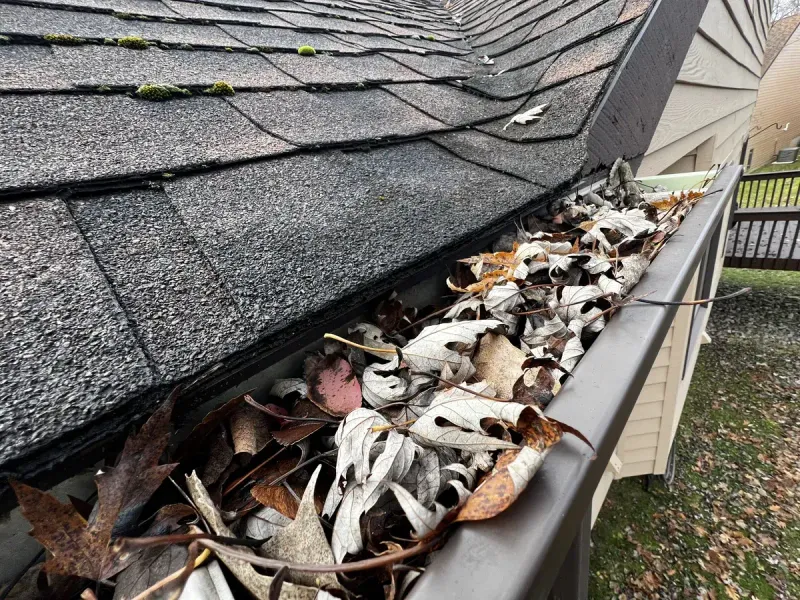
Ever looked up and seen a little forest growing in your gutters? That stuffed trough is more than an eyesore.
Leaves and pine needles packed into gutters form a cozy bed of fuel. It sits right along the edge of your roof.
Wind-blown embers love landing in spots like that. Once they settle in, a fire can start right beside the fascia board and roof deck.
Experts say flying embers cause about 90 percent of home ignitions during wildfires. Gutters are one of their favorite targets.
Flames in a gutter don’t stay put. They can creep onto shingles or slip into wall spaces, putting the whole house in danger.
Overhanging branches make things worse. They drop extra leaves and give flames a ladder straight to your roofline.
The fix is pretty simple. Clean gutters at least twice a year, and more often in late fall when trees shed heavily.
Use a sturdy ladder and work with a buddy. Wear gloves, scoop debris into a bucket, then flush gutters with a hose.
Metal mesh screens or metal gutter hoods help a lot. They keep most leaves out while blocking embers from settling inside.
Trim any branches hanging over the roof too. Aim for about ten feet of space between limbs and shingles.
Metal gutters handle heat better than plastic ones, which can melt. Still, the material matters less than what’s sitting inside.
A clean gutter is a boring gutter. In fire season, boring is exactly what you want.
Leaves Piled Against Siding Bring Fire To The House

Wind has a funny habit. It sweeps leaves across your yard and drops them neatly against the side of your house.
Those drifts may look harmless and even a bit charming. In reality, they act like kindling stacked right next to your walls.
An ember, a careless cigarette, or a spark can light that pile. Flames can then climb the siding toward windows and eaves.
Fire experts talk about something called Zone 0. It covers the first five feet around your home’s outer edge.
Inside that zone, the goal is simple. Remove fallen leaves, pine needles, and withered plants from the ground and nearby surfaces.
Clearing that strip stops fire from jumping from the ground to your house. It gives your walls a fighting chance.
Walk a slow lap around your home once a week in fall. Check corners, behind shrubs, and near steps, where leaves love to gather.
A leaf blower set on low works wonders along foundations. A narrow rake helps in tight spots behind bushes.
Consider swapping wood mulch near the house for gravel or stone. Rocks won’t burn, and they still look tidy.
Homeowners across the state deal with heavy leaf drop from tall oaks and maples. Those trees are lovely, yet they keep the job coming.
Stash trash cans and firewood away from walls too. Every bit of fuel you move helps.
Think of that five-foot strip as your home’s personal bubble. Keep it clean, and fire has a much harder time getting close.
Decks And Porches Trap Leaves Underneath
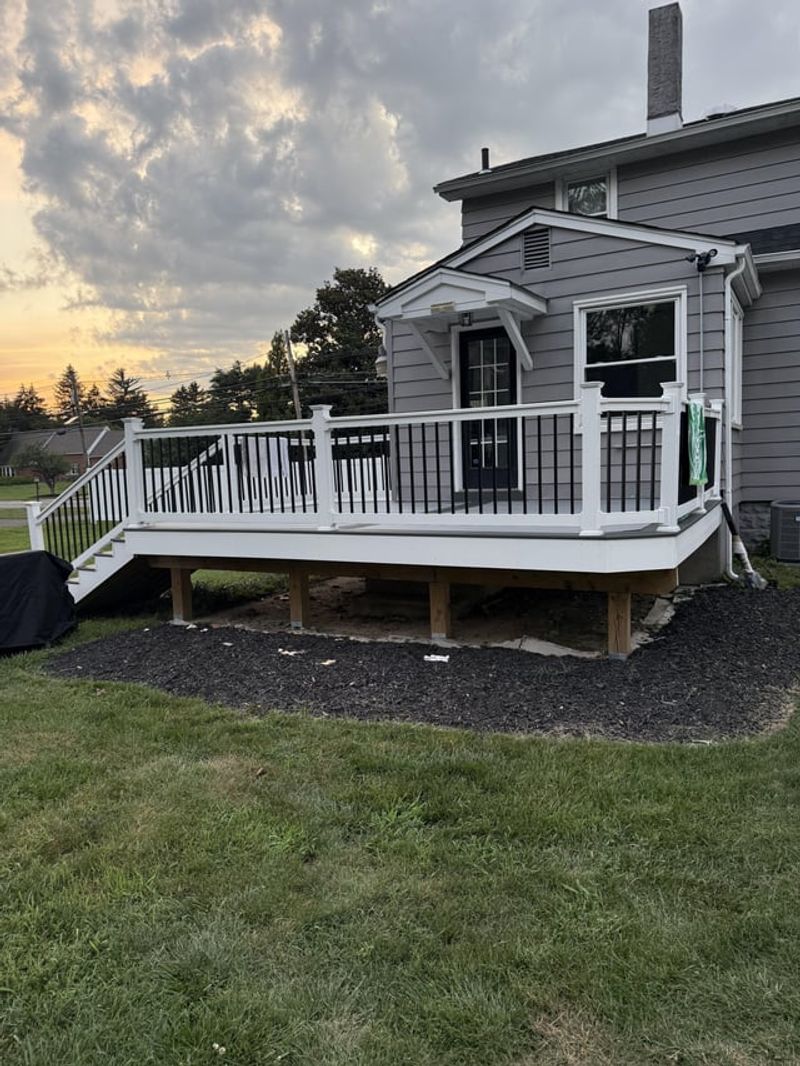
Out of sight, out of mind. That saying fits the dark space under your deck perfectly.
Raised decks and porches with gaps between boards act like leaf catchers. Debris slips through and piles up where nobody looks.
That hidden layer becomes a fuel stash. A single ember drifting through a crack could start a fire below your feet.
Once burning, the flames can spread up through the boards. From there, they can reach the wall your deck is attached to.
Critters enjoy that space too. Mice and other pests often nest in leafy hideouts under porches.
So grab a flashlight and take a peek this weekend. You might be amazed by how much has collected since last year.
A long-handled rake or a leaf blower can push debris out. For low decks, a shop vacuum with an extension wand works nicely.
Sweep the top surface often as well. Leaves stuck between boards can still catch embers.
Want a longer-term fix? Wrap the underside with metal mesh that has openings no bigger than one-eighth inch.
That fine screen blocks most embers and keeps leaves out. Installing it is a reasonable weekend project for many handy homeowners.
Avoid storing firewood, lumber, or patio cushions beneath the deck. Those items add extra fuel to an already risky spot.
Plenty of homes have big wooden porches and back decks. A little cleanup underneath keeps those favorite hangout spots safe for years to come.
Debris Burning Starts Many Wildfires
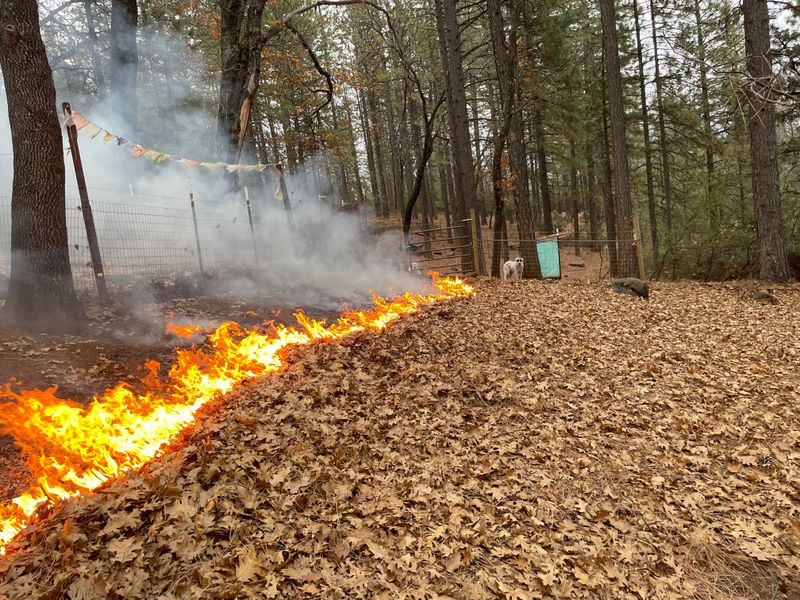
“I only turned my back for a minute.” Firefighters hear that line a lot after a yard burn gets loose.
Escaped debris burning is the top human cause of wildfires in Virginia. The same holds true across much of the country.
Burning leaves, branches, and brush is a longtime habit in rural areas. Plenty of folks grew up watching grandparents tend a smoky leaf pile.
Tradition aside, conditions can turn quickly. Dry grass, low humidity, and a sudden gust can push flames into nearby woods.
Once a fire reaches the tree line, it’s hard to stop with a garden hose. Calls to the fire department come fast after that.
Each year, the Virginia Department of Forestry links many wildfires to these escaped burns. Some cause serious property loss.
Here’s the good news. Clearing leaves early and choosing other disposal methods means you may not need to burn at all.
If you do burn, keep piles small, around four feet across or less. Rake a wide dirt circle around them first.
Skip burning on dry or windy days. Stay with the fire until it’s fully out, and keep water and a shovel close.
Douse the ashes, stir them, and douse again. Buried embers can flare back up hours later.
Leaving a burn pile unattended can lead to fines in Virginia. You could also be billed for firefighting costs.
A smart choice now saves a lot of stress later. Sometimes the safest fire is the one you decide not to light.
Mulching Leaves Into The Lawn Is Safer
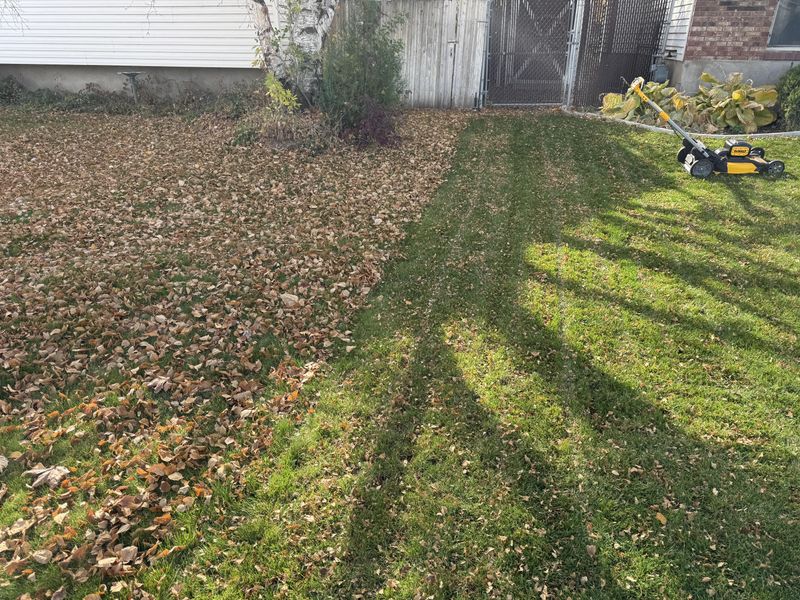
What if the easiest leaf solution was also the smartest? Your lawn mower might be the hero of fall cleanup.
Mulching means chopping leaves into tiny pieces right on the lawn. Those bits settle between grass blades and break down over winter.
Shredded leaves don’t pile up as fuel. They turn a fire hazard into free food for your soil.
As they break down, leaves add nutrients and help soil hold moisture. Healthier, damp ground is less likely to burn.
Getting started is simple. Wait for leaves to be dry so they don’t clump and clog the mower.
Switch on the mulching setting or add a mulching kit. Set the blade to medium height.
Mow in overlapping passes until pieces shrink to about the size of a dime. You should still see grass peeking through.
Got a thick layer? Mow twice, or bag some leaves for garden beds instead.
Keep garden mulch around two to four inches deep. Spread it at least 18 inches from walls, decks, and fences.
Here’s a heads-up for hot spells. Big, thick mulch piles can heat up on their own in very warm, dry weather.
Spread it thin, and that problem mostly goes away. Thin layers stay cool and break down quickly.
Many lawns respond well to this approach in spring. Greener grass and less raking is a pretty sweet trade.
Compost Piles Belong Away From Buildings
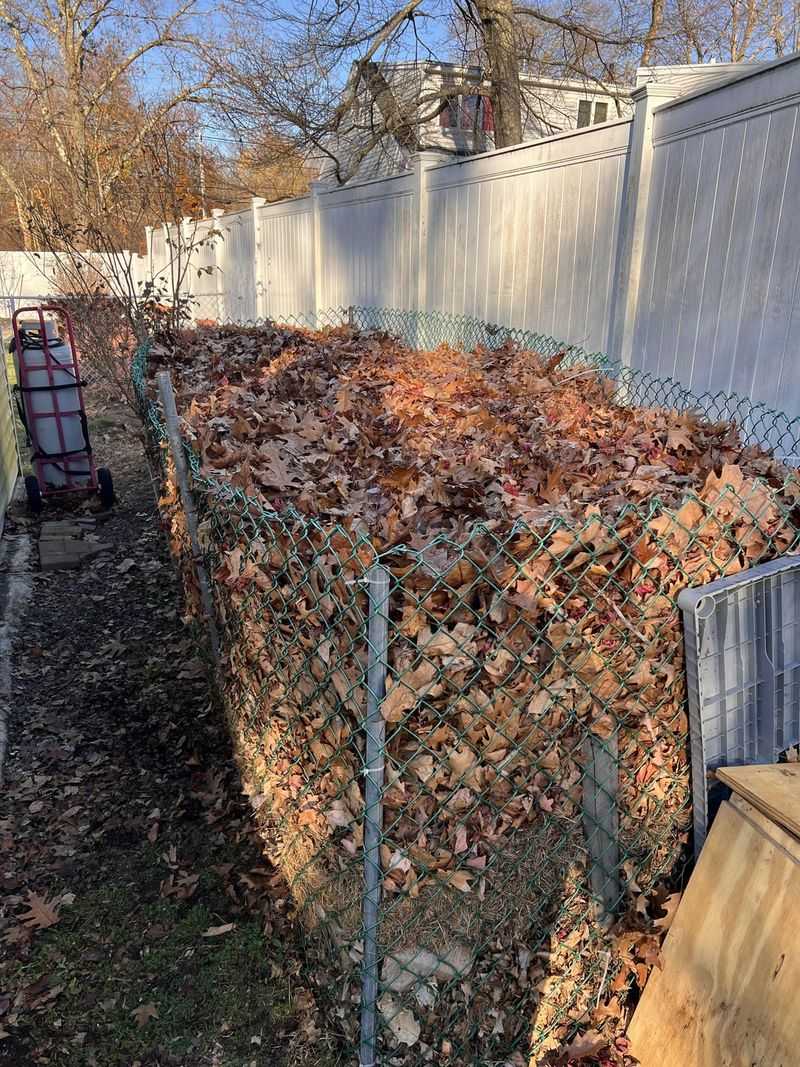
Compost piles have a secret. Deep inside, they can get surprisingly hot.
Tiny microbes break down leaves and scraps, and that work produces heat. Usually the warmth escapes and nothing happens.
Trouble starts when heat builds faster than it can leave. In rare cases, a pile can ignite on its own without any spark.
Large, packed-down heaps with poor airflow carry the most risk. Uneven moisture also raises the odds of overheating.
So where should a compost pile go? Put it well away from your house, shed, deck, and wooden fences.
No single distance works for every yard. Aim for a spot with good drainage and a hose within easy reach.
Big commercial composting sites sometimes need buffers of 50 to 200 feet from homes. That gives you a sense of how seriously experts treat the risk.
Home piles are much smaller, of course. Still, a little extra distance costs nothing.
Keep your pile modest in size, around three to five feet wide. Turn it every week or two to let air in and heat out.
Squeeze a handful of material now and then. It should feel like a wrung-out sponge, not soggy or bone dry.
A cheap compost thermometer is a handy tool. Readings above 160 degrees mean it’s time to turn and cool things down.
Treat your compost like a friendly little furnace. Give it space and attention, and it’ll reward you with rich garden soil.
Local Burn Rules May Restrict Leaf Burning
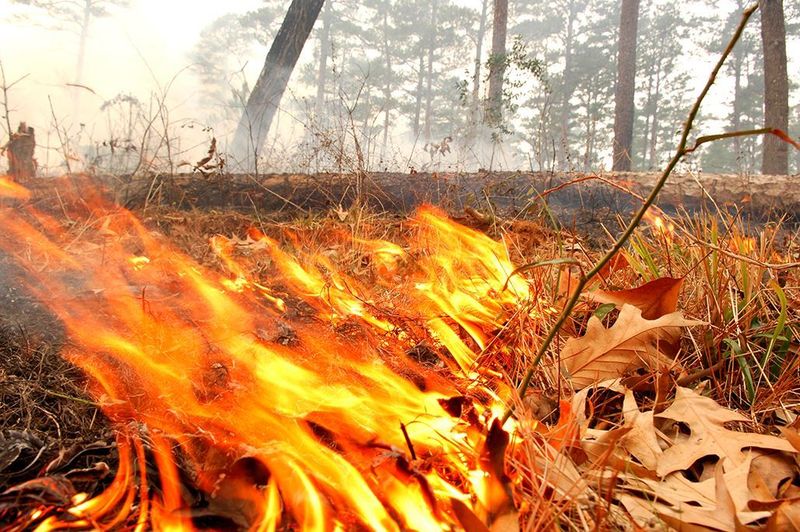
Before striking a match, make one quick phone call. Rules for burning leaves can change from county to county.
Local ordinances in Virginia are often stricter than state law. What’s fine in one town may earn a fine just down the road.
Your local fire department is a great first contact. The Department of Forestry and the Department of Environmental Quality can help too.
A statewide rule called the 4 PM Burning Law runs from February 15 through April 30. It blocks burning before 4 p.m. near woods or dry grass.
Specifically, the law covers fires within 300 feet of woodland or brushland. Afternoon humidity tends to rise after 4, lowering the risk.
Air quality rules also limit open burning from May through September in parts of the state, mainly larger metro areas. Some farm practices have exceptions.
Fall usually has no statewide ban, but counties can add their own. During dry spells, local officials may halt burning entirely.
Places like Loudoun County and York County set limits in built-up areas. Some require fires to sit far from buildings and stay attended.
Breaking these rules can get pricey. Violators may face fines and pay for the cost of putting the fire out.
Many towns offer curbside leaf pickup or free drop-off sites. Those options skip the smoke and paperwork altogether.
Check your county website before the leaves start piling up. Knowing the rules early makes fall cleanup smoother and safer for everyone.