Why You Should Grow Coral Honeysuckle Along Your Fence In Texas
Fences in Texas yards often serve a simple purpose. They mark boundaries, keep pets safe, and add a bit of structure to the landscape.
Still, a plain fence can look a little dull on its own. One easy way to bring it to life is by adding a climbing plant that fills the space with color and movement. Coral honeysuckle happens to be one of the best choices for that job.
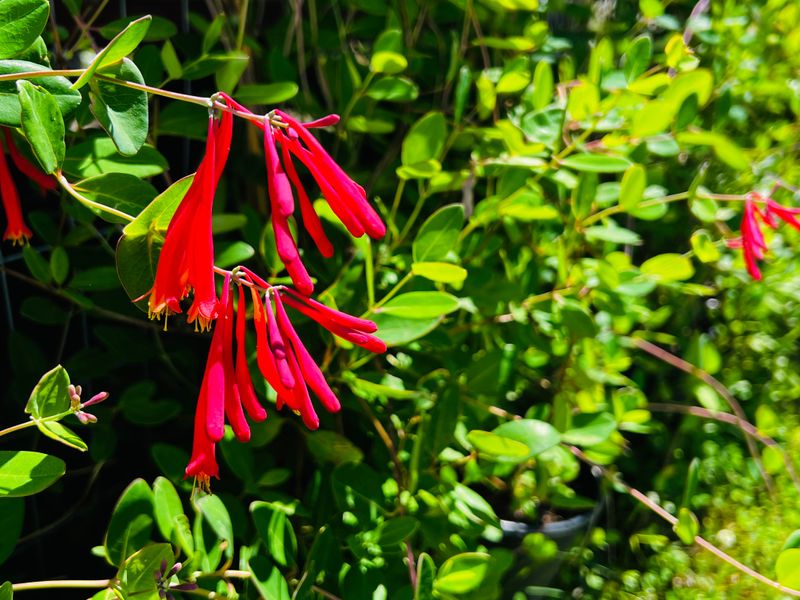
This beautiful native vine grows well in Texas conditions and produces bright, trumpet shaped flowers that stand out against green foliage.
During blooming season, the plant attracts hummingbirds, butterflies, and other helpful pollinators, which instantly adds energy to your yard.
Another reason gardeners love coral honeysuckle is how simple it is to manage. Once established, it can handle heat, adapt to different soils, and grow along fences or trellises with very little fuss. It turns an ordinary fence line into a lively and colorful garden feature.
1. Coral Honeysuckle Thrives In Texas Heat And Sun
Texas summers are no joke. Temperatures can climb well above 90 degrees for weeks at a time, and many plants simply cannot keep up with that kind of heat.
Coral honeysuckle, though, was practically made for conditions like these. It is a tough, resilient vine that handles the blazing Texas sun without missing a beat.
Once coral honeysuckle gets established in your yard, it develops a strong root system that helps it survive during hot, dry stretches. You do not have to water it constantly or worry every time a heat wave rolls through.
It keeps growing and blooming even when other plants in your garden start to look tired and wilted.
Across Texas, gardeners from the Panhandle to the Gulf Coast have found success with this vine. It grows well in full sun and can also handle partial shade, giving you flexibility when choosing where to plant it along your fence.
Sandy soils, clay soils, and everything in between are no problem for this adaptable plant. The long growing season in Texas actually works in coral honeysuckle’s favor.
While gardeners in cooler states have to wait longer for their plants to bounce back each year, Texas gardeners get to enjoy this vine’s lush green foliage and colorful blooms for a much longer stretch of time.
Planting it along a fence gives it the support it needs to climb and spread comfortably. If you want a plant that keeps up with Texas weather without constant attention, coral honeysuckle is a smart and rewarding choice for your outdoor space.
2. It Attracts Hummingbirds And Pollinators
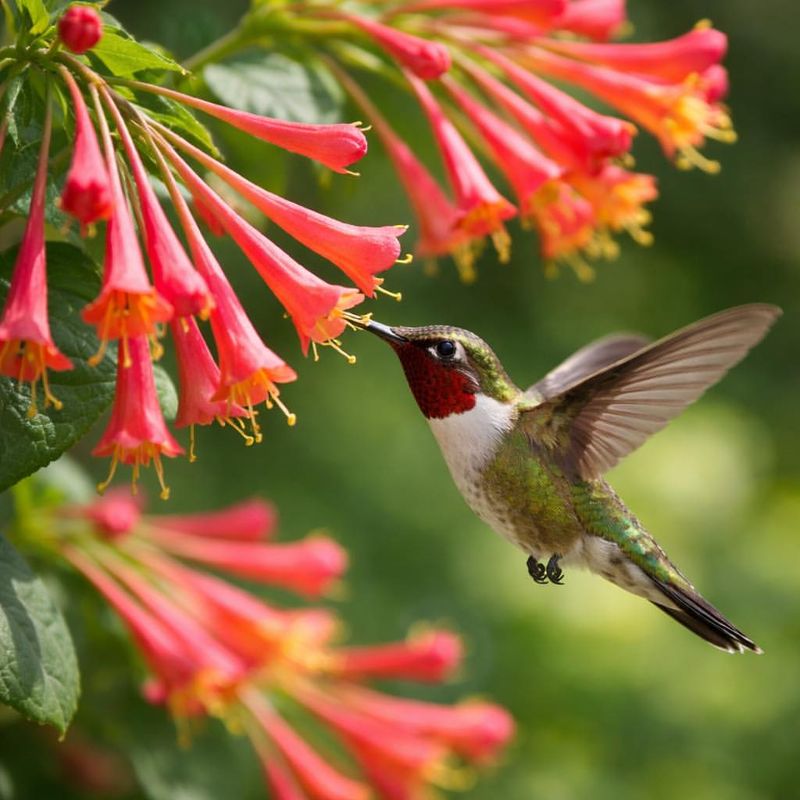
Picture stepping outside on a warm Texas morning and watching a hummingbird hover right at your fence. That is exactly what coral honeysuckle can bring to your backyard.
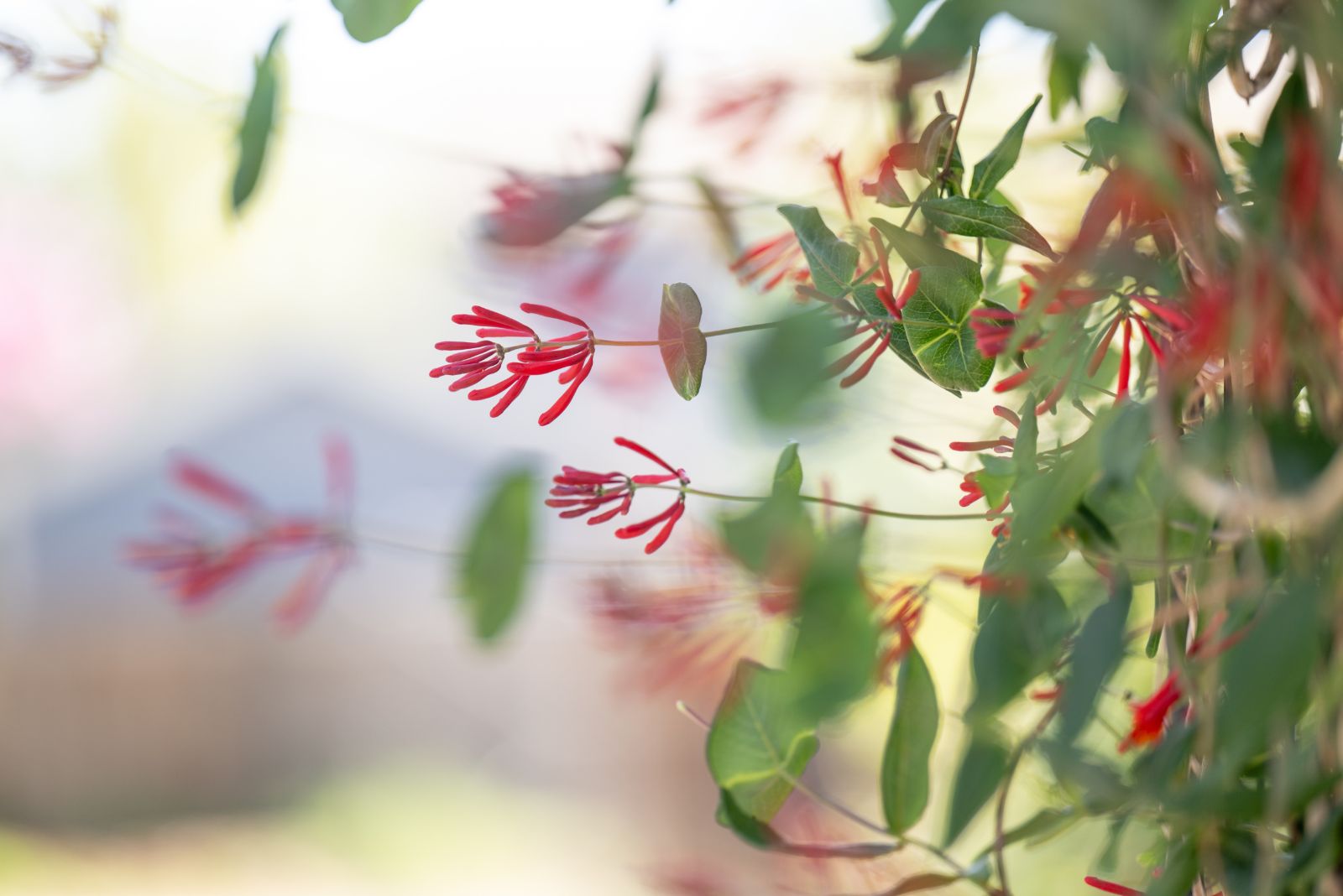
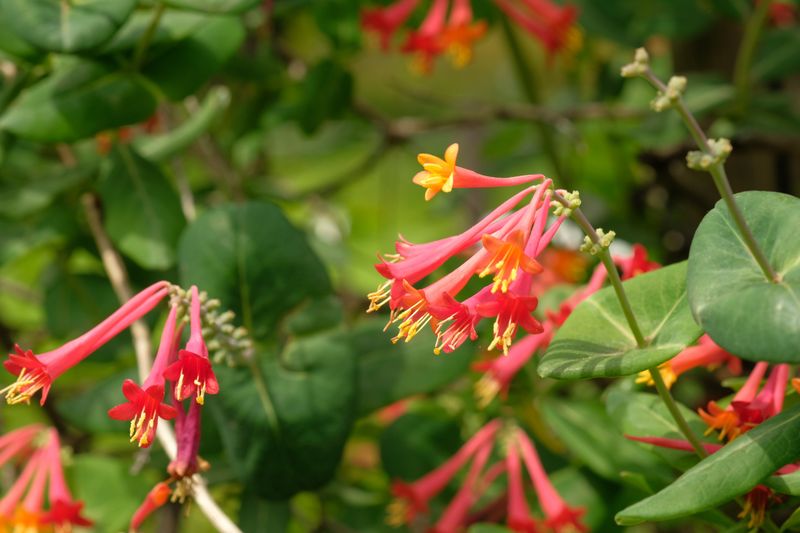
The plant’s bright red, trumpet-shaped flowers are like a welcome sign for hummingbirds, and these tiny birds cannot seem to resist them.
Ruby-throated hummingbirds, which are common visitors across Texas, are especially drawn to the long tubular blooms of coral honeysuckle. The shape of the flower is perfectly designed for a hummingbird’s beak, making it easy for them to reach the nectar inside.
Butterflies and bees also visit the flowers regularly, turning your fence line into a buzzing, fluttering hub of activity.
Supporting pollinators matters more than many people realize. Bees help pollinate the fruits and vegetables in your garden, while butterflies add beauty and help keep local ecosystems healthy.
By planting coral honeysuckle along your fence, you are creating a little wildlife corridor right in your own yard.
In Texas, where native habitats are shrinking in many areas, having pollinator-friendly plants in residential gardens makes a real difference. Every garden that supports hummingbirds and insects helps the broader local environment.
Coral honeysuckle does this naturally, without any extra effort on your part. You simply plant it, let it climb your fence, and watch the wildlife show up on its own.
It is one of the most rewarding things about growing this vine. Families with kids especially love pointing out the hummingbirds and butterflies that visit throughout the spring and summer months in Texas neighborhoods.
3. It Creates A Beautiful Natural Privacy Screen
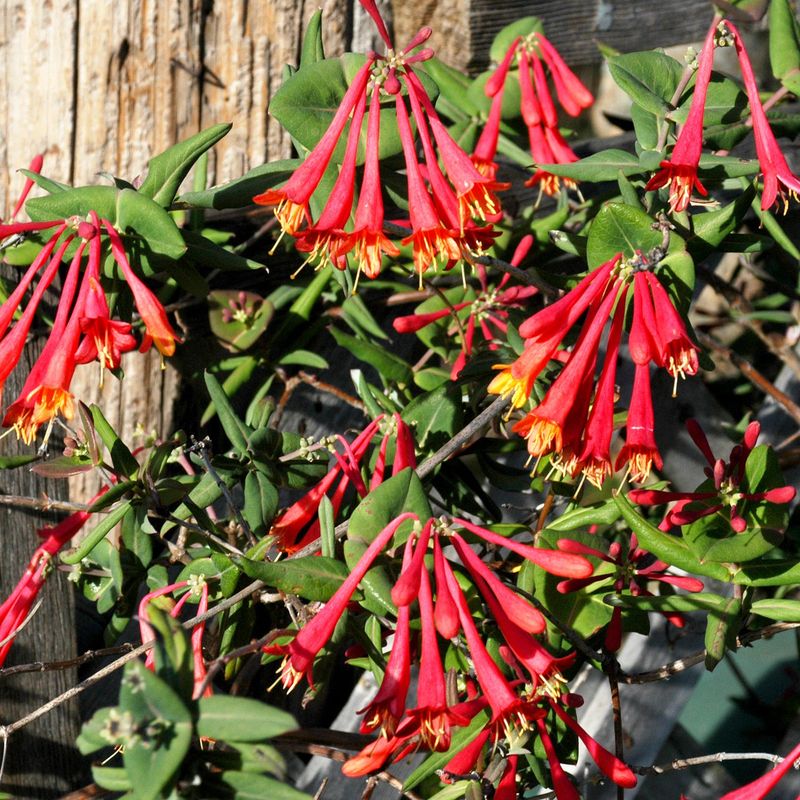
Fences do a good job of marking property lines, but they do not always offer much in the way of privacy or beauty. A bare wooden or chain-link fence can look pretty plain.
That is where coral honeysuckle steps in and completely changes the look and feel of your outdoor space.
As a climbing vine, coral honeysuckle naturally wraps itself around fences, trellises, and arbors. Over time, it fills in with thick, green foliage that creates a lush, leafy wall along your fence line.
The result is a soft, natural screen that looks far more inviting than bare wood or metal ever could.
Homeowners across Texas use coral honeysuckle to add both beauty and a sense of seclusion to their backyards.
Whether you want to block the view of a neighbor’s yard, soften the look of a chain-link fence, or simply add some greenery to a bare wall, this vine handles the job with ease. It grows at a steady pace without becoming aggressive or unmanageable.
Unlike some invasive vines that can take over a yard quickly, coral honeysuckle stays well-behaved. It climbs by twining around supports rather than clinging with adhesive pads, so it is easy to guide and control.
You can train it to grow exactly where you want it. In Texas landscapes, where outdoor living spaces are a big part of daily life, having a beautiful green screen along your fence adds real value to your home.
It creates a more comfortable, shaded, and visually appealing space where your family can relax and enjoy the outdoors throughout the year.
4. It Produces Showy Blooms For Much Of The Year
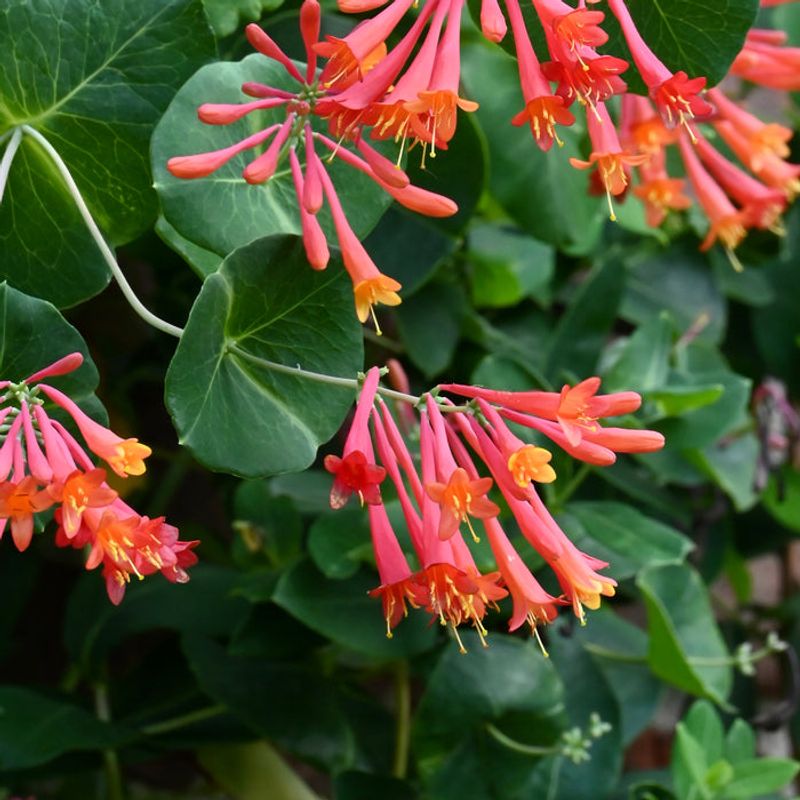
One of the best things about coral honeysuckle is just how long it keeps blooming. Many flowering plants give you a short burst of color and then go quiet for the rest of the season.
Coral honeysuckle plays a much longer game, and Texas gardeners are the big winners because of it.
In Texas, the blooming season for coral honeysuckle typically starts in early spring and can stretch all the way through summer. In warmer parts of the state, scattered blooms can even appear into fall.
That means you could be enjoying those gorgeous coral-red flowers for six months or more each year. Not many vines can match that kind of staying power.
The flowers grow in clusters at the tips of the branches, making them highly visible and eye-catching. Their rich red-orange color pops beautifully against the dark green foliage, creating a striking display that draws attention from anyone passing by your yard.
After the flowers fade, bright red berries appear, which add another layer of visual interest and give birds something to snack on.
For Texas gardeners who want a landscape that looks lively and colorful throughout the growing season, coral honeysuckle delivers consistently. You do not have to replant it every year or swap it out with seasonal flowers to keep things looking fresh.
It just keeps going. Planting it along a fence gives it vertical space to show off all those blooms from top to bottom.
It is the kind of plant that makes neighbors stop and ask, “What is that beautiful vine growing on your fence?”
5. It Is Native And Well Adapted To The Region
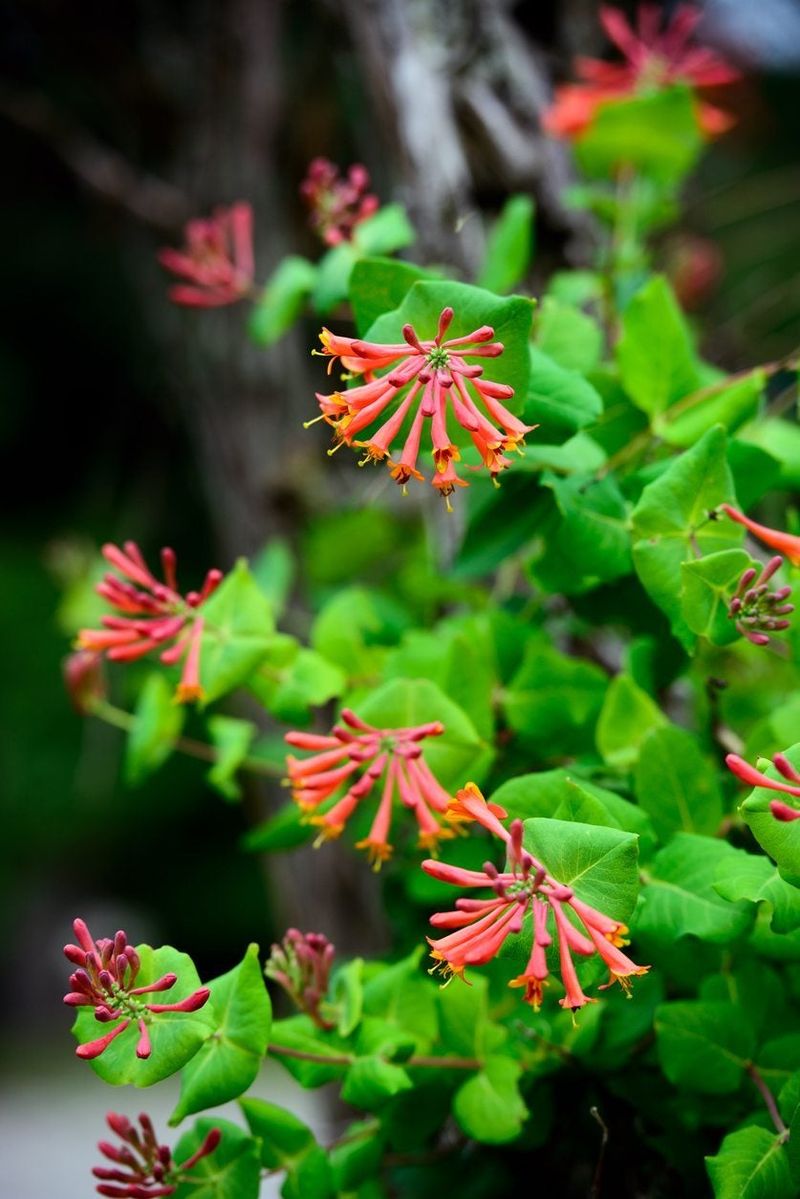
There is something special about growing a plant that actually belongs where you live. Coral honeysuckle is native to the southeastern United States, including large portions of Texas.
That means it evolved right alongside the local soils, rainfall patterns, and wildlife that make this region unique. Growing it in your yard is like welcoming home an old friend.
Native plants have a built-in advantage over non-native species. They do not need as much help getting started because they are already adapted to local conditions.
Coral honeysuckle knows how to handle Texas clay soils, unpredictable rain, and scorching summer temperatures because it has been doing exactly that for thousands of years. You spend less time troubleshooting and more time enjoying your garden.
Beyond the practical benefits, choosing native plants like coral honeysuckle is also good for the local ecosystem. Native plants support native insects, birds, and other wildlife in ways that non-native plants simply cannot.
When you plant coral honeysuckle along your fence in Texas, you are not just decorating your yard. You are contributing to a healthier local environment by providing food and habitat for the creatures that depend on native vegetation.
Nurseries across Texas have started stocking more native plants in recent years because gardeners are recognizing their value. Coral honeysuckle is increasingly easy to find at local garden centers, especially in spring.
Compared to exotic ornamental vines that may struggle or require constant care in Texas conditions, a native like coral honeysuckle simply thrives with minimal intervention.
Choosing it for your fence is a smart, responsible, and beautiful gardening decision for any Texas homeowner.
6. It Requires Relatively Low Maintenance
Not everyone has hours to spend in the garden every week. Life gets busy, and the last thing most Texas homeowners need is a high-maintenance plant that demands constant attention.
Coral honeysuckle is refreshingly easy to care for, making it a great fit for gardeners of all experience levels.
Once the vine gets established, usually within its first full growing season, it becomes quite self-sufficient. Regular deep watering during dry spells is helpful in the beginning, but mature plants handle drought conditions well on their own.
You do not need to fertilize heavily or treat the soil with special amendments to keep coral honeysuckle happy and healthy along your Texas fence.
Pruning is really the main task you will need to stay on top of. A light trim in late winter or early spring, before new growth begins, helps keep the vine looking tidy and encourages fresh blooms.
You can also do a little shaping throughout the growing season if any stems start growing in a direction you do not want. It is a quick and simple job that makes a big difference in the plant’s appearance.
Pest and disease problems are rare with coral honeysuckle, especially when it is grown in the right conditions. Good air circulation around the fence and well-drained soil go a long way toward keeping the plant healthy.
Compared to many ornamental plants that need regular spraying, feeding, or babying, coral honeysuckle stands out as a low-effort, high-reward choice.
For busy Texas homeowners who want a beautiful yard without spending every weekend doing yard work, this vine is truly one of the best options available.