Why You Should Grow Crossvine Along Your Fence In Florida
Ever look at your Florida fence and feel like it is just… sitting there, not pulling its weight? A lot of fences fade into the background, even though they take up so much space in the yard.
There is an easy way to change that, and it starts with choosing the right plant. Crossvine has been quietly gaining attention across Florida, and once you notice it, you start seeing why.
It fits the climate, responds well to the conditions most yards already have, and transforms that flat, forgettable fence line into something far more eye-catching. The shift can feel surprisingly fast.
What used to be a plain divider starts to look intentional, layered, and full of life. And that is exactly why more Florida gardeners are giving crossvine a closer look.
1. Crossvine Thrives In Florida Heat And Humidity
Florida summers can feel like a test of endurance, and most plants struggle to keep up. Bignonia capreolata, commonly known as crossvine, is a native vine of the southeastern United States that not only survives those conditions but genuinely flourishes in them.
Its deep root system and tough stems are built for sustained heat and high humidity, which makes it well-suited for the long Florida growing season.
Unlike many ornamental vines that wilt or slow down when temperatures climb, crossvine stays active and continues putting out new growth even during the hottest months. It adapts to Florida’s climate patterns, including the wet summers and drier winters, without needing constant intervention from the gardener.
Planting crossvine in full sun gives it the best conditions for vigorous growth and heavy blooming. It also tolerates partial shade, which is helpful if your fence runs alongside trees or structures that cast afternoon shadow.
For Florida homeowners who want a fence vine that will not struggle through the summer, crossvine is a naturally compatible fit for the region’s demanding climate.
2. Bright Trumpet Flowers Bring Bold Seasonal Color
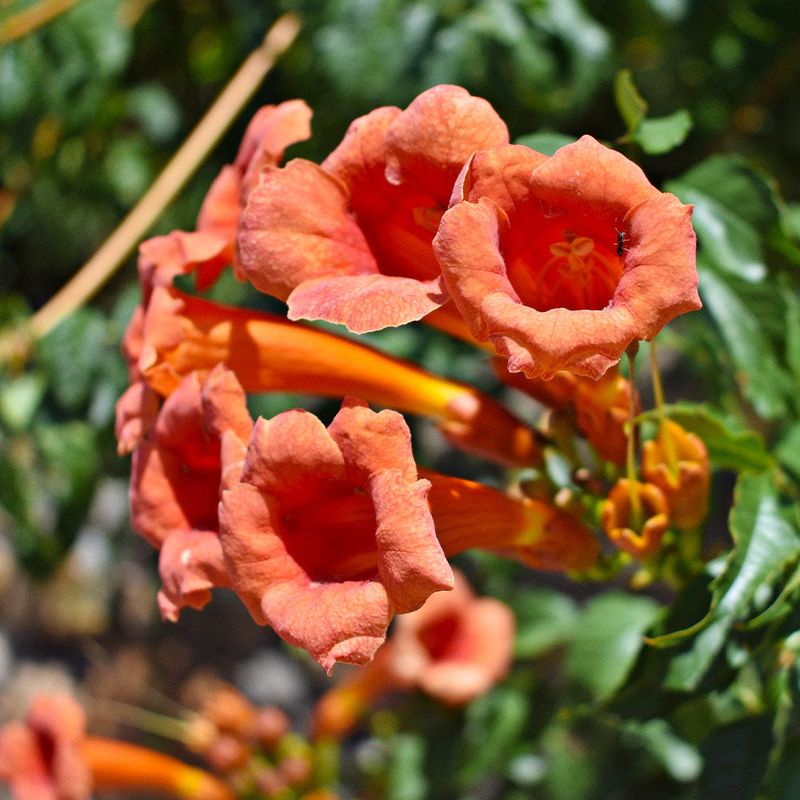
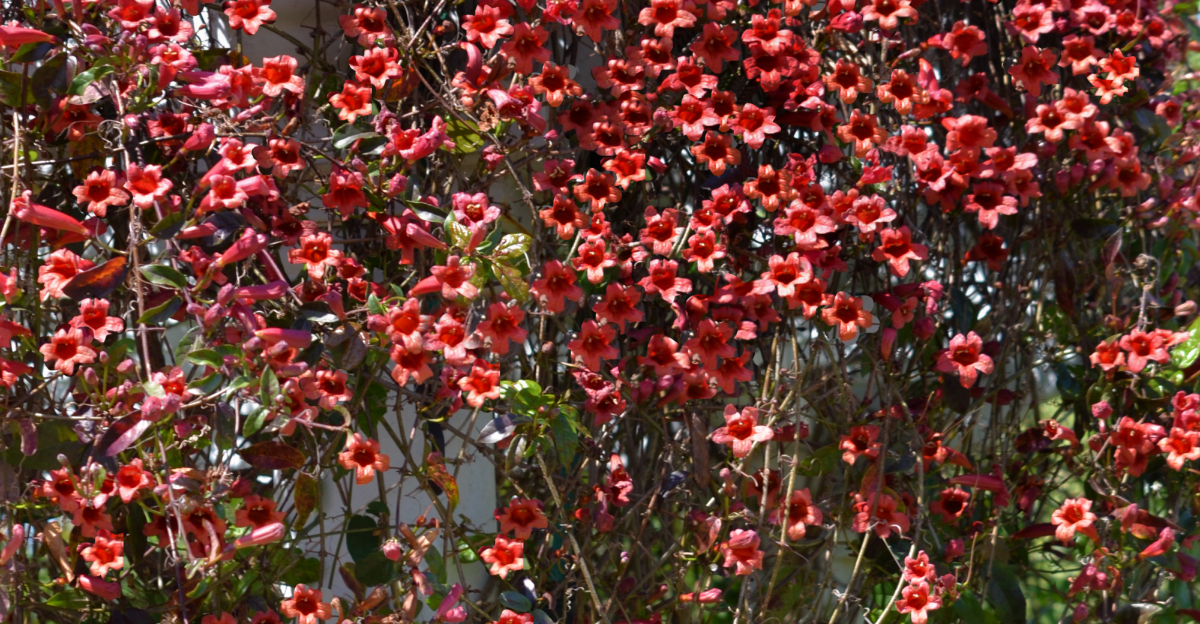
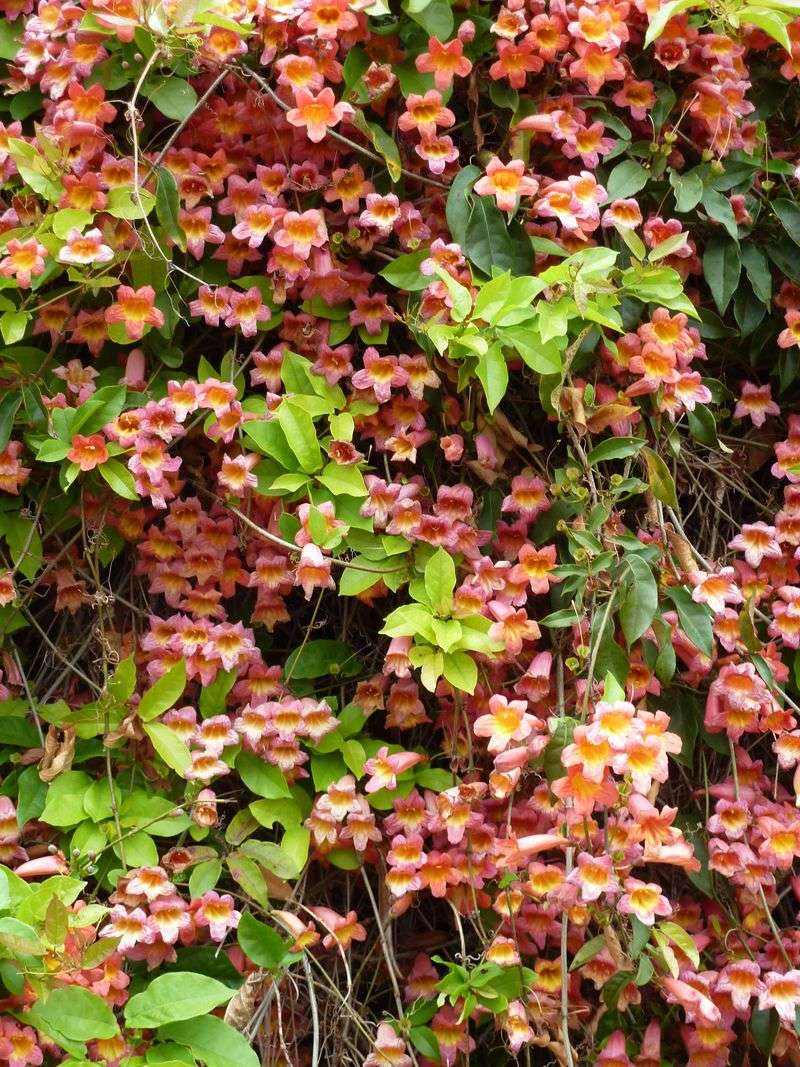
Few flowering vines put on a show quite like crossvine does in the spring. The blooms arrive in clusters of trumpet-shaped flowers that range from deep burnt orange and brick red on the outside to warm yellow and gold on the inside.
Along a fence line, the visual effect is striking, especially when dozens of blooms open at once across several feet of coverage.
Peak bloom time typically falls between March and May in most Florida locations, though warmer southern parts of the state may see flowers appear even earlier. The contrast between the glossy green foliage and the vivid flower colors creates a layered look that works well in both formal and casual garden styles.
To get the most blooms, plant crossvine where it receives at least six hours of direct sunlight each day. Vines growing in shadier spots will still flower, but the display tends to be lighter.
Deadheading is not necessary, but a light trim after the main bloom period can encourage a second flush of flowers later in the growing season. For anyone wanting serious color along a fence line without a lot of fuss, this vine delivers reliably.
3. Hummingbirds And Pollinators Can’t Resist The Blooms
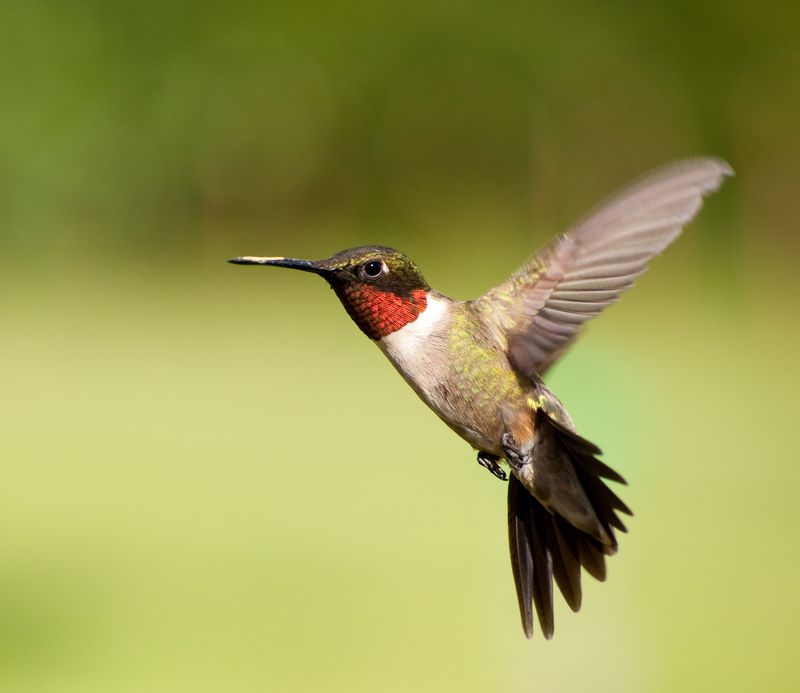
Watch a crossvine in full bloom for just a few minutes and you will likely spot a hummingbird working the flowers. The long, narrow trumpet shape of each bloom is perfectly sized for hummingbirds to reach the nectar inside, and the bright orange and red tones are exactly the colors that attract them.
Ruby-throated hummingbirds, which are common in Florida during migration and sometimes year-round in the southern parts of the state, are frequent visitors.
Beyond hummingbirds, the flowers also draw in native bees and butterflies that benefit from the nectar supply. Having a vine that supports multiple pollinator groups adds real ecological value to a home garden, especially in neighborhoods where natural habitat has been reduced.
Planting crossvine near a patio or seating area turns a plain fence into a live wildlife observation spot. The activity around the blooms is steady during peak flowering and enjoyable to watch up close.
According to the Florida Wildflower Foundation, crossvine is recognized as a valuable nectar source for native wildlife, which reinforces why it fits so naturally into Florida-friendly landscaping. Supporting local pollinators does not require a large garden, and a single well-placed vine along a fence can make a meaningful difference.
4. Fast Growth Covers Fences And Structures Quickly
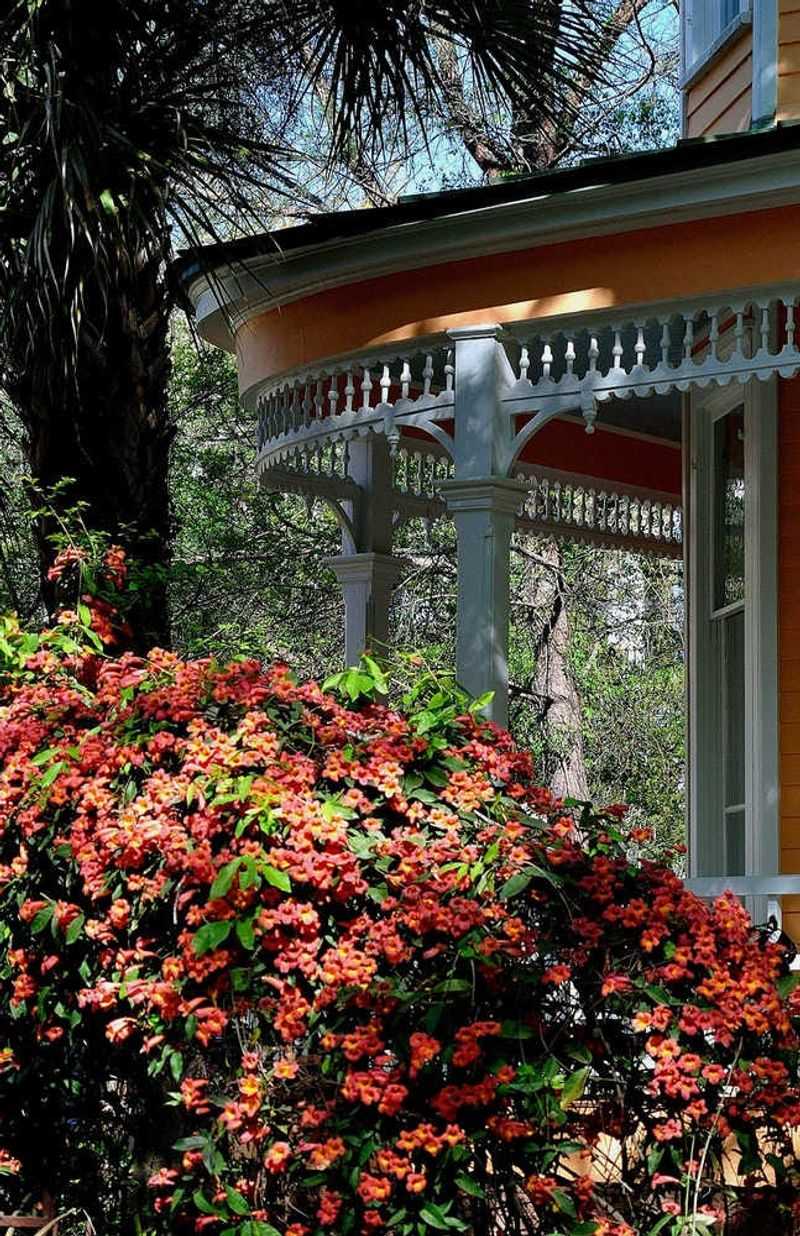
Bare fences can feel like an eyesore, and waiting years for a vine to fill in is frustrating. Crossvine skips that frustration almost entirely.
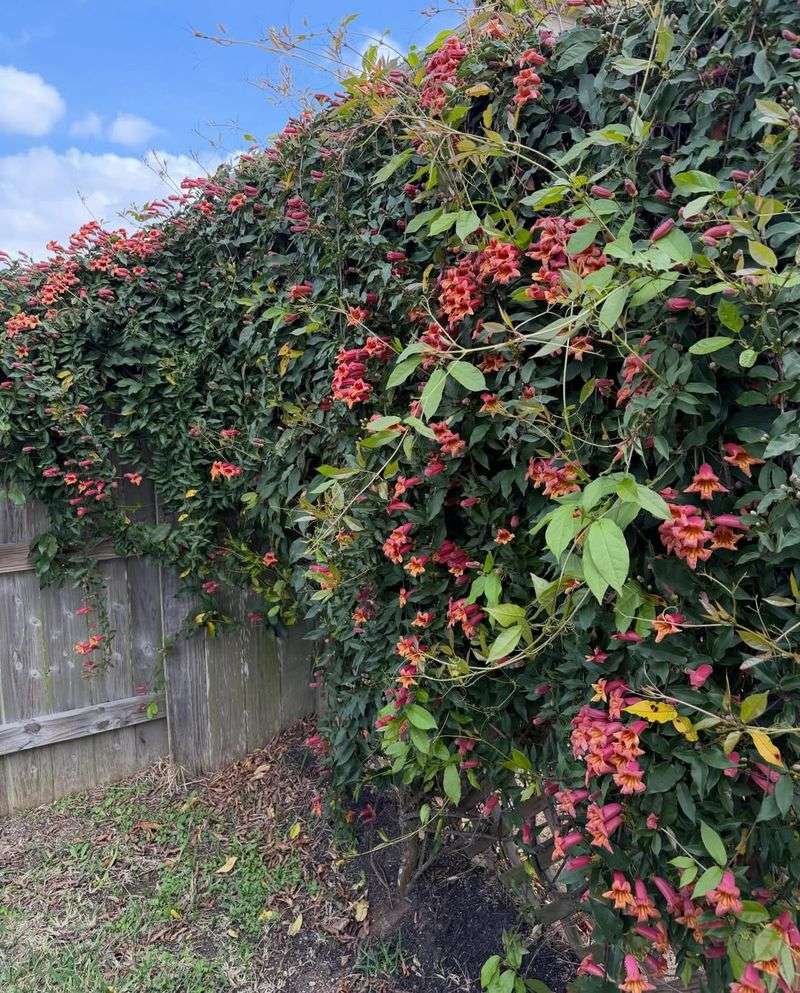
Under good growing conditions in Florida, it can put on several feet of new growth in a single season, filling in fence lines, trellises, and walls at a pace that most homeowners appreciate.
The vine climbs using tendrils tipped with small adhesive pads, which allow it to grip surfaces without requiring wire supports or manual tying. Wood fences, chain link fences, brick walls, and lattice structures all work well as supports.
The adhesive pads are strong enough to hold the vine securely but do not typically cause damage to painted or sealed surfaces the way some other climbing vines can.
Crossvine can reach lengths of 30 to 50 feet at maturity, so planting it along a longer fence run is a smart way to take advantage of its natural spread. If you want to keep it within a specific area, light pruning once or twice a year is enough to manage the growth.
Starting with a young plant in a sunny spot with decent drainage gives it the best launch, and from there, crossvine largely takes care of itself.
5. Handles Poor Sandy Soil Better Than Most Vines
Sandy soil is a reality for most Florida gardeners, and it creates real challenges for plants that need rich, moisture-retaining ground to thrive. Crossvine sidesteps that problem with ease.
Its root system is adapted to low-nutrient, fast-draining soils, which means it can establish and grow in conditions where other ornamental vines would struggle to survive.
Florida’s sandy soils dry out quickly between rain events, but crossvine has developed a level of drought tolerance that allows it to bounce back without looking stressed. Once the roots are fully established, usually after the first growing season, the vine can handle dry stretches without needing supplemental irrigation in most parts of the state.
For best results, avoid planting in areas with standing water or heavy clay, since crossvine prefers good drainage above all else. Mixing a small amount of compost into the planting hole gives the roots a nutritional boost early on, but heavy fertilizing is not necessary and can actually push too much leafy growth at the expense of flowers.
University of Florida IFAS Extension notes that native plants like crossvine are generally well-matched to the state’s natural soil conditions, making establishment far easier than with non-native alternatives.
6. Native Vine That Fits Florida Landscapes Naturally
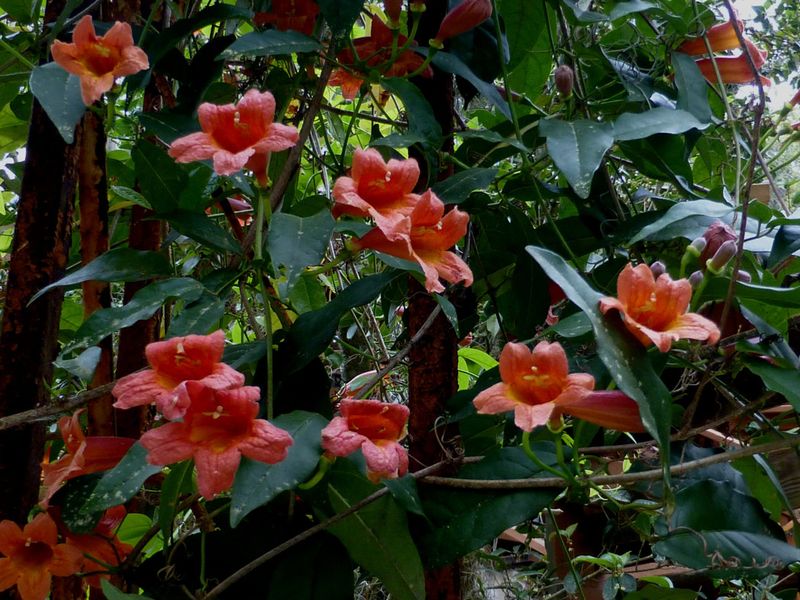
There is something satisfying about planting a vine that actually belongs where you live. Crossvine is native to the southeastern United States, and its natural range includes much of Florida, which means it evolved alongside the local soils, weather patterns, and wildlife that make up the state’s ecosystems.
That history of adaptation shows in how well it performs without a lot of outside help.
Native plants play a practical role in sustainable landscaping. They support local food webs by providing nectar, shelter, and habitat for native insects and birds that depend on regionally familiar plants.
Crossvine fits comfortably alongside other Florida-friendly plants like coral honeysuckle, beautyberry, and firebush, creating a layered garden that feels cohesive and grounded in place.
From a practical standpoint, choosing native plants also tends to reduce the overall input needed to keep a garden healthy. Less water, less fertilizer, and fewer pest problems are common outcomes when plants are matched to their native region.
The Florida-Friendly Landscaping program promoted by UF IFAS Extension specifically encourages the use of native and adapted plants for exactly these reasons. Adding crossvine to a fence line is a small but meaningful step toward a more ecologically connected yard.
7. Evergreen Foliage Keeps Fences Looking Full Longer
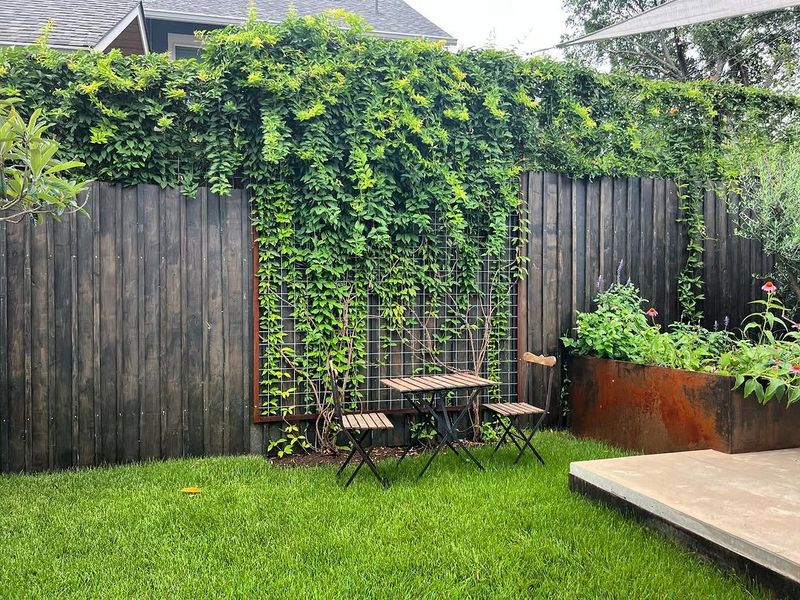
Most deciduous vines leave fences looking bare and exposed through the cooler months, which can be a letdown after a full season of lush growth. Crossvine behaves differently in Florida.
In the state’s mild winters, it tends to hold onto its glossy, dark green leaves well into the season, earning it a semi-evergreen to nearly evergreen classification in warmer parts of the state.
That extended foliage coverage is genuinely useful. A fence covered in green leaves provides better privacy screening, more wind buffering, and a tidier visual appearance than bare stems would.
In central and south Florida, where hard freezes are rare, crossvine may keep its leaves through the entire year with only minor leaf drop during the brief cool season.
In north Florida, where temperatures occasionally dip below freezing, the vine may lose some leaves but typically rebounds quickly once warmer weather returns. The stems and roots are cold-hardy, and new growth emerges reliably in late winter or early spring.
Planting crossvine on a south-facing or west-facing fence helps maximize warmth and light exposure, which supports better foliage retention through the winter months. For a vine that earns its keep year-round, crossvine delivers consistent results across Florida’s varied climate zones.
8. Low Maintenance Growth Once Established
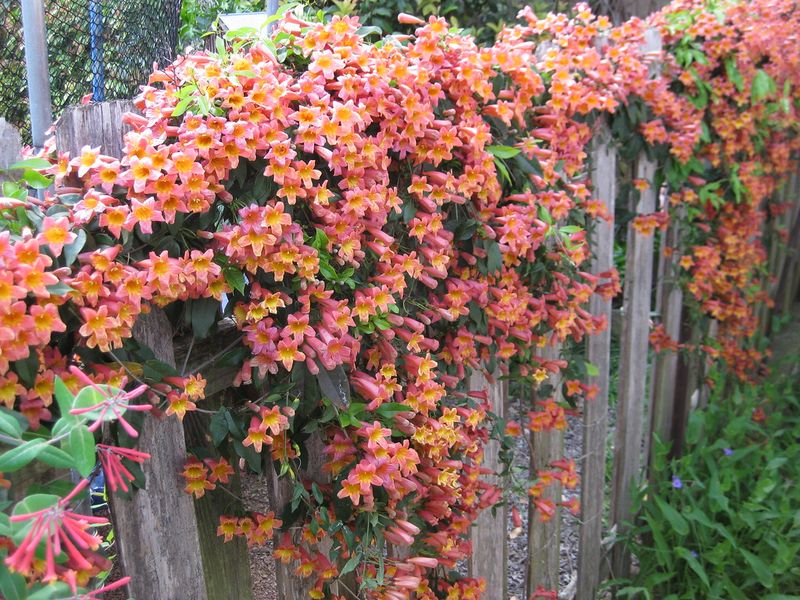
Gardening in Florida can demand a lot of time and energy, so finding plants that largely look after themselves is a real win. After crossvine gets through its first growing season and the roots settle in, the care routine becomes minimal.
Watering needs drop significantly, and the vine handles Florida’s rainy season without any extra attention from the gardener.
Pruning is the main task that comes up with a mature crossvine. A light trim once or twice a year keeps the growth tidy and prevents the vine from spreading beyond its intended space.
The best time to prune is right after the main bloom period in late spring, which allows the plant to set new growth without sacrificing the flower display. Heavy cutting is rarely needed unless the vine has gone unchecked for several seasons.
Pest and disease problems are uncommon with crossvine, especially when it is planted in a well-drained spot with good air circulation. The vine’s native resilience means it does not typically need pesticide treatments or soil amendments to stay healthy.
Mulching around the base helps retain moisture and regulate soil temperature during dry stretches. For homeowners who want an attractive, wildlife-friendly fence vine without a demanding care schedule, crossvine is a genuinely low-effort choice.