8 Flowers To Plant In Texas Gardens Before April Ends
There is something about the end of April that makes garden plans feel a lot more real in Texas. The weather is warming up, garden centers are full, and it suddenly feels like the clock is ticking.
Wait too long, and the easy planting window starts slipping away just as the tougher heat of late spring and summer gets closer. That is why this time of year matters so much if you want a garden full of flowers that can get established before the real stress begins.
Planting before April ends gives many flowers a better chance to settle in, grow stronger roots, and put on a better show once the season picks up. It is also a smart way to get ahead of the intense conditions Texas gardeners know are coming.
A little timing can make a big difference between flowers that merely hang on and flowers that truly thrive.
For gardeners who want color, texture, and a yard that feels alive for months, this is one of the best times to make a move. The right flowers planted now can carry that fresh spring energy straight into summer.
1. Zinnias (Zinnia Spp.)
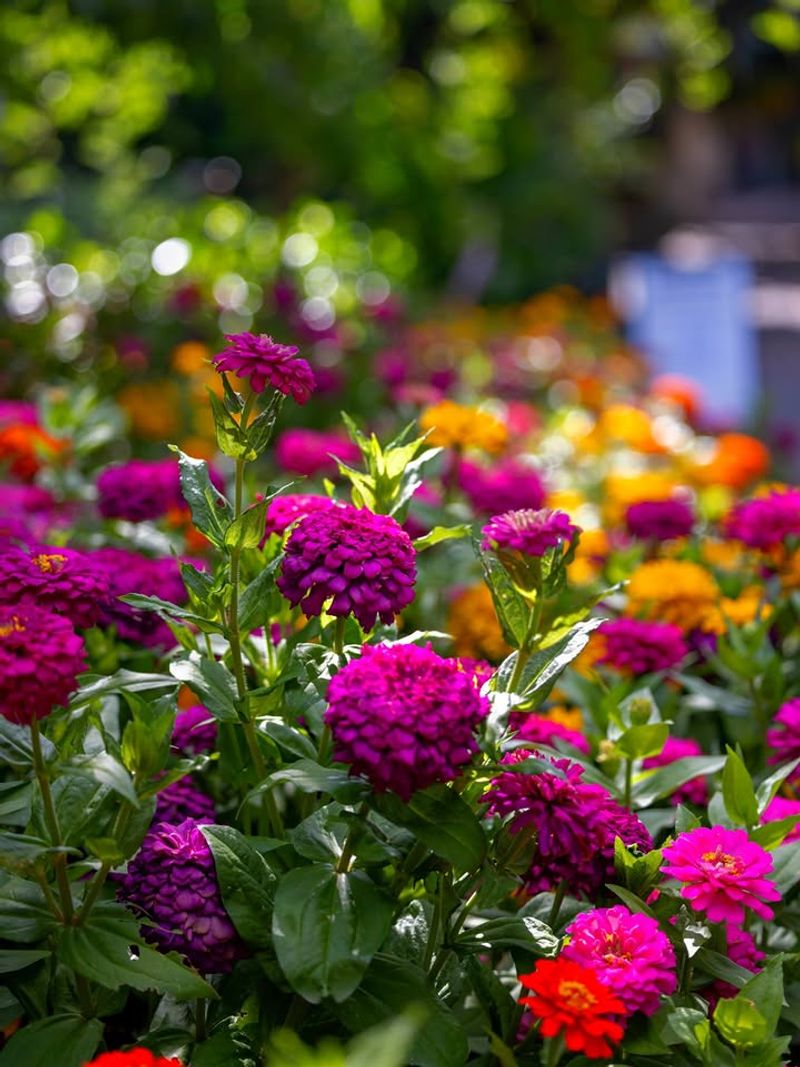
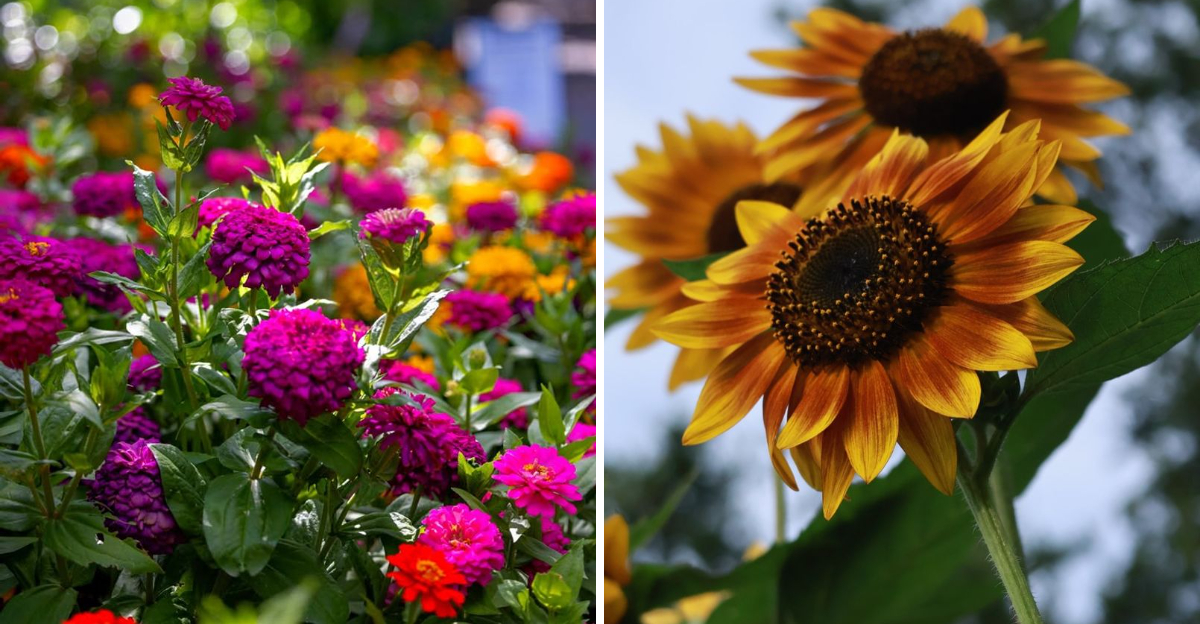
Few flowers say “Texas summer” quite like zinnias. These bold, cheerful annuals come in just about every color you can imagine, from deep red and orange to soft pink and white.
Plant them before April ends and you will have blooms showing up fast, sometimes within just a few weeks of planting.
Zinnias germinate quickly in warm soil, which makes late April in Texas the ideal time to sow seeds directly into your garden bed.
They love full sun and actually perform better when temperatures climb. The hotter it gets, the harder zinnias seem to work.
One of the best things about growing zinnias in Texas is how low-maintenance they are. Water them regularly when they are young, and once established, they can handle dry spells fairly well.
Deadhead spent blooms to encourage new flowers and keep the plant looking fresh all season long.
Zinnias also attract butterflies and hummingbirds, making your garden feel alive and buzzing with energy. They work beautifully in borders, raised beds, and containers.
Did you know zinnias were actually grown aboard the International Space Station? These tough little flowers can handle almost anything, including a Texas summer.
2. Cosmos (Cosmos Spp.)
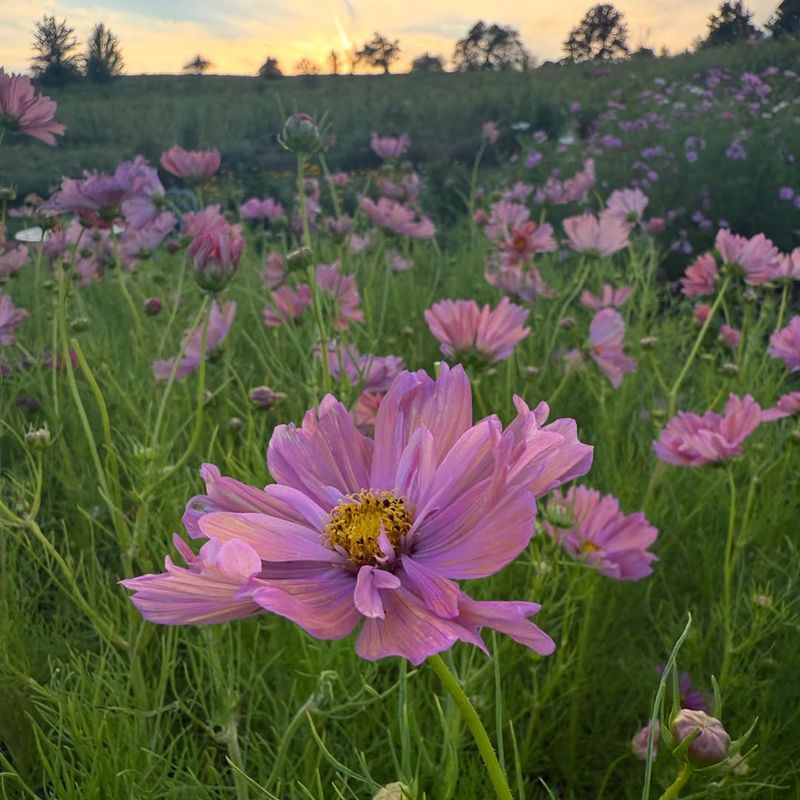
There is something almost magical about cosmos. Their thin, feathery stems and daisy-like blooms give any Texas garden a soft, wild, meadow-like feel.
And the best part? They practically grow themselves. Cosmos are one of the easiest flowers to start from seed, even for beginner gardeners.
Planting cosmos before April ends in Texas gives them the warm soil they need to sprout quickly. They actually prefer poor soil, which means you do not need to fuss over fertilizing or soil amendments.
Overly rich soil can lead to more leaves and fewer blooms, so keep things simple. Once established, cosmos are incredibly heat-tolerant and will keep producing flowers all the way through fall.
Your Texas Garden Changes Every Week. Your Plan Should Too.
Gardening in Texas changes quickly throughout the season. Every Friday you’ll receive a simple weekly plan showing exactly what to plant, prune, fertilize, harvest, and protect so you never miss the right timing.
They are self-seeding too, meaning they may come back on their own next year without any extra effort from you. That is a bonus most Texas gardeners truly appreciate.
Cosmos attract butterflies and beneficial insects, adding life and movement to your outdoor space. They look stunning when planted in large clusters or mixed with taller flowers like sunflowers.
Try planting them along a fence or at the back of a flower bed for a gorgeous, airy backdrop that sways gently in the warm Texas breeze.
3. Marigolds (Tagetes Spp.)
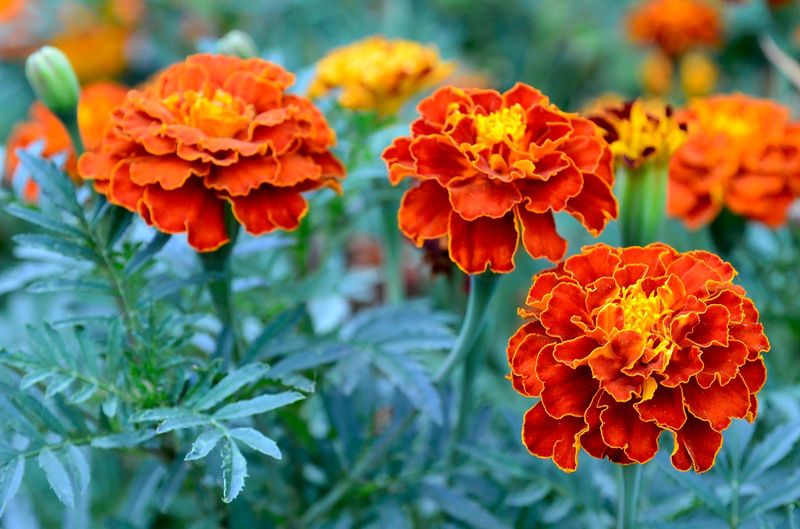
Marigolds have earned their place in Texas gardens for good reason. These classic flowers are tough, reliable, and produce cheerful orange, yellow, and red blooms that last from spring all the way through the first cold snap.
Planting them before April ends gives them time to settle in before the real summer heat arrives.
One thing that makes marigolds so popular in Texas is their ability to handle hot, dry conditions once they are established. They thrive in full sun and do not ask for much water after their roots take hold.
A little compost mixed into the soil at planting time goes a long way. Marigolds are also known for their pest-deterring qualities. Their strong scent is believed to repel aphids, whiteflies, and even some nematodes in the soil.
Planting them near vegetables like tomatoes and peppers is a tried-and-true gardening trick many Texas gardeners swear by.
Fun fact: marigolds have been used in celebrations and rituals across Mexico and India for centuries. Their petals are edible and sometimes used as a natural food coloring.
Beyond their cultural history, they are simply one of the most dependable flowers you can grow in a Texas garden. Easy, bold, and beautiful from border to bed.
4. Lantana (Lantana Urticoides / Hybrids)
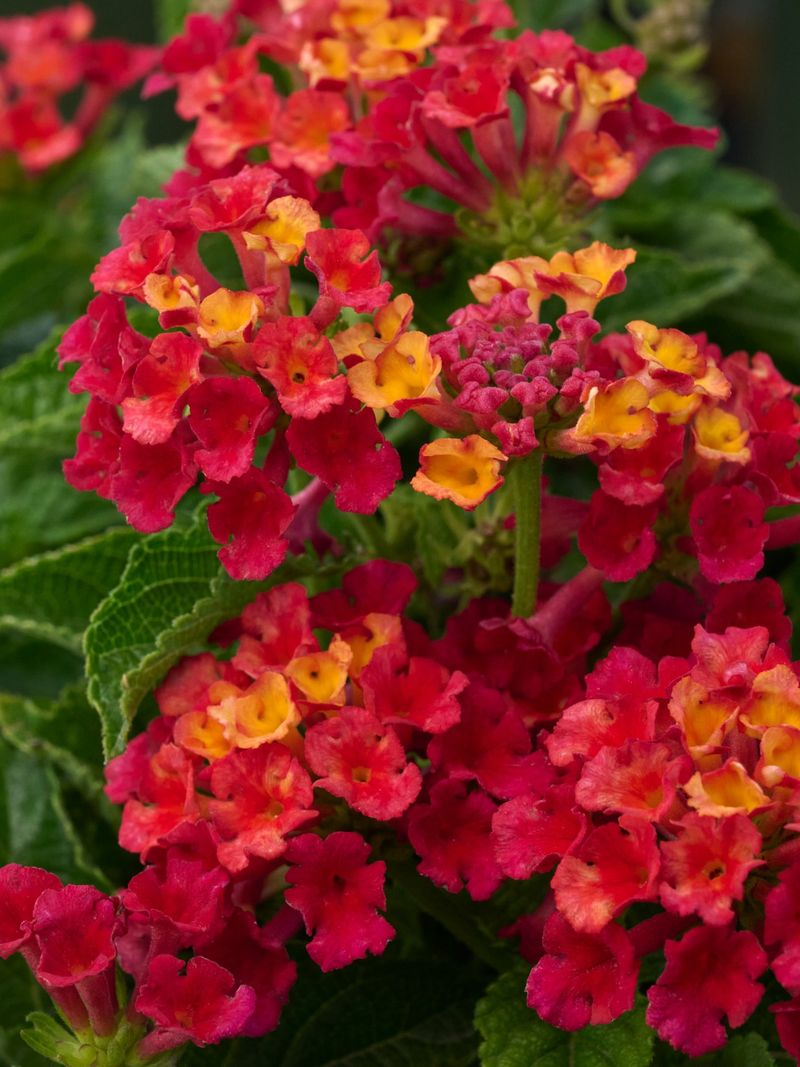
Ask any experienced Texas gardener which flower truly loves the heat, and lantana will almost always top the list. This tough, sun-loving plant produces clusters of tiny flowers in stunning combinations of red, orange, yellow, and pink.
It blooms nonstop from late spring through fall, making it one of the hardest-working plants in any Texas yard.
Late April is the perfect time to plant lantana in Texas. The warming soil encourages fast root development, and the plant will be well-established by the time midsummer heat sets in.
Once lantana gets going, it is remarkably drought-tolerant and rarely needs much attention beyond occasional watering during dry stretches.
Lantana is a magnet for butterflies. Monarchs, swallowtails, and painted ladies absolutely love it.
If you want to turn your Texas garden into a butterfly hotspot, a row of lantana is one of the best moves you can make. Hummingbirds are also known to visit the blooms regularly.
A word of caution: lantana berries are toxic to pets and children, so plant with that in mind. Trailing varieties work well in containers and hanging baskets, while upright types make excellent landscape anchors.
Few plants offer this much color, wildlife value, and heat resilience in one tidy package for Texas gardens.
5. Sunflowers (Helianthus Annuus)
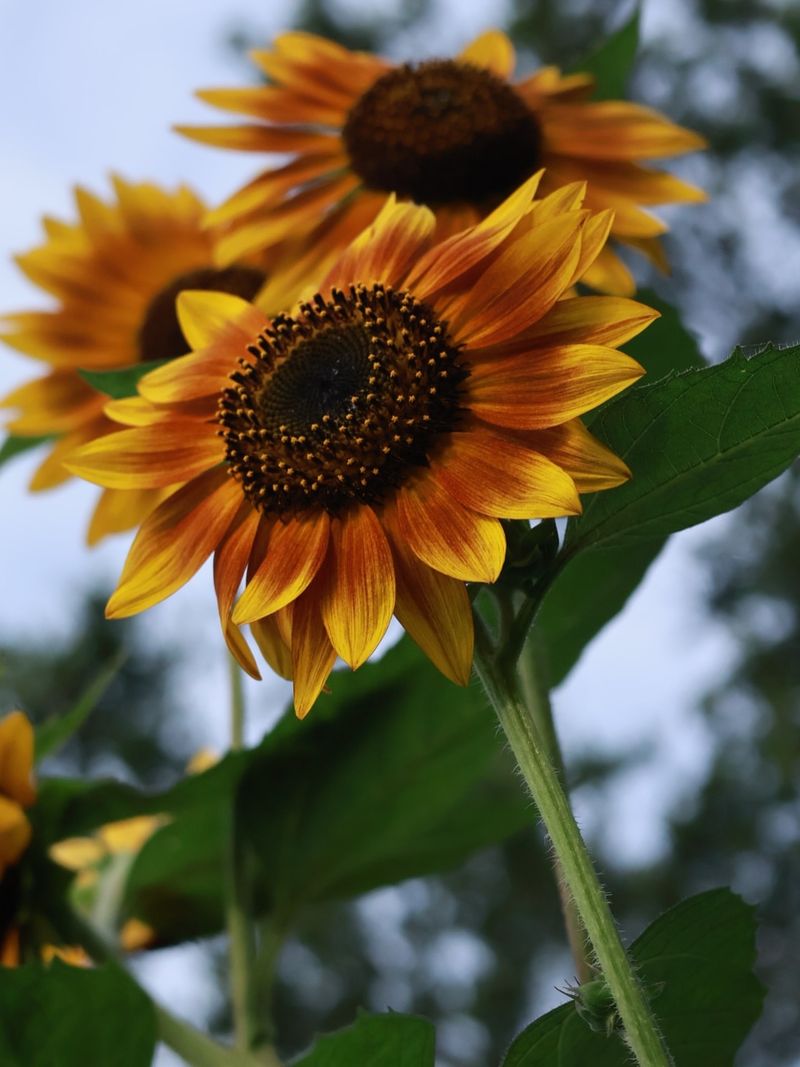
Nothing brightens up a Texas garden quite like a row of tall, golden sunflowers. These fast-growing beauties are made for the Texas climate.
They love full sun, handle heat without complaint, and grow quickly from seed. Plant them before April ends and you could be looking at towering blooms by early summer.
Sunflowers are incredibly easy to grow. Press seeds about an inch deep into well-drained soil, water consistently, and watch them take off.
They are not picky about soil quality, but they do need at least six to eight hours of direct sunlight each day. In Texas, that is rarely a problem.
Beyond their stunning good looks, sunflowers serve a real purpose in the garden. Their large blooms attract bees, butterflies, and other pollinators.
Once the blooms fade, the seed heads become a natural bird feeder, drawing finches and other songbirds to your yard. It is a full-season gift that keeps on giving.
Sunflowers come in many sizes, from compact varieties perfect for containers to giant types that can reach over ten feet tall. Mix different varieties for a dramatic, layered effect in your Texas garden.
Did you know sunflowers always face east once they fully mature? That cheerful, sun-chasing habit makes them one of the most endearing flowers you can grow.
6. Coreopsis (Coreopsis Spp.)
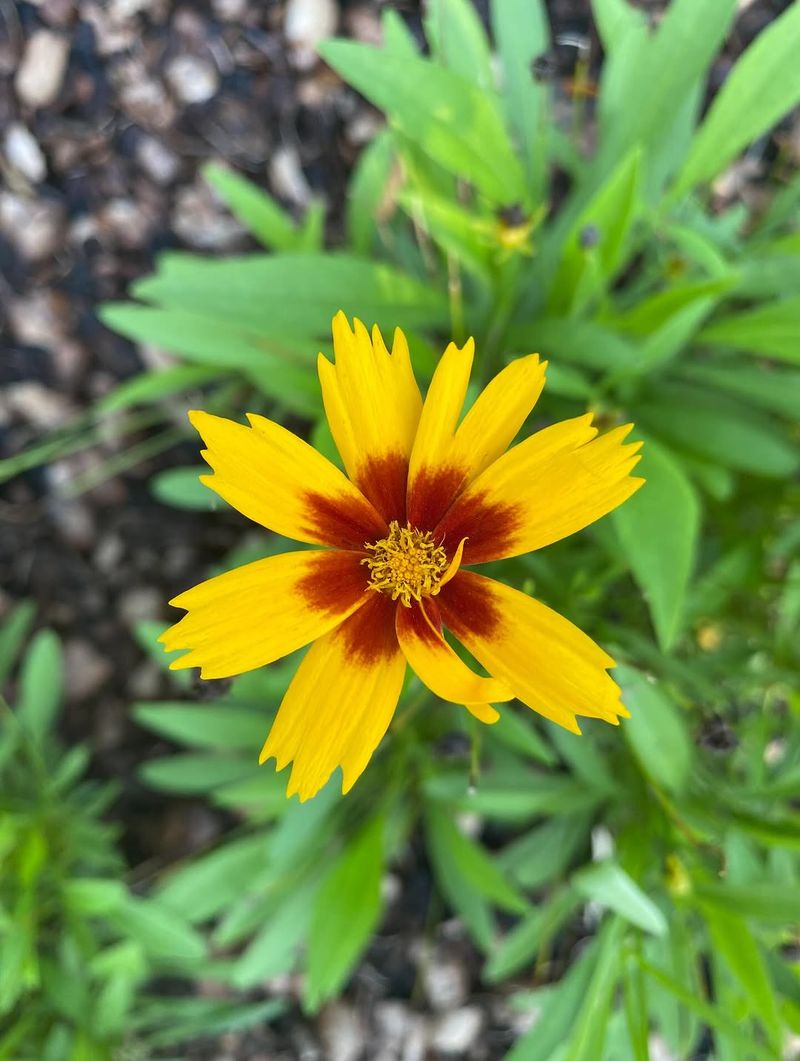
Coreopsis might just be one of Texas’s best-kept gardening secrets. Also called tickseed, this cheerful native-friendly flower produces waves of golden-yellow blooms that light up garden beds from late spring through fall.
It is low-maintenance, heat-tolerant, and thrives in the kind of hot, dry conditions that challenge many other plants.
Planting coreopsis before April ends in Texas gives it the ideal start. It establishes quickly in warm soil and begins blooming before summer even officially arrives.
Unlike some flowers that slow down in midsummer heat, coreopsis keeps going strong, offering reliable color when you need it most.
One of the standout qualities of coreopsis is how little it asks of you. It does not need rich soil, heavy watering, or constant deadheading.
In fact, too much water or fertilizer can actually work against it. Simply plant it in a sunny spot and let Texas do what it does best.
Coreopsis is also a native-friendly choice, meaning it supports local pollinators like native bees and butterflies. Several species are native to Texas, making them naturally adapted to the local climate and soil.
If you are trying to build a more sustainable, wildlife-friendly garden in Texas, coreopsis belongs in your plan. It is tough, pretty, and practically effortless to maintain all season long.
7. Gomphrena (Gomphrena Globosa)
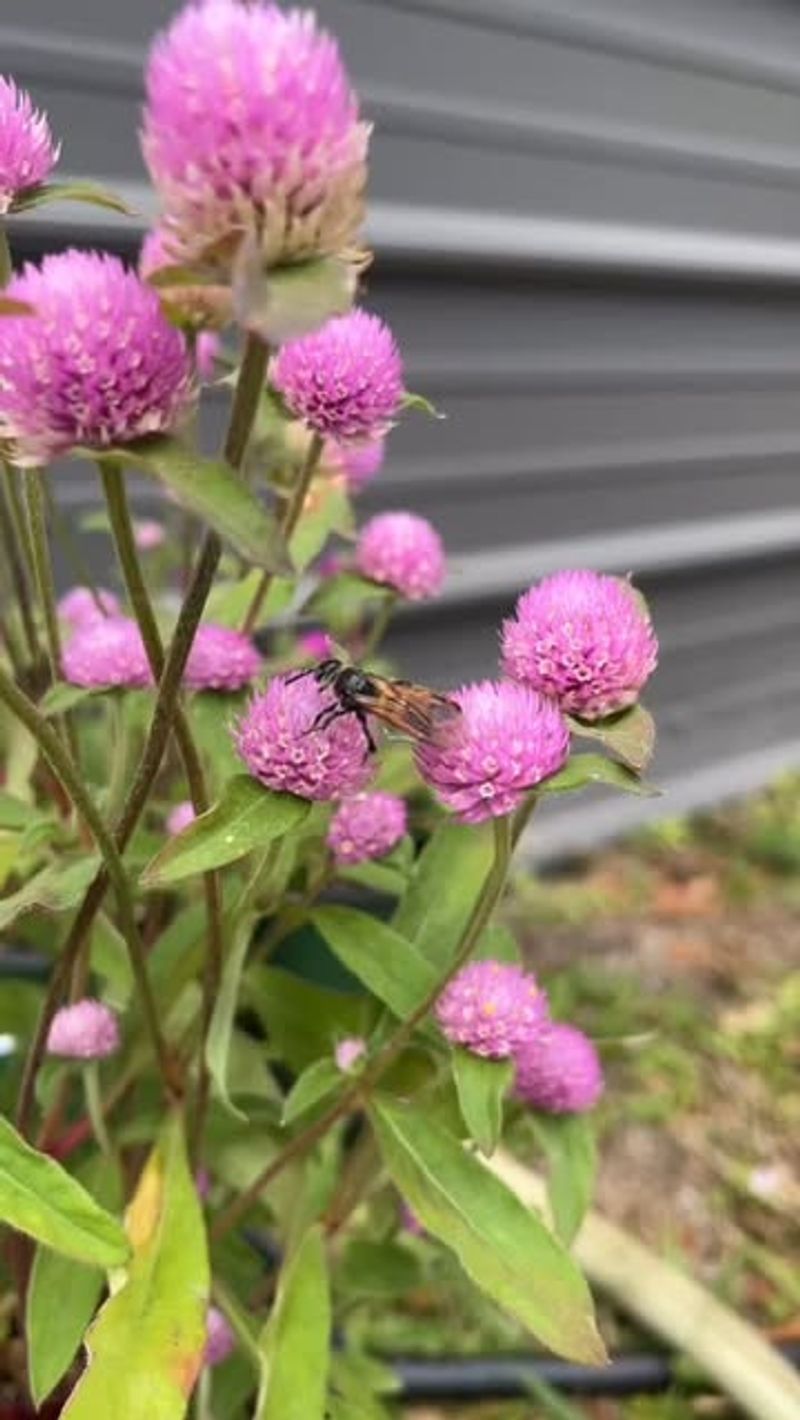
Gomphrena might not be the most famous flower on this list, but Texas gardeners who have tried it rarely go back. Those little globe-shaped blooms in purple, hot pink, white, and orange are absolutely charming.
They hold their color and shape for weeks, making them just as valuable as cut flowers as they are in the garden.
Late April is the right moment to get gomphrena in the ground across Texas. It is a heat-loving annual that genuinely thrives when temperatures rise.
Unlike flowers that struggle and fade in midsummer, gomphrena hits its stride and keeps producing blooms right through the hottest months of the year.
Gomphrena is also notably drought-tolerant once established. It does not need frequent watering, which is a real advantage in parts of Texas that face dry summers.
Plant it in full sun with well-drained soil and it will reward you with months of cheerful, globe-shaped color without much fuss.
Pollinators are big fans of gomphrena too. Butterflies and bees flock to the blooms regularly throughout the season.
The flowers also dry beautifully, holding their vivid color even after drying, which makes them a favorite for dried flower arrangements. If you want a tough, colorful, and versatile annual for your Texas garden, gomphrena is a seriously underrated choice worth planting.
8. Salvia (Salvia Spp.)
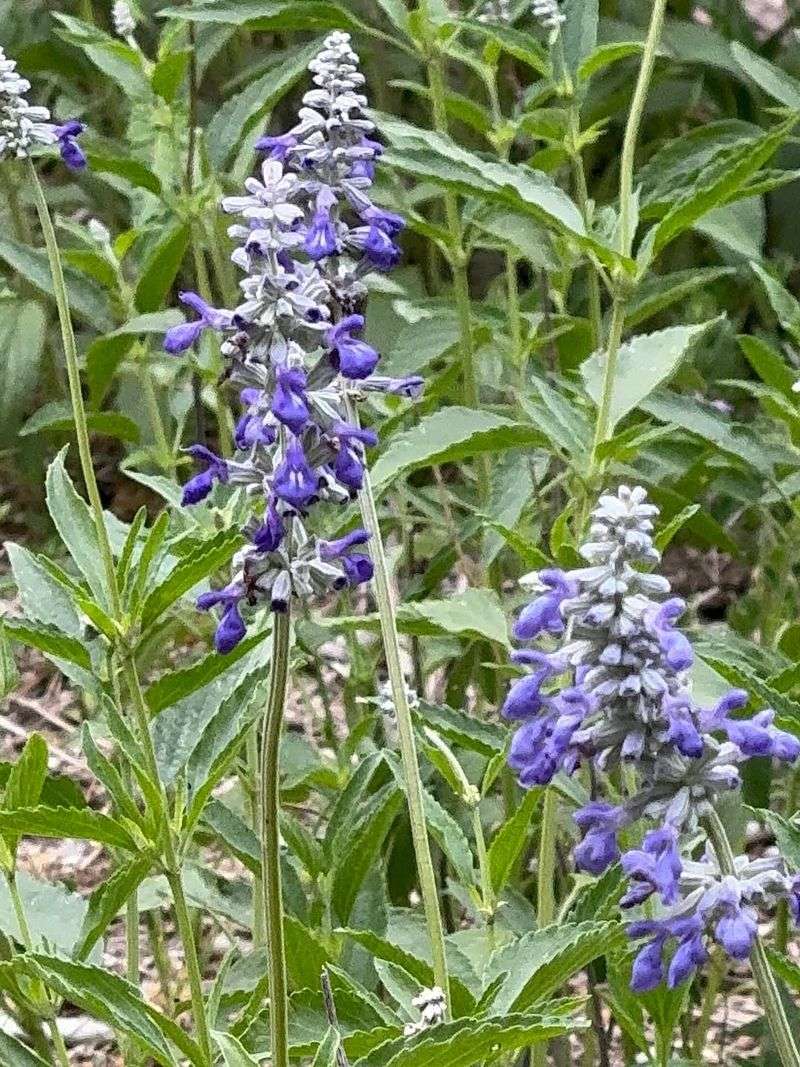
Salvia is one of those plants that Texas gardeners absolutely depend on. With dozens of varieties adapted to the Texas climate, there is a salvia for nearly every garden situation.
From the fiery red spikes of Salvia coccinea to the deep purple blooms of Salvia farinacea, this group of plants brings bold, vertical color to any landscape.
Planting salvia before April ends is a smart move. Getting it in the ground now means the roots have time to establish before the brutal Texas summer heat arrives.
Once settled in, salvia is a powerhouse, tolerating heat, drought, and poor soil conditions that would stress most other flowers.
Hummingbirds absolutely adore salvia. The tubular flowers are perfectly shaped for their long beaks, and a well-planted salvia bed can turn your Texas yard into a hummingbird hotspot all summer long.
Butterflies and bees are regular visitors too, making salvia one of the best choices for supporting local pollinators.
Most salvia varieties also have a wonderfully long blooming season, often stretching from late spring all the way through fall. Some are perennial in warmer parts of Texas, meaning they come back year after year with little effort.
Whether you are planting along a walkway, filling a raised bed, or adding structure to a mixed border, salvia delivers season after season in Texas gardens.