Why You Should Plant Rosemary Around Your Fence Line In Arizona
Arizona fence lines can make an entire yard feel harsher once summer heat starts reflecting off block walls and gravel all afternoon. Empty edges often end up looking dry and difficult to landscape.
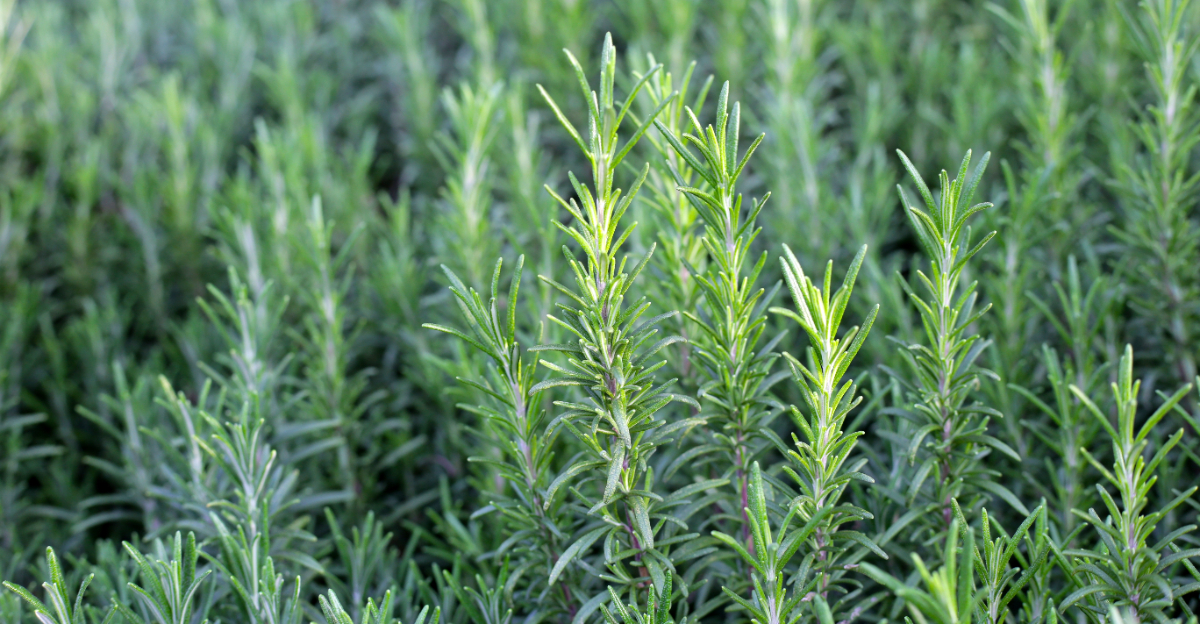
Rosemary keeps appearing in those spots more often because it changes the feel of a fence line without turning the area into something high maintenance.
Long borders start looking more intentional, especially in places where other plants struggle with constant exposure.
Many gardeners originally think of rosemary as something that belongs near the kitchen or patio, then slowly start noticing it works surprisingly well in completely different parts of the yard too.
1. Rosemary Handles Reflected Heat Near Walls Well
Fence lines in Arizona get brutally hot. Stucco walls, concrete blocks, and metal panels all absorb heat throughout the day and then radiate it back outward, creating what gardeners call a heat sink.
Most plants positioned near these surfaces struggle badly, showing scorched leaves and stressed growth by midsummer. Rosemary, though, handles this kind of environment surprisingly well.
Native to the rocky, sun-drenched coastlines of the Mediterranean, rosemary evolved under conditions that actually mirror parts of Arizona more closely than most people realize.
Its needle-like leaves have a waxy coating that reduces moisture loss, and the plant’s internal chemistry is built to handle high temperatures.
Reflected heat from a block wall doesn’t overwhelm it the way it does softer-leafed plants like basil or tomatoes.
Along the west and south-facing fence lines common in Phoenix, Tucson, and other parts of Arizona, temperatures near walls can climb well above air temperature on a summer afternoon.
Rosemary planted in these zones tends to stay compact and healthy rather than wilting.
It won’t necessarily grow as lush as it would in a cooler climate, but it holds its own without much drama.
2. Dry Soil Along Fences Rarely Slows Rosemary Down
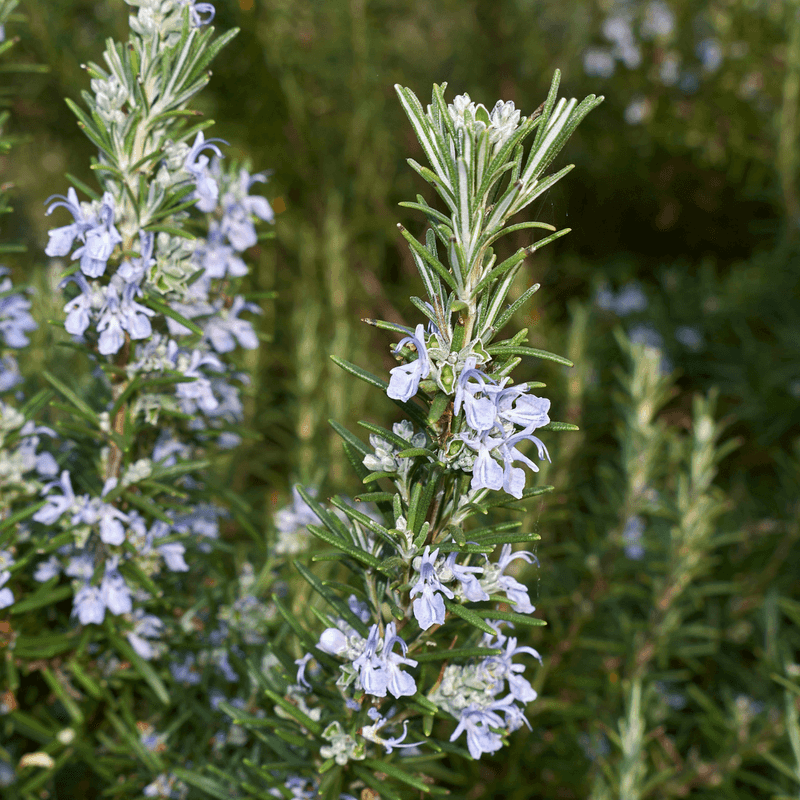
Soil along fence lines in Arizona is often the worst in the yard. Runoff doesn’t collect there, shade is minimal, and the ground tends to be compacted, rocky, or sandy.
Plenty of plants refuse to establish in these spots, leaving homeowners with bare, dusty strips that look neglected. Rosemary genuinely does not care about any of that.
What makes rosemary so well-suited to poor, dry soil is its root system. Over time, it sends roots deep and wide to find whatever moisture is available.
Rocky, fast-draining soil actually works in its favor because rosemary absolutely cannot tolerate waterlogged conditions. If anything, overly rich, moist soil is more likely to cause problems than dry, gritty ground.
In Arizona, the natural soil composition along most fence lines is practically ideal for this plant.
Across the Sonoran Desert region, water conservation is always part of the conversation. Rosemary fits naturally into that mindset.
Once established, usually after one to two growing seasons, it can survive on rainfall alone in many parts of Arizona, though supplemental watering during the driest months will keep it looking better.
Your Arizona Garden Changes Every Week. Your Plan Should Too.
Gardening in Arizona changes quickly throughout the season. Every Friday you’ll receive a simple weekly plan showing exactly what to plant, prune, fertilize, harvest, and protect so you never miss the right timing.
Young plants do need regular moisture during the first summer to get their roots settled.
A smart approach is to amend the planting hole slightly with a bit of compost, then leave the surrounding soil mostly as-is. Rosemary adapts better when it isn’t pampered with overly rich conditions.
Lean soil keeps growth manageable and encourages the deep rooting that makes these plants so resilient long-term.
3. Dense Growth Can Soften Bare Fence Lines Naturally
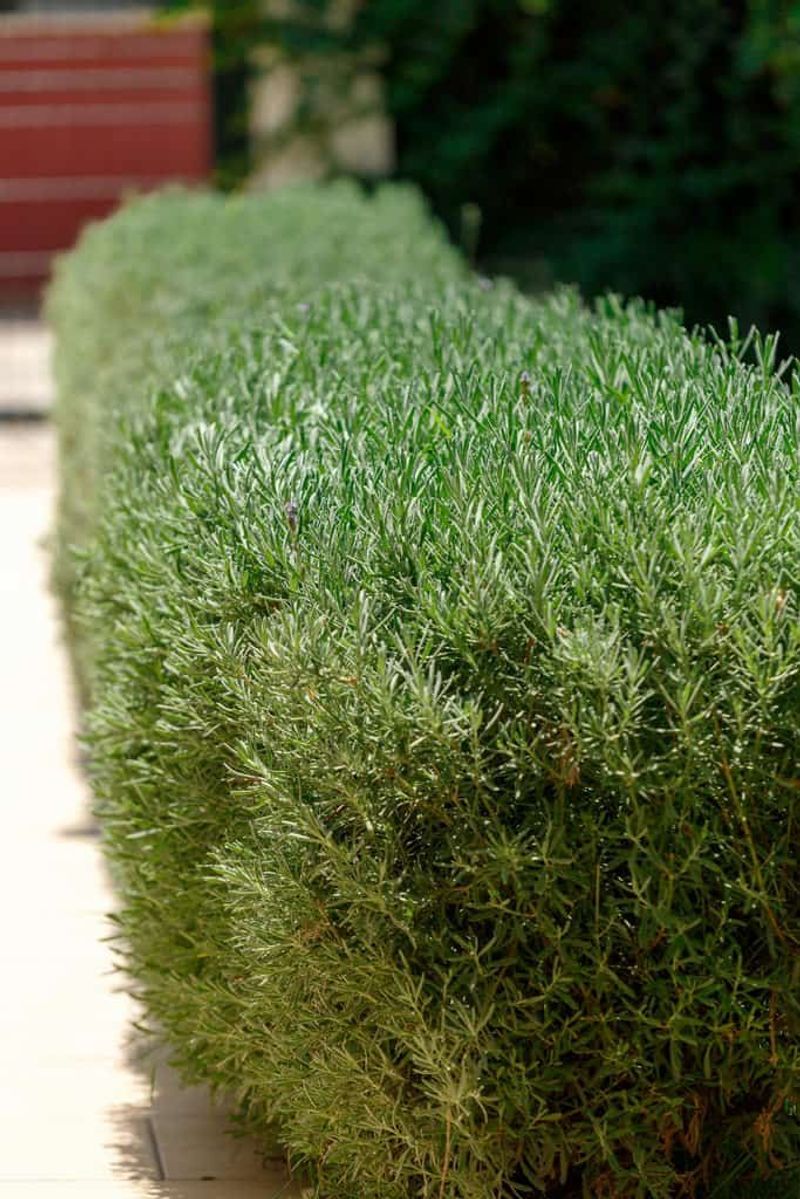
A bare fence line can make even a well-kept yard feel unfinished. Chain-link fences, block walls, and wood panels all have a certain industrial quality that landscaping helps break up.
Rosemary, when planted in a row along a fence, gradually fills in and creates a living border that adds texture, color, and a sense of intention to the space.
Upright rosemary varieties like Tuscan Blue or Spice Island can reach four to six feet tall under good conditions in Arizona.
Planted every three to four feet along a fence, these varieties eventually merge into a soft, fragrant hedge that visually replaces the hard line of the fence itself.
Prostrate varieties work differently, spreading outward and downward rather than upward, which makes them better suited for low fences or decorative borders.
What sets rosemary apart from other screening plants in Arizona is how little work it takes to maintain that look.
Unlike oleander, which needs regular trimming to stay tidy, or lantana, which can get rangy and messy, rosemary holds a reasonably neat shape on its own.
Light pruning once or twice a year is usually enough to keep it looking intentional rather than overgrown.
4. Pollinators Visit Rosemary Flowers During Warm Months
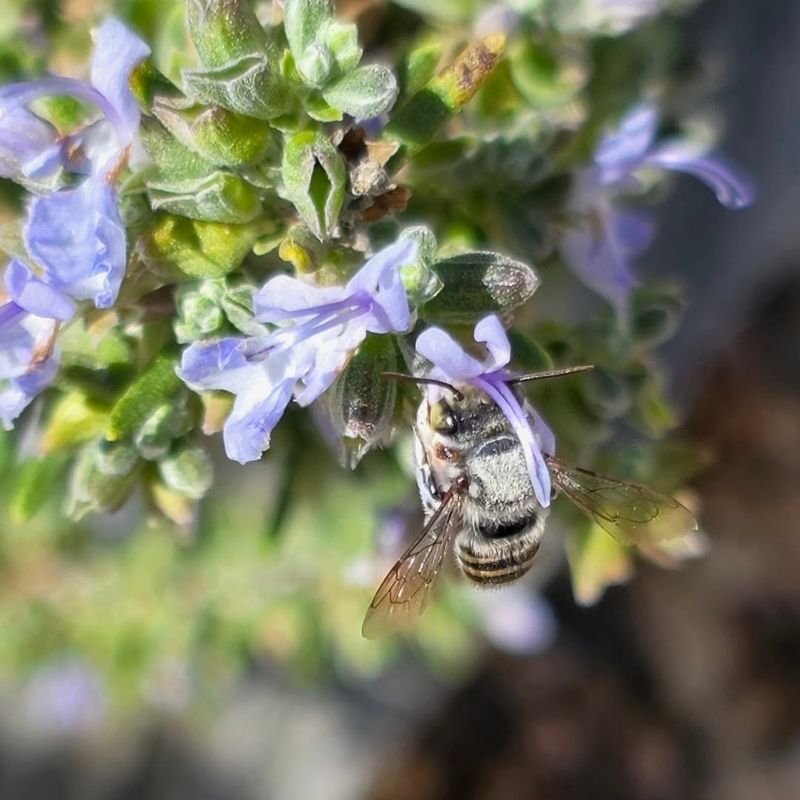
Bees love rosemary. Walk past a rosemary plant in bloom on a warm Arizona morning and you will almost certainly hear it before you see the flowers clearly.
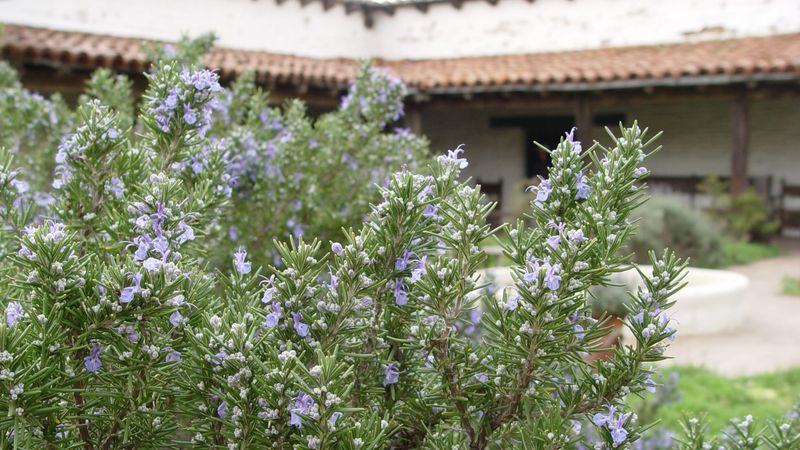
Honeybees, native bees, and bumble bees are all drawn to the small blue-purple blossoms, often visiting repeatedly throughout the day.
For gardeners who also grow vegetables or fruit trees nearby, that kind of pollinator activity is genuinely valuable.
In Arizona, rosemary typically blooms heaviest in late winter and early spring, which happens to be a time when few other plants are flowering. That early bloom window makes it an especially important food source for pollinators coming out of winter.
Some varieties will also push out a second flush of flowers in fall, extending the season even further and giving bees another reliable stop before temperatures drop.
Beyond bees, butterflies and hummingbirds occasionally visit rosemary flowers as well. It won’t replace a dedicated pollinator garden, but along a fence line it adds consistent wildlife value without requiring any extra effort.
Planting rosemary near a vegetable bed or orchard in the Arizona backyard can contribute to better fruit set simply by keeping pollinators active in the area.
5. Established Plants Need Less Water Than Many Shrubs
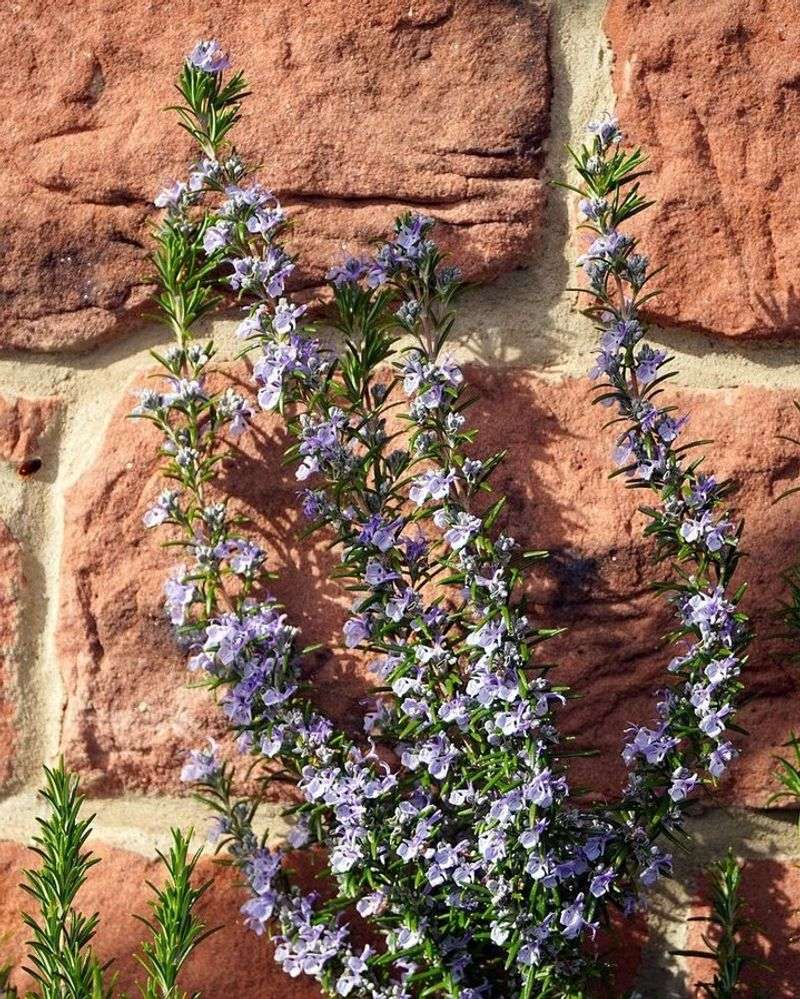
Water bills in Arizona are no joke, especially during summer when irrigation systems run constantly just to keep conventional lawns and thirsty shrubs alive.
Switching even a portion of the landscape to drought-tolerant plants makes a measurable difference, and rosemary is one of the most practical choices available for fence line planting specifically because of how little water it needs once settled in.
During the first growing season, rosemary needs regular watering to develop a strong root system. Skipping irrigation too early can stress young plants before they have the depth to find moisture on their own.
Most gardeners in Arizona water newly planted rosemary two to three times per week in summer, then gradually reduce frequency as fall arrives.
By the second or third year, many established plants do fine with once-a-week deep watering or even less during cooler months.
Compared to common Arizona landscape shrubs like pittosporum, Texas ranger, or red bird of paradise, mature rosemary holds up well with minimal supplemental water.
It won’t look as full and lush as a plant on a regular drip schedule, but it stays alive and productive through extended dry periods that would stress less-adapted plants considerably.
6. Strong Fragrance Makes Outdoor Spaces More Pleasant
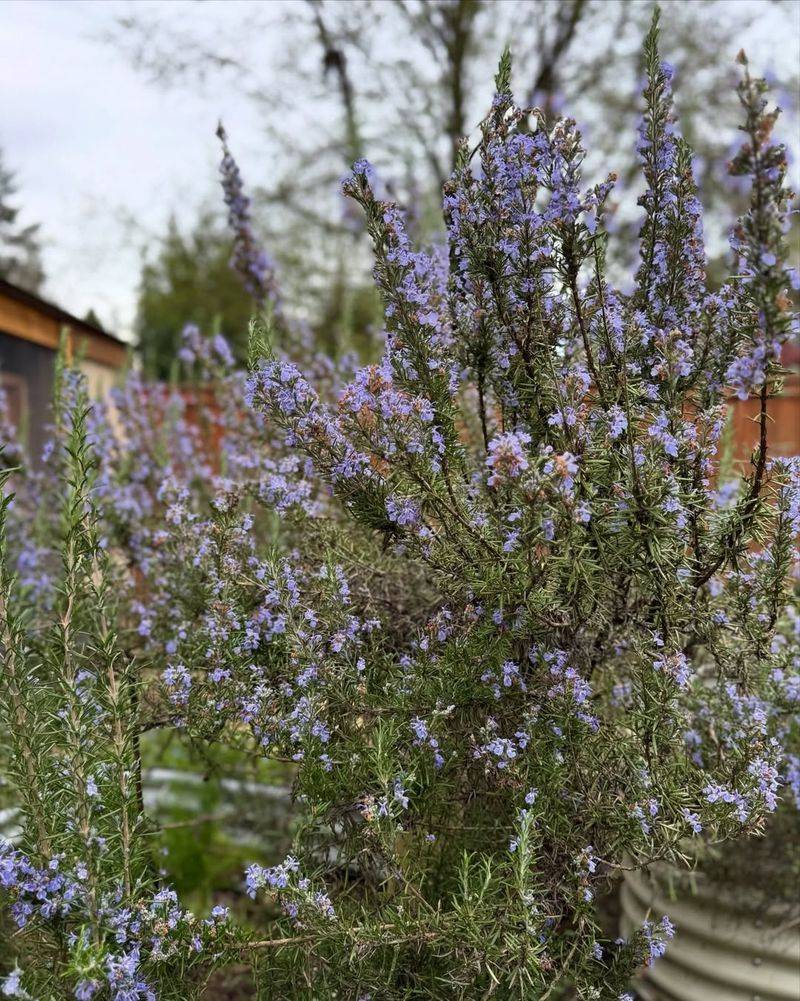
Few plants pack as much sensory impact as rosemary. Brush against it while walking past, run your hand along the foliage, or simply stand near it on a warm Arizona afternoon, and the sharp, clean, piney fragrance hits immediately.
Along a fence line where people walk regularly, that effect becomes part of the everyday experience of being outside.
Fragrance in outdoor spaces is something that often gets overlooked in landscape planning.
People focus on color, structure, and water use, which are all valid priorities in Arizona, but scent adds a layer to the outdoor environment that’s genuinely hard to replicate with non-fragrant plants.
Rosemary’s aroma is widely considered pleasant and calming, and it carries well in warm, dry air without becoming overwhelming the way some flowering shrubs can.
There’s also a practical side to the fragrance. Rosemary contains aromatic compounds that some insects find unappealing.
While it won’t function as a complete pest barrier, anecdotal reports from Arizona gardeners suggest that planting it near patios and seating areas seems to reduce the presence of certain flying insects.
Beyond the bugs, the smell of rosemary is linked to culinary use, and having a fragrant hedge along the fence means fresh herbs are always within arm’s reach.
7. Tall Varieties Create More Privacy Over Time
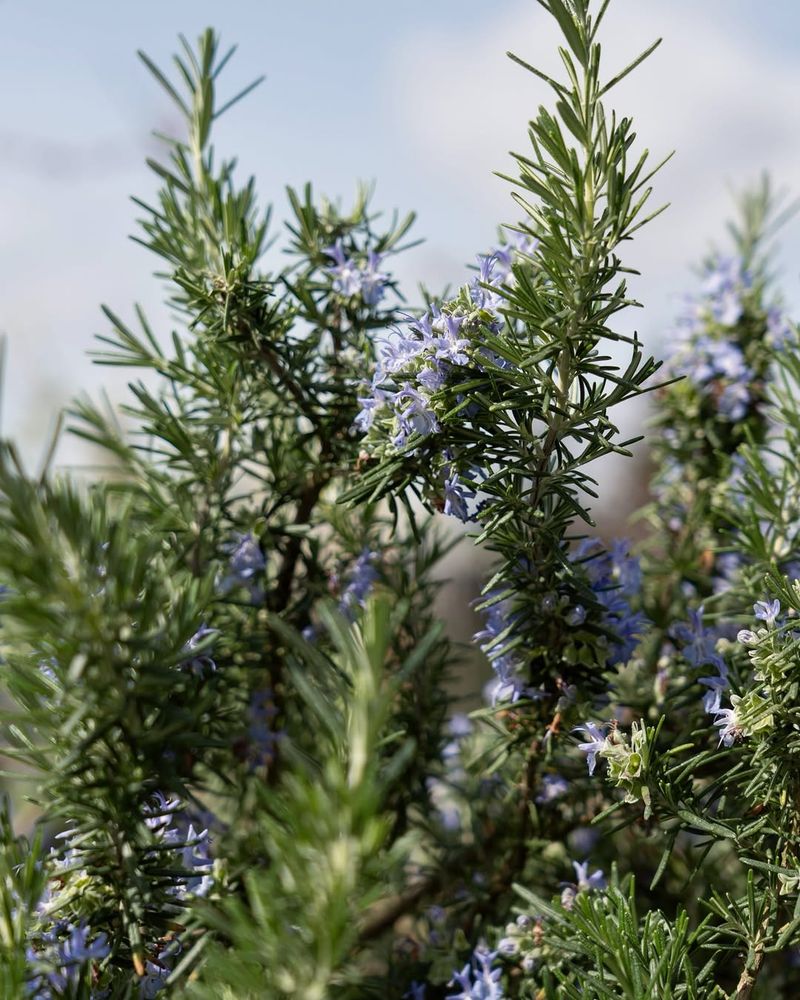
Privacy is a real concern in many Arizona neighborhoods where lots sit close together and fence heights are regulated.
Block walls and wood fences help, but adding height with plants is often the only way to get true visual separation without running into HOA restrictions or building codes.
Upright rosemary varieties offer a workable solution that grows gradually and stays manageable.
Tuscan Blue rosemary is one of the most commonly recommended tall varieties for Arizona. Under favorable conditions with full sun and decent drainage, it can reach five to six feet in height over several years.
Planted in a staggered row along a fence, a group of these plants eventually creates a layered screen that blocks sightlines without requiring constant maintenance. Growth rate is moderate, so patience is part of the deal, but the result is worth it.
Unlike fast-growing privacy options such as Leyland cypress or certain bamboo varieties, rosemary won’t outpace its space or become invasive. In Arizona’s climate, it grows steadily rather than aggressively, which means less pruning and fewer surprises.
The fence behind the plants continues to provide the structural barrier while the rosemary adds height and softness above it.