This Is What Texas Roses Need Before The Heat Gets Brutal
Texas roses have a narrow window in spring where the right care makes all the difference, and most gardeners either don’t know how short that window is or don’t realize how much is riding on what happens during it.
The heat that defines a Texas summer doesn’t just challenge roses – it genuinely tests their limits, and the ones that sail through are almost always the ones that received the right preparation before conditions turned brutal.
Getting roses ready for a Texas summer isn’t complicated, but it is specific. There are things this plant needs done before the thermometer climbs past the point of no return, and skipping those steps means spending the hottest months watching your roses struggle instead of bloom.
Fertilizing at the right time, managing pests before populations build, adjusting watering habits, and making a few smart structural decisions in spring all feed directly into summer performance. Do the work now and your Texas roses will reward you for it all season long.
1. Deep Watering Before Summer Arrives
Roots are the foundation of every healthy rose bush, and in Texas, building that foundation before summer arrives can make a huge difference. When you water deeply, moisture reaches far down into the soil where roots can find it even during the hottest days.
Shallow watering only wets the top layer of soil, which dries out quickly under the Texas sun.
The goal is to soak the soil at least 12 to 18 inches deep. You can check this by pushing a long screwdriver or wooden dowel into the ground after watering. If it slides in easily, your soil has enough moisture.
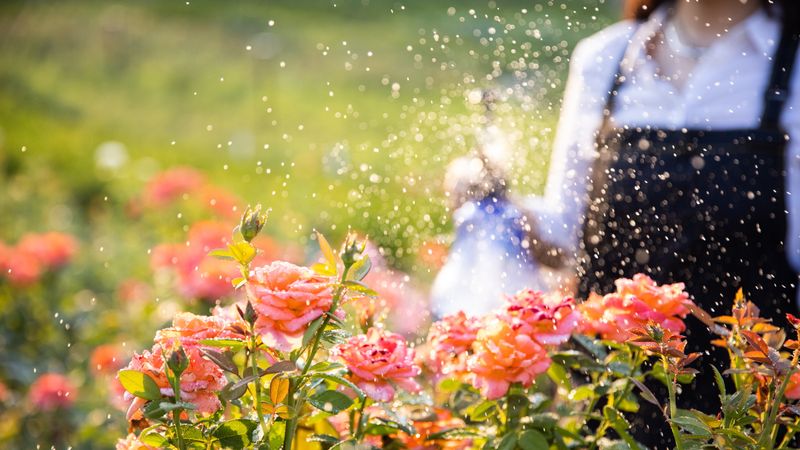
Water slowly and at the base of the plant, not overhead. Overhead watering can splash soil onto leaves and encourage fungal problems, which are already common in humid parts of Texas like Houston and the Gulf Coast region.
A soaker hose or drip irrigation system works really well for roses. Try to water in the early morning so the soil stays moist longer before the afternoon heat arrives. Evening watering can leave moisture sitting on foliage overnight, which invites disease.
Most rose gardeners water deeply two to three times per week before summer peaks, then adjust based on rainfall.
Starting this routine in late April or early May gives roots time to grow deeper before June heat arrives. Deep roots mean a more stable, resilient plant that can handle summers without much stress.
2. A Fresh Layer Of Mulch
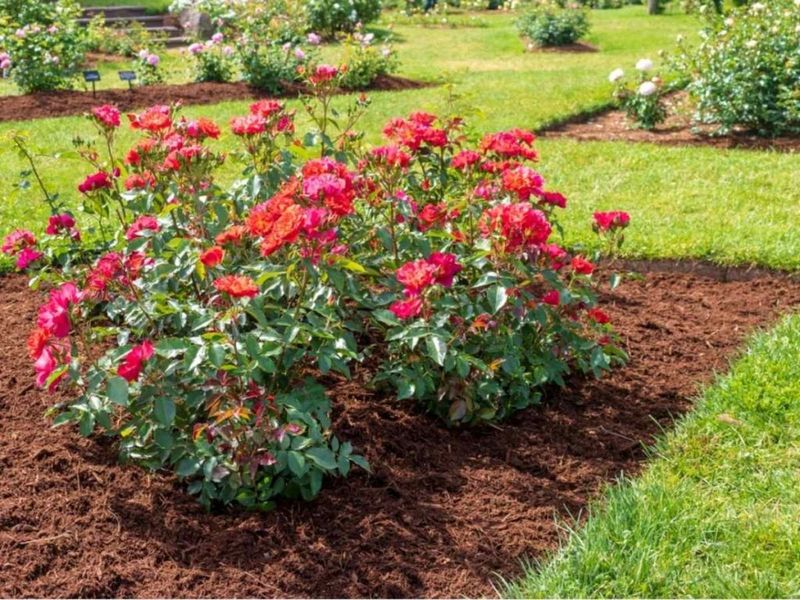
Mulch is one of the most underrated tools in a gardener’s toolkit. A fresh 3 to 4 inch layer of organic mulch spread around the base of your rose bushes can do wonders when summer temperatures start climbing toward 100 degrees.
It acts like a blanket that keeps the soil cooler and holds moisture in so roots do not dry out between waterings.
Without mulch, bare soil heats up fast under the Texas sun. That warm soil stresses roots and causes plants to use water much faster than they should.
Your Texas Garden Changes Every Week. Your Plan Should Too.
Gardening in Texas changes quickly throughout the season. Every Friday you’ll receive a simple weekly plan showing exactly what to plant, prune, fertilize, harvest, and protect so you never miss the right timing.
Mulch slows all of that down and gives your roses a much better chance of staying strong through July and August.
Cedar mulch, pine bark, and shredded hardwood are all popular choices for rose beds. Avoid using rocks or gravel as mulch because those materials actually absorb heat and can make soil temperatures worse.
Organic mulch also breaks down slowly and adds nutrients back into the soil over time. Keep the mulch a few inches away from the main stem of the rose bush to prevent rot and discourage pests from nesting right at the base.
Reapply mulch every spring before the heat arrives, and add more during summer if it thins out.
In cities like Austin and Fort Worth, where summer soil can crack from dryness, mulch makes a visible difference in how well roses hold up. It is a simple step that pays off big all season long.
3. Morning Sun With Afternoon Protection

Here is something many new Texas gardeners learn the hard way: roses love sunlight, but not all Texas sun is created equal. Morning sun is gentle and helps dry dew off leaves before fungal problems can set in.
Afternoon sun in Texas, especially from June through September, can be intense enough to scorch petals and stress even the toughest rose varieties.
Positioning your roses where they get six or more hours of morning light but catch some shade during the hottest part of the afternoon is a smart strategy. If your roses are already planted in a full-sun spot, you have a few options to help them cope.
Shade cloth, tall companion plants, or a nearby fence can all provide some relief during peak afternoon hours.
In West Texas and Central Texas, afternoon temperatures can easily top 105 degrees. That kind of heat causes roses to drop buds, wilt, and slow their growth significantly.
A little strategic shade goes a long way toward keeping blooms coming even through the brutal months.
Some rose varieties handle heat better than others. Knock Out roses, for example, are bred to tolerate tough Texas conditions.
But even heat-tolerant varieties appreciate a break from the harshest afternoon rays. Pairing roses with taller perennials or ornamental grasses on the west side of the bed is a natural and attractive solution.
Think of afternoon shade not as a weakness but as a smart adjustment to the unique growing conditions found across the Lone Star State.
4. Proper Airflow Around Plants

Crowded rose bushes might look full and lush, but too much growth packed together can actually cause serious problems. When branches and leaves are tangled tightly, air cannot move through the plant freely.
That trapped moisture and warmth creates the perfect conditions for fungal diseases like black spot and powdery mildew, both of which are common in Texas gardens.
Pruning for airflow means removing crossing branches, weak inner stems, and any growth that points back toward the center of the bush.
The goal is an open, vase-like shape that lets a breeze pass through easily. You do not need to remove a lot of growth, just enough to open things up.
Late spring, before the real Texas heat hits, is a great time to do this kind of maintenance pruning. Use clean, sharp pruners and make cuts at a 45-degree angle just above an outward-facing bud.
Wiping your blades with rubbing alcohol between cuts helps prevent spreading any disease from one plant to another.
Good airflow also makes it easier to spot pests early. When growth is too dense, spider mites and aphids can hide and multiply without being noticed. Opening up the canopy gives you a clearer view and better access for spraying if needed.
Across Texas, where humidity can spike suddenly after a rain, roses with good airflow simply fare better. This one maintenance step supports healthier foliage, cleaner stems, and more consistent blooms from spring all the way through the season.
5. Balanced Fertilizer In Late Spring
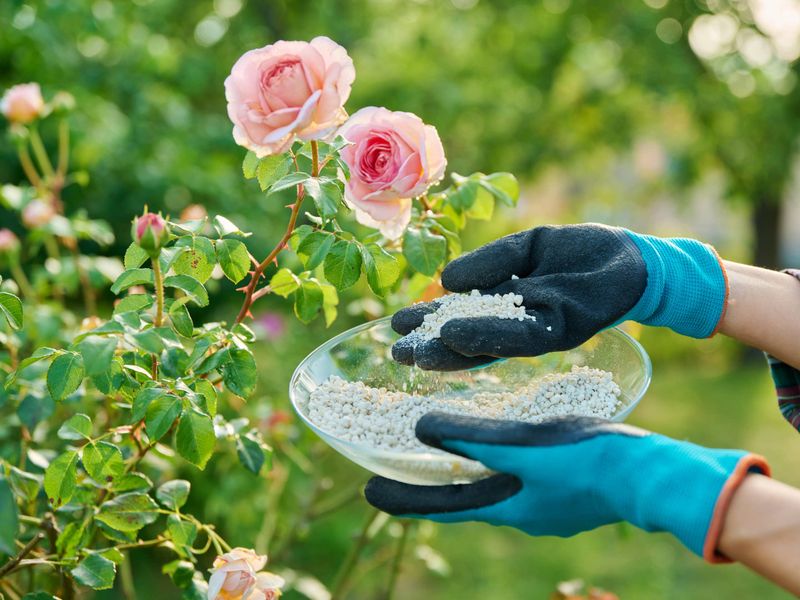
Feeding your roses at the right time is just as important as what you feed them. Late spring, roughly from mid-April through May, is the sweet spot for fertilizing roses in Texas.
The plants are actively growing, roots are absorbing nutrients well, and there is still time for that nutrition to support strong blooms before summer heat slows things down.
A balanced fertilizer with roughly equal parts nitrogen, phosphorus, and potassium works well for roses at this stage.
Nitrogen supports leafy green growth, phosphorus encourages strong roots and blooms, and potassium helps the plant handle stress, including the extreme heat that summers bring.
Look for a fertilizer labeled specifically for roses or one with an NPK ratio like 10-10-10 or 12-6-6.
Slow-release granular fertilizers are popular with Texas gardeners because they feed plants gradually over several weeks. This means you are not giving a big burst of nutrients all at once, which can actually stress plants when temperatures are already high.
Liquid fertilizers work faster but need to be applied more frequently. Always water your roses well before and after applying fertilizer. Dry soil combined with concentrated fertilizer can burn roots.
In the hot, sandy soils found in parts of South and West Texas, this is especially worth remembering.
Avoid fertilizing during a heat wave when soil temps are extreme. Feeding your roses in late spring gives them a nutritional boost that carries them into summer with better foliage, stronger stems, and more colorful blooms throughout the season.
6. Early Pest Monitoring
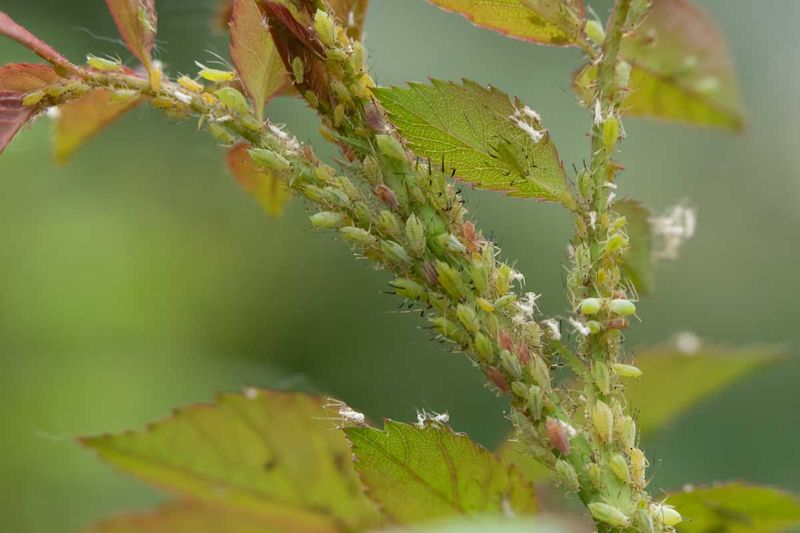
Warm weather wakes up more than just flowers. As temperatures rise across Texas in late spring, pest populations start climbing fast.
Spider mites, aphids, and thrips are among the most common troublemakers for rose gardeners, and catching them early makes a massive difference in how much damage they can do before summer even officially begins.
Spider mites are tiny and hard to see, but they leave behind a telltale sign: fine webbing on the undersides of leaves. Aphids cluster on new growth and buds, sucking sap and leaving behind a sticky residue.
Thrips are slender insects that hide inside blooms and cause petals to streak or brown at the edges. All three pests thrive in the hot, dry conditions that Texas summers deliver.
Start checking your roses weekly in April and May. Flip leaves over and look closely at new growth.
Catching a small colony of aphids early is easy to handle with a strong blast of water from the hose or a simple insecticidal soap spray. Waiting until the infestation is large makes it much harder to manage.
In areas like the Dallas-Fort Worth Metroplex and San Antonio, where gardens can be dense and warm, pest pressure builds quickly.
Keeping a close eye on your roses during the transition from spring to summer is one of the smartest habits you can build as a Texas gardener.
A simple weekly walk-through of your garden with observant eyes is all it takes to stay ahead of pest problems before they get out of hand.
7. Removal Of Weak Or Damaged Growth
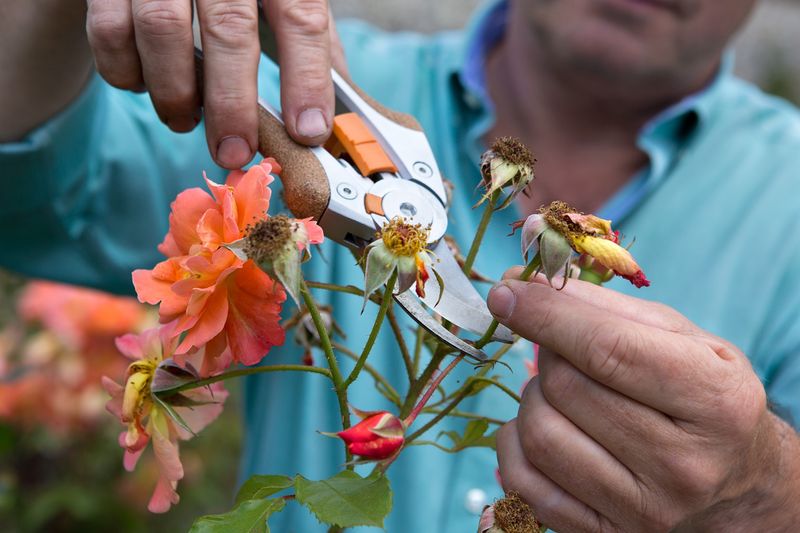
Not all stems on a rose bush are pulling their weight. Before summer heat arrives in Texas, taking time to remove weak, damaged, or unproductive growth helps the entire plant redirect its energy toward what matters most: strong healthy canes, lush foliage, and beautiful blooms.
Think of it like clearing clutter so the plant can focus. Weak canes are usually thin, spindly, and pale compared to the main healthy stems. Damaged growth might show signs of cracking, discoloration, or soft spots.
Any stems that look stressed or have already stopped producing leaves should be removed cleanly at the base or back to a healthy outward-facing bud.
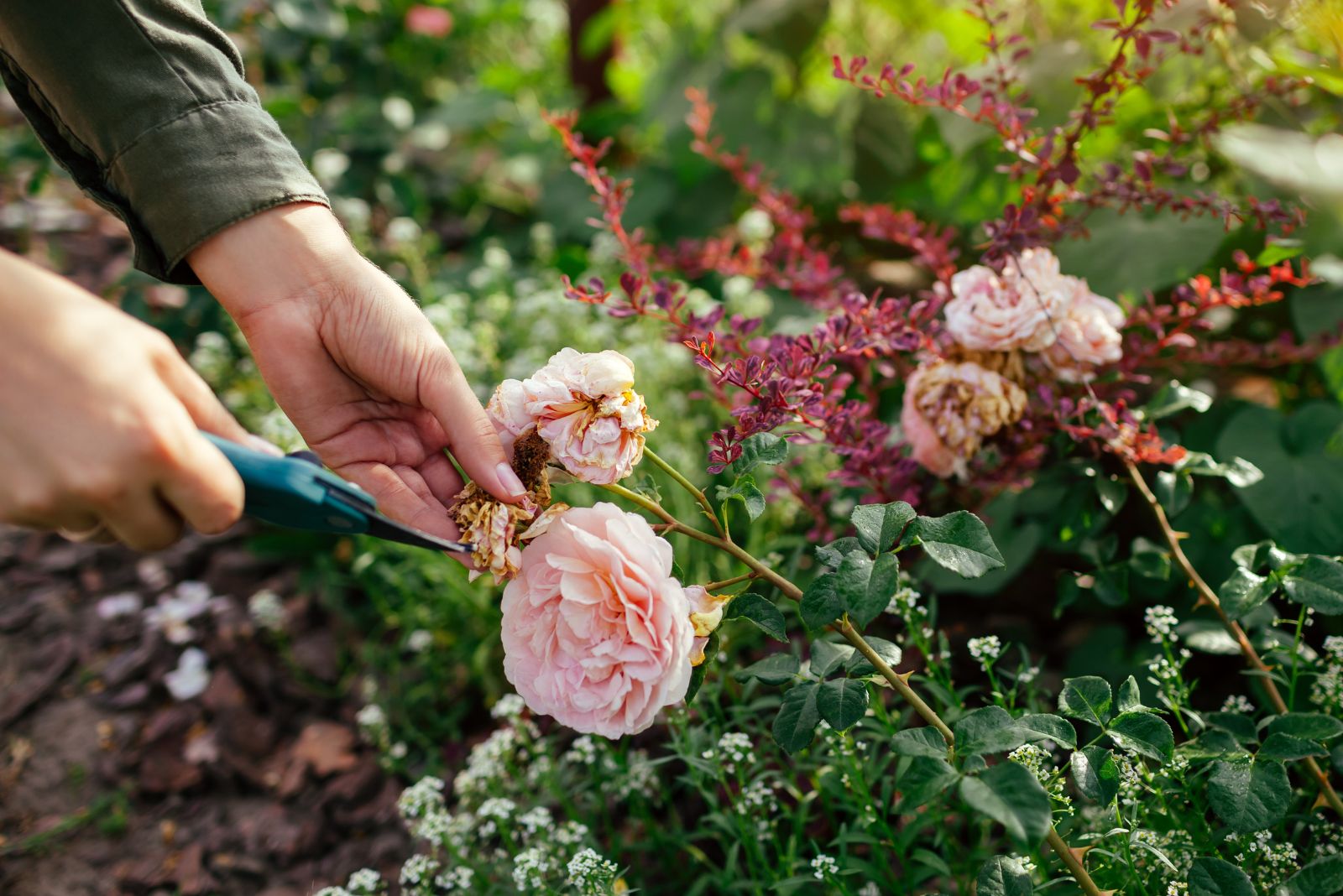
Spent blooms, also called deadheading, also fall into this category. Removing faded flowers encourages the plant to produce new buds instead of putting energy into forming seed hips.
For repeat-blooming varieties, which are very popular in Texas gardens, regular deadheading keeps flowers coming all season long.
Make sure your pruning tools are sharp and clean before starting. Ragged cuts from dull blades take longer to heal and can invite infection.
A quick wipe with rubbing alcohol between plants helps prevent spreading any issues from one rose bush to another across your garden bed.
In cities like Houston and Corpus Christi, where humidity can encourage soft or rotting tissue on stressed stems, removing that growth early prevents bigger problems later.
Cleaning up your roses before summer heat peaks gives each plant a clean, fresh start and a much better shot at thriving through the toughest months of the Texas growing season.