Why Your Christmas Cactus Is Dropping Segments And How To Fix It
Segments are dropping from your windowsill plant, and the September timing is not a coincidence. Leaves scatter across your floor like confetti nobody wanted to catch. Concern hits fast when green pieces litter your favorite pot.
Roots whisper warnings long before a single leaf actually drops. Light shifts quickly this month, and your plant senses it first. Temperature swings inside your home confuse even the toughest houseplants.
Pots trap extra moisture your roots simply cannot use. Stress builds quietly until your plant finally reacts outwardly. Curiosity pulls you closer, eager to understand the cause.
Patterns often repeat across many households with strikingly similar houseplant struggles. Answers hide inside soil texture, stem color, and sunlight angle. Small adjustments flip this entire situation around surprisingly fast.
Confidence grows once you finally understand what triggered the drop. Specific checkpoints separate blind guessing from real, lasting solutions. You will not want to miss what happens next.
Soggy Roots From Too Much Watering
Frequent watering is one of the most common reasons these plants shed segments. Segments look soft, slightly translucent, and pop off with barely a touch.
Underneath the soil, the roots tell the real story. Sitting in wet mix for days shuts off their oxygen supply, and once roots lose that oxygen they stop feeding the stems above them.
Christmas cactus is a jungle plant, but it grows perched in tree branches where rain drains away in minutes. Its roots expect moisture followed by air, not a constant swamp.
Check by pushing a finger about an inch into the mix. If it feels cool and damp, skip watering and try again in three or four days.
A quick sniff test helps too. Sour, swampy soil usually means trouble is already brewing down below.
If the pot has no drainage hole, that is the first thing to change. Water needs somewhere to go, and saucers should be emptied within twenty minutes of watering.
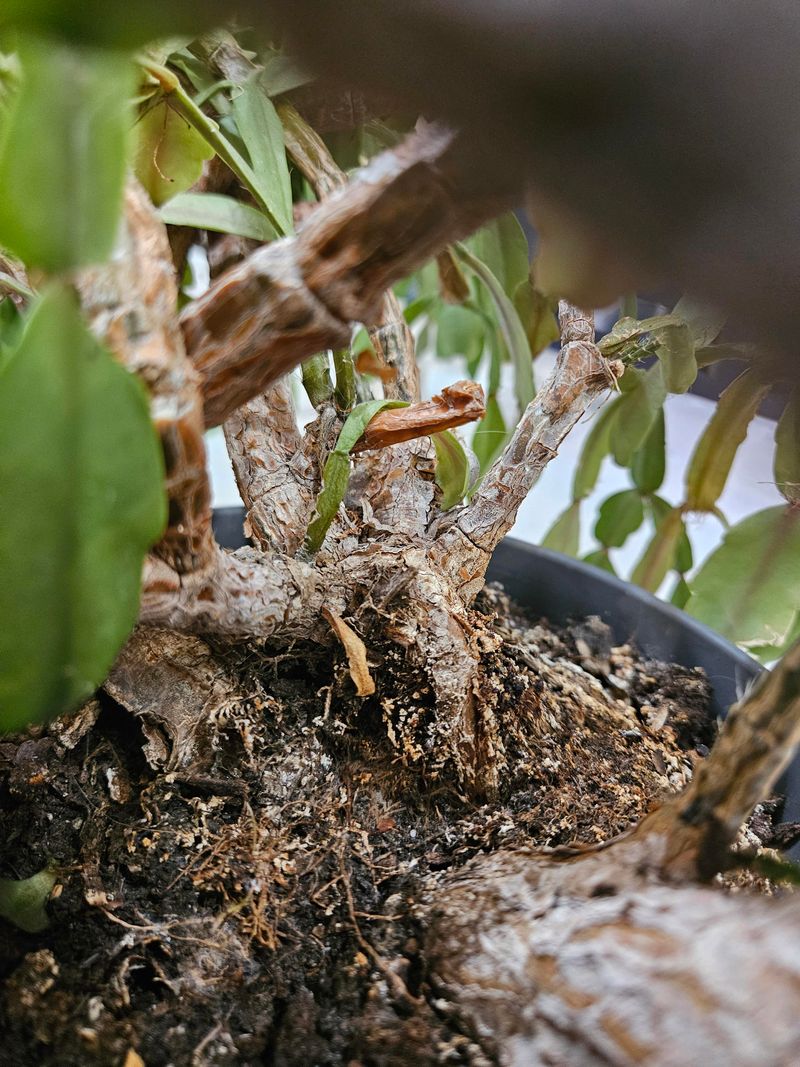
For plants already struggling, slide the root ball out and look. Healthy roots are pale and firm, while mushy brown ones should be trimmed away with clean scissors.
Repot into fresh, gritty mix and hold off on water for about a week. The plant may drop a few more pieces while it settles, which is normal recovery behavior.
Going forward, water thoroughly but less often. Deep drinks with dry spells in between suit this plant far better than daily sips.
Thirsty Plant, Shriveled Stems
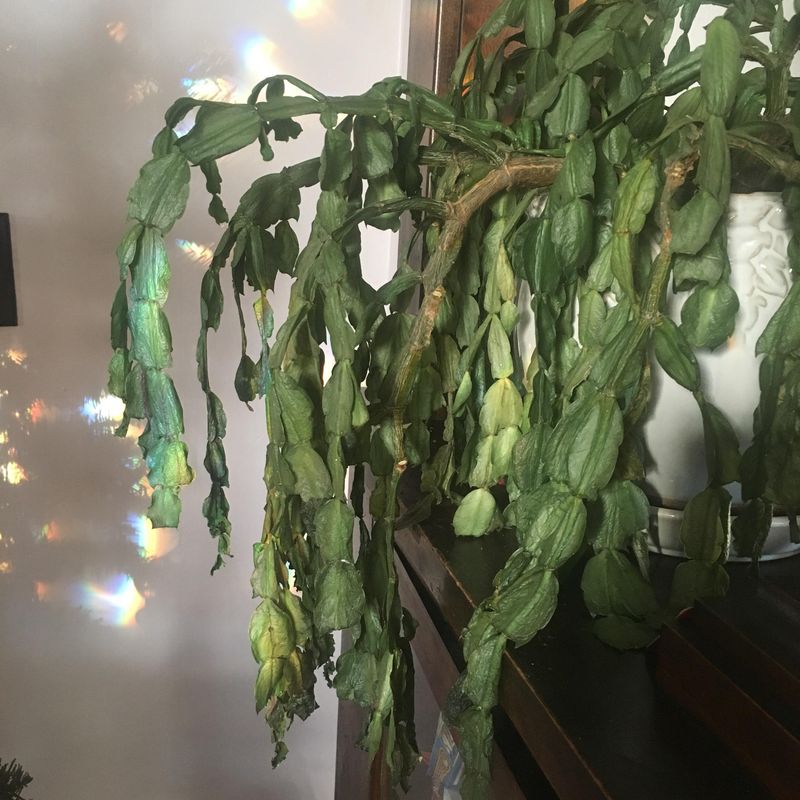
Neglect looks different from overwatering, though both end with pieces on the floor. Here the segments wrinkle like a raisin and go leathery before they let go.
Plants that stay bone dry for weeks start making hard choices. Roots shrink, water stops moving upward, and the plant sheds outer growth to protect its core.
You might notice the whole pot feels oddly light when you lift it. That weight test is one of the easiest habits a plant owner can build.
Rescue is usually straightforward. Set the pot in a shallow tray of room temperature water for about fifteen minutes so the mix soaks from the bottom up.
Dry soil sometimes repels water from the top, letting it run straight down the sides and out the hole. Bottom watering solves that trick completely.
After the soak, let excess drain and return the plant to bright, indirect light. Firmness often returns within a day or two, which is satisfying to watch.
Build a rhythm rather than a strict calendar. During September the plant is gearing up for bud season, so it appreciates steady moisture without extremes.
Peat based mixes dry faster than you expect in heated rooms. Checking twice a week takes seconds and prevents the whole cycle from repeating.
One small note: shriveled segments that stay on the plant usually plump back up. Ones that already fell can be rooted in damp mix for free new plants.
Sudden Temperature Swings And Drafts

Picture a plant sitting beside a window that gets cracked open at night. Warm room, cold draft, warm room again, and the shock adds up fast.
Segment drop after a chilly night is incredibly common in September and October, as sudden swings put real stress on the plant.
Heating vents cause the same problem from the opposite direction. Hot, dry air blasting on one side dehydrates tissue faster than roots can replace it.
Comfortable range for this plant sits roughly between 60 and 70 degrees Fahrenheit. Nighttime dips into the low 50s are tolerated, but anything colder invites trouble.
Move the pot a foot or two away from glass panes once autumn arrives. That small shift buffers the plant from the coldest layer of air.
Doorways deserve attention too. Entry halls get a rush of outdoor air each time someone comes in, and plants parked there tend to look ragged by November.
If your cactus summered outdoors, bring it in gradually. A week on a shaded porch before it comes inside softens the transition considerably.
Avoid shuffling the plant around once buds form. Christmas cactus is known to react poorly to being moved during bud set, often dropping both segments and buds.
Pick one steady, draft free spot and leave it there. Consistency does more for this plant than any fancy fertilizer or gadget ever will.
Pests And Fungal Trouble Hiding In Plain Sight
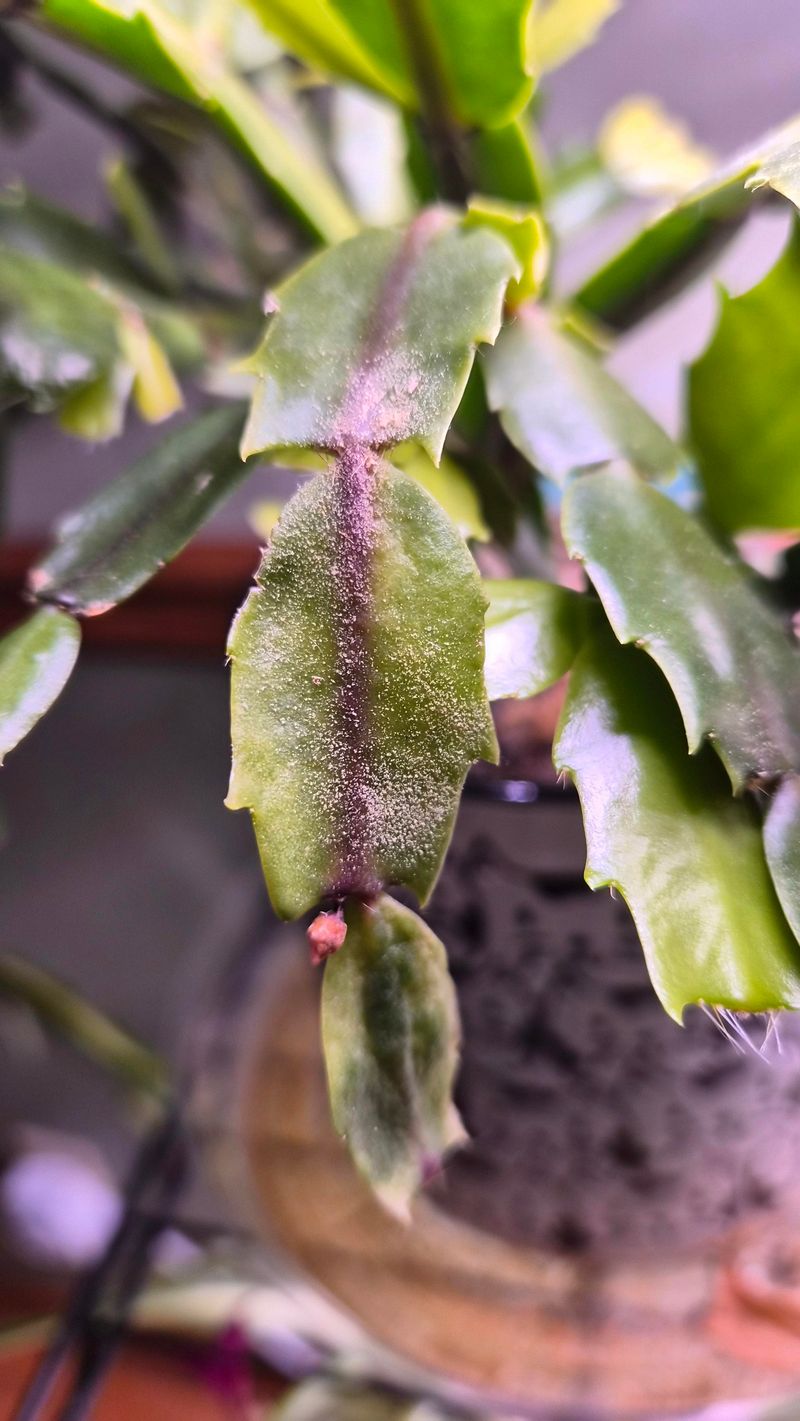
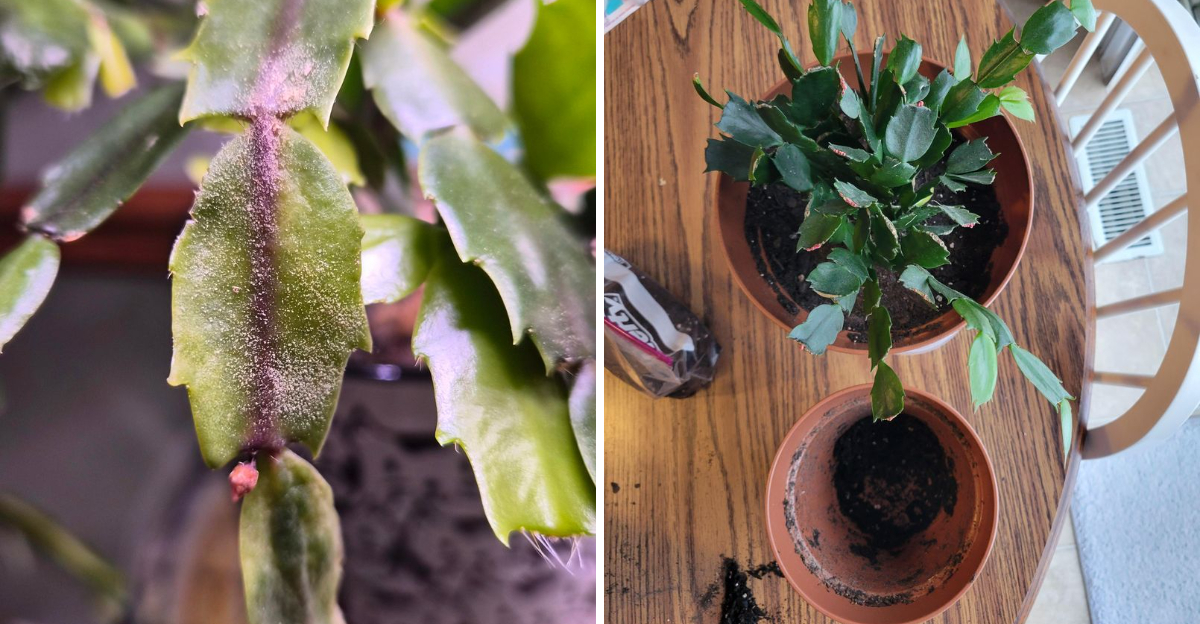
Sometimes the culprit is small enough to miss without leaning in close. Cottony white specks tucked into the joints are a classic sign of mealybugs.
Those tiny feeders drain sap from the segment connections. Weakened joints give way, and pieces tumble off with no obvious warning.
Fungus gnats are a second suspect, especially when the soil stays damp. Their larvae feed on roots underground while the adults fly around nearby.
Stem rot shows up as brown or blackened patches, often starting near the soil line. Affected segments feel slimy rather than firm.
Inspection is easy. Take the plant to a bright spot, turn it slowly, and check where each segment meets the next.
For mealybugs, a cotton swab dipped in rubbing alcohol handles small infestations. Dab each cluster, wait a few days, then repeat.
Larger outbreaks respond well to insecticidal soap applied every seven days for three rounds. Test one segment first to make sure the plant tolerates the spray.
Rot calls for surgery instead. Snip away discolored sections with sterilized scissors, cutting back to clean green tissue, and let the wound air dry.
Gnats fade once the top inch of soil stays dry between waterings. Yellow sticky cards catch the adults while the population winds down.
Quarantine any new houseplant for two weeks before it joins the collection. That single habit prevents a surprising amount of grief later.
Repot Into Fast Draining Mix
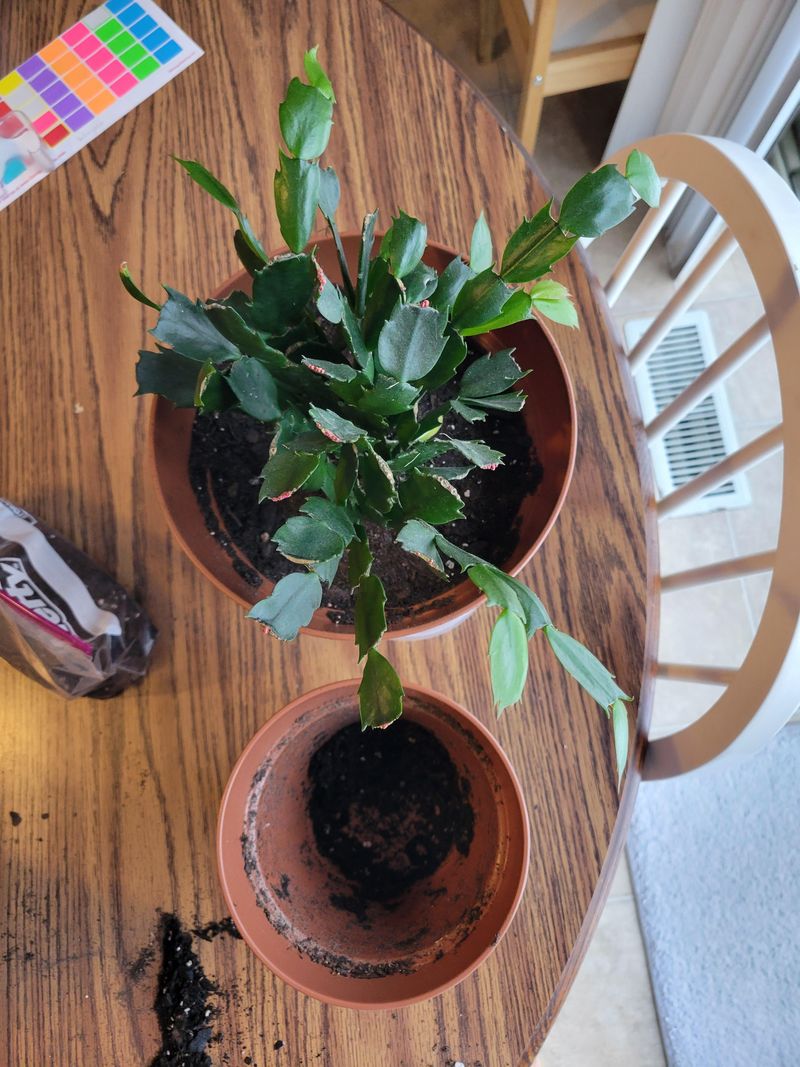
Fresh soil is one of the biggest favors you can do this plant. Old mix compacts over time, holding water like a sponge and squeezing out air pockets.
Aim for a blend that drains within seconds when you pour water through. Two parts standard potting soil, one part perlite, and one part orchid bark works beautifully.
Some growers add a handful of coarse sand for extra grit. The goal is a mix that feels loose and crumbly, not dense and heavy.
Container choice matters as much as the soil. Terracotta breathes and pulls moisture out through its walls, which suits a plant prone to soggy roots.
Resist the urge to size up dramatically. Christmas cactus flowers better when slightly snug, and an oversized pot holds water the roots cannot reach.
Go up just one inch in diameter, and only every three or four years. Shallow pots beat deep ones for this species.
Timing helps too. Late winter or spring, after flowering finishes, gives the plant a full season to settle before bud season returns.
If you must repot in September because of rot, be gentle and expect a short sulk. Keep it out of direct sun and water sparingly for two weeks.
Loosen circling roots with your fingers before setting the plant in place. Firm the mix lightly rather than packing it down hard.
Good drainage resolves many of the problems people report online.
Dial In The Right Light
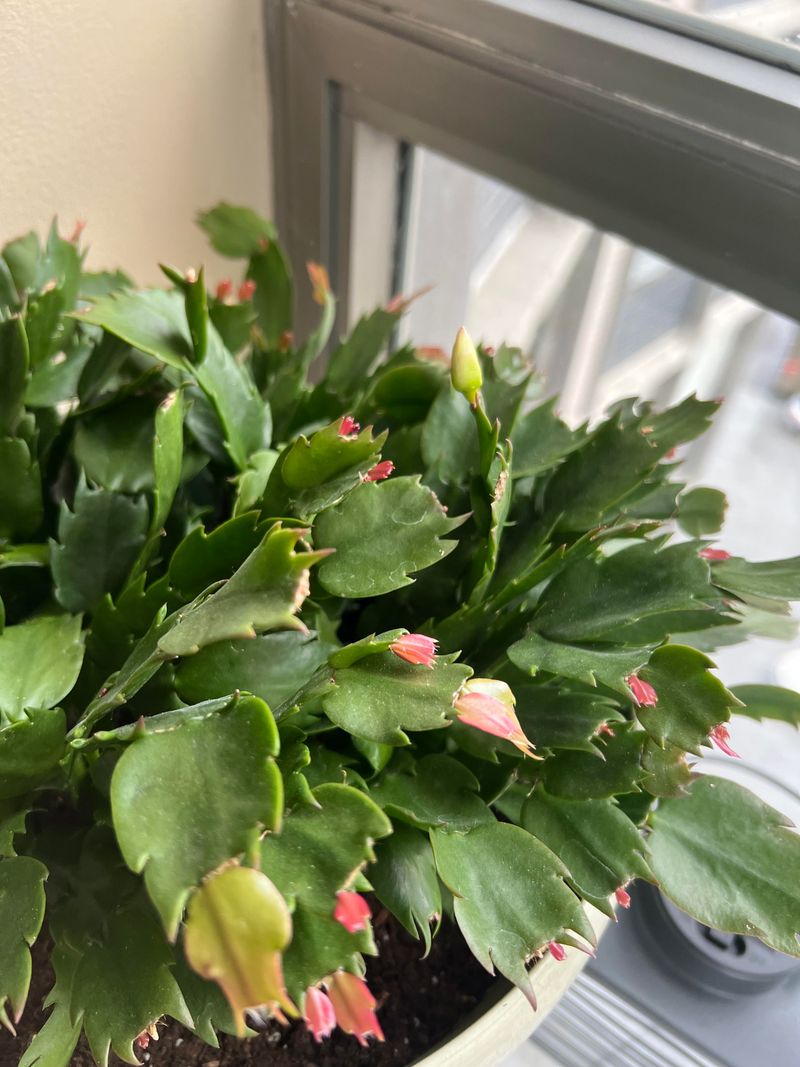
Light is where many well meaning owners go sideways. Too much direct sun scorches segments red or purple, and stressed tissue lets go.
Too little light causes a different problem. Stems stretch thin, growth slows, and the plant lacks energy to hold onto older segments.
Bright but filtered light hits the sweet spot. An east facing window gives gentle morning sun, while a north window works in warmer climates.
South and west windows need a sheer curtain between the glass and the plant. Afternoon rays through bare glass get intense faster than people realize.
Watch the color of the newest growth as your gauge. Rich green means happy, while reddish edges hint at sunburn.
September brings another wrinkle worth knowing. Shortening days and cooler nights are exactly what trigger flower buds, so resist the urge to add extra lamps nearby.
Around 12 to 14 hours of uninterrupted darkness each night for about six weeks sets buds reliably. A spare bedroom or closet works if your living room stays bright at night.
Streetlights and TV glow can interrupt that dark period. Even a small amount of nighttime light delays flowering.
Rotate the pot a quarter turn weekly so all sides get equal exposure. Even growth means fewer weak, shaded segments that eventually drop. Once buds appear, stop rotating and leave the plant alone until blooms finish.
Feed Lightly And Skip The Salt Buildup
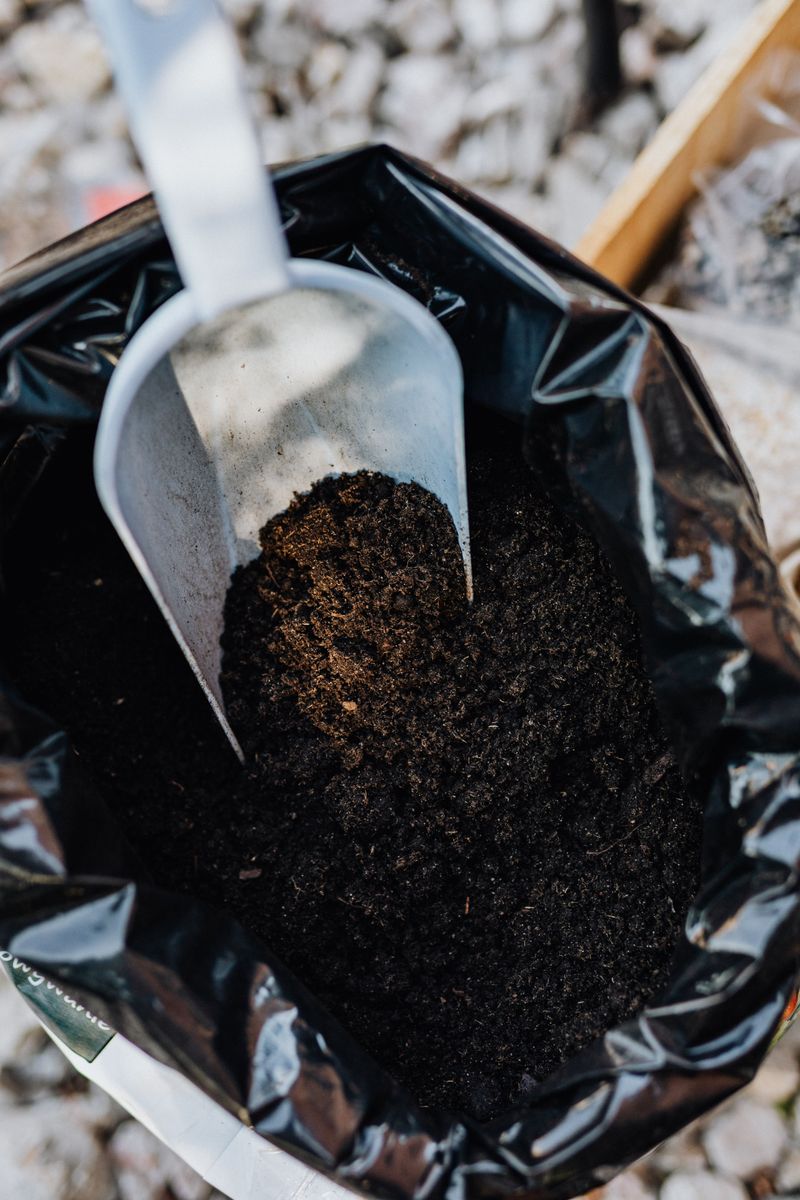
Fertilizer is often over-applied because more can feel like it helps. Excess mineral salts collect in the soil and burn tender root tips.
Burned roots cannot supply the stems, so segments yellow at the tips and eventually detach. White crust on the pot rim is a telltale clue.
Balanced liquid feed at half strength, applied monthly from spring through late summer, covers this plant’s needs. Anything more is generous to a fault.
Come September, ease off entirely. The plant is shifting toward bud production and does not want a push of leafy growth.
Some growers switch to a high potassium bloom formula in early fall. Used sparingly, it can encourage flowering without triggering soft new stems.
Flush the soil every few months to clear accumulated salts. Run room temperature water through the pot for a full minute and let it drain completely.
Rainwater or distilled water helps if your tap runs hard. Mineral heavy water adds to the same buildup problem over time.
Never feed a plant that is already drooping from dry soil. Water first, wait a day, then fertilize so the roots are not shocked.
Magnesium deficiency occasionally shows as pale segments with green veins. A quarter teaspoon of Epsom salt in a gallon of water, used once, often corrects it. Restraint pays off here. Underfeeding is far easier to fix than overfeeding.
Prune, Root Cuttings, And Rebuild Fullness
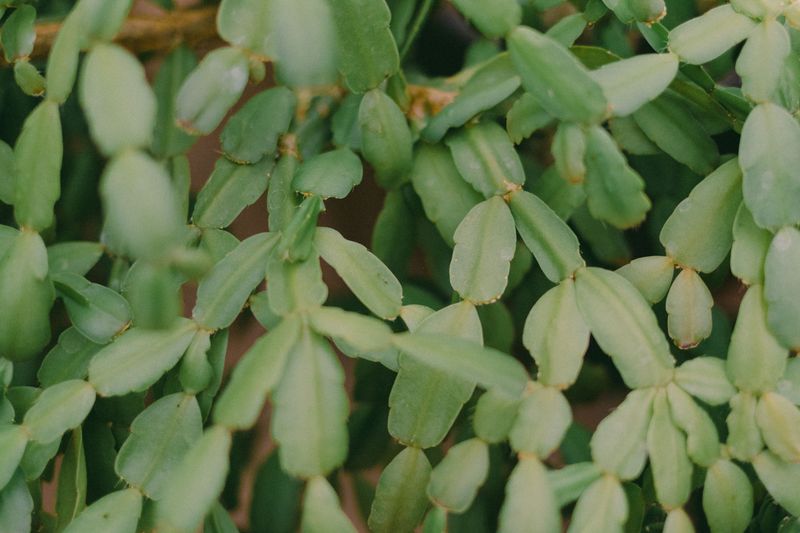
Those fallen pieces are ready-made cuttings, and they root with almost comical ease. Let each piece sit out for two days so the cut end forms a callus. Planting fresh, wet cuttings invites rot instead of roots.
Push the callused end about half an inch into slightly damp cactus mix. Three or four cuttings per small pot gives a fuller look later.
Keep them in bright indirect light and mist the surface occasionally. Roots typically form within three to six weeks.
Deliberate pruning helps the parent plant too. Pinching off a segment or two from each stem tip encourages branching and more bloom sites.
Late spring, roughly a month after flowering ends, is the classic pruning window. Twist gently at a joint rather than cutting with blades.
A leggy plant with long trailing arms often sheds tips simply from weight. Shortening those arms redistributes energy and reduces the strain.
Fun bit of history: this plant belongs to the Schlumbergera group, named after a French cactus collector from the 1800s. Its wild relatives grow on tree branches in Brazilian coastal forests.
Cuttings shared with friends turn a frustrating problem into something generous. Many family Christmas cacti have been passed along for decades this way. Give it steady care and yours may outlive the pot it came in.