The September Yard Habit That Brings Yellowjackets Closer To Alabama Homes
Your Alabama lawn sends a signal you were never trained to notice. Cooler air pulls you outside with fresh energy this month.
Every trim, rake, and dig disturbs ground that’s been quiet all summer. Something beneath the soil has been building since spring, waiting for exactly this moment. Vibration alone can trigger a response most homeowners never expect.
Nests grow fastest right before the season’s cool snap hits Alabama. You feel productive, energized, ready to reclaim your yard. Meanwhile, something underground is getting more defensive by the day.
Few people connect fall yard work to a rising sting risk. Yard tools rattling near ground nests spike aggression levels instantly. Ignoring the signs now costs far more than a few stings later.
Recognizing this pattern changes how you approach every task outside. One wrong step in the wrong patch of grass could ruin your afternoon fast.
Mowing The Lawn Disturbs Their Underground Nest
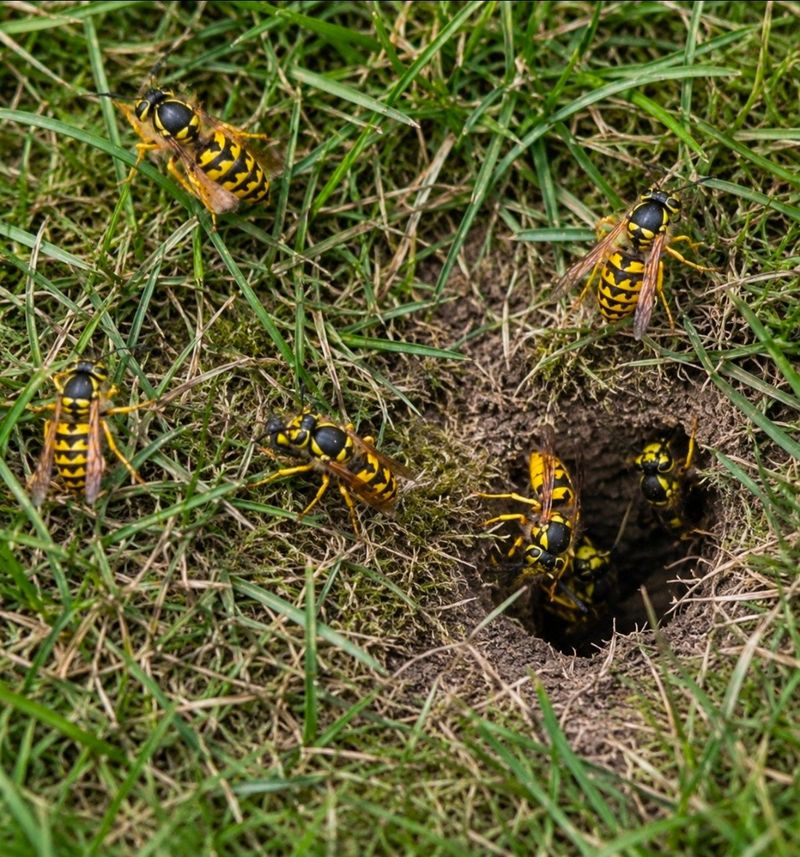
Nothing ruins a Saturday faster than mowing over a yellowjacket nest. These insects build their colonies underground, often beneath thick grass or in old rodent burrows.
When a lawn mower rolls over a nest entrance, the vibration sends a signal through the colony. Workers respond instantly, swarming upward to defend their queen.
September is the worst month to hit one of these nests by accident. Colonies reach their peak population right now, sometimes housing thousands of workers in a single underground chamber.
Larger colonies mean a bigger, faster, and more coordinated response to any threat. A mower operator can receive dozens of stings before even realizing what happened.
The challenge is that nest entrances are easy to miss. They often look like a small hole in the ground, sometimes no wider than a quarter.
Grass can partially hide the opening, making it nearly invisible until your mower wheel sinks slightly into the soft soil above it. Slowing down and scanning your yard before mowing is a smart habit to build right now.
Walk your lawn first and look for any unusual bare patches or small holes near shrub bases, fence lines, or tree roots. Catching a nest entrance on foot gives you a chance to back away safely.
Mowing in the early morning also helps, since cooler temperatures keep yellowjackets less active. A little extra caution this month goes a long way toward keeping your yard work sting-free.
Yellowjackets Grow More Aggressive As Summer Ends
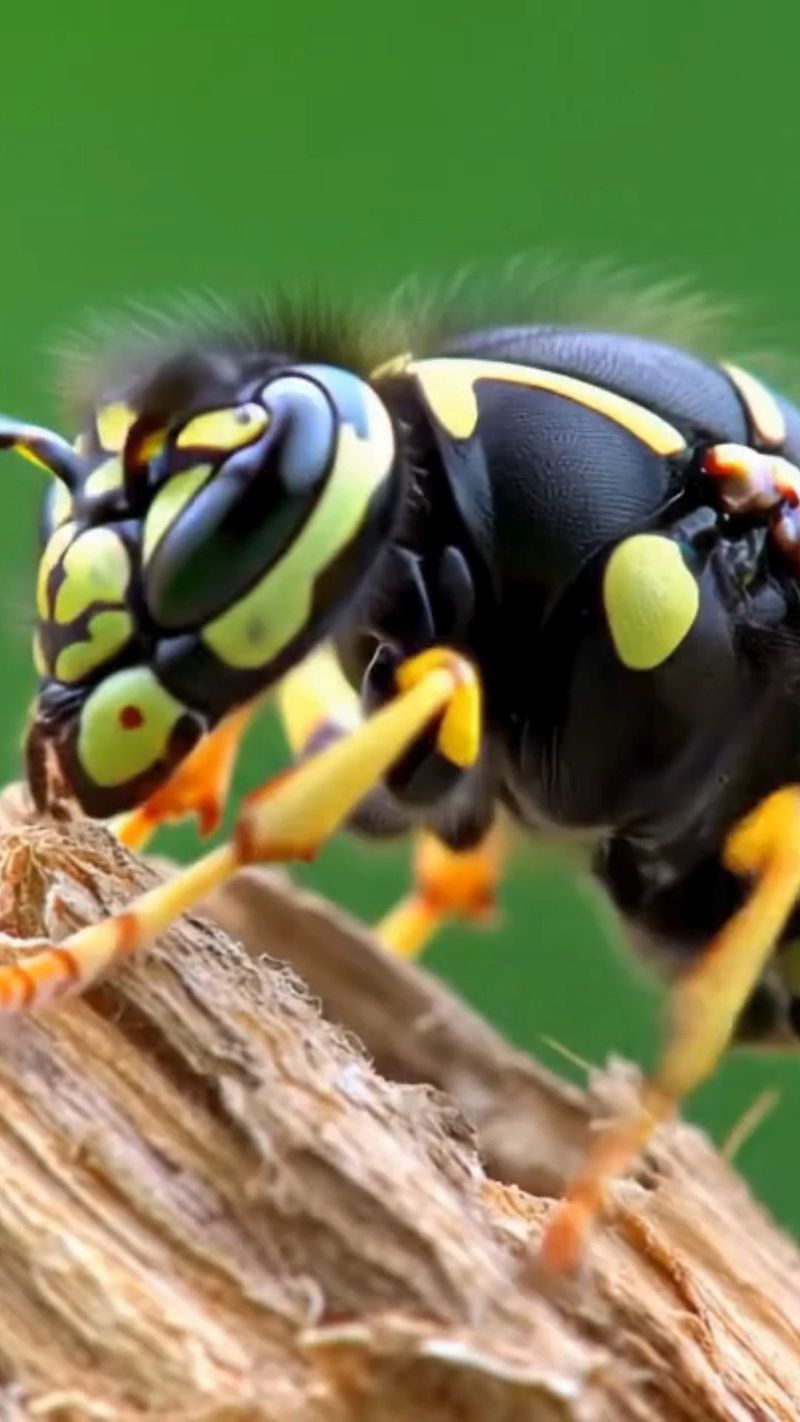
Late summer flips a switch in yellowjacket behavior. As temperatures shift in September, these insects become noticeably more irritable and bold around humans.
Their food sources start running out as the season changes. Fewer insects are available, and the colony is growing hungrier by the day.
Workers begin searching more desperately for sugary foods and protein. Garbage cans, outdoor grills, open soda cans, and fallen fruit become prime targets for foraging scouts.
A hungry yellowjacket is a dangerous one. When food is scarce, they guard their finds fiercely and sting with far less provocation than earlier in the year.
Your Alabama Garden Changes Every Week. Your Plan Should Too.
Gardening in Alabama changes quickly throughout the season. Every Friday you’ll receive a simple weekly plan showing exactly what to plant, prune, fertilize, harvest, and protect so you never miss the right timing.
Earlier in summer, a colony is focused on raising larvae and expanding. Workers have a clear purpose and generally avoid confrontation unless the nest is directly threatened.
By September, that calm routine breaks down. Queens begin producing males and new queens, which disrupts normal colony behavior and leaves workers without their usual structure.
That disruption makes the whole colony twitchy and reactive. Workers patrol wider areas and respond to perceived threats much faster than they would in June or July.
One overlooked lawn chore is often enough to draw a hungry colony straight toward your yard. That single mistake invites scouts, and scouts invite the whole crew.
Knowing why they act this way helps you respond smarter. Respect their urgency this month, and adjust your habits before the situation escalates.
The Yard Habit Attracting Them Toward Porches And Patios
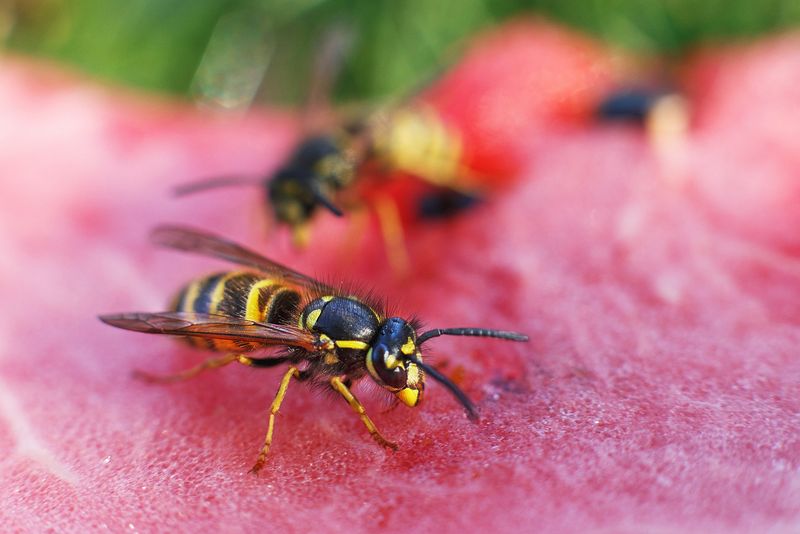
Fallen fruit is the number one yard habit drawing yellowjackets straight to your porch. Apples, pears, figs, and persimmons drop from trees and begin fermenting fast in the warm September air.
That sweet, rotting smell travels far and acts like a beacon for foraging workers. Once scouts find the source, they return to the nest and recruit more insects to join them.
Leaving fallen fruit on the ground even for a day or two creates a feeding station right next to your home. Patios and porches near fruit trees become hotspots almost overnight.
Open trash bins are another major draw. Sugary drink containers, leftover food scraps, and grease from cookouts all send strong signals to hungry yellowjackets looking for easy calories.
Outdoor pet food bowls are a lesser-known culprit. Wet dog or cat food left outside for hours attracts yellowjackets just as reliably as any open trash bag.
Bird feeders dripping with sugar water also bring them in close. Hummingbird feeders are especially attractive, pulling yellowjackets toward the exact areas where people relax and gather.
Fixing these habits takes very little effort but makes a significant difference. Pick up fallen fruit daily, use trash bins with tight-fitting lids, and bring pet bowls inside after feeding time.
This time of year, food left out in the open is usually the real culprit. Cut off the food supply, and you take away their main reason for staying close.
Signs A Nest Is Closer Than You Think
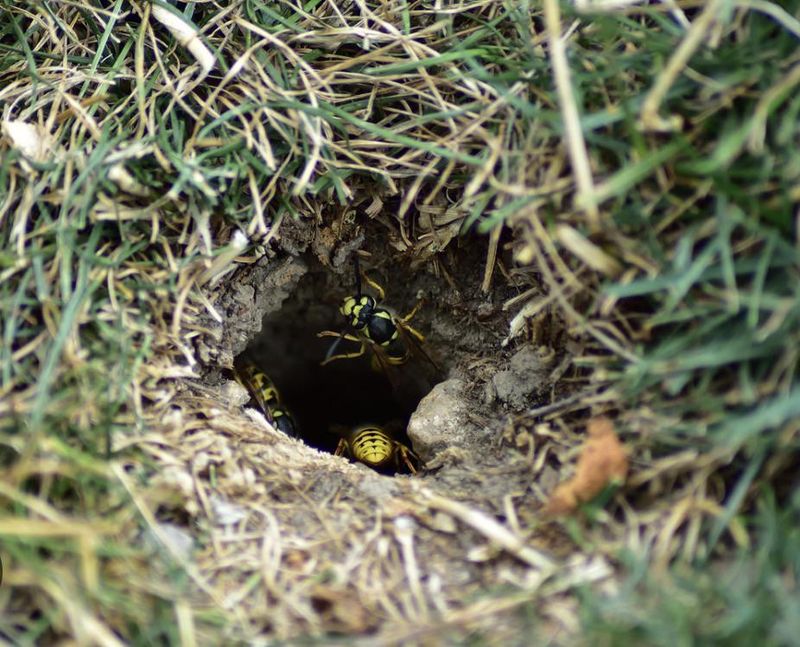
Spotting a yellowjacket nest before it spots you changes everything. Most people only discover a nest after disturbing it, but there are clear warning signs to catch it early.
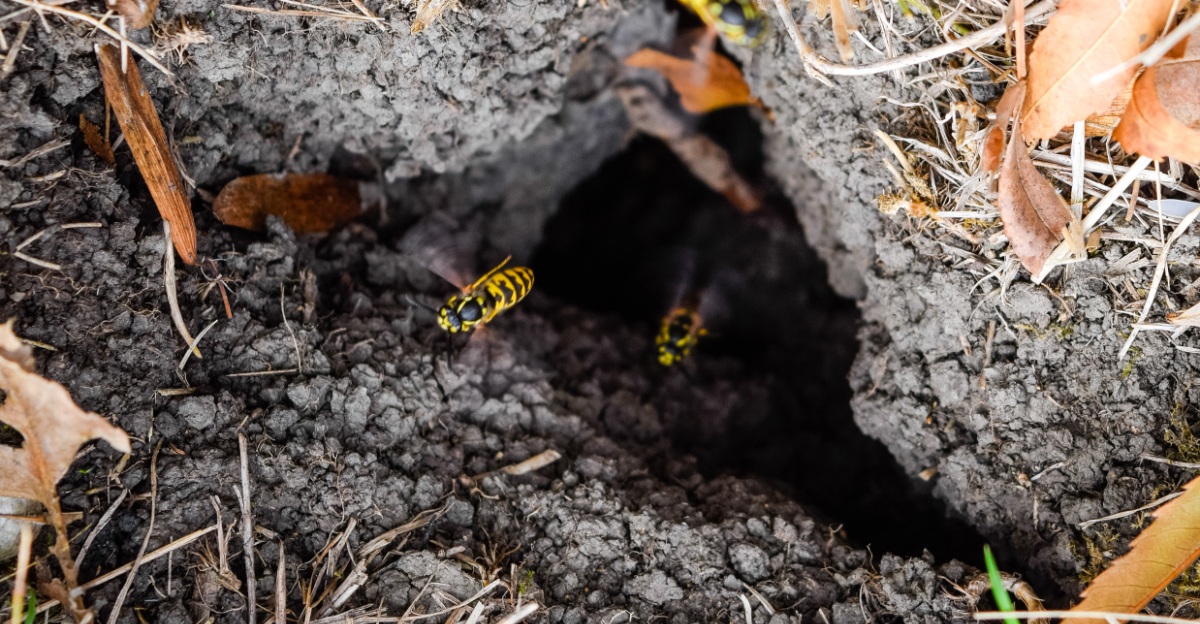
Watch for a steady stream of yellowjackets flying in and out of one specific spot in the ground. That repeated flight pattern almost always points to an active nest entrance below.
Pay attention to where you see them most often. If the same corner of your yard, the same flower bed, or the same fence post keeps drawing them in, investigate carefully from a distance.
Yellowjackets also nest inside wall voids, under decks, and inside old logs or tree stumps. A cluster of insects hovering near a gap in your siding or deck boards deserves a second look.
Listen for buzzing near your home’s foundation. A low, consistent hum coming from inside a wall or under a porch can signal a well-established colony working just out of sight.
Increased activity near your trash area is another tip-off. If you suddenly notice more yellowjackets near your bins than usual, scouts are likely communicating a nearby food source to their nestmates.
Finding a nest early gives you options. You can plan carefully, avoid the area, and decide on the safest next step without the pressure of an active swarm.
Early detection is your best protection this September. A watchful eye during yard work can keep a manageable situation from turning into a full emergency at your front door.
Safer Ways To Handle Yard Work This Time Of Year
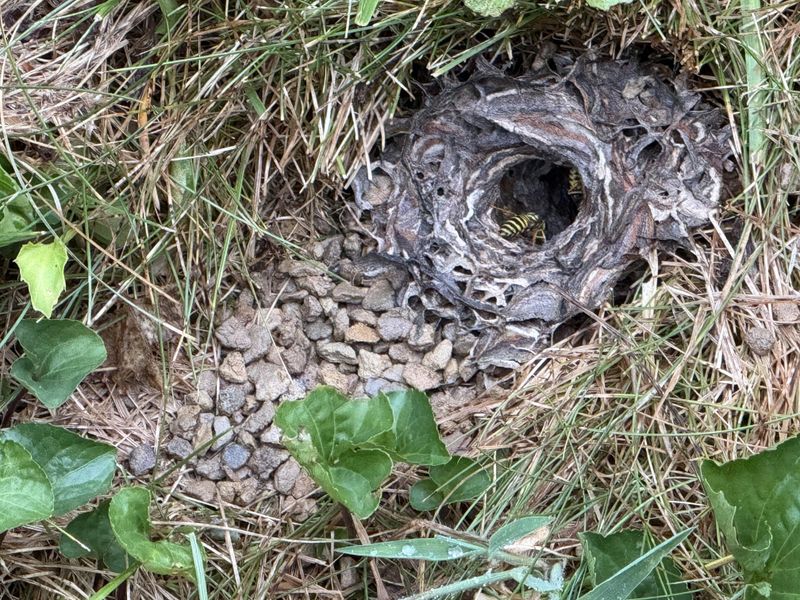
Smart yard work this month starts before you ever pick up a tool. A few quick changes to your routine can dramatically lower your chances of a painful encounter.
Wear light-colored, smooth clothing when working outside. Yellowjackets are more likely to investigate or sting dark, rough, or floral-patterned fabrics that resemble natural threats or flower sources.
Skip the scented products before heading out. Perfume, scented lotion, and heavily fragranced shampoo can attract yellowjackets the same way flowers attract bees.
Work during cooler parts of the day whenever possible. Early morning hours keep these insects calmer and less likely to react to movement and noise near their territory.
Use a weed trimmer carefully around shrub bases, fence lines, and areas with thick ground cover. Go slowly and watch for any sudden burst of flying insects from below ground.
Keep a safe distance if you spot flying activity near a specific area. Mark the spot with a flag or stake so others in your household know to avoid it too.
Avoid swatting at a yellowjacket hovering near you. Swatting triggers an alarm response that can cause nearby workers to react almost immediately.
Move slowly and calmly if one lands on you. Staying still for a few seconds usually lets the insect move on without feeling threatened.
Safer yard habits this September keep the work enjoyable and the risks low. Small adjustments now protect you through the rest of the season with very little extra effort.
Situations That Call For A Professional Instead Of DIY
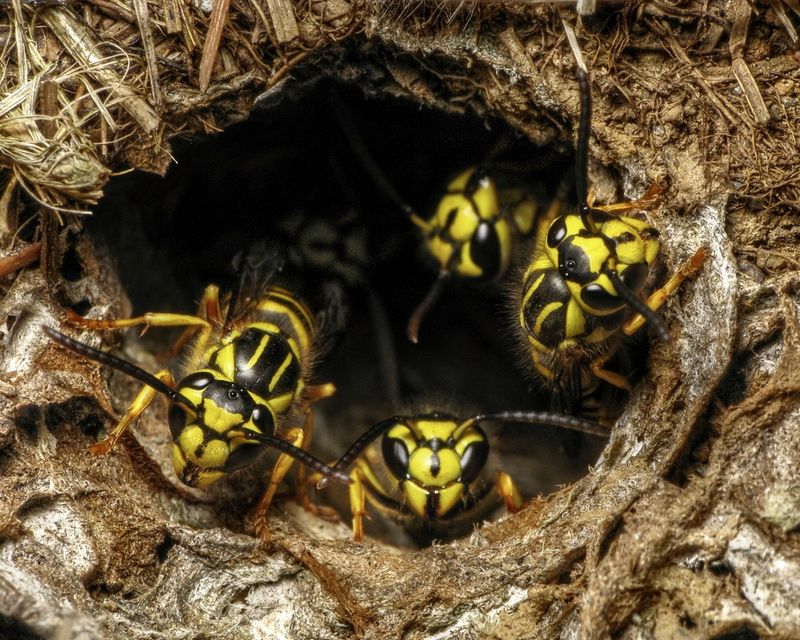
Some yellowjacket situations are simply too dangerous to handle on your own. Knowing when to step back and call a professional is just as important as any DIY skill.
A nest located inside a wall void or beneath a concrete slab requires specialized equipment. Treating these hidden colonies incorrectly can drive workers deeper into your home’s structure.
Large outdoor nests in the ground are also risky without proper gear. A colony with several thousand workers can mobilize faster than most people can safely retreat.
Anyone with a known allergy to insect stings should avoid attempting nest removal alone. A single sting can trigger anaphylaxis, which requires emergency medical treatment within minutes.
Nests near high-traffic areas like play sets, doorways, or air conditioning units demand professional attention. The risk of accidental disturbance in those spots is simply too high to ignore.
If you have already disturbed a nest and received multiple stings, stop and leave the area immediately. Returning to attempt removal the same day increases your exposure significantly.
Licensed pest control operators have protective suits, professional-grade treatments, and the training to handle aggressive colonies safely. The cost of a professional visit is far lower than an emergency room bill.
A single disturbed nest can turn a routine chore into a real emergency fast. Recognizing when the situation outgrows a DIY fix is the smartest move you can make this fall.