Why Your Christmas Cactus Won’t Bloom In Texas This Year And The Simple Fix
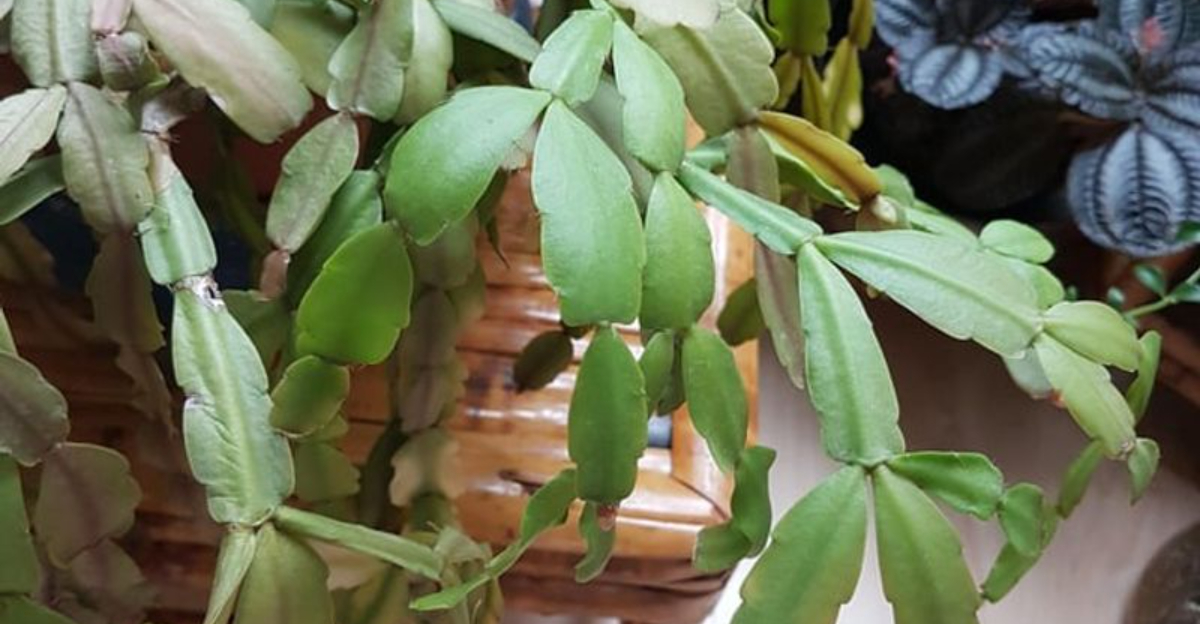
In Texas homes, Christmas cacti often grow lush and green—yet refuse to produce a single bloom when the holidays arrive.
The problem isn’t poor luck or a weak plant, but subtle indoor conditions that work against flowering.
Warm nights, artificial lighting, and well-meaning overcare can quietly interrupt the natural signals this cactus needs to set buds.
Many owners don’t realize that one small adjustment can flip the switch from leaf growth to flower production.
Once the missing piece falls into place, a stubborn plant can suddenly burst into color, just in time to steal the spotlight.
Too Much Light Exposure During Critical Blooming Period
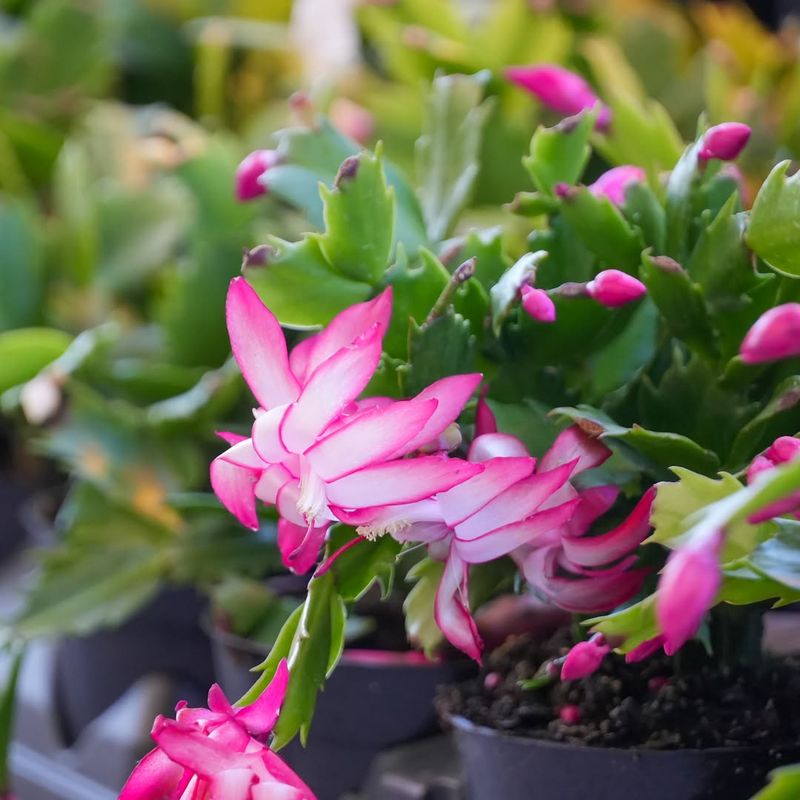
Light plays a crucial role in triggering blooms on your Christmas cactus, and Texas homes often have this problem during fall months.
Your plant needs long periods of darkness each night to start forming buds, typically around thirteen to fifteen hours of complete darkness daily.
Even small amounts of artificial light from hallways, street lamps, or porch lights can interrupt this critical dark period and prevent flowering entirely.
Many Texas gardeners keep their plants in living rooms or kitchens where lights stay on late into the evening without realizing the damage.
Moving your cactus to a spare bedroom or closet where it gets natural darkness helps solve this problem within a few weeks.
You can also cover the plant with a box or dark cloth each evening if moving it is not an option for you.
Start this darkness routine in September or early October for blooms by December, giving your plant enough time to develop beautiful buds successfully.
Remember that consistency matters more than perfection, so stick with the schedule even if you occasionally miss a night or two along the way.
Incorrect Watering Schedule Throughout The Growing Season
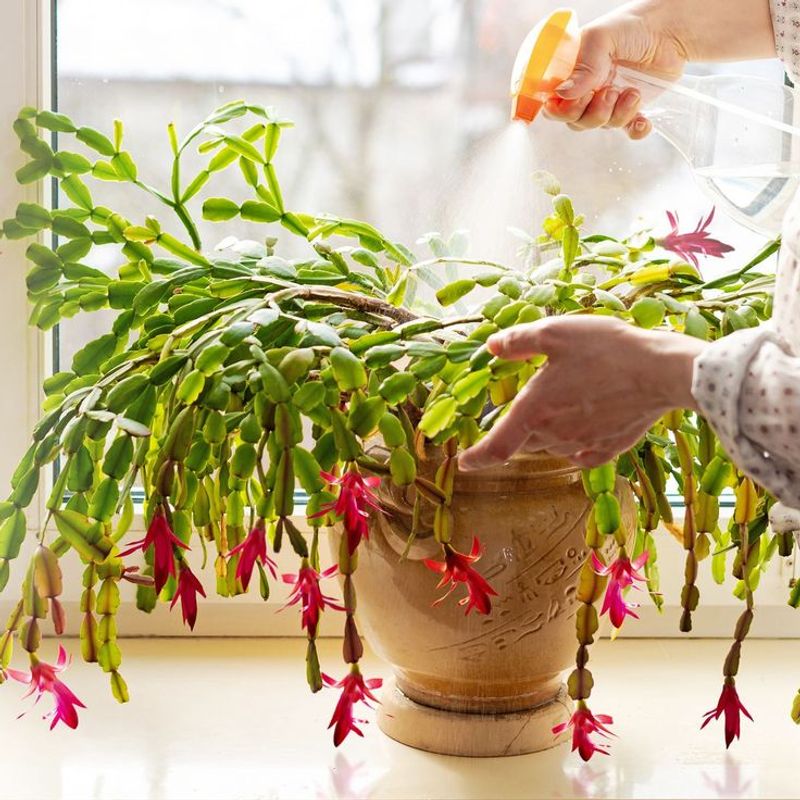
Watering mistakes rank among the most common reasons Christmas cacti refuse to bloom, especially in Texas where humidity levels fluctuate dramatically throughout seasons.
These plants need consistent moisture during summer and early fall, then a slight reduction in water as temperatures drop and blooming season approaches.
Overwatering causes root problems that prevent the plant from gathering enough energy to produce flowers, while underwatering creates stress that stops bud formation.
Texas tap water sometimes contains minerals that build up in soil over time, creating additional problems that interfere with nutrient absorption and flowering.
Check soil moisture by sticking your finger about an inch deep into the pot, watering only when it feels dry at that depth.
During September and October, reduce watering frequency slightly to encourage the plant to enter its natural blooming cycle without causing harmful drought stress.
Using filtered or rainwater instead of tap water helps avoid mineral buildup that can damage roots and prevent your cactus from thriving properly.
Once buds appear, resume regular watering to support flower development and keep those gorgeous blooms lasting as long as possible throughout the holiday season.
Temperature Fluctuations That Confuse The Plant’s Internal Clock
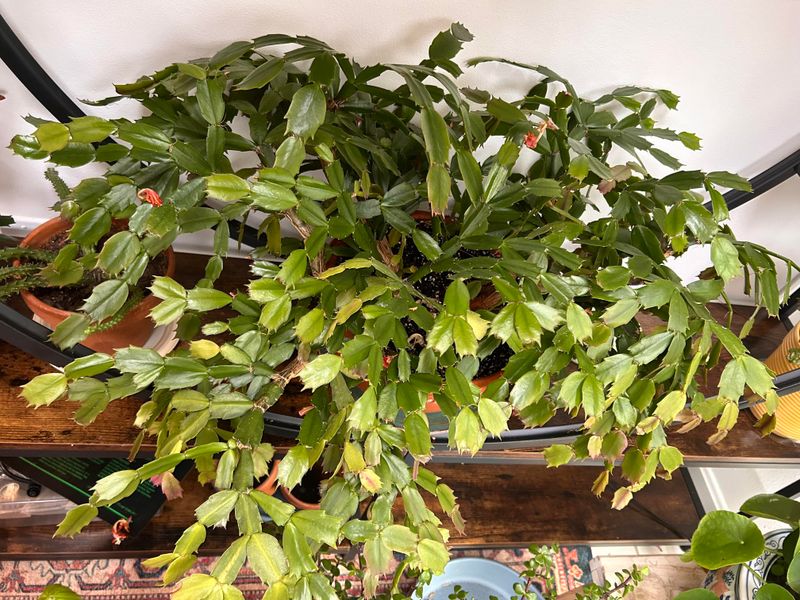
Christmas cacti are sensitive to temperature changes, and Texas weather can swing wildly between warm days and cool nights during fall and winter months.
Your plant needs consistent temperatures between sixty and seventy degrees Fahrenheit to trigger blooming, with slightly cooler nights helping encourage bud formation naturally.
Placing cacti near heating vents, air conditioning units, or drafty windows creates temperature stress that prevents the plant from developing flowers at all.
Hot Texas afternoons followed by air-conditioned evenings confuse the plant’s natural rhythm, making it think conditions are not right for producing energy-intensive blooms.
Find a spot in your home with stable temperatures away from direct heat sources, cold drafts, or areas where temperature changes happen frequently.
A spare bedroom, bathroom, or hallway often provides the consistent environment your cactus needs to start forming buds without environmental stress interfering.
Monitor temperatures with a simple thermometer placed near your plant to ensure conditions stay within the ideal range throughout the critical blooming period.
Once flowers appear, you can move the plant to a display location, but keep it away from extreme temperature zones to help blooms last longer.
Poor Soil Quality That Lacks Essential Nutrients
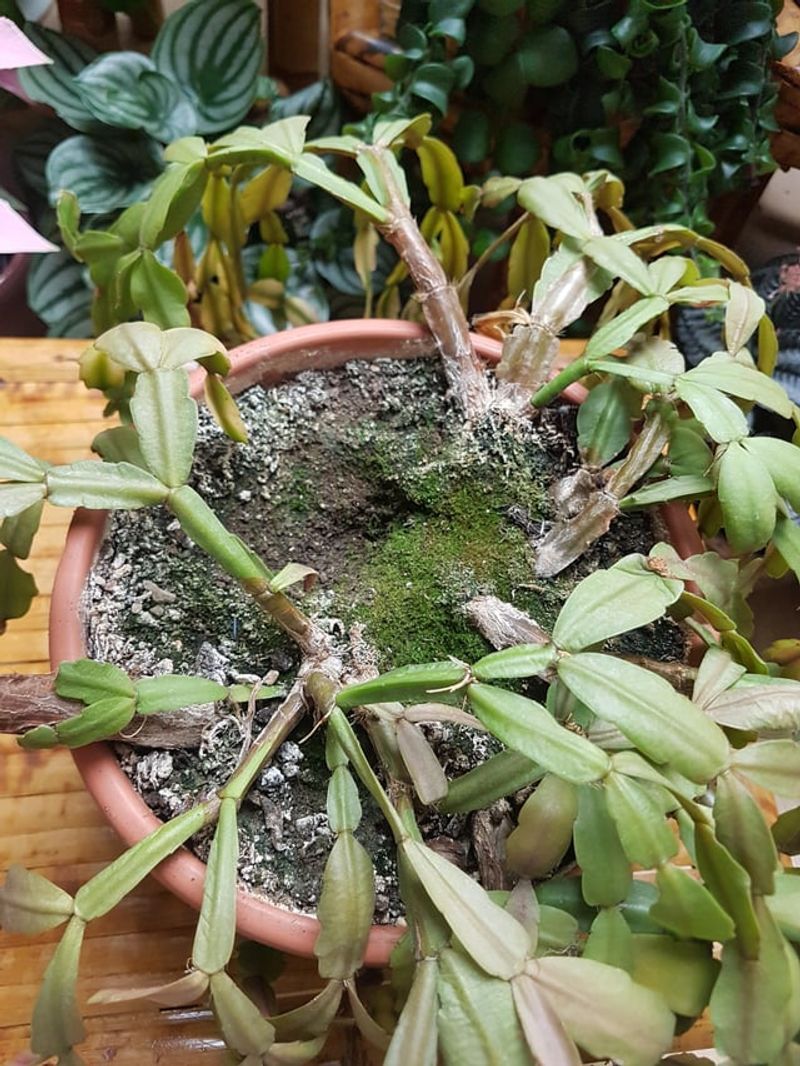
Soil quality directly affects your Christmas cactus’s ability to produce blooms, and many Texas gardeners forget to refresh potting mix for years at a time.
Old soil becomes compacted and depleted of nutrients, making it impossible for roots to absorb the phosphorus and potassium needed for flower production.
These plants prefer slightly acidic, well-draining soil that mimics their natural environment in Brazilian rainforests where they grow as epiphytes on trees.
Texas soil often contains alkaline minerals that leach into potting mix through tap water, gradually changing pH levels and reducing nutrient availability over time.
Repotting your cactus every two or three years with fresh potting mix designed for succulents or cacti helps restore the nutrients needed for blooming.
Adding a small amount of peat moss or orchid bark to regular potting soil improves drainage and creates the slightly acidic conditions these plants love.
You can also apply a diluted liquid fertilizer formulated for flowering plants once monthly from spring through early fall to boost nutrient levels safely.
Stop fertilizing by September to allow the plant to focus energy on bud formation rather than producing new leaf growth during the critical blooming period.
Insufficient Cool Period To Trigger Bud Development
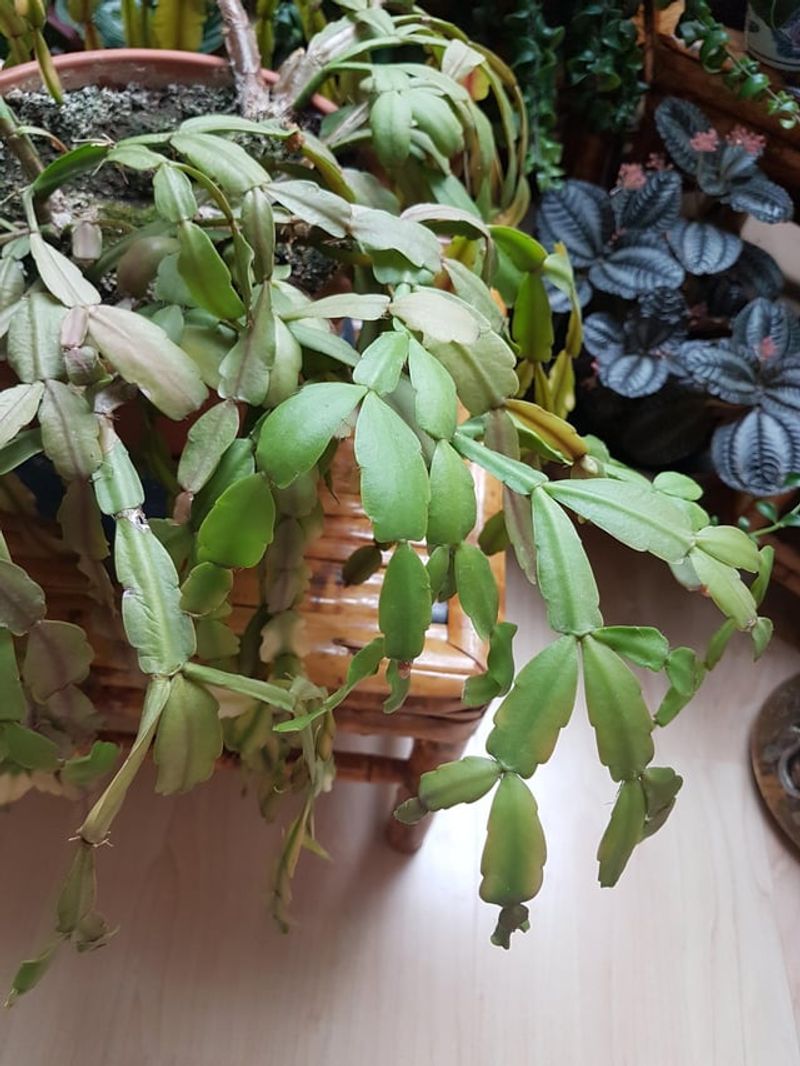
A cool rest period acts as a natural signal that tells your Christmas cactus to start producing buds instead of focusing on leaf growth.
Texas homes often stay warm year-round thanks to heating systems, preventing plants from experiencing the temperature drop they need to initiate flowering cycles naturally.
Your cactus requires about six to eight weeks of temperatures between fifty-five and sixty-five degrees Fahrenheit to trigger bud formation successfully each year.
Without this cool period, the plant continues growing leaves but never shifts into reproductive mode, leaving you with a healthy but flowerless specimen.
Try placing your cactus in an unheated garage, covered porch, or spare room where temperatures naturally drop during October and November in most Texas regions.
Avoid exposing the plant to freezing temperatures or frost, which can damage tissues and prevent blooming rather than encouraging it as you intended.
Monitor nighttime temperatures carefully during this period, bringing the plant indoors if weather forecasts predict unusually cold conditions that could harm your cactus.
After six to eight weeks of cool treatment, move the plant back to normal indoor temperatures and watch for buds to appear within a few weeks.
Root Bound Conditions That Limit Growth And Flowering
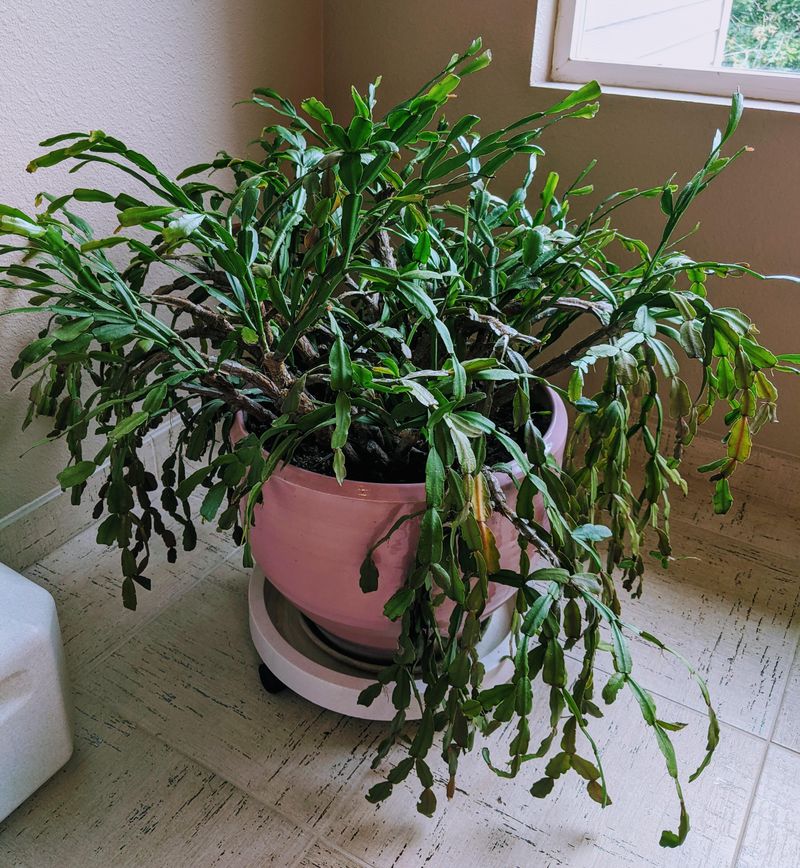
Root-bound plants struggle to produce blooms because their energy goes into surviving cramped conditions rather than creating flowers for reproduction and seed production.
Christmas cacti actually prefer being slightly root-bound, but when roots completely fill the pot with no room left, flowering stops and growth slows dramatically.
Check your plant’s roots by gently removing it from its pot and looking for roots that circle around the outside in tight spirals.
Texas heat can make root-bound conditions worse because compacted roots cannot absorb water efficiently, leading to stress that prevents bud formation from occurring naturally.
Repot your cactus into a container that is only one or two inches larger than the current pot, using fresh, well-draining soil mixture.
Avoid choosing pots that are too large, as excess soil holds moisture that can lead to root rot and other problems that harm plant health.
Spring is the best time for repotting, giving your cactus the entire growing season to establish roots before blooming season arrives in late fall.
After repotting, wait a few days before watering to let any damaged roots heal, then resume your normal care routine for best results.
Excessive Nitrogen From Wrong Fertilizer Type
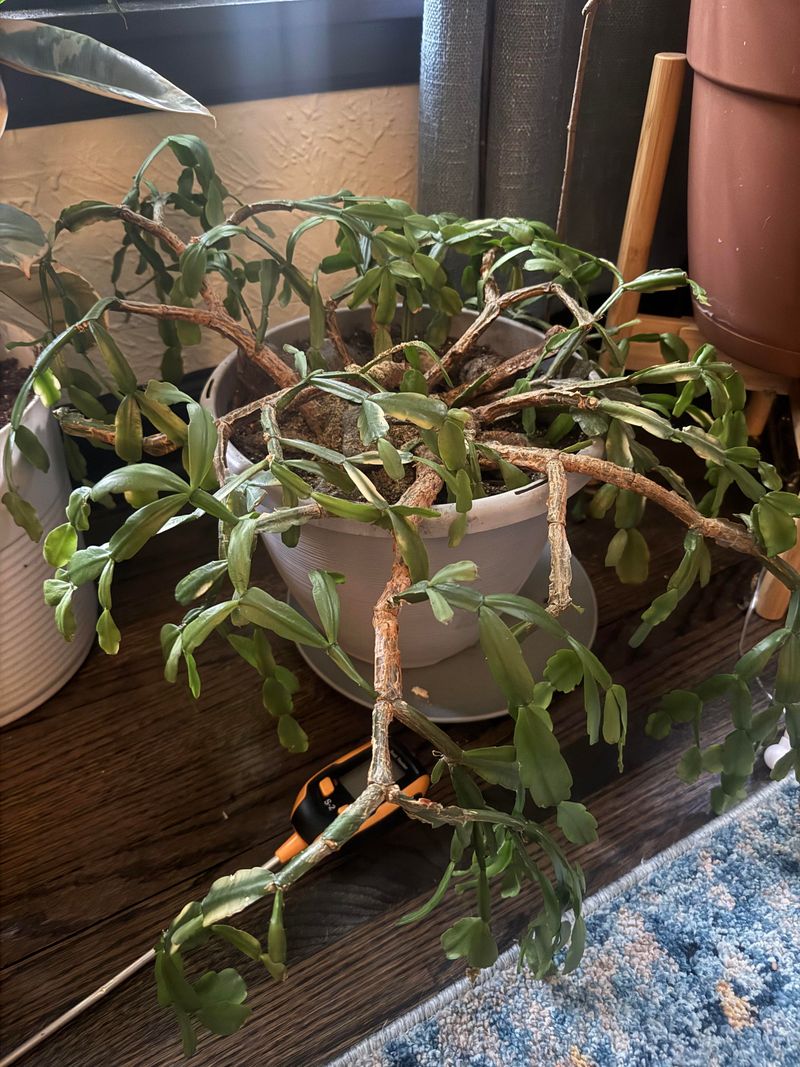
Fertilizer choices dramatically impact whether your Christmas cactus produces blooms or just keeps growing more and more green leaves without any flowers appearing.
High-nitrogen fertilizers encourage leaf growth at the expense of flowering, which is great for foliage plants but terrible for cacti you want to bloom.
Many Texas gardeners use leftover lawn fertilizer or general-purpose plant food that contains too much nitrogen for Christmas cacti to bloom successfully each year.
Your plant needs higher levels of phosphorus and potassium during late summer and early fall to support bud formation and flower development properly.
Switch to a bloom-booster fertilizer with a ratio like ten-fifteen-fifteen or five-ten-ten starting in July, applying it every two to three weeks.
Dilute the fertilizer to half the recommended strength to avoid burning roots or overwhelming the plant with nutrients it cannot process efficiently.
Stop all fertilizing by September to allow the plant to focus its energy on producing buds rather than continuing vegetative growth throughout fall.
Once blooms appear, you can resume very light feeding to help flowers last longer, but avoid heavy fertilization that might cause buds to drop prematurely.
Humidity Levels That Are Too Low For Bud Formation
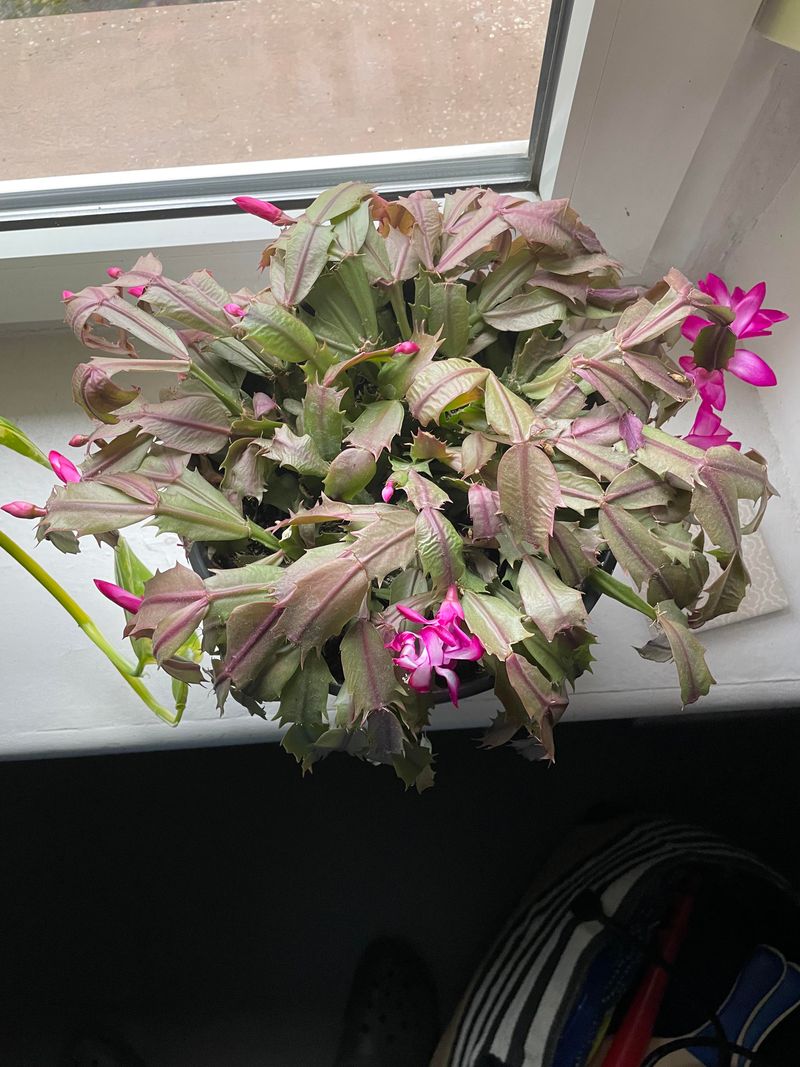
Humidity affects Christmas cactus health more than most people realize, and Texas homes often have very dry air, especially during winter when heaters run constantly.
These plants evolved in Brazilian rainforests where humidity stays high year-round, so dry conditions can prevent bud formation even when everything else seems perfect.
Low humidity causes stress that makes your cactus focus on survival rather than reproduction, which means no energy gets directed toward producing beautiful flowers.
Ideal humidity levels for Christmas cacti range between fifty and sixty percent, which feels comfortable for people but requires some effort to maintain in Texas.
Place a humidity tray filled with pebbles and water beneath your plant’s pot, making sure the pot sits above the water line to prevent root rot.
Grouping several houseplants together creates a microclimate with higher humidity as plants release moisture through their leaves into the surrounding air naturally.
Running a small humidifier near your Christmas cactus during fall and winter helps maintain ideal moisture levels without requiring constant attention or daily misting.
Avoid placing plants near heating vents or fireplaces where dry air constantly flows past, further reducing humidity levels around your struggling cactus.
Recent Stress From Moving Or Environmental Changes

Environmental changes stress Christmas cacti more than you might expect, causing them to delay or skip blooming entirely until they feel settled and secure again.
Moving your plant to different locations around the house, repotting at the wrong time, or bringing it home from a nursery can all trigger stress responses.
Texas weather extremes make this problem worse when plants experience temperature shocks during transport or when brought indoors from outdoor growing areas in fall.
Stressed plants redirect energy away from flowering and toward survival mechanisms, which means your cactus simply will not produce buds until it feels safe.
Once you find a good location for your Christmas cactus, resist the urge to move it around frequently, even if you want to display it elsewhere.
If you must move the plant, do so gradually by shifting it a few feet at a time over several days to minimize shock.
New plants from nurseries or garden centers need at least four to six weeks to adjust to your home’s conditions before expecting them to bloom.
Maintain consistent care routines regarding water, light, and temperature to help your cactus recover from stress and return to normal blooming cycles next season.
Wrong Pot Size Or Material Affecting Root Health
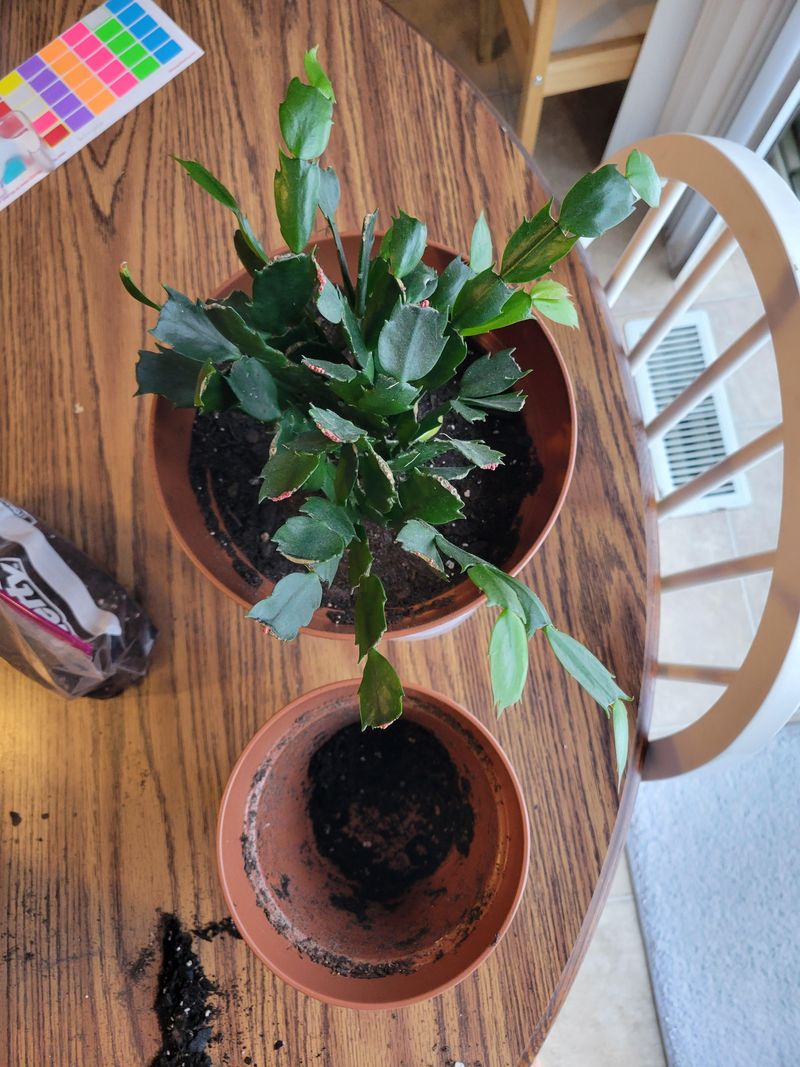
Container choice influences your Christmas cactus’s ability to bloom more than most Texas gardeners realize when selecting pots for their houseplants at local stores.
Pots that are too large hold excess moisture that can lead to root problems, while containers that are too small create cramped conditions that prevent flowering.
Plastic pots retain moisture longer than terracotta or clay containers, which can be helpful in dry Texas climates but problematic if you tend to overwater.
Terracotta pots allow soil to dry out faster and provide better air circulation to roots, which many Christmas cacti prefer for optimal health and blooming.
Choose a pot with drainage holes at the bottom to prevent water from accumulating around roots and causing rot that stops flowering completely.
The ideal pot size is only one to two inches wider than your plant’s root ball, giving roots room to grow without excess soil.
Decorative outer pots without drainage can work if you use them as cache pots, placing your cactus in a smaller pot with holes inside.
Repot your Christmas cactus every two to three years in spring, which gives it plenty of time to adjust before blooming season arrives in late fall.