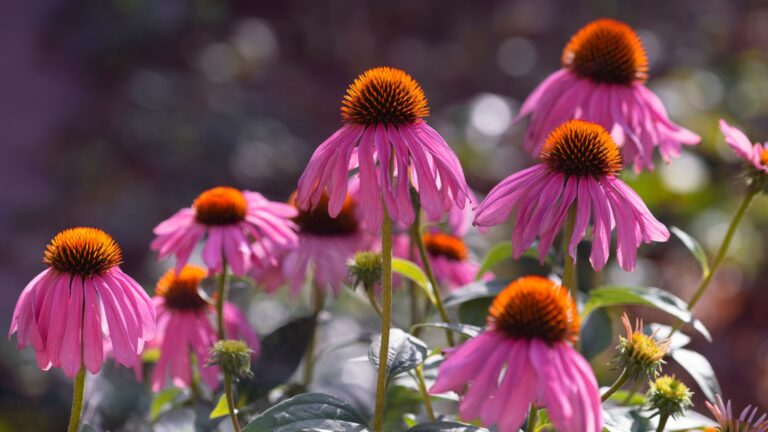
Why Your Coneflowers Suddenly Stopped Flowering
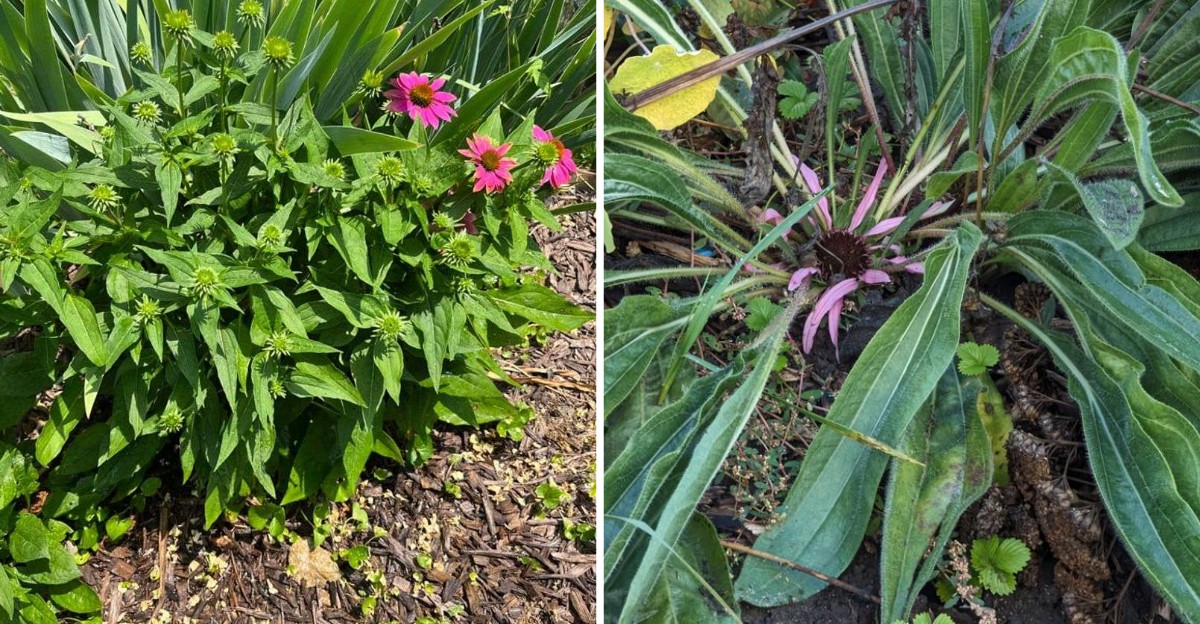
Last summer your garden bed looked like a fireworks finale, with bold blooms nodding brightly above the path. This season the same patch serves up leaves, more leaves, and a suspicious amount of quiet.
Green growth without color feels like a marching band that tunes up and then skips the parade. Something behind the scenes has quietly changed, and your plants are clearly not filing a report.
Most flowering slumps trace back to a handful of ordinary causes hiding in soil, shade, or habit. The real culprit is usually easy to spot, and the fix rarely costs more than a little patience and good timing.
Gardens rarely stage a quiet strike without leaving clues scattered around the stems, soil, and roots. Read those clues carefully, and your bed may forgive you before the neighbors mention the missing fireworks.
1. Shade From Nearby Trees And Shrubs
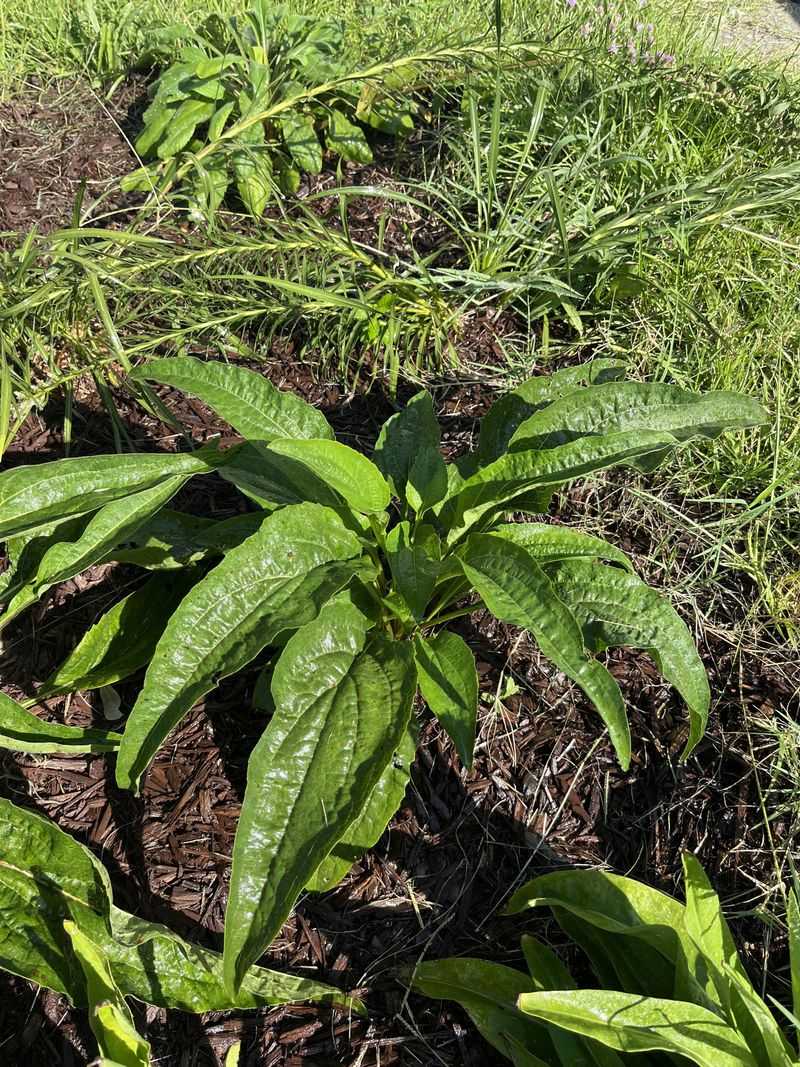
Sun worshippers by nature, these prairie natives expect at least six hours of direct light daily. Trees grow, fences rise, and shade sneaks across the bed one quiet season at a time.
Plants stuck in dim corners often look healthy enough, with tall stems and broad green leaves. Flower buds stay tiny or fail to form at all, simply because the plant lacks energy.
Spend one Saturday tracking sunlight, checking the bed every two hours from morning until evening. Afternoon shade costs more blooms than morning shade, so note exactly when the darkness arrives.
Pruning low branches on nearby trees returns a surprising amount of light to the ground. One good trim in late winter can wake an entire bed by the following June.
Relocating the whole clump is the other reliable fix, and early spring or fall works beautifully. Dig wide, save plenty of roots, and water the transplant deeply for the first several weeks.
Neighboring perennials cast shadows too, especially tall grasses or shrubs planted a few seasons back. Thin those crowding neighbors so light reaches the lower leaves and every developing flower bud.
Gardeners often blame the soil when the real problem is a maple that doubled in size. Sunlight deserves the first check whenever blooms vanish without any other obvious warning signs.
Keep a short garden journal noting light changes each year, and the yearly patterns appear quickly. Your future self will grin when the color finally returns in full, cheerful force.
2. Too Much Nitrogen In The Soil
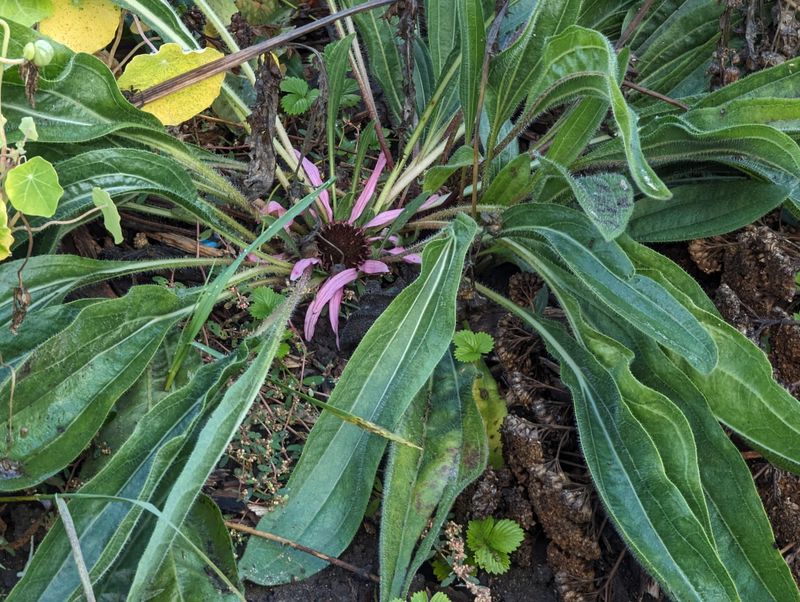
Lawn fertilizer drifting into a flower bed can turn modest perennials into leafy green giants. All that nitrogen pushes foliage hard while quietly telling flower buds to wait their turn.
Coneflowers evolved on lean prairie soil where nutrients stayed scarce and competition was constantly fierce. Rich, pampered ground actually confuses them, producing floppy stems and disappointingly few blooms.
Check your routine first, especially if a lawn service sprays anywhere near the border. Granules bounce farther than people think, and rain carries the rest straight into the roots.
Skip the high-nitrogen feed for a full season and watch how the plants respond. Most gardeners find that doing less brings the flowers back faster than doing more.
Heavy compost applications can cause the same imbalance, even though compost feels harmless and natural. A thin half-inch layer each spring supplies plenty without flooding the bed with nitrogen.
Reading the numbers on a fertilizer bag helps, since the first number represents nitrogen. Choose a balanced or low-first-number product if you feel you must feed at all.
Floppy stems that sprawl outward are another clue that the soil has grown too rich. Staking hides the symptom, though trimming back the feeding fixes the actual cause.
Old prairie gardeners joked that the best fertilizer for these plants was benign neglect. Modern research mostly agrees, which works out well for anyone short on weekend time.
Patience matters because soil nitrogen fades gradually over one or two growing seasons. Skip the buffet, and these tough plants remember exactly how to put on a show.
3. Crowded Clumps That Need Dividing
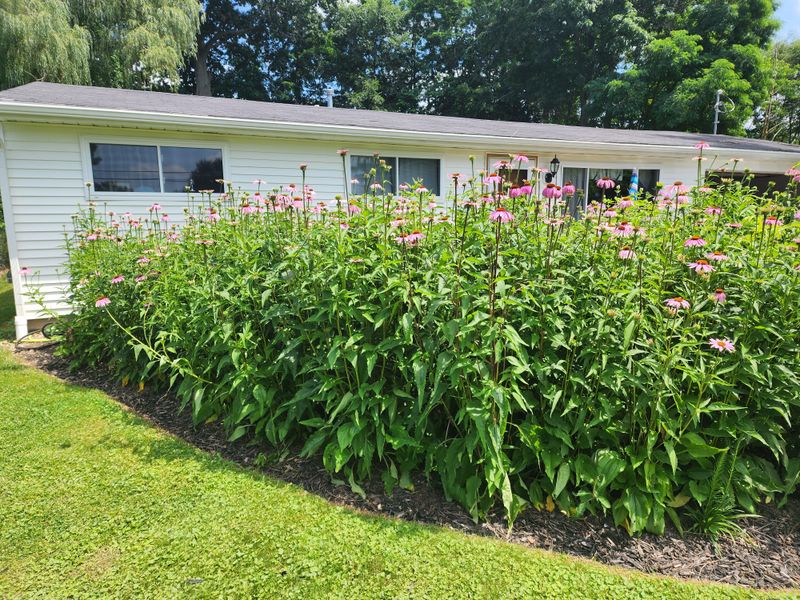
Every clump has a golden age, usually somewhere between years two and four. After that, the center thins, stems weaken, and flower counts slide downward each summer.
Roots compete with themselves underground, fighting siblings for water, nutrients, and breathing room. The result looks like a donut, with healthy edges circling a bare, tired middle.
Division sounds scary, but the process is quicker and easier than it looks with a sharp spade. Lift the clump in early spring, slice it into fist-sized chunks, and replant quickly.
Each division needs three or four healthy shoots plus a solid handful of roots. Toss the woody center, since that portion rarely produces much worth keeping.
Space new pieces about eighteen inches apart so air moves freely between the leaves. Crowding invites mildew, and mildew steals energy that should be going toward flower buds.
Water the transplants regularly for a month while roots knit into their new homes. Blooms may pause briefly that first season, then return stronger than you remember.
Autumn division works too, provided the plants settle in six weeks before hard freezes. Mulch lightly afterward so frost heaving does not push young roots out of the ground.
Extra divisions make excellent gifts, trades, or bribes for neighbors with good tomato plants. Few perennials multiply so generously with so little fuss from the gardener.
Mark your calendar for a division every three or four springs to stay ahead. Routine beats rescue, and your flower bed will reward the habit for many years.
4. Faded Blooms Left On The Stems
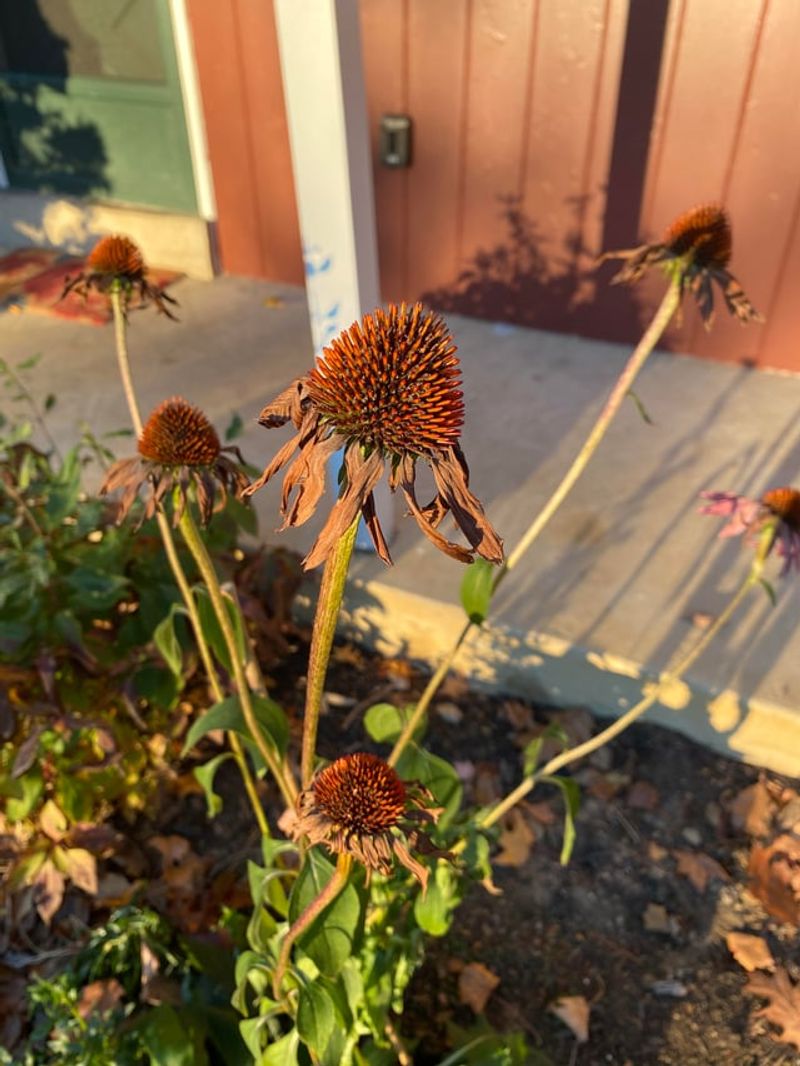
Plants have one goal, and it is not decorating your patio for the neighbors. Once seeds form, the plant assumes its job is finished and slows down flowering.
Snipping faded blossoms tricks the plant into trying again, often within two or three weeks. Gardeners call this trimming spent flowers, and the results feel like a second act.
Cut just above a leaf pair or side bud rather than leaving bare stubs. Sharp scissors or bypass pruners make cleaner cuts that heal fast and look tidy.
Midsummer is prime trimming time, right when the first flush starts looking crispy and brown. A quick round of snipping can stretch the display well into September.
Balance matters, though, because goldfinches adore the seed heads left standing in autumn. Trim through July, then let the last round of flowers mature for the birds.
Plants that self-seed heavily also drain energy producing far more seedlings than the bed actually needs. Cutting some heads early keeps volunteers manageable and directs strength back toward blooming.
Container-grown plants respond even faster, since limited soil makes every bit of energy count. Give potted clumps a quick trim weekly and enjoy noticeably longer color.
Some newer hybrids bloom continuously and need very little trimming to keep going. Check the plant tag, because breeding has changed what these old prairie flowers do.
Keep small snips in your pocket during evening garden walks for casual maintenance. Five snips a day beats one exhausting cleanup session every August afternoon.
5. Aster Yellows Spreading Through The Bed
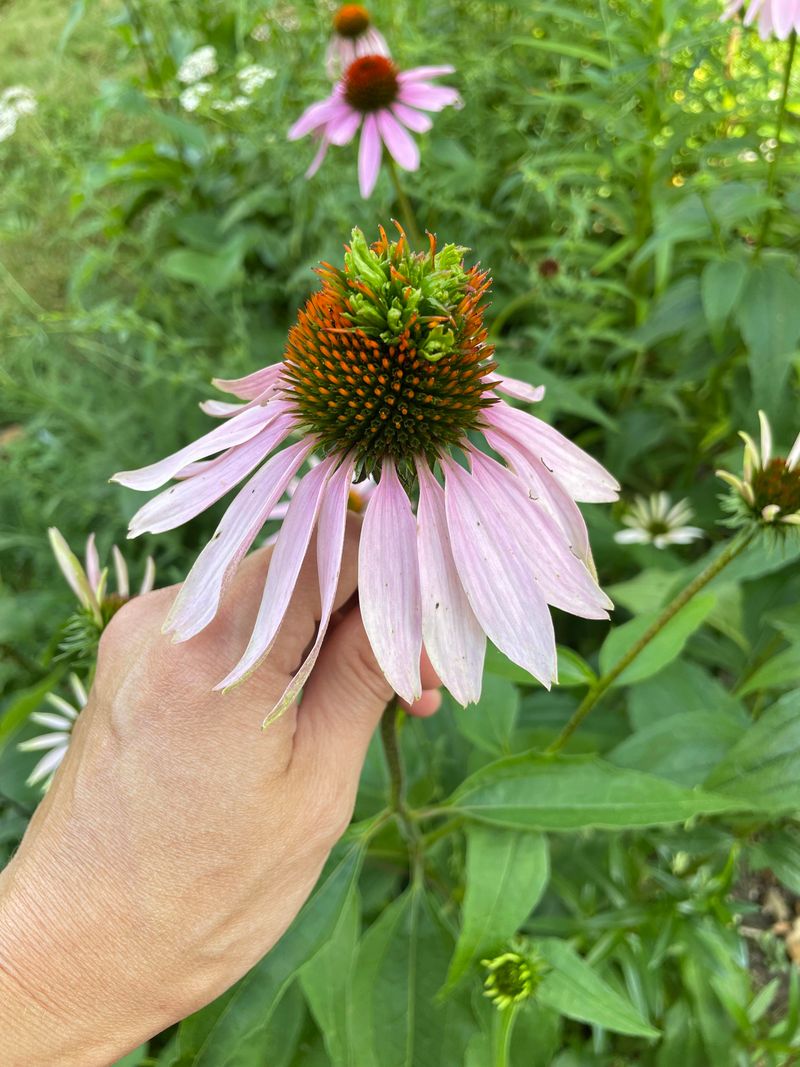
Strange green flowers sprouting from the center of a cone signal something genuinely odd. Aster yellows is a tiny organism spread by leafhoppers, and it scrambles normal growth.
Infected plants push out twisted stems, yellowed leaves, and petals in bizarre greenish tufts. Blooms may appear, but they look deformed rather than the bright daisies you expected.
No spray or treatment cures the condition once a plant picks it up. Removing the affected clump quickly protects the healthy neighbors still growing a few feet away.
Bag the pulled material and send it out with household trash instead of compost. Compost piles rarely reach temperatures high enough to handle infected plant tissue safely.
Leafhoppers carry the trouble from weeds like dandelion and thistle into garden beds. Keeping surrounding weeds mowed reduces the number of hopping messengers in your yard.
Floating row covers protect young plants in gardens where the problem shows up repeatedly. Most home gardeners simply stay alert and pull anything that looks clearly deformed.
Marigolds, coreopsis, and asters can catch the same condition, so scan the whole bed. Early removal makes a real difference in how far the trouble travels.
Do not panic over one strange bloom, since weather and heat can cause oddities too. Look for the full pattern: yellow leaves, witchy growth, and green petal clusters.
Replanting the same spot is fine, because the issue lives in insects, not soil. Choose a fresh, healthy plant and keep watching for those unmistakable green tufts.
6. Dry Spells And Uneven Watering
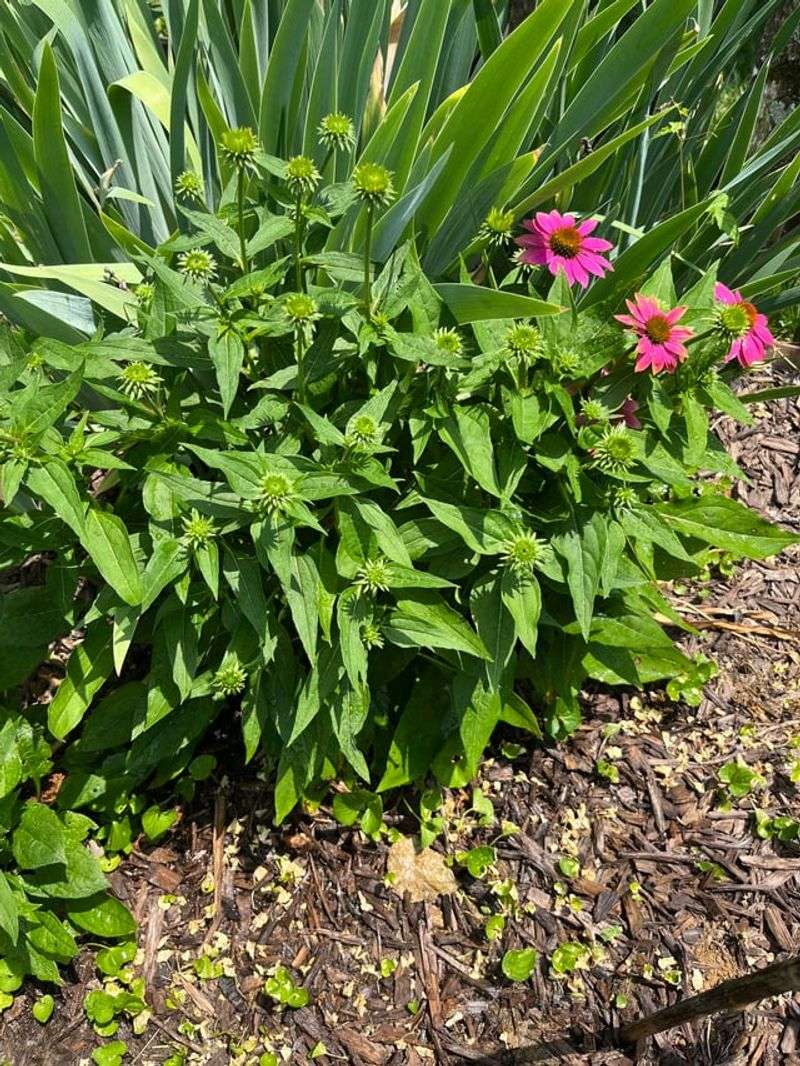
Drought tolerance is real, though the phrase carries an asterisk nobody reads on the tag. Established roots handle dry weeks well, but stressed plants still drop their buds early.
During long heat waves, plants protect themselves by sacrificing flowers first and leaves second. Buds shrivel, petals brown early, and the show ends weeks ahead of schedule.
One deep soaking each week beats five shallow sprinkles that barely dampen the surface. Deep water pulls roots downward, where soil stays cooler and moisture lingers longer.
Push a finger three inches into the soil before reaching for the hose. Dry at that depth means water now. Damp means walk away for another day.
Mulch two inches deep around the plants, keeping the material off the crowns themselves. Shredded bark or leaf mold holds moisture and keeps roots comfortable all summer.
Soggy conditions cause problems too, especially in heavy clay that drains like a bathtub. Roots sitting in water rot quietly, and flowering stops long before you notice.
Morning watering gives leaves time to dry, which discourages mildew during humid stretches. Evening soakings leave foliage damp overnight and invite spots you would rather avoid.
Container plants dry out fastest, sometimes needing water twice during brutal July afternoons. Check pots by weight, lifting one edge to feel whether the soil is light.
First-year plants need far more consistent moisture than a well-established five-year-old clump does. Baby them through summer one, and they will handle droughts on their own later.
7. Hungry Pests Feeding On The Buds
Japanese beetles treat flower buds like a buffet, chewing holes before the petals open. A heavy beetle infestation can strip a plant of its future blooms in just a few days.
Hand-picking in early morning works surprisingly well, since beetles move slowly when air is cool. Knock them into soapy water and skip the traps that invite more from down the block.
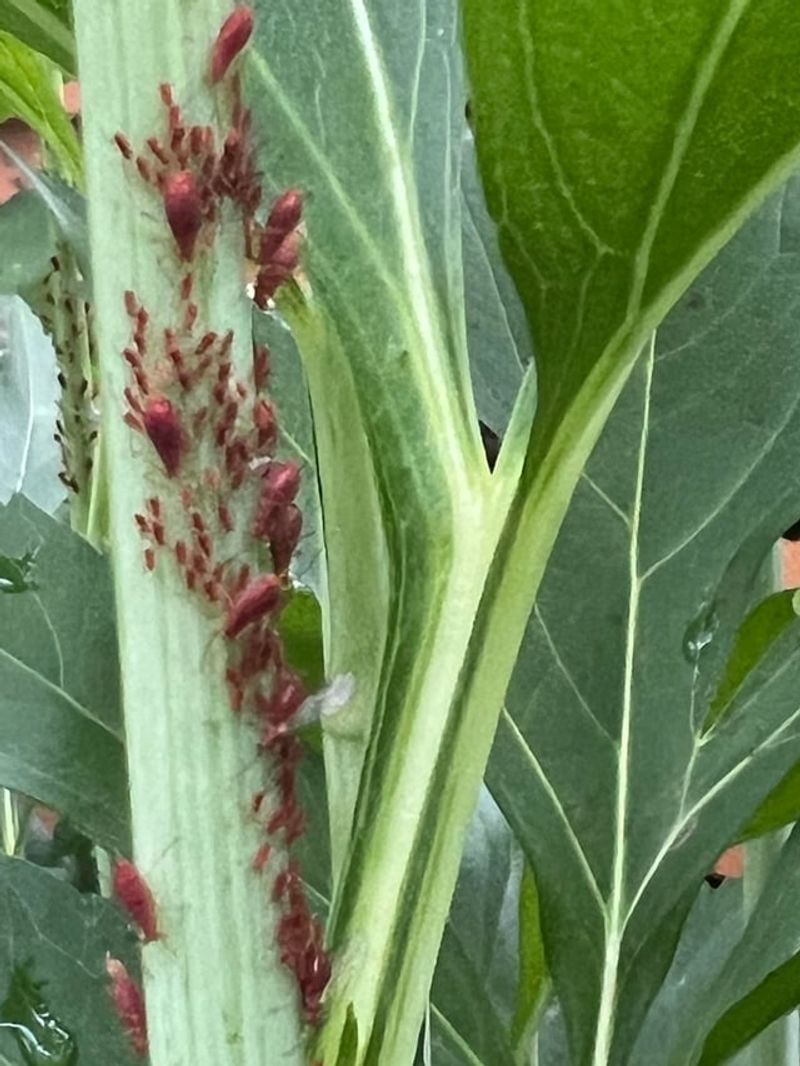
Aphids cluster on tender stems, sucking sap and leaving sticky residue behind them. A firm spray from the hose usually dislodges the whole colony without any chemicals.
Earwigs and sunflower moth larvae sometimes tunnel into cones and ruin the developing seeds. Damaged centers look ragged and brown, and new buds stop opening properly.
Sap-sucking eriophyid mites cause distorted, tufted blooms that people often mistake for disease. Snip affected flowers well below the cone and discard them away from the garden.
Encourage the good guys: ladybugs, lacewings, and tiny parasitic wasps patrol beds for free. Planting dill, yarrow, or alyssum nearby gives those helpers a reason to stay.
Rabbits and deer also nibble young shoots, removing the very tips that would flower. A short fence or repellent spray protects tender spring growth better than hoping.
Reach for broad insecticides last, because sprays remove pollinators along with the troublemakers. Bees visiting these flowers deserve better than accidental harm from a hasty application.
Inspect the undersides of leaves weekly, since problems start small and grow quickly. Catch a colony early, and the flower show continues without missing a single beat.
8. Young Roots Still Settling In
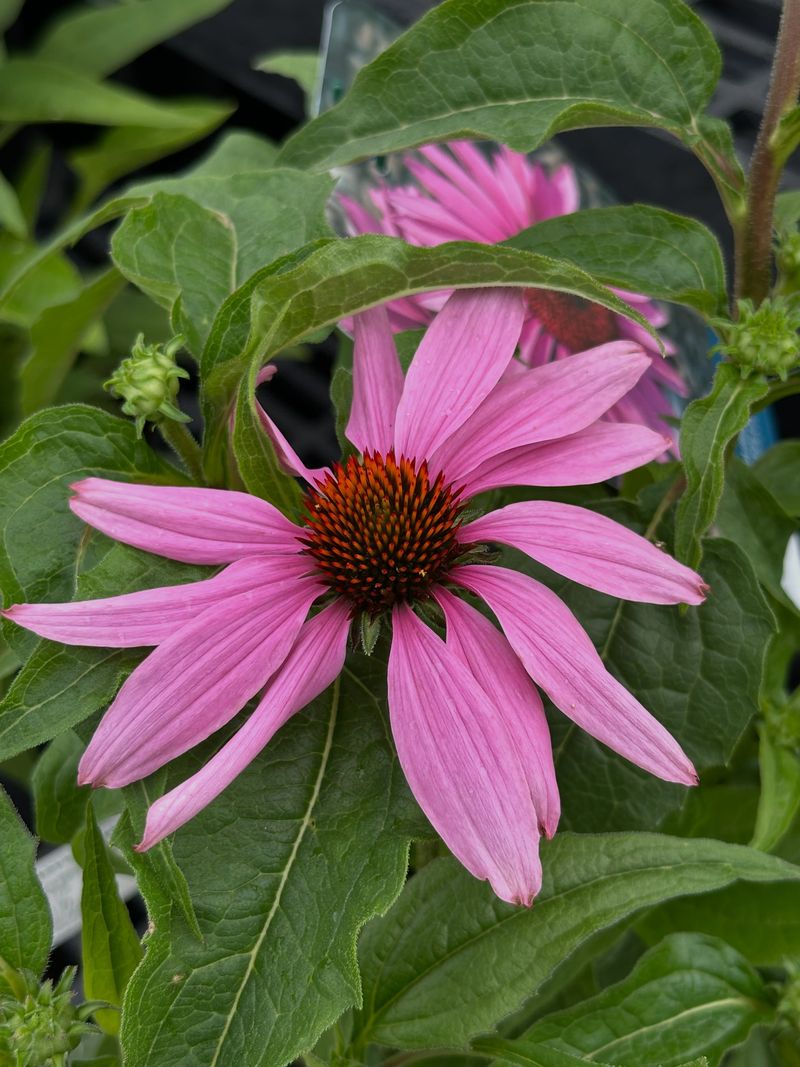
First-year perennials follow an old gardening rhyme about sleeping, creeping, and finally leaping. Year one looks quiet, year two shows promise, and year three finally delivers.
Nursery plants often arrive covered in blooms because greenhouses push them with perfect conditions. Once planted outdoors, that same plant redirects energy underground toward building a root system.
Fewer flowers during the first summer is normal behavior, not a sign of failure. Roots come first, because healthy roots decide how many blooms arrive in later summers.
Transplant shock stretches the timeline further, especially when moving happens during hot weather. Plants moved in July sulk for weeks, while spring moves recover much faster.
Help new plantings by watering steadily, mulching lightly, and resisting the urge to fertilize. Extra food pushes weak growth instead of the strong roots the plant actually needs.
Pinching off a few early blooms feels harsh but builds a bigger plant later. Think of it as trading one modest summer for several spectacular ones ahead.
Plants grown from seed take even longer, often waiting until year two to flower. Seedlings sown last spring may simply need one more season before performing.
Bare-root plants shipped by mail need the longest runway of all the options. Potted nursery stock usually catches up a full season sooner in the ground.
Mark planting dates on a tag or garden map so you remember the timeline. Give a young clump time, and it will repay the patience for years to come.