Bright Pink Egg Clusters Are Appearing On Louisiana Pond Plants And Few People Know What They Are
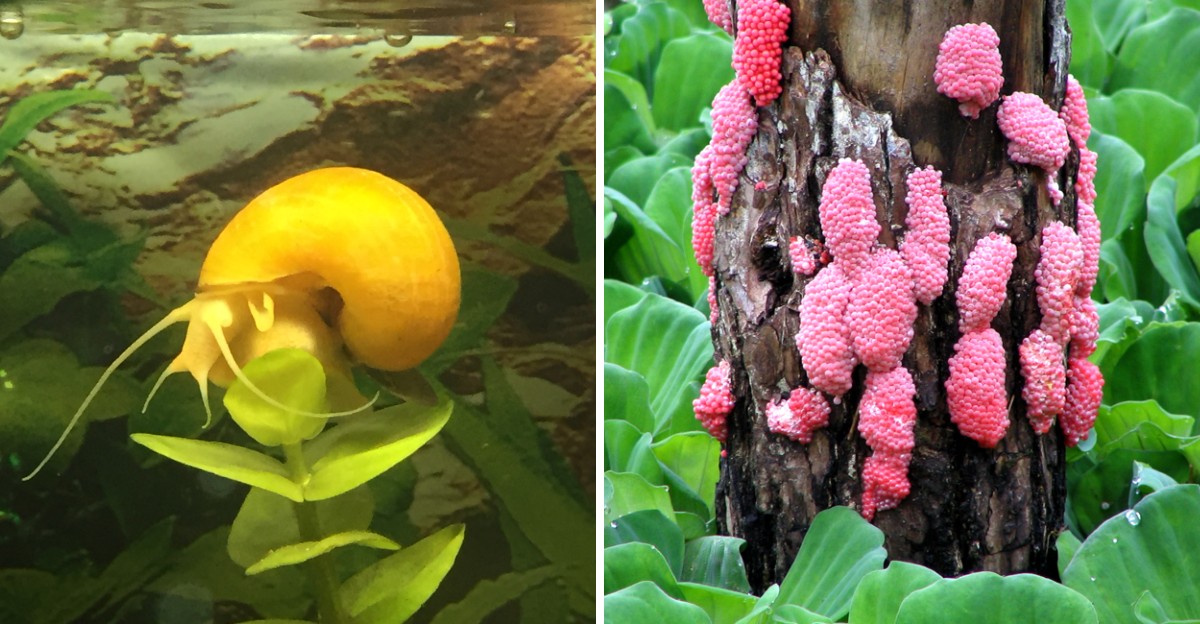
Bright pink clumps hijack your attention along quiet bayou reeds. Paddling closer, you realize these aren’t berries or blossoms. Something living placed them there on purpose. Louisiana biologists tense up whenever they spot this color.
Clusters cling just above the waterline, clustered tight together. Each blob hides a secret you haven’t guessed yet. Locals mistake them for trash or fungus at first. Scientists know better, and their concern keeps growing yearly.
Waterways across Louisiana now carry this strange pink signature. Canal banks, ditch edges, crawfish ponds all show it. You might paddle past one without realizing its meaning.
Whatever produced these clusters spreads faster than anyone expected. Numbers climb quietly while most people look elsewhere entirely.
Farmers noticed changes before officials confirmed anything publicly. Curiosity pulls you toward answers hiding in plain sight. Once you learn what hides inside that pink, you won’t stop reading.
The Pink Blobs Belong To Apple Snails
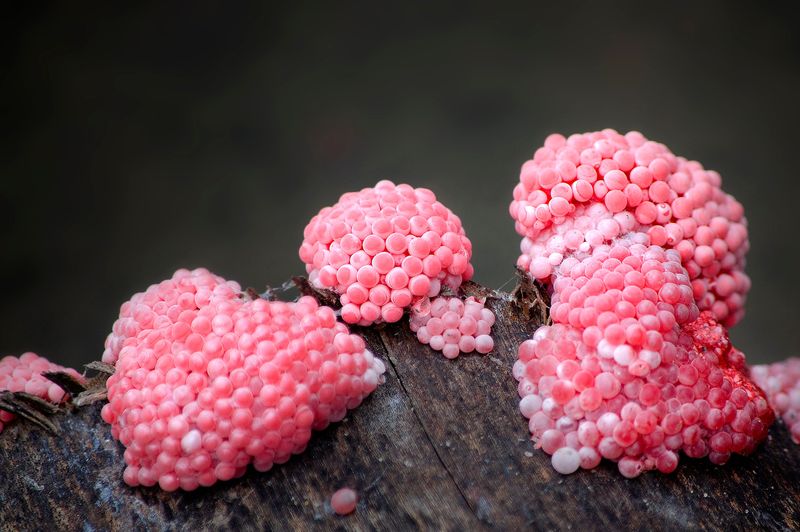
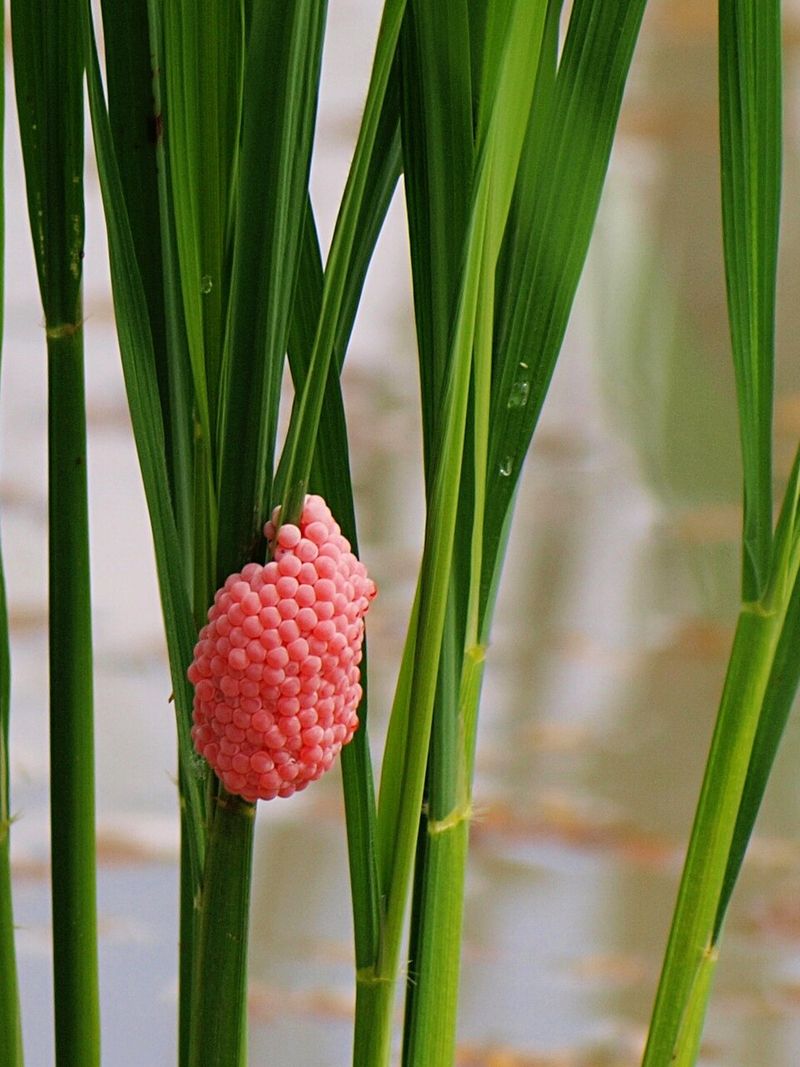
Those bubblegum clusters are the egg masses of the island apple snail, a large freshwater snail that does not belong in Louisiana waters. A single female can glue hundreds of eggs onto a plant stem, dock post, or cypress knee in one sitting.
The color comes from a pigment in the egg shells that acts like a built-in warning label. Bright pink signals to fish, birds, and other hungry critters that the eggs taste awful and carry a mild toxin.
That clever defense is a big reason the snails spread so fast here. Almost nothing in a Louisiana marsh bothers eating them, so a huge share of each clutch hatches successfully.
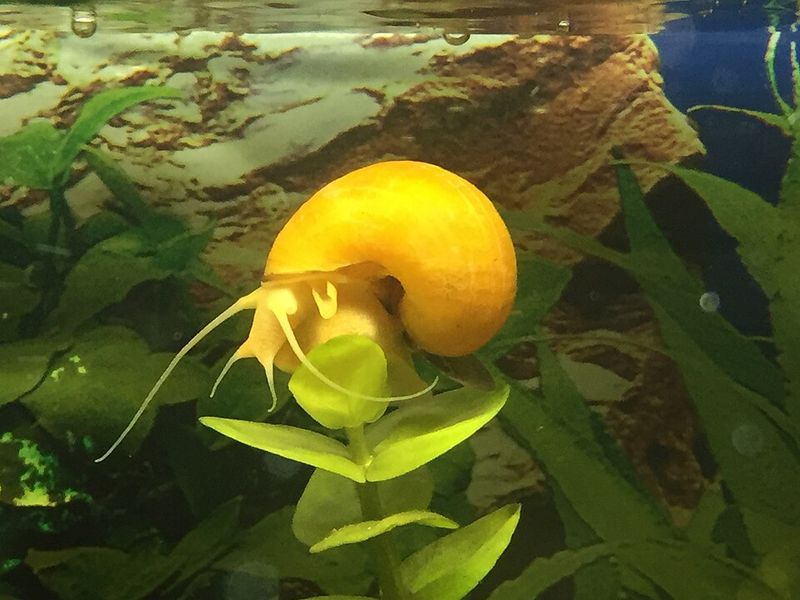
Adult apple snails are hard to miss too. Their shells can grow bigger than a golf ball, sometimes reaching the size of a small apple, which is exactly how they earned the name.
Females crawl out of the water at night to lay, which protects the eggs from drowning and from fish. In roughly two weeks, tiny snails drop straight into the water below and start feeding.
Quick fact worth remembering: native Louisiana snails lay clear, jelly-like eggs underwater, and they are usually small and colorless.
If the eggs are pink and stuck above the waterline, they are not from anything that grew up here. Once you know that one detail, identifying them from a boat becomes surprisingly easy.
How South America’s Snail Ended Up In The Bayou
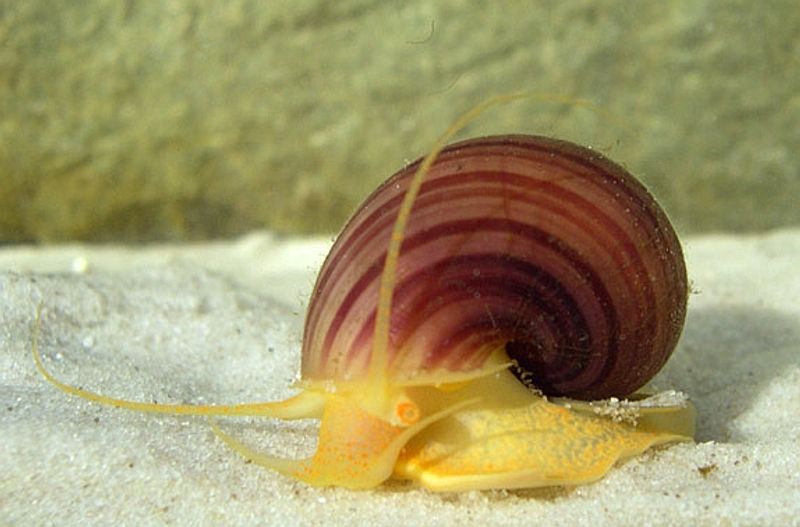
Blame the aquarium trade, mostly. Apple snails came from South America, where warm rivers and floodplains suit them perfectly, and they were sold in pet shops as tank cleaners with flashy golden shells.
Some owners eventually grew tired of them or ran out of tank space. A few dumped their snails into the nearest ditch or pond, assuming the animals would simply fade away in a strange new place.
They did not fade. Louisiana’s mild winters, slow-moving water, and thick plant growth turned out to be a near-perfect match for a tropical snail.
Your Louisiana Garden Changes Every Week. Your Plan Should Too.
Gardening in Louisiana changes quickly throughout the season. Every Friday you’ll receive a simple weekly plan showing exactly what to plant, prune, fertilize, harvest, and protect so you never miss the right timing.
Records of the invaders in the state date back to 2006, when they were first found in a drainage canal in Gretna, just outside New Orleans, before spreading to nearly thirty parishes across south Louisiana.
Since then they have turned up in parishes across the southern half of the state. Flooding does a lot of the heavy lifting for them. High water carries snails into new canals and bayous, and boats occasionally move egg clusters stuck to trailers or hull surfaces.
Their ability to spread is notable, despite being an unwanted trait. Apple snails can seal their shells shut and wait out dry spells buried in mud for months, then wake up when the rain returns.
That toughness explains why draining a pond rarely solves the problem. The snails simply hunker down, hold their breath in a sense, and reappear when conditions improve, often in larger numbers than before.
Why Rice Farmers And Crawfish Ponds Are Watching Closely
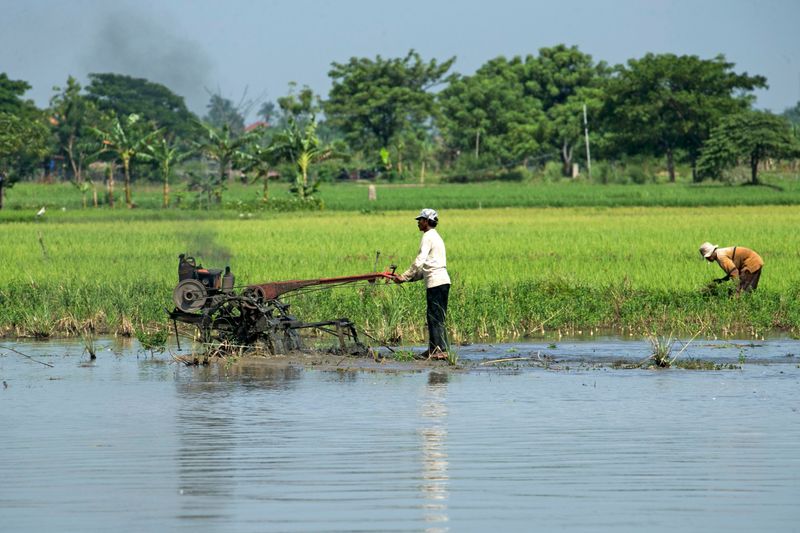
For agriculture in south Louisiana, these snails are more than a curiosity. They feed aggressively on soft young plants, and tender rice seedlings sit right at the top of their menu.
In parts of Asia where the same snail arrived decades ago, farmers lost significant portions of their rice crop and now invest in control measures each season. Louisiana growers have followed those developments with growing concern.
Crawfish producers face a different headache. Apple snails compete for the same vegetation crawfish rely on, and heavy shells clog traps, pumps, and harvesting gear.
Sorting snails out of a catch takes time that nobody has during a busy season. Workers describe hauling traps that feel twice as heavy thanks to unwanted passengers.
Field crews tend to check levee edges and canal banks in late summer, when warm water supports heavy egg-laying activity.
This is one reason pink clusters become more noticeable during this period. Early September is prime spotting season, which is exactly why the pink clusters seem to pop up everywhere right now.
Some producers drain and dry fields between crops to knock populations back. Others scrape egg masses off levees by hand, which is tedious but effective when done regularly.
LSU AgCenter specialists keep tracking spread and testing management ideas. Their advice to growers stays practical: look often, act early, and report new sightings so the maps stay accurate.
Marsh Plants Feel The Impact
A marsh functions as a food source that supports ducks, fish, and many other species. Apple snails feed on this vegetation continuously and in large quantities. Apple snails treat it like an all-you-can-eat buffet with no closing time.
A grown snail can chew through a surprising amount of vegetation daily, and populations build fast when each female lays clutch after clutch. Thick beds of aquatic plants can thin out to bare mud within a season or two.
Losing those plants matters more than it might sound. Roots and stems hold soft marsh soil in place, and Louisiana already faces significant, well-documented coastal land loss.
Wintering waterfowl notice the change too. Ducks arriving in fall depend on submerged vegetation for fuel, and stripped-out ponds offer far less to eat.
Small fish also lose the tangled cover they use to hide from predators. Fewer hiding spots can ripple through a food web in ways that are tough to reverse.
Wildlife managers at refuges across the coast have documented these changes in ponds where snail numbers grew rapidly. Some areas that once held dense plant beds now look noticeably more open.
One challenge is that the change happens gradually. A marsh rarely changes overnight, but a few seasons of heavy grazing can reshape a pond that took decades to develop.
Spotting egg clusters early gives managers a fighting chance to respond before plant loss becomes obvious.
Handling Them Safely Around Kids And Pets
Curiosity is natural, especially for kids who spot something hot pink stuck to a cattail. A quick heads-up helps: leave the eggs alone, and skip touching them barehanded.
The pigment that makes the clusters so vivid can irritate skin and eyes in sensitive people. Rinsing hands afterward is a smart habit regardless.
Adult snails carry a bigger concern. Apple snails can host rat lungworm, a parasite that causes illness in humans and pets if raw or undercooked snail tissue is swallowed.
Dogs sometimes chew on shells found along a bank, so pet owners near infested waters should watch for that. Discouraging the habit early saves a vet visit later.
Gloves solve most of the risk for anyone doing cleanup work. Heavy garden gloves plus a rinse with soap and water is enough for routine handling.
Eating them is not recommended, no matter how tempting a giant escargot idea might sound. Cooking guidance for wild snails is tricky, and health officials advise steering clear.
Rinsing garden produce grown near infested ponds is another sensible step. Slime trails on lettuce or greens can carry the same parasite.
None of this means avoiding the water. Swimming, fishing, and paddling stay perfectly fine, since the concern involves eating raw snail tissue rather than casual contact with pond water.
What To Do When You Spot A Cluster
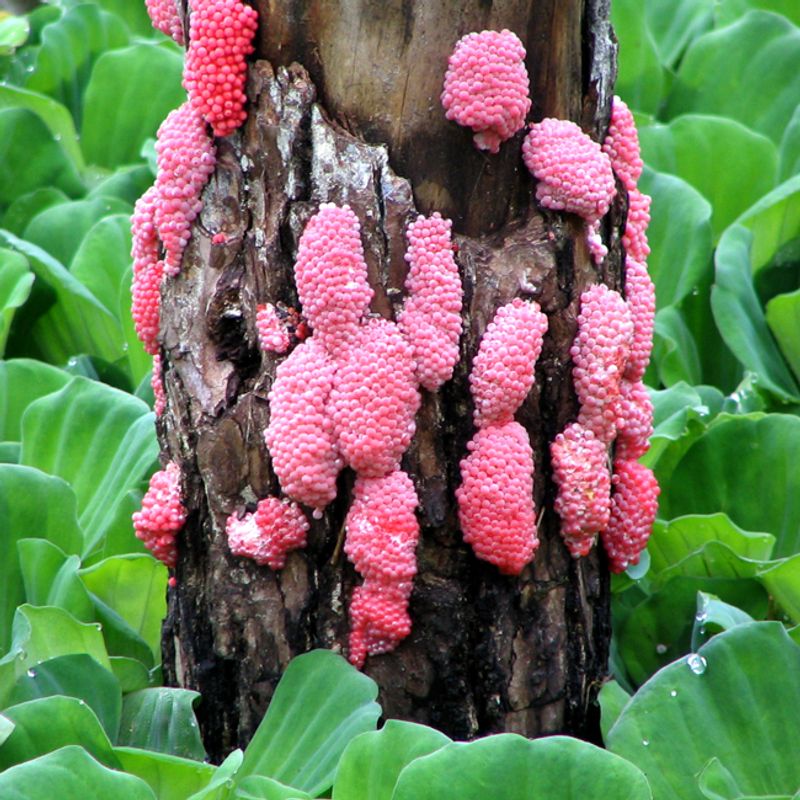
Found one on your dock post? Good news, you can help, and the fix takes about ten seconds. Wearing gloves, scrape the egg mass off the stem or post and knock it directly into the water.
Submerged eggs will not hatch, which makes this the simplest control tool available to regular folks. Crushing the cluster underfoot works too, though scraping is cleaner. Whatever you do, avoid moving the eggs to a new location.
Reporting sightings matters just as much as removal. The Louisiana Department of Wildlife and Fisheries and the LSU AgCenter actively track and publicize the spread of these snails and encourage the public to report and destroy egg masses on sight.
The USGS Nonindigenous Aquatic Species program also accepts public reports online. Snap a picture, note where you were, and send it in.
Boaters carry extra responsibility here. Rinsing trailers, checking hulls, and draining live wells before heading to another waterway keeps hitchhikers from starting fresh colonies.
Anyone keeping aquarium snails should find a proper home for unwanted animals rather than releasing them. Pet stores, schools, and hobbyist groups often take extras.
Plenty of neighborhood cleanup days now include egg scraping along canal banks. In some organized cleanup events, volunteers have reportedly removed large numbers of clusters in a single morning.
Small actions stack up. A handful of people checking their own shorelines each week makes a real dent in what hatches next spring.