Why Your Easter Cactus Struggles In Florida’s Humidity (And How To Fix It)
It can be frustrating to watch an Easter cactus struggle when everything seems right. You water it, give it light, and still see buds drop or stems soften without warning.
Many Florida plant owners run into this exact problem. The issue often isn’t neglect.
It’s the combination of high humidity, indoor air conditioning, and moisture that lingers in the air longer than expected. Easter cactus reacts differently in these conditions compared to drier climates.
Understanding how Florida’s environment affects moisture, airflow, and root health can help you adjust your care routine and bring your plant back to a healthier, more reliable bloom cycle.
1. Humidity Can Keep Soil Too Wet And Stress The Roots
Florida’s outdoor humidity doesn’t stay outside – it seeps into homes, affects indoor air quality, and quietly changes how quickly your potting soil dries out. For Easter cactus, this matters more than most people realize.
These plants are epiphytes by nature, meaning they evolved clinging to tree branches in Brazilian rainforests where their roots dry out quickly between rain events.
When indoor humidity in a Florida home stays consistently high, the soil in your pot holds onto moisture far longer than it would in a drier climate.
That lingering wetness keeps oxygen away from the roots, which stresses the plant even when you haven’t overwatered at all.
The roots essentially sit in a damp environment they can’t escape.
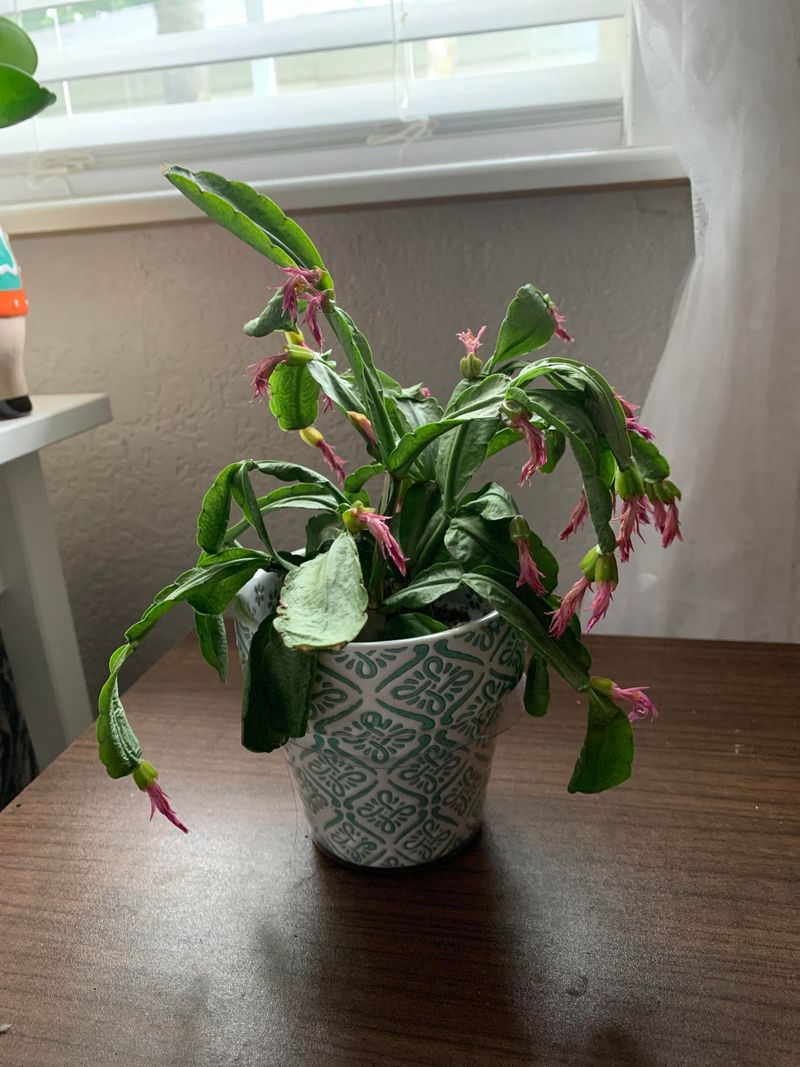
You might notice the stems looking slightly deflated, yellowing at the base, or the plant just seems stuck and unhappy. Checking soil moisture with your finger before watering is a solid habit.
If the top inch still feels moist, hold off on watering regardless of your usual schedule.
Adjusting your watering frequency based on actual soil conditions – rather than a fixed routine – helps your Easter cactus handle Florida’s humidity much more comfortably.
2. Poor Drainage Leads To Root Rot In Humid Conditions
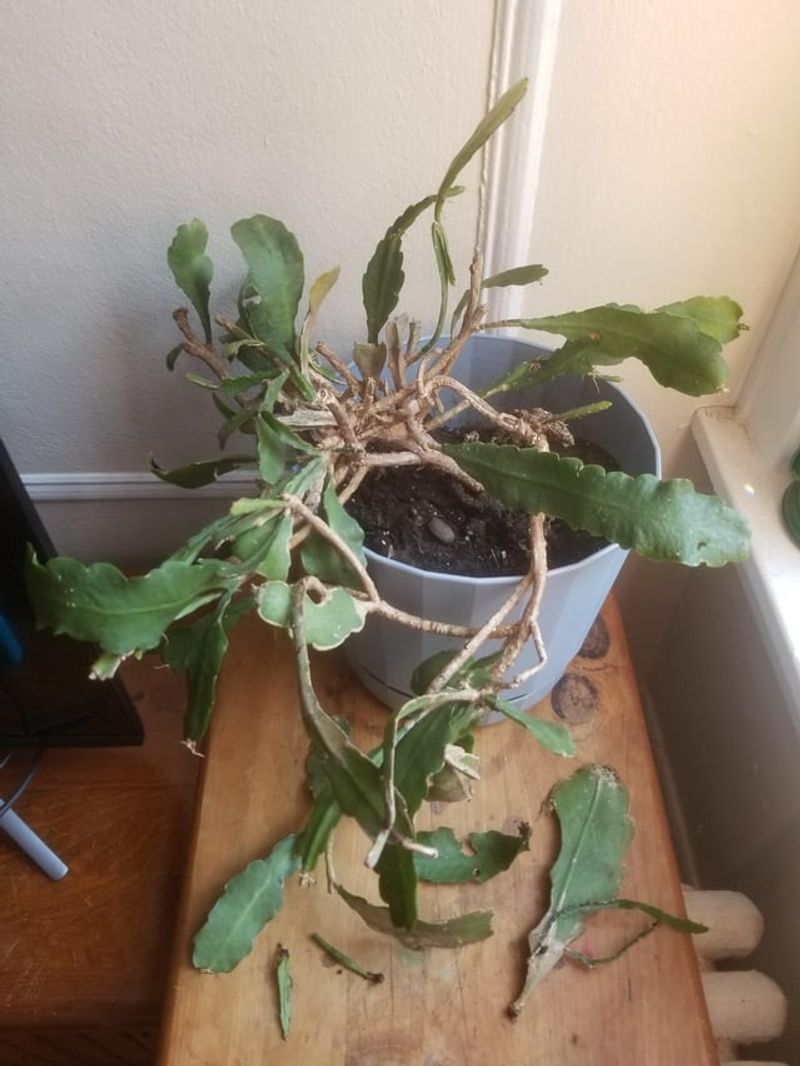
Root rot is one of the most common reasons Easter cactus plants decline in Florida homes, and poor drainage is almost always part of the story.
When excess water has nowhere to go, it pools at the bottom of the pot and creates an anaerobic environment where harmful bacteria and fungi thrive.
The roots begin to break down, and the plant loses its ability to absorb nutrients or water effectively.
Many Florida plant owners use standard potting mixes that work fine for tropical houseplants but hold too much moisture for Easter cactus.
A mix designed for cacti and succulents – or a blend of regular potting soil cut with perlite or coarse sand – allows water to move through more freely.
This small change can significantly reduce the risk of root rot.
Drainage holes in the pot are non-negotiable. Even the best potting mix won’t save a plant sitting in a sealed container.
After watering, make sure water flows freely out the bottom and that the pot isn’t sitting in a saucer full of standing water.
Emptying saucers after each watering session is a quick habit that protects roots in Florida’s already moisture-heavy indoor environments.
3. Low Airflow Makes Fungal Problems More Likely
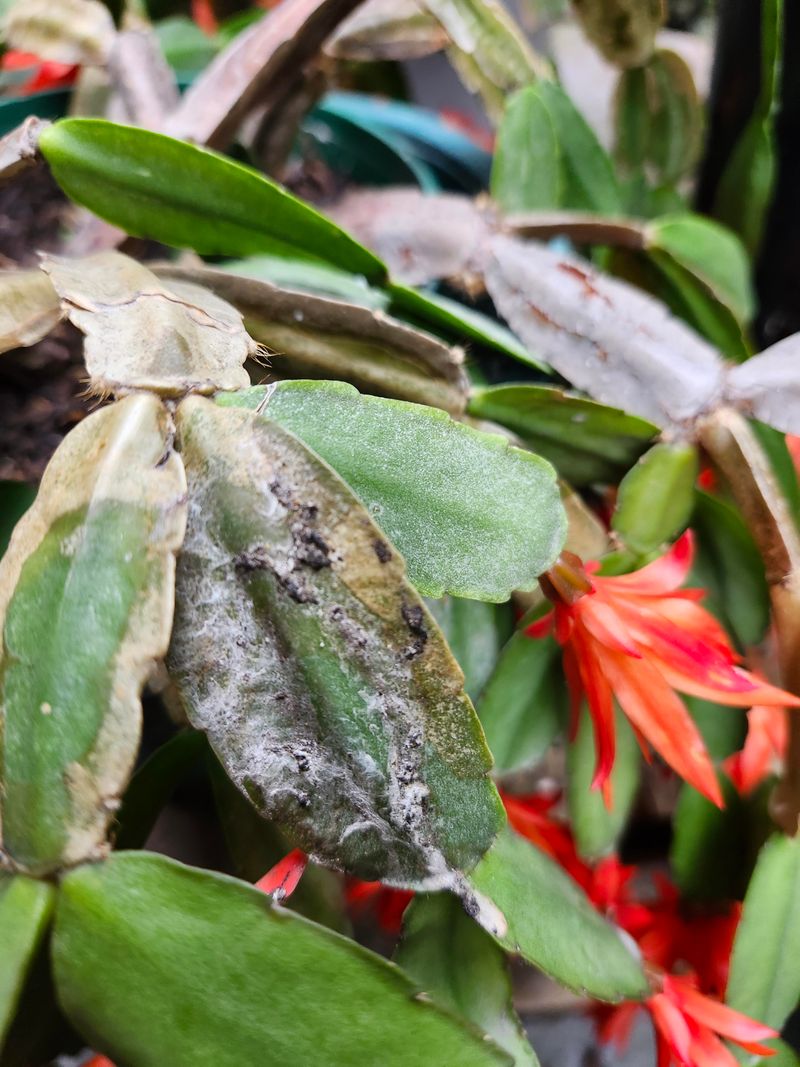
Walk into a Florida home during summer and you’ll often notice that certain rooms feel still and heavy – the kind of air that just sits there. That stagnant air is a breeding ground for fungal issues, and Easter cactus is particularly vulnerable.
Fungi love warm, moist, low-airflow environments, which describes a lot of Florida interiors during the warmer months.
Botrytis blight and other mold-related problems can appear as grayish fuzz, soft spots, or discolored patches on the stem segments. Once established, fungal infections spread quickly and can be difficult to reverse.
Prevention is far easier than treatment, and improving airflow around your plant is one of the most effective preventive steps you can take.
Placing a small fan nearby on a low setting, moving the plant closer to a window that gets occasional breeze, or simply rearranging the space so air can circulate more freely all make a measurable difference.
Avoid clustering your Easter cactus tightly with other plants, as grouping can reduce airflow and raise local humidity even further.
A little breathing room goes a long way toward keeping fungal problems at bay in Florida’s warm, sticky indoor climate.
4. Overwatering Becomes A Bigger Risk In Florida Homes
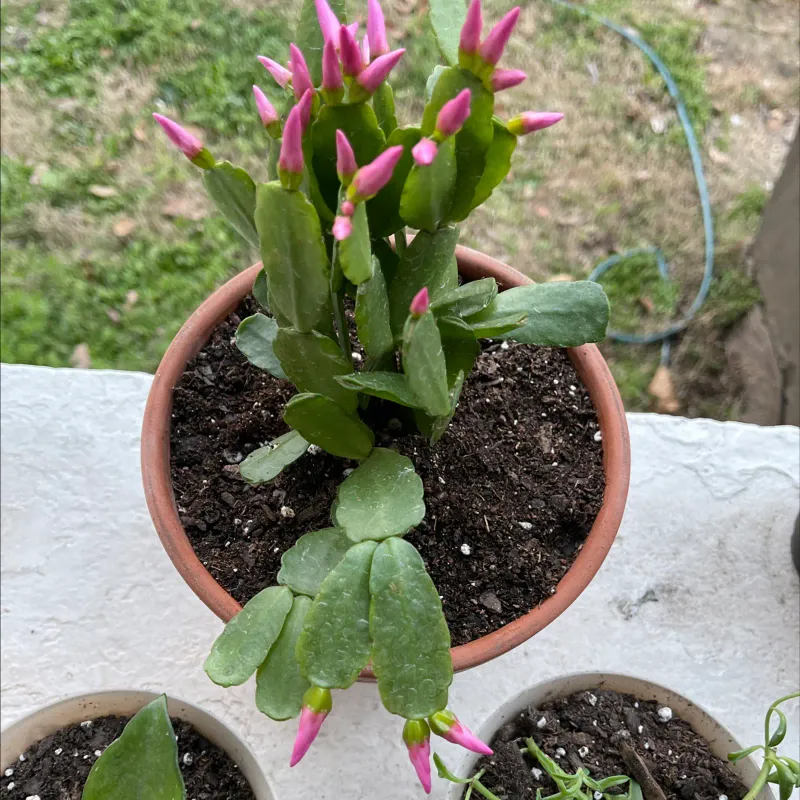
Overwatering is the most common cause of problems for Easter cactus, and Florida’s climate makes it even easier to fall into that trap without realizing it.
Most plant care guides suggest watering on a regular schedule, but those schedules were often developed for homes in drier regions where soil dries out at a predictable rate.
In Florida, that rate slows down considerably.
Air conditioning helps, but it doesn’t eliminate the problem entirely.
Even in a cooled Florida home, ambient humidity tends to be higher than in northern or western states, which means potting soil stays damp longer after each watering.
Following a fixed weekly watering schedule in this environment almost guarantees the soil never fully dries between sessions.
The fix is straightforward – water based on what the soil is telling you, not what the calendar says. Stick your finger about an inch into the soil.
If it feels moist or cool, wait another day or two and check again. A moisture meter is an inexpensive tool that takes the guesswork out of the process entirely.
Easter cactus actually tolerates slight underwatering better than overwatering, so when in doubt, waiting an extra day is usually the safer choice for Florida growers.
5. Heavy Potting Mixes Hold Too Much Moisture
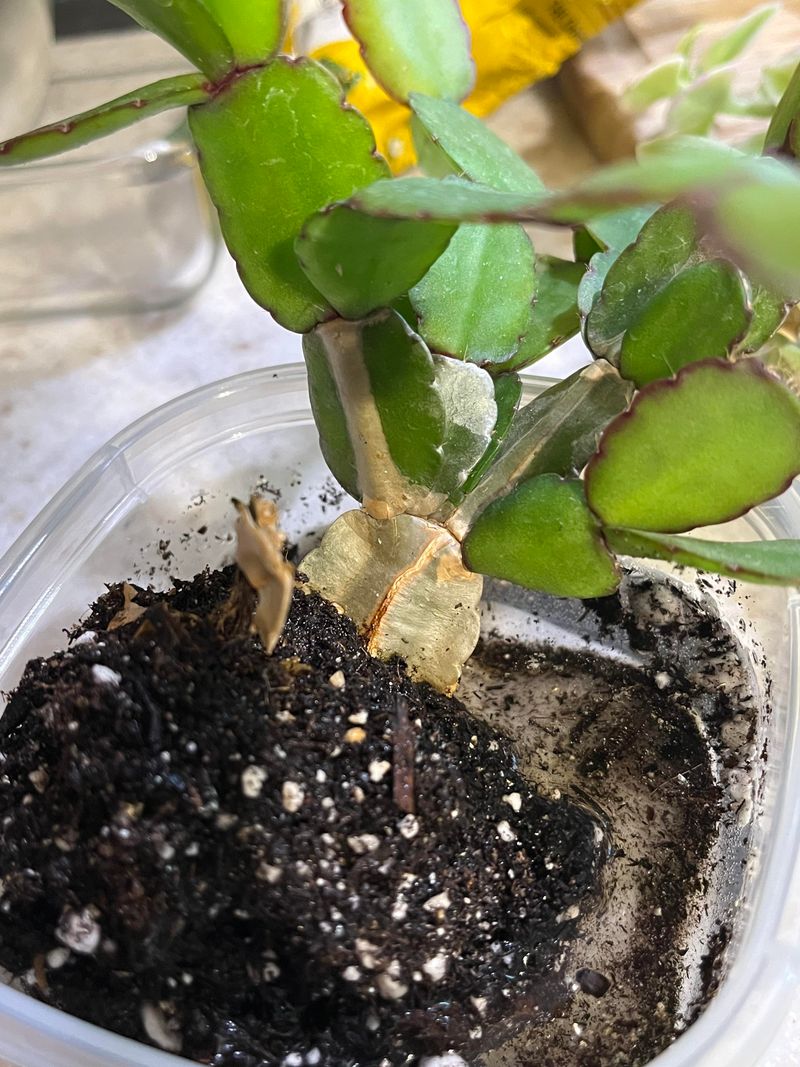
Grabbing whatever potting mix is on sale at a Florida garden center might seem convenient, but the wrong soil can quietly undermine your Easter cactus for months.
Standard potting mixes are formulated to retain moisture, which is helpful for many tropical houseplants but counterproductive for a plant that needs its roots to experience drying cycles between waterings.
Heavy mixes compact over time, reducing the air pockets that roots depend on for oxygen. In Florida’s humid conditions, a dense potting mix stays wet so long that roots begin to suffocate even in a well-draining pot.
The plant may look fine on the surface for weeks before the damage becomes visible.
A better option is a mix specifically labeled for cacti and succulents, or a DIY blend using about 50% regular potting soil and 50% perlite. Orchid bark can also be added to improve drainage and aeration further.
When repotting – which Easter cactus generally needs every two to three years – take the opportunity to refresh the soil entirely with a lighter, faster-draining blend.
This single adjustment often produces noticeable improvements in plant health within just a few weeks, especially in Florida’s persistently humid indoor spaces.
6. Bright Indirect Light Is Often Reduced Indoors
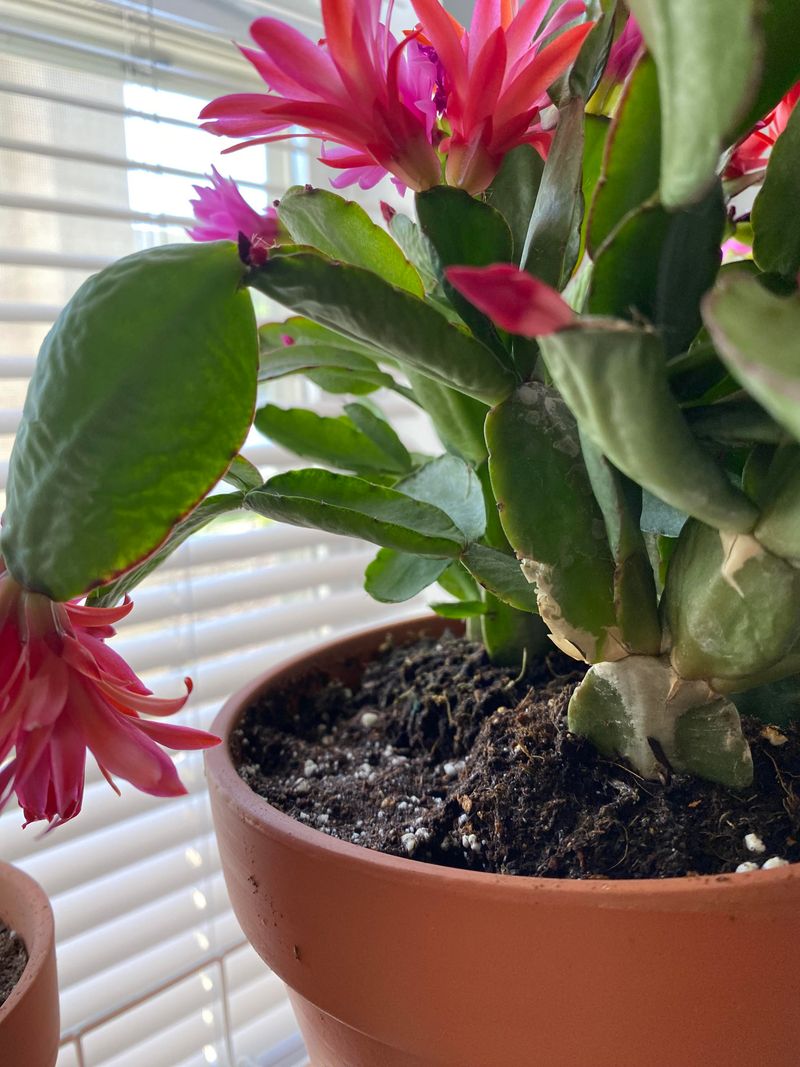
Florida gets an enormous amount of sunshine, which makes it easy to assume that light isn’t a concern for indoor plants. The reality is more complicated.
Most Florida homes are designed to block heat, which means windows often have UV-filtering glass, tinted coatings, or heavy curtains that significantly reduce the amount of usable light reaching your plants.
Easter cactus needs bright, indirect light to grow well and produce its signature spring blooms. Without enough light, the plant becomes leggy, the stem segments thin out, and bud formation slows or stops entirely.
Direct sun through an unfiltered window can scorch the segments, but too little light causes its own set of problems that are just as discouraging.
East-facing windows tend to work well in Florida because they offer gentle morning light without the intense afternoon heat exposure that south or west-facing windows can bring.
If your space doesn’t have a good natural light source, a full-spectrum grow light placed a foot or two above the plant for 12 to 14 hours a day can supplement effectively.
Rotating the pot every couple of weeks ensures all sides of the plant receive relatively even light exposure, encouraging more balanced and consistent growth.
7. Temperature Swings Can Disrupt Bud Formation
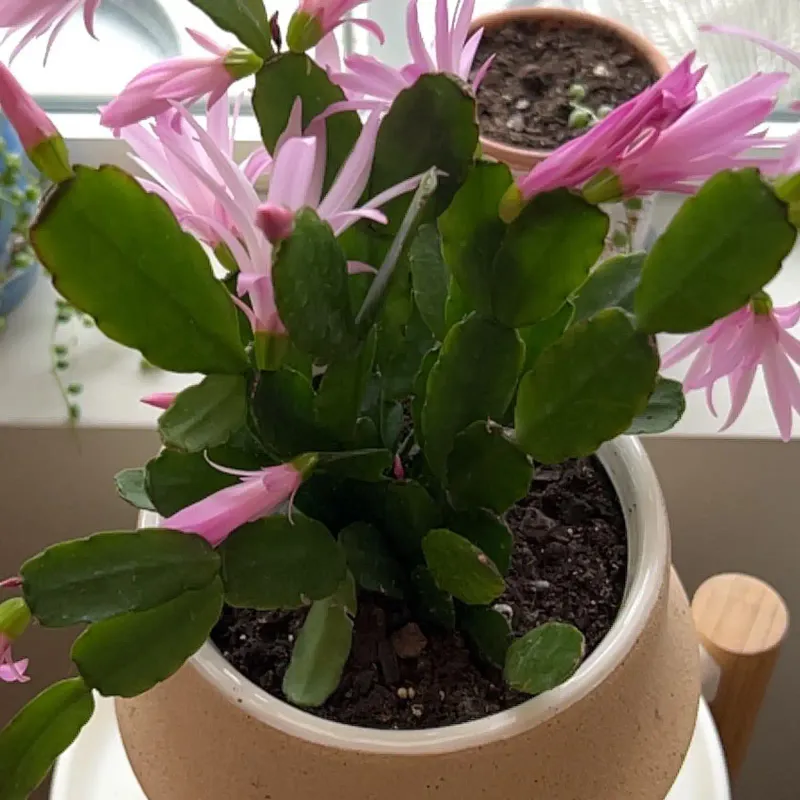
Bud drop is one of the most frustrating things Easter cactus owners experience, and Florida’s indoor climate is a surprisingly common cause.
Air conditioning is essential in Florida, but the cold air blowing directly from vents creates sudden temperature shifts that stress the plant at exactly the wrong time.
Easter cactus needs a period of cooler nights – around 50 to 55 degrees Fahrenheit – to initiate bud formation, but abrupt swings are a different problem entirely.
The challenge in Florida is that temperatures indoors can vary dramatically depending on where the plant sits. A spot near an AC vent might drop sharply when the system kicks on, then warm up quickly when it cycles off.
That unpredictability confuses the plant’s internal signals and can cause buds to form incompletely or drop before they open.
Moving your Easter cactus away from vents and exterior doors helps stabilize its environment. Interior rooms with consistent temperatures tend to work better than rooms that experience frequent opening and closing of windows or doors.
During the late fall and winter, when bud initiation should be happening, aim for a spot that naturally stays a bit cooler at night without dramatic swings throughout the day.
Consistency matters far more than hitting a specific temperature number.
8. Salt Buildup From Water And Fertilizer Can Affect Growth
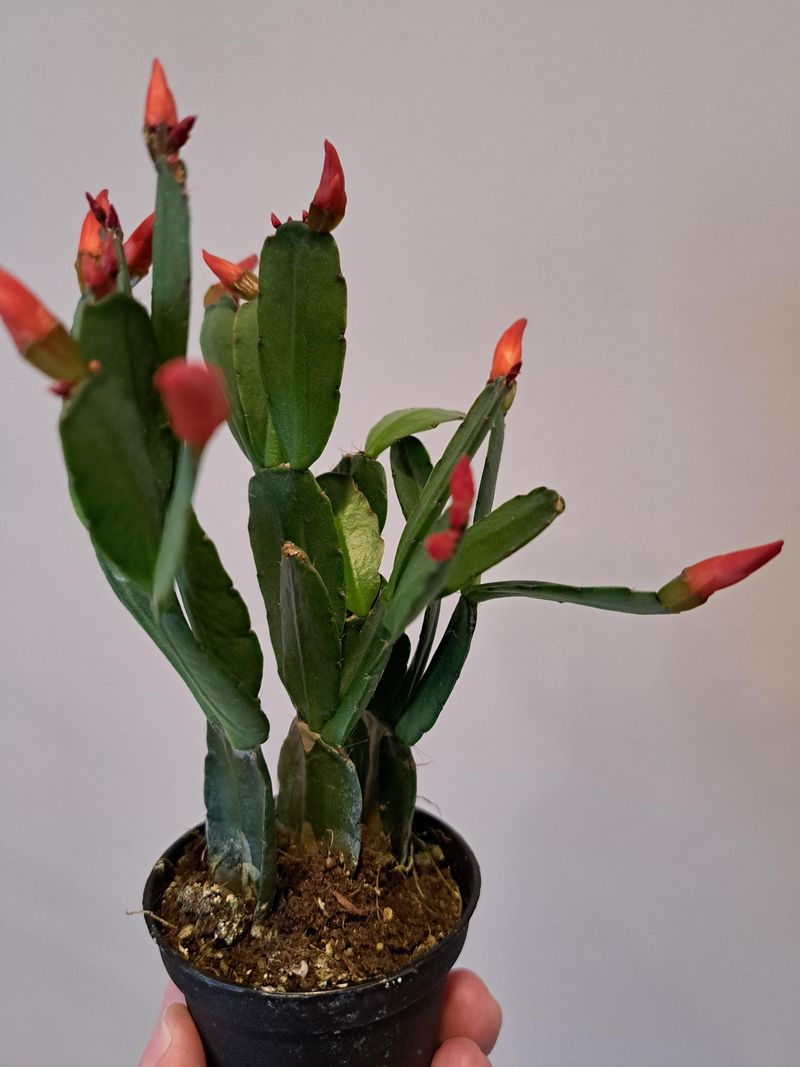
Florida tap water is often high in minerals, and over time those minerals accumulate in the potting mix as a white crusty residue visible on the soil surface or along the pot rim.
This salt buildup is more than just cosmetic – it changes the soil chemistry in ways that make it harder for Easter cactus roots to absorb water and nutrients properly.
Fertilizer contributes to the problem as well. Even a balanced, diluted fertilizer applied regularly can leave behind mineral salts that concentrate in the root zone.
When salt levels get high enough, the roots experience what’s sometimes called fertilizer burn, where the soil pulls moisture away from the roots instead of delivering it.
The plant may show brown or dried-looking stem tips, slowed growth, or reduced blooming as a result.
Flushing the soil every few months is an effective way to manage buildup. Run water slowly through the pot for several minutes, allowing it to flow freely out the drainage holes and carry excess salts with it.
Using filtered or distilled water for your Easter cactus reduces mineral accumulation significantly.
During the active growing season – spring through early summer – a diluted, balanced fertilizer applied once a month is usually enough without pushing salt levels too high.
9. Using The Wrong Pot Can Trap Excess Moisture
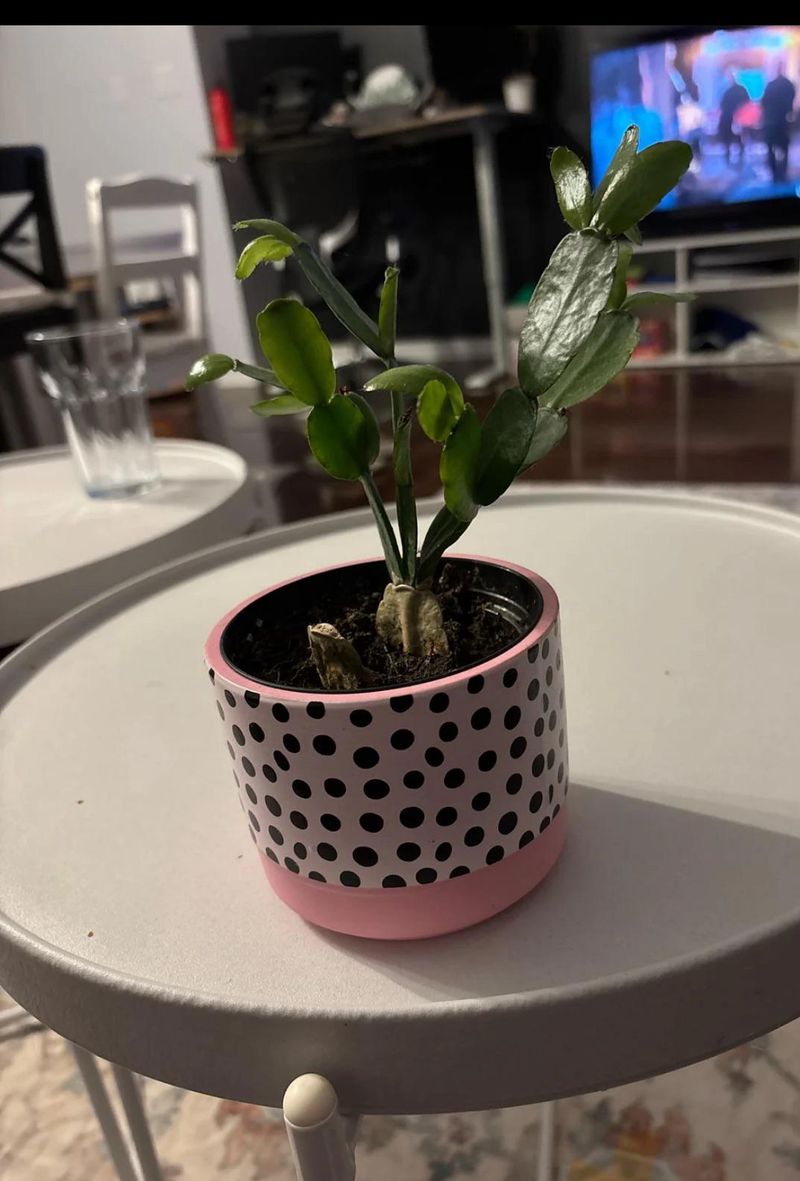
Pot choice is something many plant owners don’t think about much, but it genuinely affects how your Easter cactus handles moisture in Florida’s humid conditions.
Plastic and glazed ceramic pots don’t breathe – moisture that enters the soil has only one exit point, which is through the drainage holes at the bottom.
In a humid Florida home, that can mean the soil stays wet for a very long time after watering.
Unglazed terracotta pots are a worthwhile upgrade for Easter cactus because the porous clay walls allow some moisture to evaporate from the sides of the pot.
This passive evaporation speeds up the drying cycle and keeps roots in a healthier moisture range without requiring any extra effort on your part.
The tradeoff is that terracotta pots are heavier and can dry out faster in truly arid conditions, but in Florida that’s rarely a concern.
Pot size also matters. A pot that’s too large holds far more soil than the roots can use, and that excess soil stays wet long after the roots have absorbed what they need.
Choosing a pot that’s just slightly larger than the root ball – typically one to two inches wider in diameter – gives the roots enough space without creating a reservoir of moisture that lingers for days on end.
10. Simple Adjustments Can Help Easter Cactus Recover
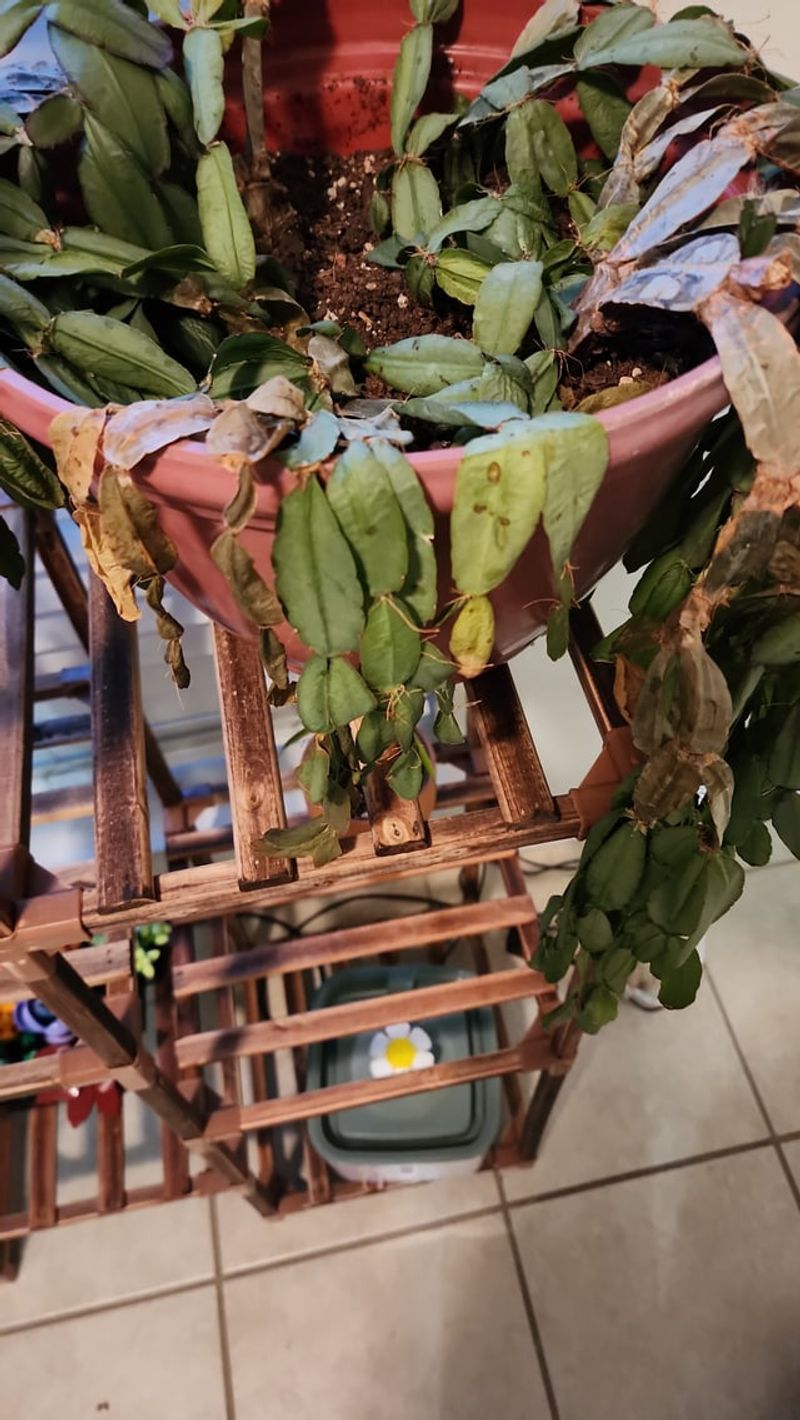
Seeing your Easter cactus bounce back after a rough stretch is genuinely rewarding, and the good news is that recovery doesn’t require a complete overhaul of your plant care routine.
Most of the changes that make the biggest difference are small, practical, and easy to implement without any special equipment or expertise.
Start by evaluating the basics – drainage, soil type, watering frequency, and pot placement. If the soil has been staying wet for more than a week after watering, switching to a faster-draining mix and a terracotta pot can resolve that issue quickly.
Moving the plant away from AC vents and closer to a bright east-facing window addresses both the light and temperature concerns at the same time.
Improving airflow with a small fan, adjusting your watering schedule to match actual soil conditions, and flushing the soil periodically to clear mineral buildup are all habits that compound over time.
Easter cactus is a resilient plant when its basic needs are met, and Florida growers who make these targeted adjustments often notice healthier stem segments, stronger growth, and more reliable blooming within a single growing season.
Small changes, applied consistently, are what turn a struggling plant into a thriving one.