Why Your Fig Leaves Are Turning Yellow (And How To Spot The Common Causes)
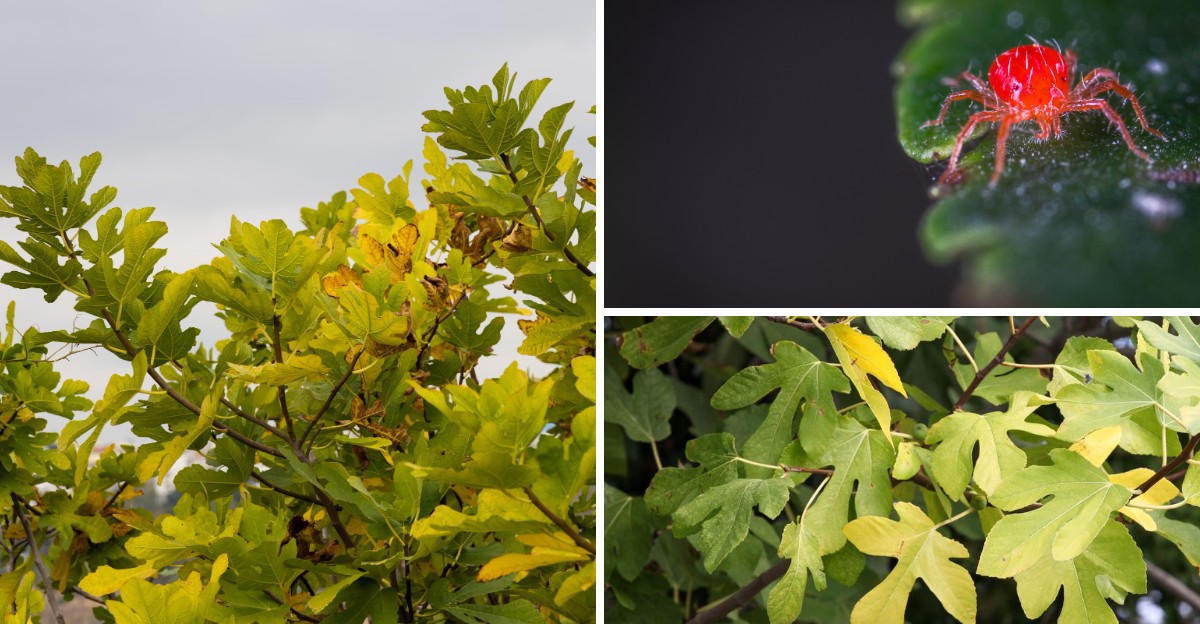
Your plant is sending a coded message, and you can decode it. Notice where the yellow starts, because location tells you the cause.
Yellowing on older, lower leaves hints that you may be short on nitrogen. Fresh growth with green veins and pale tissue signals that you face iron shortage.
Soggy soil that smells sour suggests you have soaked the roots. Roots need oxygen, so push your finger deep into the soil.
Flip a leaf and you might spot spider mites, tiny dots that weave silk. Tiny speckles on the upper surface give you proof.
Patches on one side show you where heat stress hit the tree. Pale, papery patches reveal that you parked the pot behind hot glass.
Compare the clues before you reach for fertilizer or pruners. Sharper diagnosis follows once you match pattern, placement, and insects together.
Waterlogged Roots Struggle To Breathe
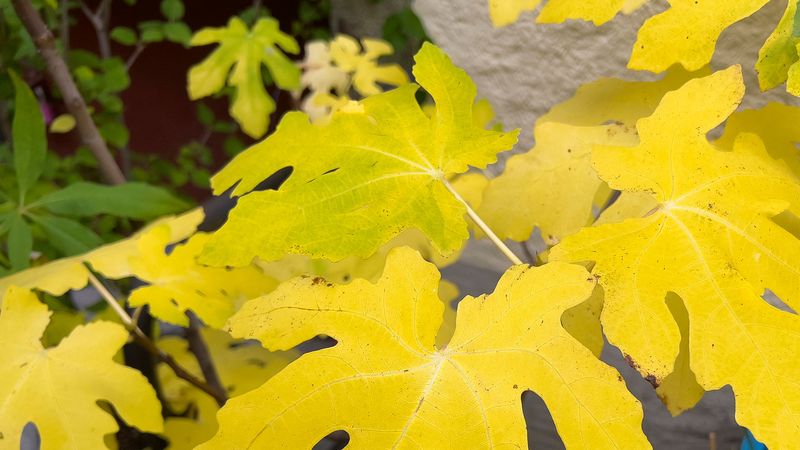
Picture a fig tree forced to wear soggy socks all day with no break. Roots sitting in wet soil cannot breathe, and the leaves show that stress fast.
Fig roots need air pockets in the soil just as much as they need water. When those pockets fill with water, the roots run short of oxygen and begin to break down.
Overwatered leaves usually turn a dull, pale yellow and feel soft or limp. They often drop off, even while they still look mostly green.
Lower leaves tend to go first, but the whole tree can look tired and droopy. Droopy leaves can look like thirst, so some gardeners water again and make things worse.
Potted figs are especially at risk because water has nowhere to go without good drainage holes. A pot sitting in a saucer full of water is a common culprit.
To fix the problem, let the top two inches of soil dry out before watering. Empty saucers after rain, and make sure every pot has open drainage holes.
In the ground, figs dislike heavy clay that holds water for days after a storm. Mixing in compost or planting on a mound helps extra water drain away.
If roots smell sour or look brown and mushy, trim the bad parts with clean scissors. Repot the tree in fresh, fast-draining soil and water lightly while it recovers.
Many figs show new growth within a few weeks once their roots can breathe again, though badly rotted roots may need a full season to recover. Patience matters here, since new healthy leaves take time to replace the yellow ones.
A Nitrogen Shortage Fades The Lower Canopy
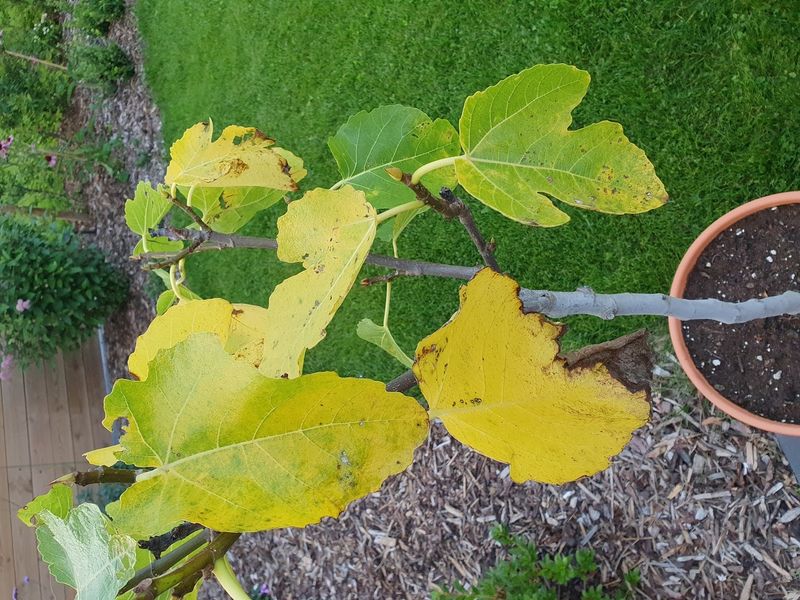
Think of nitrogen as the breakfast cereal that keeps fig leaves green and full of energy. Skip that meal for too long, and the tree starts running on empty.
A nitrogen shortage shows up as even, light yellow color across older, lower leaves first. The veins and the leaf tissue fade together, so nothing looks spotted or patchy.
Figs recycle nitrogen. When food runs low, the tree pulls nitrogen from old leaves and sends it to fresh growth.
That is why the top of the tree may look fine while the bottom looks washed out. Growth also slows down, and new leaves may come in smaller than usual.
Container figs run into this problem often because every watering rinses some nutrients out of the pot. Sandy garden soil can also lose nitrogen quickly after heavy rain.
A balanced fertilizer labeled 10-10-10 gives the tree a steady snack in spring and early summer. Follow the package directions, because more food is not better here.
Too much fertilizer can damage roots and cause brown, crispy leaf edges instead of a green recovery. It can also push lots of leafy growth and very few figs.
Compost and well-rotted manure are gentle options that feed the soil slowly over time. Spread a thin layer around the base, keeping it a few inches from the trunk.
Expect new leaves to look greener within a few weeks after feeding, depending on season and severity. Old yellow leaves may not turn green again, and that is perfectly normal.
Spider Mites Feed On The Sap
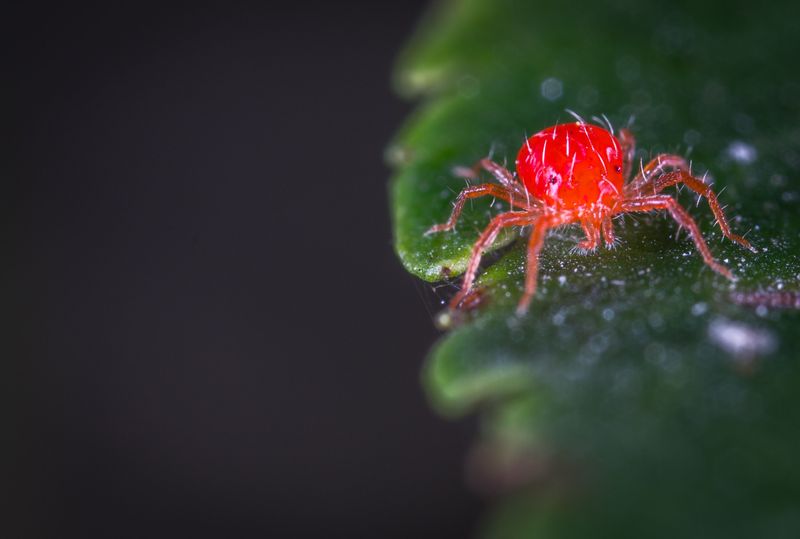
Spider mites may be feeding on your fig without much notice. They are smaller than a pepper flake, yet they cause big trouble.
These pests pierce leaf cells and suck out the juice inside, one tiny bite at a time. Each bite leaves a pale dot behind, and thousands of dots add up fast.
Early damage looks like fine yellow or white speckles sprinkled across the leaf surface. Over time, the speckles blend together until the whole leaf looks faded and dusty.
Hot, dry weather is their favorite season, so trouble often peaks in mid to late summer. Indoor figs near heaters or sunny windows can get hit during winter too.
Fine, silky webbing between leaves and stems is a major warning sign that mites have moved in. Heavy infestations can make leaves curl, turn crispy yellow, and drop weeks early.
A strong spray of water from a garden hose knocks many mites off the leaves. Aim at the undersides, since that is where most of them hang out.
Repeat the spray every few days for two weeks to catch new babies as they hatch. Insecticidal soap or neem oil works well for stubborn groups.
Spray those products in the early morning or cool evening, because hot sun can injure freshly treated leaves. Lacewings, predatory mites, and some small lady beetles also eat spider mites, so avoid strong chemicals that harm helpful insects.
Keeping the tree well watered helps, since mites thrive in dry conditions. In humid regions, skip misting, because wet leaves favor fungal disease. A well-watered fig tolerates mite pressure better than a drought-stressed one.
Fig Rust Spreads Orange Spores
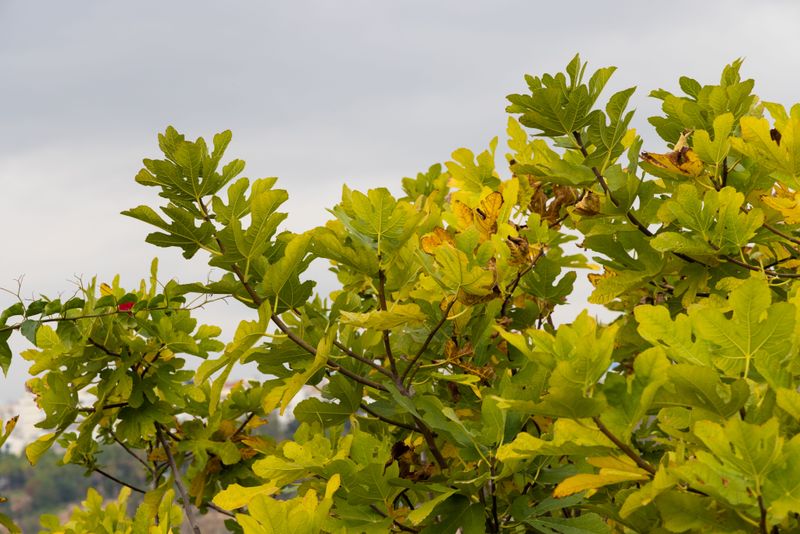
Fig rust shows up wherever warm, damp weather lingers, including Florida and the Gulf Coast. The name comes from the orange-brown, rusty-looking spots it leaves behind.
It is a fungus, and it loves wet leaves, warm nights, and crowded branches. Spores travel on wind and splashing water, landing on leaves and settling in.
Damage begins as small yellow spots on the top side of the leaf. Flip that leaf over, and you may find raised, powdery orange bumps underneath.
Rub one bump gently with a tissue, and a rusty dust may come off. That powder is made of spores, ready to spread to the next leaf.
As the disease grows, spots merge, and whole leaves turn yellow, then brown. Badly infected trees can drop most of their leaves by late summer or early fall.
Leaf loss weakens the tree and can leave young figs exposed to sunburn. The fruit may also ripen poorly, which can disappoint after a long wait.
Water at the base of the tree instead of spraying the leaves from above. Morning watering is best, because leaves get time to dry before evening.
Prune crowded branches so fresh air can flow freely through the canopy. Rake up and throw away fallen leaves, since spores can survive on them over winter.
Fungicides play a small role here. Many extension services report that no products are labeled for home garden figs, and sprays rarely help once spots appear.
Some growers use a copper-based preventative early in the season, but copper can build up in soil, so check the label and your local extension office before spraying. Sanitation and airflow do most of the work.
Where The Yellow Begins Points To The Cause
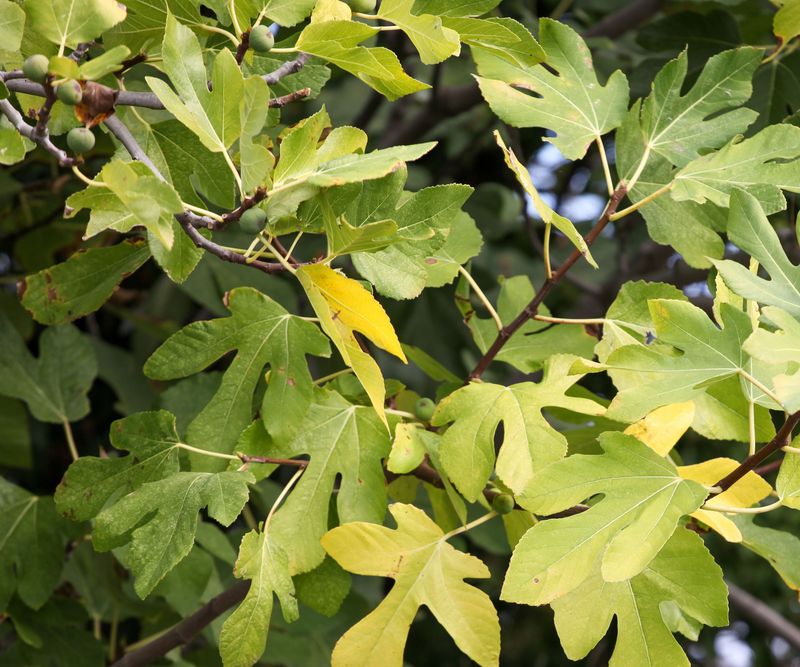
Where the yellow shows up first is like a treasure map pointing to the real problem. Start by stepping back and looking at the whole tree, top to bottom.
Yellow on the oldest, lowest leaves often points to low nitrogen, though soggy roots can cause it too. In both cases, the tree is moving food from old leaves to new ones to survive.
Yellow on the newest leaves at the tips tells a different story. That pattern often means iron or another nutrient is locked up by alkaline soil.
With iron trouble, the veins stay green while the space between them turns yellow. It almost looks like a network of green lines printed on a pale leaf.
Yellowing all over the tree at once, with droopy leaves, often hints at a root problem. Overwatering, poor drainage, or a recent move to a new spot are common causes.
Speckled yellow that looks like sand was sprinkled on the leaf points toward pests. Spots with brown or orange centers lean more toward a fungal disease like rust.
Pay attention to which side of the tree looks worst too. Damage only on the sunny side may mean sunburn or heat stress instead of disease.
Snap a few clear photos of the problem leaves every couple of days. Comparing pictures helps you see whether yellow is spreading up, down, or staying put.
A small notebook with dates and weather notes makes patterns much easier to spot. That record makes the next yellow leaf much easier to diagnose.
The Underside Holds The Evidence
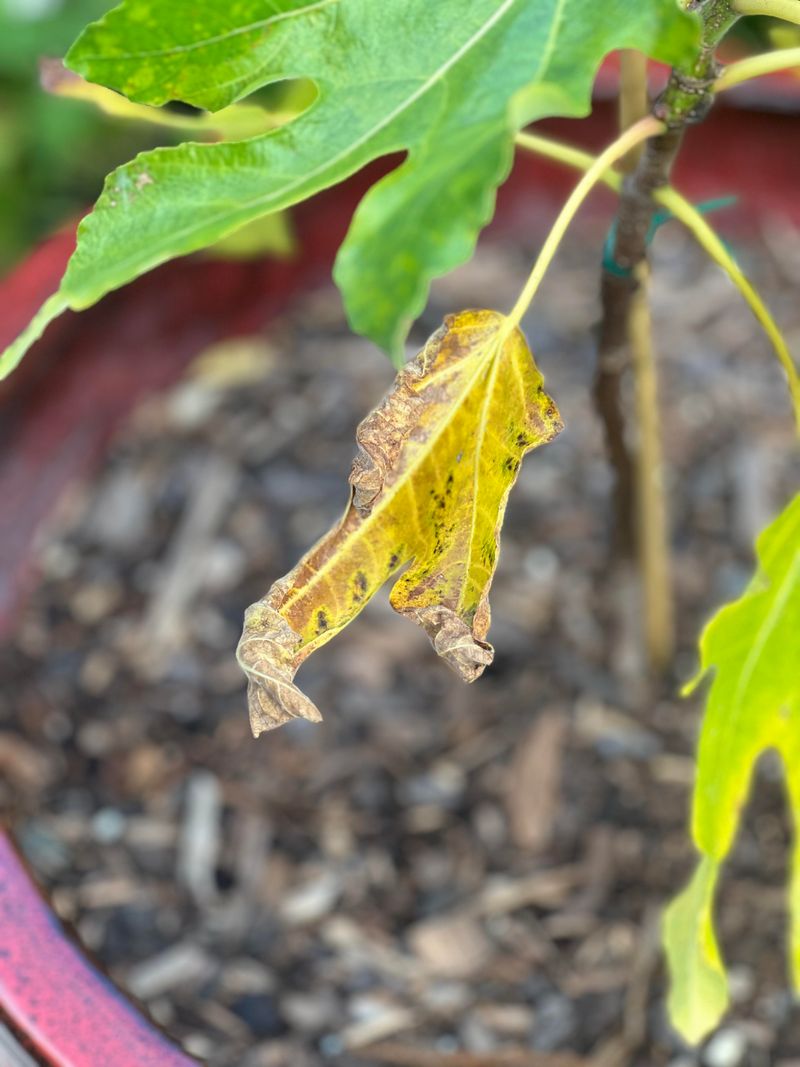
Leaves have a hidden side, and many people only look at the shiny top. The underside is where pests hide, eggs get laid, and fungus spores gather.
Grab a yellowing leaf gently and turn it over in bright daylight near a window or outside. A cheap magnifying glass or your phone camera zoom makes tiny details pop.
Little moving dots and thin webs point straight to spider mites. Tap the leaf over a white sheet of paper, and watch for specks that crawl.
Raised orange or rusty bumps that leave powder on your finger signal fig rust. Those bumps usually line up with yellow spots you saw on the top side.
White, cottony clumps near the veins could mean mealybugs, which also drain sap. Small, shell-like bumps stuck on stems often turn out to be scale insects.
Sticky, shiny residue on leaves or the ground below is another clue worth noticing. Aphids, mealybugs, and scale leave behind a sugary goo called honeydew, which can grow black mold.
If the underside looks clean and smooth, pests and fungus are less likely to blame. That shifts suspicion toward water, soil, or nutrient problems instead.
Check at least five or six leaves from different parts of the tree. One clean leaf does not clear the whole plant, since pests often cluster in groups.
Make this quick flip part of your weekly garden walk during warm months. Catching trouble early means simple fixes like a hose spray instead of a long treatment effort.
A Fingertip Test Reveals Moisture Levels
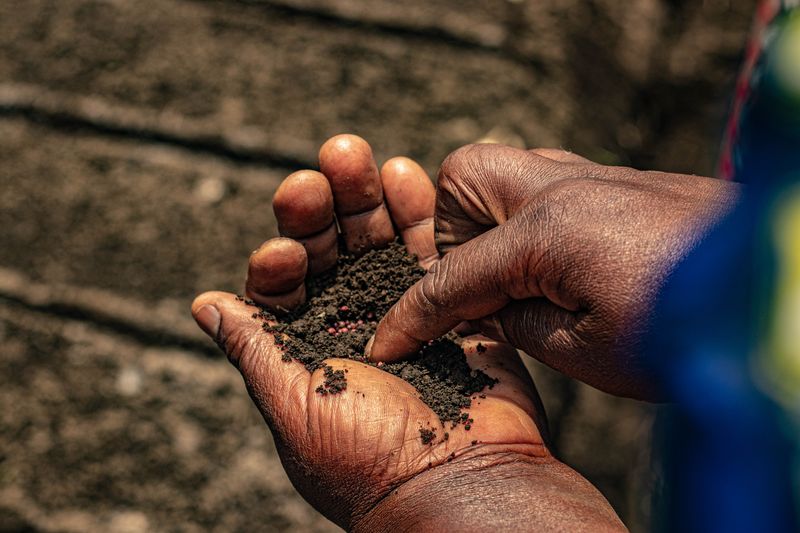
An old gardener’s rule says to ask the soil before you water. The tool is a single finger, and it works just as well today.
Push your finger about two inches into the soil near the base of the fig. That simple test is often more reliable than a fixed schedule.
Soil that feels soggy, cold, or muddy points toward overwatering or poor drainage. A sour or swampy smell is an even stronger sign that roots are struggling.
Bone-dry, dusty soil that pulls away from the pot edges means the tree is thirsty. Drought-stressed figs often yellow and drop leaves to save water.
Slightly damp soil that feels like a wrung-out sponge is just right. If the soil feels perfect but leaves still yellow, look harder at nutrients or pests.
Potted figs deserve one more check, since roots can quietly outgrow their homes. Tip the pot on its side and peek at the drainage holes.
Roots poking out of the bottom or circling the inside wall mean the tree is root-bound. A little crowding is fine, and some growers use it to encourage fruit, but heavy crowding limits water and food uptake, so leaves start fading.
Moving the fig to a pot one size larger usually solves the squeeze, since a much bigger pot holds extra wet soil. Spring is the best time for repotting, right before new growth begins.
A moisture meter can help if getting your hands dirty is not your style, though budget models can be inaccurate. The finger test is hard to beat for speed and price.
Calendar And Weather Can Explain It Too
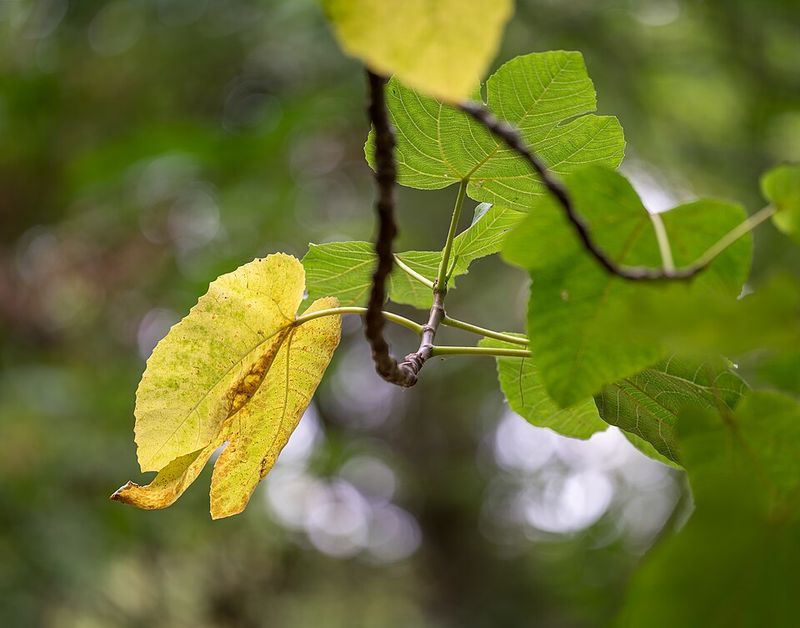
Autumn arrives, the air turns crisp, and suddenly your fig looks like a bowl of lemons. Before you worry, check the calendar, because the tree may be entering dormancy.
Figs drop their leaves each fall and rest through winter in most climates. In the Northern Hemisphere, yellowing in October or November is often just a normal part of that cycle.
Seasonal yellowing tends to spread evenly across the whole tree over a few weeks. The leaves stay clean, with no speckles, webs, bumps, or strange spots.
Weather swings can also trigger yellow leaves during other times of the year. A sudden heat wave, a cold snap, or a week of heavy rain all stress figs.
Indoor figs often yellow after being moved to a new spot with different light. Even a shift from a sunny patio to a dim living room can cause leaf drop.
Give a recently moved tree two to three weeks to adjust before making big changes. Keep watering steady and skip fertilizer until it settles in.
Spring can bring its own surprises when late frost nips tender new leaves. Frosted leaves may turn dark or water-soaked, then brown, but the tree often pushes out fresh ones if the buds and wood survived.
Write down recent weather events next to any yellowing you notice. Matching the timing often reveals a simple explanation that no spray or fertilizer can fix.
When the season and weather both look normal, return to the other clues. Soil, leaf undersides, and yellow patterns will usually point you to the true cause.