Green Tomatoes Left On Missouri Vines Still Have A Second Chance Before The First Frost
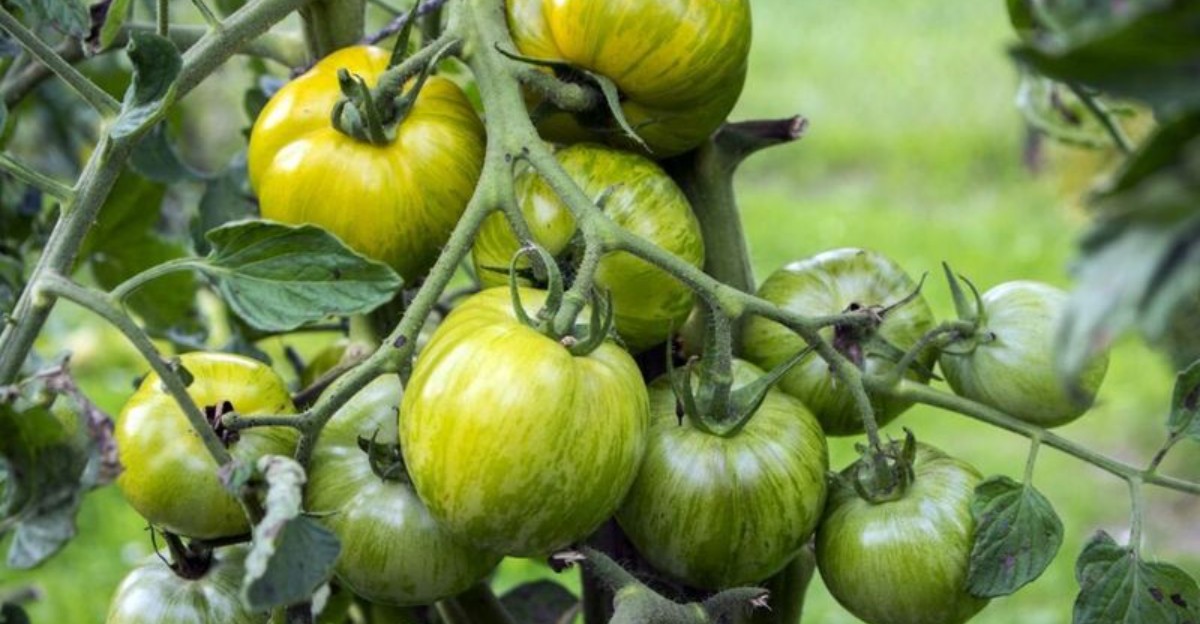
Early October in Missouri smells like fallen leaves and that faint chill sneaking under the door. Out back, a few stubborn green globes still cling to their vines like kids refusing to leave.
You checked them yesterday, and they looked exactly the same as they did two weeks ago. Meanwhile, the forecast keeps hinting at a cold night, and your patience grows thinner by the hour.
Plenty of Missouri gardeners face this dilemma each fall, staring at hard fruit and chilly weather maps. Leaving them outside feels risky, but yanking them early feels like giving up on the season.
Luckily, those hard little holdouts have more potential than their pale, sour-looking skins might suggest today. With a little know-how, your kitchen can pick up right where the garden sunshine left off.
Indoor Ripening Works For Mature Green Fruit
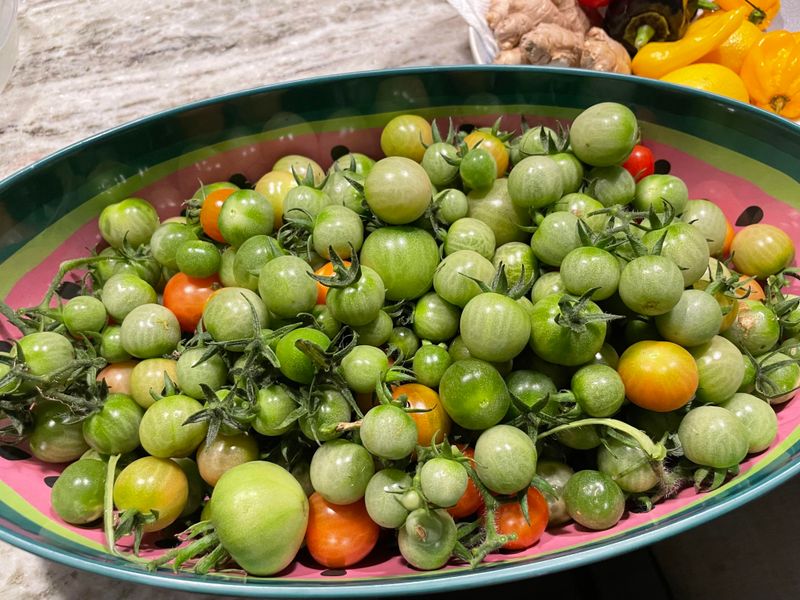
Picture a hard green tomato sitting on your counter, then turning red and juicy within a few weeks. That small kitchen miracle happens because the fruit keeps ripening after it leaves the vine, much like bananas.
Tomatoes produce a natural gas called ethylene, which tells the fruit to soften, sweeten, and change color. Once a tomato reaches a certain stage of growth, it can make that gas without any help from sunlight.
Gardeners call that stage mature green, and spotting it is the key to indoor success in Missouri. A mature green tomato has reached nearly full size and shows a glossy, slightly pale shine on its skin.
Look closely at the blossom end, which is the bottom, for a faint hint of yellow or pink. Even a tiny blush there means the ripening process has started, and the fruit will likely finish indoors.
Another quick test involves slicing one sample tomato in half to peek at the seeds and inner gel. If the seeds slide away from your knife instead of getting cut, that tomato is mature, and others of similar size and color are likely ready to come inside.
Tiny, rock-hard fruits the size of marbles rarely ripen well, because they simply have not developed enough yet. Those little ones still make tasty fried green tomatoes, so you can enjoy them without any guilt at all.
Most full-sized green tomatoes in a Missouri garden this time of year are good candidates for the kitchen. With the right setup, they can taste fresher than many store-bought tomatoes.
Harvest Timing Before The First Frost
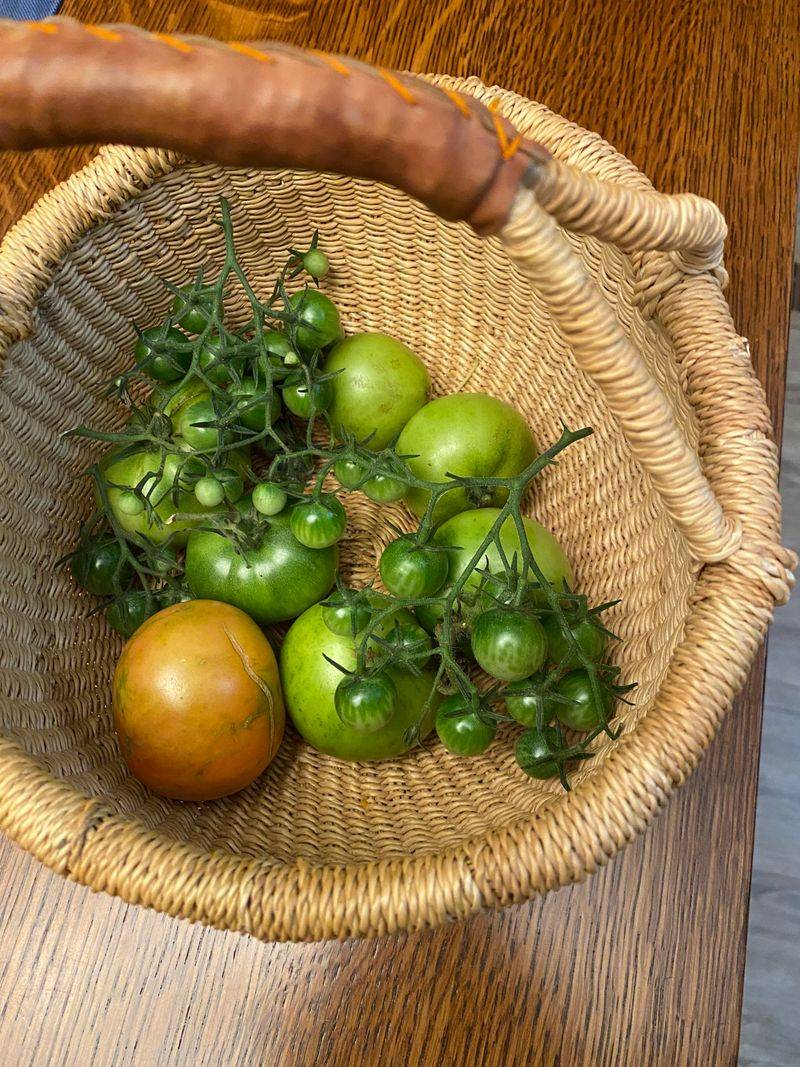
Missouri weather loves a good surprise, and the first frost often sneaks in sometime in mid to late October. Northern counties usually see it first, while the Bootheel region in the southeast tends to stay warmer longer.
Tomatoes start to struggle once nighttime temperatures drop below about 50 degrees for several nights in a row. At that point, the fruit on the vine ripens very slowly, and the flavor can turn flat and mealy.
Checking the ten-day forecast each morning in early October gives you a helpful head start on planning. Once a night near 32 degrees appears in the forecast, it is time to grab a basket and head outside.
Your Missouri Garden Changes Every Week. Your Plan Should Too.
Gardening in Missouri changes quickly throughout the season. Every Friday you’ll receive a simple weekly plan showing exactly what to plant, prune, fertilize, harvest, and protect so you never miss the right timing.
Frost damage turns tomato skins soft, watery, and darker in spots, and those fruits rarely ripen nicely afterward. Picking a day or two early is much smarter than waiting one night too long and losing the batch.
Try to harvest in the afternoon when the fruit is dry, since damp skins can invite mold indoors. Gently twist each tomato or snip the stem with clean scissors, leaving a short piece of stem attached.
Some gardeners pull up the entire plant and hang it upside down in a garage or shed. That old-fashioned method lets fruit ripen right on the stems, and it makes a pretty fun conversation piece.
Whatever approach you choose, picking before the frost arrives helps protect the fruit you have already grown. Covering plants with old bedsheets overnight can also buy a few extra days during a short cold snap.
The Sunny Windowsill Mistake
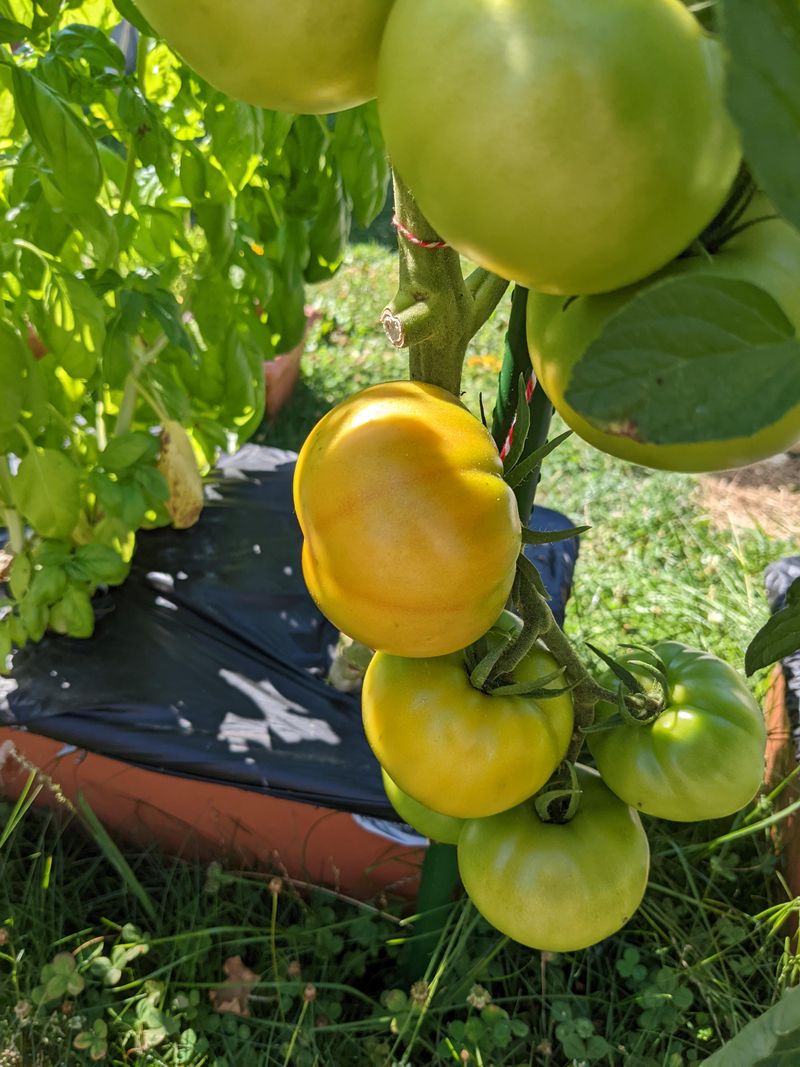
Grandma might have lined her green tomatoes along a bright kitchen windowsill, but science suggests a different approach. Direct sunlight through glass can heat the fruit unevenly, leaving one side soft while the other stays hard.
Tomatoes do not need light to ripen, which surprises many people who grew up with the windowsill habit. Warmth and ethylene gas do the real work, so a shady spot often produces more even results.
Another common slip involves tossing the tomatoes into the refrigerator, hoping to keep them fresh a bit longer. Temperatures below 50 degrees can halt the ripening process, and the fruit may turn mushy without ever reddening.
Piling tomatoes in a deep bucket causes trouble too, since the bottom ones get bruised by the weight. Bruised spots break down quickly and can spread rot to healthy neighbors before you even notice a problem.
Washing tomatoes before storing them seems tidy, yet extra moisture on the skin can invite fuzzy gray mold. Wipe off loose dirt with a dry cloth instead, then save the real rinse for right before eating.
Mixing damaged fruit with perfect fruit is a sneaky mistake that catches many gardeners off guard. Cracked, frosted, or bug-chewed tomatoes belong in a separate bowl so you can cook them up first.
Avoiding these slip-ups takes very little effort, but it can greatly boost the number of tomatoes that ripen nicely. A little patience paired with a shady shelf beats a sunny windowsill almost every single time.
The Paper Bag Banana Trick
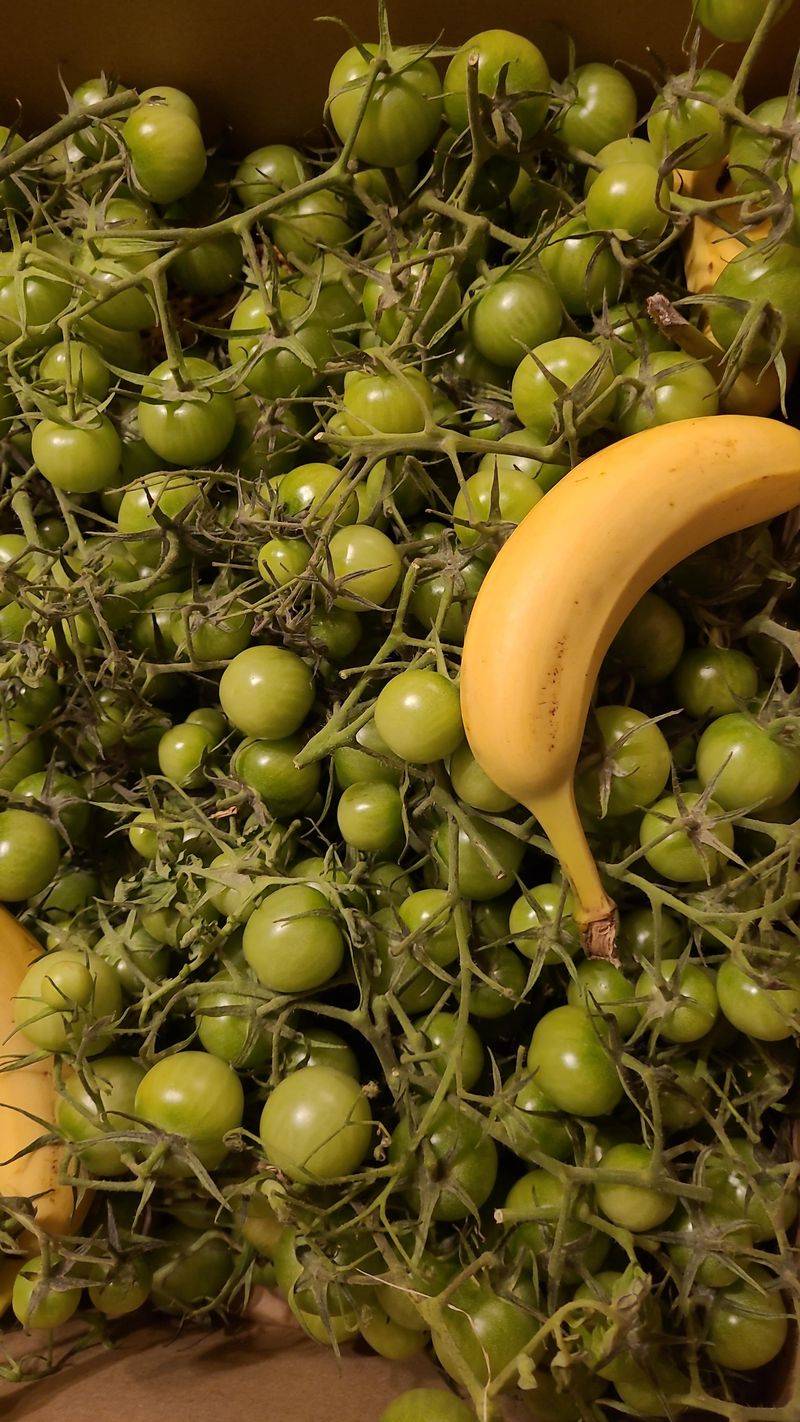
A plain brown paper bag might be the most underrated ripening tool sitting in your kitchen drawer right now. Pair it with one ripe banana or apple, and you have a simple setup that speeds things along.
Ripe bananas and apples release plenty of ethylene gas, the same natural signal tomatoes use to ripen. Trapping that gas inside a loosely folded bag gives your green tomatoes an extra nudge toward red.
Place four or five tomatoes in each bag, keeping them in a single layer so none get squished. Fold the top over loosely, since a little airflow helps prevent moisture from building up and causing mold.
Plastic bags trap too much humidity, so stick with paper or a cardboard box lined with newspaper instead. Larger harvests fit nicely in a shallow box, with sheets of newspaper separating each layer of fruit.
Store the bags somewhere between 65 and 75 degrees, like a pantry shelf or a cozy laundry room corner. Cooler spots around 55 degrees slow things down, which can help if you want ripe fruit spread out.
Peek inside every two or three days, and pull out any tomato that shows soft spots or mold. Swap in a fresh banana once the old one turns heavily brown and starts attracting tiny fruit flies.
Fun fact for curious kids: commercial growers use ethylene rooms to ripen tomatoes shipped across the country. Your humble paper bag works on the same principle, just on a much smaller scale.
Ripe Flavor From The Kitchen Counter
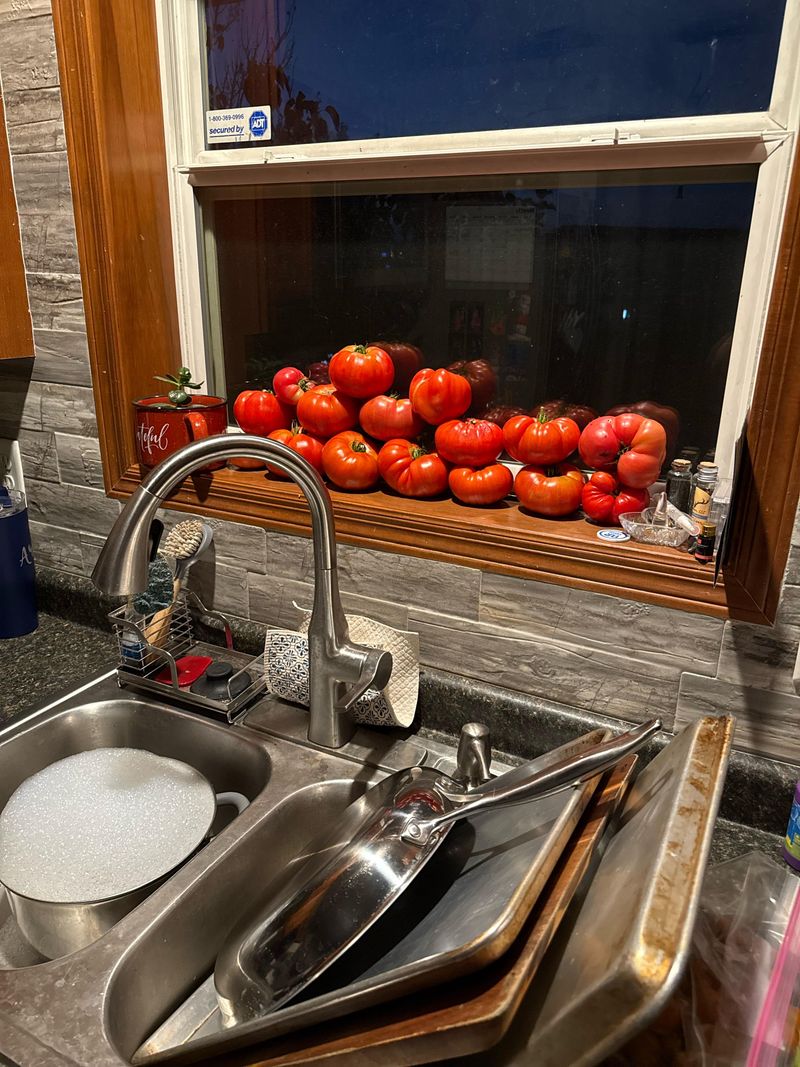
Slicing into a homegrown tomato in mid-October feels a little like finding a forgotten candy bar in your coat. Indoor-ripened fruit usually takes one to four weeks, depending on how mature it was at picking time.
Honest expectations help here, because counter-ripened tomatoes taste a bit milder than ones ripened outdoors on warm vines. Still, they offer a bright, tangy homegrown flavor that many store-bought tomatoes lack.
Watch the color shift from green to yellow, then orange, and finally a deep, glossy red or pink. A ripe tomato gives slightly when you squeeze it gently, like a ripe peach that is ready to eat.
Once fully colored, move the tomatoes out of the bag and onto the counter, away from direct sun. Eat them within a few days for the best flavor, or cook them into sauce if they pile up.
Roasting brings out natural sugars beautifully, which makes it a smart choice for slightly milder indoor tomatoes. A drizzle of olive oil, a pinch of salt, and a hot oven turn them sweet and jammy.
Picture a cozy fall dinner with homemade tomato soup and grilled cheese while leaves swirl outside the window. Late harvest tomatoes fit that scene perfectly, and they stretch your garden season well into chilly weather.
Tomatoes picked in early October can keep ripening for several weeks if you check them regularly. A fresh slice on a chilly fall day feels like a small bonus from the garden.
Earlier Harvest Plans For Next Season
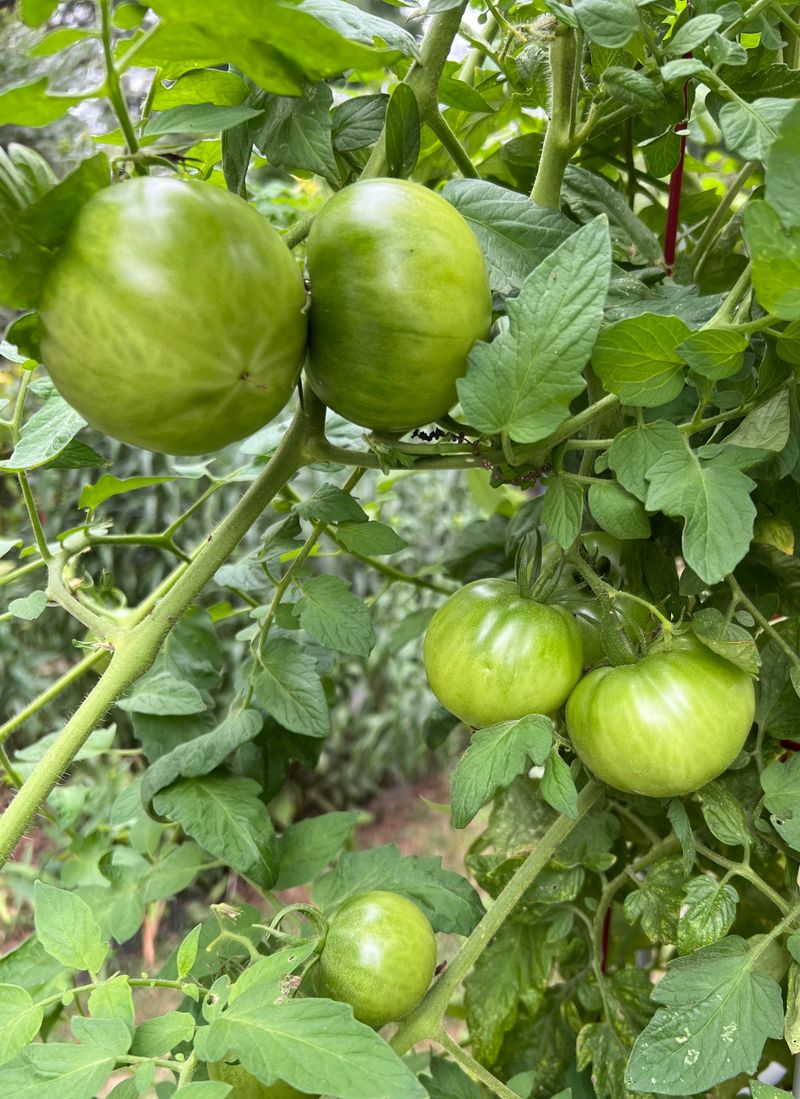
Every bag of green tomatoes on your counter holds a lesson that can make next year’s garden even better. Jot down which varieties ripened late this season, since some simply need more time than Missouri falls allow.
Large beefsteak types often take 80 days or more, which often leaves them racing the frost in fall. Quicker varieties like Early Girl or cherry tomatoes usually finish sooner and leave fewer green leftovers behind.
Planting timing matters too, and most of Missouri does well with transplants set out in early May. Waiting until late June to plant often pushes the main harvest right into the chilly weeks of October.
Around mid-September next year, try pinching off new flowers and tiny fruits that have no realistic chance of maturing. Some gardeners also trim the growing tip of each plant, a step called topping, which sends the plant’s energy into the bigger tomatoes already hanging on.
Row covers and frost blankets are handy to keep around, since a single chilly night can arrive unexpectedly. Draping them over plants in the evening traps ground warmth and can protect fruit through mild frosts.
Cleaning up fallen leaves and old vines this fall also reduces disease problems that could linger until spring. Healthy soil and fresh compost give next year’s plants a strong start.
Of course, a few green stragglers will probably show up anyway, because tomatoes rarely follow our tidy plans. Now you know exactly what to do with them, and a paper bag is ready and waiting.