Why Your Lawn Looks Worse After Summer Heat (And What To Do About It)
Your lawn is hiding a secret from this past July. Heat crept into your roots long before you saw browning. Those crisp, faded blades are just your lawn’s final signal.
You watered and mowed while pressure worked underneath the surface. Down there, patience wore thin long before you noticed it. Grass remembers strain longer than you’d guess.
Autumn changes the math, and it favors you now. Cooler air helps your roots recover faster than expected. Timing matters more for you than raw effort ever does.
Meanwhile, your neighbor’s thick green yard just started earlier. Soil cools before air does, and your grass feels it. Recovery starts below ground, weeks before you see any color.
Waiting costs you daylight you won’t get back this season. Acting now gives your lawn the best shot at fall. Here’s exactly how you fix it.
Drought Stress Pushed Your Grass Into Protective Mode
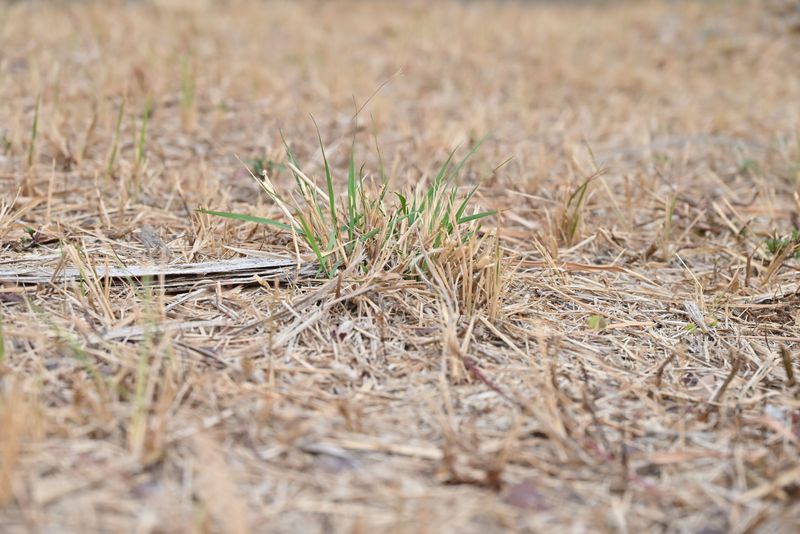
Grass is a lot smarter than it looks during a harsh July. When water gets scarce, it stops growing and hoards energy in the crown.
Dormancy is basically a long nap, and a napping lawn turns tan and stiff. It is not gone, just hiding until conditions improve.
Cool-season types like fescue and bluegrass slide into dormancy faster than warm-season grasses. That explains why northern lawns look rough by late August.
Trouble tends to start when dormancy lasts several weeks, though the exact point varies by grass type and climate. Crowns slowly lose the reserves they need to bounce back in fall.
Check by tugging gently on a tan clump near the edge of a patch. Firm resistance means roots are still holding on down there.
Give those areas about a half inch of water every two to four weeks during heat. That small drink keeps crowns alive without waking the whole lawn up.
September rain and cooler nights do most of the heavy lifting for you. Green often returns within a few weeks once soil moisture returns, though timing varies by grass health.
Patches that stay crispy past mid-September probably need seed, not patience. Mark them now so you remember where to work later.
Resist heavy fertilizer while grass sleeps, since it pushes growth roots cannot support. Wait for steady cool weather before feeding anything.
A dormant lawn is recoverable, not lost, and fall is its favorite comeback season. Give it water, time, and slightly lower expectations for a few weeks.
Compacted Soil Blocked Water From Reaching The Roots
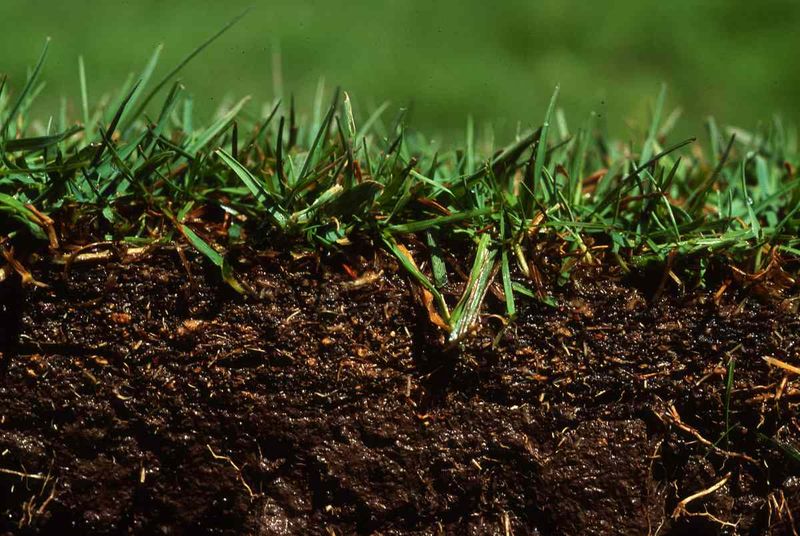
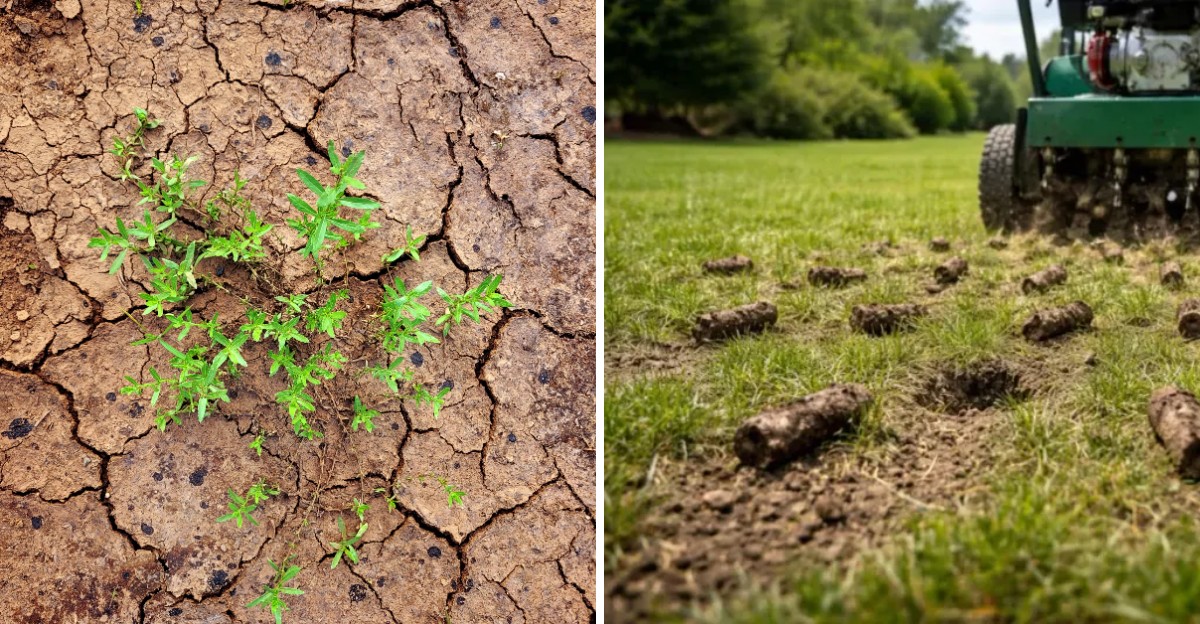
Foot traffic, mowers, and kids soccer games press soil particles tightly together all summer. Add heat and clay, and you basically get backyard concrete.
Water hits that hardened surface and runs off toward the sidewalk instead of soaking in. Roots stay thirsty even when the sprinkler runs forever.
Compaction also squeezes out air pockets that roots need to breathe and grow. Shallow roots follow, and shallow roots struggle in August.
Test it with a screwdriver pushed into damp soil at a few spots. If it stops after two inches, compaction is your problem.
High-traffic strips near gates, driveways, and pet paths usually show the worst damage. You can often see the exact route everyone takes.
Thin, pale grass over hard ground rarely improves with extra fertilizer or water. Fixing soil structure has to come first.
Topdressing with a quarter inch of compost helps earthworms loosen things gradually. Those tiny tunnels are free labor for your lawn.
Rerouting traffic with a stepping stone path takes an afternoon and saves the grass. Sometimes the fix is design, not chemistry.
Autumn soil is moist and workable, which makes it the best window for repairs. Hard, dry summer ground fights back against tools.
Give roots room to spread, and almost everything above ground improves within weeks. Your lawn is not lazy, just seriously cramped for living space.
Aeration gets its own section below, but loosening soil is the real goal. Anything that breaks up hardpan counts as progress.
Heat-Loving Weeds Claimed Every Bare Patch
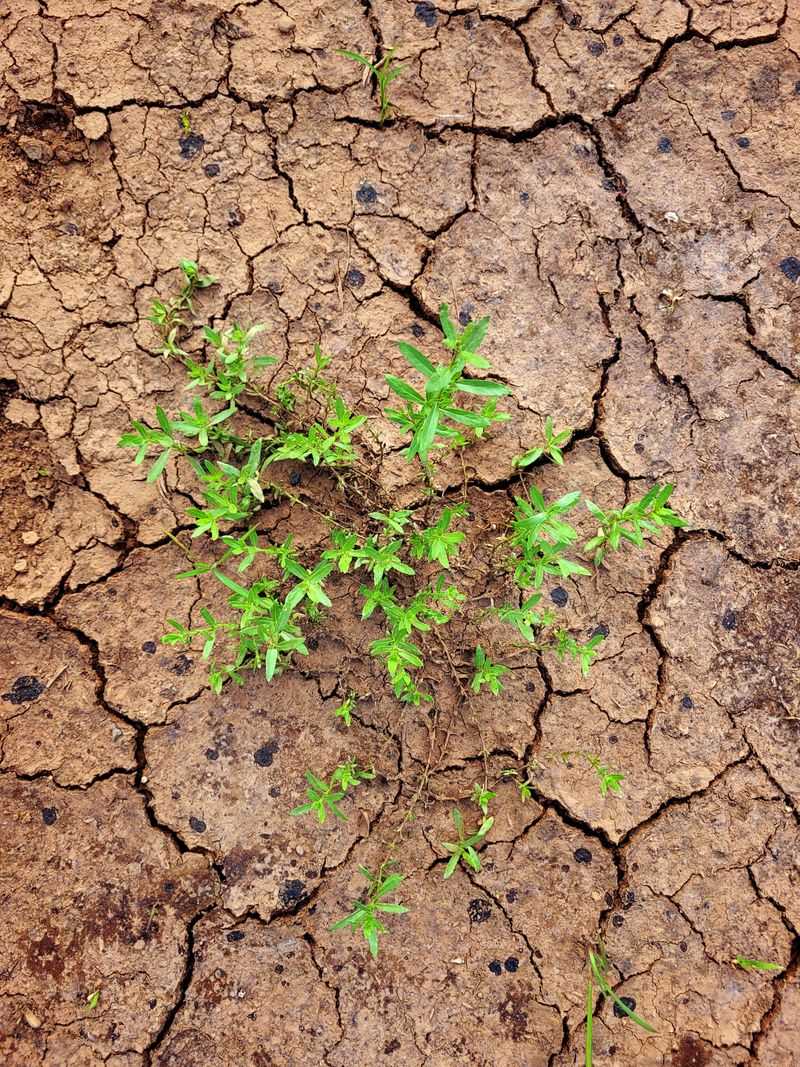
While your grass napped, crabgrass and spurge spread quickly into the gaps. Heat is their favorite weather, and thin turf is an open invitation.
Crabgrass sprawls flat like a spider, rooting at every joint it touches. One plant can drop thousands of seeds before frost arrives.
Nutsedge shows up bright green and glossy, standing taller than everything around it. If it looks suspiciously healthy in August, it is probably not grass.
Clover and purslane fill in where soil is hard, thin, or hungry. They are less enemies than symptoms of an unhappy lawn.
Pulling weeds by hand works best after rain, when roots slide out easily. Grab low and pull slowly to get the whole thing.
September is a decent time for spot treatments on broadleaf weeds like dandelion. Cooler temperatures reduce the risk of harming nearby grass.
Skip pre-emergent products if you plan to seed, since they block grass seed too. Read labels twice and mind the waiting periods.
Mowing at three inches shades soil and keeps weed seeds from sprouting easily. Tall grass is the cheapest weed control available.
Thick turf beats chemicals over the long run, because weeds need open space. Fill the gaps and the party ends on its own.
Do not judge yourself by August weeds, since heat stacks the deck. Judge by what October looks like instead.
Keep notes on which weeds showed up and where they gathered. Patterns point straight at drainage, shade, or mowing habits.
White Grubs Fed On Roots All Summer
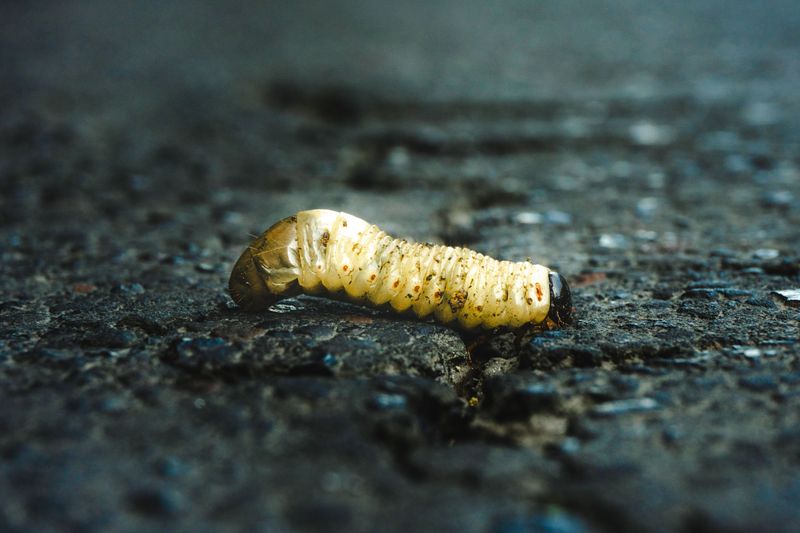
Here is an unsettling thought: something may have been eating your lawn from below. Beetle larvae hatch in midsummer and chew grass roots for weeks.
Damage shows up as irregular brown patches that feel spongy underfoot. Severe areas peel back like loose carpet when you tug them.
Skunks, raccoons, and birds digging small holes are basically signaling a likely grub problem. Wildlife finds grubs long before most homeowners do.
Confirm by cutting a square foot of turf and folding it back carefully. More than six to ten fat, C-shaped larvae means trouble.
Japanese beetles, masked chafers, and European chafers are the usual suspects in home lawns. Each one looks like a pale, curled question mark.
Treatments work best in July, so September is mostly about repair and planning. Grubs stop feeding as soil cools and move deeper down.
Mark the damaged zones now and plan a preventive application next early summer. Timing matters far more than product choice here.
Rake out the loose thatch, add seed, and keep those patches moist. Bare soil in fall is a seeding opportunity in disguise.
Healthy, deep-rooted grass tolerates a few grubs without showing any symptoms. A handful per square foot is normal and harmless.
Nematodes and milky spore offer slower, gentler options for patient gardeners. Results take a season or two, so set expectations accordingly.
Your lawn was hosting freeloaders all summer, rent-free and underground. Now you know where to look next year.
Core Aeration Opens The Soil For Recovery
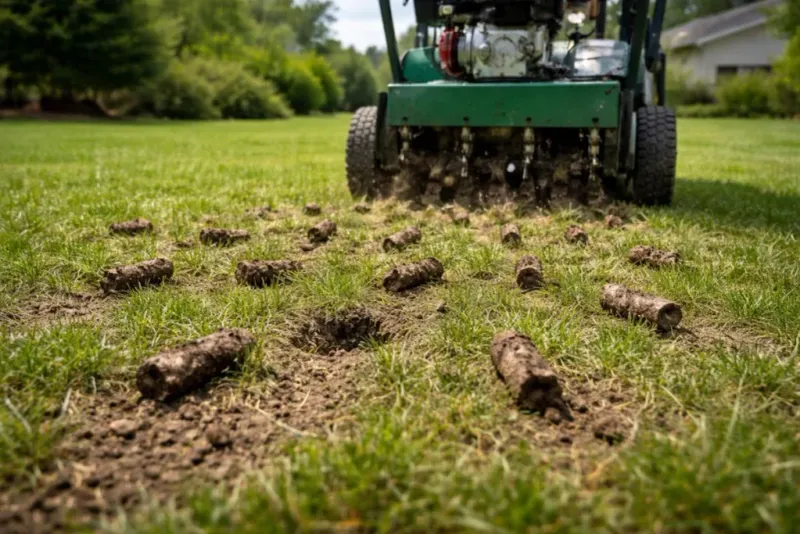
Picture a machine punching thousands of small holes across your yard and leaving soil plugs behind. It looks messy, and it works beautifully.
Core aeration pulls actual plugs out instead of just poking spikes into the ground. Spike tools can make compaction worse by pressing soil sideways.
Those open channels let water, air, and fertilizer reach roots directly. Roots respond by growing deeper, which pays off next summer.
Early to mid fall is prime timing, while soil is warm and moist. Cool-season grasses recover fast during September and October.
Water the lawn a day before, since damp soil releases cleaner plugs. Bone-dry ground makes the machine bounce and skip.
Leave the plugs on the surface and let rain break them down naturally. They return soil and microbes right where they belong.
Rentals run a few hours, and most machines require two people and a truck. Splitting the cost with a neighbor makes the day cheaper.
Mark sprinkler heads, shallow cables, and dog wire with small flags first. Aerator tines do not negotiate with buried equipment.
Aerate, then seed and fertilize the same afternoon for maximum benefit. Seed falling into holes gets ideal contact with soil.
Lawns that get aerated yearly handle heat far better than untouched ones. Think of it as annual maintenance, like changing oil.
Your neighbors may stare at the plugs for a week. Then they will ask for the rental shop number.
Overseeding Fills The Thin Patches Before Frost
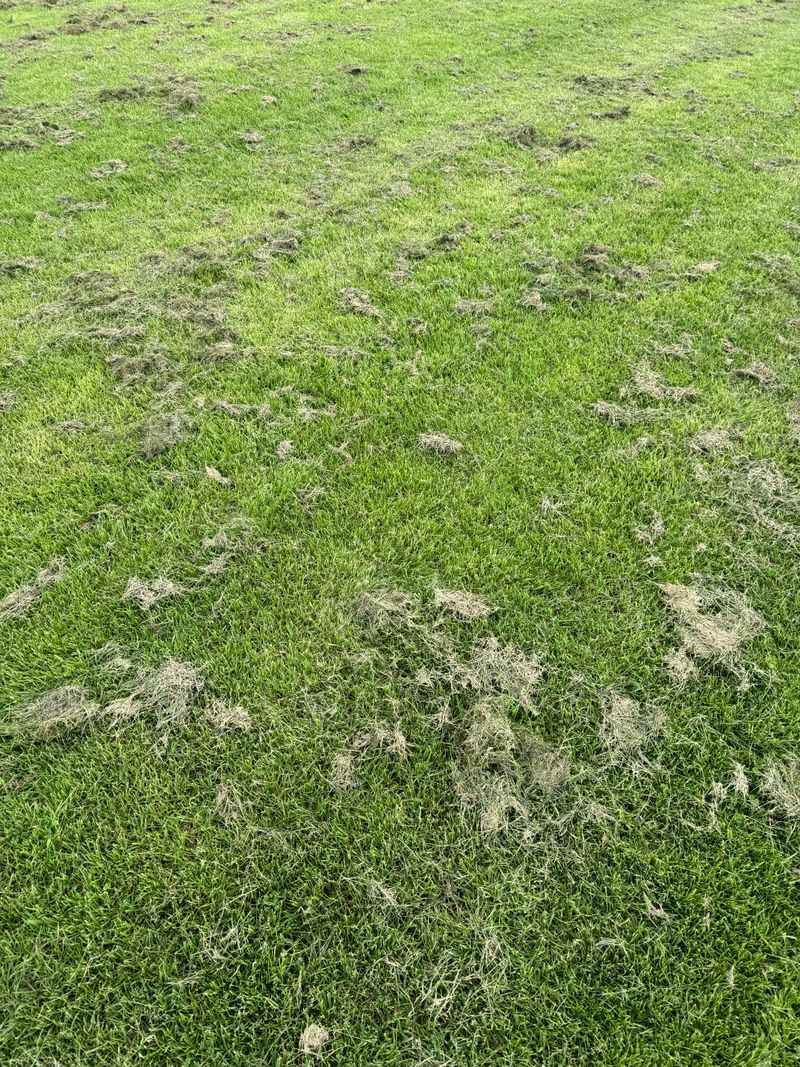
Grass plants do not live forever, and summer thins the crowd considerably. Adding fresh seed keeps the stand thick and competitive.
Overseeding means spreading seed over existing turf, not starting from scratch. It is the fastest fix for thin, tired areas.
Aim for six weeks of decent growing weather before your first hard frost. In most northern regions, that means early to mid September.
Mow short, rake out debris, and expose real soil before spreading anything. Seed sitting on thatch rarely sprouts.
Match the seed to your lawn, since fescue and bluegrass blends behave differently. Buying cheap mixes usually invites weeds and headaches.
Keep the top inch of soil moist with short, frequent watering for two weeks. Light sprinkles twice daily beat one long soak.
Bluegrass takes up to three weeks to appear, while ryegrass shows in five days. Patience differs by species, so read the bag.
Hold off on weed sprays for at least four mowings after seeding. Young seedlings are sensitive to most herbicides.
A starter fertilizer high in phosphorus supports fast root development. Check local rules, since some areas restrict phosphorus use.
Walk the lawn afterward and note which spots filled in fastest. Those clues reveal where sun, water, and soil cooperate.
Seeding in fall targets thin, faded turf directly. By Halloween, the results usually look like grass.
Fall Fertilizer Feeds Roots Through The Cool Months
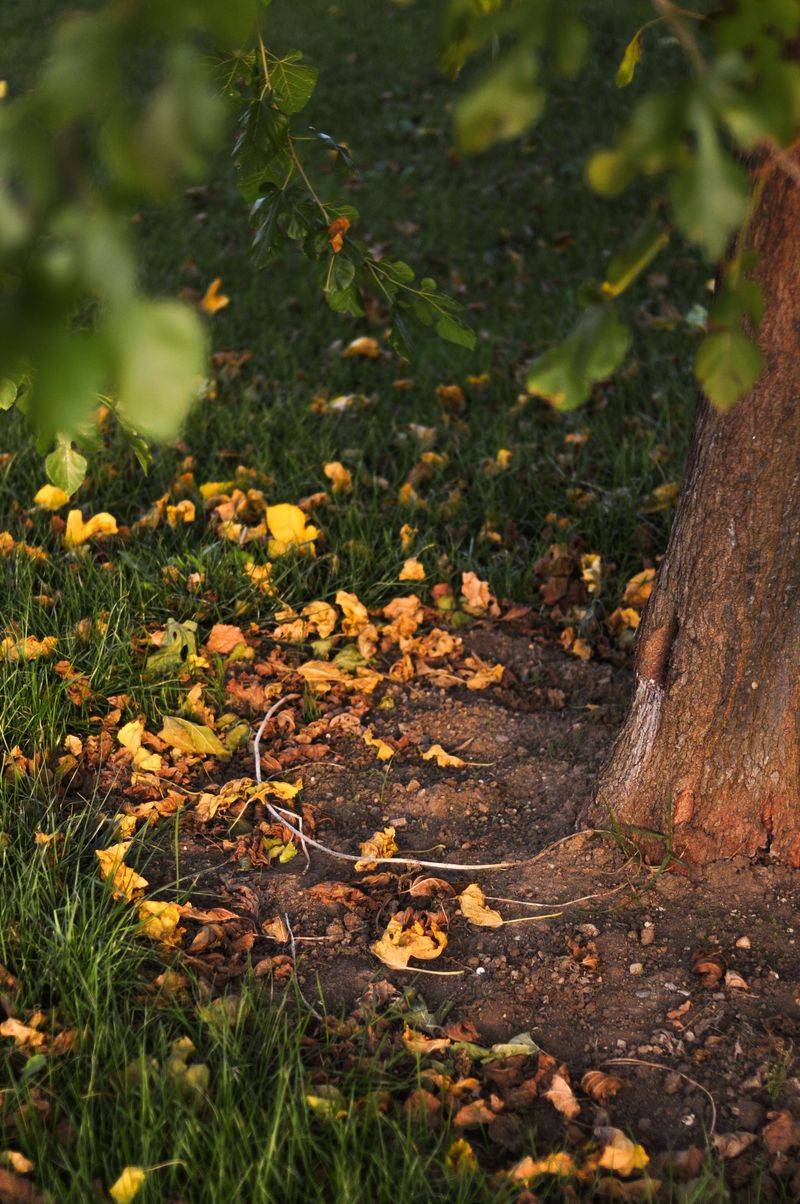
Autumn feeding is the most underrated chore in lawn care. Grass spends September and October storing energy underground for next spring.
Top growth slows as nights cool, but roots keep working below the surface. Nutrients applied now go straight into storage.
One application in early September and another in late October covers most lawns. Skip heavy summer feeding, which stresses grass during heat.
Nitrogen builds color and density, while potassium improves stress and cold tolerance. Check the three numbers on the bag before buying.
Slow-release formulas feed steadily for weeks instead of dumping everything at once. Quick-release products can burn grass and waste money.
Spread with a calibrated broadcast spreader and walk at a steady pace. Overlapping stripes create dark green zebra patterns you will regret.
Sweep granules off sidewalks and driveways back onto the lawn. Fertilizer in storm drains ends up in creeks and lakes.
Water lightly afterward to move nutrients into the root zone. Rain within a day or two works even better.
A soil test every three years removes the guesswork about what your lawn needs. Most extension offices run them cheaply.
Lawns fed properly in fall green up earlier and resist heat longer. September effort shows up as July resilience.
It is the rare chore where doing less in summer and more in fall wins. The results speak for themselves later.
Smarter Watering Rebuilds Deep, Drought-Ready Roots

Most sprinkler habits create shallow roots without anyone realizing it. Daily light watering trains grass to stay near the surface.
Deep, infrequent soaking pushes roots downward, where soil stays cooler and moister. One inch per week, split into two sessions, works well.
Measure output by setting empty tuna cans around the yard while sprinklers run. Time how long they take to fill halfway.
Morning watering between 4 and 9 a.m. is generally more effective than evening watering. Wet blades overnight invite fungus and disease.
Footprints staying visible in the grass mean it needs water soon. Bluish-gray color is another early warning sign.
Fall demands less water than summer, so adjust timers as temperatures drop. Many lawns get overwatered through October.
Slopes and sandy soil need shorter, repeated cycles to prevent runoff. Clay soil needs slow application with soak-in breaks.
Check for broken heads, clogged nozzles, and spray hitting the driveway. Small repairs save surprising amounts of water and money.
Mulching clippings back into the lawn returns moisture and nitrogen free of charge. Bagging every week throws away real fertilizer.
Deep roots are your insurance policy against next summer’s stress period. Build them in fall, when grass is eager to cooperate.
Turn off the timer once the ground freezes and take the winter off. Your lawn will be napping, and so should you.