7 Things You Should Avoid Doing To Your Lawn In November
Walking on frosty grass can damage the blades, and the footprints often stay visible for days after the ice melts. Frozen water inside the blades makes them brittle, so even a gentle stroll can snap the tissue apart.
Your lawn looks sleepy this time of year, yet its roots keep working whenever the soil stays unfrozen. Cool-season grasses store sugars right now, and those reserves fuel the bright green flush you crave in spring.
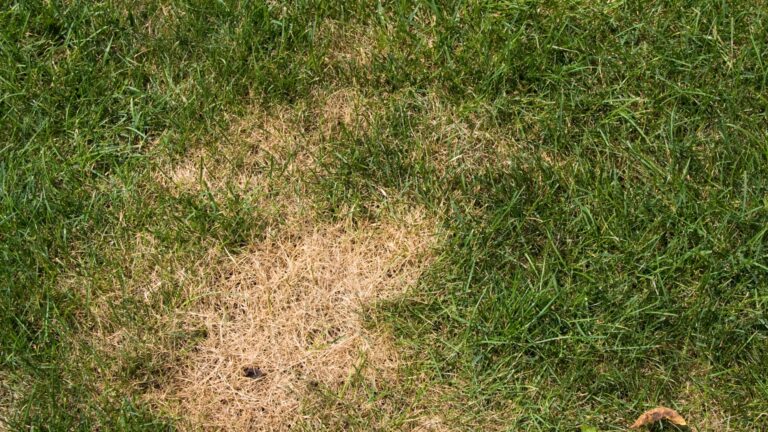
I learned the hard way that good intentions can backfire badly once the weather turns cold and damp. One overeager November weekend left my yard spotted with brown patches that lingered stubbornly until late April.
Some chores that feel helpful right now quietly set your grass back for months, and a few surprised me. Which of these sneaky late-season habits have you been repeating every year without giving them a second thought?
1. Frosty Footprints Linger On Frozen Grass Blades
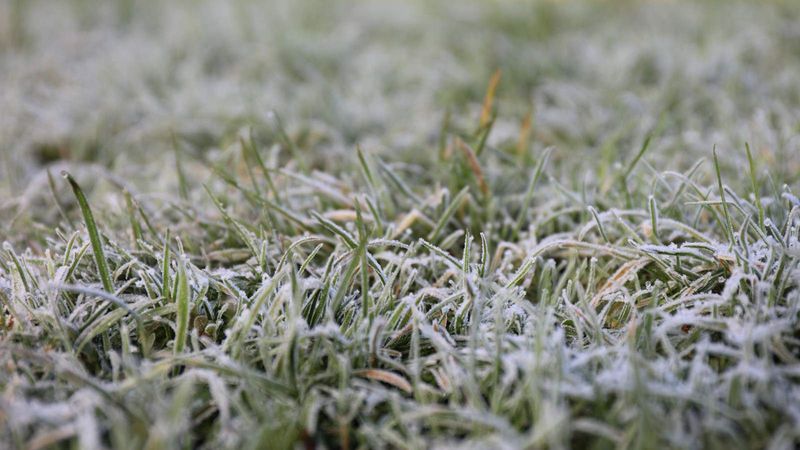
Crunchy grass sounds fun underfoot, but each step can crush frozen blades like tiny glass straws. Ice forms inside and between the plant cells, so the leaves lose their usual bendy flexibility overnight.
Once the sun warms things up, those crushed spots often turn brown and look like a ghostly trail. I once tracked a path to the bird feeder every frosty morning and regretted it all winter long.
Most of the time, the crowns survive, so the grass usually recovers when new growth begins in spring. Repeated traffic on the same route is the real trouble, since damage stacks up faster than healing happens.
Waterlogged soil brings a different problem, because heavy feet squeeze air out and pack the ground tight. Compacted soil drains poorly and makes roots struggle, which gives moss and thin turf an easy opening.
Try waiting until midmorning, when the frost has melted and blades bounce back to their normal shape. A quick test helps, since grass that springs upright after you press it is usually safe for walking.
For daily trips to the shed or compost pile, lay down stepping stones or a temporary mulch path. Kids and dogs love racing across frosty lawns, so a few friendly reminders can save your turf.
I keep an old doormat by the back gate as a visual cue to stay on the walkway. It sounds silly, but that little nudge has saved my lawn from plenty of patchy brown footprints.
2. Scalping The Lawn With A Super Short Final Mow
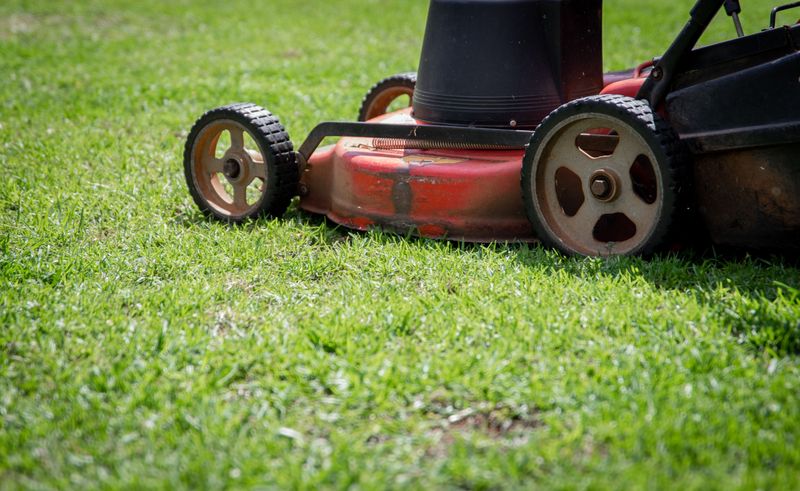
Buzz cuts look tidy for about a week, then the grass starts paying for that dramatic haircut. Leaf blades act like solar panels, and chopping too much away cuts the energy supply heading into winter.
Cool-season grasses such as Kentucky bluegrass and tall fescue keep making food on mild autumn days. They tuck those sugars into crowns and roots, which helps them handle cold stress and green up later.
Many university extension experts suggest keeping your usual mowing height right through the final cut of fall. For most cool-season lawns, that means somewhere around two and a half to three and a half inches.
A slightly shorter final mow is fine for some lawns, but avoid removing more than one third. Cutting off a big chunk at once shocks the plant, and recovery slows a lot in cool weather.
Warm-season grasses like Bermuda grass and zoysia grass head into dormancy and turn tan after hard frosts. Scalping them now exposes the crowns to cold air, so leave that brown blanket in place until spring.
I’ll admit it, I used to drop the deck low hoping to skip a couple of spring mowings. The thin, weedy patches that showed up in April taught me that lazy shortcut costs more than it saves.
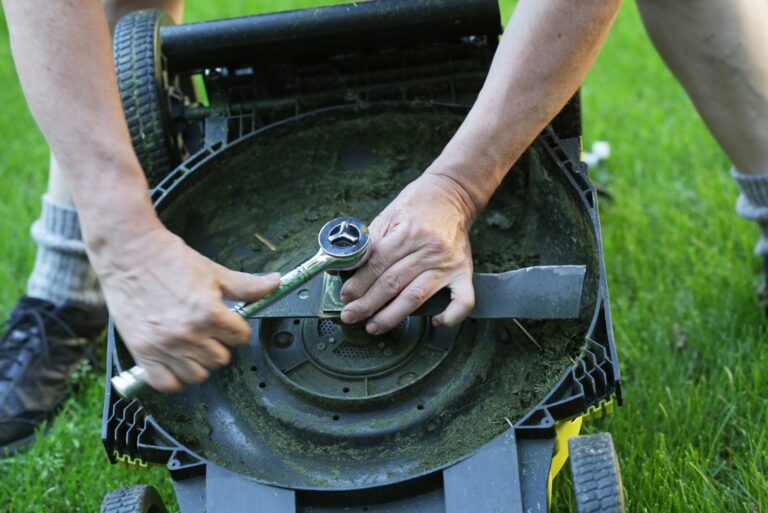
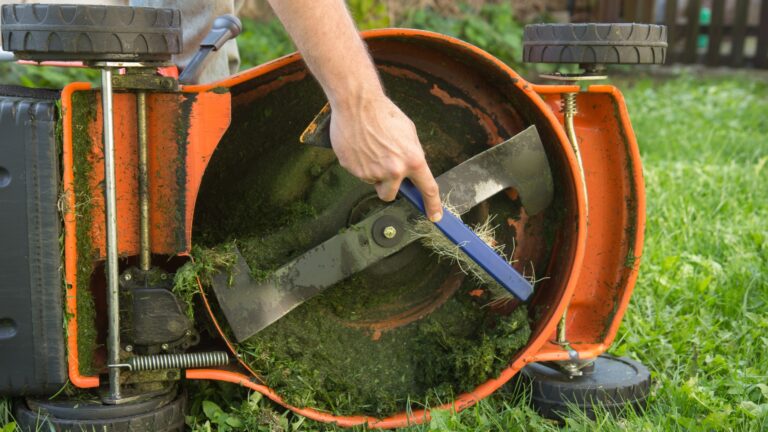
Keep your blade sharp too, since dull blades shred tips and leave ragged edges open to disease, and a quick sharpening before the last mow takes only a few minutes. Clean cuts heal faster, and that matters a lot when the grass has little time left to recover.
3. Matted Oak And Maple Leaves Smothering The Lawn
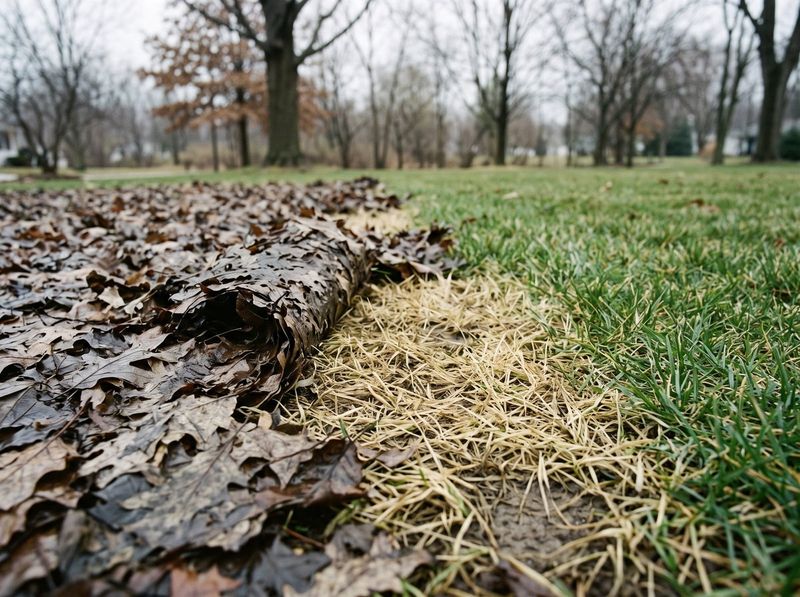
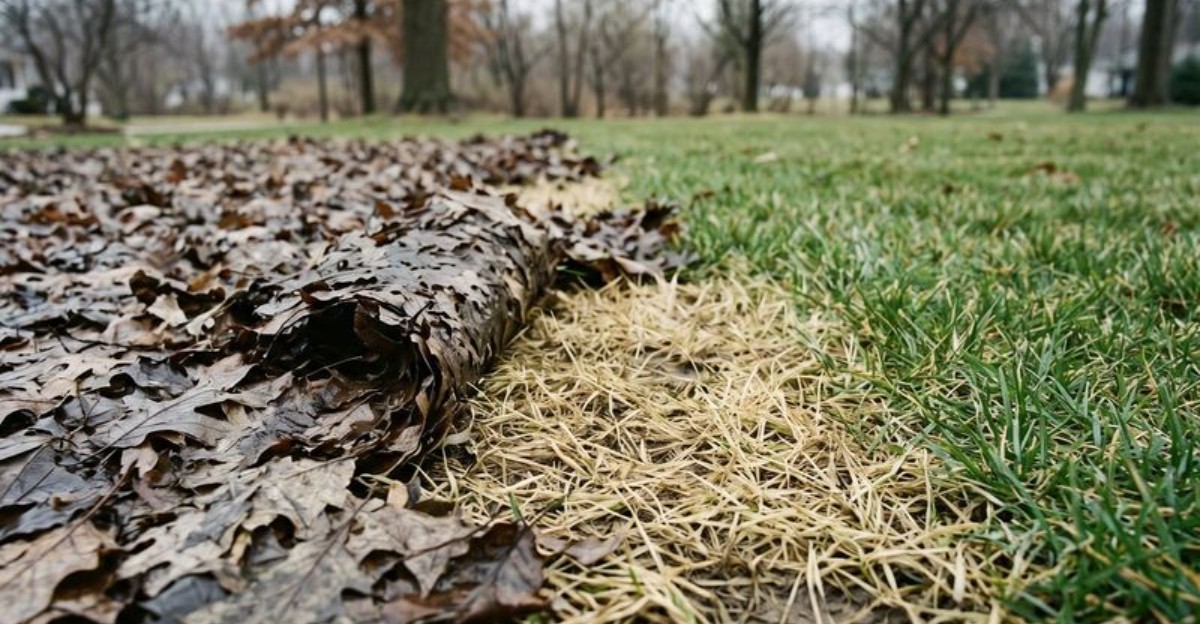
Golden maple leaves look gorgeous on the grass, until a cold rain glues them into a soggy mat. Under that layer, the lawn sits in shade and dampness, which is exactly what certain fungi enjoy.
Snow mold is a common winter disease in colder regions, and it often shows up under matted debris. When snow melts in spring, you may spot circular gray or pinkish patches where leaf piles once lingered.
Thick leaf cover also blocks sunlight that grass still uses on mild days to build up stored energy. Trust me on this one, the spot under my favorite oak tree stayed thin for an entire season.
You don’t have to rake every single leaf, though, because shredded leaves can feed the soil nicely. Research from Michigan State University found that mulching leaves with a mower can benefit turf without harming it.
Run the mower over light layers until the pieces are about the size of a dime or smaller. You should see grass peeking through the bits, which means sunlight can still reach the blades below.
Heavy piles are a different story, so rake or bag the extra and toss it into your compost. Shredded leaves also make wonderful mulch around shrubs and perennial beds, so nothing has to go to waste.
Try tackling leaves once a week instead of waiting for the whole tree to drop at once. Smaller jobs feel easier on your back, and your lawn will thank you with fewer bare spots later.
4. Fertilizer Spread On Frozen Or Dormant Brown Grass
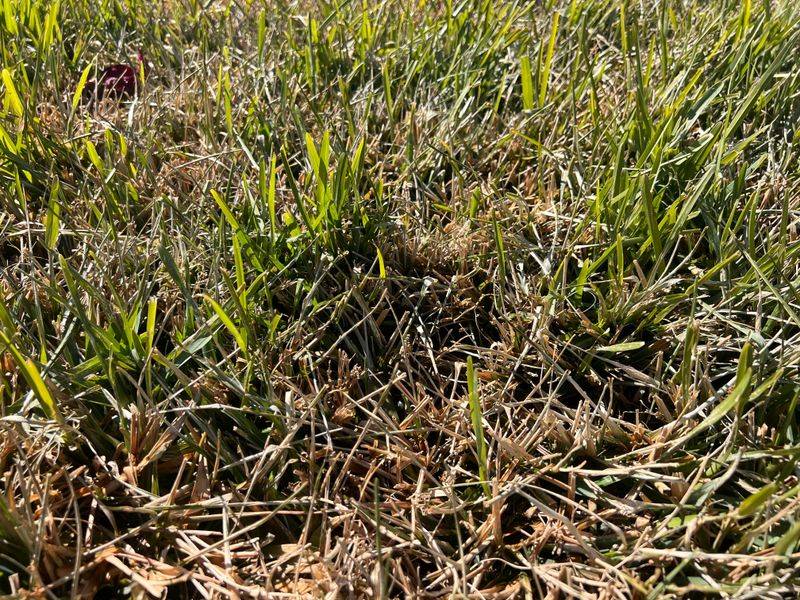
Fertilizer pellets bouncing across frozen ground might look productive, but the grass can’t use them right now. Roots need active growth to absorb nutrients, and frozen soil shuts that process down until conditions warm again.
Nutrients left sitting on icy turf can wash away with rain or melting snow into storm drains. That runoff feeds algae in nearby ponds and streams, so many towns and states limit winter fertilizer use.
Timing depends on your grass type, which makes this one a little trickier than the other mistakes. In northern areas, some extension services suggest a late fall feeding while cool-season grass is still green.
That window usually closes once the ground freezes or the lawn stops growing, so check your local guidance. Your county extension office can tell you the best cutoff date for your exact neighborhood and grass.
Southern lawns with Bermuda grass, zoysia grass, or St. Augustine grass need a different approach this time of year. Feeding those warm-season grasses with nitrogen as they go dormant may encourage tender growth and winter disease.
Not going to lie, I once fertilized during a warm November spell and regretted the patchy results. A soil test in spring or early fall gives you real numbers, so you stop guessing about nutrients.
Store leftover bags in a dry spot, sealed tight, and save them for the proper season ahead, because damp fertilizer clumps and becomes hard to spread evenly. Your wallet stays happier, and your local waterways stay cleaner when fertilizer goes down at the right time.
5. Grass Seed Scattered Over Chilly November Soil
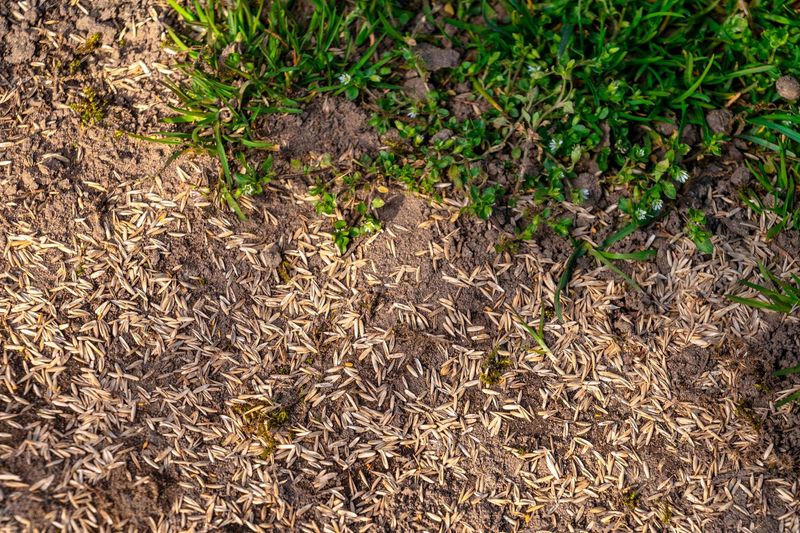
Sparrows and juncos will happily feast on grass seed that sits on cold soil without sprouting. Most cool-season seed germinates best when soil temperatures stay between about fifty and sixty-five degrees Fahrenheit.
In many northern regions, soil drops below that range well before November, so new seedlings struggle to establish. Tiny sprouts that do pop up often lack the roots needed to survive frost heaving and freezing nights.
I get it, a bare patch nags at you every time you pull into the driveway. Still, early fall is the sweet spot for seeding cool-season lawns, since warm soil speeds up root growth.
There is one clever exception called dormant seeding, which some extension services recommend for colder climates. You spread seed once soil stays cold enough that it won’t sprout, often below about forty degrees.
Freezing and thawing cycles work the seed into the soil, and it germinates when spring warms things up. Good seed-to-soil contact still matters, so loosen bare spots lightly before spreading and avoid steep slopes that wash.
The tricky part is the in-between zone, when soil feels cool but warm days can still trigger sprouting. Seed that germinates then usually can’t toughen up before hard freezes arrive, so it often fails by spring.
Warm-season lawns follow a separate calendar, since Bermuda grass and zoysia grass establish best in late spring. Checking soil temperature with an inexpensive probe thermometer takes guesswork out of the whole seeding decision for me.
6. Broadleaf Herbicide Sprayed On Cold Sluggish Dandelions
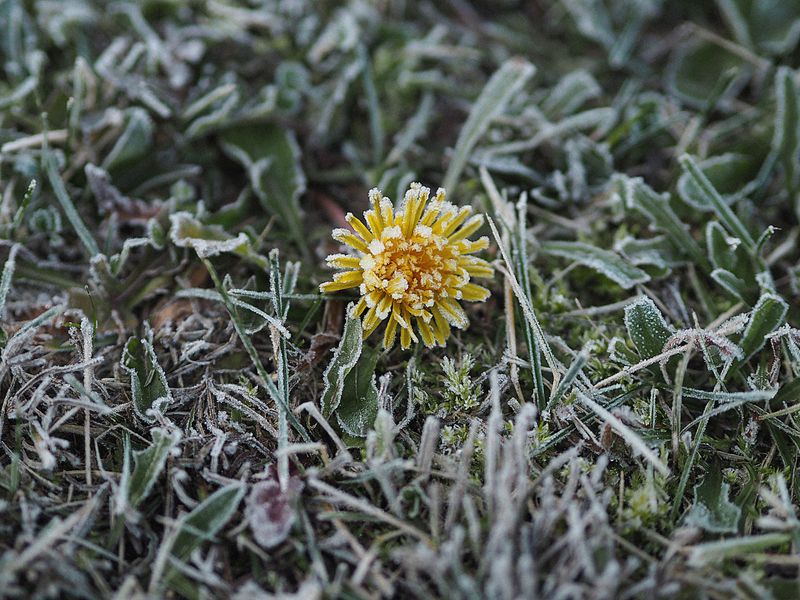
Dandelions look tough as nails in late fall, and honestly, that stubborn attitude is part of the problem. Cold weather slows their growth, so herbicides struggle to travel from the leaves down into those deep taproots.
Fall is a great time to control perennial broadleaf weeds, because they send food reserves toward their roots. Spraying while that flow is active lets the product hitch a ride straight down where it does the most good.
Many product labels and extension guides recommend applying when daytime temperatures reach at least the fifties or sixties. Once temperatures stay colder, the weeds barely move anything internally, and your spray mostly sits on the surface.
I’m a sucker for a clean lawn, but I wasted a whole jug on frosty clover one year. The clover looked a bit bruised for a week, then returned in spring as if nothing had happened.
Wind and rain cause trouble too, since drift can damage nearby shrubs and rain may rinse the product away. Read the label carefully before spraying because it lists the temperature limits and safe grass types for that product.
If the window has already closed where you live, pulling a few weeds by hand works surprisingly well, and it leaves no chemical residue near pets, shrubs, or vegetable beds. Moist soil after autumn rain makes it easier to slide out long dandelion roots with a forked weeder.
Otherwise, mark the trouble spots on a garden map and plan a spot treatment for next season. A thick, healthy lawn shades out many weeds naturally, so good mowing habits help more than extra spraying.
7. Kids Toys And Patio Furniture Left Sitting On The Lawn

Lift a forgotten kiddie pool in early spring, and you’ll often find a pale, yellow ghost of grass underneath. Anything left sitting on turf for weeks blocks light and traps moisture against blades that still need sunshine.
Garden hoses and lawn chairs are common culprits, since they get dropped during busy fall cleanup weekends. Under snow, those objects can also create cozy damp pockets where snow mold spores happily spread across the grass.
Heavy items cause another headache, because they press down on soil and crush the crowns over time. Wet, chilly ground compacts easily, so even a parked trailer or firewood pile can leave a lasting dent.
Fair warning, firewood stacks are sneaky offenders because they sit in one spot for months at a time. Move your woodpile onto gravel or a raised rack and your lawn stays healthier near the back door.
A quick walk around the yard before the first snowfall helps you spot forgotten toys and tools. I usually find at least one soggy soccer ball and a rake I swore I had put away, often hiding under a pile of fallen leaves near the back fence.
Drain and coil hoses in the garage or shed, which also protects them from cracking in freezing weather. Lawn furniture can rest on the patio or under a cover, so the grass beneath stays free to breathe.
Cleared grass dries faster after rain, and that simple change lowers disease risk heading into the cold months. Your spring lawn will look more even, with no strange yellow rectangles marking where last year’s clutter rested.