Why Your Lawn Turns Brown In Florida Winter And When It Greens Up
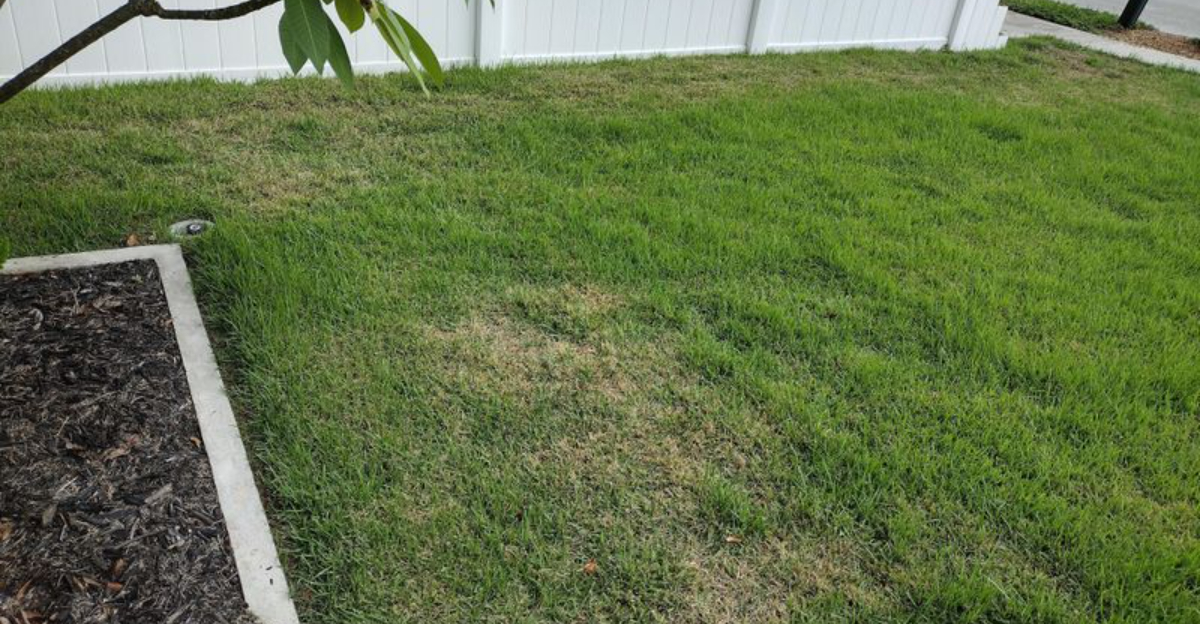
One week your Florida lawn is bright green and thriving. The next, it looks faded, patchy, and suspiciously brown.
Suddenly you start wondering if something went wrong.
Did the grass get sick? Did you forget to water? Is this expensive damage waiting to happen?
You are not alone. Every winter, thousands of Florida homeowners panic when their once-perfect yards start losing color.
Neighborhoods quietly shift from lush green to sandy tan, and the change feels fast and confusing. It can make even experienced lawn owners question what they’ve been doing.
The truth is far less scary than it looks. In most cases, that brown color is not a problem at all.
It is part of your grass’s natural response to cooler weather. When you understand what’s really happening, you can relax and avoid wasting time and money trying to “fix” something that isn’t broken.
What Brown Grass Really Means In Winter
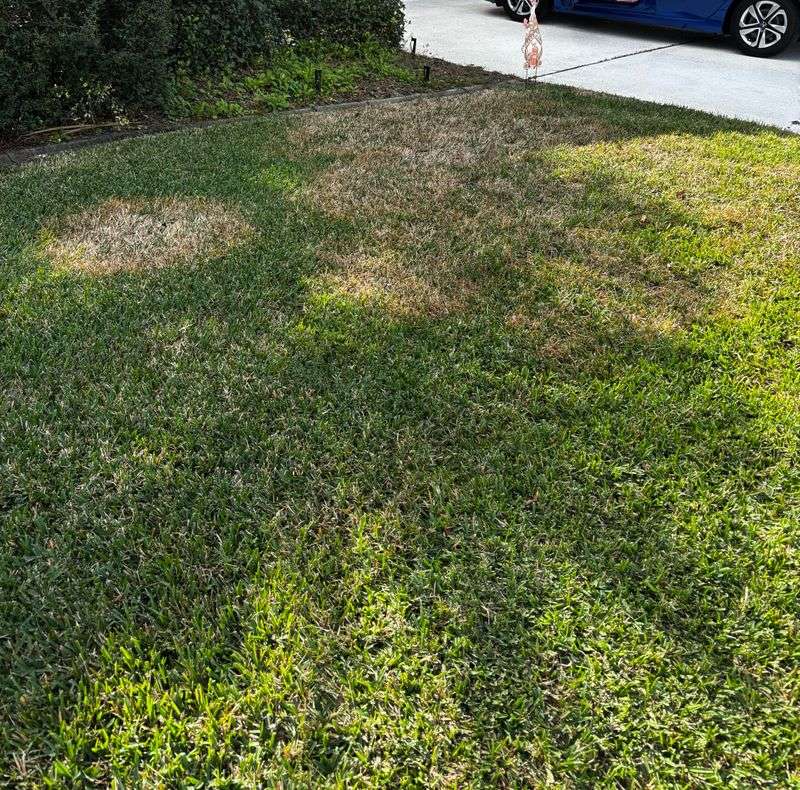
Walking through your neighborhood on a cool January morning, you might notice lawns looking more beige than bright green. That color shift can feel alarming at first, especially if you’ve worked hard to maintain a healthy lawn all year.
Brown grass in winter doesn’t usually signal trouble or disease.
Your lawn is simply responding to cooler temperatures by slowing down its active growth. Grass blades lose their bright green color as chlorophyll production decreases, revealing tan or straw-colored tones underneath.
This is a natural survival strategy, not a sign of permanent damage.
In Florida, warm-season grasses like St. Augustine, Bahia, and Bermuda enter a resting phase when temperatures drop consistently below certain thresholds. The grass isn’t gone or harmed.
It’s conserving energy and waiting for warmer days to return.
You’ll see this color change most dramatically in North Florida, where winters are cooler and longer. Central and South Florida lawns may only partially brown or stay mostly green, depending on how mild the season is.
Understanding this rhythm helps you stop worrying and start planning for spring recovery.
Why Florida Lawns Go Dormant
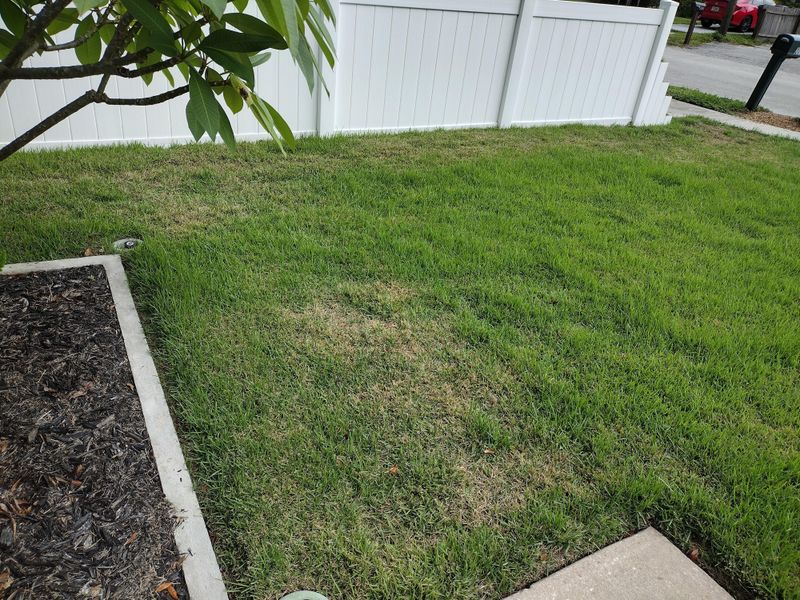
Dormancy is your lawn’s way of protecting itself when conditions aren’t ideal for active growth. Warm-season grasses thrive in heat and humidity, so when winter brings cooler nights and shorter days, they shift into survival mode.
This process is completely natural and happens across most of the state.
As temperatures drop, your grass slows its photosynthesis and stops producing new green growth. Energy gets redirected from the visible blades down into the root system and crown, where it’s stored safely until spring.
The grass isn’t growing above ground, but it’s very much alive below the surface.
Florida’s climate makes this transition less extreme than in colder states. Many lawns here don’t go fully dormant but instead enter a semi-dormant state where some green remains.
North Florida sees the deepest dormancy, while South Florida lawns may barely slow down at all.
This seasonal rest period actually benefits your turf by giving it time to recover from summer stress. You’ll use less water, mow less often, and give your lawn a natural break before the demanding growing season returns in spring.
Which Grass Types Change Color The Most

Not all Florida grass varieties respond to winter the same way. St. Augustine, the most popular lawn grass across the state, tends to show noticeable browning in North and Central Florida but often stays greener in southern counties.
Bahia grass is particularly cold-hardy but will still turn tan when temperatures drop enough.
Bermuda grass goes dormant quickly and completely, turning a uniform straw color once cool weather arrives. This dramatic color change surprises many homeowners, but Bermuda bounces back fast in spring.
Zoysia grass holds its green color longer than most warm-season types, making it a favorite for those who want winter color.
Centipede grass also browns noticeably during winter, especially in northern regions. Each grass type has its own temperature threshold and dormancy timeline, so your lawn’s behavior depends heavily on what you’ve planted.
If you have a mix of grass types, you’ll see patches of different colors as each variety responds to cooling temperatures.
Knowing your grass type helps you set realistic expectations. A fully brown Bermuda lawn in January is perfectly normal, while a St. Augustine lawn might stay partially green depending on where you live in Florida.
How Temperature Triggers Color Changes
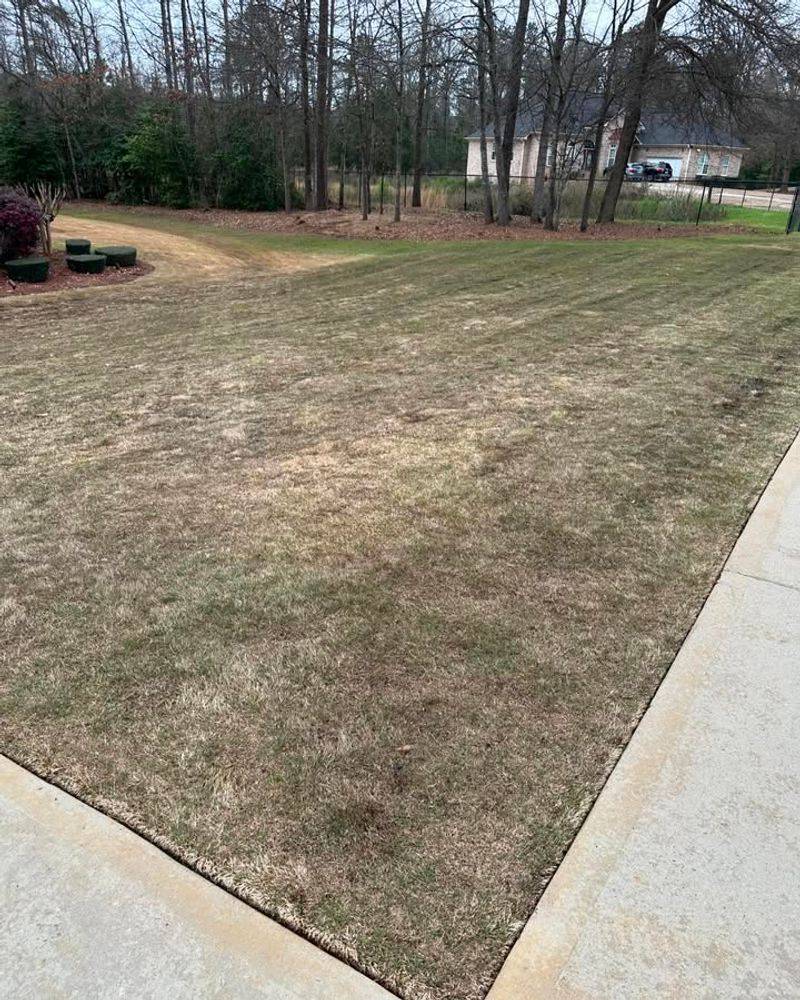
Temperature is the main driver behind your lawn’s winter color shift. Most warm-season grasses begin slowing down when nighttime temperatures consistently fall into the mid-to-upper 50s Fahrenheit.
Once daytime highs stay in the 60s for several weeks, the browning process accelerates.
Your grass doesn’t respond to a single cold night. It reacts to sustained cooler weather patterns that signal the growing season has ended.
In North Florida, this usually happens in late November or early December. Central Florida sees dormancy beginning in December or January, while South Florida may not experience significant browning until late January or not at all in mild winters.
The color change isn’t instant. You’ll notice your lawn gradually losing vibrancy over several weeks as chlorophyll production slows.
Some blades turn tan while others stay green, creating a mottled appearance during the transition. This is completely normal and part of the natural cycle.
Warm spells in winter can temporarily slow or pause the browning process, which is why Florida lawns sometimes green up briefly before going dormant again. Your grass is simply responding to the temperature signals it receives from the environment around it.
How Long Dormancy Usually Lasts
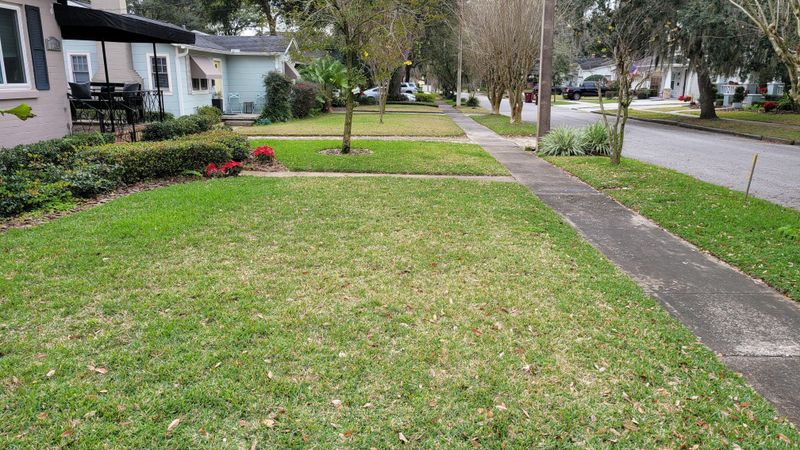
The length of your lawn’s dormant period depends entirely on where you live in Florida. North Florida homeowners can expect their lawns to stay brown for about two to four months, typically from December through March, depending on winter severity.
Central Florida sees shorter dormancy, usually two to three months, while South Florida lawns may only pause for a few weeks or skip dormancy entirely in warm winters.
Weather patterns vary each year, so dormancy timing isn’t perfectly predictable. A particularly cold winter will extend the brown period, while a mild season might keep your lawn greener longer.
You’ll also notice microclimates in your own yard, where sunny spots green up faster than shaded areas.
During dormancy, your grass isn’t growing new blades, but it’s still alive and maintaining its root system. The brown color you see is just the above-ground foliage resting.
As long as the crown and roots remain healthy, your lawn will recover fully when warm weather returns.
Patience is key during this time. Resist the urge to fertilize heavily or overwater, thinking it will speed up greening.
Your lawn will wake up naturally when soil temperatures rise and daylight hours increase in spring.
When Green Growth Returns
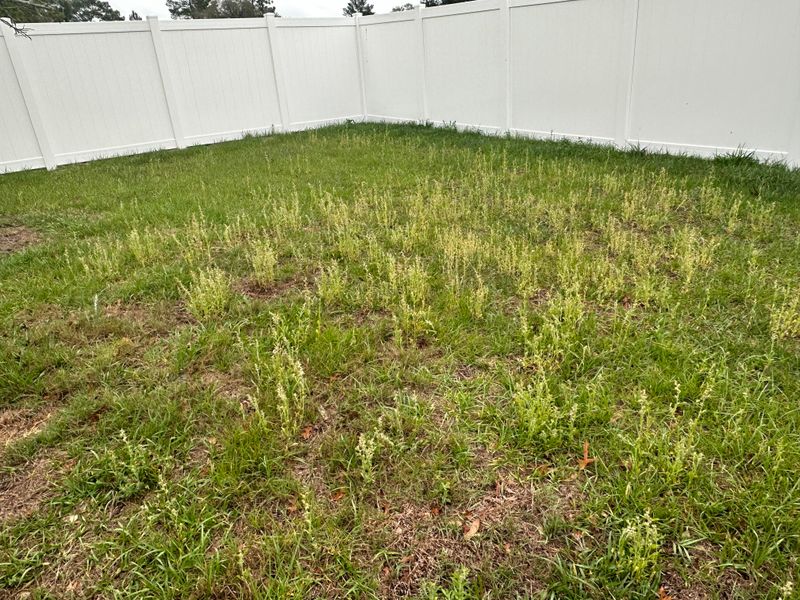
Spring green-up is one of the most satisfying moments for Florida homeowners. Your lawn will begin showing new green growth when soil temperatures consistently reach about 65 degrees Fahrenheit and nighttime lows stay above 55 degrees.
This typically happens in March for South Florida, late March or early April for Central Florida, and April for North Florida.
The return of green doesn’t happen overnight. You’ll first notice small patches of new growth, usually in the warmest, sunniest parts of your yard.
These green spots will gradually spread as temperatures continue warming and daylight hours lengthen. The process can take several weeks from the first signs of growth to full green coverage.
Rainfall and sunshine play important roles in spring recovery. Adequate moisture helps new blades emerge, while longer days trigger photosynthesis and chlorophyll production.
Your lawn is essentially waking up from a long rest, and it needs time to rebuild its green canopy.
Avoid rushing the process with heavy fertilization or excessive watering. Let your grass wake up naturally, and once you see consistent new growth, you can resume your regular warm-season lawn care routine with appropriate feeding and mowing schedules.
What Speeds Up Spring Green-Up
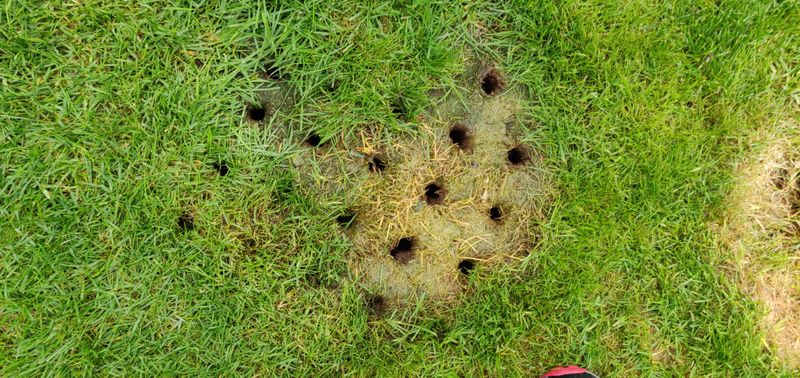
While you can’t force your lawn to green up before it’s ready, you can create conditions that support a healthy, vigorous spring recovery. Adequate soil moisture is essential, so water lightly if winter has been particularly dry.
Your grass needs moisture to push new growth, but avoid overwatering, which can promote disease in cool soil.
Light fertilization only after you see consistent new green growth can give your lawn a gentle boost. Use a balanced, slow-release fertilizer according to University of Florida recommendations for your specific grass type.
Timing matters, so wait until you’re confident your lawn is actively growing before feeding.
Sunlight exposure makes a big difference. Trim back overgrown shrubs or trees that cast heavy shade on your lawn, allowing more light to reach the grass.
Warmer soil temperatures in sunny areas will trigger earlier green-up compared to shaded spots.
Aerating compacted soil in late winter can improve root health and help your lawn recover faster. Good soil structure allows water, air, and nutrients to reach the root zone more effectively.
These small steps won’t override natural temperature triggers, but they do support a smoother, healthier transition from dormancy to active growth.
University of Florida IFAS Extension recommends waiting until active growth resumes before fertilizing warm-season lawns.
What Slows Down Recovery
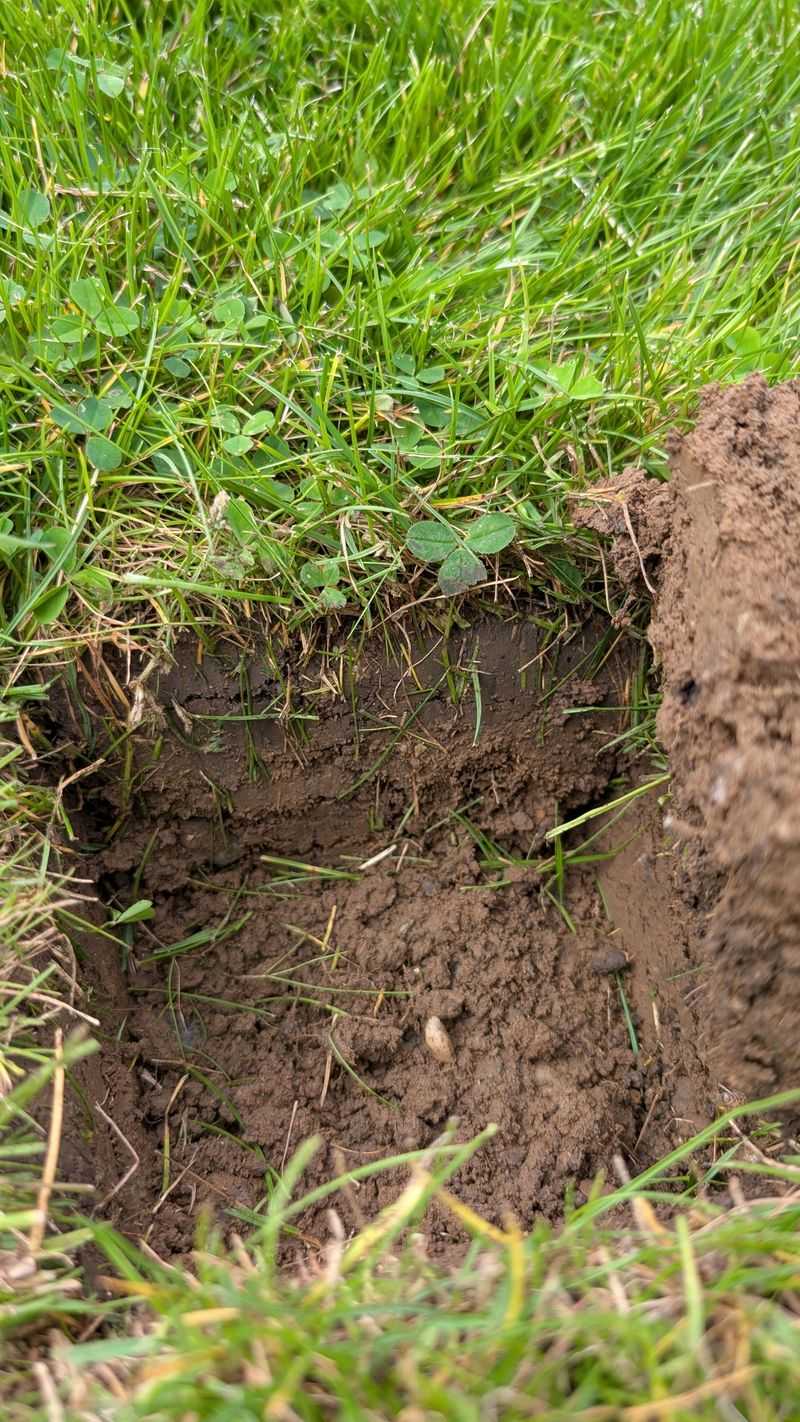
Several factors can delay your lawn’s spring green-up or weaken its recovery. Compacted soil restricts root growth and limits the grass’s ability to absorb water and nutrients, making it harder for new blades to emerge.
Heavy foot traffic or equipment use during dormancy can worsen compaction and damage the crown.
Poor drainage creates another problem. If your lawn stays waterlogged in winter or early spring, the roots can suffocate or develop fungal issues that slow recovery.
You might notice these areas staying brown longer or showing patchy, uneven growth when the rest of the lawn greens up.
Excessive shade from trees or structures can significantly delay green-up. Grass needs sunlight to produce chlorophyll and grow, so heavily shaded areas may stay dormant weeks longer than sunny spots.
If shade is unavoidable, consider shade-tolerant grass varieties or alternative landscaping solutions.
Skipping basic winter care can also slow recovery. Allowing heavy debris or matted leaves to smother your lawn blocks light and traps moisture, creating conditions for disease.
A quick rake or light cleanup during winter keeps your grass healthier and ready to respond when warm weather arrives in spring.
How To Help Your Lawn Transition Smoothly
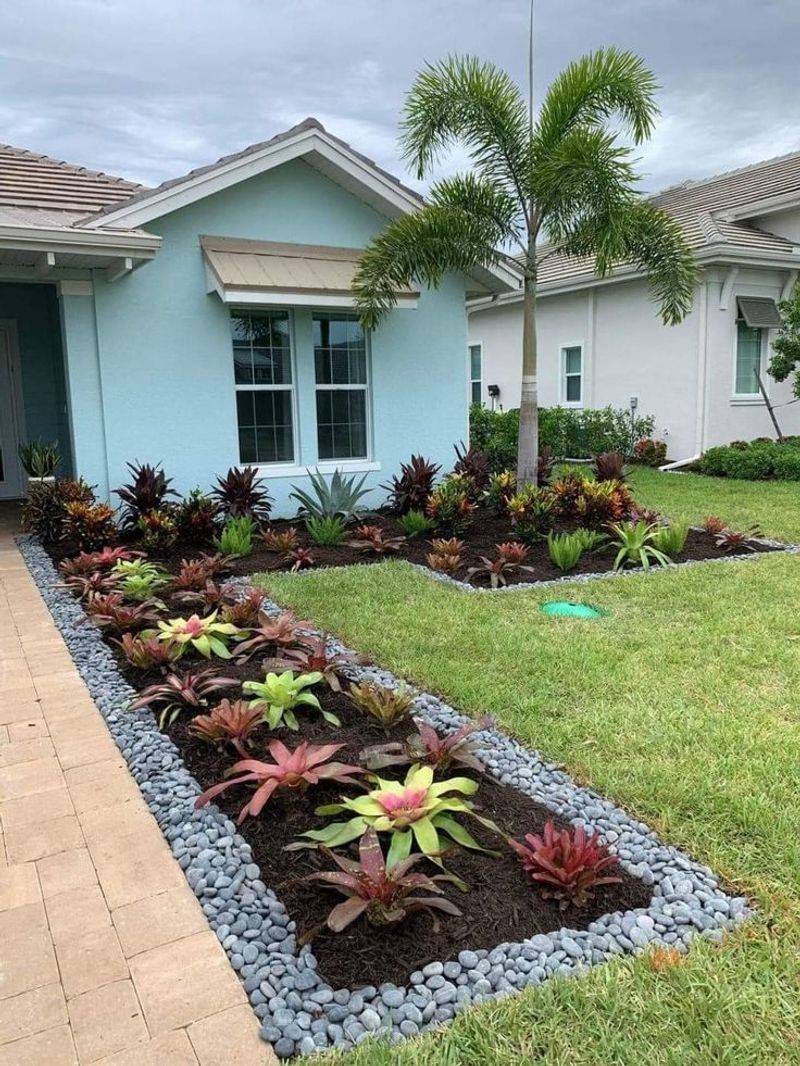
Supporting your lawn through winter dormancy and spring green-up doesn’t require complicated steps. Start by adjusting your mowing schedule as growth slows in late fall.
Raise your mower height slightly and reduce mowing frequency, cutting only when needed to maintain a neat appearance. Never scalp dormant grass, as this stresses the crown and delays recovery.
Water sparingly during dormancy. Your lawn needs far less moisture when it’s not actively growing, so cut back irrigation to prevent disease and water waste.
A light watering every two to three weeks during dry periods is usually sufficient unless rain provides adequate moisture.
Avoid heavy fertilization in winter. Dormant grass can’t use excess nutrients, and fertilizing too early can encourage premature growth that’s vulnerable to late cold snaps.
Wait until you see consistent new green growth in spring before applying fertilizer according to Florida-Friendly guidelines.
Keep your lawn clear of heavy debris, toys, or equipment that can smother grass or create withered spots. A clean, lightly maintained lawn transitions more smoothly and greens up more evenly.
Trust the process, follow seasonal best practices, and your Florida lawn will reward you with healthy, vibrant growth when warm weather returns.