Why Your North Carolina Coneflowers Are Blooming Less And Why Dividing Them Is The Simple Fix
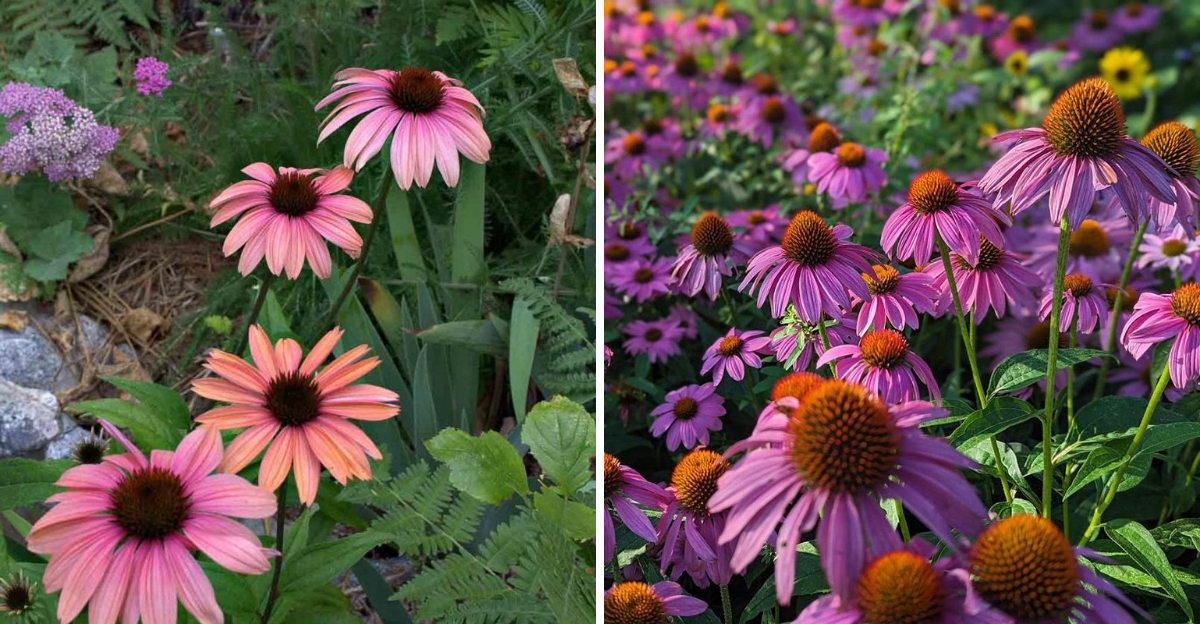
Coneflowers are tough plants. They survive heat, drought, and poor soil without much complaint. So when they start blooming less, most gardeners assume something went wrong. Bad season, too much rain, not enough sun.
But nine times out of ten, the real reason is simpler and has nothing to do with weather. Coneflowers are perennials that spread and multiply underground over the years.
Eventually the clump gets so crowded that the roots compete with each other for water and nutrients. The plant keeps growing but has less and less energy left for flowers. It’s not struggling. It’s just packed.
Dividing them gives each section room to breathe again, and the response is almost immediate. More stems, more blooms, a healthier root system overall.
If your coneflowers have been in the same spot for three or more years, that’s probably all that’s going on.
1. Older Clumps Become Crowded Over Time
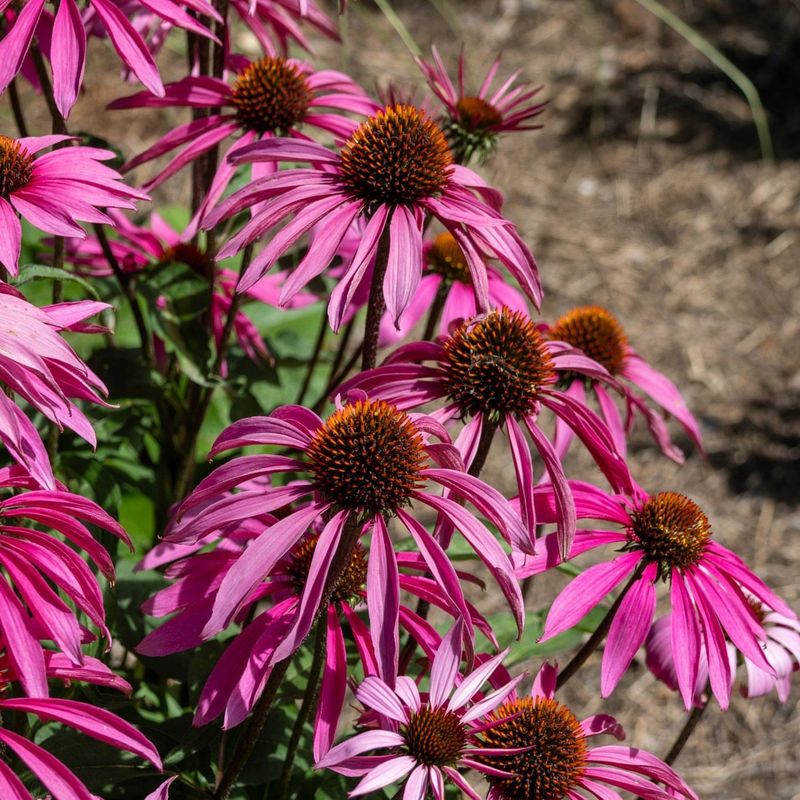
Picture a pot that has gotten way too small for the plant growing inside it. That is exactly what happens to coneflowers when they have been growing in the same spot for three or more years.
Echinacea purpurea, the most popular coneflower in North Carolina gardens, naturally spreads outward and forms dense clumps that eventually run out of room to grow properly.
When the crown gets too crowded, the roots start fighting for the same small pocket of soil. Energy that should go toward producing beautiful blooms gets used up just trying to survive.
The flowers become smaller, fewer, and sometimes stop showing up altogether, leaving you with a big leafy clump that looks healthy on the surface but is struggling underneath.
North Carolina summers are already tough on garden plants, and an overcrowded coneflower has even less ability to handle heat and dry spells.
Dividing the clump every three to four years gives each section fresh space, better access to nutrients, and room to breathe.
Gardeners who divide regularly almost always report a noticeable comeback in bloom count the very next season. It is one of the easiest and most rewarding things you can do for your garden.
2. Crowded Plants Compete For Water And Nutrients

Healthy coneflowers are tough, but even tough plants have their limits. When a clump grows large enough, the individual crowns inside that clump start pulling from the same limited supply of water and nutrients in the soil.
North Carolina summers bring intense heat and stretches of dry weather that make this competition even harder on the plants.
Think of it like a group of people sharing one small pizza. Everyone gets a slice, but nobody gets enough.
The result in your garden is weaker stems, smaller flowers, and a plant that simply cannot perform the way it used to when it had plenty of room to spread its roots freely.
Sandy soils common in the Piedmont and Coastal Plain regions of North Carolina drain quickly, which means moisture stress arrives faster for crowded clumps than for well-spaced ones.
Even in the clay-heavy soils of the western part of the state, compaction around dense root masses can block water movement.
Your North Carolina Garden Changes Every Week. Your Plan Should Too.
Gardening in North Carolina changes quickly throughout the season. Every Friday you’ll receive a simple weekly plan showing exactly what to plant, prune, fertilize, harvest, and protect so you never miss the right timing.
Dividing your coneflowers separates those competing roots into smaller groups, giving each new section its own territory.
Fresh soil contact improves nutrient uptake almost immediately, and you will likely see stronger, more upright growth within the first few weeks after a good division.
3. Poor Airflow Increases Disease Pressure On Your Plants
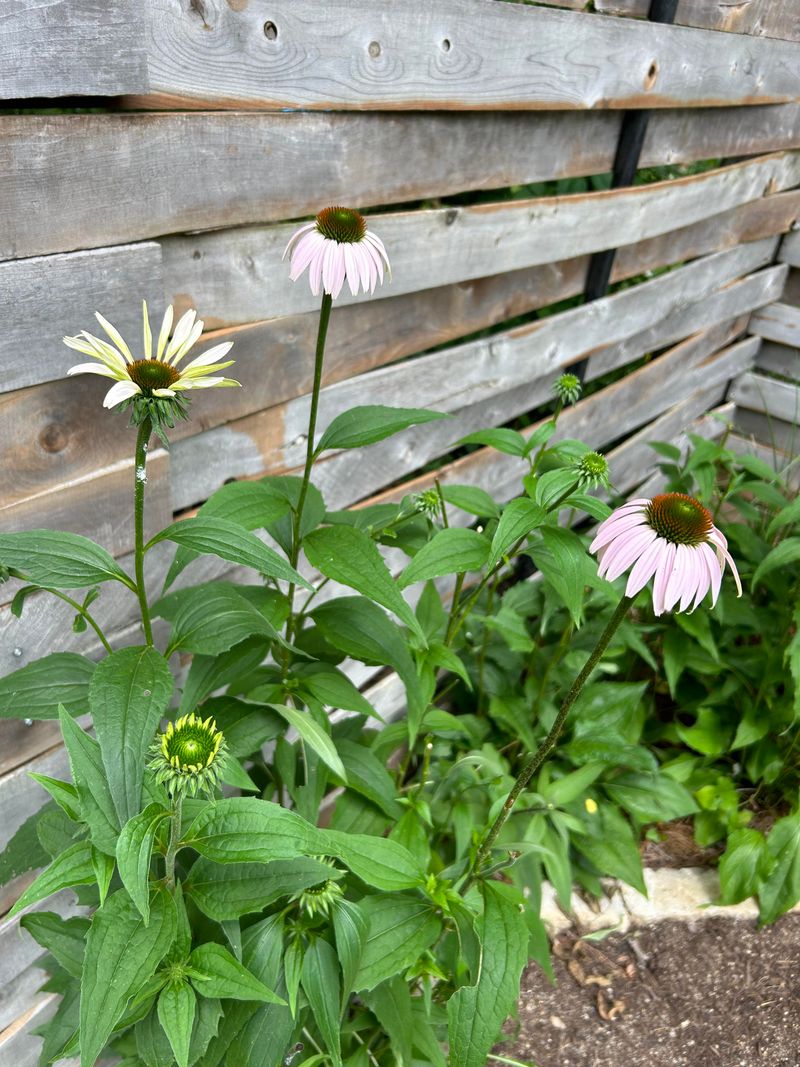
North Carolina is known for its warm, humid summers, and that humidity can become a real problem when your coneflowers are packed tightly together. When plants grow in a dense, overcrowded clump, air cannot move freely through the foliage.
That trapped moisture sitting on leaves and around the crown creates the perfect conditions for fungal problems like powdery mildew to take hold.
Powdery mildew is one of the most common issues coneflower growers in the Piedmont and coastal areas of North Carolina deal with every summer. It shows up as a white, powdery coating on leaves and weakens the plant by reducing its ability to photosynthesize properly.
A plant fighting off disease simply does not have the energy reserves left to push out a strong flush of blooms.
Dividing your coneflowers automatically improves airflow between plants because you are spreading them out over a larger area. Proper spacing, generally around 18 to 24 inches apart, gives each plant room to dry out between rain events and morning dew.
This small change can dramatically reduce disease pressure without you ever needing to spray anything. Healthier foliage means more energy directed toward flowering, and that is exactly what every North Carolina gardener wants to see in their summer garden.
4. Dividing Helps Restore Plant Vigor And Bloom Power
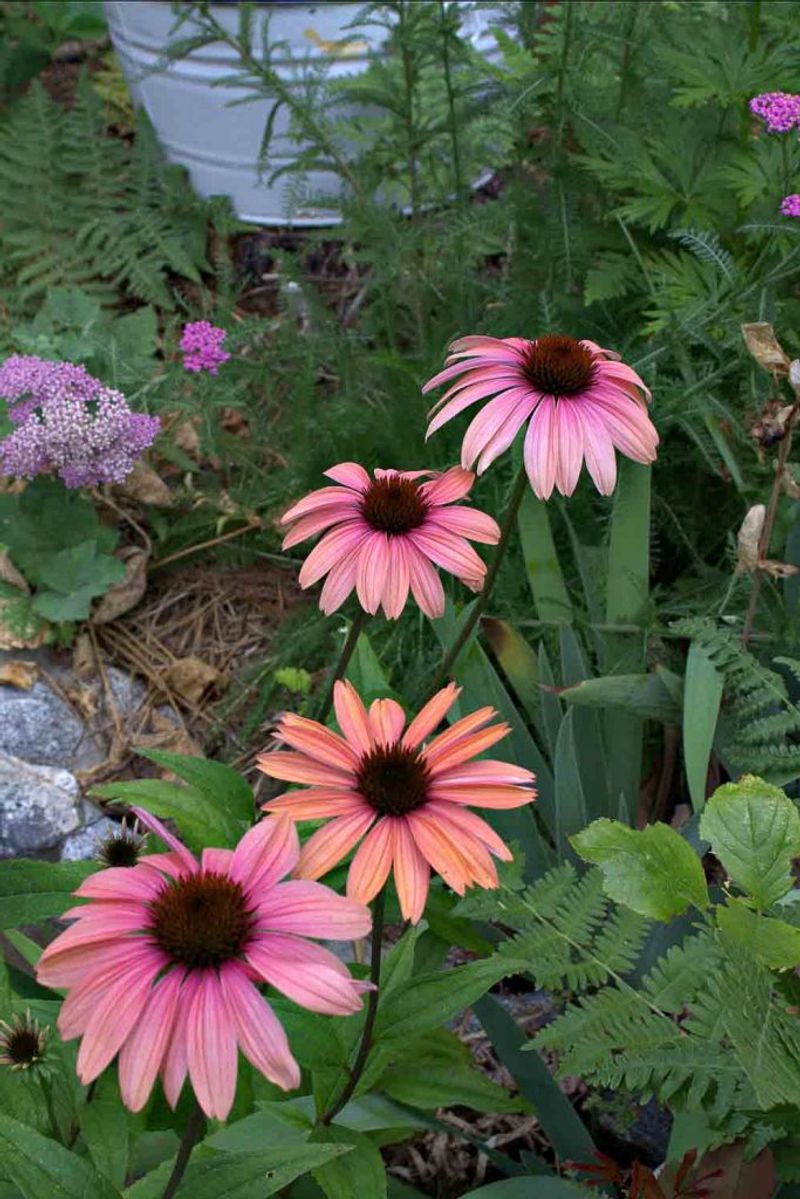
There is something almost magical about watching a divided coneflower bounce back. When you separate a large, tired clump into smaller sections, you are essentially giving each piece a fresh start.
The outer portions of a mature clump are typically the youngest and most vigorous, and those sections respond to division with an impressive burst of new growth.
The process works because younger root tissue is more active and efficient at absorbing water and nutrients.
Once you replant those outer divisions in good soil with proper spacing, they settle in quickly and redirect all their energy toward producing strong stems and abundant flowers.
Many North Carolina gardeners are genuinely surprised by how fast the improvement shows up, sometimes within the very same growing season.
You do not need a lot of fancy equipment to divide coneflowers successfully. A sharp garden fork or spade, a bucket of water to keep roots moist, and a good planting spot with full sun are really all you need.
Work on a cloudy day or in the early morning to reduce stress on the roots, especially during warmer months.
Replant divisions at the same depth they were growing before, water them in well, and then step back and watch your North Carolina garden transform over the coming weeks.
5. Early Spring Or Early Fall Are The Best Times To Divide
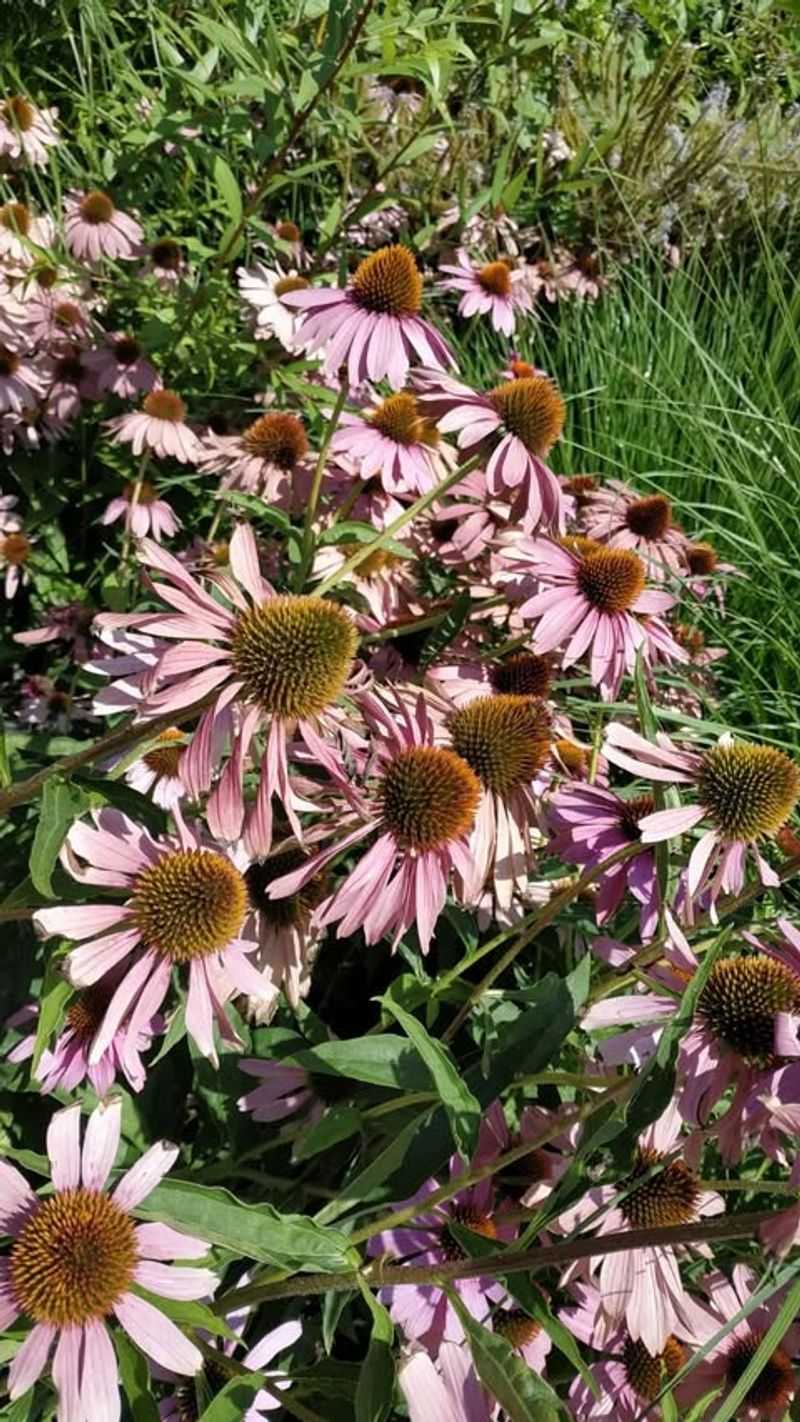
Timing your division correctly can make a big difference in how well your coneflowers recover and perform the following season. Early spring, just as new growth begins to emerge from the soil, is one of the best windows for dividing Echinacea in North Carolina.
The cooler temperatures and more reliable spring rainfall give freshly divided plants exactly the right conditions to establish strong roots before summer heat arrives.
Early fall is the other sweet spot, and many experienced North Carolina gardeners actually prefer it. Dividing in September or early October gives plants several weeks of mild weather to settle in before the ground cools completely.
Root growth continues even as the top of the plant slows down, so by the time spring arrives, your divisions are already well established and ready to bloom with full energy.
Avoid dividing during the peak of a North Carolina summer if you can help it. The combination of intense heat, bright sun, and dry spells puts enormous stress on freshly disturbed roots.
If you absolutely must divide during a warm period, do it on a cooler day, water generously, and provide some temporary shade for the first week. Choosing the right season is one of the simplest ways to make sure your coneflower division is a success from the very start.
6. Hollow Centers Signal It Is Time To Divide
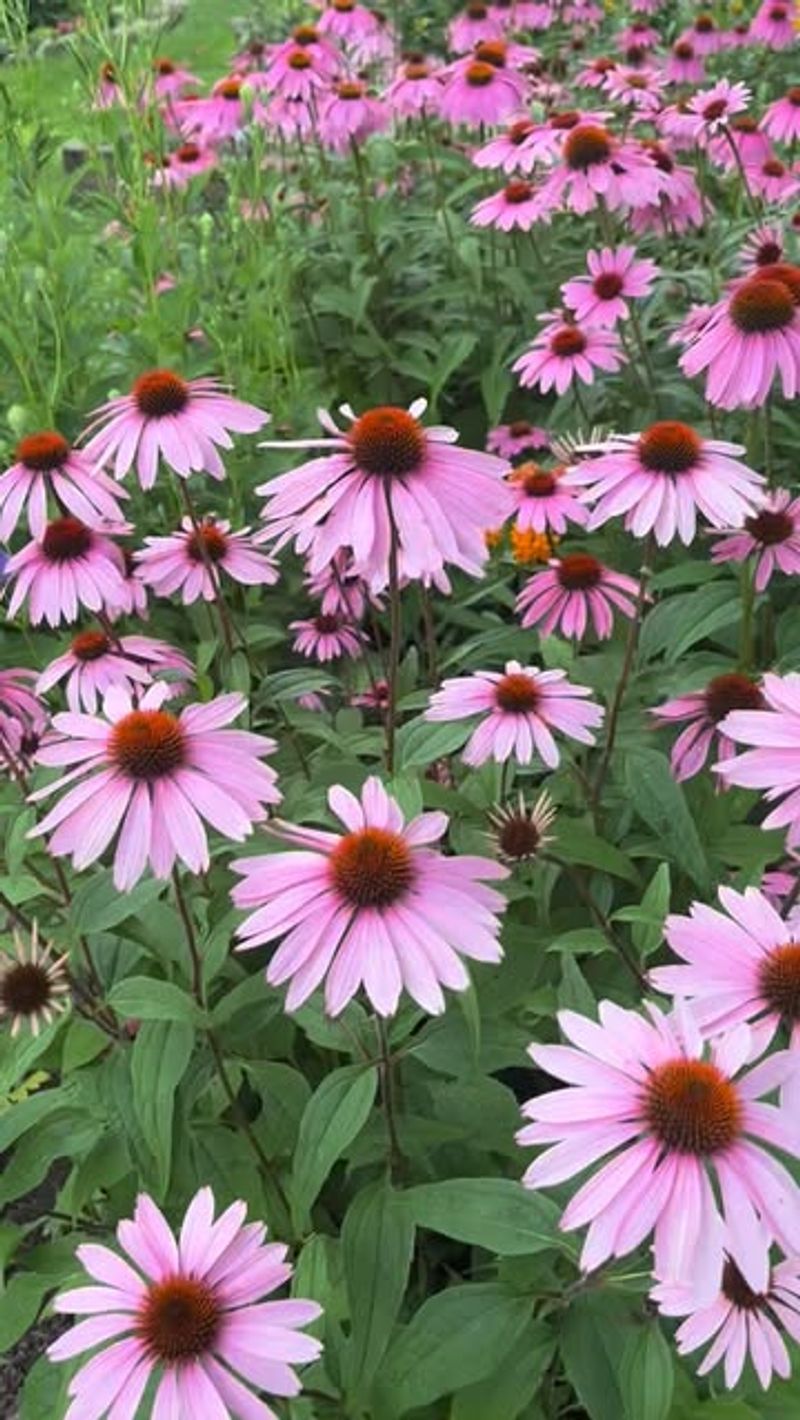
One of the clearest signs that your coneflowers are ready for division is a hollow or bare center in the middle of the clump.
This happens because the oldest part of the plant, which sits at the center, gradually loses its vigor while the younger outer sections continue growing outward.
The result is a ring of green growth surrounding an empty middle, almost like a plant donut.
This pattern is extremely common in older coneflower plantings across North Carolina, especially in beds that have not been touched in five or more years. The bare center is not just an eyesore.
It is a signal that the plant is running low on internal resources and needs help to keep performing at its best. Blooms become sparse, stems grow shorter, and the overall display looks patchy and uneven.
When you see that hollow center forming, that is your cue to grab your garden fork and get to work. Dig up the entire clump, discard the tired woody center, and replant only the healthy outer sections.
These outer divisions still carry plenty of vitality and will reward you with fresh, full blooms the following season.
North Carolina gardeners who catch this sign early and act on it quickly are the ones who keep their coneflower beds looking absolutely stunning year after year.
7. Full Sun Still Matters More Than Division Alone
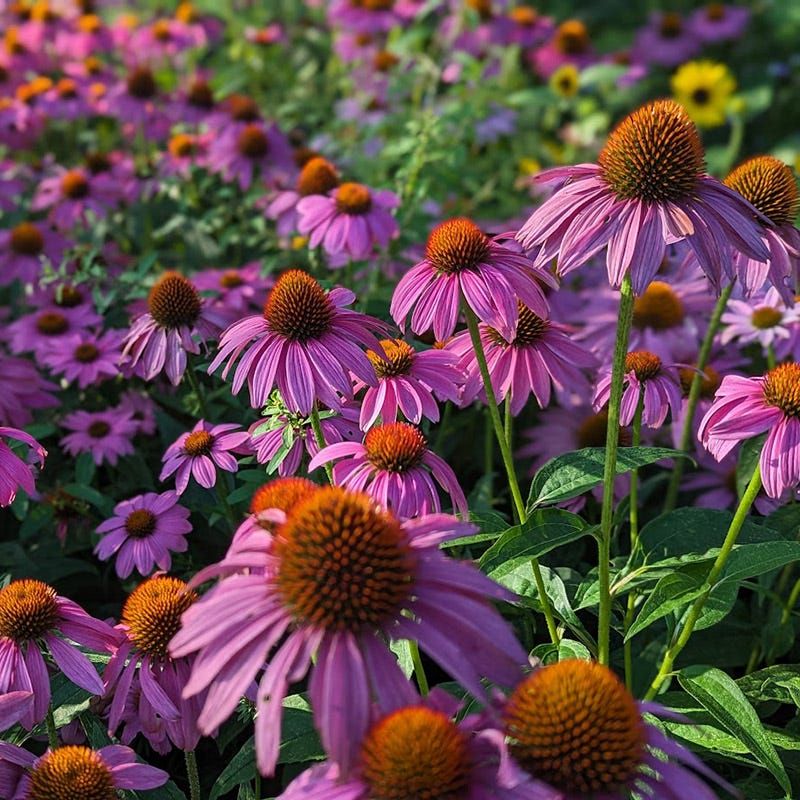
Dividing your coneflowers is a powerful tool, but it works best when the plants are getting the sunlight they need. Echinacea thrives in full sun, meaning at least six to eight hours of direct sunlight each day.
North Carolina gardens offer plenty of that sunshine during the growing season, which is one reason coneflowers do so well across the state when planted in the right spot.
The tricky part is that trees and shrubs keep growing every year, and a spot that was perfectly sunny when you first planted your coneflowers might now be partly shaded.
Increasing shade is a sneaky reason why blooms gradually decline, and no amount of dividing will fully fix a light problem.
If your plants are reaching or leaning toward the sun, that is a clear sign they are not getting enough of it where they currently stand.
Before you divide, take a good look at how much sun your coneflower bed actually receives throughout the day. If shade has crept in, consider moving your divisions to a sunnier location in your North Carolina yard.
Pairing the right amount of light with a fresh division gives your plants every possible advantage. When sun and spacing come together, coneflowers reward you with the kind of bold, colorful display that makes the whole neighborhood stop and stare.
8. Overfertilizing Can Actually Reduce Your Coneflower Blooms

More fertilizer does not always mean more flowers, and coneflowers are a perfect example of that gardening truth. Echinacea is a native prairie plant that evolved in lean, well-drained soils with relatively low nutrient levels.
When you add too much nitrogen-rich fertilizer to the mix, the plant responds by pushing out a lot of big, lush leaves instead of putting energy into producing blooms.
Many North Carolina gardeners make this mistake, especially when they are trying to help a struggling plant. The instinct to feed it more makes total sense, but with coneflowers it often backfires.
Excess nitrogen keeps the plant in a vegetative growth mode, which is great for foliage but terrible for flower production. The result is a plant that looks full and green but offers almost nothing in the way of color or blooms.
If you have been adding fertilizer regularly and your coneflowers are still underperforming, try pulling back completely for a season. Average garden soil across much of North Carolina provides plenty of nutrients for Echinacea without any supplemental feeding.
If your soil is genuinely poor, a light application of a low-nitrogen, bloom-boosting fertilizer in early spring is all you really need.
Pair that restraint with a fresh division, and your coneflowers will put their energy exactly where you want it, right into those gorgeous, long-lasting blooms.