Why North Carolina Summers Destroy Plants That Looked Perfectly Healthy Just Weeks Before
One of the most discouraging things a North Carolina gardener can experience is watching a plant that looked strong and full in May fall completely apart by July. No obvious pests, no neglect, no dramatic weather event.
Just a steady decline that seems to come out of nowhere and picks up speed fast once the real summer heat settles in. It happens more than most gardeners talk about, and it is not bad luck or a lack of effort.
North Carolina summers operate at an intensity that exposes vulnerabilities in plants that had no visible problems during cooler months.
The combination of sustained high temperatures, relentless humidity, and warm nights that never give plants a chance to recover creates a kind of compounding stress that even otherwise healthy specimens struggle to absorb.
Understanding what is actually happening beneath the surface during these collapses makes it a lot easier to know which plants are worth the risk, which ones need specific support to survive, and how to set up your garden so summer feels less like something to survive and more like a season your plants are actually built for.
1. Heat And Humidity Increase Disease Pressure
Imagine waking up to a perfectly green garden one morning and noticing strange spots and wilting leaves just a week later. That is exactly what happens across North Carolina when summer heat and humidity team up against your plants.
The combination creates a breeding ground for fungal and bacterial diseases that spread faster than most gardeners expect.
Fungi like powdery mildew, downy mildew, and leaf spot thrive when temperatures climb above 80 degrees Fahrenheit and humidity stays above 70 percent. North Carolina’s summer climate regularly hits both of those thresholds at the same time.
Once spores land on a leaf, warm moist air gives them everything they need to spread rapidly across the entire plant.
Watering in the morning rather than the evening makes a real difference because it gives leaves time to dry before nightfall. Improving airflow by spacing plants properly is another smart move that reduces moisture buildup around foliage.
Choosing disease-resistant plant varieties is also worth considering, especially for crops like tomatoes and squash that are particularly vulnerable in the Piedmont and coastal regions of North Carolina.
Removing affected leaves quickly helps slow the spread before it gets out of control.
2. Night Temperatures Stay Too High For Recovery
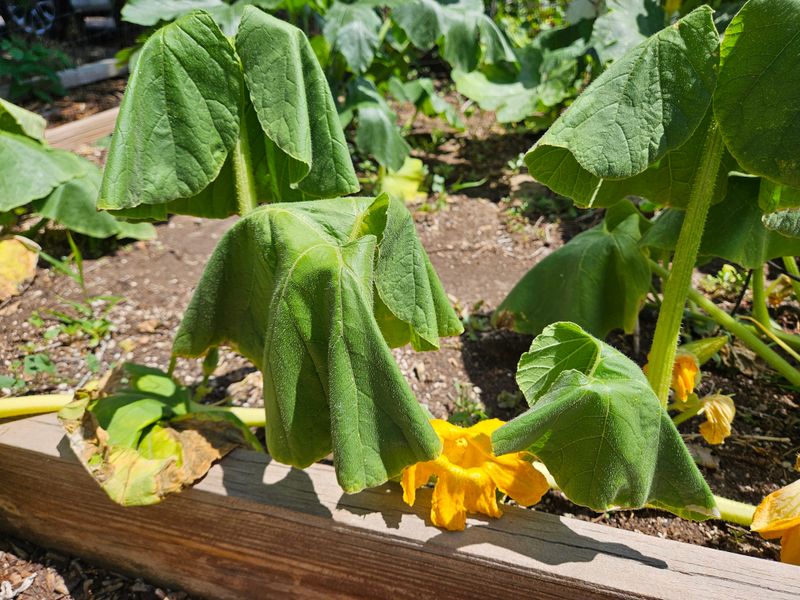
Most people think about daytime heat as the main problem for summer gardens, but nighttime temperatures are actually where a lot of the hidden damage happens.
In North Carolina, summer nights frequently stay above 70 degrees Fahrenheit, and that warm air keeps plants working overtime instead of resting and recovering.
Plants use cooler nights to slow down their metabolism and repair stress from the day. When temperatures stay high after sunset, they keep burning energy through a process called respiration rather than storing it for growth.
Over time, this constant energy drain weakens the plant from the inside, even when it still looks fine on the surface.
Your North Carolina Garden Changes Every Week. Your Plan Should Too.
Gardening in North Carolina changes quickly throughout the season. Every Friday you’ll receive a simple weekly plan showing exactly what to plant, prune, fertilize, harvest, and protect so you never miss the right timing.
Tomatoes are a great example of this problem. They often drop flowers and stop fruiting when nighttime temperatures stay consistently above 70 degrees, which is a common summer pattern across much of central and eastern North Carolina.
The plant looks green and alive but stops producing because it simply does not have enough energy reserves left. Mulching the soil around your plants helps keep root zones cooler, which eases some of that overnight stress.
Choosing heat-tolerant varieties bred for Southern climates is one of the best long-term strategies gardeners in North Carolina can use to work with the summer weather instead of fighting against it.
3. Sudden Soil Moisture Swings Stress Roots Fast
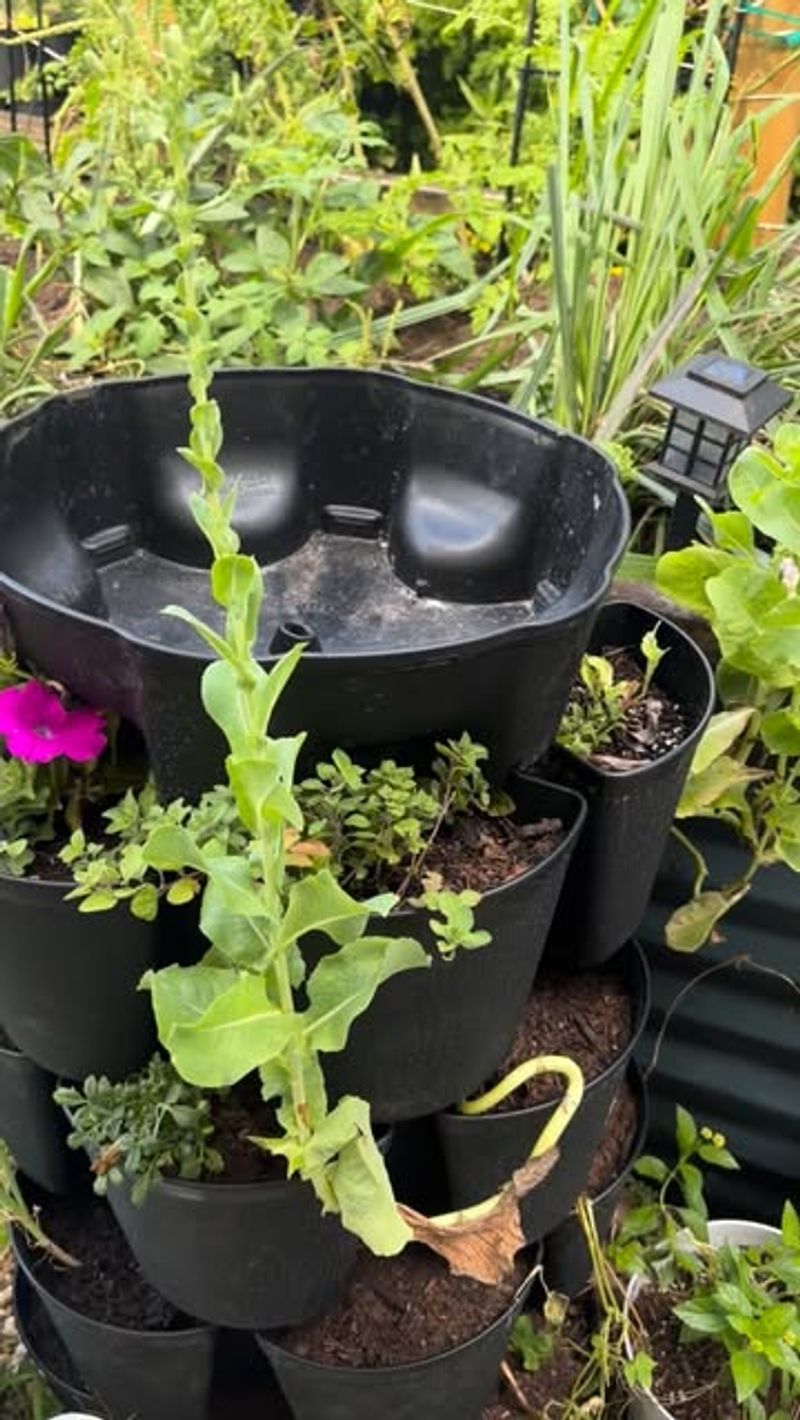
North Carolina summers do not deliver rain on a nice, predictable schedule. One week might bring heavy downpours that flood the garden, and the next stretch could be completely dry with baking heat.
Those back-and-forth swings between too much water and not enough are incredibly stressful for plant roots.
Sandy soils common in the eastern Coastal Plain drain quickly, which means roots dry out fast between rain events. Clay soils found in the Piedmont hold water much longer and can stay saturated for days after a storm.
Both situations push roots to their limits in different ways, and plants that were thriving in the mild spring conditions often cannot handle those extremes when summer kicks in.
Roots that go from soaking wet to bone dry repeatedly begin to crack and lose their ability to absorb water and nutrients properly. You might notice wilting even after it rains, which is a confusing sign that the root system is already damaged.
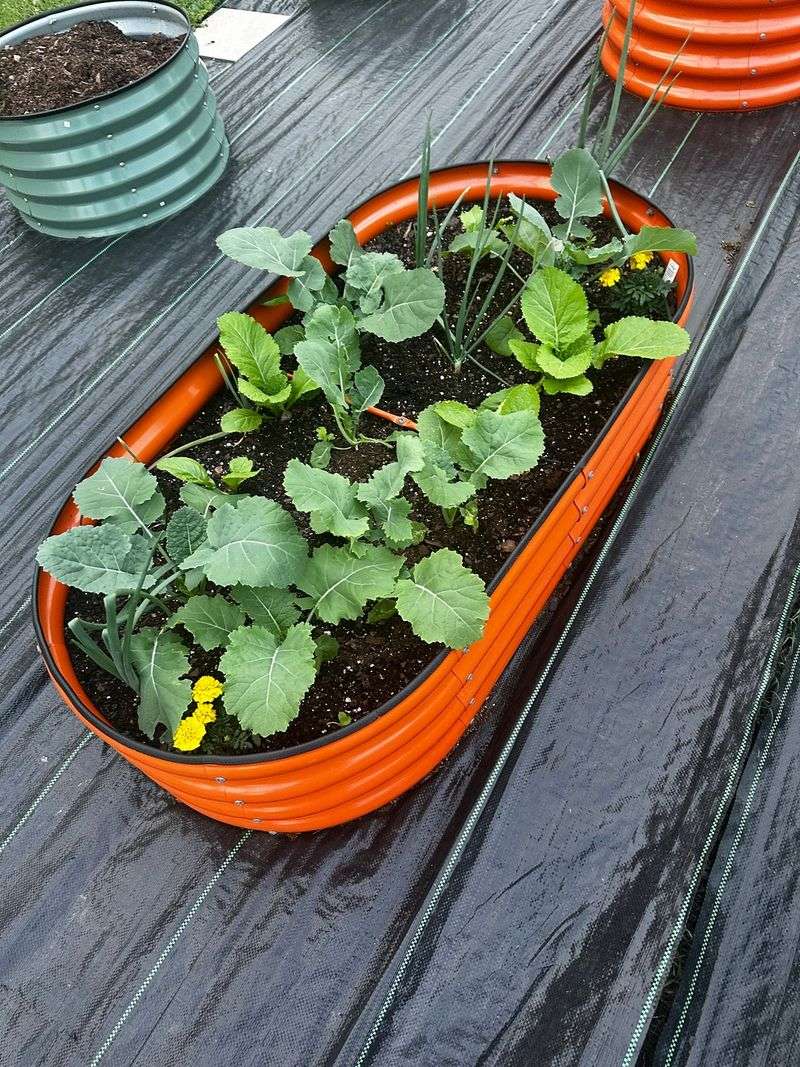
Adding a thick layer of organic mulch around plants helps buffer those moisture swings by slowing both drainage and evaporation. Raised beds with well-amended soil give you much better control over moisture levels throughout the unpredictable North Carolina summer.
Checking soil moisture regularly rather than watering on a fixed schedule is one of the easiest ways to protect roots from this kind of stress.
4. Root Damage From Compacted Or Saturated Piedmont Clay
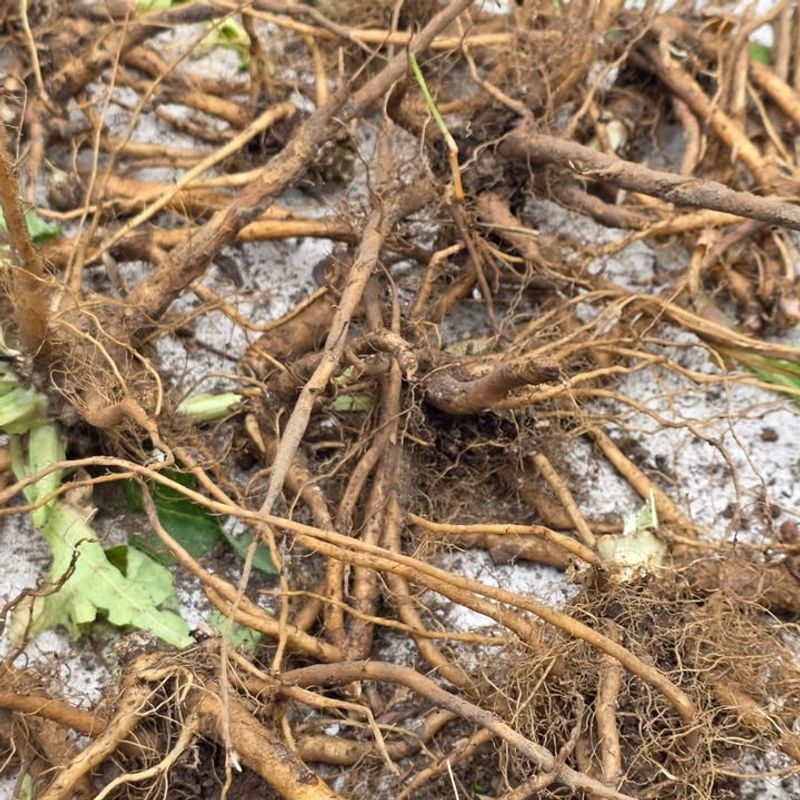
Here is something that surprises a lot of new gardeners in the Piedmont region of North Carolina. A plant can look completely healthy above ground while its roots are quietly suffocating below the surface.
Compacted or waterlogged clay soil cuts off the oxygen supply that roots need to function, and the damage builds up before any visible symptoms appear.
Clay soil in central North Carolina is notoriously dense. After heavy summer rains, water fills the spaces between soil particles and pushes out the oxygen that roots depend on.
Without oxygen, roots cannot absorb water or nutrients effectively, and they become vulnerable to rot caused by soil-dwelling pathogens that love wet, airless conditions.
The tricky part is that the plant above ground may look fine for several days while the root system is already in serious trouble. Then suddenly, leaves start to wilt, yellow, or drop, and it seems to happen almost overnight.
Breaking up compacted soil with a garden fork before planting helps water drain more evenly. Adding compost to clay soil improves its structure over time, creating better drainage and more air pockets around roots.
Raised beds are especially helpful in areas with heavy Piedmont clay because they give you complete control over soil quality. Avoiding walking on planted beds also prevents compaction from getting worse during the growing season.
5. Intense Sun And Leaf Scorch Catch Plants Off Guard
Spring in North Carolina can be surprisingly gentle, with mild temperatures and softer light that plants absolutely love. Then June arrives and everything changes.
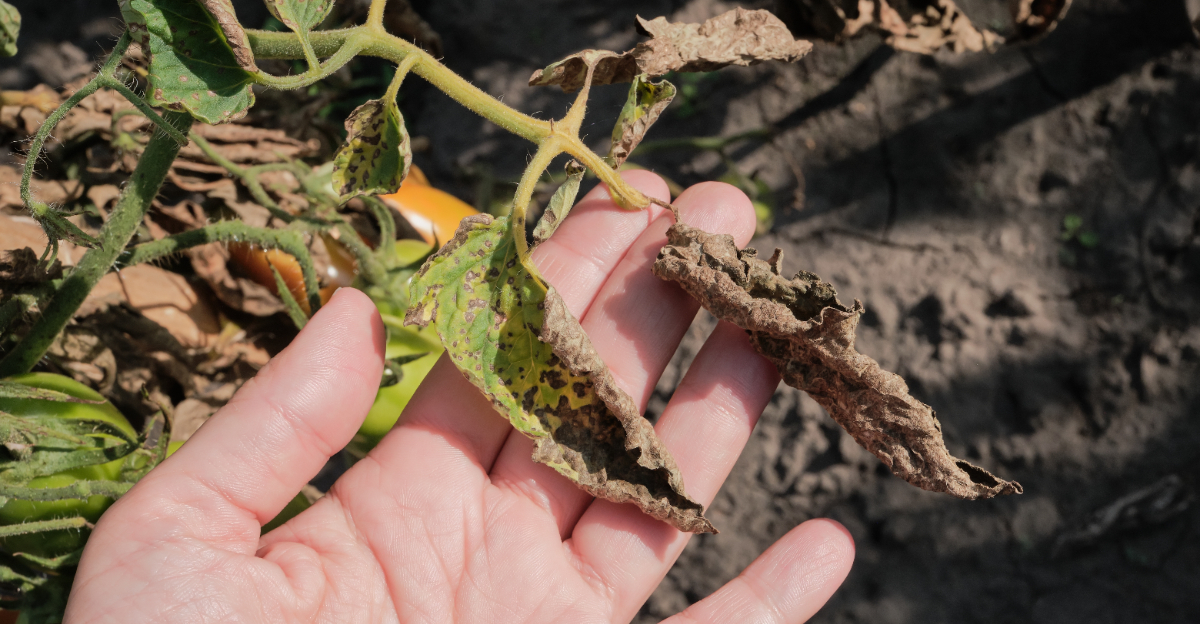
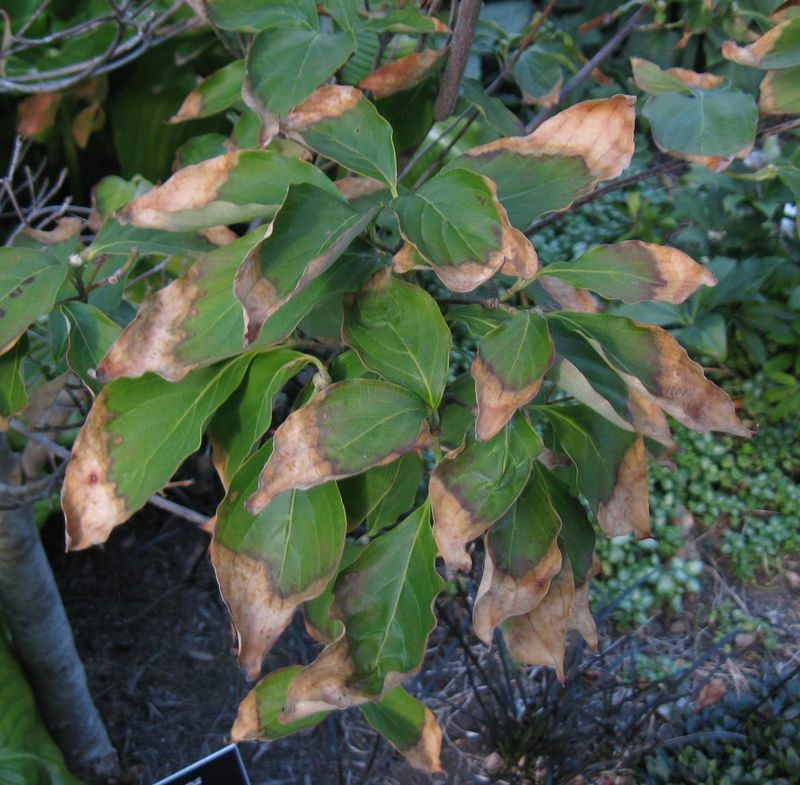
The sun gets more intense, UV levels climb, and plants that were growing beautifully just weeks before suddenly show brown, crispy edges on their leaves, which is a classic sign of leaf scorch.
Leaf scorch happens when a plant loses water through its leaves faster than its roots can replace it. Intense summer sun combined with high temperatures speeds up that water loss dramatically.
Newly planted or shallow-rooted plants are especially vulnerable because their root systems have not yet spread deep enough to access moisture lower in the soil profile.
Interestingly, plants moved from a shaded nursery or indoor space directly into a full-sun North Carolina summer garden are at high risk because they have not had time to adjust to stronger light.
Gardeners call this hardening off, and skipping that gradual adjustment period often leads to visible leaf damage within just a few days.
Providing afternoon shade using shade cloth rated at 30 to 50 percent can protect vulnerable plants during the hottest part of the day. Deep, infrequent watering encourages roots to grow deeper where soil stays cooler and moister.
Keeping plants well-watered during heat waves is essential for preventing scorch from taking hold across your garden.
6. Rapid Pest Population Growth Sneaks Up On Gardeners
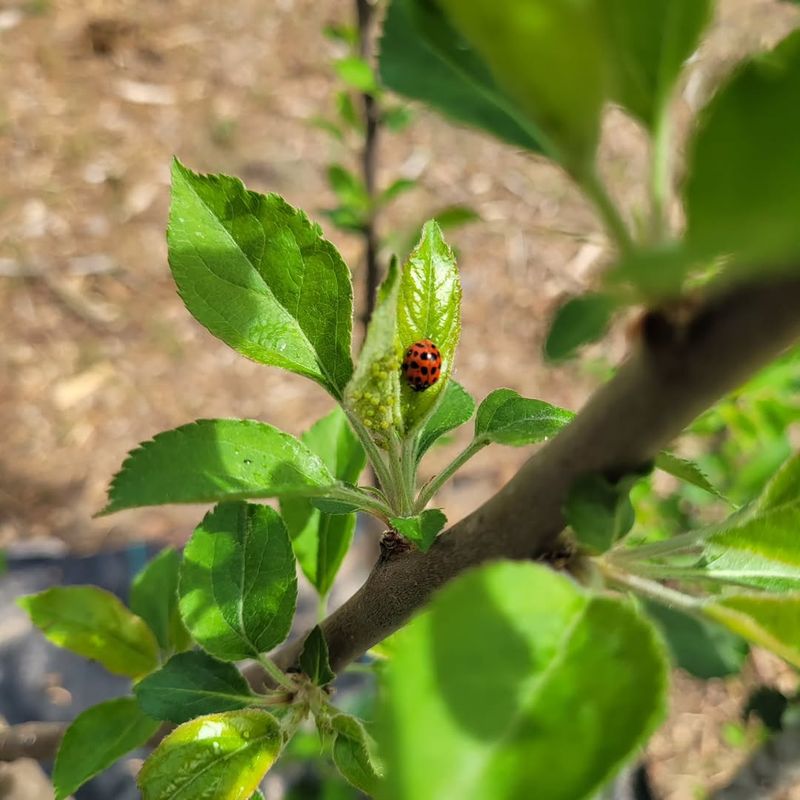
Warm weather does not just affect plants. It supercharges insect populations in ways that can feel almost impossible to keep up with.
In North Carolina, summer temperatures allow pests like aphids, spider mites, and caterpillars to complete their life cycles much faster than they do in cooler months, which means populations can explode in just a week or two.
Aphids, for example, can reproduce without mating during warm weather, and a single aphid can produce dozens of offspring in just a few days. Spider mites thrive in hot, dry conditions and often go unnoticed until the damage on leaves becomes severe.
Caterpillars from various moth species are especially active in mid-summer across North Carolina, chewing through foliage at a rate that can strip a plant surprisingly fast.
Checking plants every few days is the most reliable way to catch pest problems before they spiral out of control. Flipping leaves over to look for eggs or small insects is a habit that experienced North Carolina gardeners swear by.
Introducing beneficial insects like ladybugs and lacewings into your garden helps keep pest populations in check naturally.
Neem oil spray is a popular organic option that works against a wide range of common pests without harming pollinators when applied correctly in the early morning or evening. Acting early makes a much bigger difference than waiting until damage becomes severe.
7. Nutrient Leaching Leaves Plants Hungry Mid-Season
Heavy summer rain in North Carolina does more than just flood garden beds. It actually washes nutrients out of the soil, especially in sandy areas along the Coastal Plain where water moves through quickly.
This process, called nutrient leaching, can leave plants looking pale, yellow, and stunted even when you fertilized them just weeks earlier.
Nitrogen is the nutrient most easily washed away because it does not bind tightly to soil particles. When nitrogen levels drop mid-season, plants lose their rich green color and growth slows noticeably.
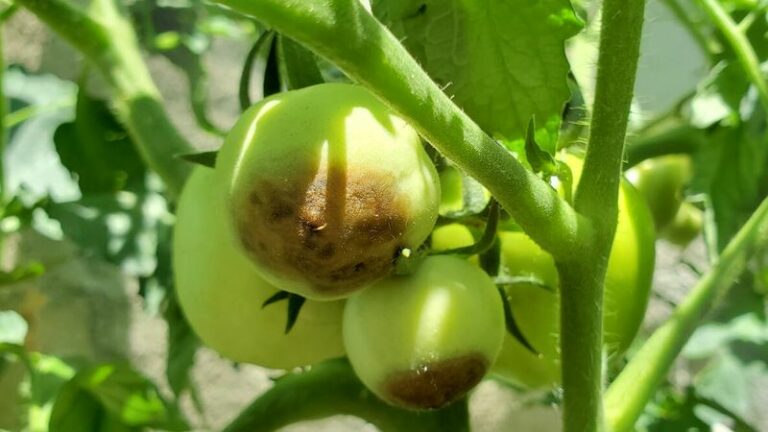
Calcium and magnesium can also leach out, leading to problems like blossom end rot in tomatoes and peppers, which is a common frustration for North Carolina gardeners every summer.
At the same time, roots stressed by waterlogged clay soil may struggle to absorb nutrients even when those nutrients are technically present in the soil.
The plant shows deficiency symptoms not because the soil is empty but because the roots cannot function properly under those conditions.
Using slow-release organic fertilizers helps maintain a steadier supply of nutrients between heavy rain events. Foliar feeding with a diluted liquid fertilizer gives plants a quick nutrient boost when roots are temporarily struggling.
Testing your soil every year through the North Carolina Department of Agriculture is a smart and affordable way to understand exactly what your garden needs before problems show up.