Why Your Oregon Perennials Didn’t Bloom This Year And How To Fix It
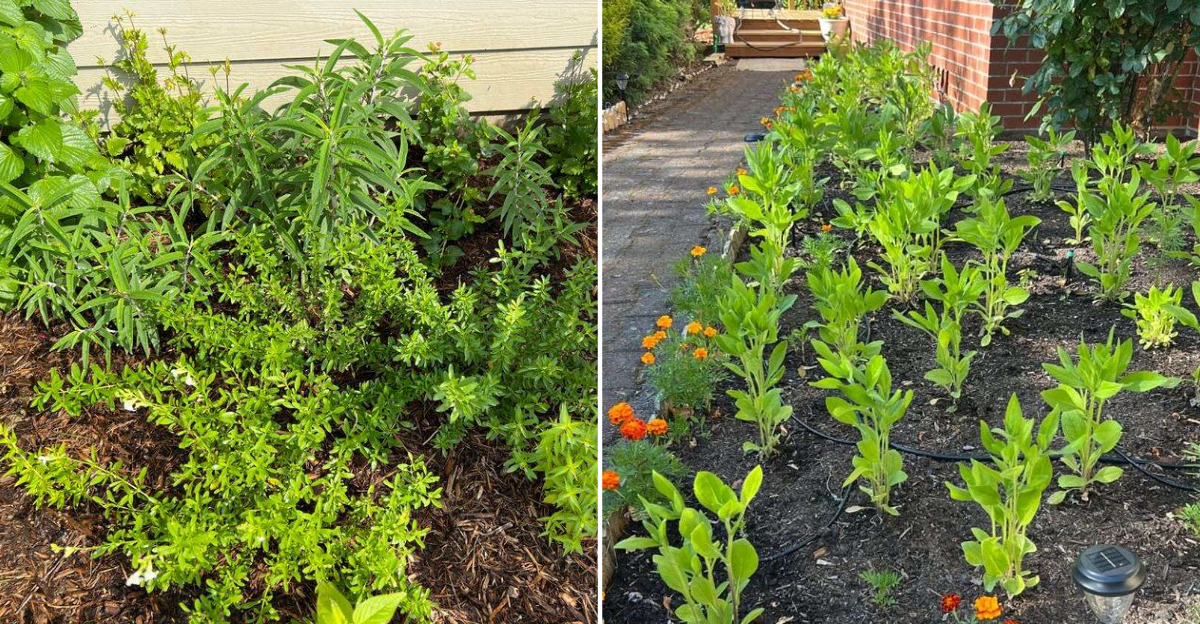
It can be pretty disappointing to watch your perennials grow all season… and never produce a single flower.
The leaves look healthy, the plant seems happy, but the blooms you were expecting just never show up.What happened?
If you garden in Oregon, this situation is more common than you might think. Perennials usually return year after year, so when they suddenly stop blooming it can feel confusing.
Did the weather mess things up? Did the plant decide to take the year off? Is your garden secretly plotting against you?
The truth is there is usually a simple explanation. A few small factors like sunlight, soil conditions, pruning timing, or plant maturity can make a big difference in how well perennials bloom.
The good news? Once you figure out the cause, most bloom problems are surprisingly easy to fix.
1. Why Perennials Skip Blooming
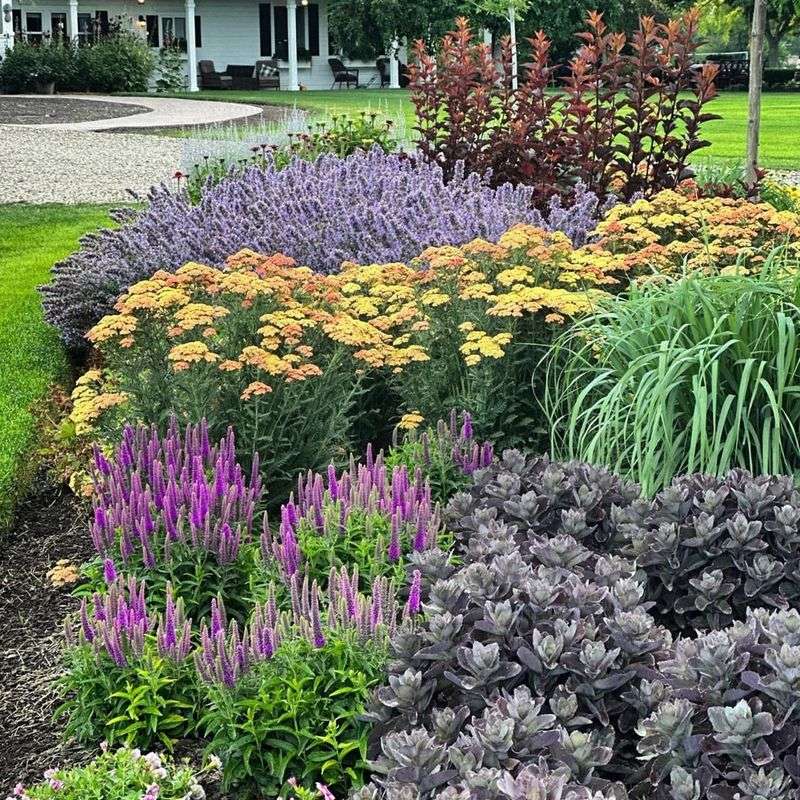
Perennials are tough, reliable plants that come back year after year. But sometimes, they simply refuse to bloom, and that can be really frustrating for Oregon gardeners who have put in so much effort.
Blooming is not automatic. Plants need the right combination of sunlight, nutrients, water, temperature, and space to produce flowers.
When even one of those things is off, your plants might put all their energy into growing leaves instead of flowers.
Oregon’s climate adds another layer of complexity. The state’s famously rainy winters, cool springs, and sometimes unpredictable frosts create challenges that gardeners in sunnier states don’t always face.
Plants here have to work harder to get what they need.
Understanding why perennials skip blooming is the first step toward fixing the problem. Most causes are surprisingly simple once you know what to look for.
You don’t need to be an expert gardener to figure it out. You just need to observe your garden closely and ask the right questions.
The sections below cover the most common culprits, and each one comes with clear, actionable advice to help your Oregon garden finally reach its full, colorful potential.
2. Too Much Shade In The Garden
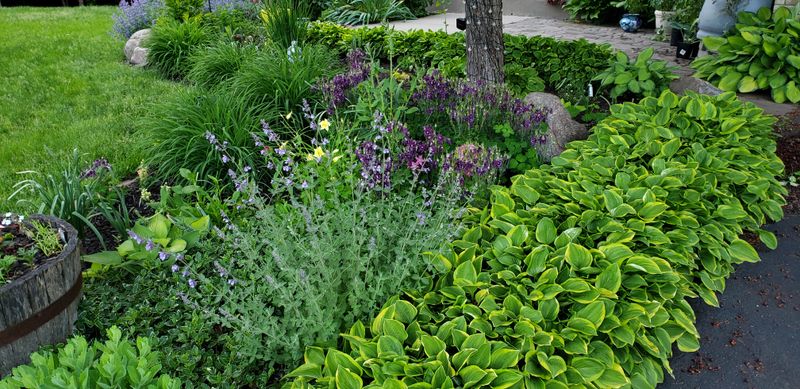
Sunlight is basically food for flowering plants. Most popular perennials need at least six hours of direct sun every day to produce blooms.
In Oregon, where overcast skies and tall Douglas firs are part of the scenery, getting enough light is often harder than it sounds.
Even spots that look bright and open in winter can become deeply shaded by late spring when nearby trees and shrubs leaf out. If your perennials are sitting in too much shade, they’ll grow just fine but put zero energy into making flowers.
Walk through your garden at different times of day and pay attention to where the sunlight actually lands. Morning sun is gentler, but afternoon sun carries more heat and energy.
Most flowering perennials prefer a mix of both.
If shade is the issue, you have a few good options. Pruning back overgrown shrubs or lower tree branches can open up significant light.
Moving plants to a sunnier bed is another solid fix. Some Oregon gardeners also choose shade-tolerant bloomers like astilbe or bleeding heart for problem spots.
Your Oregon Garden Changes Every Week. Your Plan Should Too.
Gardening in Oregon changes quickly throughout the season. Every Friday you’ll receive a simple weekly plan showing exactly what to plant, prune, fertilize, harvest, and protect so you never miss the right timing.
Matching the right plant to the right light level makes a huge difference in how well your garden performs each season.
3. Overfertilizing With Nitrogen
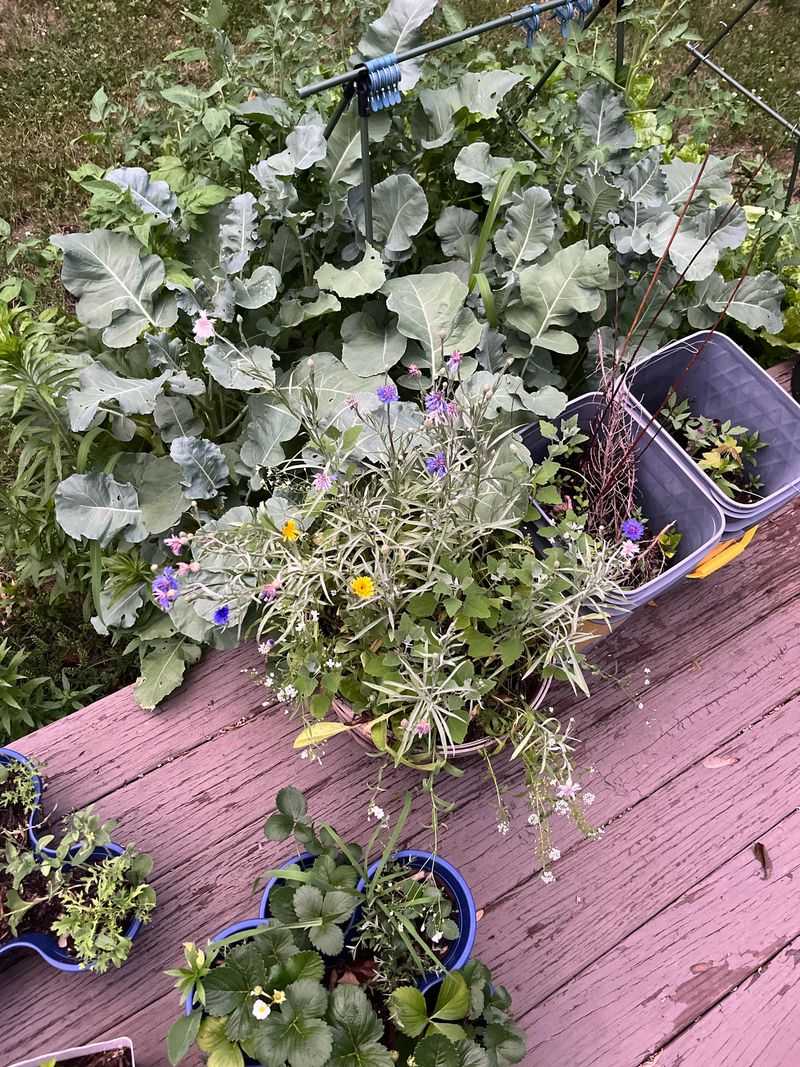
More fertilizer doesn’t always mean more flowers. In fact, too much nitrogen is one of the sneakiest reasons Oregon perennials go bloomless.
Nitrogen is the nutrient that pushes leafy, green growth, and when there’s too much of it, plants basically forget about flowering altogether.
You might walk out to your garden and think everything looks amazing because the foliage is so thick and dark green. But look closer, and you’ll notice there’s not a single bud in sight.
That’s a classic sign of nitrogen overload.
This often happens when gardeners apply lawn fertilizer near their flower beds by mistake. Lawn fertilizers are loaded with nitrogen because grass loves it.
Perennials, not so much.
Switching to a fertilizer with higher phosphorus content helps redirect the plant’s energy toward flower production. Look for products labeled with a higher middle number on the NPK ratio, such as 5-10-5.
Bone meal is a great organic option that boosts phosphorus naturally.
Also, adding compost to your Oregon garden beds improves overall soil health without spiking nitrogen levels. Healthy, balanced soil creates the best conditions for consistent, reliable blooming year after year without the guesswork of over-applying synthetic fertilizers.
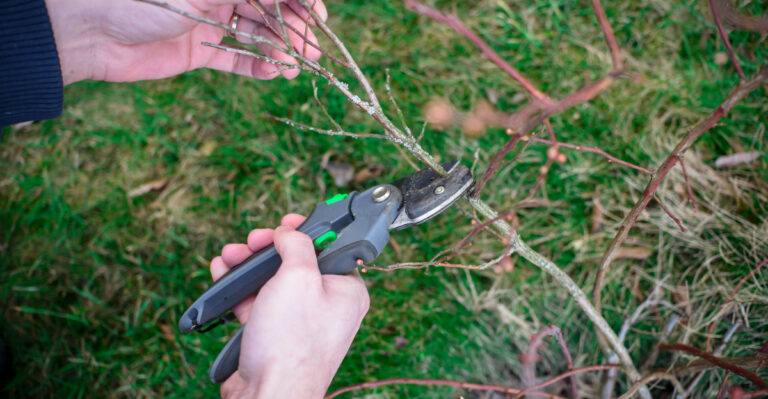
4. Pruning At The Wrong Time
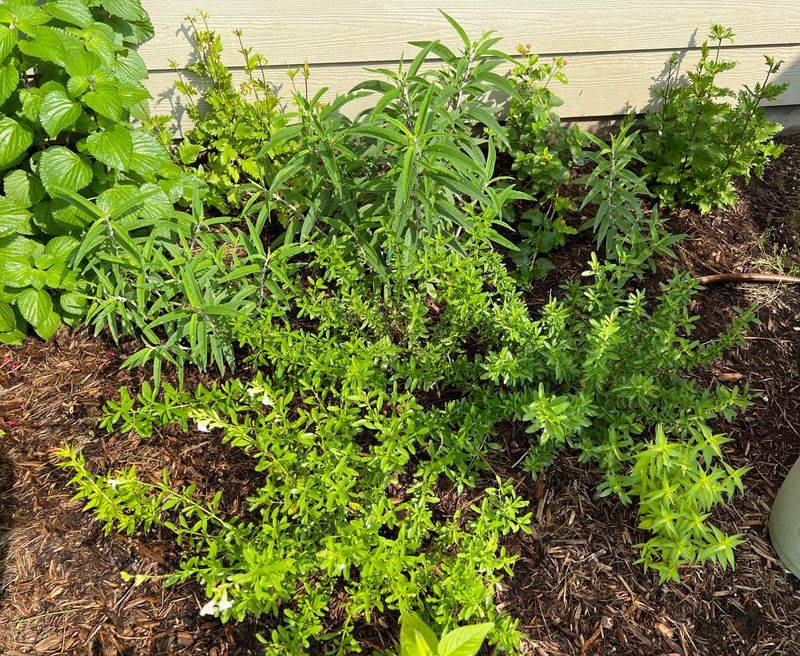
Timing your pruning is everything when it comes to flowering perennials. Cut at the wrong time, and you’ve accidentally removed all the buds your plant spent months preparing.
It’s one of the most common mistakes Oregon gardeners make, and it’s completely understandable because the rules are different depending on the plant.
Spring-blooming perennials like lilacs, rhododendrons, and bleeding heart set their flower buds during late summer and fall. If you prune them in early spring thinking you’re tidying them up, you’re actually snipping off the very buds that would have given you flowers.
The general rule is simple. Prune spring bloomers right after they finish flowering.
Prune summer and fall bloomers in late winter before new growth starts. Following this schedule protects the buds and keeps your bloom cycle on track.
Oregon gardeners also need to be mindful of the unpredictable late rains in spring that can make pruning timing feel confusing. When in doubt, wait a few extra weeks before picking up the shears.
Keeping a simple garden journal helps a lot. Write down when each plant blooms and when you prune it.
Over time, you’ll build a personalized pruning calendar that keeps your Oregon garden looking its very best every single year.
5. Plants Becoming Overcrowded
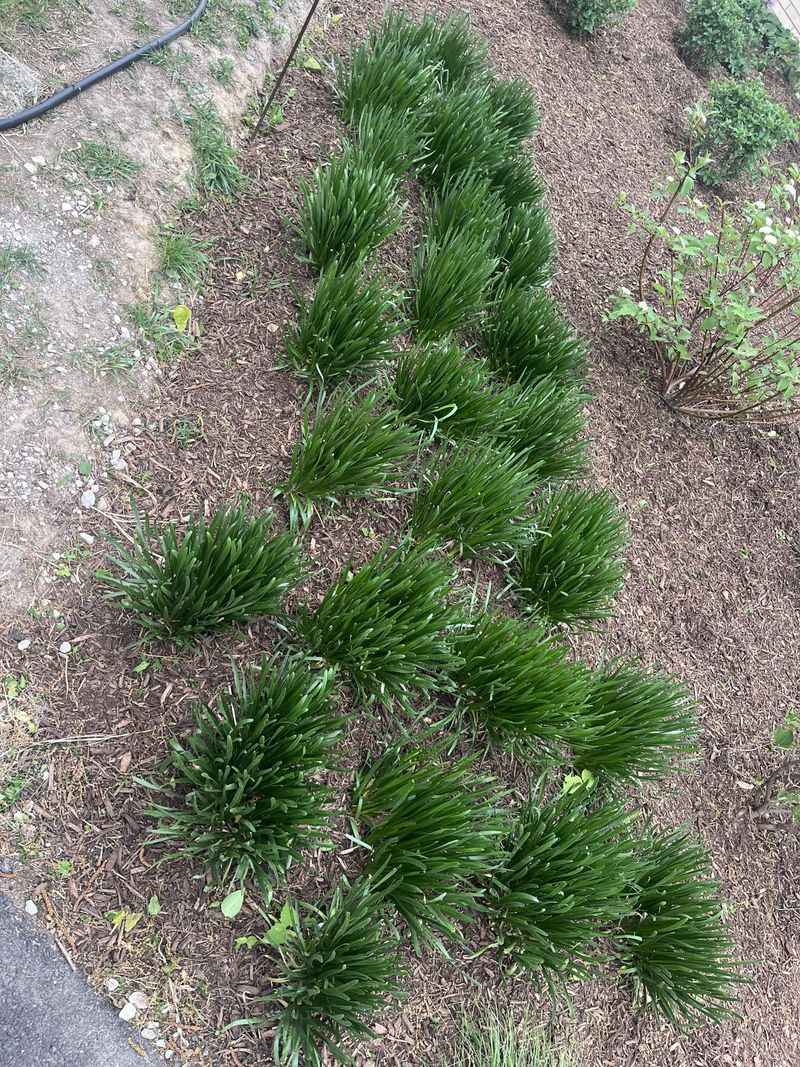
Perennials are generous growers. Over a few seasons, they spread and multiply, which sounds great until they start competing with each other for water, nutrients, and light.
When plants get too crowded, blooming is usually the first thing to suffer.
Crowded roots struggle to absorb what they need from the soil. Plants end up stressed, and stressed plants focus on survival rather than reproduction.
Flowering takes energy, and overcrowded perennials simply don’t have enough to spare.
Oregon’s growing conditions, with their reliable rainfall and mild temperatures, actually speed up this process.
Plants here can spread faster than they would in harsher climates, which means Oregon gardeners may need to divide their perennials more frequently than the general advice suggests.
Dividing perennials every two to four years is a great habit to develop. Early fall or early spring are the best times to do it in Oregon.
Dig up the clump, split it into smaller sections using a sharp spade or garden fork, and replant the healthiest pieces with proper spacing.
Give each division enough room to breathe and grow. Proper spacing improves air circulation, reduces disease risk, and gives every plant access to the resources it needs to produce those beautiful blooms you’ve been waiting for.
6. Late Frost Damaging Buds
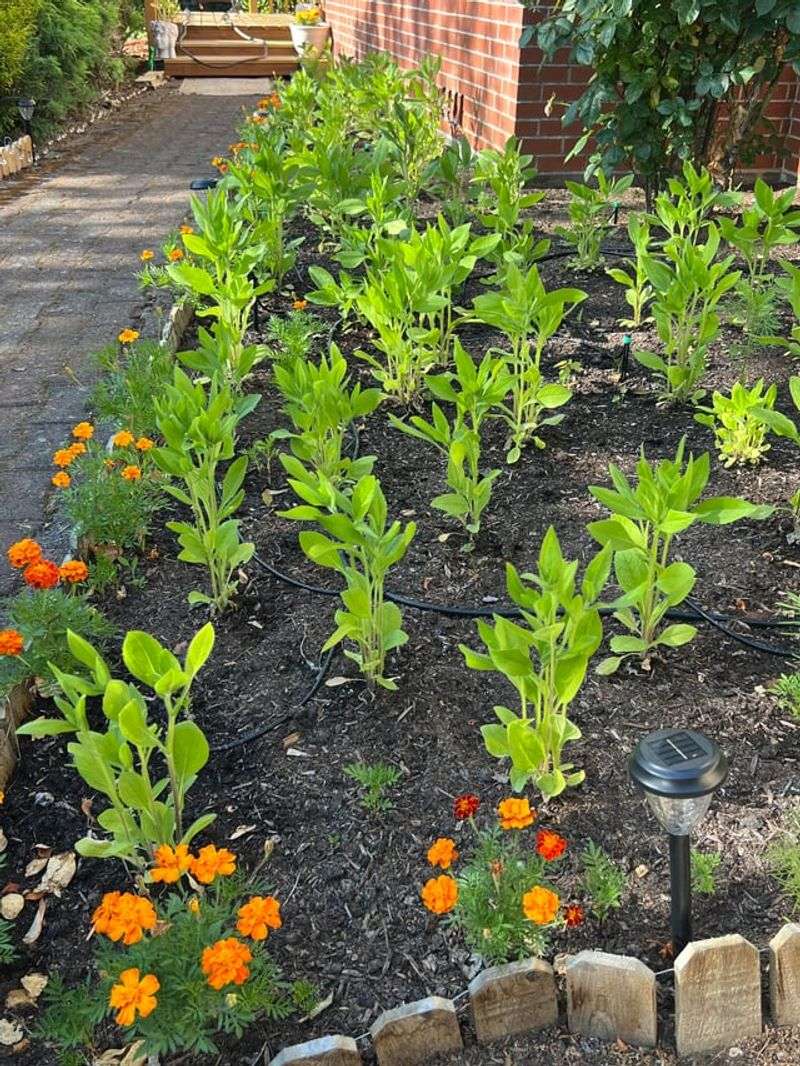
Oregon springs can be sneaky. One week feels warm and promising, and then a cold snap rolls in and catches your garden completely off guard.
Late frosts are a real threat to perennial flower buds, especially for plants that start emerging early in the season.
Frost damage to buds is often invisible at first. The plant looks perfectly healthy on the outside, but the flower bud tissue inside has been damaged by the cold.
A few weeks later, when blooming season arrives, there’s nothing to show for it.
Plants like hostas, dahlias, and early-blooming perennials are especially vulnerable. Even cold-hardy varieties can lose a season’s worth of blooms if a hard frost hits at just the right wrong moment.
The fix starts with being prepared. Keep an eye on Oregon weather forecasts in March, April, and even early May.
When a frost warning is issued, cover vulnerable plants with frost cloth, old bed sheets, or even cardboard overnight.
Choosing perennial varieties known for cold hardiness in Oregon’s climate is another smart long-term strategy.
Native plants and locally bred cultivars are often better adapted to the state’s unpredictable late frosts.
Talking to staff at a local Oregon nursery can help you find the most frost-resistant options for your specific growing zone.
7. Poor Soil Nutrients
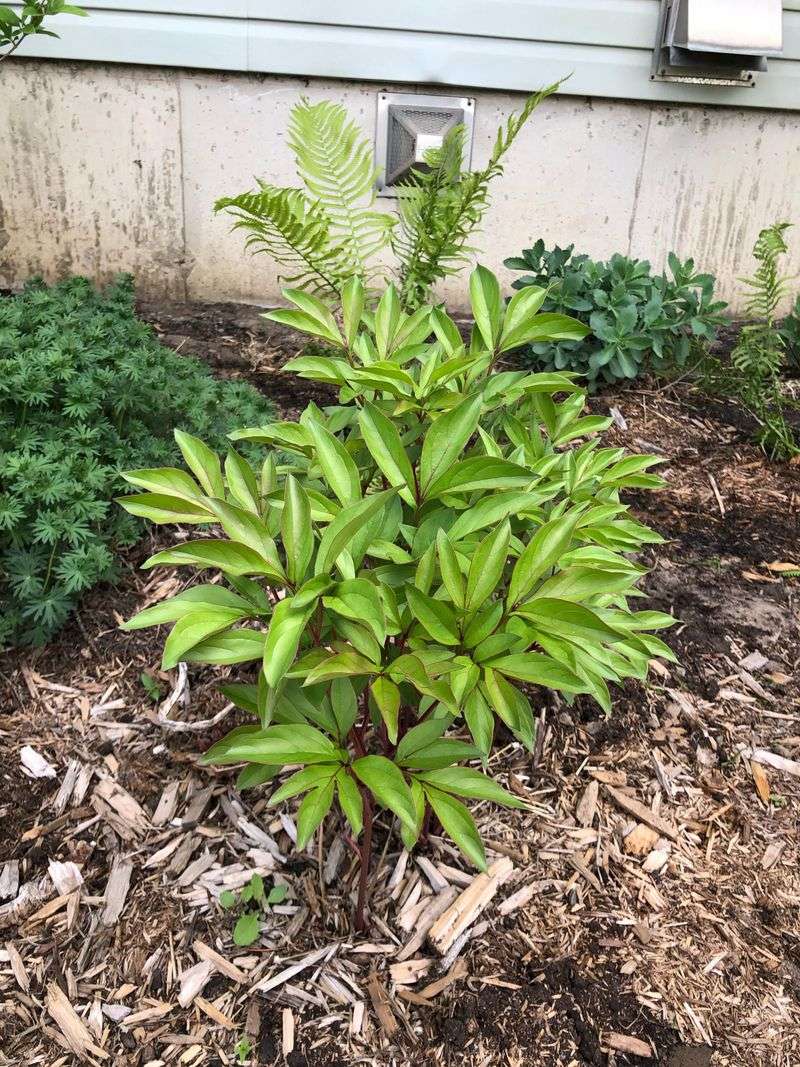
Healthy blooms start underground. Soil that lacks the right nutrients simply can’t support strong flowering, no matter how well you water or how much sun your plants get.
Poor soil is a surprisingly common issue in Oregon gardens, especially in areas with heavy clay or very sandy ground.
Phosphorus is the nutrient most directly linked to flower production. Without enough of it, plants struggle to develop buds and blooms.
Potassium also plays a big supporting role, helping plants manage stress and stay healthy through Oregon’s wet winters and dry summers.
A soil test is the smartest first step. Oregon State University Extension offers affordable soil testing services, and many local garden centers carry at-home testing kits.
Knowing exactly what your soil is missing takes the guesswork out of fixing it.
Once you know what’s lacking, you can amend your soil with targeted solutions. Bone meal boosts phosphorus.
Greensand or wood ash adds potassium. Compost improves the overall structure and nutrient balance of just about any soil type.
Working amendments into your garden beds in fall gives them the whole winter to break down and become available to plant roots by spring. Consistent soil care builds a foundation that supports reliable, beautiful blooming season after season in your Oregon garden.
8. How To Restore Healthy Blooms
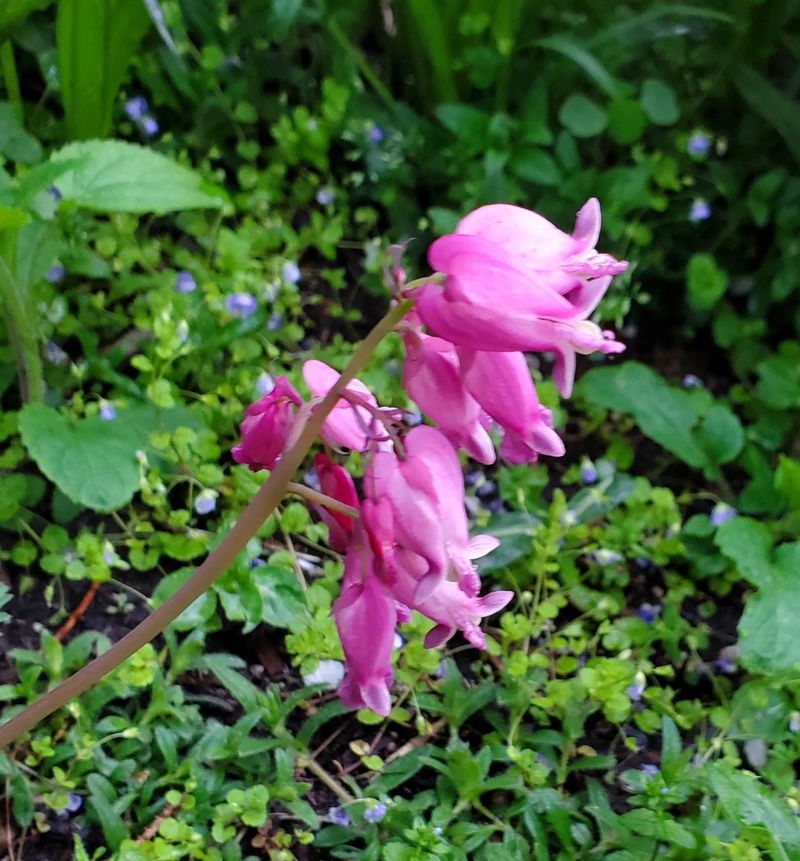
Getting your Oregon perennials back on track doesn’t require a complete garden overhaul. Most of the fixes are straightforward, affordable, and very doable even for beginner gardeners.
The key is to work through the potential causes one by one and make small, targeted changes.
Start by doing a full garden assessment. Check how much sunlight each bed gets throughout the day.
Test your soil. Look at how crowded your plants have become. Note when you pruned last and whether late frosts hit your garden this past spring.
Once you’ve identified the likely causes, take action before the next growing season begins. Divide overcrowded clumps in fall.
Amend your soil with compost and phosphorus-rich fertilizers. Move shade-suffering plants to sunnier spots.
Adjust your pruning schedule to match each plant’s bloom cycle.
Oregon gardeners also benefit from connecting with local resources. Master Gardener programs operate across the state and offer free advice tailored to Oregon’s unique climate zones.
Local nurseries often carry regionally tested perennial varieties that are better adapted to the state’s conditions.
Consistency is the real secret to a blooming garden. Show up for your plants, pay attention to what they’re telling you, and make small improvements each year.
Your Oregon garden has everything it needs to put on a spectacular show.