Why Your Pepper Plants Are Producing Less In September
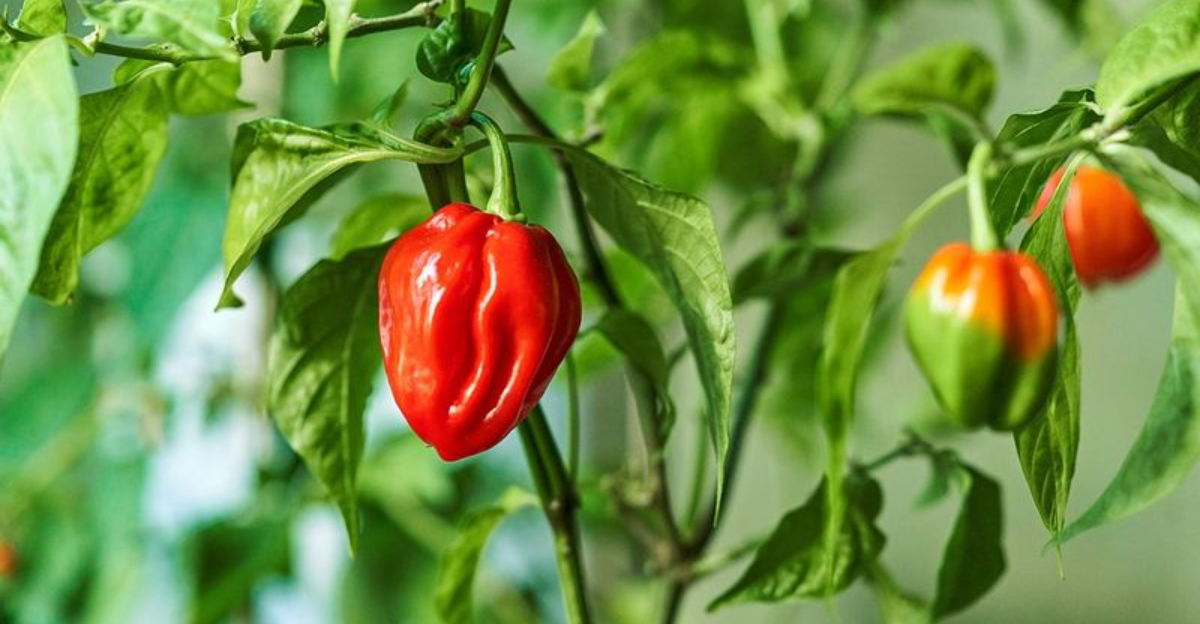
Late summer gardens have a distinct smell, warm leaves and dusty soil, plus a soundtrack of crickets tuning up at dusk. Then one September morning the harvest basket comes back suspiciously light.
The plants themselves look healthy enough, maybe even taller and bushier than they were back in July. Yet blossoms keep opening and falling, and new fruit seems to be quietly on strike.
Something shifted in the background, and it has very little to do with your gardening skill. Small changes in light, temperature, soil, and the plant’s own priorities stacked up while you were busy making salsa.
Most of those changes can be nudged back in your favor. Understand what is happening under the leaves, and that basket can start filling again before the season closes.
The Late Season Slowdown Behind Your Shrinking Pepper Harvest
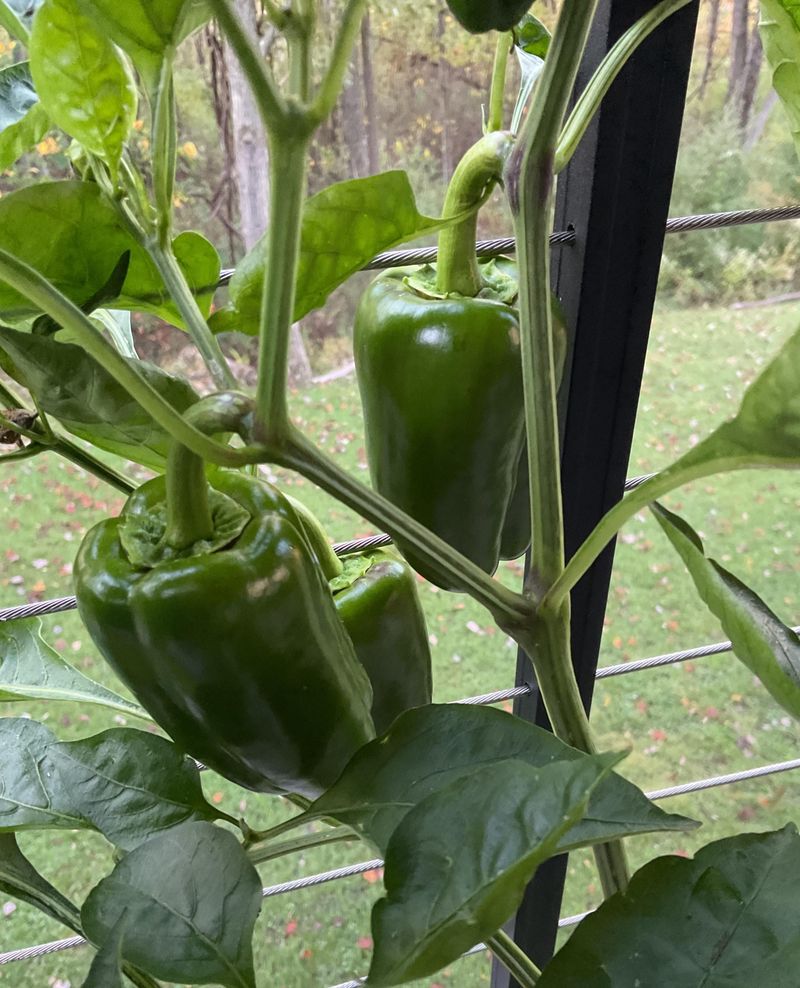
Something shifts in the garden during the first week of September, and pepper plants notice it long before gardeners do. Vines that cranked out fruit all summer go strangely quiet, holding a few tired blossoms and setting almost nothing new.
The slowdown is rarely one single problem. It is usually a stack of small ones arriving together, including cooler nights, weaker sunlight, thinning soil nutrients, and a plant already carrying a heavy load of fruit.
Peppers come from warm tropical regions, so they read the weather like a clock. Once the signals lean toward fall, their energy quietly moves from making new flowers to finishing the fruit already hanging on the branches.
Plant age matters as well. A pepper that has been fruiting since July has filled its root space, used up the easy nutrients, and picked up a few scars from wind, heat, and insects.
Figuring out the real cause is worth the effort, because each cause has a different answer. A hungry plant wants feeding, a loaded plant wants picking, and a chilly plant wants warmth trapped around it overnight.
September peppers are far from finished. Gardeners who spot the pattern early often keep harvesting for another four to six weeks, sometimes with the sweetest fruit of the whole season.
Think of the plant as a runner near the end of a long race. It still has strength left, but it needs a coach who understands what changed and adjusts the plan instead of pushing harder.
Shorter Days And Cooler Nights Change The Rules
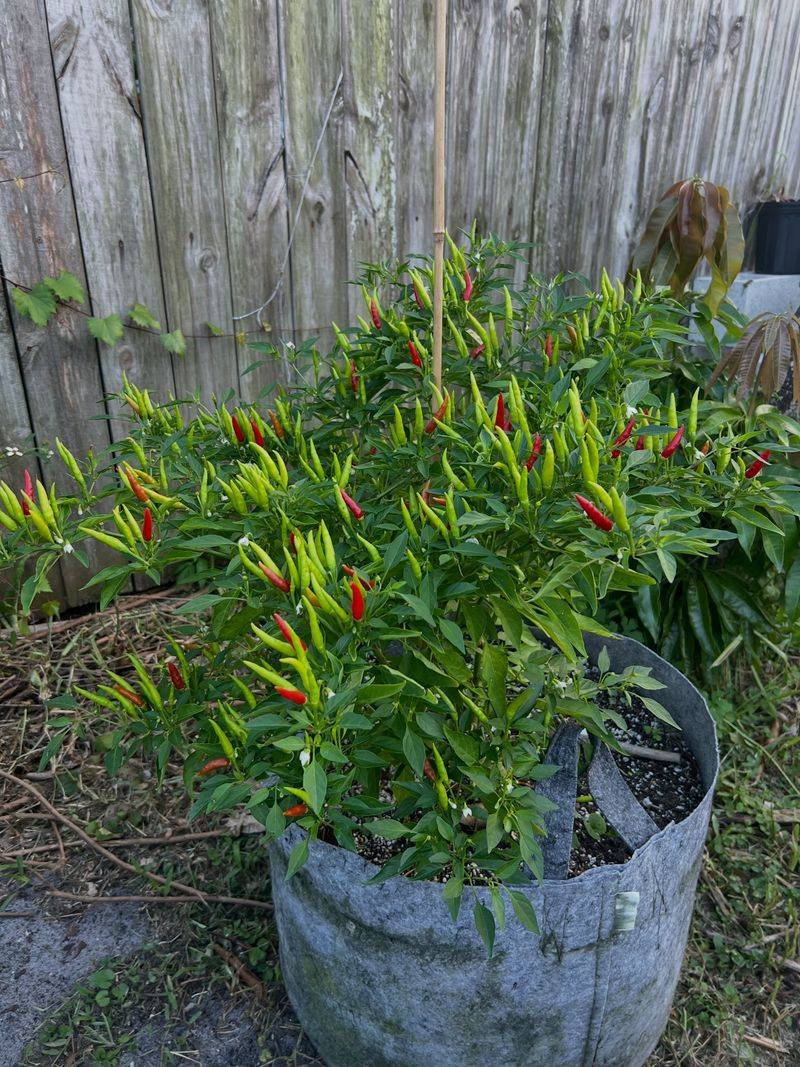
Light is the first thing to slip away. By mid September most gardens lose close to two hours of daylight compared with late June, and the sun sits lower, so leaves gather less energy each day.
Temperature does the rest. Pepper pollen works best when nights stay between about 60 and 75 degrees Fahrenheit, and it turns sluggish once evening readings dip into the low fifties.
Sluggish pollen means flowers open, wait, and then drop without forming fruit. Gardeners often blame themselves for this, though the thermometer deserves most of the credit.
Cool soil adds another layer. Roots pull phosphorus and other nutrients slowly when the ground chills, so growth crawls even when the fertilizer bag says everything should be fine.
Warmth can be borrowed. A layer of dark mulch, a plastic milk jug of water set beside the stem, or a light row cover draped over hoops in the evening can hold several degrees around the plant.
Timing your watering helps too. Morning water lets the soil warm through the afternoon, while a late soaking leaves roots sitting cold and damp overnight.
Hand pollination is a small trick with real payoff. Tap open flowers gently with a soft brush or your fingertip around midday, when pollen is driest and most willing to travel.
Peppers also respond to shelter. A spot near a south facing fence or wall stores heat during the day and releases it after sunset, which can extend fruit set by a couple of weeks.
Ripening Fruit Steals Energy From New Flowers
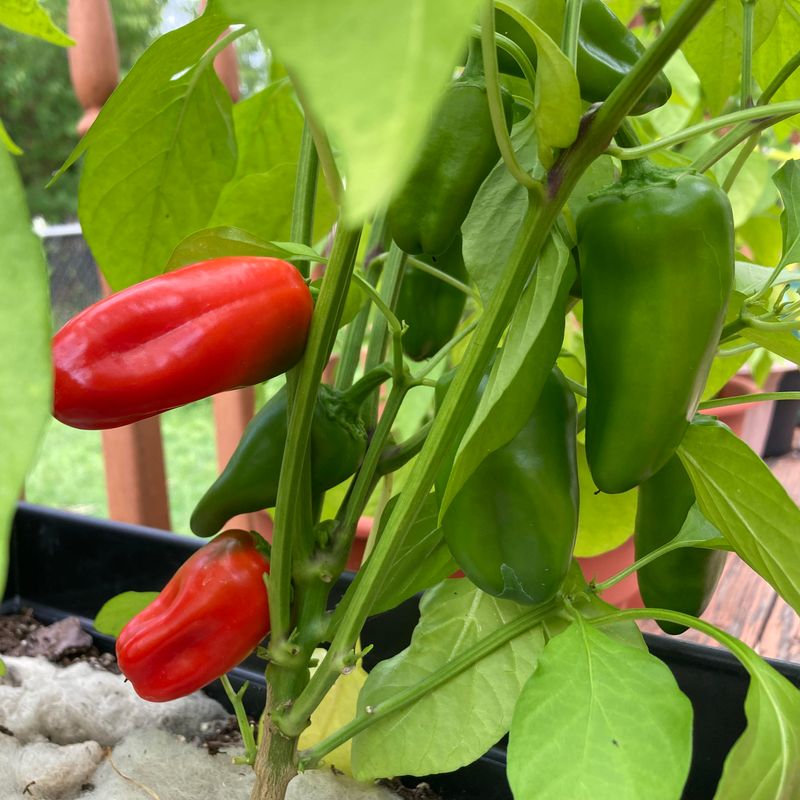
Oddly, a plant loaded with peppers has hit the brakes. Ripening fruit is expensive work, and the plant pays for it with sugars that would otherwise fund new blossoms.
Seeds inside maturing peppers release hormones that whisper a message through the stems. The message says the job is done, so flower production slides down the priority list.
Turning a green pepper red, orange, or chocolate brown can take two to four extra weeks. During that stretch, the branches above it often stay stubbornly bare.
Frequent picking flips the switch back on. Harvest peppers as soon as they reach full size and firm walls, even if they are still green, and the plant reads the loss as unfinished business.
Bell types, jalapenos, and shishitos all respond well to this. Sweet flavor does improve with color, so a fair compromise is letting two or three fruits ripen while clearing the rest.
Late in the season the math changes again. Peppers that set after roughly mid September rarely reach full size before frost, so those tiny fruits can be pinched off to push resources into the ones with a real chance.
Watch the plant after a big harvest. Within about ten days you often see fresh flower buds appear at the branch tips, which is the plant agreeing to one more round.
Gardeners in mild regions can keep this cycle going into October. Cooler weather even sweetens the flavor, so patience and a sharp pair of snips pay off.
Soil Nutrients Run Thin By September
Months of watering act like a slow rinse cycle on garden soil. Nitrogen and potassium wash downward past the root zone, and by September the buffet a pepper started with is mostly picked over.
Container plants feel it first. A five gallon pot holds a limited pantry, and a plant that has produced twenty peppers has emptied most of the shelves.
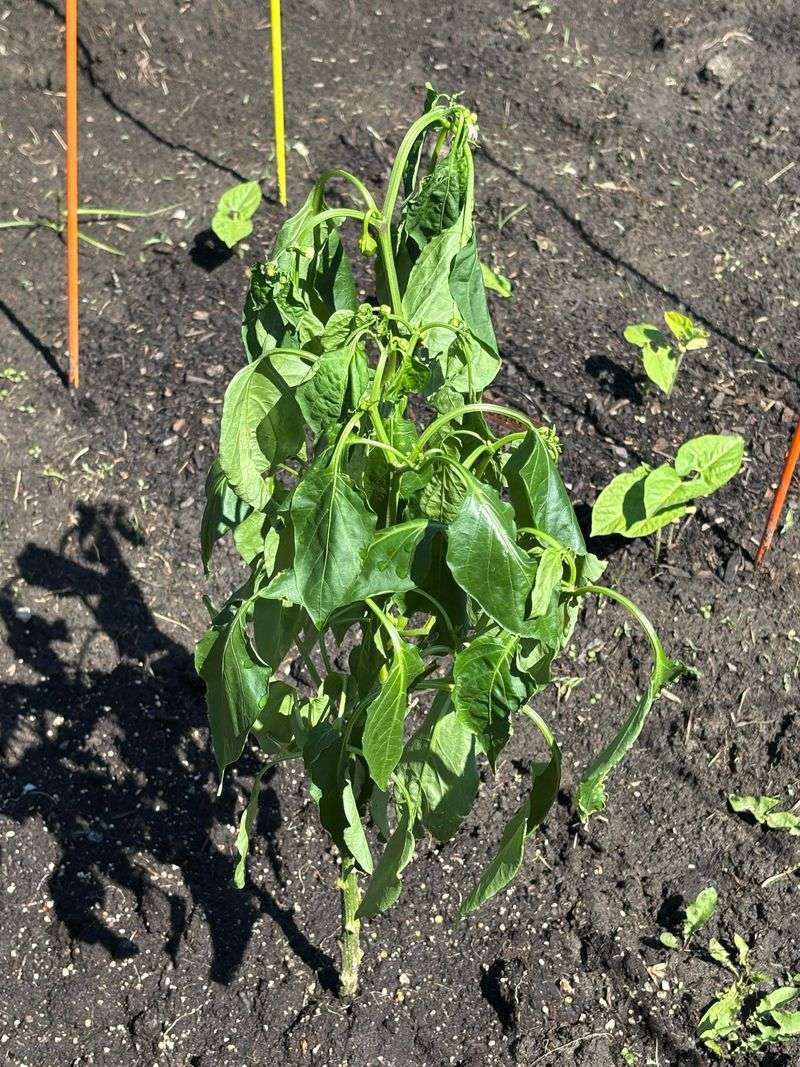
Leaves tell the story clearly. Pale green upper growth, small new leaves, and thin stems point to hunger, while purple tinting on veins can hint at cool, slow phosphorus uptake.
Feeding late in the season works best when it leans toward potassium and phosphorus rather than heavy nitrogen. Fish emulsion, seaweed extract, or a tomato and vegetable formula every ten to fourteen days suits peppers nicely.
Too much nitrogen backfires, trading lush leaves for fewer flowers when the calendar is running short.
A thin blanket of compost spread around the base gives slower, steadier nourishment. Scratch it lightly into the top inch, then water it in so the nutrients reach the feeder roots.
Soil chemistry deserves a quick check. Peppers absorb nutrients best when the pH sits between 6.0 and 6.8, and a cheap test kit can explain months of mystery.
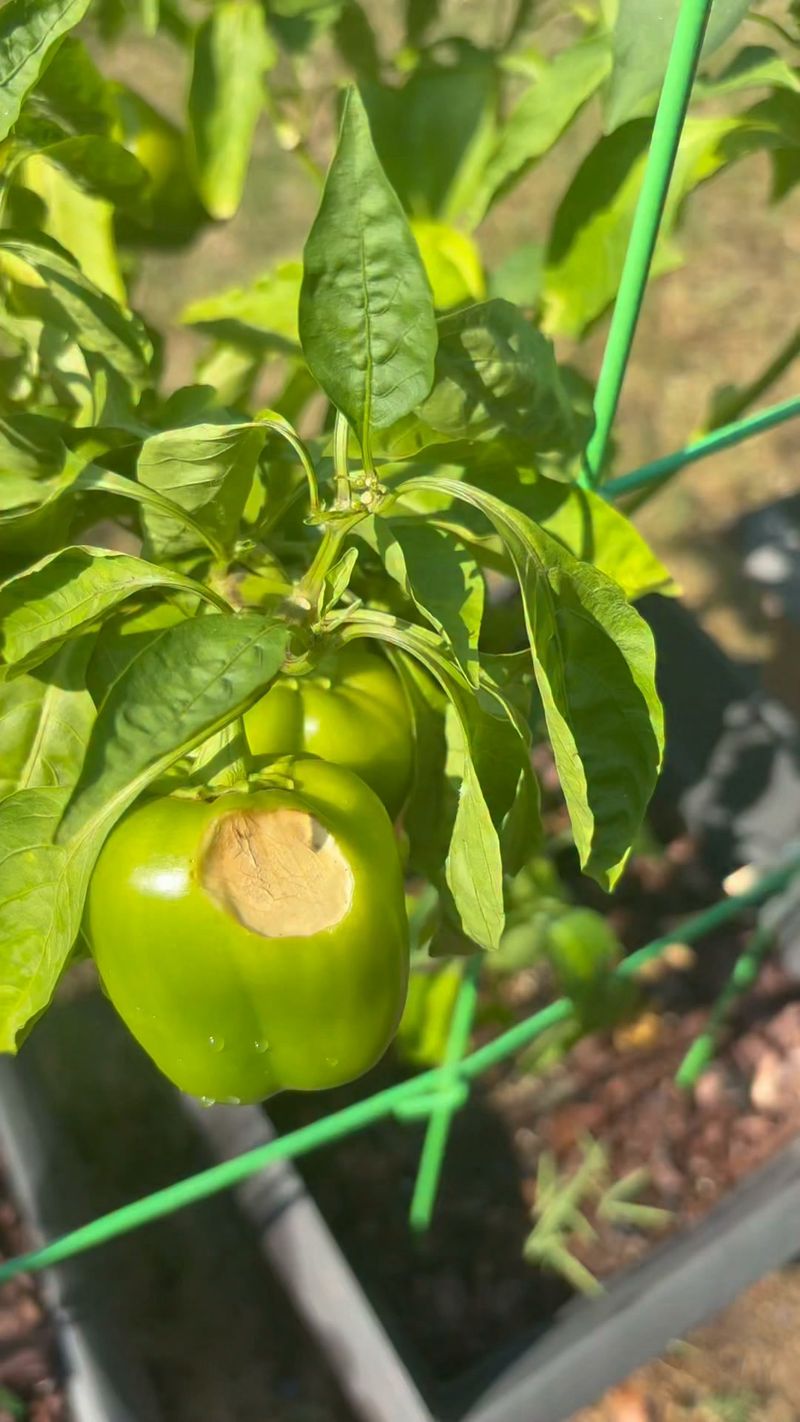
Calcium keeps fruit walls firm and prevents sunken dark patches at the blossom end. Steady moisture matters more than any supplement, since dry roots cannot carry calcium upward.
Small, regular feedings beat one giant dose, especially now, when roots work slower and rain can wash away leftovers.
The Common September Mistake Of Letting Fruit Hang Too Long
Almost every gardener does it. Those first perfect red peppers look so handsome on the plant that they stay there for weeks, admired instead of eaten.
Meanwhile the plant treats each hanging fruit as a finished project with seeds to protect. Flower buds stop forming, and the harvest window quietly narrows.
Watering habits often slide at the same time. Rain becomes less predictable, gardeners water less because the air feels cooler, and roots swing between soggy and bone dry.
Peppers respond to that swing by dropping blossoms. One dry afternoon in the eighties can cost a week of fruit set, especially in pots that dry out fast.
Pests take advantage of tired plants too. Aphids gather under leaves, spider mites leave fine speckling on the upper surfaces, and both drain sap that fruit needs.
A weekly walk with a hose set on a strong spray knocks most of them off. Turning leaves over while you harvest catches problems while they are still small.
Heavy pruning is another late season misstep. Cutting back big sections now removes the leaves that shade fruit and feed the plant, and regrowth will not have time to produce.
Keep the routine simple. Pick often, water deeply on a schedule, check leaf undersides, and resist the urge to give the plant a dramatic haircut in autumn.
Think of September care as steady maintenance rather than rescue work. Consistency in these small habits is what separates a fading plant from one still loading its branches in October.
Simple Fixes That Stretch The Harvest Into Fall
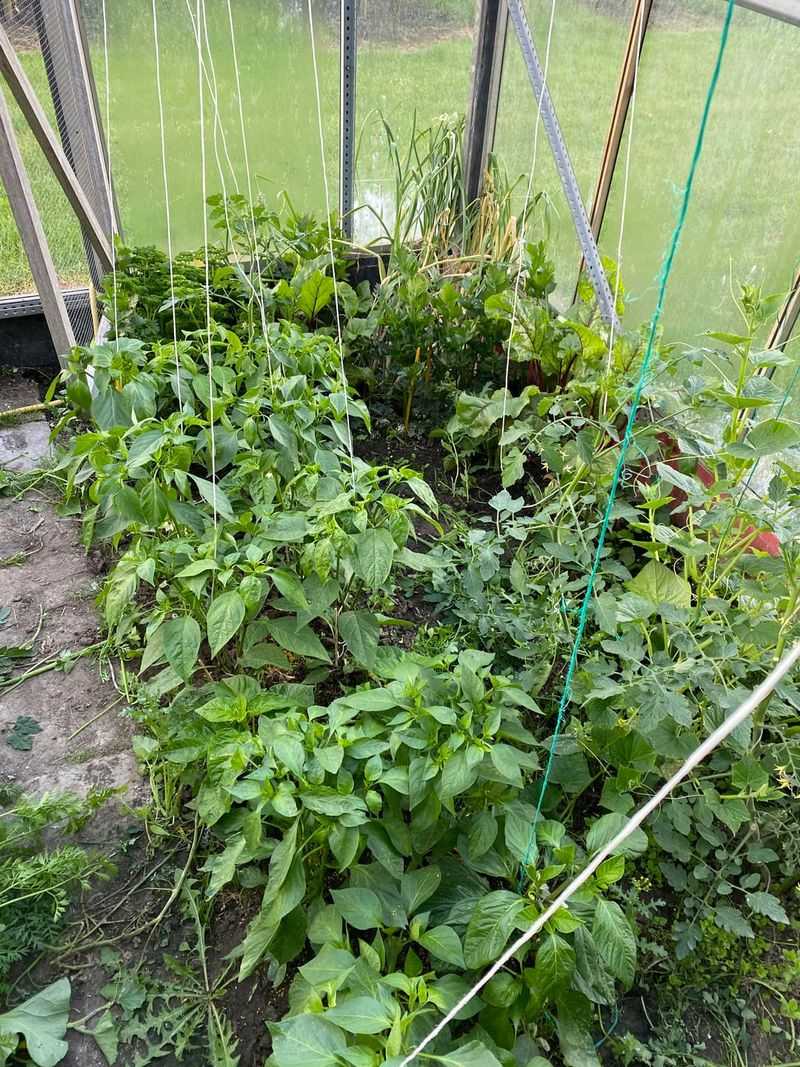
Pulling extra weeks out of a September pepper plant comes down to a few simple habits. Most gardeners can set the whole routine up in a single afternoon.
Start with harvesting every two or three days. Clearing fruit is the fastest way to tell the plant that its work is not finished.
Feed lightly but regularly with a bloom style fertilizer, then mulch with straw or dark compost to hold warmth and moisture in the root zone.
Cover the plants on nights that threaten to drop below the mid fifties. Old bedsheets, frost cloth, or five gallon buckets all work, as long as you remove them by mid morning.
Prune the flowers, not the branches. Removing blossoms that appear after mid September sends energy to fruit that still has time to size up.
Container growers have an extra option. Move pots to a warm patio corner during the day, then carry them into a garage or sunroom when the forecast turns chilly.
Before the first hard frost, pick everything with usable size, including green fruit. Peppers ripen slowly on a kitchen counter, and green ones roast, pickle, and freeze beautifully.
Some gardeners go a step further and overwinter favorite plants. Trim them back, pot them up, keep them by a bright window, and they restart early next spring with a head start.
The payoff is real. A little attention now often doubles what you would have picked, and late peppers tend to taste richer than anything from the summer rush.