Why Your Rosemary Is Turning Brown And How To Fix It
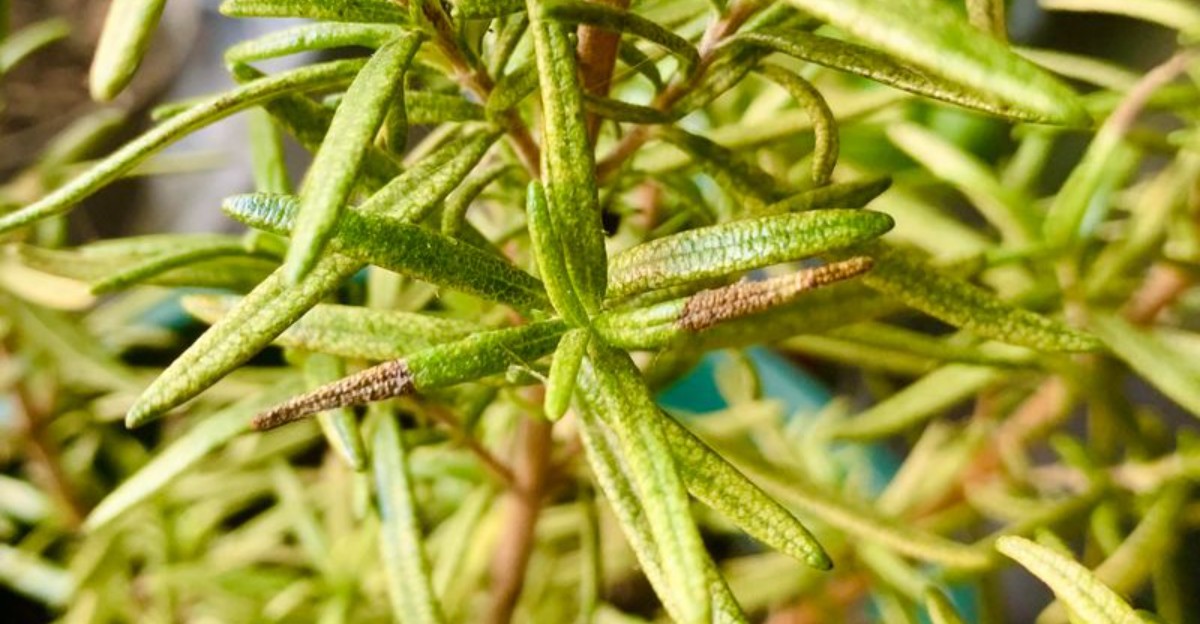
You brush past your favorite potted herb, expecting that piney, warm scent, and instead you notice crispy brown needles. It feels a little like opening the cookie jar and finding only crumbs and a few sad raisins.
Brown leaves on a tough, woody plant can seem confusing, since it often handles heat and neglect like a champ. So why does it suddenly look tired, faded, and a bit toasted around the edges this fall?
The answer usually hides in places you rarely think to check, far from the leaves themselves. Small daily habits, even kind ones like an extra splash of water, can quietly cause big trouble underground.
Early October brings cooler nights, shorter days, and damp mornings that change how your garden drinks and breathes. Catching the warning signs now gives your plant a strong chance to bounce back before winter settles in.
Overwatering Is The Most Common Cause
Picture a plant that grew up on rocky Mediterranean hillsides, soaking up sun with only a little rain. Rosemary loves those dry conditions, so a daily watering routine often feels more like a flood to it.
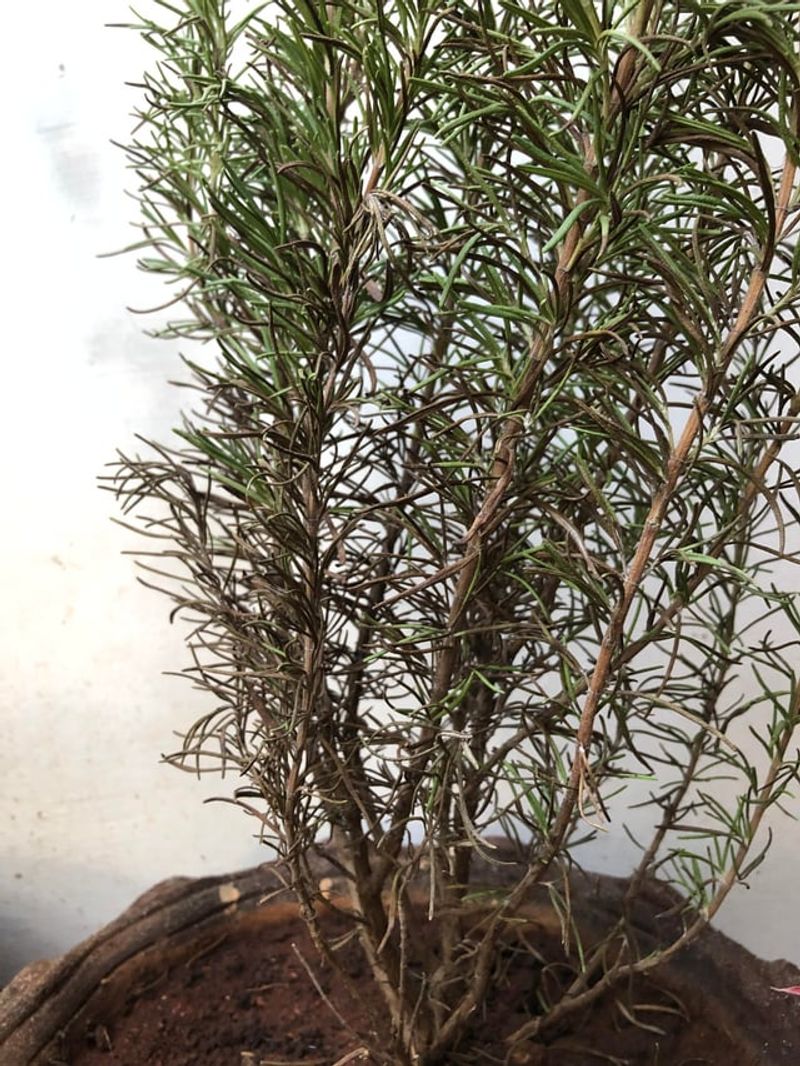
When soil stays soggy, tiny air pockets around the roots fill with water and the roots cannot breathe. Without oxygen, they weaken quickly, and the needles above start turning brown, starting low and moving upward.
Many gardeners water more when they see brown leaves, thinking the plant is thirsty and needs extra help. Sadly, that kind instinct often makes the problem worse, because the roots are already sitting in wet mud.
Early fall makes overwatering even easier, since cooler air and shorter days slow down how fast soil dries. A schedule that worked fine in hot weather can leave pots wet for days once October arrives.
Try the finger test before you reach for the watering can, pushing one finger about two inches down. If the soil feels cool and damp at that depth, skip watering and check again in two days.
You can also lift the pot to feel its weight, since a soaked container feels surprisingly heavy. Over time, your hands will learn the difference between a thirsty pot and one that needs a break.
Fun fact: the name rosemary comes from Latin words meaning dew of the sea, a nod to its coastal roots. It is a reminder that this herb is built for dry, breezy spots with little water.
Poor Drainage Keeps Roots Too Wet
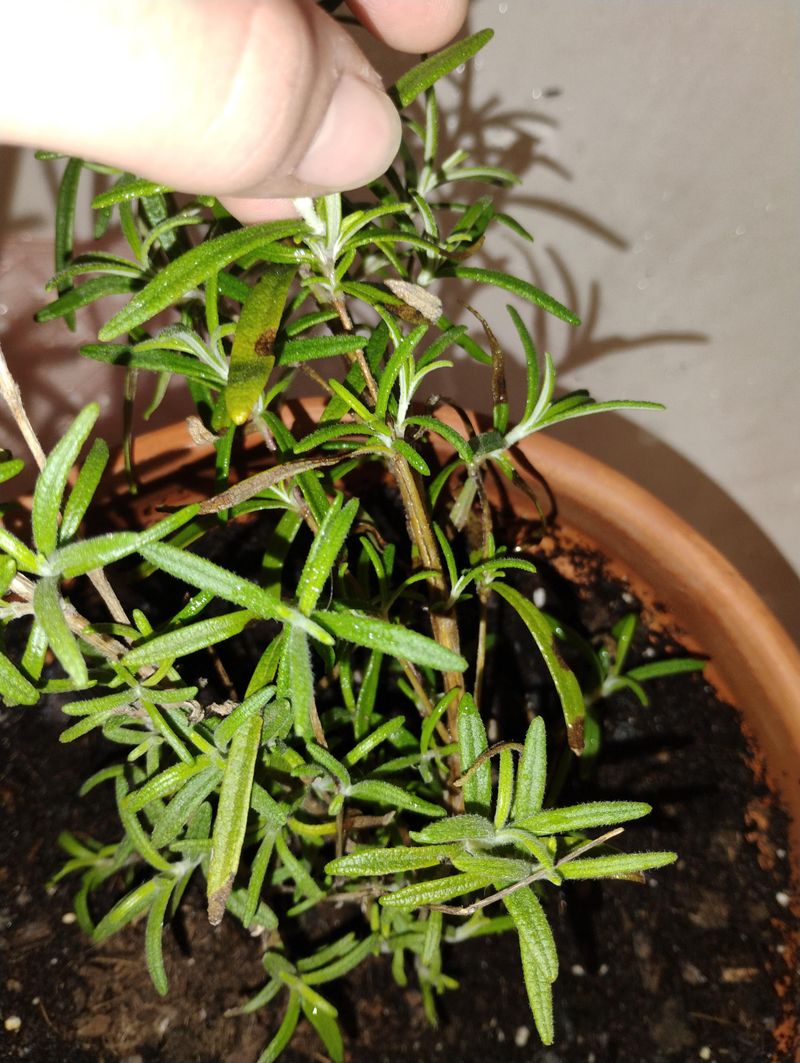
Even a careful waterer can run into trouble if the pot or garden bed holds onto every single drop. Think of drainage as the escape route for extra water, and without one, roots end up stuck in a puddle.
Check the bottom of your container first, because some decorative pots look lovely but have no holes at all. Water can collect at the base and slowly rot the roots while the topsoil still looks dry.
Heavy garden soil causes similar headaches, especially thick clay that feels sticky and smooth when you squeeze it. Clay holds a lot of water, and fall rains can keep it soggy for a week or longer.
The fix starts with a gritty mix, such as cactus soil blended with extra perlite or coarse sand. Aim for soil that drains within a few seconds when you pour water across the surface of the pot.
Terracotta pots are a smart choice, since their clay walls breathe and pull moisture away from the roots. Plastic pots hold water longer, so they work better for people who sometimes forget their watering chores.
For in-ground plants, try building a small raised mound or moving the shrub to a slightly higher spot. In mild regions, early October is a fine time to transplant, since the soil is still warm enough for roots to settle.
One last tip: empty saucers under pots after watering, because standing water there wicks right back up. A tiny habit like that can save you from a big mystery and a sad, brown plant later.
Winter Cold Damage Shows Up As Brown Tips
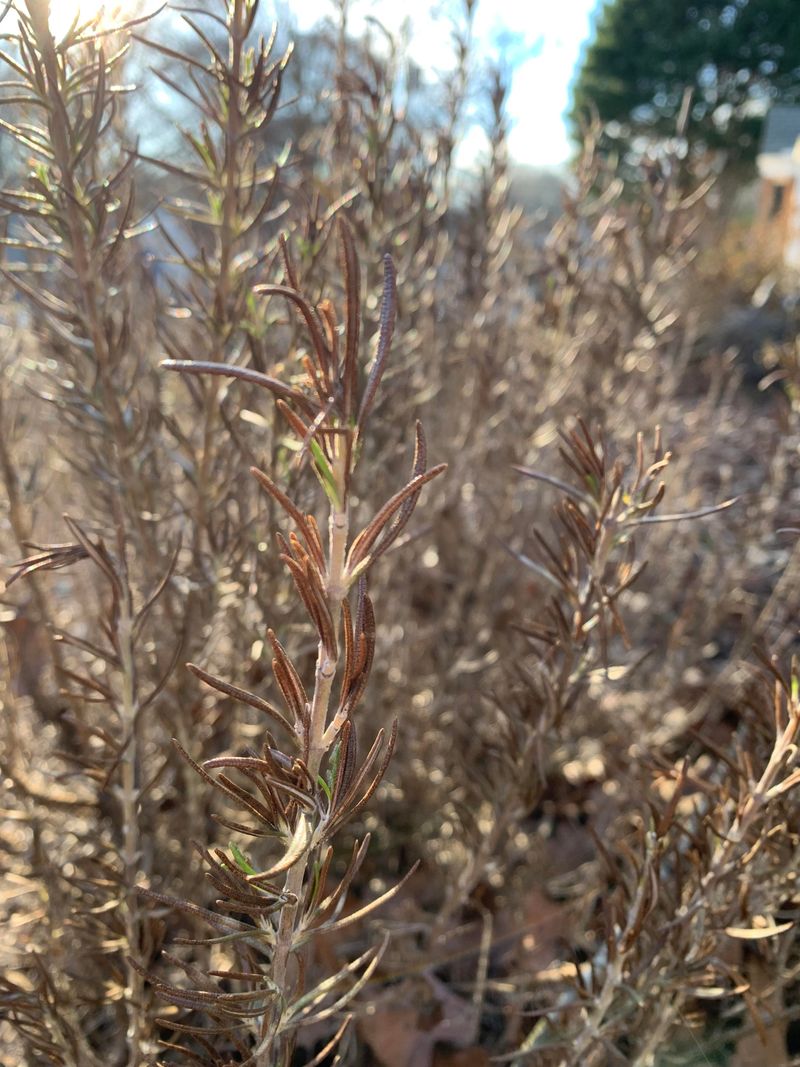
Cold damage often sneaks up on gardeners, showing its effects weeks after the chilly night actually happened. Rows of crunchy brown tips may not appear until spring sunlight reaches the plant.
Most common rosemary types handle light frost, but temperatures below about 20°F can harm their tender growth. Dry, freezing wind makes things worse, pulling moisture from the needles faster than frozen roots can replace it.
Damage usually starts at the outer tips and exposed branches, since those parts face the harshest weather first. The needles turn dull, then brown and brittle, while the inner stems may stay green and flexible.
Right now, in early October, is the perfect window to prepare before the first hard freeze arrives. Potted plants can move to a bright, cool garage, porch, or sunny window once nights dip near freezing.
For plants in the ground, spread about two inches of mulch around the base to keep roots cozier. Keep the mulch a hand’s width from the stem, so moisture does not gather against the woody bark.
On especially cold nights, cover the shrub with frost cloth or an old bedsheet, then remove it by morning. Skip plastic covers, because they trap moisture and can actually make frost damage worse on bare needles.
Hardier varieties like Arp and Madeline Hill can handle colder winters, so they suit chilly northern gardens well. If you are planting a new shrub this fall, choosing one of these tough types gives you a head start.
Signs That Separate Root Rot From Dry Stress
Brown needles can mean two opposite problems, which makes rosemary a bit of a puzzle for many gardeners. Becoming a plant detective is easier than it sounds, and a few simple clues will point you the right way.
Start with the soil, since soggy, smelly dirt points toward root rot while dusty, cracked dirt suggests thirst. Rotting soil often smells sour or musty, a bit like a forgotten gym bag left in the car.
Next, feel the needles between your fingers and notice whether they feel soft and limp or crispy and dry. Root rot often causes droopy, darker brown needles, while dry stress tends to leave them brittle, pale, and easy to crumble.
The pattern of browning offers another hint, so step back and look at the whole plant for a minute. Rot tends to start at the base and creep upward, while thirst often shows first on the newest tips.
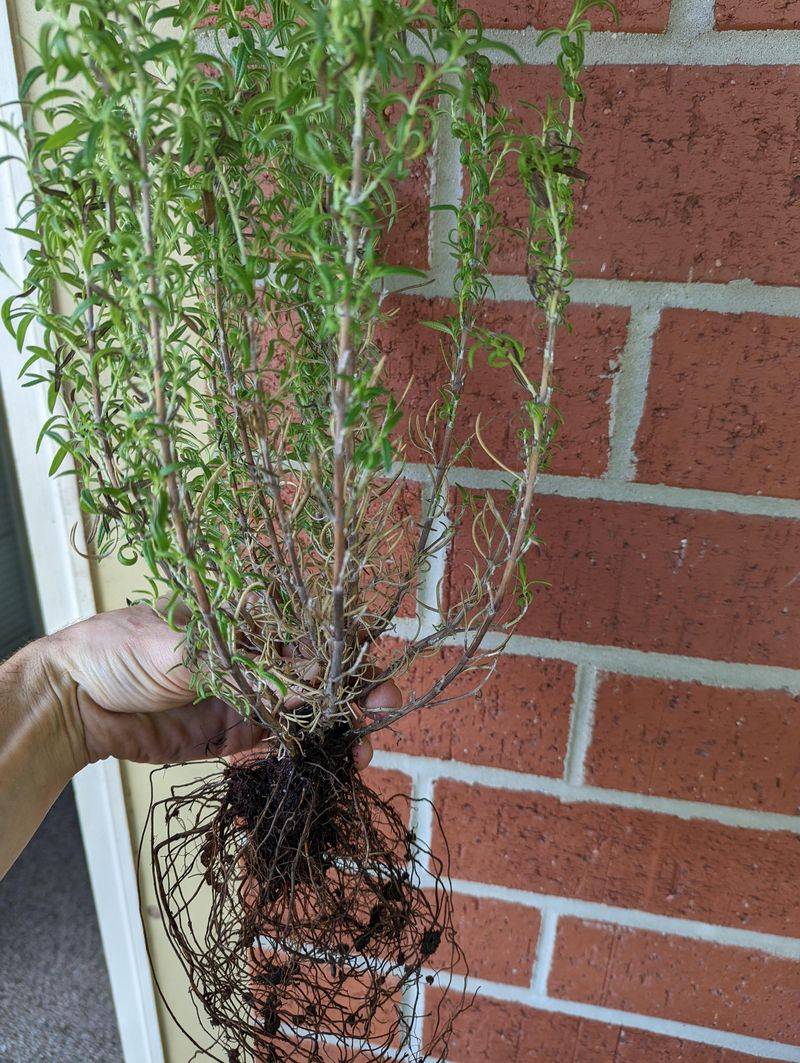
For a final answer, gently slide the plant out of its pot and take a close look at the roots. Healthy roots look white or tan and feel firm, while rotting roots look dark, mushy, and slimy to touch.
If you find rot, trim away the soft roots with clean scissors and repot into fresh, gritty soil. Wait several days before watering again, giving the cut roots time to heal and seal over properly.
Dry stress has an easier fix, since a deep, slow soak usually perks the plant up within a week. Brown needles rarely turn green again, but fresh growth soon appears along the healthy stems.
Pruning Brown Growth Back To Healthy Stems
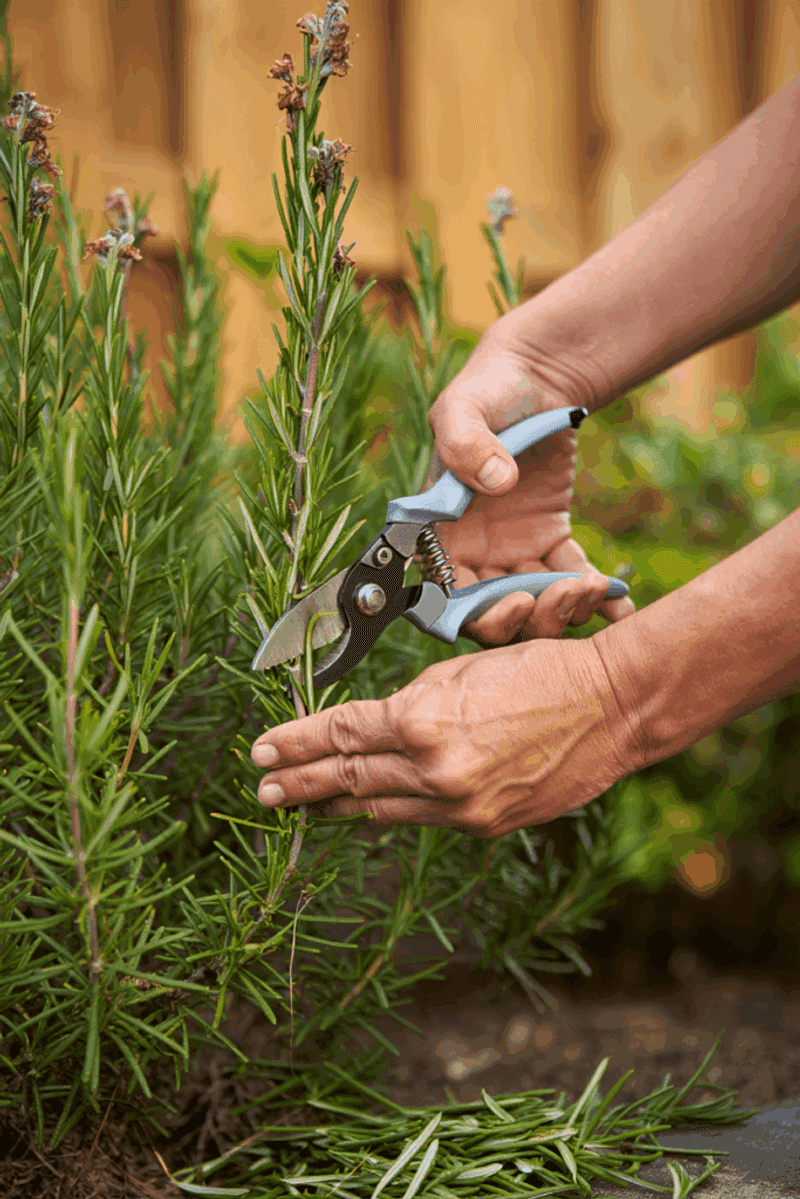
Grab your snips and a cup of coffee, because a little trimming session can work wonders on a scruffy shrub. Once you fix the watering or drainage issue, pruning helps the plant look fresh and focus on new growth.
Brown, crispy stems rarely recover, so removing them clears space and lets light reach the green parts inside. Better airflow also lowers the chance of mold and mildew, which love damp fall mornings as much as slugs.
To find healthy wood, gently scratch the bark with your thumbnail and look for a thin green layer. Green means the stem is healthy, while brown or gray means that section will not regrow and can go.
Make each cut just above a spot where green leaves are growing, using sharp, clean pruners for smooth edges. Avoid cutting into bare, leafless wood, since rosemary rarely sprouts new shoots from those older, woody sections.
In early October, keep pruning light and remove no more than about one third of the plant. Heavy cuts this late can push tender new growth that struggles once frosty nights begin rolling in.
Save bigger shaping jobs for late winter or early spring, when the plant is ready to grow strongly again. For now, simply tidy up the brown bits and enjoy how much healthier your shrub suddenly looks.
Bonus: any green trimmings you remove can go straight into a pan of roasted potatoes or chicken soup. You can also bundle extra sprigs with string and hang them upside down to dry for winter cooking.
Watering Habits That Keep Rosemary Green
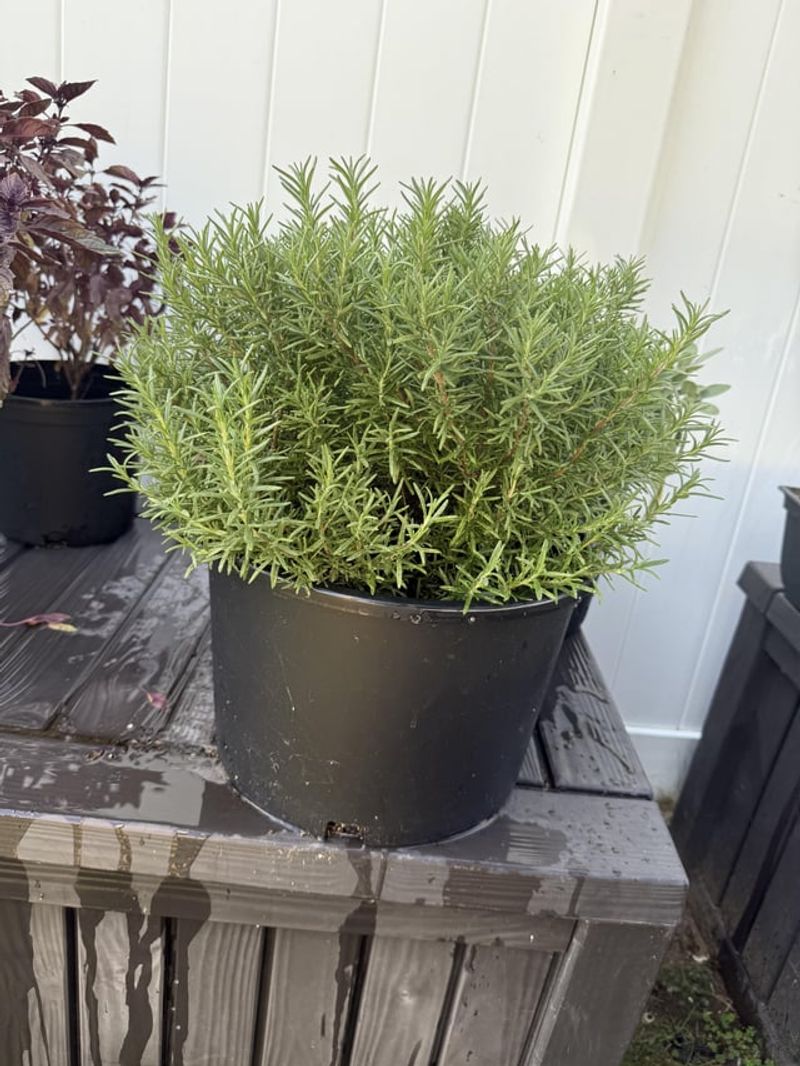
Healthy rosemary thrives on a simple rhythm of deep drinks followed by a nice long dry spell. Think of it like a camel at an oasis, filling up fully and then happily going without for a while.
When you water, pour slowly until liquid runs out the drainage holes, which soaks the whole root ball. Quick little sips mostly wet the surface, leaving deeper roots thirsty and encouraging weak, shallow root growth.
Let the top two inches of soil dry out before watering again, no matter what the calendar says. In early fall, that might mean roughly every ten to fourteen days for pots and even less for garden beds.
Morning is the best time to water, since the sun helps dry the needles before chilly evening air settles. Aim water at the soil instead of the leaves, which helps keep fungus from finding a damp place to grow.
Rainy weeks call for a break, so check the forecast and let nature handle the job for you. Potted plants under a porch roof may still need water, since rain often misses them by several feet.
Indoor rosemary needs extra attention in winter, because heaters dry the air while the soil stays cool. Place the pot in a bright window with good airflow, and keep the soil on the dry side between deep waterings.
A cheap moisture meter can take the guesswork out of watering, especially for busy families or forgetful helpers. With steady habits and a little patience, your plant can stay green, fragrant, and ready for your kitchen.