Moss In Your Lawn Is A Warning Sign Of What Your Soil Needs
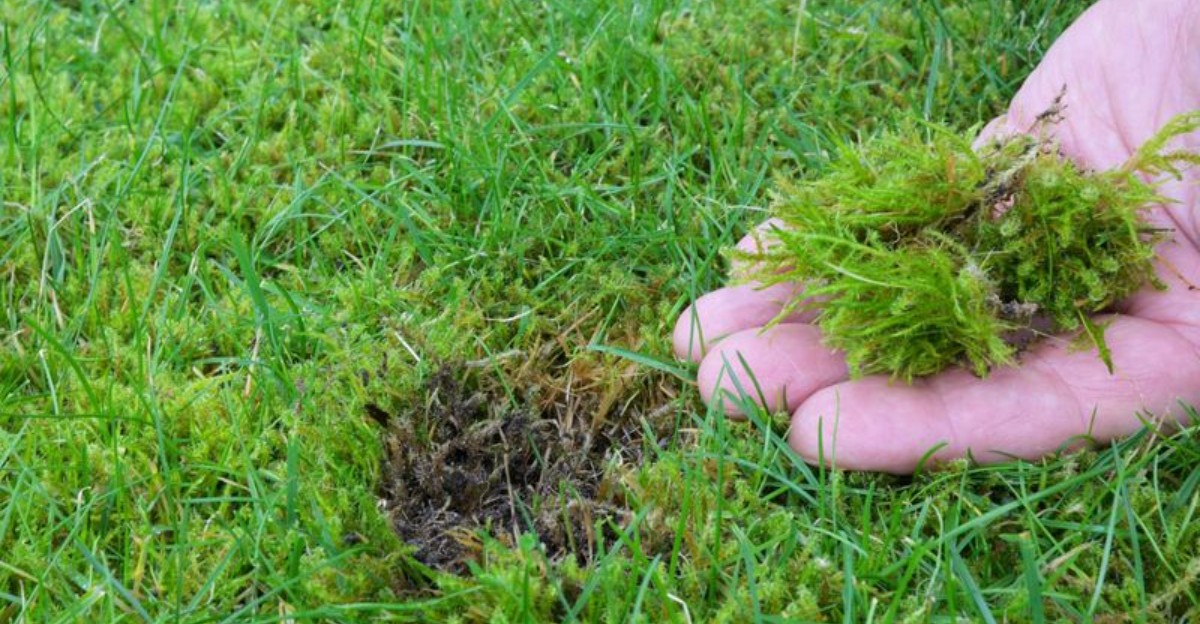
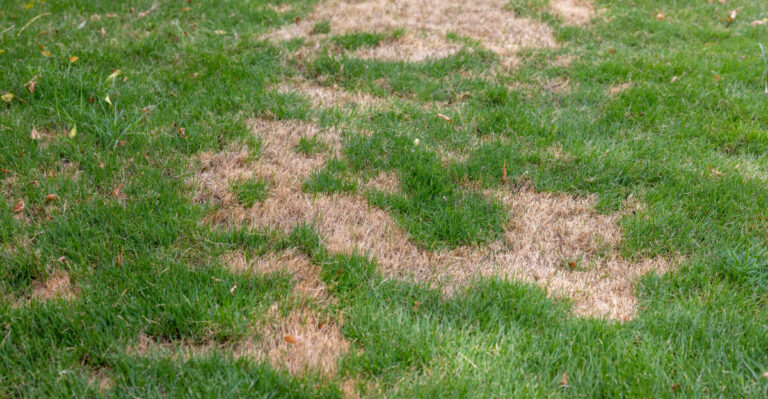
Picture stepping onto your lawn on a cool October morning and feeling something soft, spongy, and velvety underfoot. That plush green patch looks charming at first, but it is telling a story about the ground below.
Grass is a picky eater, and it sulks when the dirt beneath it lacks the right balance. When the turf thins out, a sneaky green neighbor moves in and spreads like a fuzzy rug.
Many homeowners scrape at the problem, toss seed around, and then wonder why the same patch returns. The trick is learning to read the clue instead of just brushing off the messenger every single season.
Early fall happens to be a perfect time for detective work, with cooler air and softer, moister soil. Your lawn is ready to recover, and a few smart moves now can pay off by spring.
Acidic Compacted Soil Beneath The Green Carpet
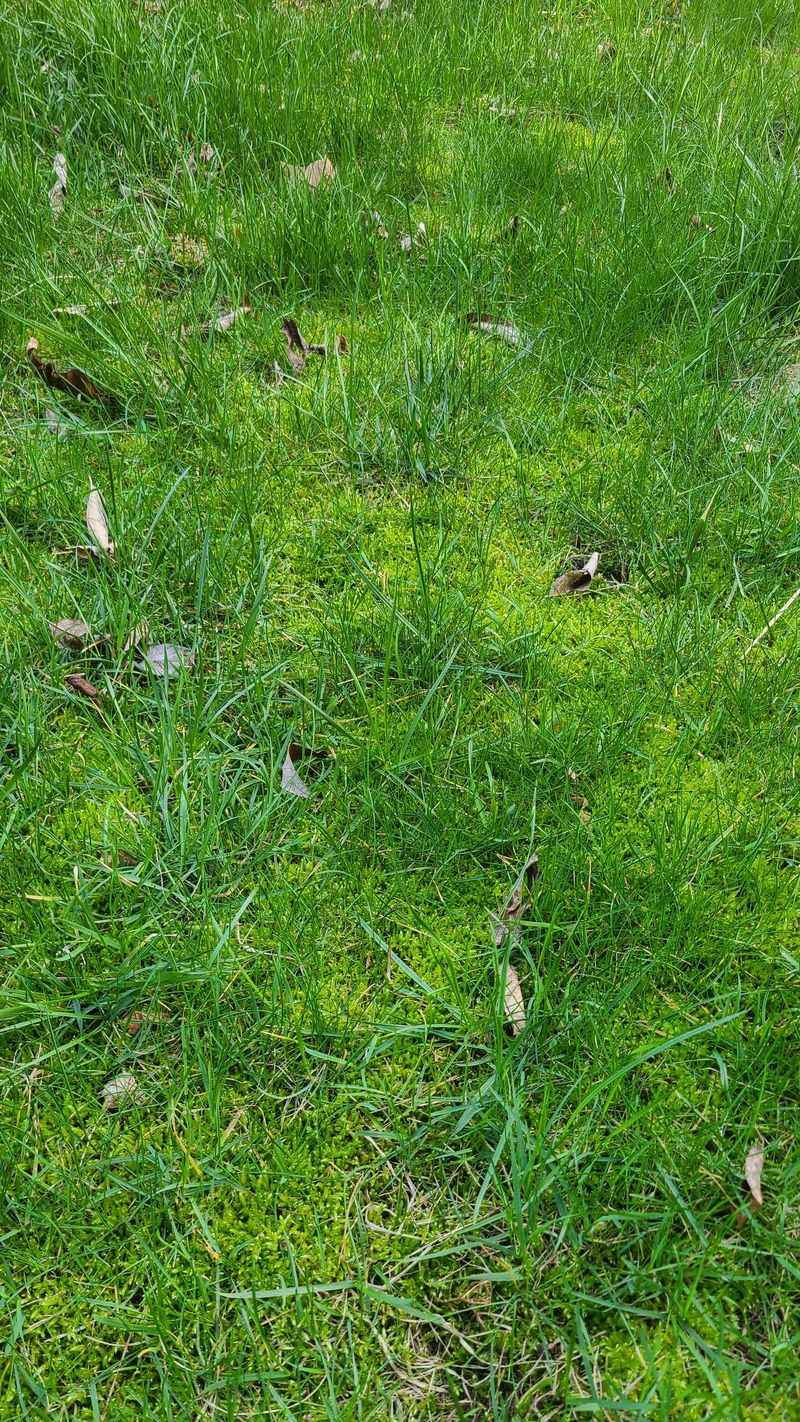
Think of that fuzzy patch as a note from your yard, written in green and left on the doorstep. Most of the time, the note says your soil is too sour, too packed, or too damp.
Moss tolerates acidic ground well, while lawn grasses usually prefer a pH somewhere between six and seven. When the number drops lower, grass roots struggle to pull nutrients from the soil, even with regular feeding.
Compaction is the second big clue, and it often shows up near paths, play areas, and driveways. Tightly pressed soil squeezes out air pockets, so grass roots stay short and shallow instead of reaching deep.
Low fertility can join the party too, because thin, hungry turf leaves bare gaps for moss to fill. Moss rarely pushes out healthy grass, it simply moves into the empty spaces grass has already abandoned.
A simple soil test kit from a garden center, or a mail-in test through your local extension office, reveals plenty. You will learn your pH, nutrient levels, and sometimes organic matter, all for a surprisingly small price.
Try pushing a screwdriver into the ground after a light rain to check how firm the soil feels. If it barely sinks in, compaction is likely part of the story behind that velvety green layer.
Reading these clues first saves money, since you will treat the real problem rather than guessing at fixes. Your lawn has been talking for a while, and now you finally know how to listen closely.
Shade Plus Soggy Ground As The Hidden Cause
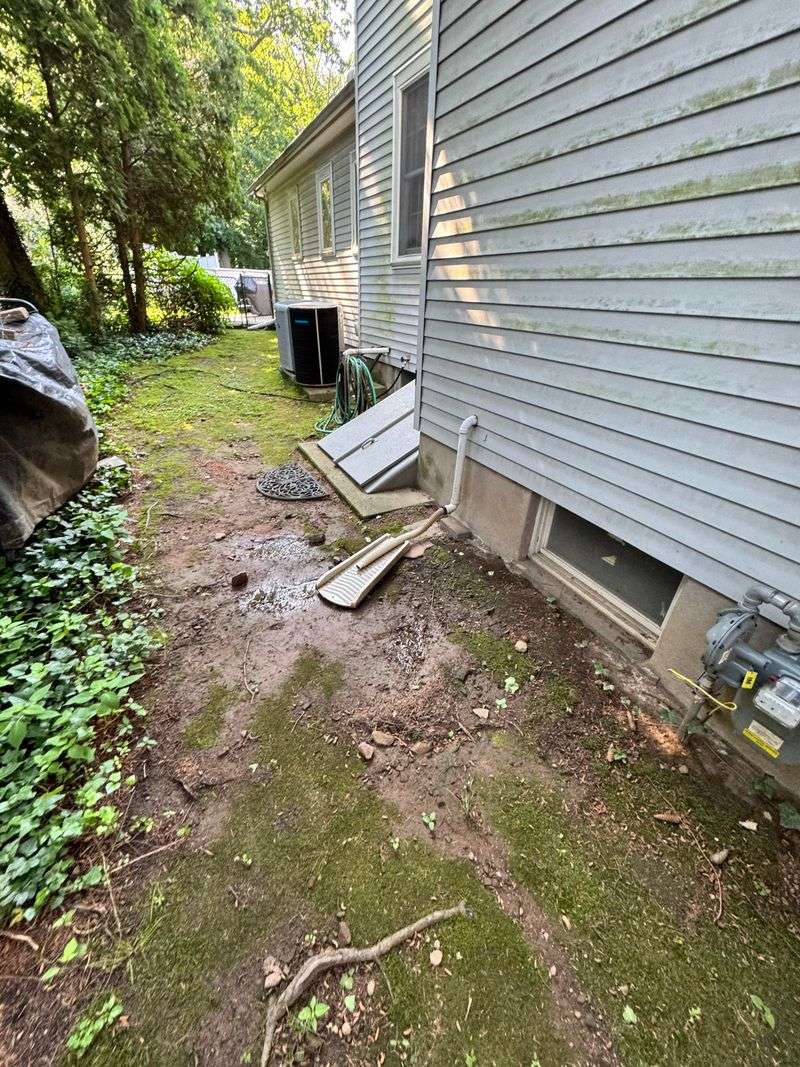
Walk around your yard and notice where the soft green patches gather, because location tells you a lot. Moss rarely settles in sunny, dry spots, preferring cool corners under trees or along the north side of houses.
Most lawn grasses need at least four to six hours of direct sunlight each day to stay thick. Under a heavy maple or oak canopy, grass grows thin and weak, leaving open ground for moss.
Moisture is the other half of the puzzle, and poorly drained soil keeps the surface damp for days. Low spots, heavy clay, and downspouts that empty onto the lawn all create the soggy conditions moss loves.
Fun fact, moss has no true roots, so it absorbs water and nutrients mostly through its tiny leaves. That clever trick lets it grow on hard, thin soil where grass roots have a tougher time holding on.
Fall brings shorter days and lower sun angles, so shady areas often feel even darker in October. Cool nights and morning dew also keep leaves wet longer, giving moss a cozy little boost this season.
Pruning a few low tree limbs can let in more light when it is done lightly and at the right time of year. Redirecting downspouts with simple extensions moves extra water away from the lawn and into safer areas.
Some spots stay shady no matter what you trim, especially under large evergreens or beside tall fences. In those areas, consider shade-tolerant fescues or even a planned moss garden that looks intentional and lovely.
Early Fall As The Ideal Repair Window
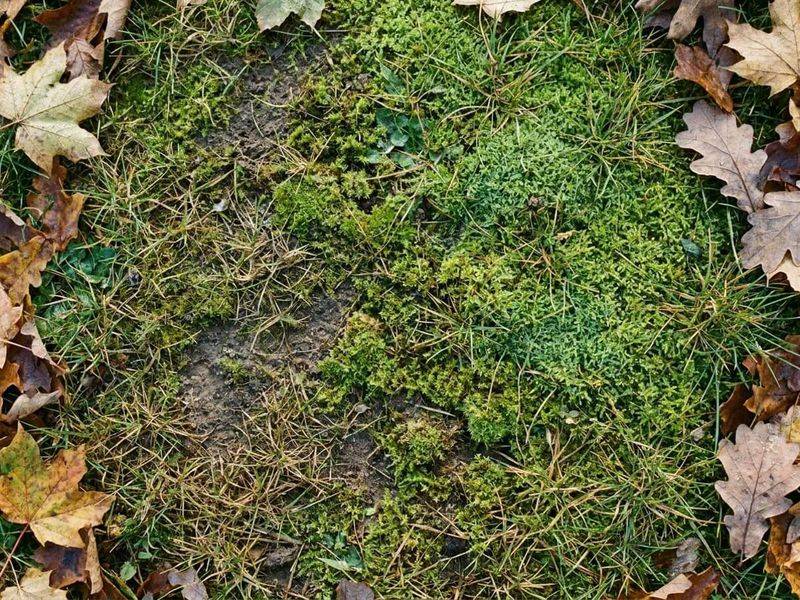
Ask any seasoned groundskeeper about lawn repair, and you will likely hear the same advice about autumn timing. Early fall often offers warm soil, cool air, and steady moisture, which together give grass a strong comeback.
Soil holds onto summer heat longer than the air does, so seeds sprout quickly in these weeks. Meanwhile, cooler temperatures reduce stress on young grass, and fewer weeds compete for space and sunlight now.
Moss also grows actively in fall, which makes it easier to spot and easier to treat right away. Bright green clumps stand out against the lawn, almost like they are waving to get your attention.
Plan to finish seeding at least six weeks before your area’s typical first hard frost arrives. That gives new grass enough time to root deeply and settle in before winter cold slows everything down.
Liming works well in fall too, because rain and freezing cycles help work it into the soil. Lime acts slowly, often taking several months, so an October application sets the stage for a stronger spring.
Falling leaves create one small challenge, since a thick layer can block light from tender seedlings and slow their growth. Rake or mulch them lightly each week so new grass keeps getting the sunlight it badly needs.
Waiting until spring often means dealing with crabgrass, summer heat, and dry spells all at once. Acting now lets you skip that struggle and enjoy a fuller, greener yard when warm weather returns.
The Raking Mistake Many Homeowners Make
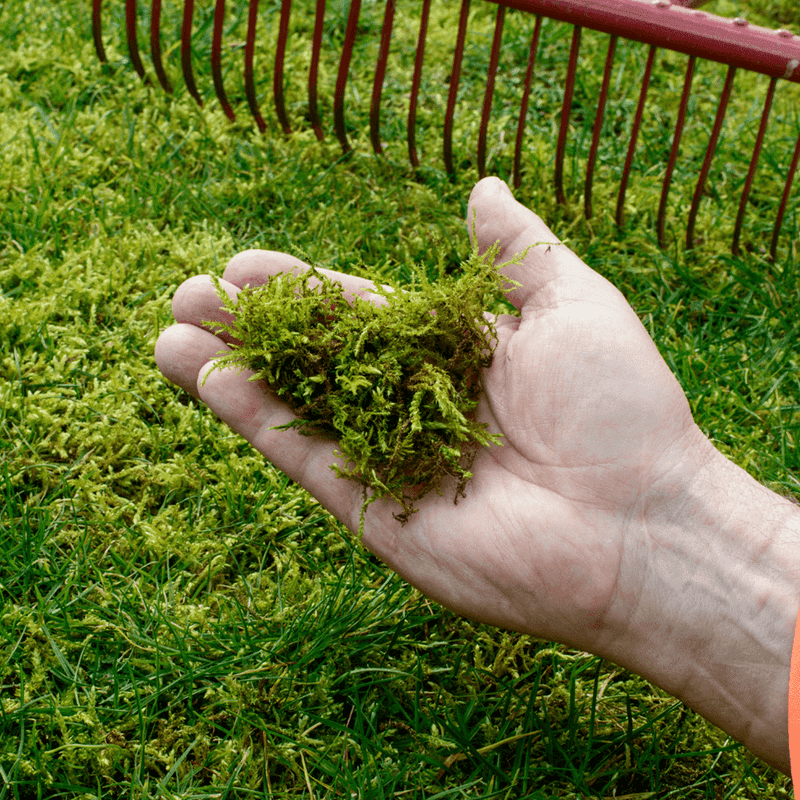
A homeowner might spend a whole Saturday pulling moss out by hand, only to see it creep back within a few weeks. Removing moss without fixing the soil is a bit like mopping the floor while the kitchen faucet keeps running.
Raking and moss-control products can clear the surface, but they rarely change the conditions that invited moss originally. Sour soil, heavy shade, and packed ground stay largely unchanged, ready to welcome moss again.
Another common slip is dumping lime on the lawn without testing first, simply because a neighbor recommended it. Too much lime can push pH too high, which brings a fresh set of nutrient problems for grass.
Overwatering is a sneaky mistake too, especially during cool fall weeks when evaporation slows down a lot. Soil that stays wet for days gives moss the damp, comfortable home it craves and grass does not tolerate.
Mowing too short also weakens turf, letting sunlight hit bare soil and opening the door for moss. Keeping grass around three inches tall in fall helps blades shade the soil and build stronger roots.
If you do use a moss control product, pick one labeled safe for lawns and follow directions carefully. Iron-based treatments may turn moss black within days, and that darkened layer should be raked out afterward.
Treat removal as step one, not the whole plan, and your efforts will finally start paying off. The real win comes from changing the soil so moss feels unwelcome and grass feels right at home.
Lime With Core Aeration For A Lasting Fix
Fixing a mossy lawn feels a lot like baking bread, because the order of each step really matters. Start by removing the moss with a sturdy rake, pulling up the spongy layer until bare soil shows.
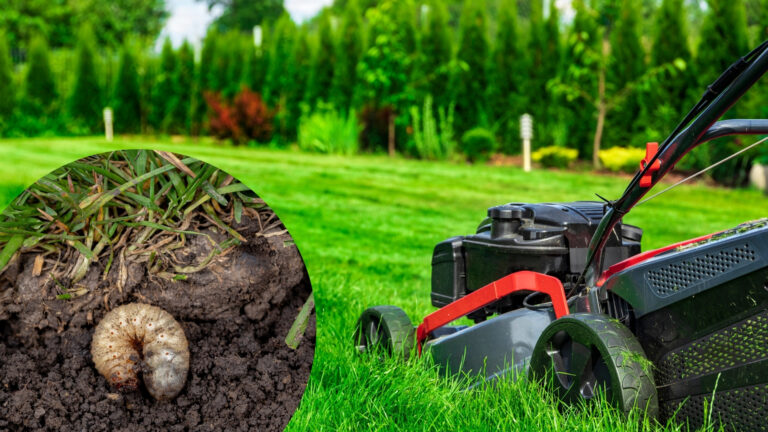
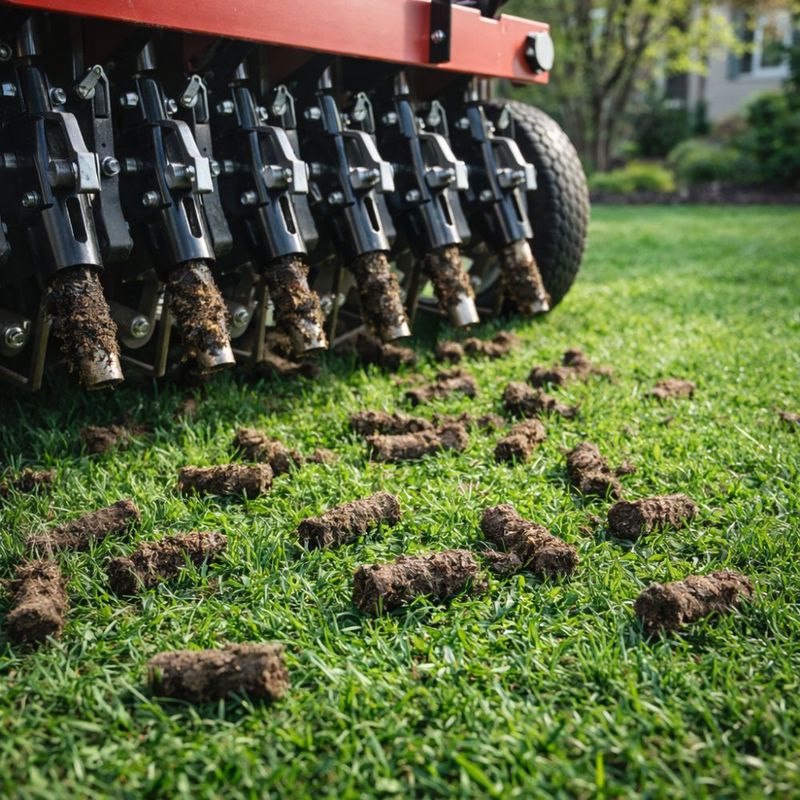
Next, rent a core aerator or hire a lawn service to pull small plugs of soil from the ground. Those little holes let air, water, and roots move freely, easing compaction in a single session of work.
If your soil test showed low pH, spread lime according to the recommended rate on the test report. Pelletized lime is tidy and easy to use with a broadcast spreader, much like regular lawn fertilizer.
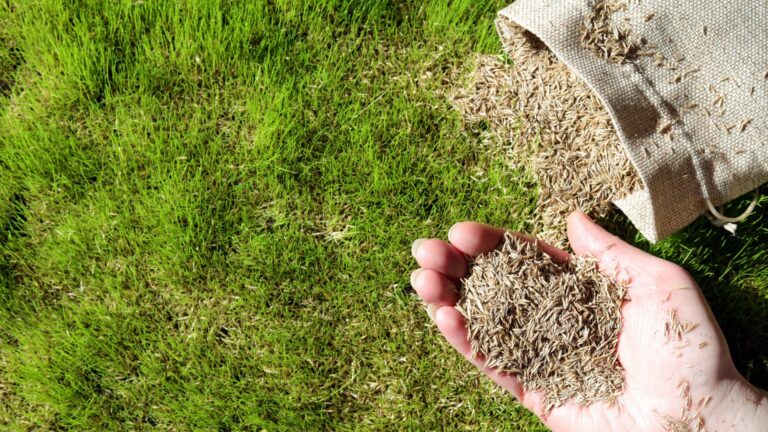
Overseeding comes next, and choosing the right grass type makes a huge difference in shady or damp spots. Fine fescues handle shade well, while tall fescue and Kentucky bluegrass mixes suit sunnier parts of the yard.
After seeding, add a light layer of compost to protect seeds and add helpful organic matter to soil. Keep the top inch moist with short, gentle watering until the new grass reaches mowing height in a few weeks.
A fall fertilizer with balanced nutrients gives young grass the energy it needs before winter arrives. Follow your soil test results here too, since extra phosphorus or nitrogen can wash away and waste money.
Within a few weeks, fresh green blades should fill in where the moss once spread its fuzzy blanket. Patience pays off here, as the lime keeps working quietly beneath the surface throughout the cold months.
A Thick Healthy Lawn That Keeps Moss Away
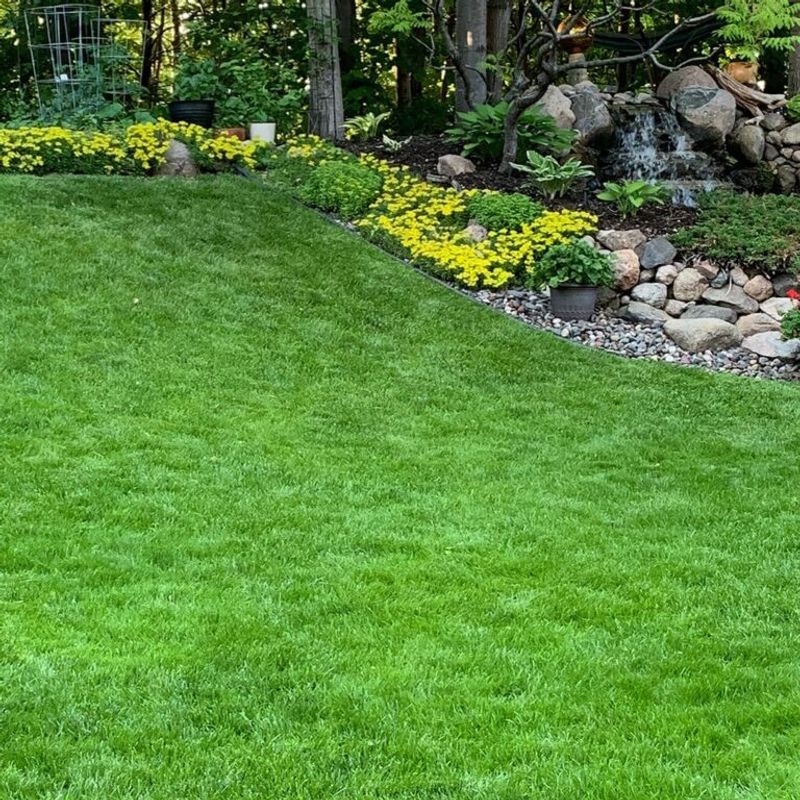
Imagine next spring, kicking off your shoes and feeling thick, cool grass instead of spongy green fuzz. Dense turf is one of the best protections against moss, since healthy grass leaves little room for anything else.
Test your soil every two or three years, ideally in fall, to keep pH within the friendly range. Soil tends to grow more acidic over time, especially in regions with heavy rainfall.
Aerate once a year in early fall if your lawn sees lots of foot traffic from kids or pets. Loose, breathing soil drains faster after storms, which keeps surface moisture low and moss far less comfortable.
Water deeply but less often, giving the lawn about an inch per week, including rain, during dry stretches. Early morning watering works best, because the sun dries grass blades before cool evening air settles in.
Keep trimming tree branches every few years so sunlight continues reaching the ground as trees grow taller. Clearing fallen leaves promptly each autumn also prevents soggy mats that block light and hold extra moisture.
Feed your lawn on a steady schedule, with fall being one of the most helpful times to fertilize. Well-fed grass thickens over time, knitting together into a tight carpet that moss struggles to break through.
If a small moss patch starts returning, treat it like an early warning light on a car dashboard. Quick attention to soil, shade, or drainage keeps that green carpet underfoot made of grass, not moss.