Why Your Snake Plant Leans To One Side (And How To Fix It)
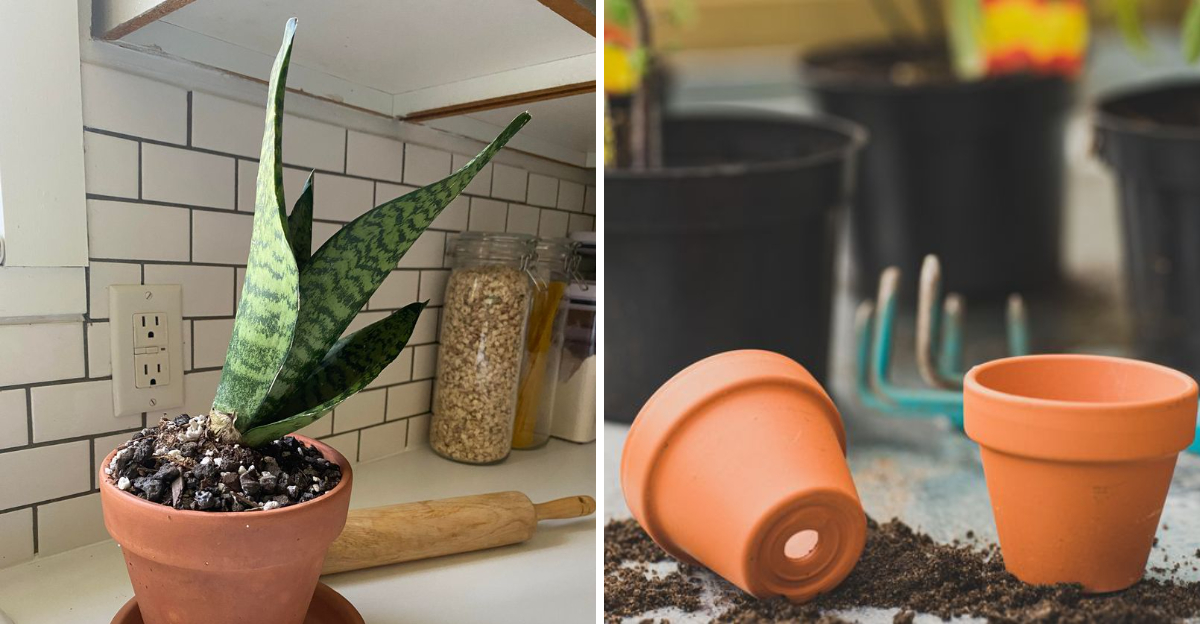
Your favorite plant just tilted sideways overnight, and you caught it right away. Surprise feels natural, but curiosity serves you far better. Gardeners notice this shift constantly, especially near windows.
Light angles shift fast indoors, so stems bend hard toward brightness quickly. Soil moisture swings weaken roots without you noticing anything. Fragile roots simply cannot hold weight, so stems lean sideways fast.
Pots often trap water unevenly, tilting growth without any warning. Temperature drops affect cells, softening stem rigidity overnight fast. Nutrient gaps quietly limit stems of structural support rather quickly.
Cold snaps intensify this problem across many living rooms fast. Multiple factors interact, compounding the lean you eventually notice. Correcting a single issue often fixes several others simultaneously too.
Small adjustments restore posture faster than you might expect. Understanding these causes gives you real control over unpredictable growth patterns. This next move decides exactly how quickly your plant recovers.
Light Is Coming From Only One Direction
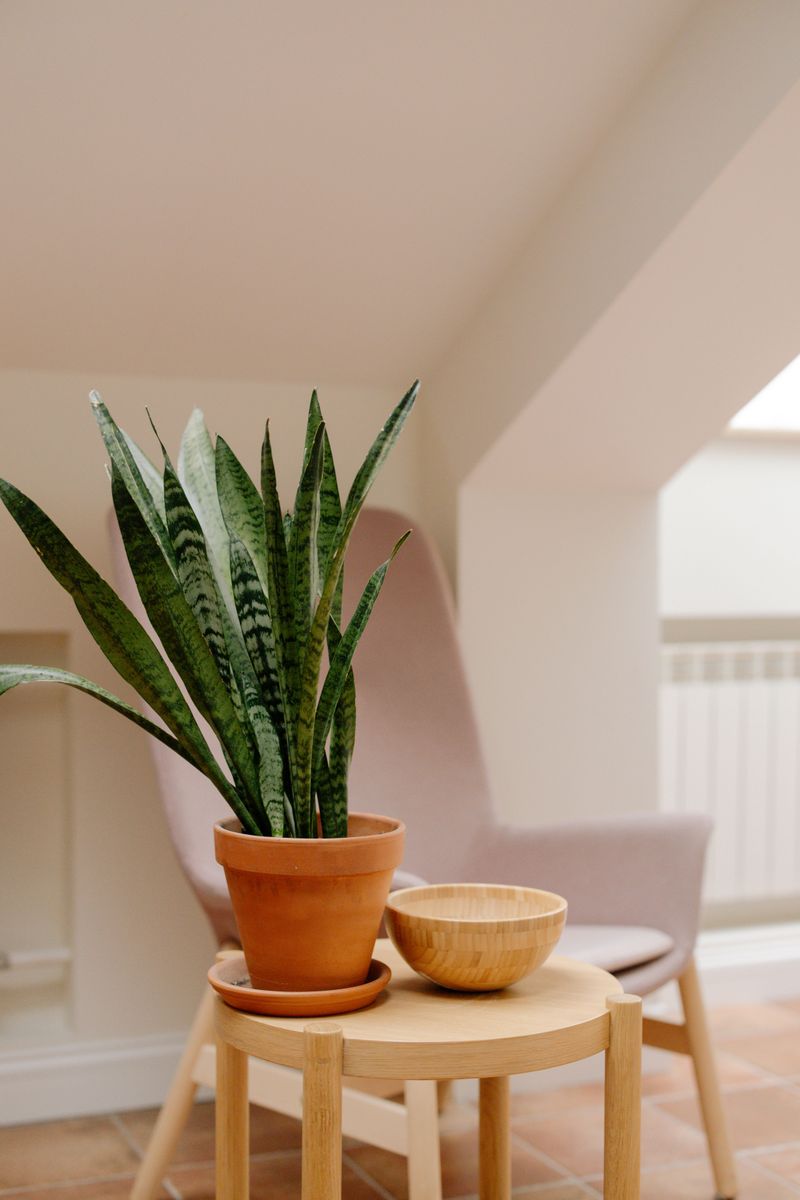
Plants grow strongly toward available light, and yours is no exception. When light streams in from a single window, the leaves stretch toward it in a gradual lean that can take weeks before you notice.
The science behind it is called phototropism. Cells on the shaded side of a leaf grow slightly longer than cells on the bright side, which tilts the whole blade toward the glow.
Snake plants are slow growers, so this bending happens gradually. One day the pot looks fine, and a month later the tallest leaves are practically pointing at the curtains.
The fix is refreshingly easy. Give the pot a quarter turn once a week, ideally on the same day so you remember, and the leaves will even out over the following months.
If your spot gets weak light overall, the lean gets worse because the plant is reaching harder. Moving it closer to a bright window with filtered sun usually calms the stretching down.
A cheap grow light on a timer works wonders in dim rooms, especially through winter. Position it above the plant rather than off to one side so growth stays balanced.
Do not expect leaves that are already bent to snap back straight overnight. Older blades keep their curve, but new growth will come in upright once the light is spread evenly.
Patience pays off here. Within a season of steady rotation, the silhouette starts looking tidy again without any staking or fuss.
Overwatering Has Softened The Base
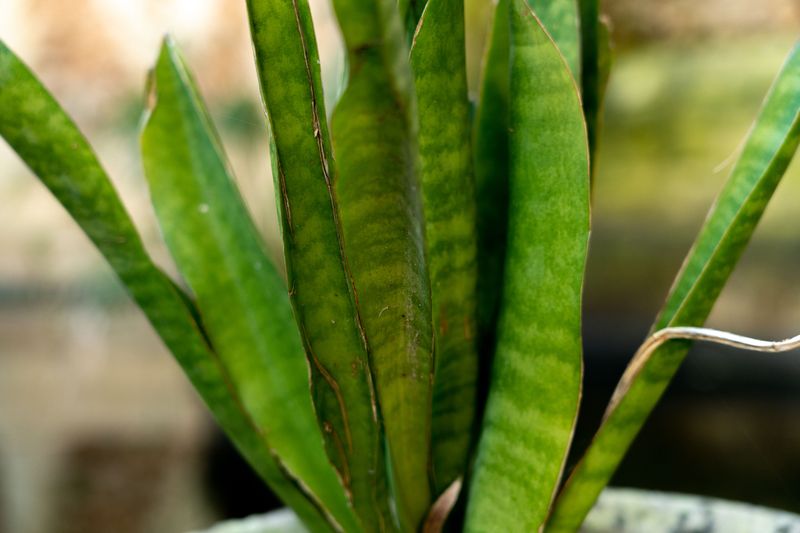
Squishy leaf bases are one of the clearest clues that water is the culprit. When roots sit in damp soil too long, the tissue at the bottom of each blade turns soft and can no longer hold the leaf upright.
Snake plants store moisture inside their thick leaves, which means they can go weeks without a drink. Treating them like a fern is a common way to end up with weak, leaning leaves.
Check by pressing gently at the soil line. Firm and springy is good, while mushy, brown, or smelly means trouble is brewing below the surface.
Stop watering right away and let the top few inches dry out fully. If the pot feels heavy and cold days later, tip the plant out and inspect the roots.
Healthy roots are typically white to pale tan and feel firm. Dark, stringy, or slimy roots should be trimmed off with clean scissors before you repot into fresh, gritty mix.
Going forward, water only when a chopstick pushed into the soil comes out dry. As a general guideline, that lands somewhere between two and four weeks in most homes, often less in winter, depending on light and humidity.
Always pour until water runs from the drainage hole, then empty the saucer. Sitting water is what causes the whole soggy cycle to start again.
Once the base firms up, the leaning usually stops. Leaves that stayed soft can be cut at the soil line, and the remaining rosette will look neater for it.
The Pot Is Too Big Or Too Shallow
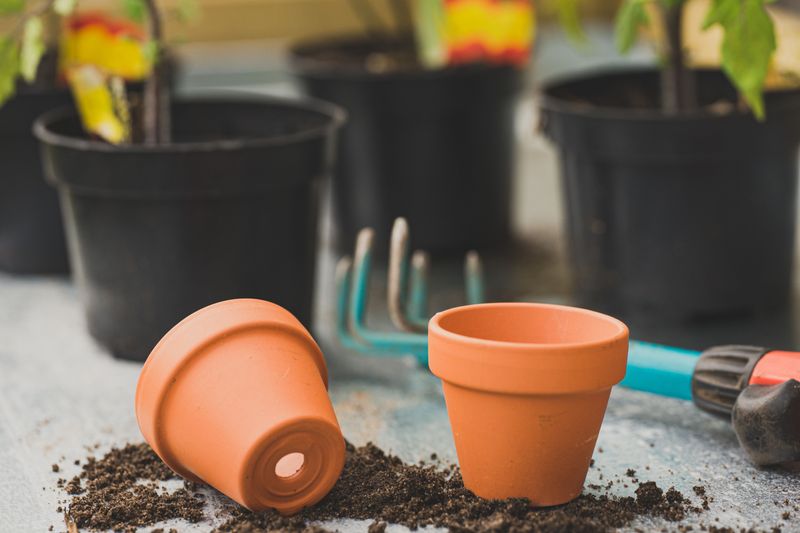
Sometimes the plant is fine and the container is the troublemaker. Tall blades acting like sails need a base heavy and deep enough to counter their weight.
Wide, shallow bowls look stylish but offer little grip for the root ball. One bump from a passing elbow and the whole arrangement shifts sideways.
Oversized pots cause a different headache. Extra soil holds extra moisture, which keeps roots damp and weakens the base that should be anchoring everything.
Aim for a pot only an inch or two wider than the root ball. Depth matters more than width for these upright growers, so choose something with decent height.
Material makes a real difference too. Terracotta and thick ceramic add ballast and wick away moisture, while thin plastic tips over with the slightest lean.
If you love a lightweight decorative planter, drop the nursery pot inside it and add a layer of pebbles or a flat stone at the bottom for weight. Just keep the inner pot raised so it is not standing in runoff.
Repotting is best done in spring or early summer when growth picks up. Use a chunky mix made for cacti and succulents, or blend regular potting soil with perlite and coarse sand.
Press the soil gently around the base so the plant sits snug rather than wobbly. A firm footing alone straightens out a surprising number of leaning specimens within days.
Roots Have Outgrown Their Space
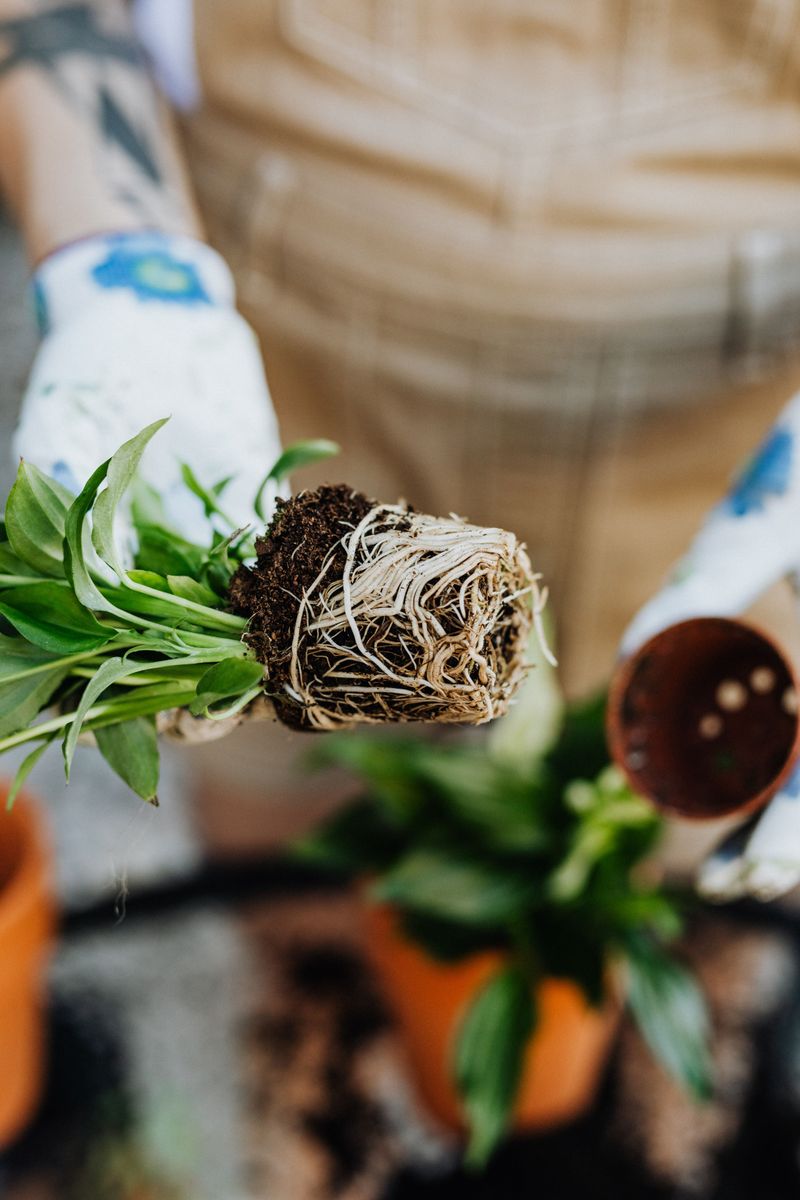
Ever seen a pot bulge outward like it swallowed something? Snake plant rhizomes are famously pushy, and vigorous clumps can sometimes stress or crack thin plastic containers from the inside.
When roots run out of room, they coil into a dense mass that stops holding soil properly. The plant then loses its grip and starts to tip.
Look for roots poking through drainage holes or soil that dries out within a couple of days. Both hint that there is more root than dirt in there.
Slide the plant out to confirm. A tight spiral of pale roots wrapped around the outside means it is time for an upgrade.
Loosen the outer roots with your fingers before repotting so they grow outward instead of continuing in circles. Trim any that look shriveled or dark.
Move up one pot size only. Jumping from a six inch to a twelve inch pot creates soggy pockets that cause fresh problems.
Division is the other option, and honestly it is the more fun one. Slice the clump apart with a clean knife, making sure each piece has roots and at least a few leaves.
You end up with two or three plants instead of one leaning giant. Pot each division separately, hold off on watering for about a week, then resume your normal routine.
Fresh soil also resets nutrients that have washed away over the years. Growth usually perks up noticeably within a month or two.
Leaves Have Grown Too Tall To Support Themselves
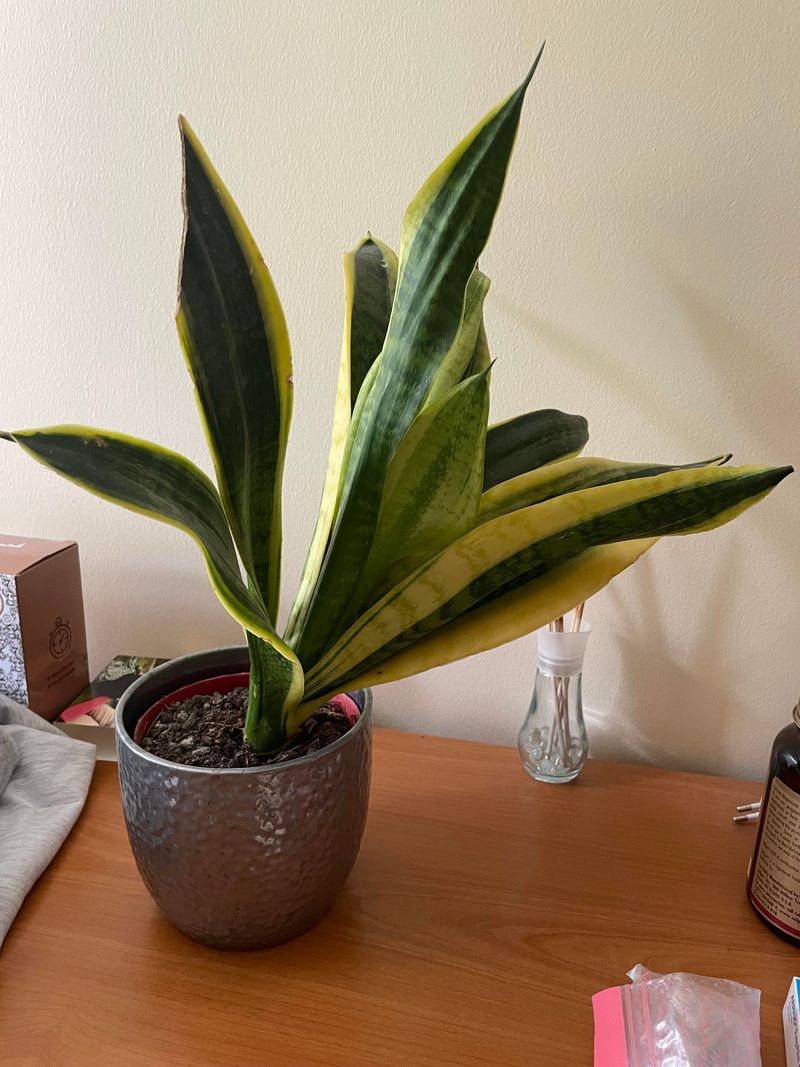
Success has a downside. Blades pushing past three feet get top heavy, and height eventually outweighs the stem’s strength.
Older leaves lose some of their internal firmness as they age. Combine that with height and you get an elegant arch that slowly becomes a full sideways slump.
Variety plays a role as well. Certain cultivars naturally grow long and loose, while compact types like Hahnii stay tidy no matter what.
Trimming is the straightforward answer. Cut the tallest, floppiest leaves right at the soil line with sharp, clean scissors so no stub is left behind.
It feels drastic, but the plant handles it well. Removing a few giants lets shorter blades take center stage and improves airflow through the clump.
Do not cut across the middle of a leaf and expect it to regrow a point. It will simply seal over with a flat scar and stay that height forever.
Those trimmed leaves need not go to waste. Cut them into four inch sections, let the ends callous for a day or two, then stand them in barely moist soil to root.
Support is another route if you love the height. A slim bamboo stake tucked behind the leaf and tied loosely with soft twine keeps things vertical without pinching.
Check the ties every few months so they do not dig into growing tissue. Loose is better than tight for anything living.
Soil Has Compacted Or Broken Down
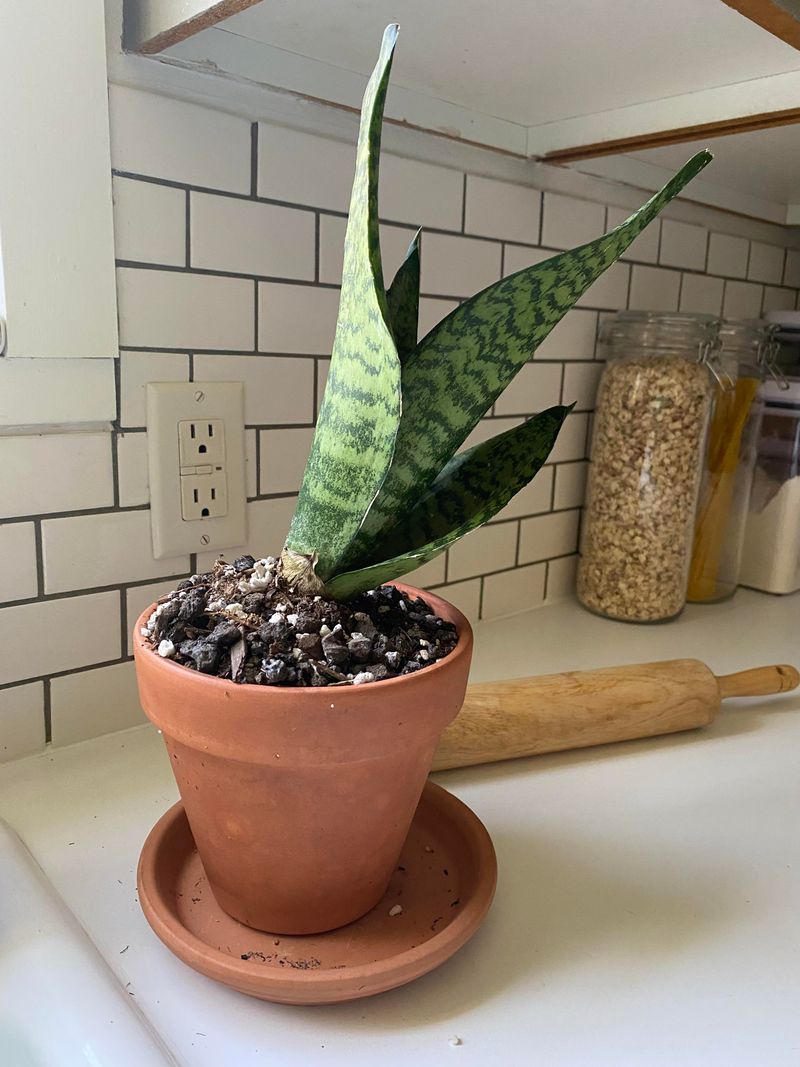
Old potting mix turns into something closer to dense, hardened soil. After a couple of years, the chunky bits break down and the soil packs into a dense block that water runs straight off.
Compacted soil squeezes roots and holds moisture unevenly. Half the root ball stays bone dry while the other half stays damp, which leads to lopsided growth.
A quick test tells you a lot. Poke a finger or a pencil into the surface, and if it meets stubborn resistance, the mix has hardened.
Loosening the top couple of inches with a fork gives immediate relief. Work gently so you do not slice through shallow rhizomes.
For a real reset, repot into a mix built for drainage. Two parts cactus soil, one part perlite, and a handful of coarse sand or fine bark makes a blend these plants genuinely enjoy.
Skip the moisture retaining potting soils sold for tropical houseplants. They hold far more water than a desert native wants.
Watering technique helps too. Slow, even pouring around the whole surface beats dumping a cup in one spot, which carves channels and leaves dry pockets.
Some growers add a top layer of small gravel for looks and stability. It also keeps the surface from crusting over between waterings.
As a general guideline, plan on refreshing the mix every two or three years, depending on growth speed and pot conditions. Even if the pot size still fits, new soil restores structure and gives roots something to hold onto again.
Straightening A Plant That Has Already Leaned
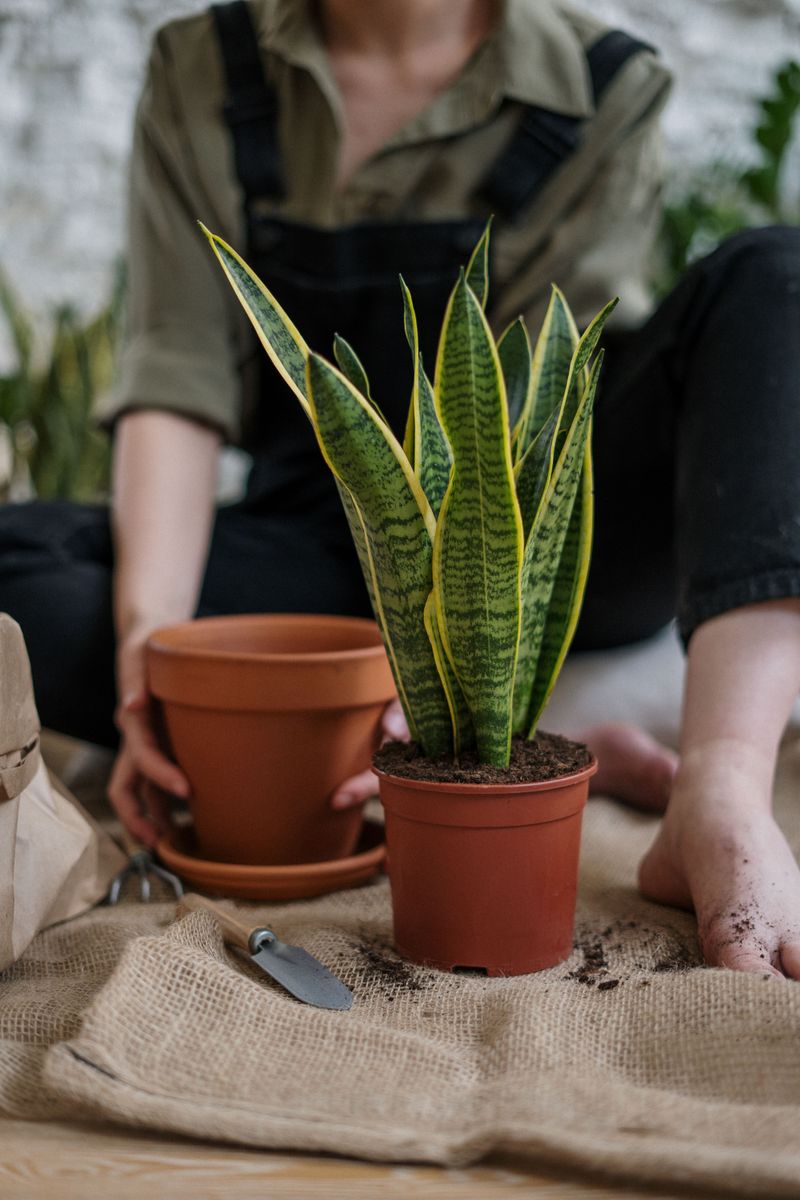
Fixing the cause stops future leaning, but it will not pull already-bent leaves back into position. For that, you need a little hands-on help.
Start with gentle staking. Slide a thin bamboo or wooden stake into the soil close to the leaf, avoiding the roots. Secure the leaf loosely with soft plant tie or fabric strip.
Leave enough slack for the leaf to move slightly in air currents. Ties pulled too tight will scar the tissue or restrict growth at the point of contact.
Check the tie every few weeks. Leaves thicken as they mature, and a strip left too long begins cutting into the surface.
Give it six to eight weeks before judging results. Young leaves stay flexible and often respond well, while older, woodier leaves may hold their bend permanently.
Refusing to straighten even with support is not a failure on your part. Removing that leaf at the soil line often works better than leaving a permanent bend in place, since it redirects energy toward new, upright growth.
Whole-plant leaning calls for repositioning rather than staking. Rotate the pot gradually over several weeks instead of all at once, so the plant is not shocked by a sudden shift in light direction.
Keeping It From Leaning Again
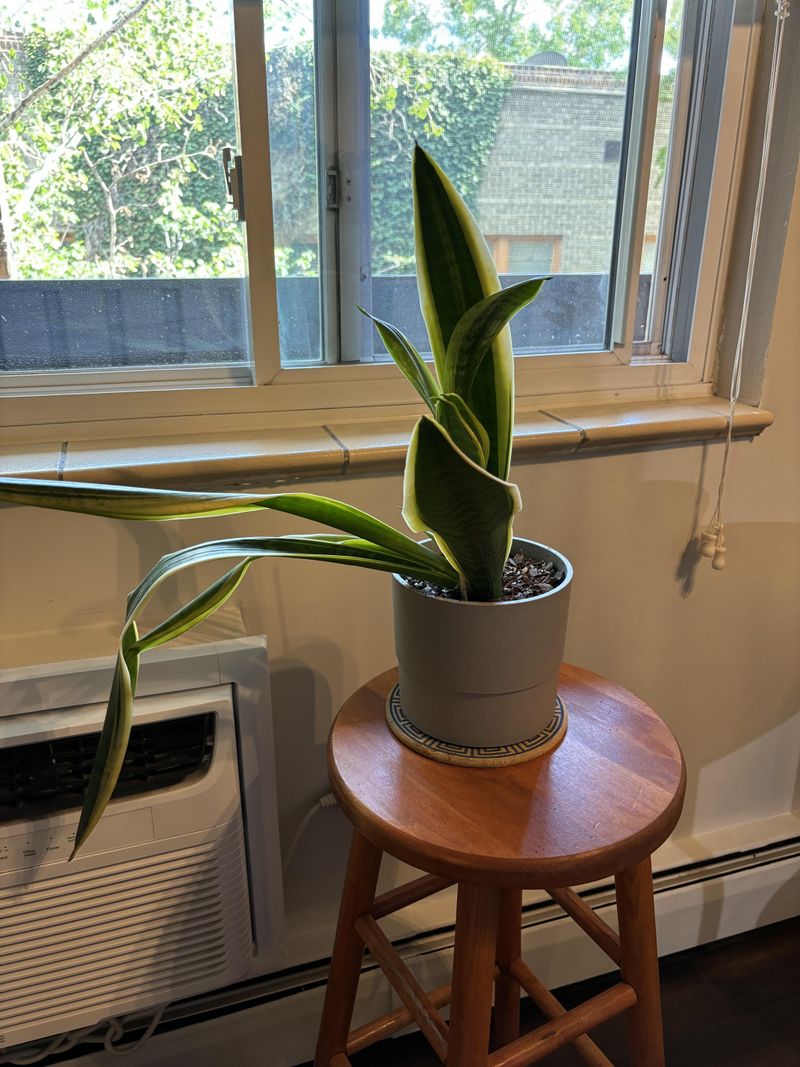
Prevention is less about one big change and more about a few small habits repeated consistently. Once your plant stands upright again, these habits keep it that way.
Rotate the pot on a set schedule, such as every Sunday, so every side gets equal light exposure over time. Consistency here matters more than precision.
Water on a check-first basis rather than a fixed calendar. Press a finger or chopstick into the soil, and only water when it comes out dry.
Choose pots with real weight and appropriate depth from the start. Heavy ceramic or terracotta bases prevent most tipping before it ever becomes a problem.
Repot before roots become severely crowded, not after. Watching for early signs, like roots peeking through drainage holes, saves you from a much bigger fix later.
Position the plant a consistent distance from windows, vents, and doors so it avoids repeated drafts or temperature swings. Stability in environment translates directly into stability in growth.
Finally, walk past your plant with a purpose once a week, not just with your coffee. A quick glance catches early leaning, soft spots, or soil issues long before they become visible problems.