Why Your South Carolina Garden Mulch Is Full Of Ground Skinks
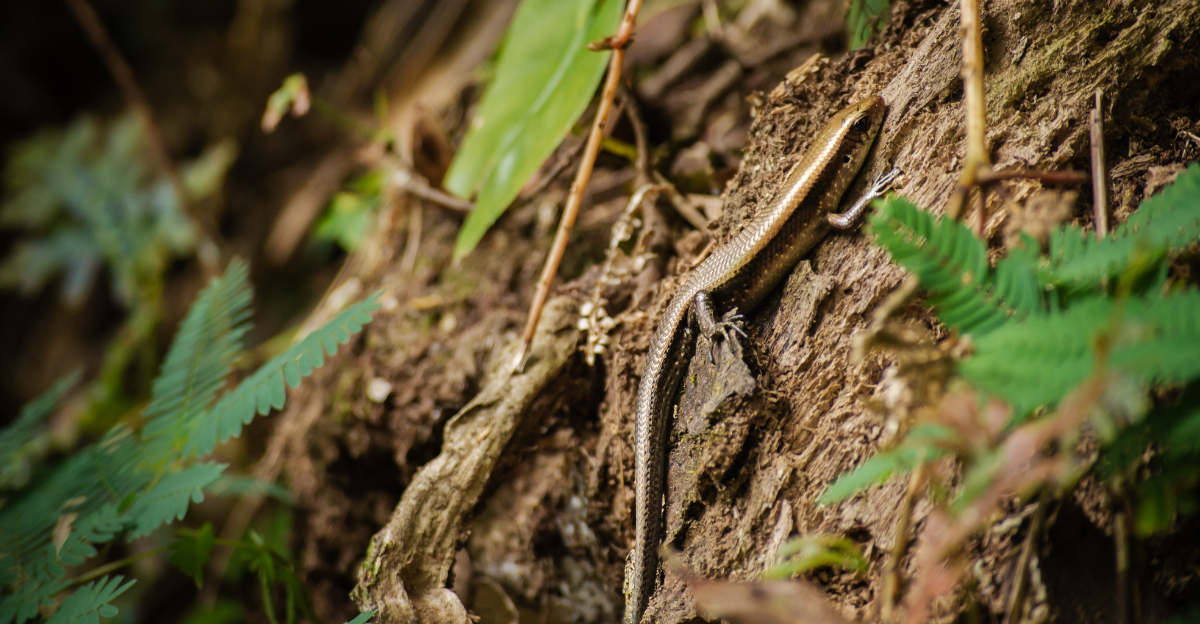
You catch a blur of motion near the mulch pile. Ground skinks disappear before your eyes can even focus.
South Carolina gardens have quietly become their favorite hiding grounds. Mulch gives these lizards warmth, moisture, and constant cover from predators.
Every pile hides insects they hunt without wasting energy. Gardeners rarely notice them until they dart across bare skin.
Their bodies move quickly while their instincts stay finely tuned. Nothing about their behavior happens purely by accident.
Humidity across South Carolina practically guarantees their constant presence. Heat, moisture, and loose soil create perfect skink habitat everywhere.
Predators rarely spot them hidden beneath soft wood chips outside. Understanding their habits changes how you view your entire garden.
Curiosity alone cannot explain why they pick this exact location. Patterns like these rarely happen without a clear biological reason. Right now you need to know exactly why your mulch keeps pulling them back.
1. Mulch Beds Retain Moisture And Warmth
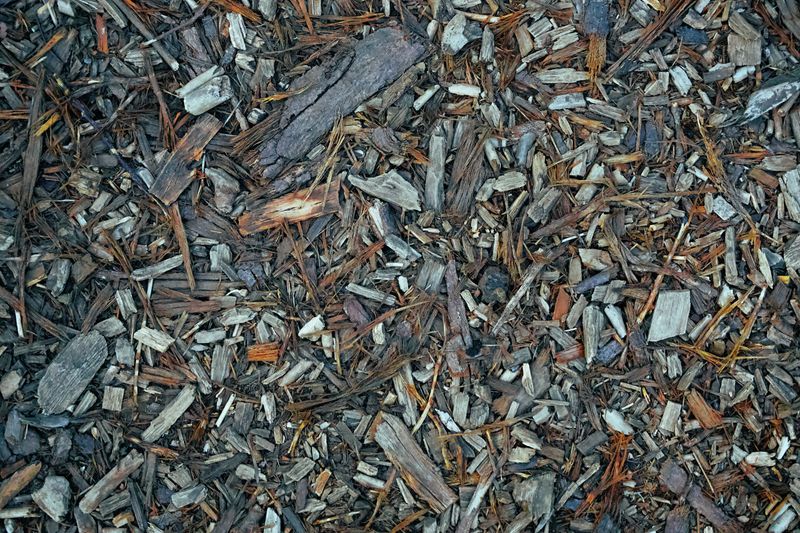
Warm and wet is a favorable environment for a ground skink. Mulch beds in South Carolina retain both moisture and heat, which retains consistent warmth throughout the day.
When the sun beats down on wood chips or bark, the top layer absorbs warmth fast. That heat stays locked in the lower layers, creating a stable microclimate favorable to skinks.
Reptiles cannot generate their own body heat. They depend entirely on their environment to stay warm and active throughout the day.
Mulch holds onto morning dew and rainwater longer than bare soil. That means the ground underneath stays soft, damp, and comfortable for hours after a rain shower ends.
Skinks use that warmth to speed up digestion, movement, and energy levels. Cooler body temperatures reduce a skink’s speed and responsiveness, which limits their ability to hunt and evade predators.
Garden mulch essentially retains both heat and moisture, giving skinks exactly what they need.
Homeowners who use thick layers of hardwood mulch tend to notice more skink activity. The thicker the layer, the better it holds temperature and humidity overnight.
Think of your garden bed as a well-suited habitat for reptiles. The moisture and warmth alone are enough to keep ground skinks coming back every single season.
2. Loose Material Allows Easy Burrowing Access
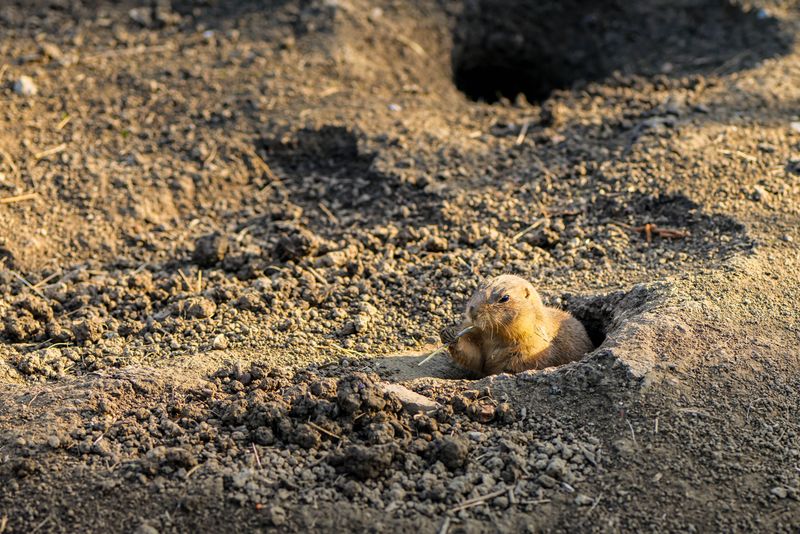
Ground skinks are not powerful diggers. They need loose, shifty material they can push through quickly without much effort.
Mulch gives them exactly that kind of easy access. Wood chips, shredded bark, and pine straw are all light enough for a small skink to slide through in seconds.
Burrowing helps skinks hide from hawks, cats, and other predators that patrol garden areas. A quick dive under the mulch can mean the difference between safety and falling prey to a predator.
Packed soil or gravel is too hard for ground skinks to navigate efficiently. Mulch, on the other hand, shifts easily as they move through it.
They also burrow to regulate temperature during the hottest parts of the day. Going just an inch or two deeper into the mulch layer drops the temperature noticeably.
Your South Carolina Garden Changes Every Week. Your Plan Should Too.
Gardening in South Carolina changes quickly throughout the season. Every Friday you’ll receive a simple weekly plan showing exactly what to plant, prune, fertilize, harvest, and protect so you never miss the right timing.
Skinks move through mulch with minimal resistance. Their smooth scales help reduce friction and support movement beneath the surface.
Shredded leaf mulch is especially popular with ground skinks because it mimics the forest floor closely. It is light, layered, and full of small air pockets they can navigate easily.
If your mulch is always getting mysteriously shuffled around near the edges of your garden, a ground skink is probably the reason. These skinks are constantly tunneling through your yard in search of food and shelter.
3. Insects And Larvae Attract Steady Food
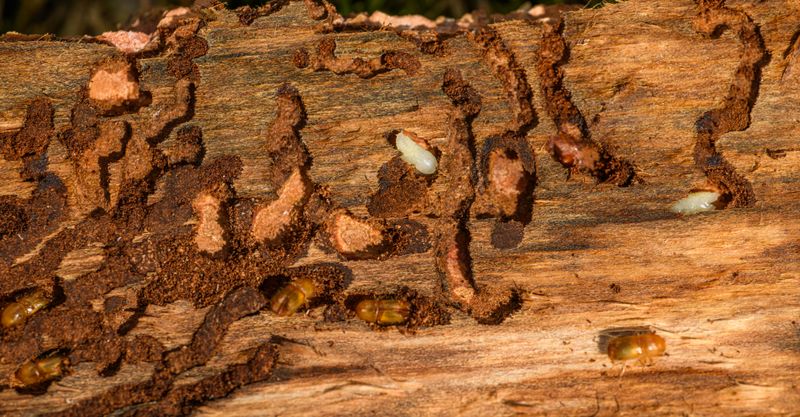
Skinks are predatory insect-eaters, and mulch beds are a reliable food source. Beetles, ants, grubs, and fly larvae all thrive in moist, decomposing organic material.
Ground skinks eat almost any invertebrate small enough to fit in their mouth. Crickets, earthworms, spiders, and termites are all fair game when a skink goes on the hunt.
Mulch creates a favorable environment for insect populations to grow. Rotting wood and bark attract wood-boring beetles, and their larvae are a food source skinks readily consume.
A single garden bed can host thousands of tiny invertebrates at any given moment. For a ground skink, that kind of food density makes the spot worth defending and returning to daily.
Skinks rely on movement and visual cues, along with some chemical detection, to locate insects moving through the mulch.
Compost-enriched garden beds are especially attractive because decomposition accelerates insect activity. The more organic matter breaking down, the more bugs show up, and the more skinks follow.
Gardeners who add food scraps or grass clippings to their mulch often notice a spike in skink sightings. The extra nutrients fuel a bigger insect population, which fuels a bigger skink population.
Having skinks patrol your garden is considered beneficial for pest control. They consume large numbers of pest insects that would otherwise damage your plants.
4. Shade Provides Protection From Predators

Open spaces offer little cover for small lizards. Birds of prey can spot a ground skink from a distance and strike quickly, often before the skink reacts.
Garden mulch beds with dense plantings above them create a canopy of shade and cover. That overhead protection makes ground skinks feel safe enough to forage actively during daylight hours.
Shrubs, ornamental grasses, and perennials planted in mulched beds act as a shield. Skinks stay close to the base of plants where the combination of shade and ground cover hides them well.
Cats are another serious threat in suburban gardens. A mulch bed surrounded by thick plantings gives skinks multiple escape routes and hiding spots that a cat cannot easily reach.
Shade also keeps the mulch from drying out too quickly on hot summer days. That moisture retention is a bonus that makes shaded garden beds doubly attractive to skinks.
Ground skinks are not aggressive or defensive creatures. Their entire survival strategy is based on staying hidden and moving fast when discovered.
Shaded mulch near fences, walls, or dense shrubs is prime skink territory. Those spots offer both overhead cover and a solid barrier that predators struggle to navigate around quickly.
If you want to attract more beneficial wildlife to your garden, adding shaded mulch zones is a great start. Skinks will move in quickly and help keep your pest population in check.
5. Leaf Litter Mimics Natural Forest Habitat
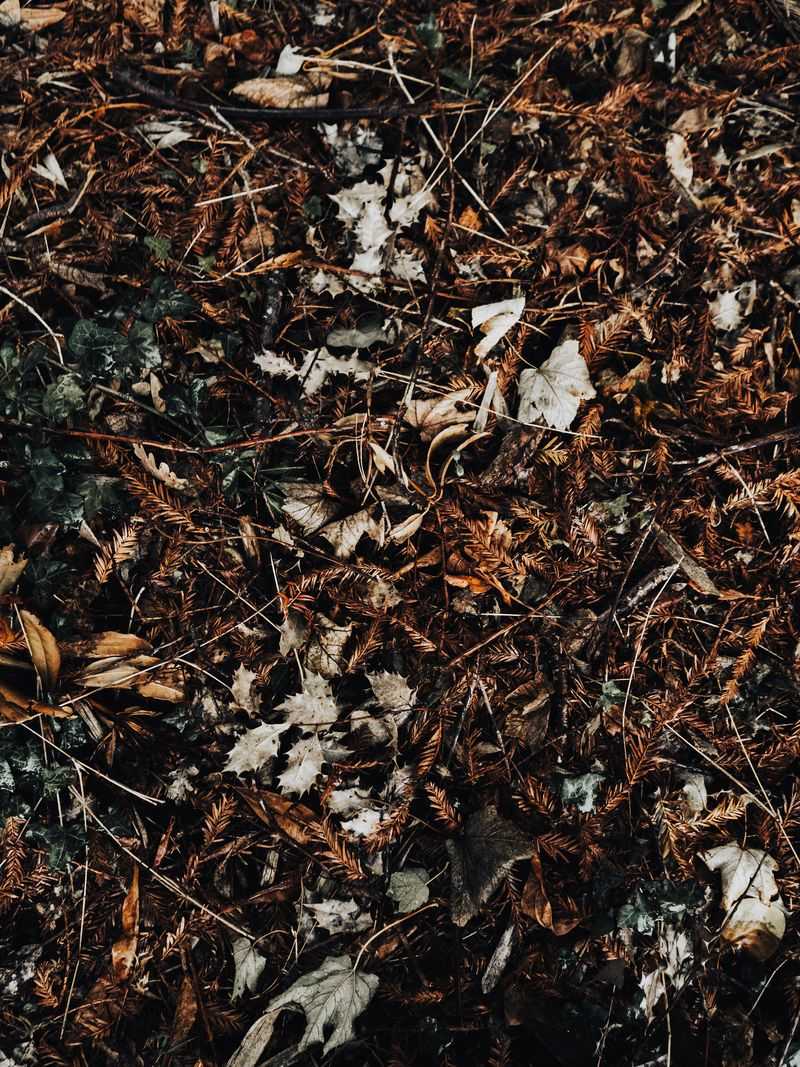
Ground skinks did not evolve for manicured lawns. They are not well suited to open turf, and leaf litter mulch closely resembles their natural habitat.
When you spread shredded leaves across your garden beds, you are recreating conditions similar to the forest floor where ground skinks have lived for thousands of years. The texture, moisture level, and smell are close to a natural forest floor.
Fallen leaves decompose slowly and create layers of material with varying textures and temperatures. Skinks exploit those layers the same way they would in a wild woodland setting.
Leaf litter also harbors a wide variety of microorganisms and invertebrates. Those tiny creatures form the base of the food chain that ground skinks depend on every single day.
Pine straw mulch is another popular option in South Carolina yards, and skinks favor it too. The long, loose needles create airy tunnels that are easy to move through and offer good camouflage.
A ground skink against a background of brown leaves is well camouflaged. Their brown, striped bodies match the color and pattern of decomposing foliage closely.
Gardeners who use organic mulches rather than rubber or stone alternatives tend to see more wildlife activity. Organic mulches support living ecosystems in ways that synthetic materials do not replicate as effectively.
Your leaf litter mulch functions as more than garden decor. For ground skinks, it acts as a self-contained habitat with food, shelter, and safety all in one place.
6. Undisturbed Areas Offer Safe Breeding Grounds
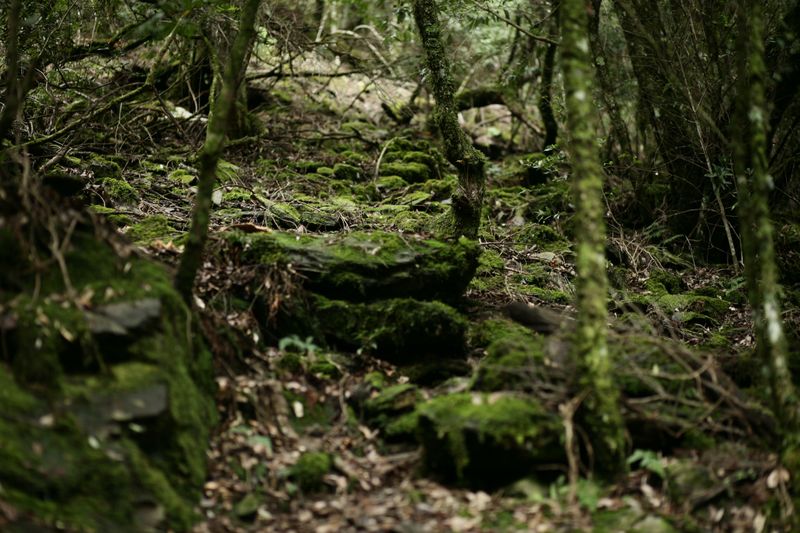
Ground skinks require undisturbed conditions during breeding. Breeding season brings out their need for calm, sheltered spots where eggs can develop without being disturbed.
Mulch beds that go untouched for weeks at a time become ideal nesting sites. Female skinks lay small clutches of eggs just beneath the surface of loose, moist organic material.
The eggs need consistent warmth and humidity to develop properly. Mulch provides both, providing stable warmth and humidity even when outdoor temperatures shift.
Busy garden areas with frequent foot traffic or digging tend to have fewer nesting skinks. Quiet corners near fences, under shrubs, or along garden borders are far more appealing to breeding females.
A female ground skink may lay multiple clutches per season under the right conditions. Clutch sizes and incubation times vary, but ground skinks generally lay small clutches that hatch within several weeks.
Once the eggs hatch, the tiny skinks are largely independent from birth. They begin hunting for food in the same mulch bed where they were born.
Leaving sections of your garden bed undisturbed through spring and early summer helps support local skink populations. You do not need to do anything special, just let one corner stay quiet and untouched.
A thriving skink population can be one sign of a healthy garden ecosystem, as these reptiles tend to favor balanced, productive outdoor spaces.
7. Humidity Levels Match Their Preferred Conditions
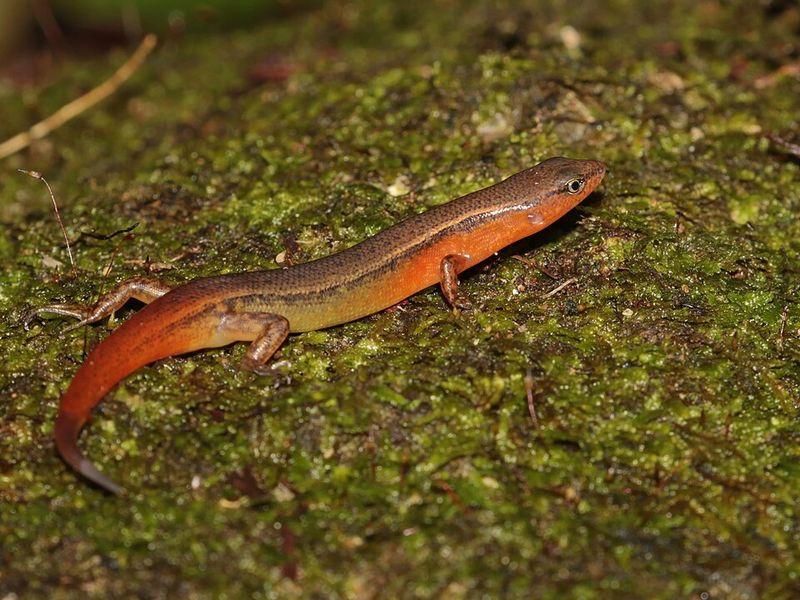
South Carolina is known for high humidity. Ground skinks, however, are built for exactly this kind of muggy climate.
High ambient humidity keeps their skin hydrated and supports the moisture needs of their eggs and young. A dry environment would be physiologically unfavorable for them and push them to seek better conditions elsewhere.
Garden mulch in a humid climate stays consistently moist without needing constant watering. The combination of regional humidity and mulch moisture retention creates conditions that resemble a humid tropical environment for a small reptile.
Ground skinks are native to the southeastern United States for a reason. The hot, humid summers of states like South Carolina are aligned with their biological needs and natural behavior patterns.
Mulch that stays damp between rainfalls is especially valuable during dry stretches. Skinks can find the moisture they need beneath the surface even when the top layer looks dry and dusty.
Their scales help reduce water loss, supporting hydration in humid environments. Garden beds near downspouts, rain gardens, or low-lying areas tend to attract the most skinks.
Those spots stay wetter longer and provide the consistently humid microhabitat these reptiles actively seek out.
Your garden experiences high humidity in summer, and your local skinks are well-suited to conditions. That humidity is the reason your mulch beds stay active with them all summer long.
8. Garden Beds Reduce Exposure To Open Yards
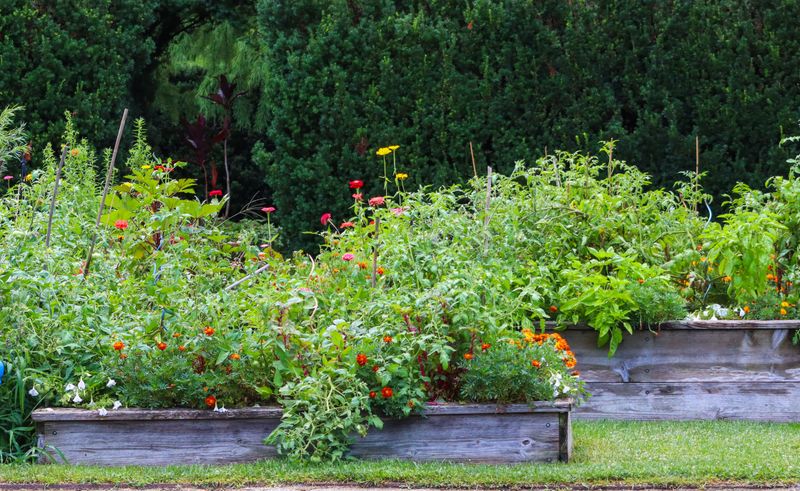
Open grass offers poor cover for ground skinks. Wide, exposed turf offers no cover, no food, and no protection from the many predators that patrol suburban yards.
Garden beds act as safe corridors that allow skinks to move around without crossing open ground. They can travel from one bed to another by staying close to plant borders and mulched edges.
Raised beds with solid sides are especially attractive because they create a sheltered zone underneath and around the frame. Skinks use those gaps as quick escape routes when danger approaches.
Sprawling lawns with few garden features tend to have very low skink populations. The more garden structure a yard has, the more habitat it provides for these small, fast reptiles.
Mulched pathways between garden sections connect habitat areas for skink movement. Connected beds allow them to forage across a wider area while staying within reach of cover at all times.
Ground skinks rarely venture more than a few feet from some form of shelter. Their entire daily routine is built around staying close to hiding spots and minimizing time spent in the open.
Adding more garden beds to your yard does not just improve curb appeal. Each new bed expands the network of safe zones that skinks and other beneficial wildlife can use throughout the season.
Your garden mulch is full of ground skinks because you have built them a genuinely suitable place to live. This can support natural pest control in your garden all season long.